Disney appoints former Character.AI CEO Karandeep Anand as the company’s first-ever group-wide Chief Technology Officer

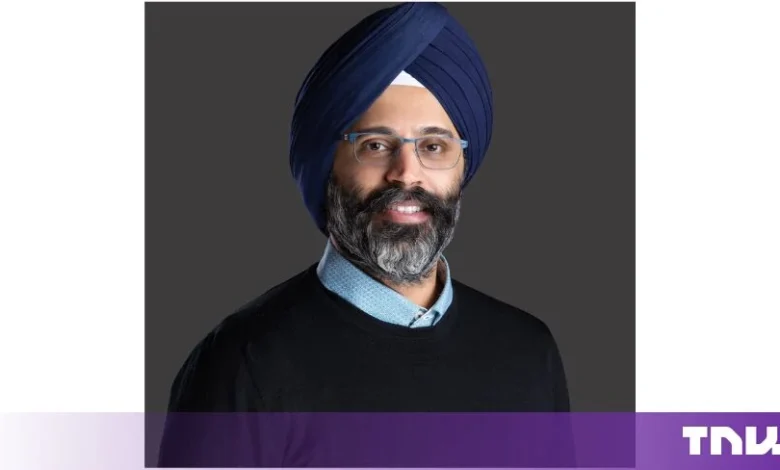
The Walt Disney Company has officially appointed Karandeep Anand, the former Chief Executive Officer of the artificial intelligence startup Character.AI, to the newly established position of Chief Technology Officer for the entire enterprise. This strategic move marks a significant departure from Disney’s traditional organizational structure, which has historically relied on fragmented technology leadership distributed across its various business units, such as Disney Entertainment, ESPN, and Disney Experiences. By centralizing its technological vision under a single executive, Disney is signaling an aggressive push toward integrating advanced AI, gaming, and interactive digital experiences into its global portfolio.
Anand, who brings an extensive background from his tenure at Meta—where he oversaw advertising and business products—and a long-standing 15-year career at Microsoft, is scheduled to officially assume his new role on October 2. He will report directly to Disney’s newly appointed Chief Executive Officer, Josh D’Amaro. The appointment is not merely a personnel acquisition; it is a clear indicator that the House of Mouse intends to pivot its legacy media operations toward a more immersive, technology-driven future.
A Controversial Past and a Complicated Synergy
The appointment is notable not only for the caliber of Anand’s resume but also for the recent, highly public friction between his former employer and his new one. In September 2025, The Walt Disney Company issued a formal cease-and-desist letter to Character.AI. Disney alleged that the platform was hosting a vast ecosystem of unauthorized chatbots impersonating its intellectual property.
The legal correspondence from Disney was scathing. It characterized the Character.AI platform as being "filled with chatbots" that were not only violating copyright law but were, in some instances, generating content that was "sexually exploitive and otherwise harmful and dangerous to children." At the time, the service allowed for open-ended, unrestricted conversations with AI avatars, many of which were trained on Disney’s iconic characters. Following the intervention from Disney’s legal department, Character.AI moved to scrub these unauthorized bots from its platform within days.
Despite the prior animosity, Disney’s leadership has emphasized that Anand’s mandate at his former firm included navigating the complexities of scaling a fast-growth tech startup while balancing user safety. Disney’s official announcement regarding the hiring underscored that Anand made "user trust and safety a priority" during his tenure at Character.AI.
Timeline of Key Developments
The trajectory leading to this appointment reveals a rapidly evolving regulatory and corporate environment regarding generative AI:
- September 2025: Disney issues a formal cease-and-desist letter to Character.AI, citing copyright infringement and the presence of harmful, unauthorized content targeting minors.
- Late September 2025: Character.AI complies with Disney’s demand, removing unauthorized impersonations of Disney characters from its platform.
- October 2025: Following a high-profile lawsuit in Florida involving the death of a 14-year-old—where the mother alleged that the platform’s design was psychologically manipulative and addictive—Character.AI faces intense public and regulatory scrutiny.
- November 25, 2025: Character.AI implements a major policy shift, barring users under the age of 18 from participating in "open-ended" chat sessions, though minors retain access to specific tools.
- September 2026: Disney officially announces the creation of a group-wide Chief Technology Officer role and selects Karandeep Anand to lead the company’s technological evolution.
The Strategic Mandate for Disney’s Future
Under the leadership of Josh D’Amaro, Disney is seeking to redefine the value proposition of its flagship streaming service, Disney+. The current roadmap includes plans to incorporate interactive gaming, social experiences, and personalized AI-driven search capabilities into the platform. Disney is already conducting beta tests on AI-powered search and discovery tools across the Disney+ and ESPN ecosystems.
Anand’s experience in the consumer-facing AI space is expected to be instrumental in these initiatives. His background at Facebook (now Meta) in building advertising and business products suggests that Disney may be looking to optimize its internal data infrastructure, potentially creating more personalized viewing experiences that increase user retention and engagement.
However, the appointment places an executive who previously led a platform heavily criticized for its impact on youth mental health at the helm of one of the world’s largest children’s brands. This juxtaposition is not lost on industry observers, who point to the increasing difficulty of balancing innovative technology with the stringent safety requirements inherent to a brand like Disney.
The Looming Shadow of European Regulation
The timing of this appointment coincides with a significant shift in the global regulatory landscape. In the European Union, policymakers are finalizing the "Kids Act," a robust legislative proposal aimed at curbing the potential harms of social media and AI on minors.
The proposed regulations are far-reaching:
- Age Restrictions: A proposed ban on social media access for children under 13.
- Usage Caps: Strict limits on screen time for children aged 13 and 14, capping engagement at one hour per day.
- Default Settings: AI chatbots would be required to be "switched off" by default for all minor users.
- Psychological Protection: Stricter prohibitions against technologies designed to create "emotional dependency"—a direct response to the concerns raised in the Florida lawsuit regarding Character.AI’s former interface.
With Disney+ maintaining a massive footprint in the European market, the company will need to navigate these impending rules with extreme care. Failure to comply could result in fines reaching up to 6% of the company’s global annual revenue. Anand will likely be tasked with ensuring that Disney’s new tech-forward features are "compliant by design," avoiding the pitfalls that led to the regulatory backlash against his previous company.
Industry Implications and Market Analysis
The creation of a group-wide CTO role signals that Disney has moved beyond viewing technology as a support function and is now treating it as a core product pillar. By hiring a veteran of the generative AI boom, Disney is positioning itself to capitalize on the technology’s potential while attempting to mitigate the risks that caused it to threaten litigation against Character.AI only a year ago.
The move also suggests that Disney expects a "brain drain" from the AI startup sector, with the company’s official announcement hinting that some of Anand’s former technical team may follow him to Burbank. This is a common tactic for established corporations looking to accelerate their digital transformation by "acqui-hiring" experienced engineering teams that have already successfully scaled consumer-grade AI products.
For investors, the appointment serves as a litmus test for Disney’s ability to modernize. While the company has long been a leader in creative content, its digital infrastructure has often been criticized as fragmented and outdated compared to technology-native competitors. Anand’s challenge will be to bridge the gap between Disney’s century-old storytelling traditions and the demands of an AI-driven, highly regulated digital future.
Conclusion
Karandeep Anand’s transition from a startup CEO facing legal scrutiny from a media giant to the Chief Technology Officer of that very same giant is a testament to the blurring lines between Silicon Valley’s AI innovators and the traditional entertainment industry. As Disney moves forward with its plans to integrate interactive, AI-driven experiences into its core services, the success of the company will rely on Anand’s ability to foster innovation without sacrificing the brand’s hard-won reputation for family safety.
Whether this appointment represents a harmonious marriage of media and tech, or a continued collision of conflicting philosophies regarding AI and user protection, remains to be seen. What is clear is that Disney is no longer willing to leave its technological destiny to chance. The company has made its choice: it will build the future of entertainment on the expertise of the same people who are currently shaping the rules of the AI revolution.