Beyond the Lens: Navigating the Rapid Evolution of AI Image Generation for Modern Creators

The creative landscape is undergoing a tectonic shift as artificial intelligence (AI) image generators transition from experimental novelties to essential utilities in professional workflows. For years, the divide between those capable of executing complex visual concepts and those who relied on stock photography or basic graphic design tools was defined by technical skill. Today, that divide is narrowing as generative AI models—ranging from specialized text-to-image engines to integrated design platforms—offer unprecedented accessibility to visual production.

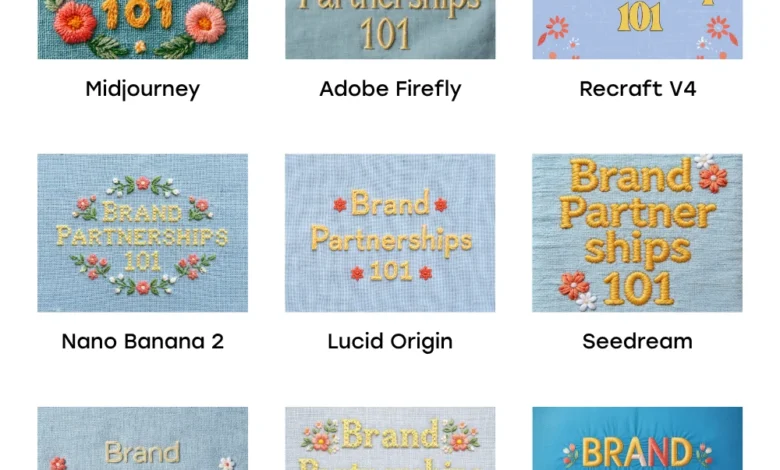
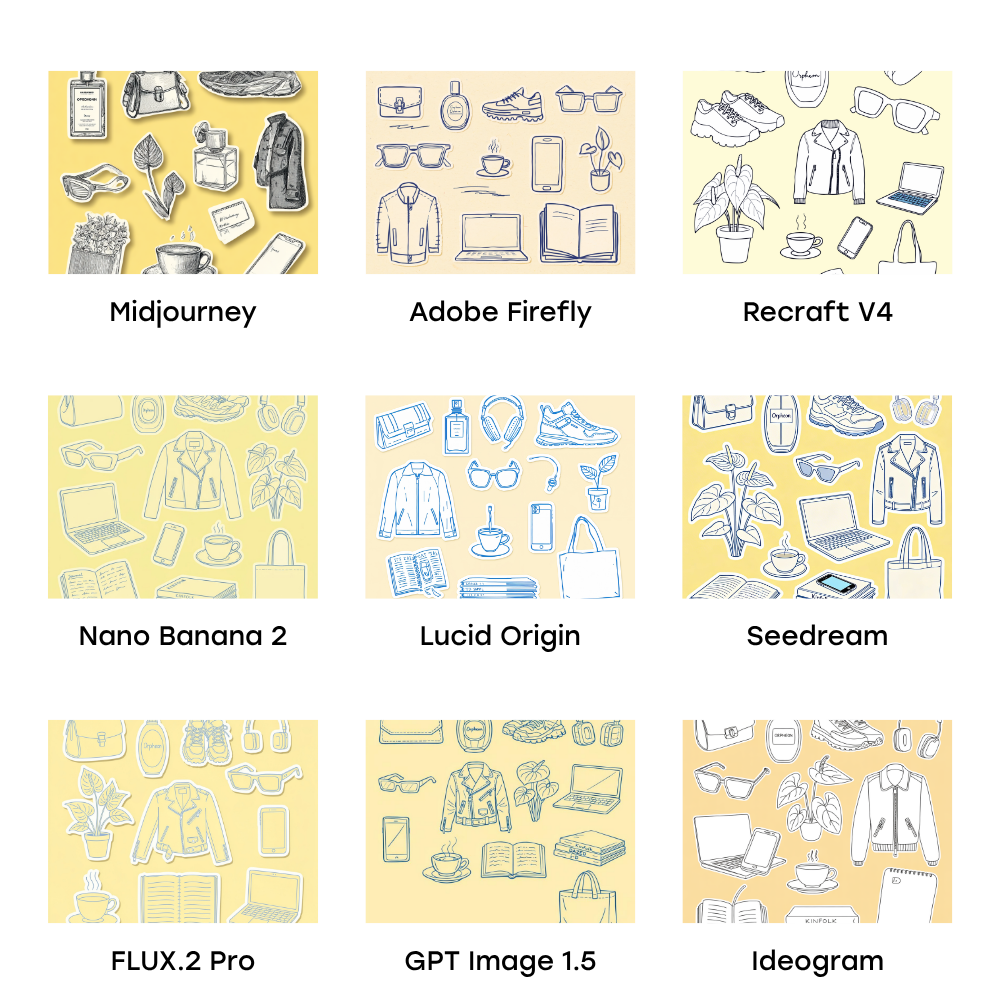
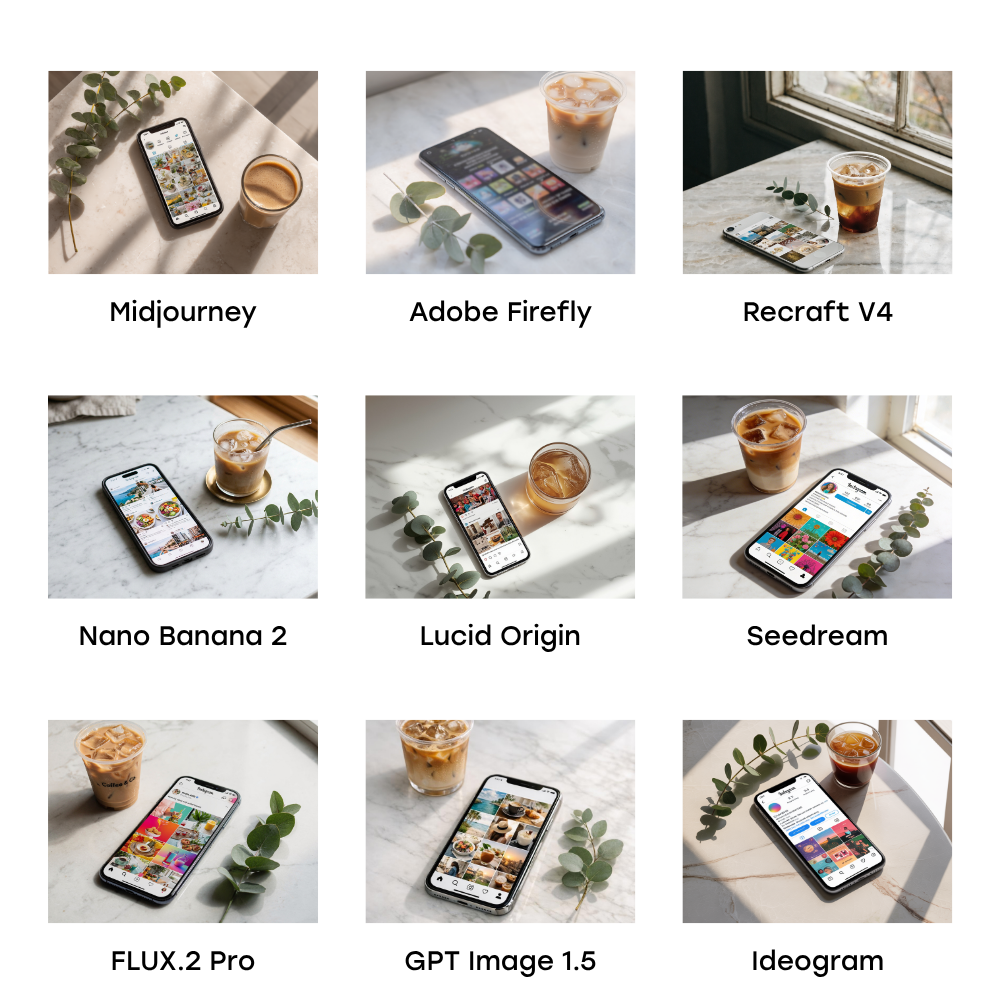
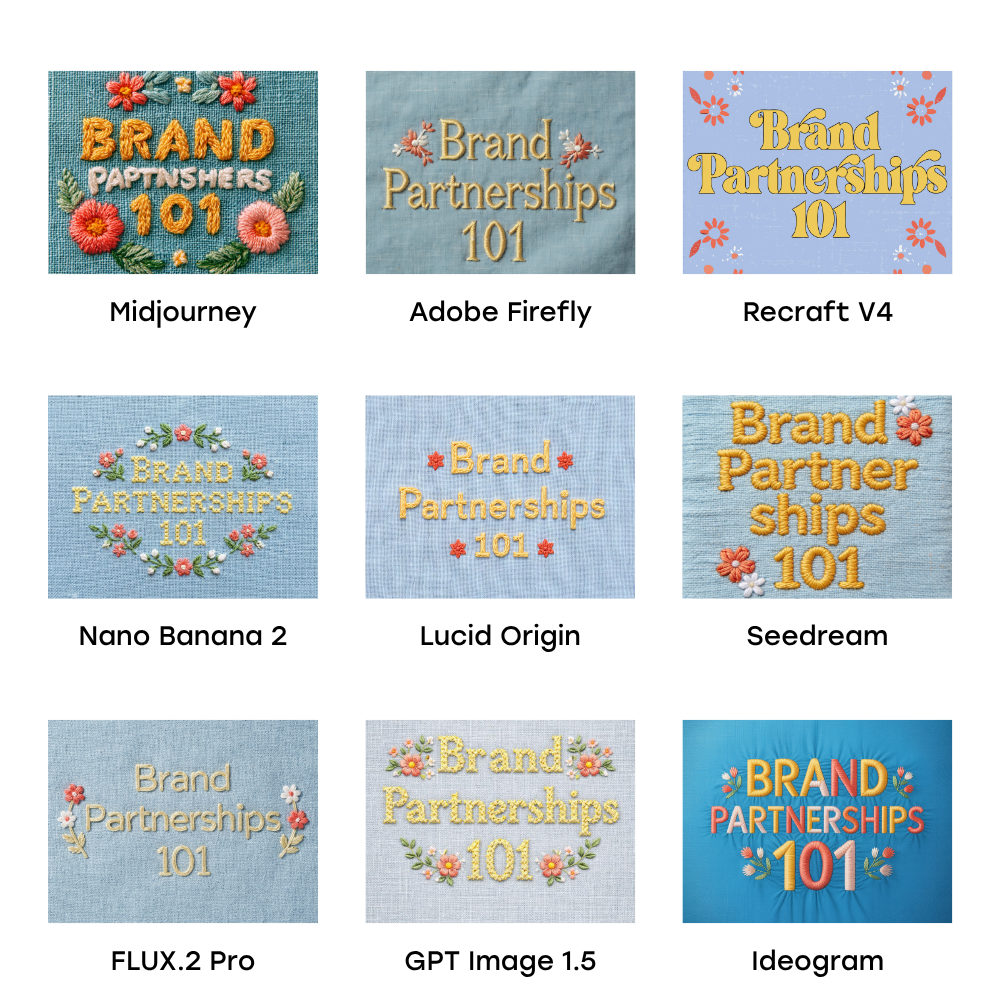
The proliferation of these tools, including models like Nano Banana 2, Seedream, Recraft V4 Pro, and Ideogram 3.0, has fundamentally altered how content creators, marketers, and independent business owners approach visual storytelling. By analyzing the performance of nine leading generative models across three distinct creative categories—sticker-style illustrations, editorial product photography, and textured typography—it becomes clear that while the technology is maturing, selecting the appropriate tool remains a nuanced exercise in matching model strengths to specific project requirements.
The Evolution of Generative AI Architecture
Modern AI image generators rely primarily on two architectural methodologies: diffusion-based processes and autoregressive generation. Diffusion models, which represent the industry standard, operate by introducing controlled visual noise to a dataset and then learning to reverse that process, effectively "denoising" random patterns into coherent images. Conversely, newer autoregressive models generate images in a sequential, pixel-by-pixel manner, often resulting in superior spatial reasoning and text rendering.
The shift toward these advanced architectures has led to a dramatic improvement in prompt adherence. Data indicates that current models have moved beyond generic interpretations of aesthetic descriptors, such as "high quality" or "beautiful," toward a sophisticated understanding of technical terminology. Industry benchmarks suggest that the most effective prompts now mirror the language of traditional production: lens types, lighting setups, color theory, and material textures.
Comparative Performance Analysis
A rigorous assessment of nine industry-leading models reveals a market defined by specialization rather than universal superiority. In testing conducted across various creative briefs, performance varied significantly based on the intended output.
Nano Banana 2, developed by Google, has emerged as a leader in object consistency. In tests requiring the rendering of specific branded items—such as particular perfume bottles or technical running footwear—Nano Banana 2 demonstrated a higher degree of accuracy in replicating real-world object characteristics. This makes it an ideal candidate for creators requiring high-fidelity representations within a controlled illustration style.

For creators prioritizing text precision, ByteDance’s Seedream and Ideogram 3.0 remain the primary contenders. The persistent challenge of rendering legible, error-free text within images has long been the "Achilles’ heel" of generative AI. However, current iterations of these models have largely resolved character distortion, making them suitable for social media graphics that require embedded typography.

For designers seeking granular control, Recraft V4 Pro offers a distinctive advantage through its agentic chat interface and support for reference imagery. By allowing users to input specific brand hex codes and pull from a curated library of professional design styles, Recraft functions less as a random generator and more as a collaborative design partner.

Chronology of AI Integration in Creative Workflows
The adoption of these tools has followed a distinct trajectory over the past 24 months:

- Early 2024: The market was dominated by open-access diffusion models, characterized by high visual fidelity but significant challenges in text rendering and object placement.
- Mid-2024: The introduction of "model-as-a-service" platforms, such as Leonardo.ai, allowed users to switch between different architectures (e.g., FLUX.2 Pro, GPT Image 1.5) within a single interface, lowering the barrier to experimentation.
- Early 2025: Integration became the focal point. Adobe’s Firefly 5, for instance, prioritized seamless workflows within Creative Cloud, emphasizing commercial safety and copyright-compliant training sets over pure aesthetic variety.
- Mid-2026: The current phase is defined by "precision prompting," where model capabilities have advanced enough to require, and respond to, highly technical directives regarding depth of field, material physics, and specific artistic techniques.
Economic and Legal Implications
The broader implications of these advancements extend into the realms of intellectual property and professional labor. While AI-generated images have become an indispensable asset for rapid prototyping and supporting social media content, the legal status of such output remains in flux.

As of mid-2026, the United States Copyright Office maintains that works created entirely by AI without sufficient human intervention are not eligible for copyright protection. This creates a significant distinction for businesses: while an AI-generated image may be used commercially under the terms of a platform’s service agreement, it cannot be "owned" in the traditional sense. Consequently, professional organizations are increasingly adopting a "hybrid" model. In this framework, AI serves as an ideation engine for high-volume content, while high-value assets—such as logos, primary brand imagery, and long-term marketing collateral—continue to be developed through human-led design processes to ensure full intellectual property protection.

Strategic Recommendations for Implementation
For organizations and creators looking to integrate AI image generation into their standard operating procedures, the following strategic framework is recommended:

- Prioritize Model Selection: Evaluate the specific output needs. If the goal is realistic product photography, prioritize models with strong lighting and shadow physics, such as FLUX.2 Pro. If the goal is brand-aligned illustration, look for tools with reference image support like Recraft.
- Master Technical Prompting: Transition away from descriptive adjectives. Utilize industry-standard terminology regarding composition ("shallow depth of field," "flat lay"), lighting ("golden hour," "natural window light"), and medium ("ink hatching," "gouache," "35mm film grain").
- Implement a Negative Prompting Strategy: Efficiency is gained by defining what is excluded. Explicitly stating "no watermarks," "no text overlays," or "no composite photography" reduces the post-processing time required to refine generated images.
- Ensure Compliance: Before adopting any tool for business use, review the terms of service regarding commercial rights. Many "free" tiers automatically make user-generated content public, which may pose a risk to proprietary marketing campaigns.
The Future of the Creative-Machine Interface
Looking forward, the trend toward model-specific specialization is likely to continue. As platforms move toward "multi-modal" intelligence, the distinction between a writing tool and a visual creation tool will continue to blur. The next generation of models is expected to feature deeper integration with real-time analytics, allowing for images that are not only visually compelling but also optimized for specific platform algorithms and engagement metrics.

Ultimately, the utility of AI image generation does not lie in the total replacement of human creativity, but in the expansion of its capacity. By automating the production of supplementary visuals, creators are freed to focus on high-level strategy, narrative structure, and the emotional resonance of their work—elements that remain, for now, uniquely human domains. The technology acts as a force multiplier, provided the user possesses the requisite vocabulary to guide the machine toward their intended vision. As the tools become more powerful, the value of the creative director—the individual who understands what to ask for, and why—will only continue to grow.