The Unseen Revenue Streams: How Micro and Nano-Influencers Are Monetizing Instagram Without Millions of Followers

The landscape of social media monetization is rapidly evolving, and the notion that only mega-influencers with astronomical follower counts can generate significant income on platforms like Instagram is proving to be outdated. A growing cohort of micro-influencers (typically with 10,000 to 50,000 followers) and even nano-influencers (1,000 to 10,000 followers) are not only supplementing but, in some cases, replacing their primary incomes through strategic content creation and the utilization of Instagram’s diverse monetization features. This shift underscores a fundamental change in how brands and audiences perceive influence, prioritizing engagement, niche expertise, and authenticity over sheer follower numbers.
For many creators, the journey into monetization begins with experimentation. "I now have over 15K followers on Instagram," shares one established content creator, "but when I started experimenting with monetization, I had no idea what would actually work. And I tried everything. Affiliate links that made me a few bucks. Brand partnerships that fizzled out. And eventually, a couple of income streams that actually stacked up month after month." This sentiment highlights the often-unseen effort and trial-and-error involved in transforming social media presence into a viable income source. The key takeaway from this journey is that there’s no "easy money" switch; turning posts into paychecks consistently requires dedicated, thoughtful work.
This article delves into the most effective strategies for monetizing Instagram, exploring what is currently yielding results, what might be worth skipping, and how creators can layer these income streams regardless of their follower count. Whether you’re just starting on Instagram or already possess a substantial following, there are viable options available.
Understanding the Three Pillars of Instagram Monetization
Most creators generate income on Instagram by navigating three broad monetization paths. These paths differ in their entry barriers and payout structures, offering a spectrum of opportunities for creators at various stages of their social media journey.
1. In-App Features: These are the tools and functionalities built directly into the Instagram platform that allow creators to earn revenue from their audience. This category includes subscriptions, gifts, badges, and bonuses. The minimum follower threshold varies significantly by feature, ranging from 500 to 10,000 followers. Payouts are typically generated through audience purchases or seasonal bonus programs initiated by Instagram.
2. Brand Collaborations: This encompasses partnerships with businesses seeking to leverage creator audiences for marketing purposes. Key methods include sponsored posts, user-generated content (UGC) creation, and affiliate marketing. While UGC and affiliate links often have no minimum follower requirement, sponsored posts generally require at least 1,000 followers. The payout models here are diverse, including flat fees, product gifting, or commission-based earnings.

3. Self-Promotion: This path involves creators directly selling their own products or services to their audience. This can range from establishing an Instagram Shop and utilizing shoppable posts to promoting self-created products, services, online courses, merchandise, or even running targeted ads. The barrier to entry for this path is often minimal, with no strict follower threshold, and the payout model is driven by direct sales revenue.
Monetization Paths at a Glance
| Path | Methods Covered | Minimum Follower Threshold | Payout Model |
|---|---|---|---|
| In-app features | Subscriptions, Gifts, Badges, Bonuses | 500–10K (varies by feature) | Audience purchases or seasonal bonus |
| Brand collaborations | Sponsored posts, UGC, Affiliate links | No minimum (UGC/affiliate); 1K+ (sponsored) | Flat fee, product gifting, or commission |
| Self-promotion | Instagram Shop, Own products/services, Courses, Ads, Merch | No minimum | Direct sales revenue |
Note: Instagram Shop is covered separately and requires a business account with specific eligibility criteria.
Regardless of the chosen monetization route, consistent growth hinges on identifying a clearly defined audience and engaging with them regularly. Content can be strategically repurposed across these various streams to maximize its impact and reach.
Leveraging Instagram’s Native Earning Tools
The most direct way to earn revenue on Instagram often involves utilizing the platform’s built-in monetization features. These tools are designed to facilitate income generation without creators needing to leave the app.
1. Offering Exclusive Content via Subscriptions
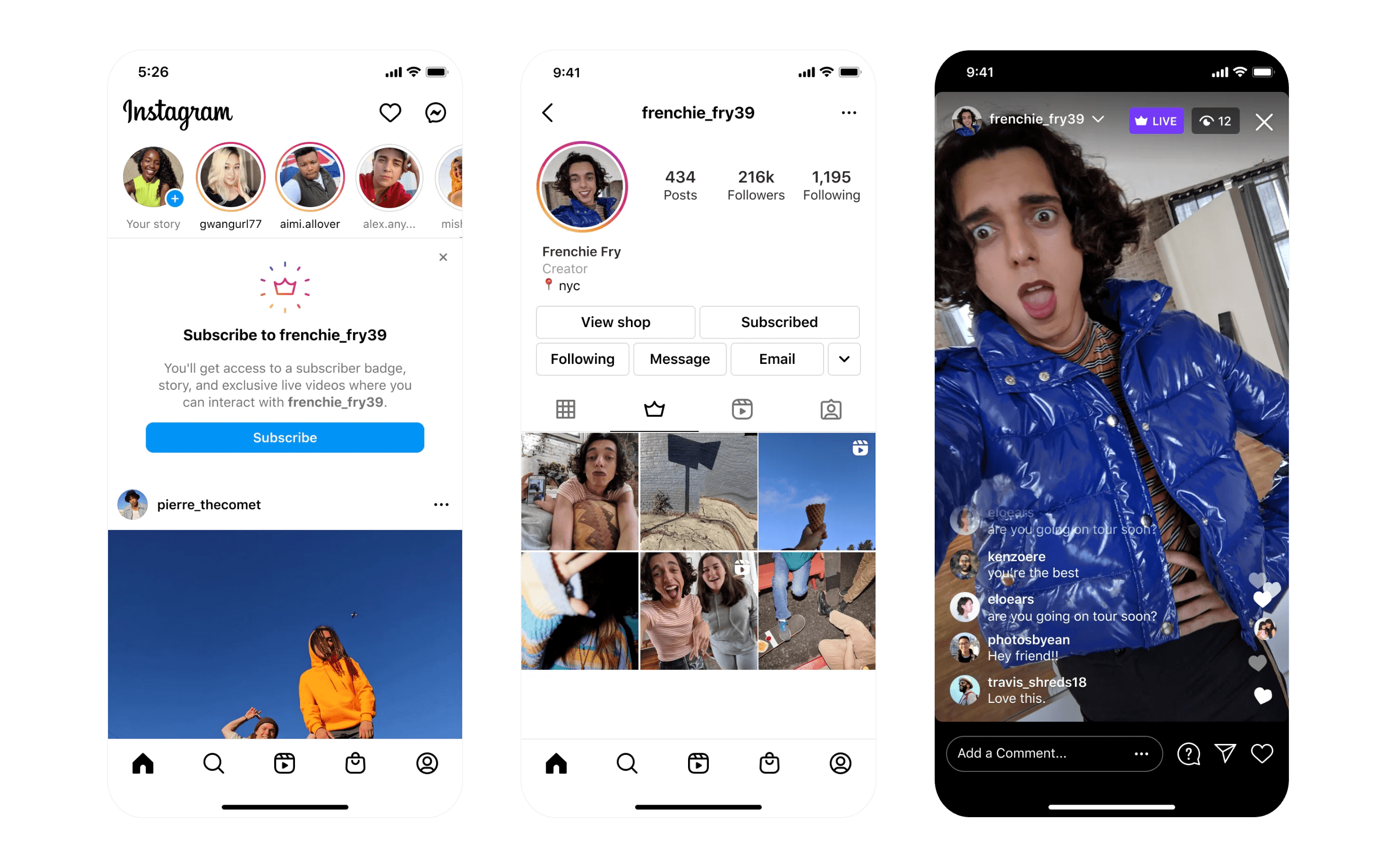
Instagram Subscriptions, available to creators with 10,000+ followers, provide a recurring revenue stream by allowing them to charge a monthly fee for exclusive content. This includes private posts, Reels, Stories, and live sessions. It functions as a built-in membership program, offering subscribers access to content not available on the main feed.
The success of subscriptions often hinges on providing genuine value beyond just content. "People don’t pay for content. They pay for meaningful access," emphasizes one creator. This access can manifest as behind-the-scenes glimpses into a creator’s process, unfiltered thoughts, in-depth tutorials, or personal updates that foster a deeper connection with the audience. Subscribers can easily identify exclusive content through a crown icon on the creator’s profile.
Pro Tip: Paying close attention to subscribers, identifiable by a purple crown symbol in comments, is crucial. Prioritizing replies to these engaged followers can strengthen the sense of community and exclusivity.
Requirements for Subscriptions:
- A professional Instagram account.
- Meeting follower thresholds (generally 10,000+, though this can vary by region and program updates).
- Adherence to Instagram’s Monetization Policies.
- Residency in an eligible country.
Note: Subscriptions are not available for accounts primarily featuring content related to children.
2. Receiving Gifts from Fans
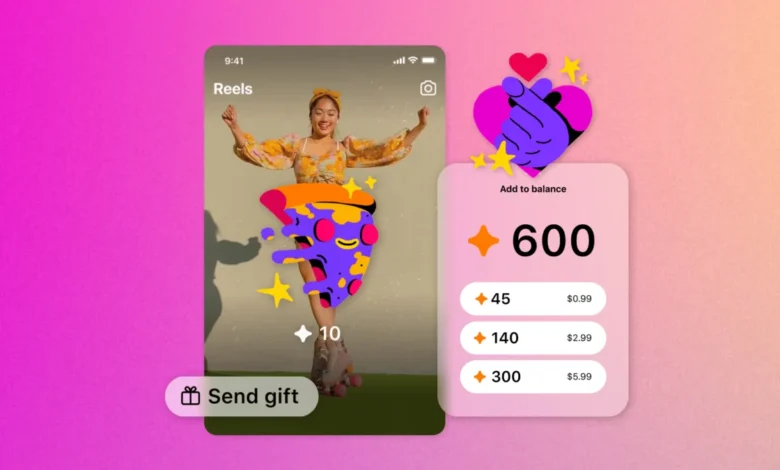
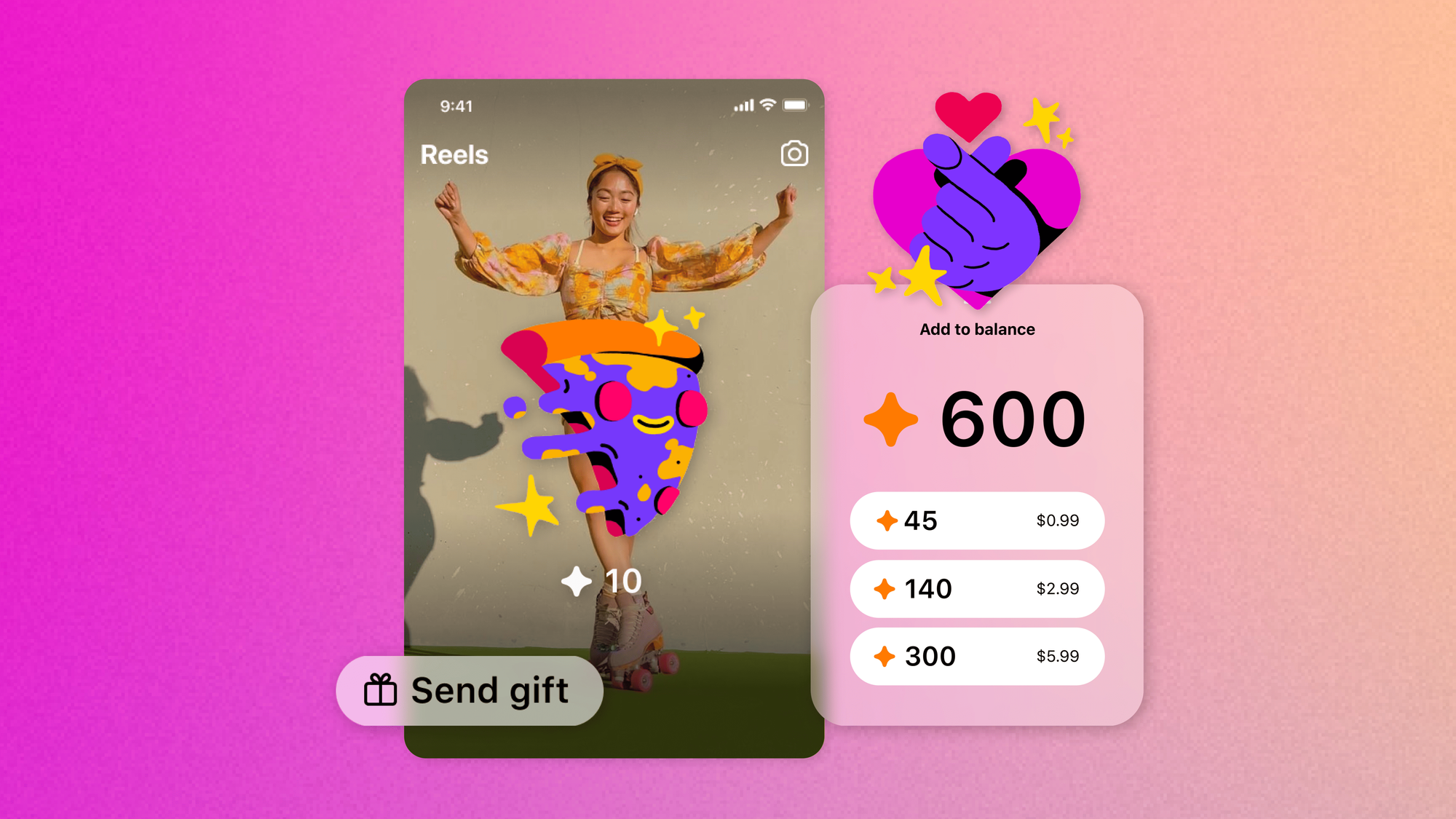
Instagram Gifts, available on Reels, allow fans to send virtual "stars" that convert to cash at a rate of $0.01 per star. This feature has a low barrier to entry, requiring only a professional account and 500+ followers, making it one of the most accessible ways for creators to earn directly from their audience.
The effectiveness of Gifts often relies on consistent, engaging content that resonates emotionally with viewers—whether through entertainment, inspiration, or education. Creators who casually mention the option of sending gifts, framing it as a way to support ongoing content creation, often see more organic engagement than those who push it aggressively. While individual gift amounts may be small, consistent contributions can accumulate significantly over time.
Pro Tip: Frame gift requests subtly, as a way to fuel future content, rather than a demand. Authenticity and genuine appreciation for audience support are key.
Requirements for Gifts:
- A professional Instagram account.
- A minimum of 500 followers.
- Residency in a country where Gifts are available.
- Adherence to Instagram’s Monetization Policies.
3. Monetizing Live Sessions with Badges
Instagram Badges enable viewers to tip creators during live sessions with tiered contributions of $0.99, $1.99, or $4.99. This feature is exclusively tied to live broadcasts and acts as a direct form of audience support, akin to purchasing a front-row seat to a live event.
Successful creators often transform their live sessions into engaging experiences, establishing consistent themes like "self-care chats" or "behind-the-brand Fridays." Viewers who purchase badges are highlighted, fostering a sense of recognition and community. Announcing the availability of badges at the beginning of a live session and again as new viewers join can effectively boost their utilization.
Pro Tip: Make live sessions interactive and value-driven. When viewers feel they are getting something unique and engaging, they are more likely to contribute through badges.
Requirements for Badges:
- A professional Instagram account.
- Minimum age of 18 years.
- Residency in an eligible country.
- Adherence to Instagram’s Monetization Policies.
4. Qualifying for Instagram Bonuses
Instagram Bonuses represent a direct payment from Instagram to creators, contingent on content performance rather than direct audience purchases. These bonuses can be awarded for Reels, carousels, and single-image posts, with payouts distributed on rolling cycles.
These bonus programs are typically invite-only and vary by region. Creators are notified via their professional dashboard. Once onboarded, Instagram tracks content shared during a specific bonus period (up to 150 pieces of content from activation week to the end of the opportunity). Higher views and plays generally translate to increased earnings.
While bonuses are not a primary strategy, they can serve as a valuable reward for consistent content creation. The earnings per 1,000 views in past bonus programs have been reported to range between $0.01 and $0.05, with Reels bonuses historically offering higher payouts.
Pro Tip: Treat bonuses as a welcome bonus rather than a guaranteed income. Maintaining a consistent content schedule increases the likelihood of qualifying for any available bonus programs.

Requirements for Bonuses:
- Invitation from Instagram.
- A professional account.
- Adherence to Instagram’s Monetization Policies.
- Setup of a payout account.
Note: Bonuses are often seasonal and offered for a limited duration. Creators must regularly check their professional dashboard for invitations and ensure their payout account is set up.
The Power of Brand Collaborations and Affiliate Marketing
While in-app features offer direct earning potential, brand collaborations and affiliate marketing often represent the most significant income streams for creators, especially those with smaller but highly engaged followings.
5. Earning from Sponsored Posts and Brand Partnerships
Sponsored posts are a cornerstone of influencer marketing. Brands pay creators to feature their products or services in content posted on the creator’s own platform. This arrangement allows brands to tap into the creator’s established audience, building brand awareness and driving sales.
The compensation for sponsored posts varies widely, influenced by factors such as niche, location, content quality, follower count, and crucially, engagement rate. Influencer Marketing Hub’s benchmark study indicates that nano-influencers can earn between $10 and $100 per post, with micro-influencers commanding $100 to $500. These figures escalate significantly for mid-tier, macro, and mega-influencers.
| Influencer Tier | Follower Count | Estimated Rate Per Post |
|---|---|---|
| Nano | 1,000–10K | $10–$100 |
| Micro | 10K–50K | $100–$500 |
| Mid-tier | 50K–500K | $500–$5K |
| Macro | 500K–1M | $5K–$10K |
| Mega | 1M+ | $10K+ |
Brands often pay more for usage rights, allowing them to repurpose sponsored content in their own advertising campaigns. Data from Buffer’s "State of Social Engagement" report consistently shows that engagement rate, rather than raw follower count, is a stronger predictor of brand interest. This dynamic empowers nano- and micro-creators with niche audiences to often command higher per-post rates than larger accounts with less engaged followings.
Finding Brands to Partner With:
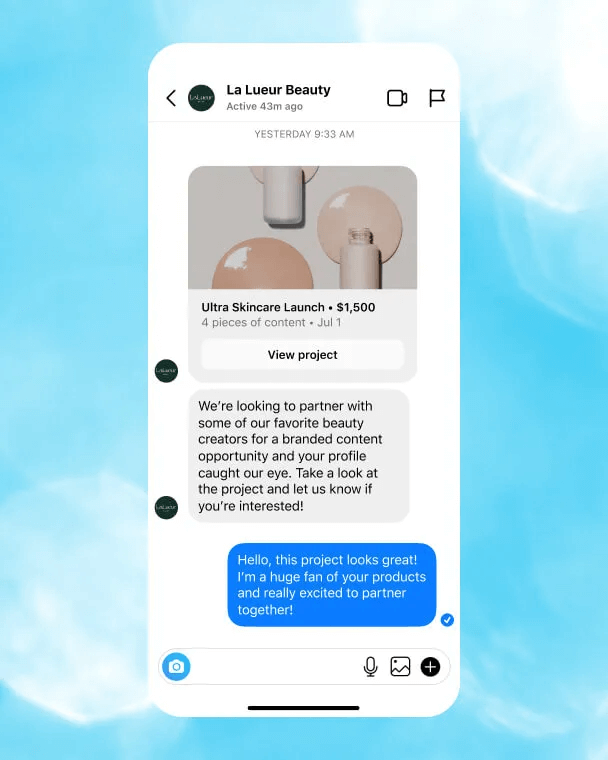
Brands actively involved in influencer marketing often proactively reach out to creators with engaged communities that align with their target demographics. They may utilize specialized software for discovery. Creators can also attract attention by tagging brands they genuinely use and appreciate in their content. Joining Instagram’s Creator Marketplace, available in eligible countries, can also facilitate connections between brands and influencers. Direct outreach via DMs or email to brands’ influencer marketing teams is another viable strategy.

Crucial Consideration: Over-saturation of sponsored content can dilute authenticity and negatively impact audience engagement. Annie-Mai Hodge, founder of Girl Power Marketing, advises, "If your feed starts to feel like a media kit, people stop engaging, and that hurts your chances of monetizing in the long run." Brands seek influence, which is built on trust and authentic connection, not just reach.
Creator Tip: When partnering with a brand you genuinely use and love, the collaboration feels like natural storytelling rather than overt selling. Tagging trusted brands in casual posts can sometimes lead to unexpected paid opportunities.
6. Creating User-Generated Content (UGC) for Brands
User-generated content (UGC) deals compensate creators for producing branded video or photo content that the brand then publishes on its own channels or uses in advertisements. A significant advantage of UGC is that it typically requires no minimum follower count. Brands are primarily interested in a creator’s content production skills and aesthetic.
This method allows creators to earn revenue while maintaining the integrity of their personal feed, keeping it focused on their own content. It’s an ideal avenue for creators who excel behind the scenes, producing product demonstrations, unboxings, or tutorials without the pressure of direct audience engagement on their own profile.
Getting Your First UGC Deal:
Creators often secure UGC deals by directly pitching brands via Instagram DMs, responding to brand comments, or sending emails with sample video content and a clear offer.
Pro Tip: UGC is particularly well-suited for creators who are more comfortable with content production than direct personal promotion.
7. Earning Through Affiliate Links
Affiliate marketing is a highly accessible monetization path for beginners. Creators earn a commission for every sale made through a unique trackable link or a promotional code provided by a brand. These links often come with discounts, incentivizing followers to make a purchase.
The effectiveness of affiliate marketing relies on promoting products that creators genuinely use and believe in. "When I started, I promoted products I was already obsessed with," recalls one creator. "The stuff I’d recommend to a friend anyway." Trust is paramount; when followers trust a creator’s recommendations, they are more likely to convert.
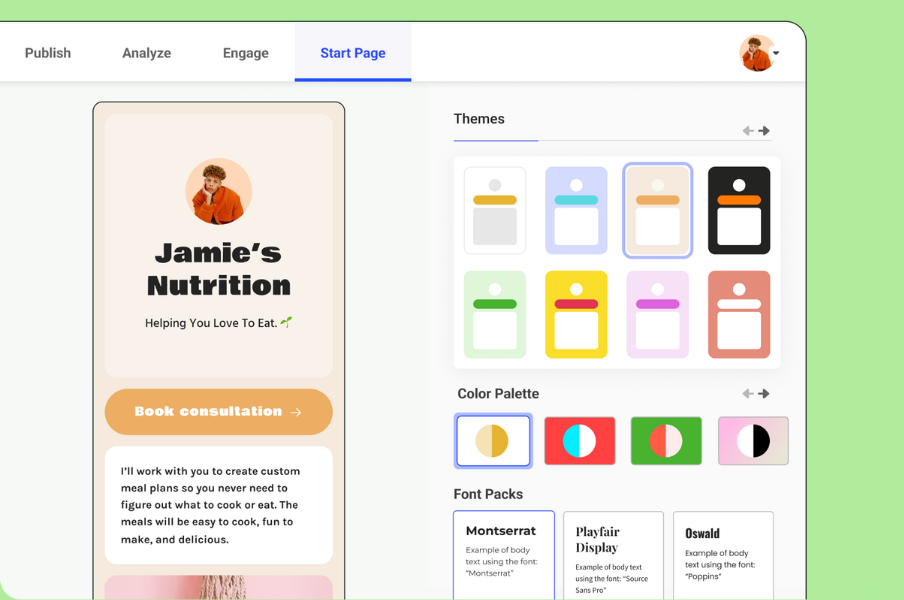
Pro Tip: Place trackable affiliate URLs in your Instagram bio link for easy access. Tools like Buffer’s Start Page allow for customized bio link pages where discount codes can be clearly displayed alongside links to brand websites.
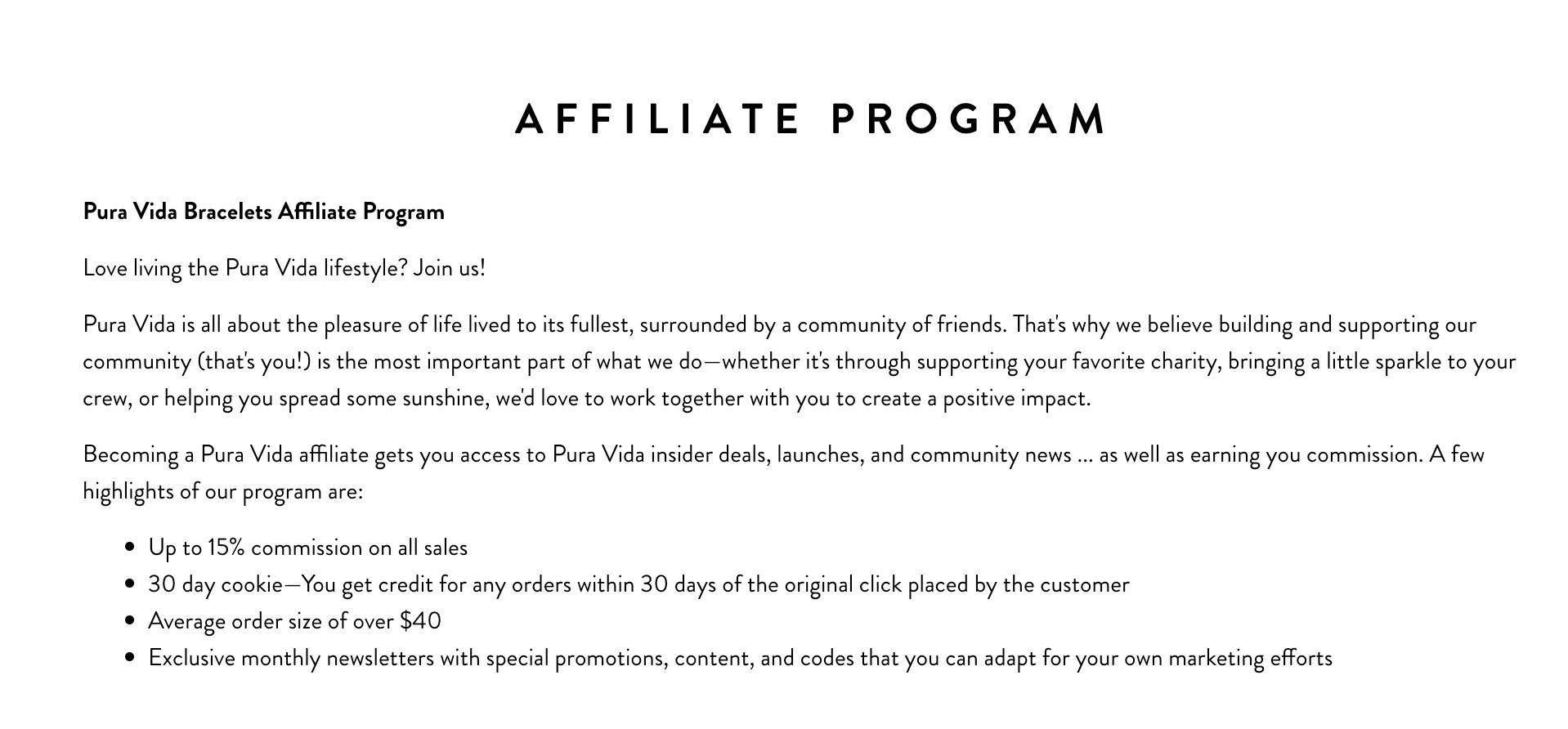
Many affiliate relationships evolve from existing brand partnerships. Brands may transition from sponsored posts to offering performance-based affiliate incentives. Creators can also join open affiliate programs like Amazon Associates or specific brand programs such as Pura Vida, which offers a 15% commission. These programs typically provide a dashboard for tracking earnings.
Pro Tip: Identify products you already use and love, and check if those brands offer affiliate programs. This allows for authentic promotion of items you genuinely endorse.
Building Your Own Brand and Business on Instagram
Beyond collaborations, creators can leverage Instagram to build and promote their own ventures, often yielding higher profit margins.
8. Setting Up an Instagram Shop and Shoppable Posts
For businesses in eligible countries with a business account, Instagram Shop transforms their profile into a digital storefront. This feature allows for tappable product tags that link directly to a catalog, streamlining the purchase process. Creators can tag products in posts and Reels, leading users directly to product details and pricing.
For regions where Instagram Shop isn’t available, solutions like Buffer’s Shop Grid offer a workaround, creating a shoppable feed experience that directs users to a custom landing page via the bio link.
Pro Tip: Minimize the steps between a follower seeing a product and making a purchase to optimize conversion rates.
Promoting one’s own products or services offers higher profit margins, as creators retain 100% of the revenue. This requires developing a clear brand strategy, effectively communicating the value proposition of products, and showcasing how they solve audience problems.
9. Selling Courses or Membership Programs
Creators with expertise can monetize their knowledge by offering online courses or membership programs. These offerings allow audiences to learn from the creator’s skills and experience. Effective promotion involves highlighting the tangible benefits and addressing the specific pain points of the target audience.
10. Running Instagram Ads to Drive Sales
Strategic use of Instagram ads can amplify the reach of successful organic content, especially for creators selling digital products or services. A modest test budget, such as $50-$100, can identify high-converting posts that can then be boosted to broader audiences.
The goal of advertising is to generate more revenue than is spent on ads. Analyzing ad performance provides valuable insights into what resonates with the target audience, informing both paid and organic content strategies. The initial ad spend should be viewed as an investment in learning and optimization.
11. Designing and Selling Merch
For creators who have cultivated a strong personal brand, merchandise offers a tangible way to monetize their influence. This can include items featuring recurring phrases, unique aesthetics, or inside jokes that resonate with their community. By creating merchandise that reflects the brand’s identity, creators can foster a sense of ownership and belonging among their followers.
Converting Posts into Paychecks: A Strategic Approach
Monetizing Instagram is not about chasing every possible income stream but about identifying what aligns authentically with a creator’s brand and audience. Starting small, testing one or two strategies for a few months, and focusing on sustainability and audience resonance are key.
Timeless principles like solving a real problem for the audience and cultivating a distinct niche significantly increase the chances of success. The operational side of content creation—managing comments, DMs, analytics, and content calendars—can be substantial. Tools like Buffer can streamline these administrative tasks, allowing creators to focus on what they do best: creating content.
Ultimately, making money on Instagram is a marathon, not a sprint. It requires consistent effort, strategic thinking, and a genuine connection with the audience.
FAQ About Making Money on Instagram
Do Instagram users get paid directly by the app?
Yes, sometimes. Instagram offers direct payment through in-app tools like subscriptions, gifts, badges, and bonuses. However, many creators generate the majority of their income through external avenues like brand partnerships, affiliate marketing, and selling their own products or services.
How much does Instagram pay for 1,000 views?
There isn’t a fixed rate. Creators generally report earning between $0.01 and $0.05 per 1,000 views through bonus programs, but this varies based on the specific program, eligibility, and region. Reels bonuses have historically paid more than other formats.
How many views on Instagram do you need to make money?
There’s no universal view threshold. Bonuses are invitation-only and tied to content performance, not just raw views. For brand deals, both views and engagement are crucial. Instagram’s bonus programs have often focused on Reels with 10,000+ plays, but eligibility criteria can change.
How many followers do I need to get paid on Instagram?
Follower count isn’t the sole determinant. Instagram’s in-app features have specific thresholds (e.g., 500 for Gifts, 10,000 for Subscriptions). However, brand deals, UGC, and affiliate marketing have no minimum follower requirement.
How much do nano-influencers make on Instagram?
Nano-influencers (1,000–10,000 followers) typically earn $10–$100 per sponsored post, according to Influencer Marketing Hub. Rates vary based on niche, engagement, and usage rights. Many nano-creators diversify their income streams to achieve a sustainable monthly income.

Can you make money on Instagram without a lot of followers?
Yes. User-generated content (UGC), affiliate links, and selling your own products via an Instagram Shop or link-in-bio page are accessible with no minimum follower count. Brands often prioritize engagement and niche fit over follower numbers.
Can you make money on Instagram without showing your face?
Yes. UGC is a prime example, where creators produce content for brands without appearing on camera. Affiliate marketing, running an Instagram Shop, and selling courses or templates also work well for "faceless" accounts in various niches like finance, book reviews, or recipe content.
What do I need to qualify for Instagram’s money-making tools?
Requirements typically include being at least 18, using a professional account, adhering to content monetization policies, meeting follower/engagement thresholds, residing in an eligible country, and setting up a payout account.
How do I start earning money on Instagram if I’m new?
Begin by defining your niche, posting consistently, and actively engaging with your audience. Choose one income path to focus on initially (e.g., UGC, affiliate links) and build from there. Tools like Buffer can help maintain consistency through post scheduling.