Apple Settles Class Action Lawsuit Over Overhyped Siri AI Features for 250 Million Dollars

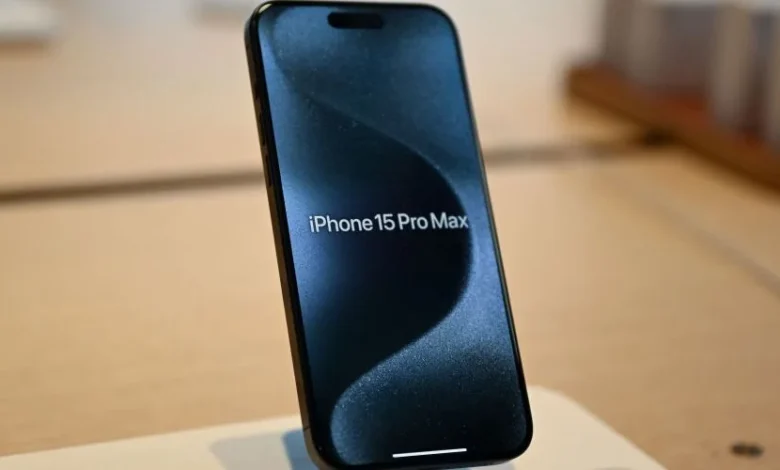
The resolution of a significant class action lawsuit against Apple Inc. has brought a $250 million settlement to the forefront of the consumer technology landscape. This legal action, centered on allegations that Apple misled consumers regarding the capabilities and availability of its artificial intelligence-driven Siri overhaul, serves as a landmark case in the burgeoning era of generative AI marketing. While the tech giant has consistently denied any wrongdoing, the financial settlement provides a potential avenue for restitution for millions of US customers who purchased high-end iPhone models under the impression that advanced AI features were ready for deployment.
The Genesis of the Dispute
The core of the litigation rests on the marketing campaigns surrounding the iPhone 15 and iPhone 16 product lines. Throughout 2024, Apple invested heavily in promoting its “Apple Intelligence” ecosystem, a suite of generative AI tools intended to redefine the user experience through a revamped, context-aware Siri. These advertisements prominently featured natural language processing capabilities, cross-app automation, and advanced image generation—features that were heavily touted during the product launch cycles.
However, the reality of the software rollout did not align with the marketing timelines. As months passed, many of the promised features remained absent from the operating system, leaving users with devices that lacked the transformative capabilities they had effectively paid a premium to access. The lawsuit, filed by a coalition of consumers, alleged that Apple engaged in deceptive trade practices by using the promise of “Siri AI” to drive sales of hardware that could not, at the time of purchase, support those features.
A Chronology of the Software Rollout
The timeline of this dispute mirrors the delayed trajectory of Apple’s AI ambitions.
- June 2024: Apple announces its suite of AI features during its Worldwide Developers Conference (WWDC), creating massive consumer anticipation.
- Summer/Fall 2024: Marketing campaigns for the iPhone 15 and 16 emphasize the new AI-powered Siri as a primary selling point.
- Late 2024–Early 2025: Persistent delays in the rollout of these specific features lead to growing consumer frustration and the eventual filing of the class action suit.
- May 2025: Apple agrees to a $250 million settlement to resolve the claims, aiming to avoid a protracted legal battle that could have negatively impacted its brand equity.
- September 2025: With the launch of iOS 27, the long-promised Siri overhaul is finally made available to the public, albeit significantly later than the initial marketing suggested.
Eligibility and Claim Requirements
The settlement program is structured to provide financial relief to US consumers who were caught in the gap between marketing promises and actual product functionality. To be eligible for a portion of the $250 million fund, individuals must have purchased specific models of the iPhone 15 or iPhone 16 directly from Apple between June 10, 2024, and March 29, 2025.
Claimants are entitled to receive up to $95 per device, a figure designed to account for the perceived reduction in value of the handset during the period when the promised features were unavailable. The claim process is straightforward but requires documentation to ensure legitimacy. Participants must visit the dedicated settlement portal, smartphoneaisettlement.com, to initiate the process. Users do not need a pre-assigned Claim ID; instead, they will be required to provide their device’s serial number or Apple Account ID to verify their purchase history.
For those unfamiliar with locating their device serial number, the process is integrated directly into the iOS interface. By navigating to Settings, then General, and finally About, users can retrieve the alphanumeric string necessary to complete the claim form. Importantly, the settlement is device-specific; owners of multiple eligible handsets must submit separate claims for each device to receive the full compensation for which they are eligible. The deadline for all submissions is December 21, 2025, after which the fund will be distributed among verified claimants.
Corporate Strategy and Legal Stance
Apple’s decision to settle rather than litigate reflects a broader shift in how major technology firms handle consumer protection lawsuits in the post-pandemic era. By allocating $250 million to the settlement, the company has effectively mitigated the risk of a judicial ruling that could have set a dangerous precedent for future AI-related product launches.
In a statement released shortly after the agreement was finalized, an Apple spokesperson characterized the resolution as a strategic move to prioritize forward-looking development over retrospective litigation. “We resolved this matter to stay focused on doing what we do best, delivering the most innovative products and services to our users,” the company stated. Despite the payout, Apple remains adamant that its marketing was conducted in good faith and that the delays were a byproduct of the iterative nature of software development, rather than a deliberate attempt to deceive.
Broader Industry Implications
The Apple settlement is being closely watched by legal experts and tech industry analysts as a bellwether for the regulation of AI marketing. As more companies integrate generative AI into consumer hardware, the line between “visionary” product announcements and “deceptive” advertising becomes increasingly blurred.
Legal analysts note that this case underscores the importance of clear disclaimers in technology marketing. When a feature is “coming soon” or is in “beta,” the legal burden on the manufacturer to clearly communicate those limitations is higher than ever. Future product launches, whether by Apple, Google, or other hardware giants, are expected to feature more granular disclaimers regarding the availability of AI software, likely mirroring the legal caution seen in the pharmaceutical or automotive sectors.
Furthermore, the settlement highlights the growing power of class action litigation in the digital age. By utilizing digital-first claims processes, legal firms and settlement administrators can process millions of claims with unprecedented efficiency. This efficiency, while beneficial for consumers, also creates a significant incentive for law firms to pursue high-profile tech companies whenever a feature rollout lags behind public expectations.
Economic Impact on the Consumer
For the average consumer, the $95 payout serves as a tangible acknowledgment of the disconnect between product expectation and reality. While the amount may not represent the full cost of the device, it provides a compensatory mechanism for those who specifically upgraded their phones for features that were absent for months.
The availability of multiple payment methods—including PayPal, Venmo, electronic bank transfers, and paper checks—indicates an attempt to maximize participation in the settlement. By removing barriers to entry, the settlement administrators aim to ensure that the $250 million fund is distributed as widely as possible to the affected user base.
Moving Forward: The Future of Siri and AI
With iOS 27 now widely available, the controversy surrounding the initial Siri rollout is beginning to subside. The current iteration of the software has largely met the criteria outlined in the original 2024 marketing materials, providing the advanced natural language understanding and contextual awareness that users expected.
However, the reputational cost of the delay and the subsequent legal settlement remains a factor for Apple. The company is currently pivoting its marketing strategy to focus on the stability and performance of its current AI suite, moving away from the “promise-heavy” approach that characterized the iPhone 15 and 16 launch windows.
As the December 21, 2025, deadline for claims approaches, consumer advocacy groups are urging eligible iPhone users to verify their eligibility and submit their forms promptly. The settlement stands as a reminder that even the most innovative technology companies are held to rigorous standards regarding the promises they make to their customers. In the competitive landscape of modern consumer electronics, transparency in product capabilities is not merely a legal requirement but a fundamental component of maintaining long-term consumer trust.
As the industry continues to advance, the lessons from this $250 million settlement will likely shape the discourse around AI, consumer rights, and the ethical responsibilities of tech firms for years to come. Whether this leads to more cautious product roadmaps or more transparent marketing campaigns remains to be seen, but the precedent is firmly established: the era of "AI hype" now carries with it a tangible financial risk for manufacturers.