Instagram Expands School Partnerships Program to Enhance Teen Safety and Streamline Educator Reporting

Instagram has announced a significant expansion of its School Partnerships program, introducing dedicated in-app school information hubs, verified student contributor tools, and enhanced communication channels designed to bolster youth safety. The updates, unveiled on Tuesday, mark the latest evolution in the platform’s ongoing efforts to collaborate directly with educational institutions, parents, and adolescent users to mitigate cyberbullying, harassment, and other online risks.
Originally launched in March 2025, the School Partnerships program was established to provide educators with a direct, expedited pathway to report safety issues and harmful content concerning young users to Instagram’s moderation teams. Under the framework of this initiative, reports submitted by verified school administrators and approved educational personnel are prioritized, cutting through the standard user-reporting queue to ensure that urgent threats receive rapid attention.
With nearly 17,000 schools now participating globally, Instagram’s latest feature rollout is informed by extensive feedback from initial educational partners. The newly introduced tools aim to shift the program from a reactive reporting mechanism to a proactive community-building and informational ecosystem.
Empowering Educators and Expanding In-App School Hubs
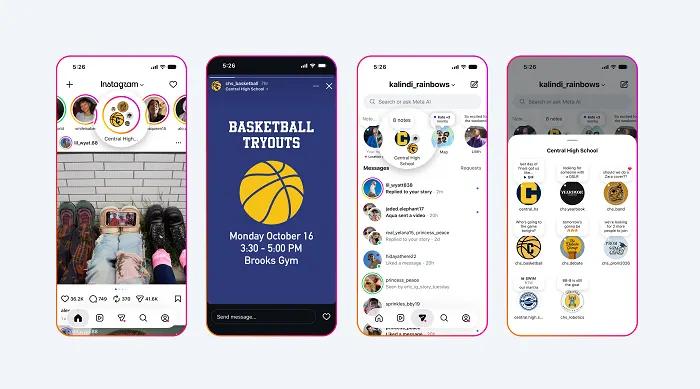
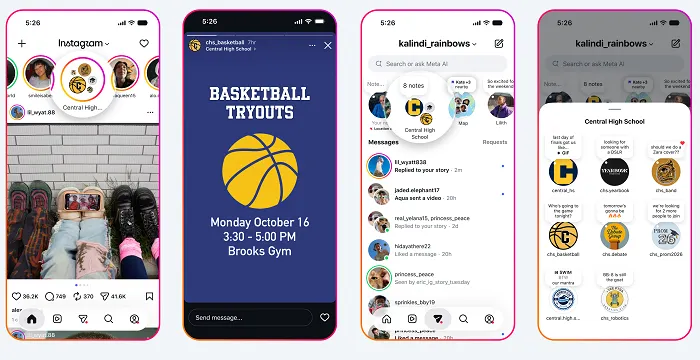
At the core of the latest update is the introduction of dedicated in-app hubs for school-related accounts. These hubs are engineered to broaden the reach of official school messaging, allowing institutions to disseminate vital updates, safety guidelines, and announcements directly to their student bodies in a controlled digital environment.
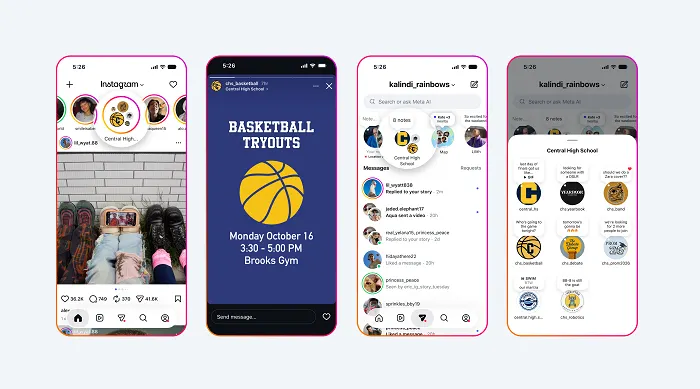
Participating schools will now gain access to a suite of advanced engagement features, including broadcast channels, School Stories, and Notes. These formats are designed to meet teenagers on the communication mediums they already use daily, bridging the gap between institutional administration and student digital habits. Furthermore, educators, parents, and guardians will benefit from centralized resource centers housed within the platform, offering guidance on digital literacy, mental health awareness, and online safety best practices.
By streamlining the communication pipeline, Instagram aims to empower schools to foster healthier digital cultures both inside and outside the classroom. The platform asserts that these enhancements will make it easier for educational institutions to reach students proactively, ensuring that young users remain informed about safety protocols and community guidelines.
Introducing Verified Student Contributors and Campus Directories
In addition to supporting educators, Instagram is extending participation capabilities directly to the student body through a new verified student program. Approved student contributors will gain access to specialized connection and alert features, empowering peer leaders to draw increased attention to potential safety concerns, campus events, or community support initiatives within their networks.
To facilitate safe and authentic connections among classmates, Instagram is also rolling out student banners and school directories. These tools allow students to view a directory of verified peers at their respective schools or design customized school banners. Crucially, privacy remains a central tenet of the design: these directories and banners are exclusively visible to other verified students and mutual followers with whom the user has established a reciprocal connection.
To prevent malicious actors, bad faith participants, or unauthorized adults from infiltrating these localized school communities, Meta has partnered with student verification platform UNIDAYS. High school students must successfully undergo verification through UNIDAYS before gaining access to their official school community features. This rigorous gatekeeping mechanism ensures that the digital spaces remain restricted to genuine student populations, safeguarding teen users from external exploitation.

Background Context and Regulatory Pressures
The expansion of the School Partnerships program arrives at a critical juncture for Meta and the broader social media industry. Over the past several years, Instagram, along with parent company Meta, has faced intense public scrutiny, legislative pressure, and numerous lawsuits alleging that its algorithms and product designs contribute to youth mental health crises, anxiety, addiction, and exposure to harmful content.
Governments worldwide have increasingly moved to regulate teen social media usage. Several jurisdictions have introduced or enacted sweeping age-verification laws, restrictions on algorithmic feeds for minors, and outright bans on social media access for young teenagers. These regulatory hurdles have forced platform executives to re-evaluate their product strategies, pivoting aggressively toward safety-by-design principles, parental controls, and institutional partnerships.
By aligning with nearly 17,000 schools and leveraging third-party verification systems like UNIDAYS, Meta is attempting to demonstrate a collaborative, accountable approach to teen safety. Industry analysts suggest that these initiatives are designed not only to protect vulnerable users but also to rebuild trust among skeptical parents, educators, and policymakers who hold social media companies accountable for youth welfare.
Chronology of Instagram Safety Initiatives
To understand the trajectory of Instagram’s current safety architecture, it is helpful to examine the timeline of key developments leading up to the recent expansion:
- September 2021: Mounting public pressure and internal leaks prompt Meta to pause development on Instagram Kids, shifting focus toward comprehensive teen account protections.
- September 2023: Meta introduces Teen Accounts, featuring default private settings, strict messaging controls, and automated content restrictions designed for users under 16.
- March 2025: Instagram formally launches the School Partnerships program, creating a direct reporting pipeline for educators to flag safety issues and cyberbullying directly to platform moderators.
- September 2026: Instagram expands the School Partnerships program, rolling out in-app school information hubs, verified student contributors, UNIDAYS integration, and student directories.
Implications and Industry Outlook
The long-term success of Instagram’s expanded School Partnerships program will depend heavily on adoption rates, administrative bandwidth within schools, and the continuous refinement of platform moderation tools. While educators have welcomed the existence of a prioritized reporting pathway, school administrators often operate under severe resource constraints, raising questions about their capacity to actively monitor digital platforms alongside traditional educational duties.
Nevertheless, the integration of verified student contributors represents a notable shift toward peer-led digital governance. By empowering trusted students to help shape campus safety dialogues, Instagram may foster a greater sense of digital citizenship among adolescents.
As regulatory bodies continue to weigh restrictions on youth social media consumption, initiatives like the School Partnerships program serve as a vital testing ground for self-regulation within the tech sector. Whether these enhanced protective measures will be sufficient to appease regulators and alleviate parental anxieties remains to be seen, but the update underscores Meta’s strategic imperative to position itself as an active partner in youth safety rather than a passive host of digital risks.