The Technical Context of DRM and Web Browsers
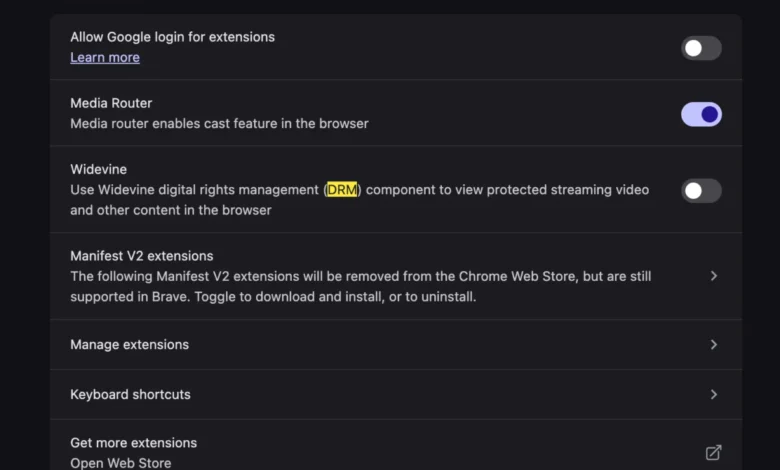
At the core of the “This video format is not supported” error is the Widevine Content Decryption Module (CDM). Widevine is a proprietary DRM technology developed by Google, designed to protect premium video content from unauthorized duplication or redistribution. When a user streams live content through platforms like YouTube TV, the browser must communicate with the service provider’s servers to verify that the environment is secure and that the content is being decrypted in accordance with licensing agreements.
For years, the internet relied on external plugins such as Adobe Flash or Silverlight to handle media playback. The deprecation of these plugins in favor of HTML5 brought significant security and performance improvements, but it shifted the responsibility of content protection to the browser itself. In modern browsers like Google Chrome, Microsoft Edge, and Firefox, the CDM is integrated directly. When this module is disabled or fails to initialize, the browser cannot decrypt the incoming stream, resulting in the generic error message experienced by users on new hardware.

Chronology of the Compatibility Conflict
The rise of browser-based DRM has followed a distinct trajectory over the last decade. As streaming services moved away from dedicated applications toward web-based platforms to ensure cross-platform availability, the reliance on Encrypted Media Extensions (EME) grew.
- 2014-2016: Major browser vendors began the transition from NPAPI-based plugins to the EME specification, which allowed for the integration of CDM components.
- 2017: The World Wide Web Consortium (W3C) finalized the EME specification despite significant opposition from privacy advocates and open-source groups concerned about the implications of incorporating DRM into web standards.
- 2020-2022: With the global shift toward remote work and home entertainment, services like YouTube TV saw a massive increase in concurrent users. This period highlighted the fragility of browser-based streaming when security modules are not properly configured or updated.
- 2024-2025: As new hardware architectures, such as Apple’s M-series silicon, have matured, the interaction between low-level system security and browser-based DRM has become more complex. Users migrating their data to new machines often find that browser profiles, which may have carried over deprecated settings or disabled features, clash with the stricter security requirements of new operating systems.
The Mechanism of the Error
When a MacBook user encounters the error, it is rarely a failure of the hardware itself. Instead, it is typically a configuration mismatch. The process of verifying a stream involves a "handshake" between the content provider, the Widevine CDM, and the system’s hardware-level security (such as the Secure Enclave on Apple silicon).
If the browser settings have been restricted—often by privacy-focused extensions, strict security configurations, or a simple toggle in the browser’s internal settings menu—the CDM fails to execute. The user is left with a black screen or the aforementioned error message. The solution, which involves manually verifying that "Protected Content" or "Widevine" is enabled, serves as the digital gatekeeper that authorizes the device to decrypt the video signal.

Supporting Data and Industry Trends
The reliance on DRM is not a niche requirement; it is the industry standard for any platform delivering high-value content. According to industry analysis from the Digital Entertainment Group (DEG), over 85% of live television streaming traffic in North America now utilizes browser-based decryption protocols.
Market research indicates that user churn—the rate at which subscribers abandon a service—is highly sensitive to playback errors. A study by Conviva, a streaming analytics firm, suggests that playback failures lasting more than five seconds result in a 25% increase in user abandonment. Consequently, the “This video format is not supported” error is not merely a technical nuisance but a significant concern for service providers like YouTube TV, as it directly impacts subscriber retention rates.
Implications for User Privacy and Security
The necessity of enabling Widevine has sparked ongoing debates regarding browser privacy. Critics argue that DRM modules act as a "black box" within the browser, granting service providers insight into a user’s hardware and operating system environment to prevent tampering. From the perspective of the content owner, this transparency is essential to prevent piracy.

For the end user, this creates a trade-off. By enabling DRM modules to facilitate video playback, the user is implicitly agreeing to a higher level of browser-to-server identification. While this is necessary for the functionality of services like YouTube TV, it highlights the broader tension between user anonymity and the requirements of the modern subscription economy.
Official Responses and Industry Standards
While Google, as the developer of both YouTube TV and the Widevine CDM, does not provide a singular "official statement" on every browser error, the company’s support documentation emphasizes the importance of keeping browser components updated. In recent updates to Chrome and other Chromium-based browsers, Google has streamlined the management of protected content to minimize the frequency of these errors.
Major browser vendors, including Mozilla and Apple (via WebKit), have implemented their own variations of CDM support. However, Google’s Widevine remains the dominant protocol for premium live streaming. The W3C, in its documentation regarding EME, maintains that while DRM is "not an ideal part of an open web," it is a "necessary bridge" to ensure that creators and rights holders are willing to distribute their content online.

Future Outlook: A Move Toward Standardization
As we look toward 2026 and beyond, the industry is expected to move toward more seamless integration of DRM protocols. The goal is to reach a state where "Protected Content" is handled autonomously by the browser without requiring user intervention. Currently, the burden of troubleshooting rests with the user, but advancements in browser machine learning are expected to automate the detection of missing components and the restoration of necessary permissions.
For the individual user, the takeaway remains consistent: modern web browsing is a layered experience. The convenience of high-definition, low-latency live streaming is made possible by complex underlying security frameworks. When these frameworks encounter a discrepancy, the resulting error is a symptom of a highly secure, albeit sometimes brittle, environment.
Conclusion
The "This video format is not supported" error is a microcosm of the modern digital landscape. It represents the successful protection of copyrighted material at the cost of immediate user accessibility. For the average MacBook user, the solution lies in ensuring that the browser’s internal configuration is aligned with the security requirements of modern streaming platforms. By enabling Widevine and ensuring that the browser is permitted to handle protected content, the user can restore their access to live television. As hardware continues to evolve, the reliance on these browser-level security modules will only increase, making it vital for users to understand that when it comes to high-quality streaming, the browser is no longer just a window—it is a secure vault. While the manual adjustment of settings may seem archaic in an era of automated updates, it serves as a necessary component in the delicate balance of copyright protection and user experience in the streaming age.