The Comprehensive Guide to Launching a Profitable Dropshipping Business on a Zero Dollar Initial Budget

Dropshipping has emerged as a cornerstone of the modern digital economy, fundamentally altering the retail landscape by decoupling the point of sale from the physical management of inventory. For the modern entrepreneur, the model offers a compelling proposition: the ability to establish a retail presence without the traditional capital-intensive requirements of warehousing, logistics, and bulk procurement. Despite the narrative often promoted in social media circles that one can build an empire with absolutely no financial investment, a more nuanced reality exists. While the barrier to entry is historically low, achieving long-term sustainability requires a transition from a zero-cost startup phase to a reinvestment model once the first sale is realized.
Historical Context and the Evolution of Retail
The dropshipping model gained significant traction in the early 2010s as e-commerce platforms like Shopify and marketplaces like AliExpress matured, allowing individual sellers to connect with global supply chains. According to data from Grand View Research, the global dropshipping market size was valued at approximately $243.42 billion in 2023 and is expected to expand at a compound annual growth rate (CAGR) of 23.4% through 2030. This growth is largely attributed to the rise of social commerce and the increasing ease of cross-border trade. However, the oversaturation of the market has necessitated a shift in strategy; whereas early adopters could succeed with generic products, current market conditions demand hyper-specialized niches and sophisticated branding to secure consumer trust.
Strategic Niche Selection and Market Validation
The first objective for any entrepreneur entering the space is the identification of a viable market segment. Broad categories, such as general home decor or apparel, are typically dominated by established retailers with significant economies of scale. Successful entry-level strategies involve narrowing the focus to specific demographics or problems. For example, rather than selling general furniture, a business might focus on ergonomic home office solutions for remote workers residing in urban apartments.
Validation is a critical, cost-free step that precedes the creation of any storefront. Prospective sellers utilize tools such as Google Trends to analyze search volume patterns, ensuring that interest in a product category is not merely a transient trend. Furthermore, market reports—such as those analyzing the 6.4% growth in the outdoor furniture sector—provide the objective data needed to justify a business pivot. Analyzing competitors on marketplaces like Amazon or Etsy allows sellers to gauge consumer pain points through review sections, effectively identifying what the market lacks.
Establishing the Digital Infrastructure
Choosing an e-commerce platform is the foundational decision for any dropshipper. For those operating with a $0 budget, the choice often falls between established marketplaces and entry-tier website builders. Marketplaces provide an existing customer base and built-in trust, which is invaluable for new sellers. However, they also impose stricter rules and transaction fees.
Conversely, dedicated platforms offer more control. Big Cartel, for instance, provides a free tier suitable for small-scale operations. For those with a nominal budget, the "one dollar for three months" promotion frequently offered by Shopify has become the industry standard for entrepreneurs looking to scale. For the technically proficient, integrating WooCommerce with a WordPress site remains the most cost-effective long-term solution, as it allows for the integration of specialized plugins that automate the synchronization of inventory, pricing, and order fulfillment between the supplier and the storefront.
The Supplier Relationship and Operational Logistics
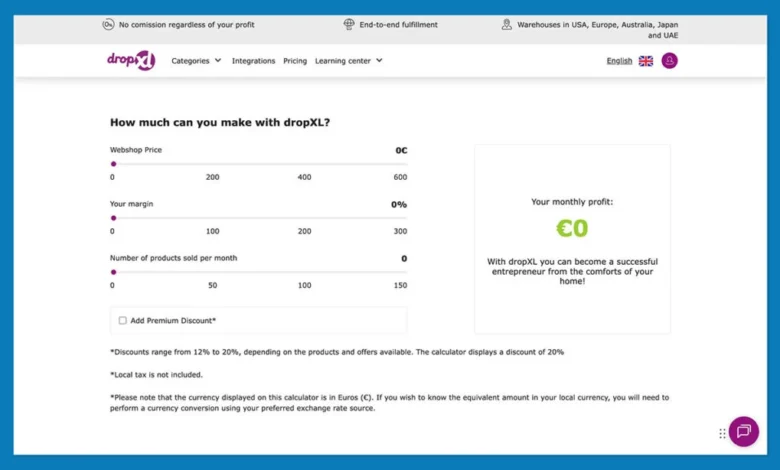
The relationship between a seller and their supplier is the single most important factor in the longevity of a dropshipping business. A reliable supplier is responsible for the physical fulfillment of goods; if the product quality is poor or shipping is delayed, the retailer—not the supplier—bears the reputational cost. Platforms like dropXL have become central to this ecosystem, providing access to extensive catalogs that span thousands of products.
A professional approach to supplier management involves verifying the logistics network. Sellers must confirm that the supplier is capable of shipping within the target market’s timeframe. It is standard practice to request samples before listing products, as this allows the seller to perform a quality assurance check. While the initial setup may be free, successful businesses eventually transition to paid subscription models offered by suppliers, which grant access to advanced API integrations, priority customer support, and, crucially, automated returns management—a necessity as sales volume increases.
Driving Traffic Without Capital Investment
In the absence of a budget for paid search or social media advertising, content-led organic growth becomes the primary driver of revenue. This requires a transition from a "seller" mindset to a "publisher" mindset. By creating educational content, such as "How-to" guides, assembly tutorials, or comparative reviews, a brand can position itself as an authority in its niche.
Social media platforms like TikTok and Instagram serve as the primary discovery engines for modern e-commerce. A strategy focusing on short-form video content—demonstrating the utility of a product or answering frequently asked questions—is often more effective at driving conversions than static, product-only advertisements. Furthermore, building an email list from day one is a critical, often overlooked strategy. By offering a small incentive, such as a discount on a first purchase, a seller creates a direct communication channel with their audience, insulating the business from the volatility of social media algorithm changes.
The Reality of Scaling and Financial Reinvestment
A common error among novice entrepreneurs is the assumption that the "zero budget" phase is a permanent state. In reality, it is a transient testing period. Once a product-market fit is established and the first series of sales is processed, the business model must shift toward reinvestment.
Data-driven decision-making is essential at this stage. Sellers must analyze which products yield the highest net profit margins after accounting for payment processing fees, shipping costs, and tax liabilities. If a specific product line shows high conversion rates, it becomes the target for further investment. This might involve upgrading to a paid e-commerce tier, investing in professional product photography, or initiating a modest paid advertising campaign to amplify reach.
Common Pitfalls and Risk Mitigation
The industry is fraught with challenges that lead to the failure of many startups within the first twelve months. A non-exhaustive list of critical errors includes:
- Over-expansion: Launching with too many products leads to fragmented marketing efforts and poor inventory management.
- Neglecting Customer Support: Rapid responses to inquiries and proactive communication regarding shipping delays are the primary mechanisms for building brand loyalty.
- Copying Product Descriptions: Relying solely on supplier-provided copy hurts search engine optimization (SEO) and fails to convey the unique value proposition of the brand.
- Static Budgeting: Failing to account for hidden costs—such as transaction fees or return logistics—often leads to cash flow insolvency.
Implications for the Future of Independent Retail
The democratization of the supply chain through dropshipping has lowered the barriers to entry, but it has simultaneously increased the burden on the entrepreneur to provide value beyond simple retail arbitrage. The future of the industry belongs to those who view their storefront not as a passive income stream, but as a brand-building exercise. By leveraging free tools for validation, maintaining tight operational control, and reinvesting early revenue into growth, the modern entrepreneur can navigate the transition from a zero-capital startup to a sustainable, independent business.
While the allure of "getting rich for free" is a persistent narrative, the reality remains that success in dropshipping is a function of research, logistical discipline, and the ability to adapt to a competitive, data-driven environment. For those who approach the model with a disciplined, long-term perspective, it remains one of the most accessible pathways into the global retail market.