In the contemporary digital marketing landscape, an enterprise can maintain an impeccably designed website, publish exhaustive and engaging content, and deliver a frictionless user experience while remaining entirely invisible to search engines and artificial intelligence tools. This paradox exists because modern algorithms deployed by industry giants such as Google and emerging conversational interfaces like ChatGPT do not evaluate a domain in isolation. Instead, these systems cross-reference external signals, heavily weighting what credible third-party sources communicate about a brand to establish its identity, verify its authenticity, and determine whether it merits prominent placement in search results or AI-driven recommendations.

Every instance where a trusted publication, an industry expert, or an active community mentions a brand reinforces its corporate credibility. Understanding how these references operate, how to systematically secure them, and how to measure their performance has become a critical competency for modern digital strategists, public relations teams, and corporate leadership.
Understanding the Mechanics and Taxonomy of Brand Mentions
A brand mention encompasses any external reference to a commercial entity by a third party. These occurrences manifest across diverse digital ecosystems, including journalistic articles, community forums, video-sharing platforms, podcasts, and social media threads. Broadly categorized, these references typically split into two primary classifications: linked mentions and unlinked mentions.
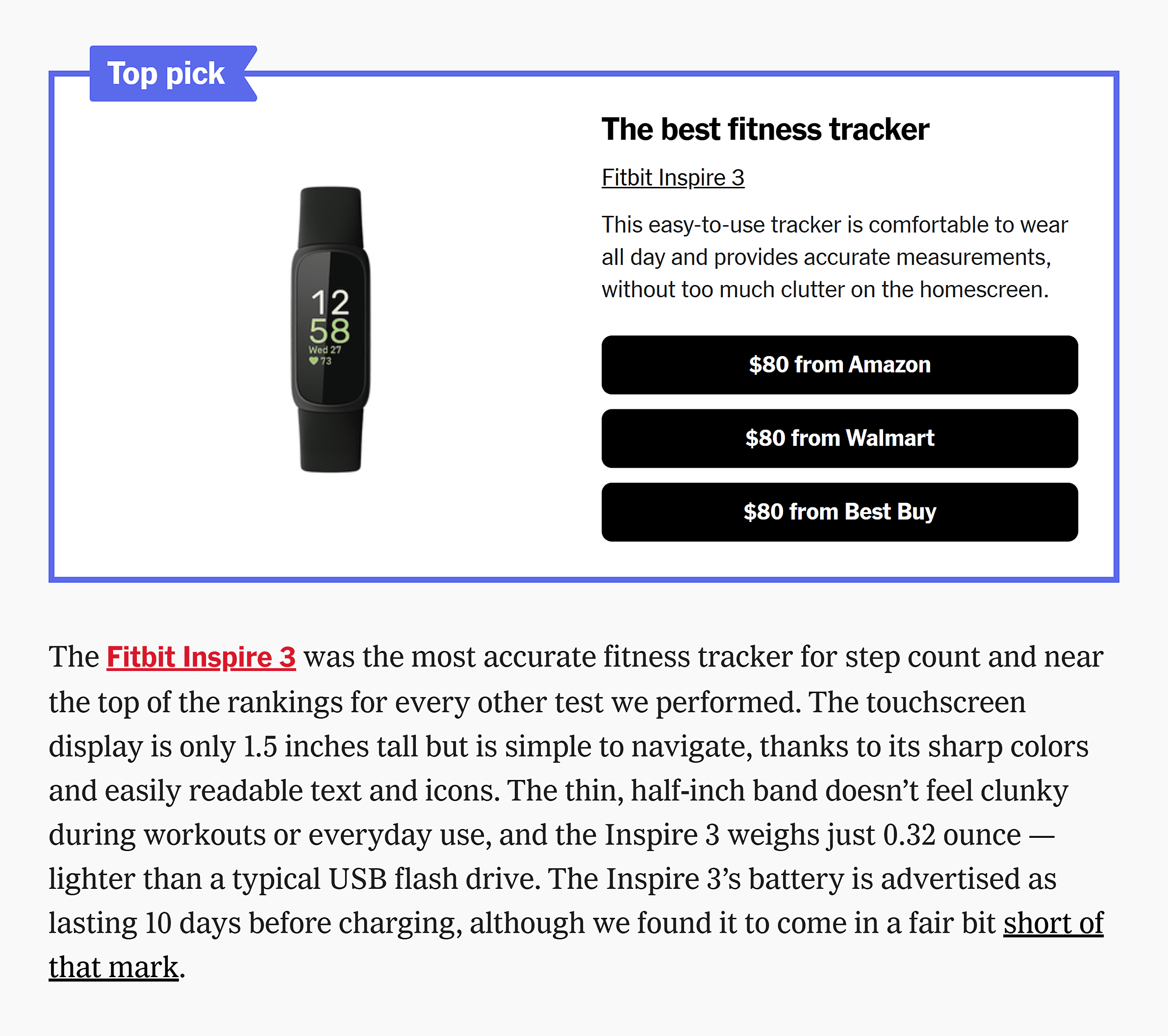
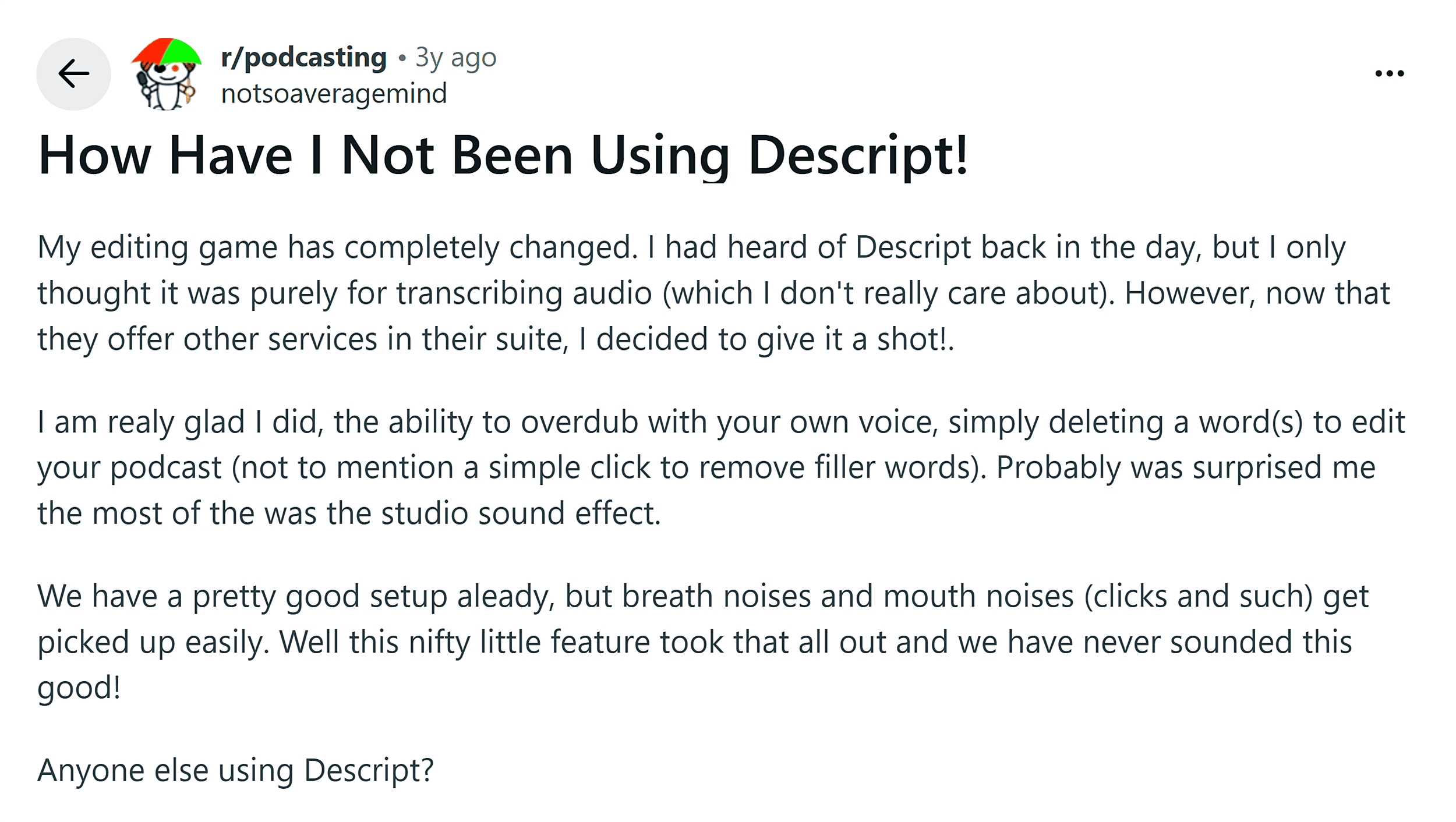
Linked mentions incorporate a direct, clickable hyperlink routing users to the brand’s digital property alongside the company or product name. For instance, a mainstream lifestyle publication reviewing consumer technology products might explicitly name a fitness tracker manufacturer while embedding a direct pathway to the product catalog. Conversely, unlinked mentions reference the entity by name within a discussion—such as a user testimonial on a community forum like Reddit—without providing a direct navigational link.

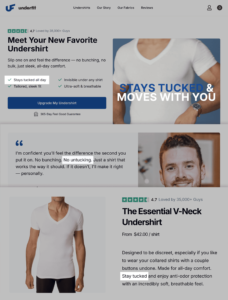
While linked mentions possess the distinct advantage of passing authority metrics and generating direct referral traffic, unlinked mentions remain vital. They supply crucial contextual signals to search engines and large language models (LLMs) regarding consumer sentiment and brand association, operating successfully without requiring a direct hyperlink to yield strategic value.
The Divergence Between Web Mentions and LLM References
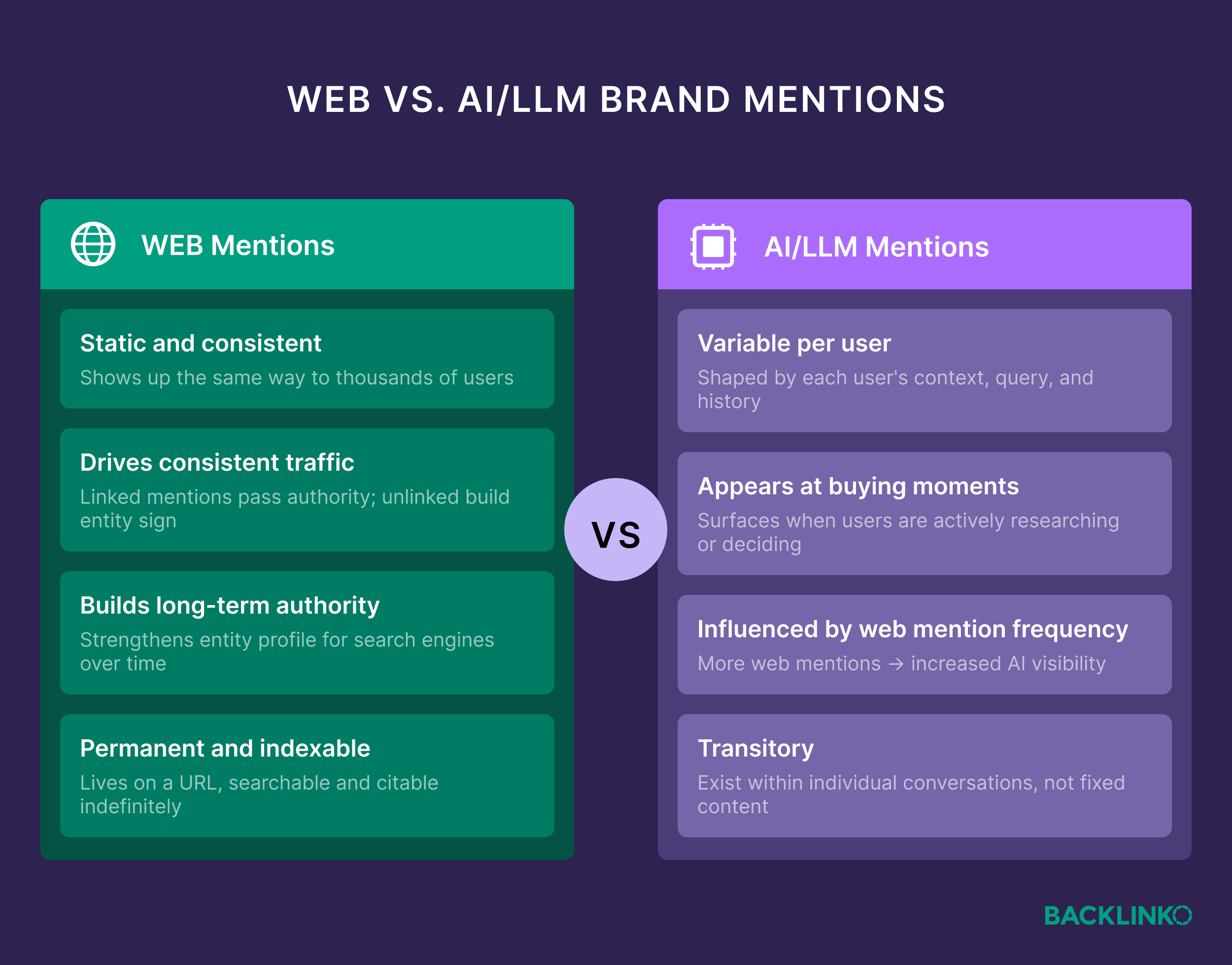
A distinct operational difference separates traditional web mentions from references generated within artificial intelligence search interfaces. When an LLM cites a brand in response to a user query, the output is often dynamic, varying based on individual user contexts, historical search interactions, and session parameters. Furthermore, these AI-generated conversations are largely transient, remaining confined to the individual user session rather than persisting as a static, publicly visible document.
In stark contrast, a traditional web mention is static. It remains fixed across the public domain, presenting identically to thousands of potential visitors over extended periods. Securing consistent, high-visibility brand placements across authoritative web sources functions as a foundational precursor to achieving prominence within AI search platforms. As brands appear more consistently across trusted, topically relevant ecosystems, LLM architectures naturally incorporate those entities into their training data and subsequent recommendation algorithms.
Why Brand Mentions Matter in Modern Information Discovery
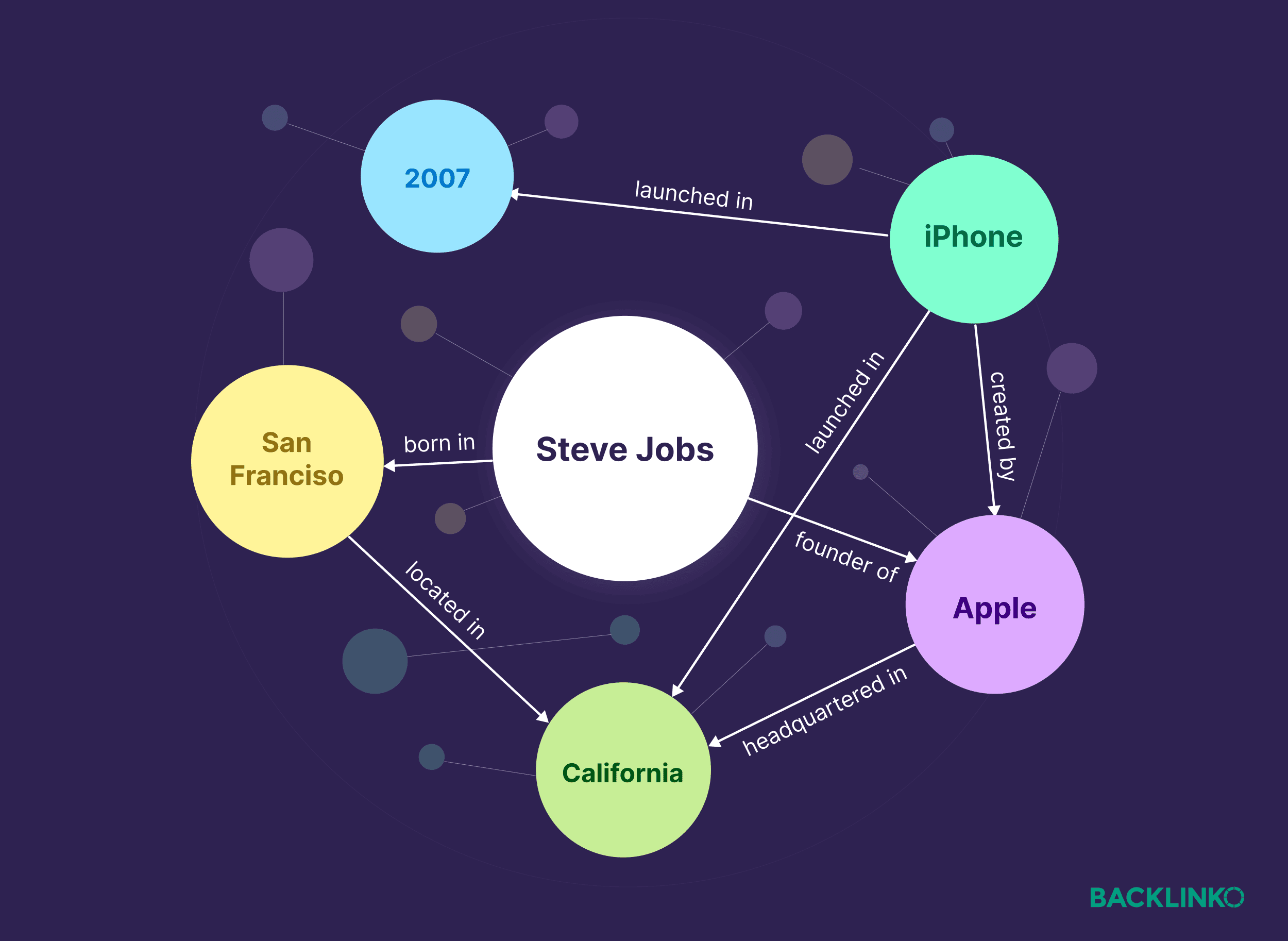
The strategic importance of third-party brand references has escalated significantly due to shifts in how search engines construct knowledge bases. Search platforms evaluate corporate credibility by analyzing the volume, context, and consistency of external commentary surrounding an enterprise.

Google, for example, utilizes its Knowledge Graph—a comprehensive database designed to map relationships between entities, people, organizations, and concepts—to understand market participants. Brand mentions serve as the primary data points that build and refine this entity-level authority. When external sources consistently discuss a brand within a specific thematic context, search engines codify that relationship, making it more likely for the brand to appear in prominent knowledge panels and contextual search features.
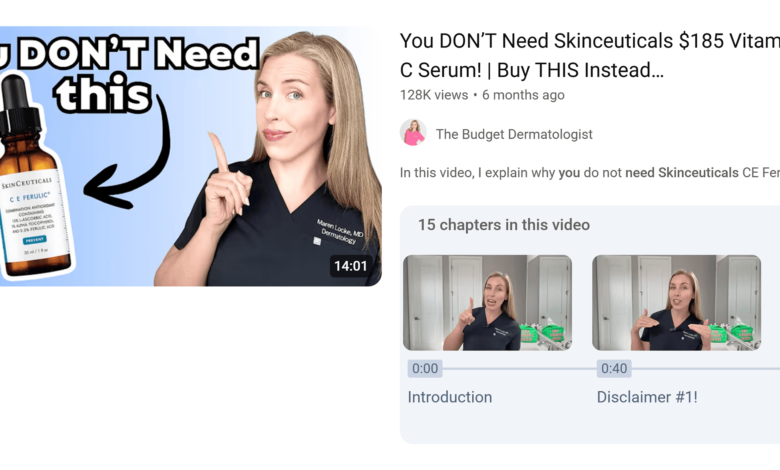
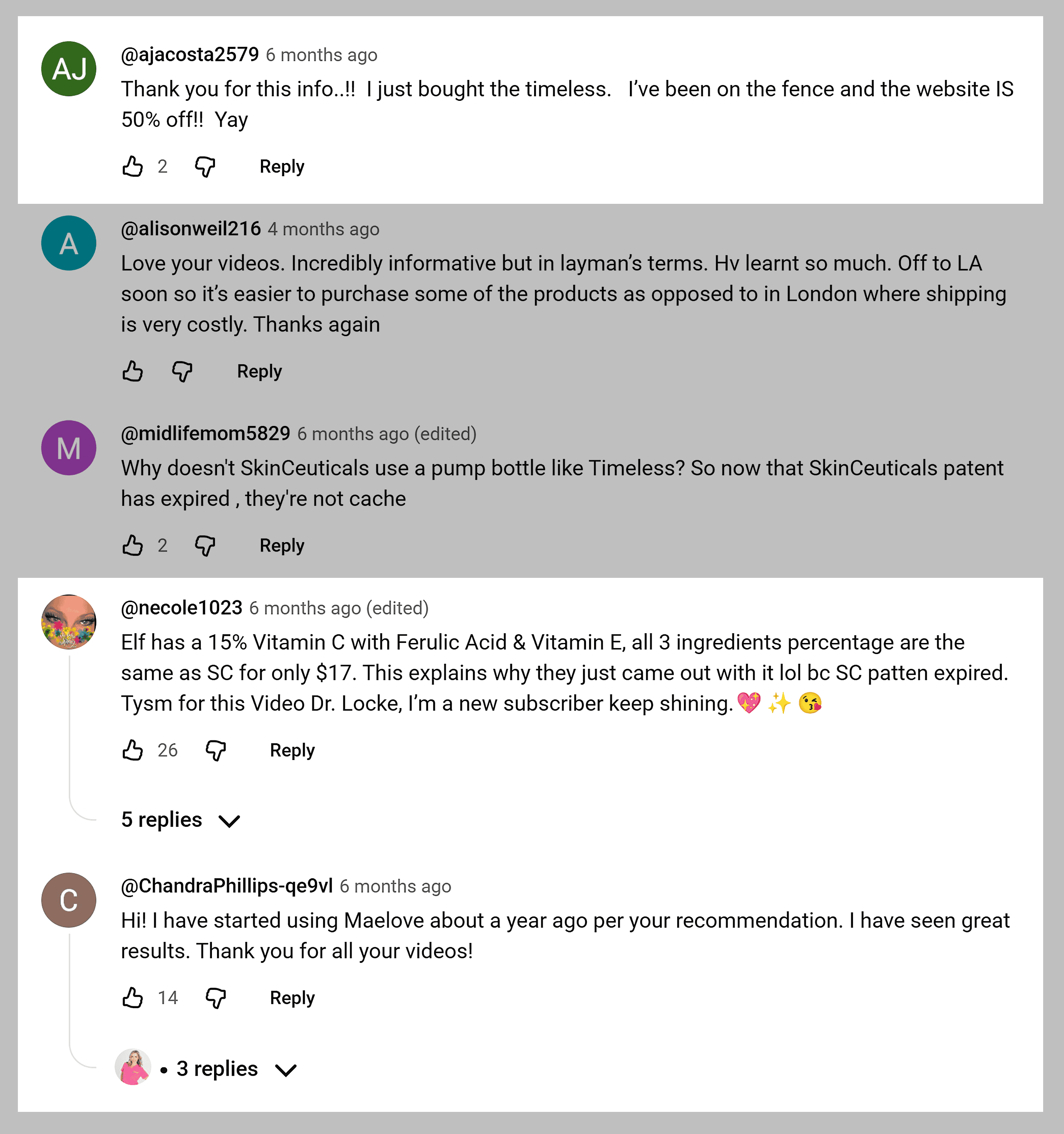
Furthermore, these references act as top-of-funnel discovery mechanisms, exposing businesses to audiences that may not be actively searching for them. Consider the skincare industry, where independent consumer reviewers evaluate product alternatives on video platforms. When a creator highlights a lesser-known brand as a superior, cost-effective alternative to an industry incumbent, viewers are introduced to that enterprise organically. Subsequent engagement in comment sections often demonstrates direct commercial conversion stemming from discovery rather than targeted search intent.
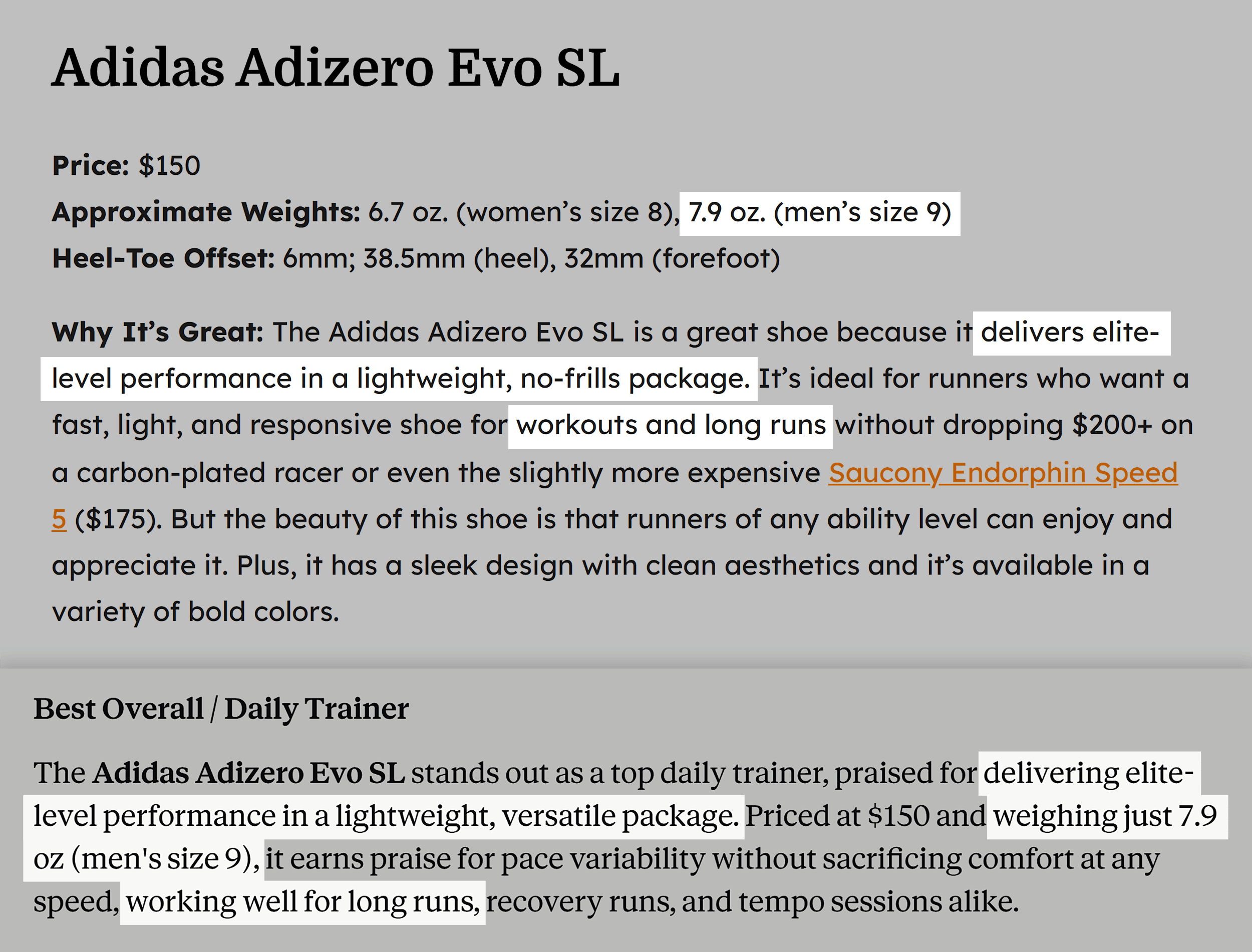
Crucially, LLMs rely heavily on the verbiage established by trusted web sources when generating recommendations. If specialized industry publications describe a specific running shoe as offering "elite-level performance in a lightweight, no-frills package," conversational AI models frequently replicate those exact descriptors when answering consumer inquiries. Consequently, controlling the narrative across external websites directly influences how artificial intelligence characterizes a brand to prospective buyers.
Defining Characteristics of High-Value Brand Mentions
Not all brand references carry equal weight. The strategic value of a mention is determined by three fundamental pillars: authority, relevance, and specificity.
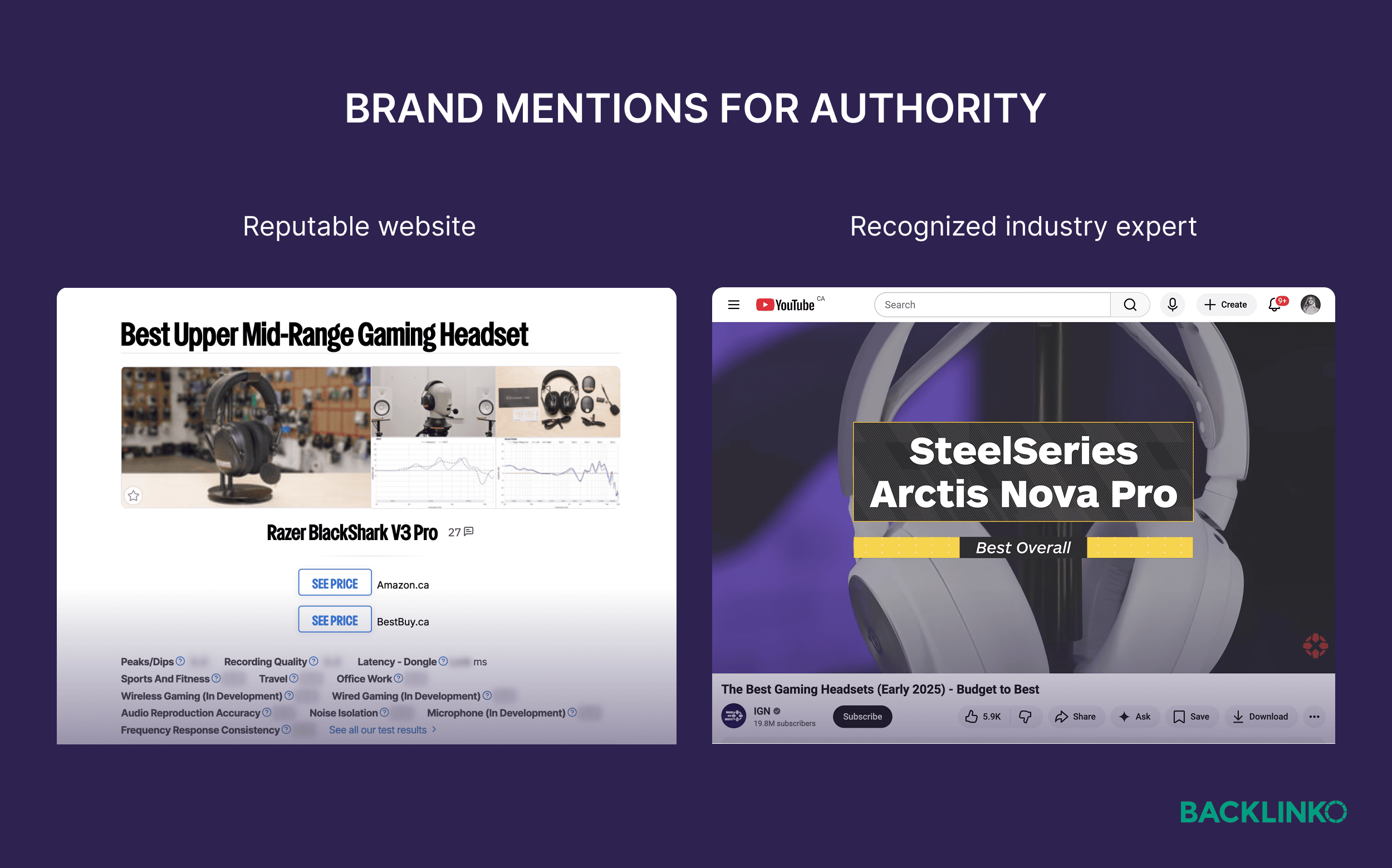
Authority relates to the domain credibility and editorial integrity of the publishing source. Securing a feature in a recognized trade publication or a mainstream media outlet transmits a significantly stronger trust signal than a casual reference on an unverified, low-traffic blog.
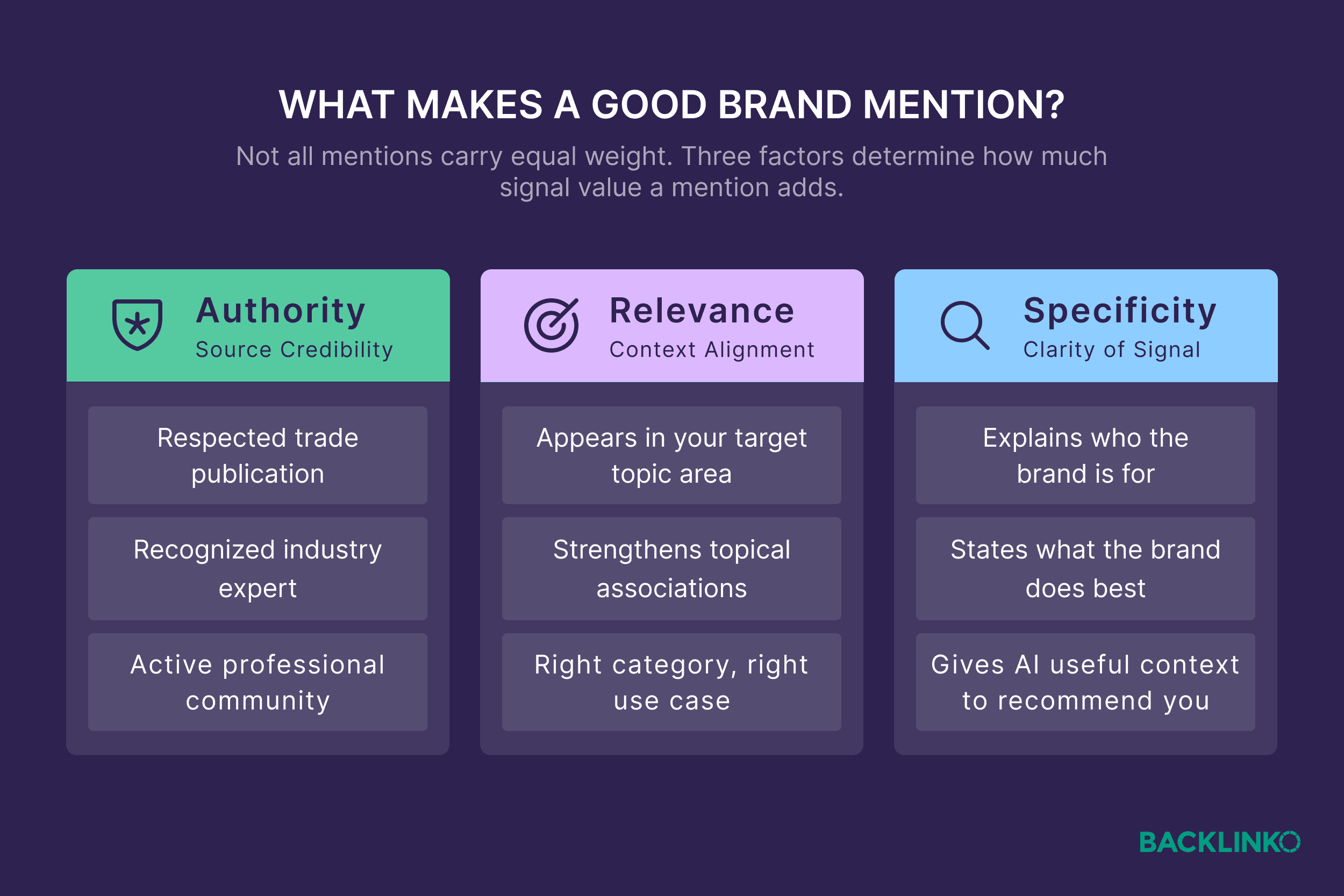
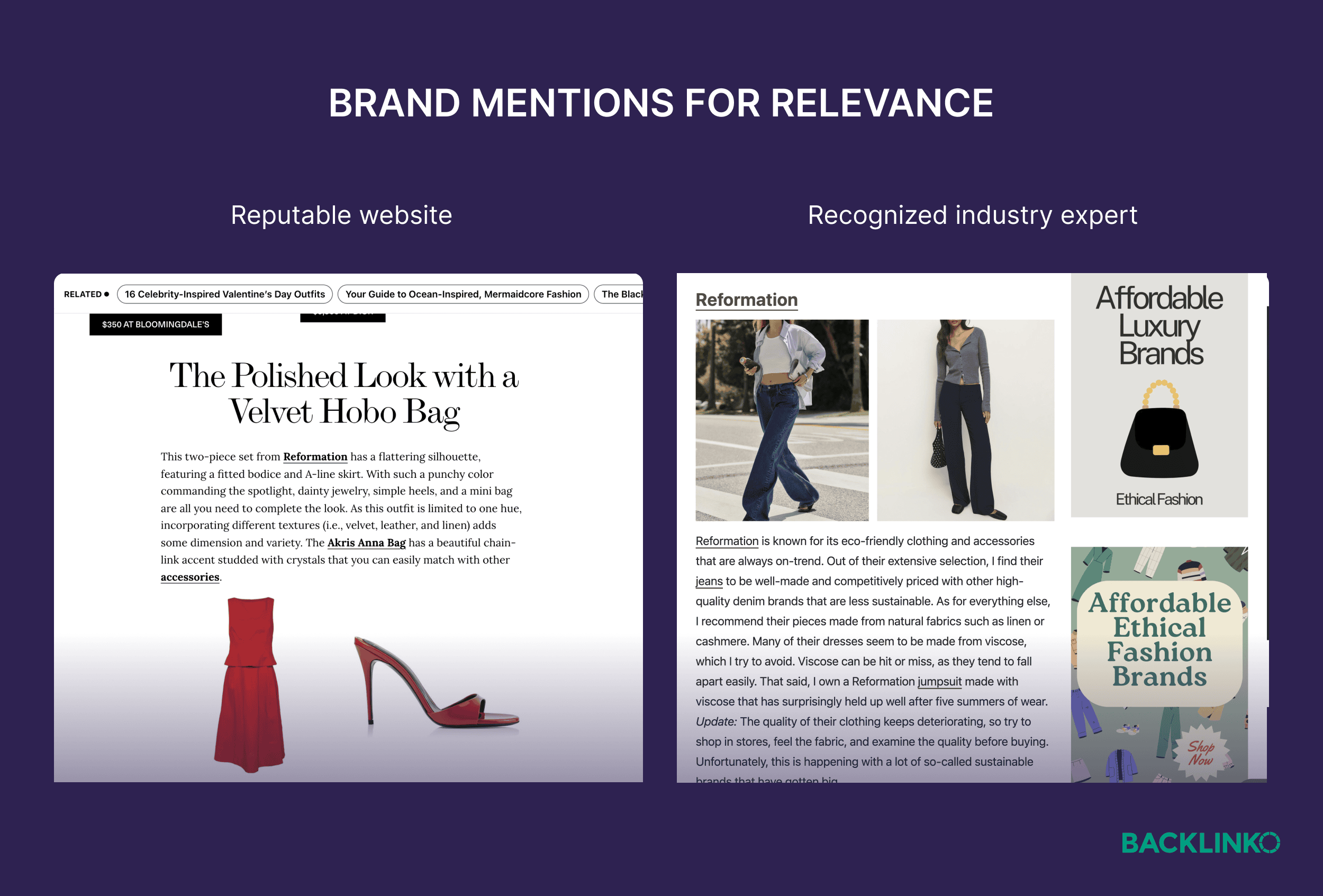
Relevance operates on a dual level, encompassing both topical alignment and industrial context. A brand featured in an article discussing core industry themes strengthens its topical authority. Moreover, the publishing source must belong to the same broader vertical to ensure the signal aligns with search engine taxonomies. For example, a sustainable apparel brand receiving coverage in dedicated fashion journals regarding ethical manufacturing achieves optimal topical alignment.
Specificity completes the triumvirate of quality. Vague or passing references offer minimal analytical value to search algorithms. A high-value mention typically includes concrete data points, specific use cases, detailed feature evaluations, or explicit problem-solving contexts. When community discussions or expert reviews articulate precisely what a software tool does and which use cases it serves best, search and AI systems absorb clear, actionable signals regarding how to categorize and recommend the product.
Four Core Tactics for Earning Valuable Brand Mentions
Achieving a steady stream of high-value brand mentions requires proactive strategies designed to attract citations organically and systematically.
- Create Data-Driven, Citable Content
Original research remains one of the most dependable methodologies for earning enduring brand references. By conducting proprietary studies that address hotly debated industry questions, enterprises establish foundational assets that peers, journalists, and analysts must cite when discussing those topics.
For instance, empirical studies analyzing search market share distribution across traditional search engines versus emerging AI platforms provide the concrete data that industry practitioners require to substantiate their own arguments. When research findings offer definitive insights into ambiguous market dynamics, media outlets and community forums naturally link back to or mention the originating organization.
To execute this effectively, organizations must monitor industry forums, sales call transcripts, and executive discussions to identify unanswered questions. Once a gap is located, enterprises can deploy surveys, analyze proprietary transactional datasets, or aggregate expert polls. Crucially, the resulting content must be packaged for effortless citation—featuring clear executive summaries, visually digestible data charts, and transparent methodology sections.
- Partner With Complementary Brands on Co-Created Assets
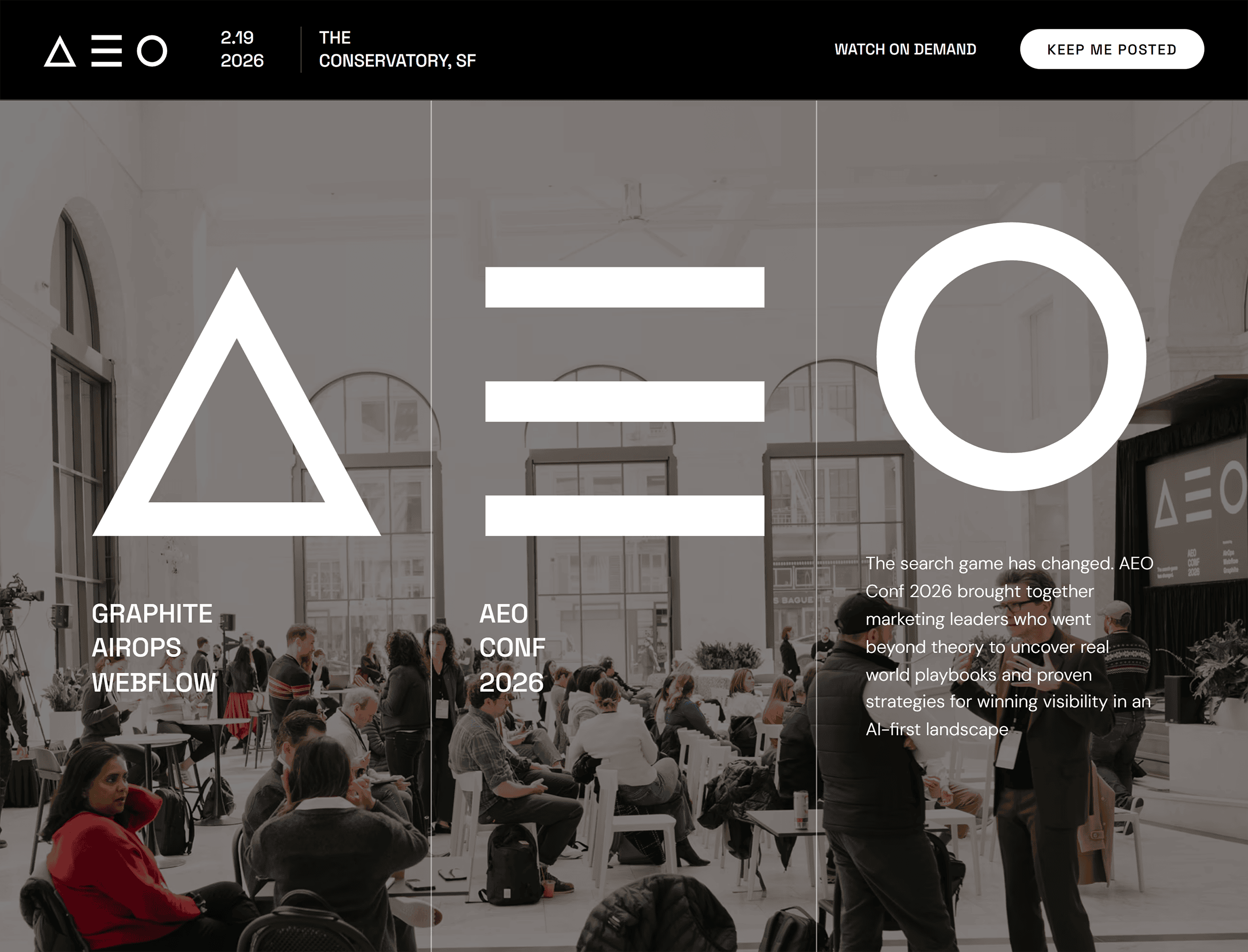
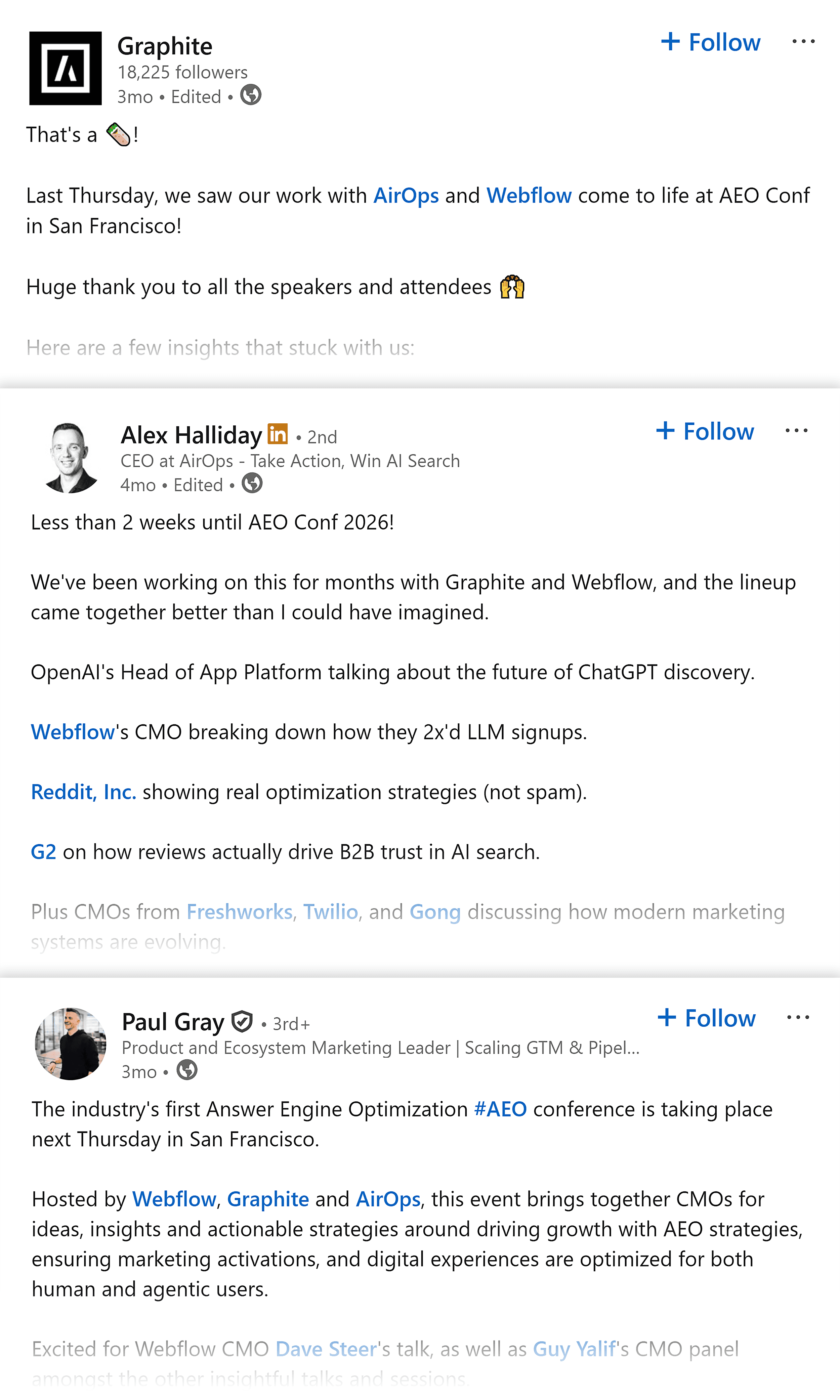
Collaborative campaigns executed by non-competing businesses targeting overlapping audiences generate synchronized brand references. When two or more companies co-host industry events, publish joint benchmark reports, or launch co-branded product lines, every piece of promotional collateral and media coverage mentions the participating entities within the same contextual framework.
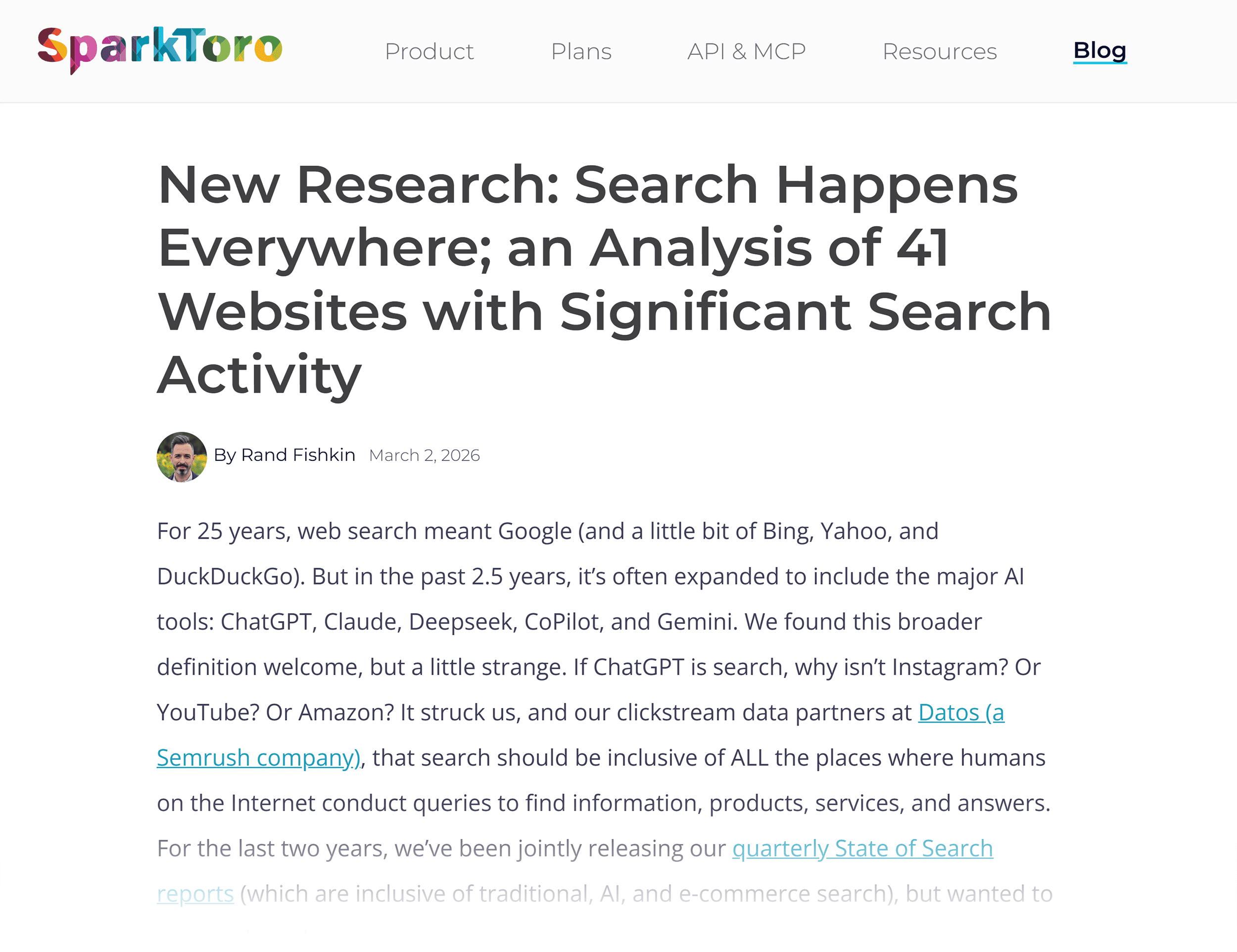
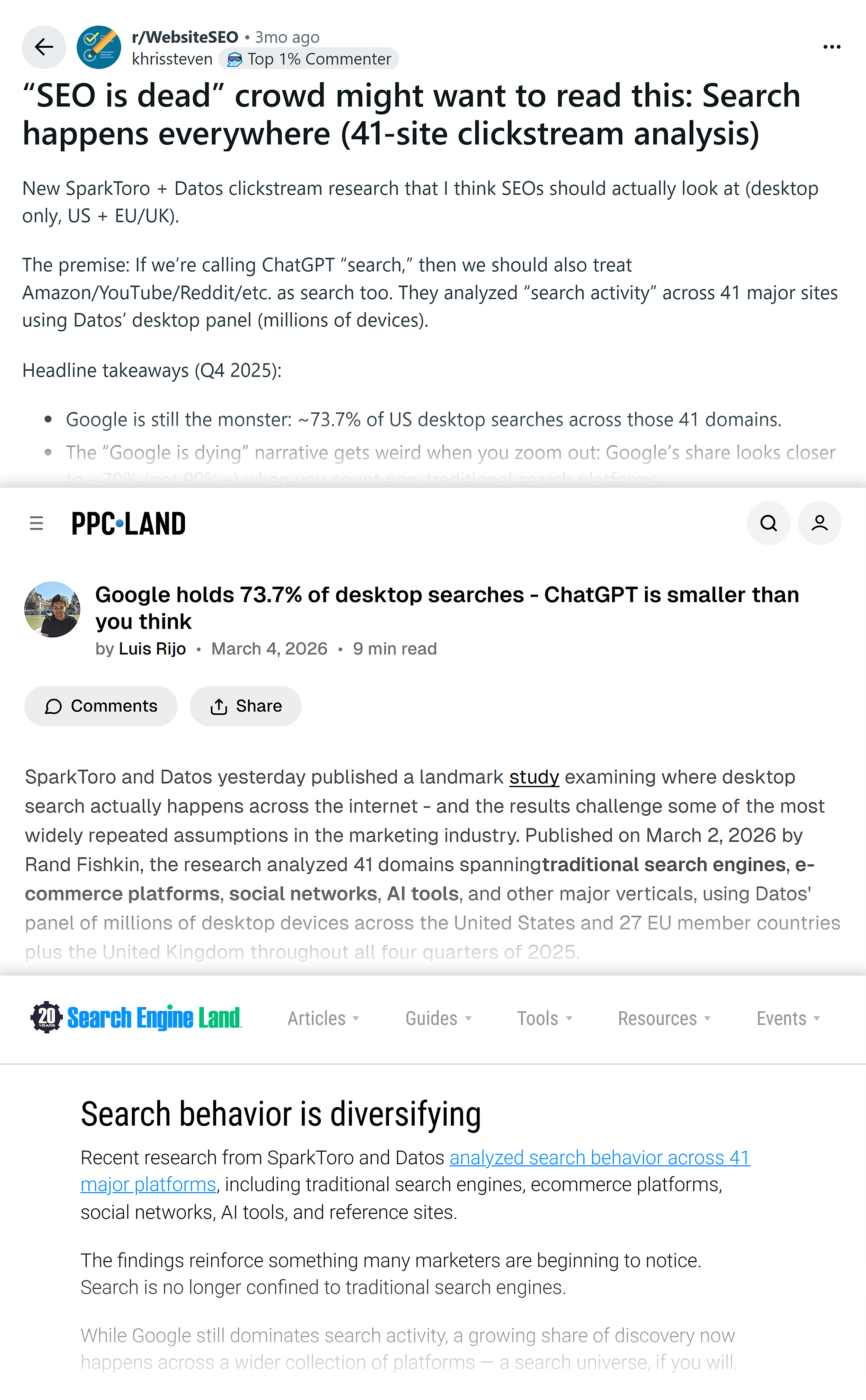
Co-occurrence—the frequency with which distinct brand names appear alongside one another in independent publications—is a primary driver of LLM association. When independent commentators repeatedly discuss two or three specific software providers together in event recaps or product roundups, artificial intelligence models learn to associate those brands with the same niche category. Expanding this strategy through strategic public relations campaigns or limited-edition product collaborations yields widespread consumer-generated content and major media pickups alike.
- Feature Other Brands and Experts in Your Content
A reciprocal approach to content creation involves spotlighting industry leaders, subject matter experts, and complementary businesses within proprietary editorial assets. By inviting external authorities to contribute insights to expert roundups, benchmark reports, or podcast interviews, creators provide those contributors with a vested interest in sharing the content with their respective audiences.
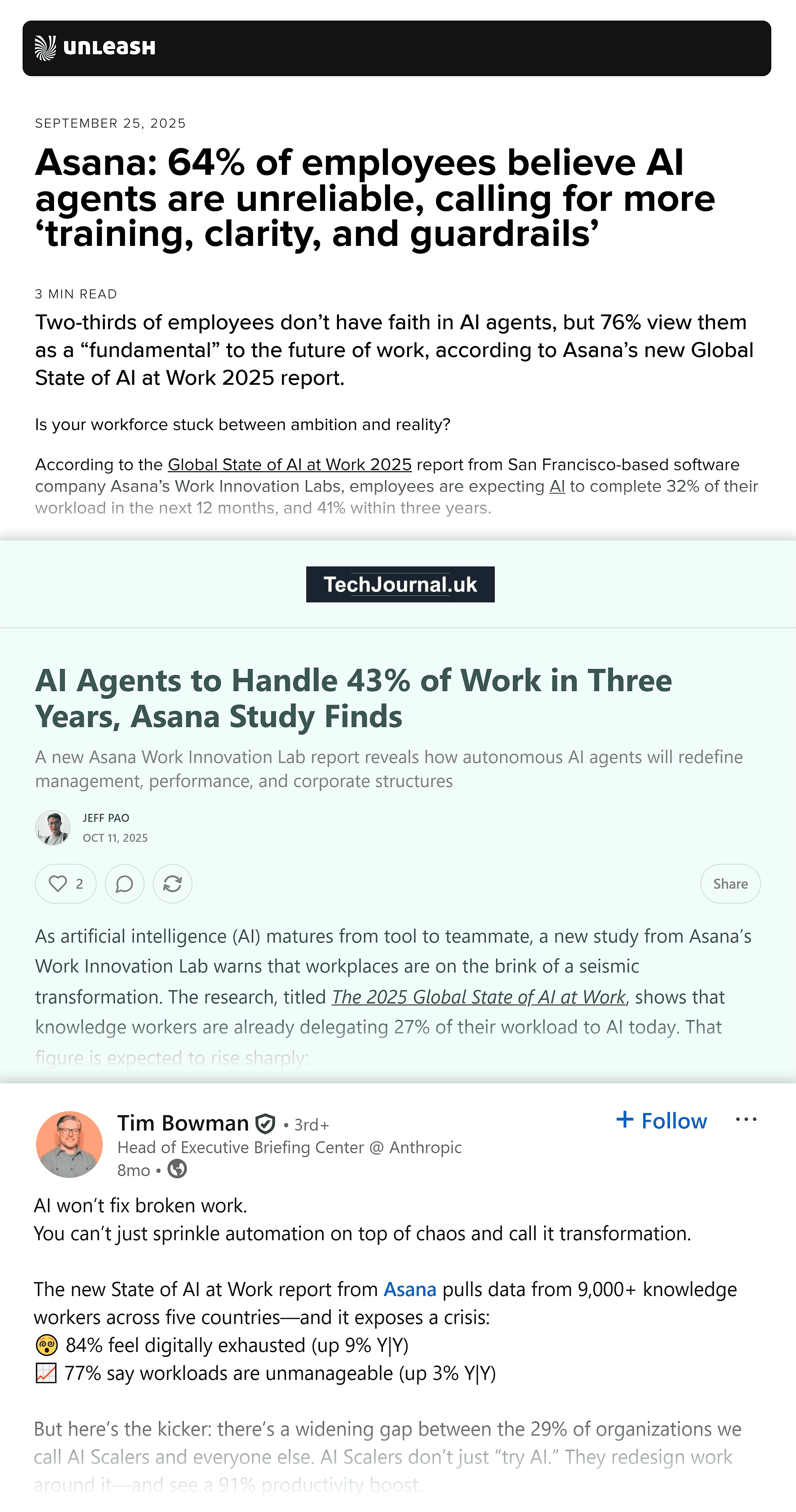
When an expert shares an interview or a contribution on professional networks boasting hundreds of thousands of followers, the hosting brand secures exposure to an entirely new demographic. However, the depth of the feature dictates its success; brief, buried quotes offer little incentive for promotion, whereas prominent placement that centers the expert’s thought leadership naturally encourages cross-platform distribution and organic brand mentions.
- Contribute Subject Matter Expertise Through Digital PR
Elevating executive leadership and internal subject matter experts through external media channels establishes authoritative brand references. Pitching executives as knowledgeable commentators for industry podcasts, guest columns, and journalistic inquiries allows brands to borrow the credibility of established publishing houses.
Successful digital public relations relies on offering genuine utility to the target audience rather than pushing promotional agendas. Executives should focus on delivering actionable playbooks, strategic frameworks, or transparent operational insights that address the core challenges of the publisher’s readership. Mapping audience consumption habits—identifying whether target buyers consume information via niche trade publications, specific YouTube channels, or executive podcasts—ensures that PR efforts yield optimal contextual relevance.
Tracking, Measurement, and Executive Reporting
To evaluate the efficacy of a brand mention strategy, organizations must implement robust tracking mechanisms spanning traditional web search, social listening, and backlink analytics.
Google Alerts serves as an accessible baseline for monitoring web references, enabling marketing teams to track brand names, product identifiers, executive names, and key competitors. Because automated alert tools occasionally overlook niche forums or subreddits, teams should supplement daily automated digests with weekly manual audits across news aggregates and community platforms.
Social listening platforms provide deeper qualitative insights, capturing mention volume, sentiment analysis, and source distribution across social networks, review sites, and blogs. Categorizing mentions by sentiment helps communications teams gauge public reception and measure whether promotional campaigns successfully shift brand perception.
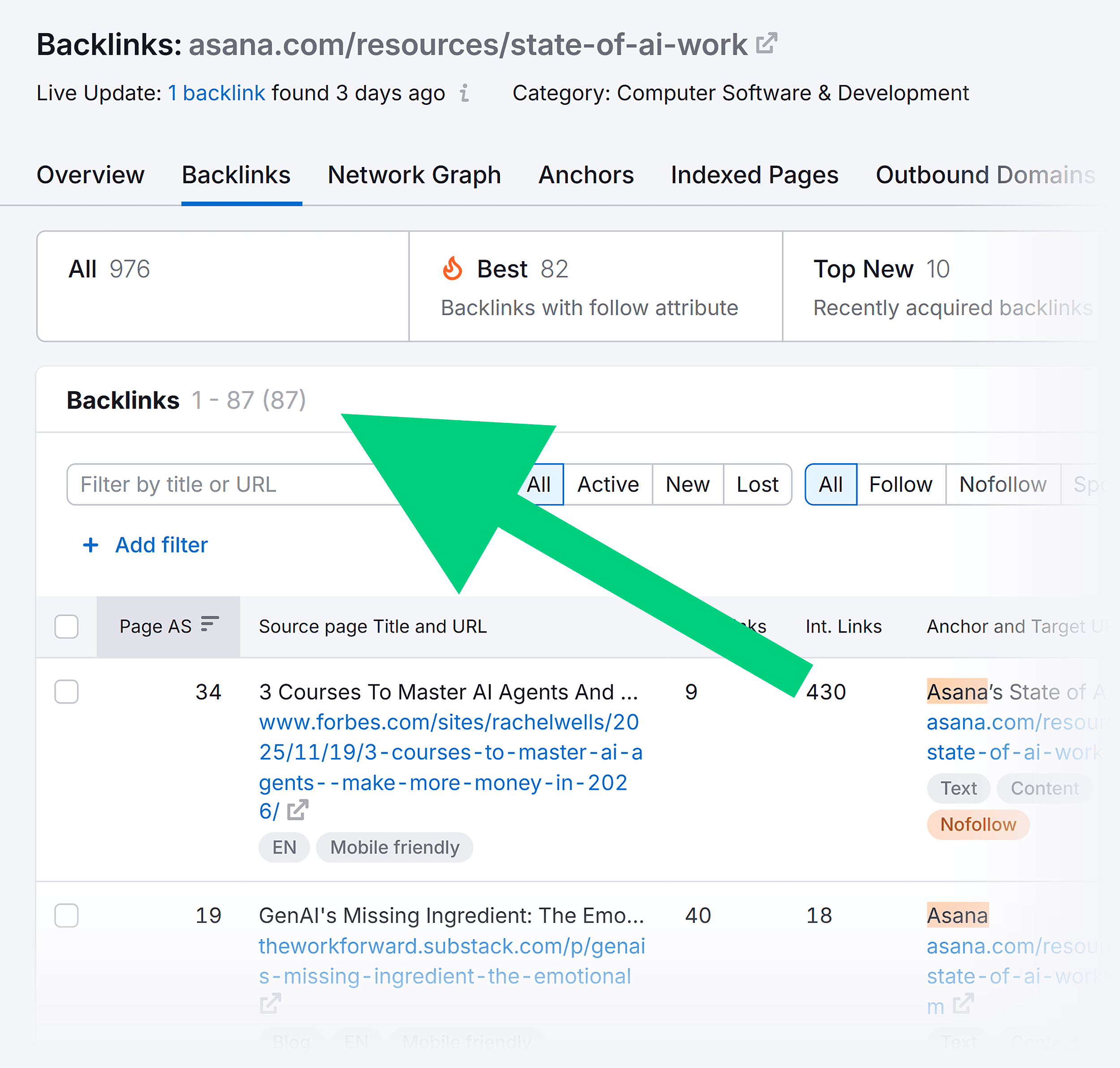
Finally, backlink analytics tools allow organizations to monitor new incoming links and filter specifically for branded anchor text. Tracking unique referring domains over time demonstrates whether outreach efforts are successfully expanding the brand’s digital footprint across authoritative websites.
When reporting these metrics to executive leadership, metrics must transcend simple volume counts. Effective reports synthesize data into a cohesive narrative, detailing not only how many mentions were secured, but the authority of the publishing sources, the prevailing sentiment, and the estimated audience reach. By framing brand visibility around quality, contextual relevance, and entity-level authority, organizations can clearly articulate the long-term ROI of their brand-building initiatives and secure sustained executive buy-in.