The Indispensable Convergence of PR and SEO in the Age of AI: A New Authority Engine Emerges

The traditional demarcation between Public Relations (PR) and Search Engine Optimization (SEO) is rapidly dissolving, giving way to an integrated strategy that is no longer merely advantageous but essential for brand visibility and authority in the modern digital landscape. Once considered distinct disciplines with separate objectives and methodologies, PR and SEO are now inextricably linked, driven by the evolving demands of search algorithms and the transformative rise of artificial intelligence (AI) and Large Language Models (LLMs). Organizations that fail to bridge this historical divide risk significant competitive disadvantage, leaving valuable opportunities for establishing digital authority untapped.

The Evolving Landscape: Why Silos Are Obsolete
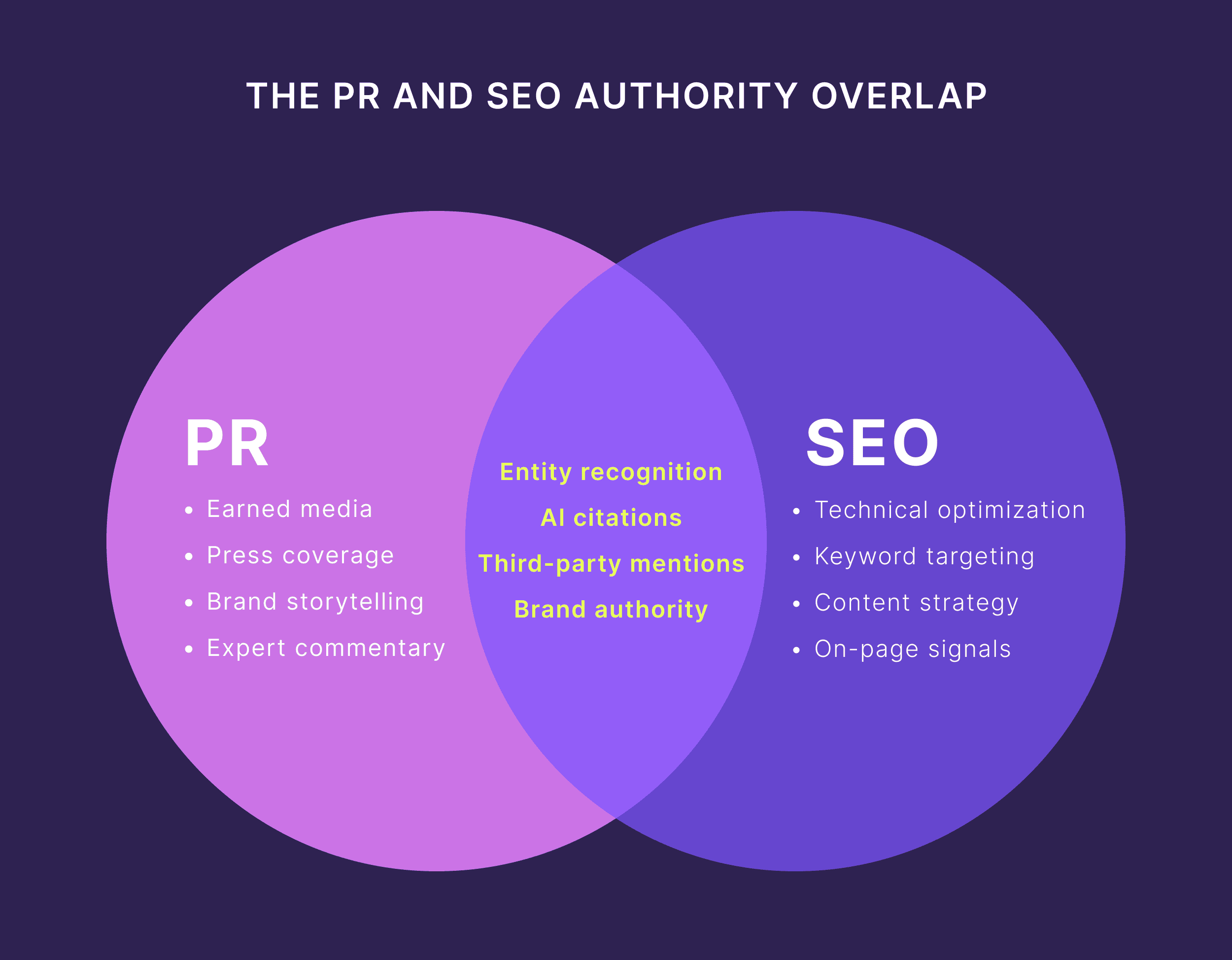
For decades, PR focused on media relations, brand reputation, and earned media coverage, primarily targeting human audiences through traditional and digital publications. SEO, conversely, concentrated on technical optimization, keyword rankings, and organic traffic, aiming to satisfy search engine algorithms. Their paths rarely intersected beyond the occasional request for a backlink from a PR placement. This siloed approach, while functional in a pre-AI era, is fundamentally mismatched with the current digital environment.
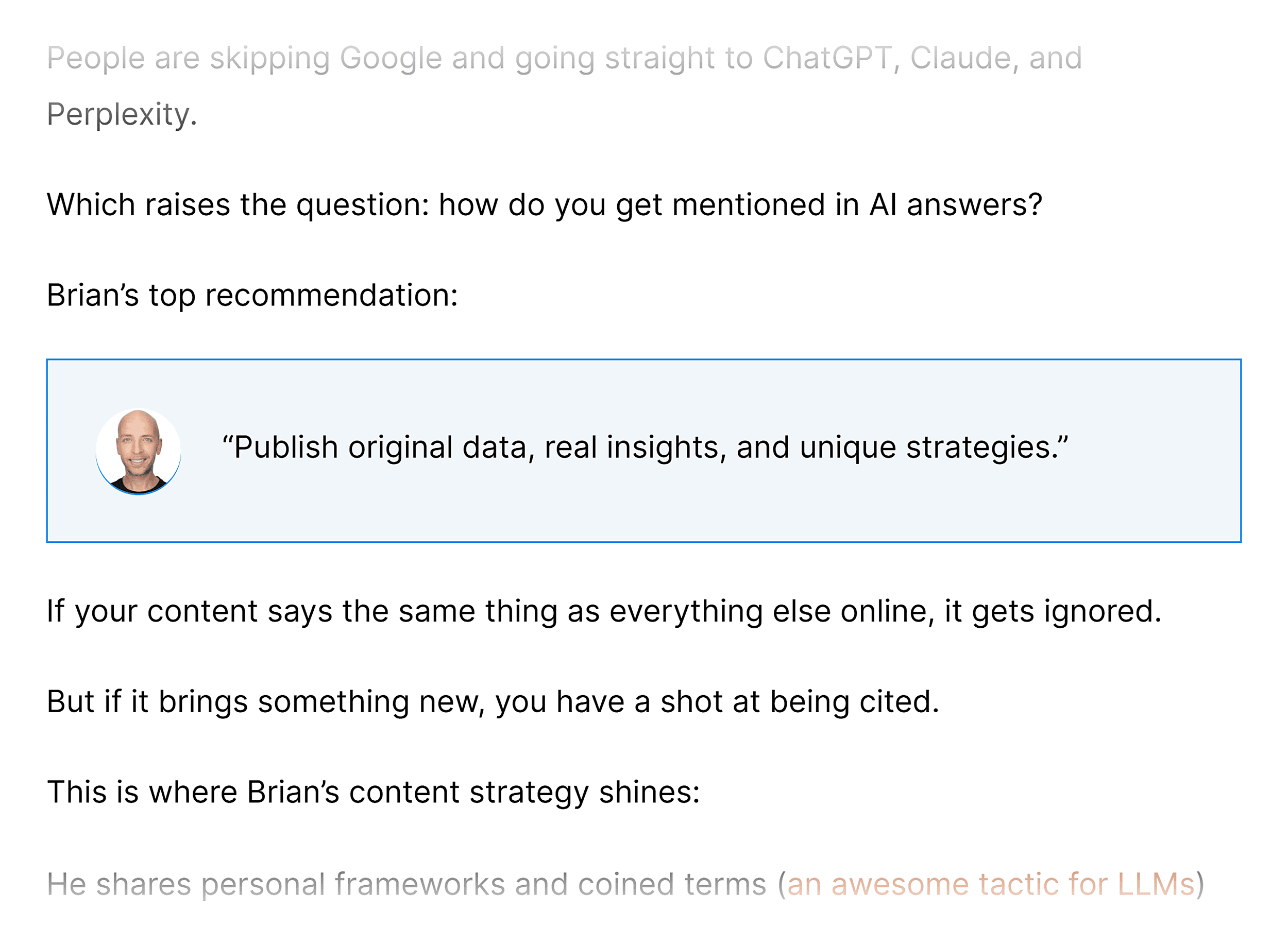
Today, platforms like Google and sophisticated LLMs such as ChatGPT and Claude increasingly rely on a holistic set of "third-party signals" to determine which brands and content warrant visibility and trust. These signals extend far beyond mere keywords and technical SEO, encompassing backlinks from reputable sites, authentic brand mentions, expert commentary, and comprehensive coverage in trusted publications. Critically, both PR and SEO activities inherently generate these signals. However, the efficacy of these efforts is severely hampered when teams operate independently, often resulting in redundant work, missed opportunities, and a fragmented brand narrative.

The emergence of AI has accelerated this convergence. LLMs, trained on vast datasets of internet content, are designed to synthesize information and provide authoritative answers. Their ability to do so accurately and reliably hinges on the quality and authority of their source material. This is where the combined power of PR and SEO becomes paramount. PR, with its focus on cultivating relationships with credible journalists and securing placements in authoritative media, directly contributes to the "Trustworthiness" and "Authoritativeness" components of Google’s E-E-A-T (Experience, Expertise, Authoritativeness, Trustworthiness) guidelines. Meanwhile, SEO ensures that this valuable content is discoverable, structured correctly for both human users and AI parsers, and effectively amplifies the brand’s expertise across relevant topics. When PR generates positive media mentions, and SEO ensures those mentions are discoverable and linked appropriately, the brand’s digital footprint expands exponentially, feeding both human trust and algorithmic validation.
A Unified Approach: Building an Always-On Authority Engine
The path to maximizing digital authority and visibility requires a deliberate, collaborative strategy. This involves a five-step playbook designed to transform PR and SEO from independent functions into a cohesive "always-on authority engine."
Step 1: Synchronizing Intelligence: The Foundation of Foresight
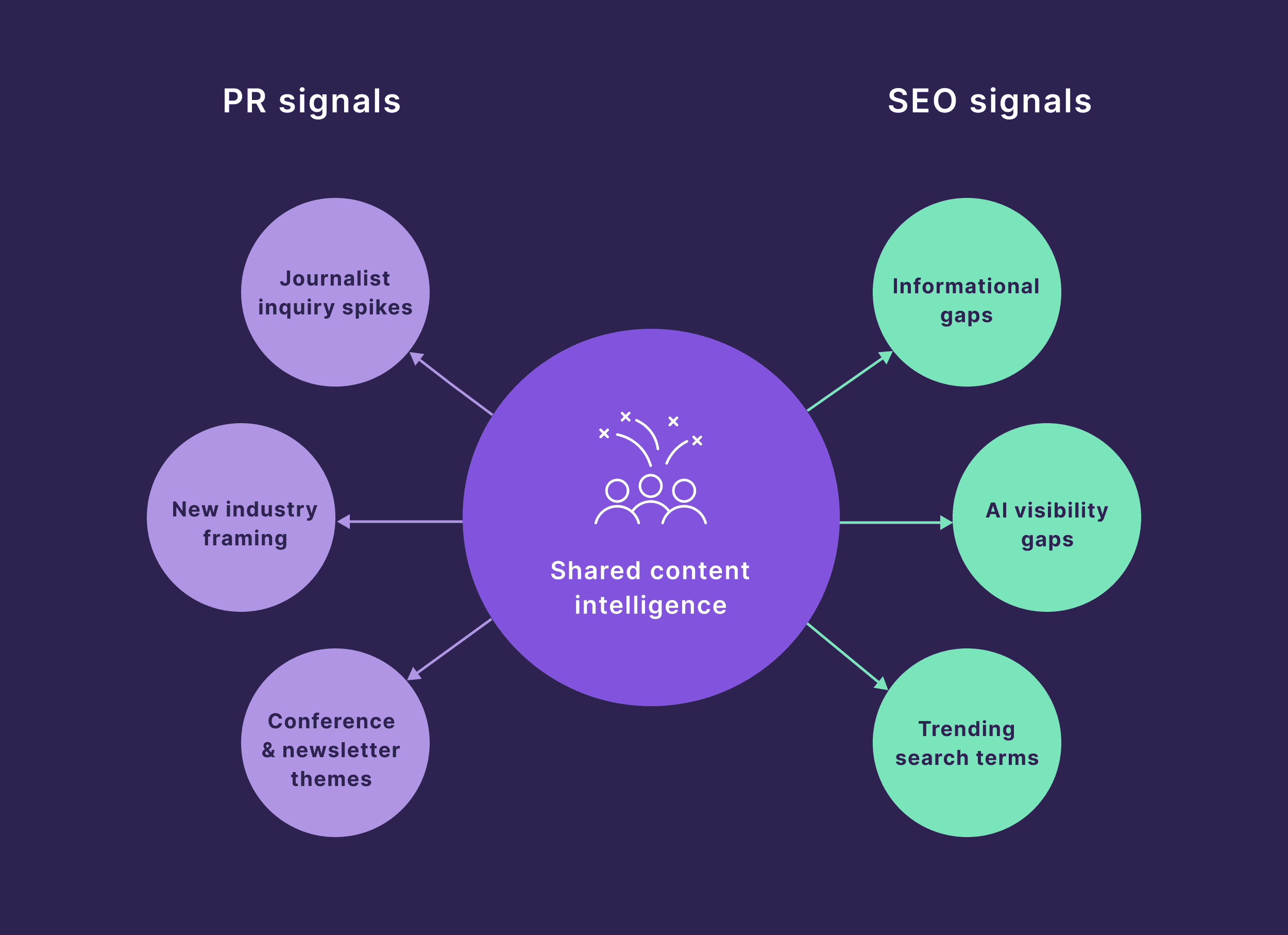
An integrated PR and SEO partnership must begin with shared intelligence. Without a unified understanding of market trends, audience interests, and competitive landscapes, teams inevitably encounter gaps that undermine their collective potential. This collaborative research phase is where foresight is cultivated, allowing both teams to identify emerging opportunities and shape content that resonates across multiple channels.

From a PR perspective, valuable insights include sudden spikes in journalist inquiries on a particular topic, the rise of new terminology or framing within industry discourse, and recurring themes observed across newsletters, conferences, and trade publications. These signals often precede significant shifts in public interest and search demand. As Britt Klontz, a digital PR consultant and founder of Vada Communications, emphasizes, "The strongest results come when PR and SEO combine their strengths at the ideation stage. PR can offer insights into what journalists are actively covering and what angles resonate, while SEO can validate the search demand and potential for long-term visibility."
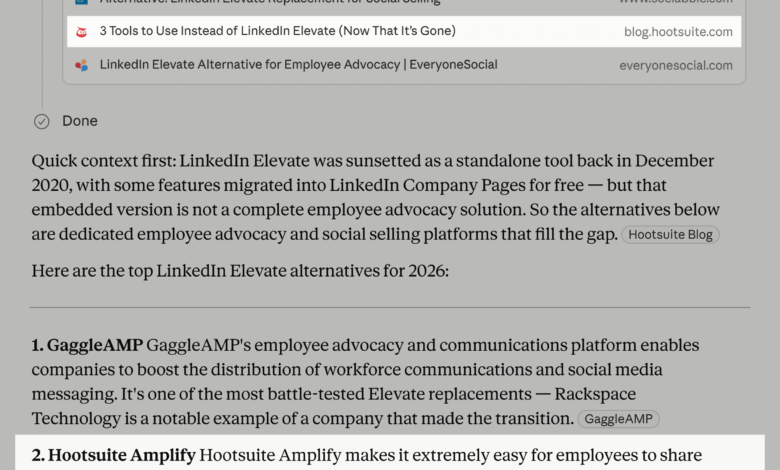
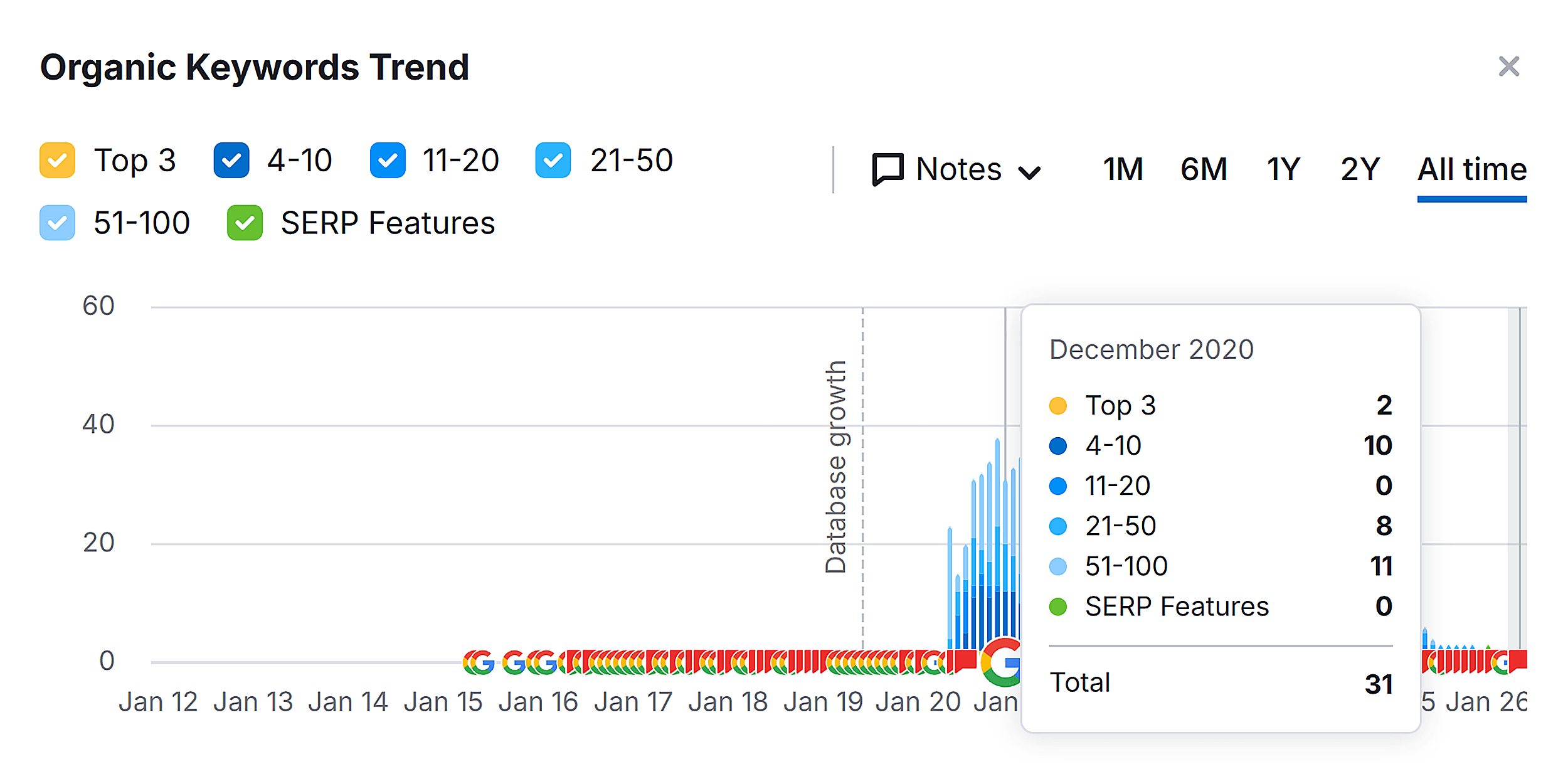
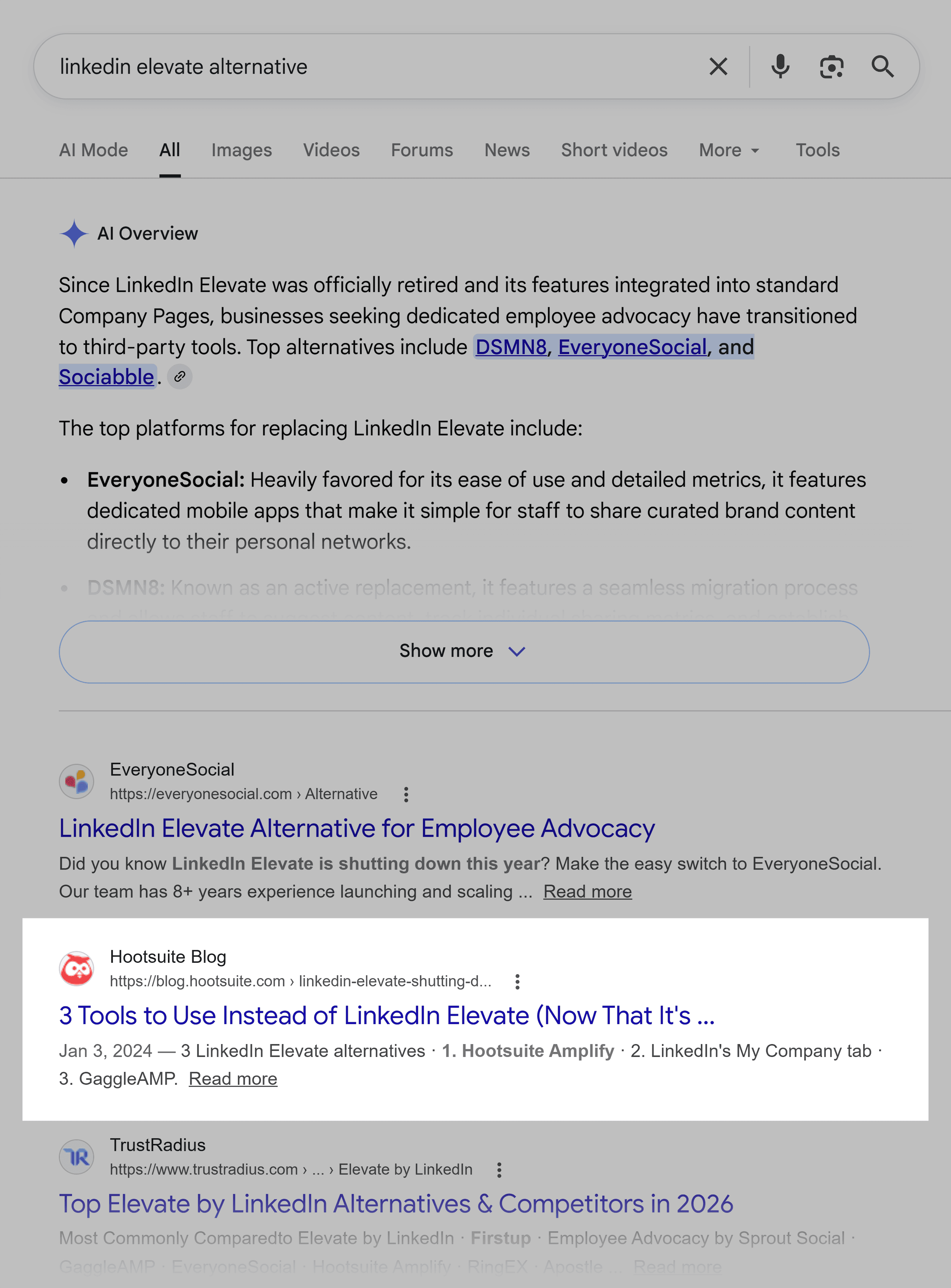
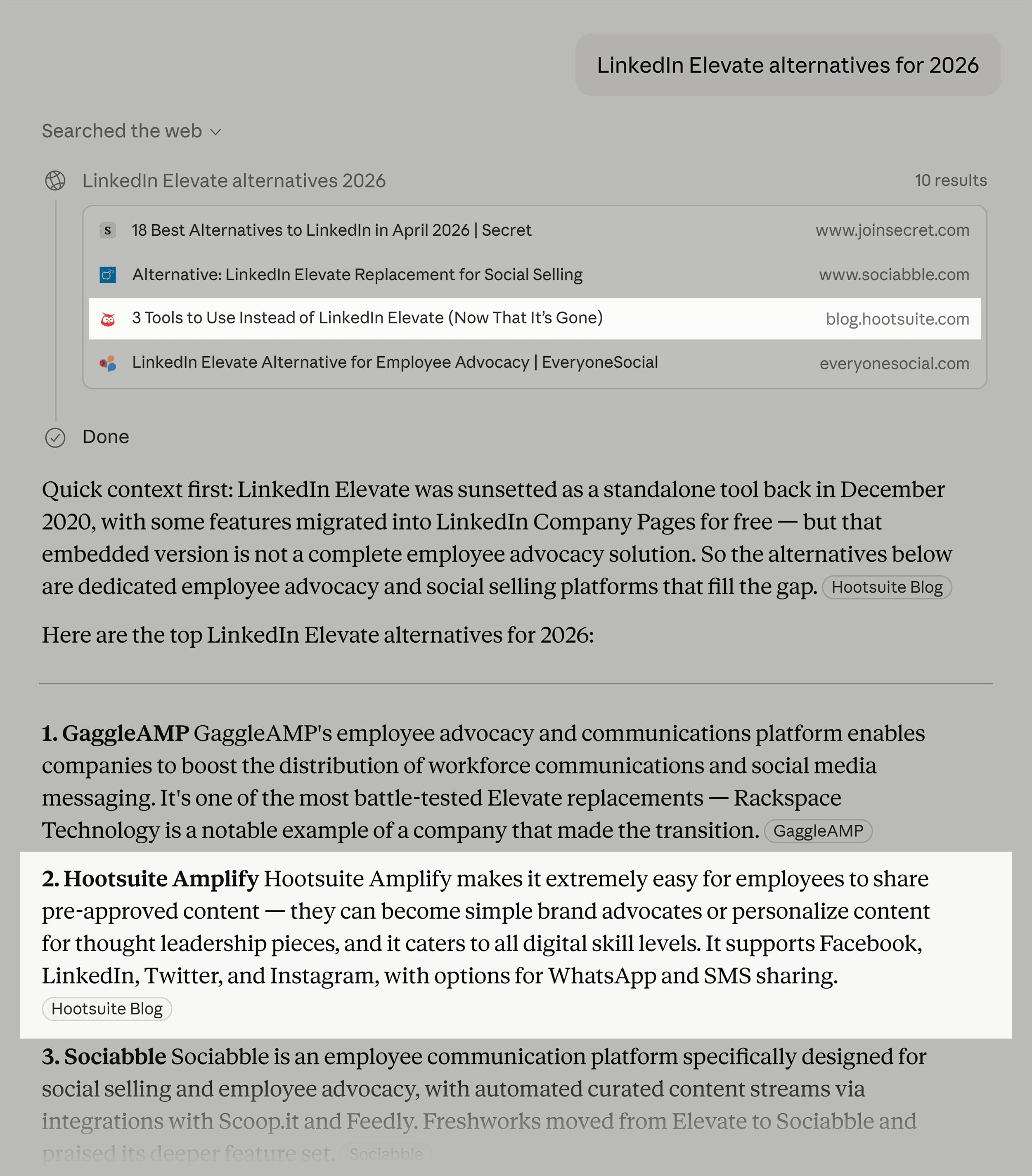
A prime example of this synergy is the Hootsuite Blog’s response to LinkedIn’s decision to shut down its "Elevate" feature. Proactive intelligence from the PR team about the impending shutdown prompted the SEO team to create relevant content before significant search volume existed. This allowed Hootsuite to capture early backlinks and drive considerable demo requests, ultimately ranking #1 when search demand eventually materialized. This foresight translated into lasting authority, demonstrating the power of anticipating market needs rather than merely reacting to them.
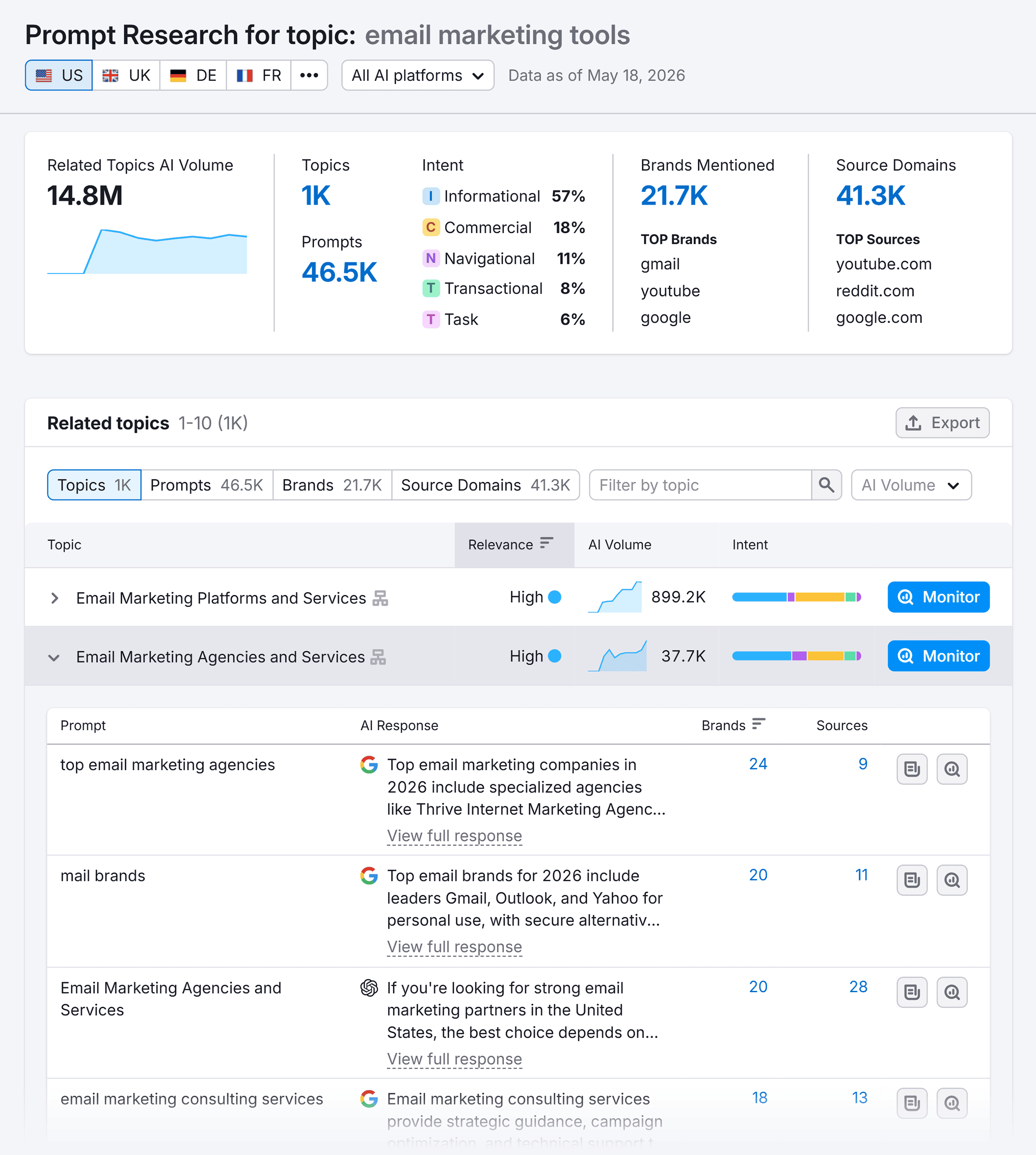
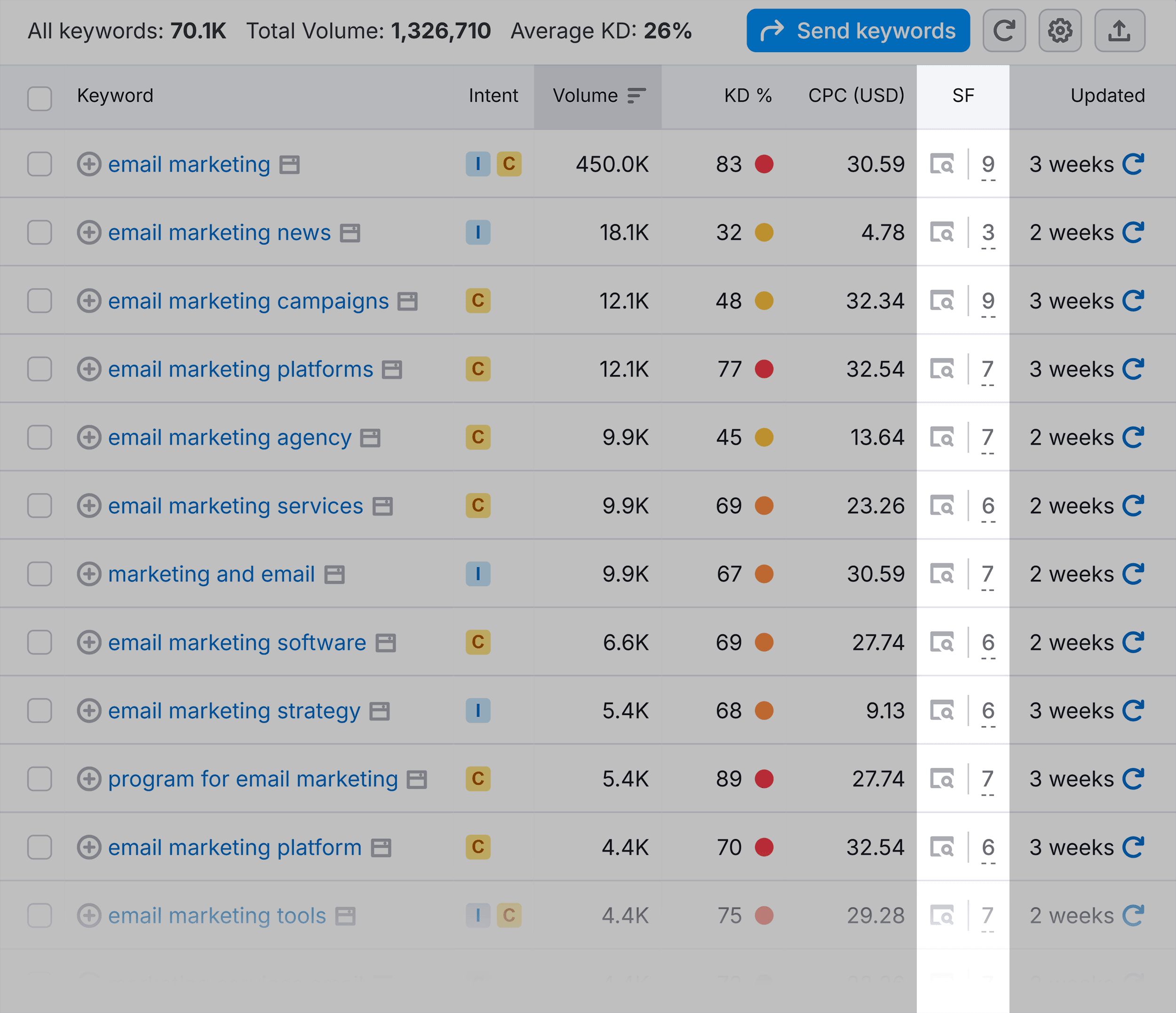
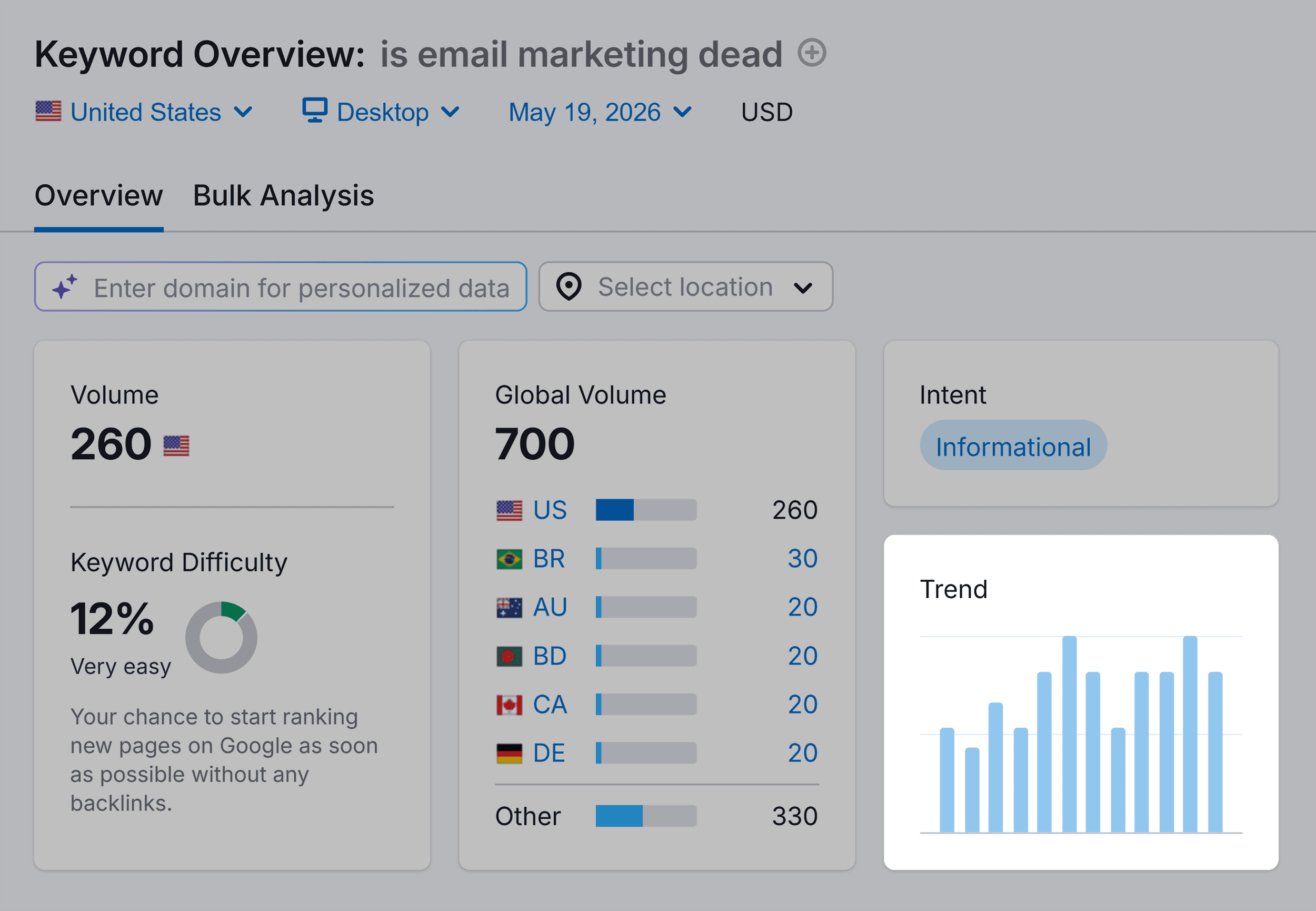
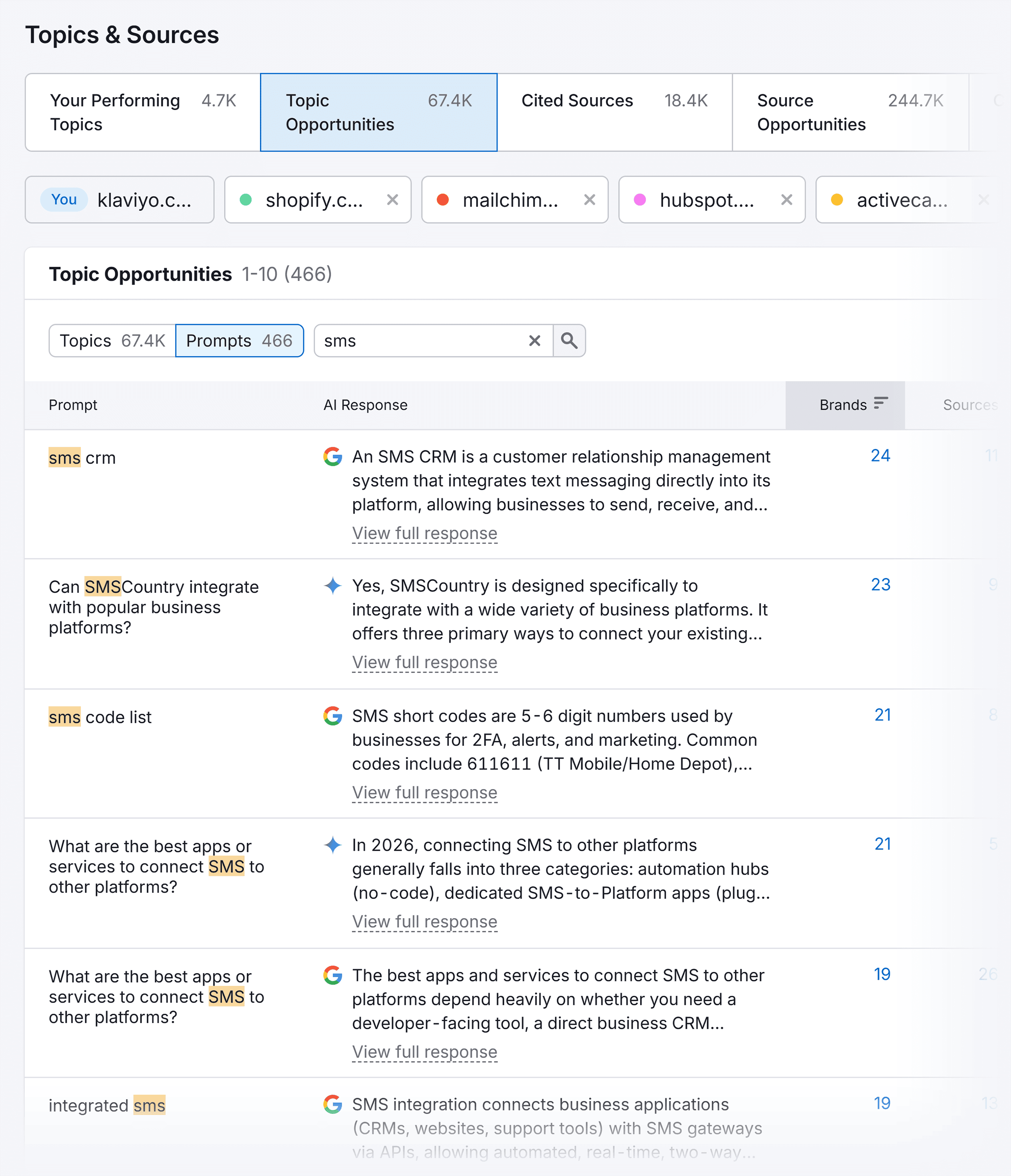
Conversely, SEO provides critical data that PR can leverage. This includes identifying trending keywords, understanding the search intent behind queries, and analyzing SERP (Search Engine Results Page) features like "Top Stories" and "Featured Snippets," which signal high news value and potential for rapid media pickup. Tools like Semrush’s Keyword Magic Tool can reveal keywords associated with breaking news or trending discussions, while its AI Visibility Toolkit offers insights into actual prompt data, showing how LLMs are citing competitors and where a brand can establish its authority. Rola Tfaili, Communications Manager for North America at Xero, advocates for this early integration: "Bringing SEO into our process from the start ensures that our PR efforts are not just about generating buzz, but also about building sustainable authority in search and AI. We align on topics that have both media appeal and search value." By maintaining a shared channel—be it a Slack channel, spreadsheet, or regular meeting agenda—both teams can continuously feed each other real-time insights, ensuring strategies are always informed by the freshest data.
Step 2: Crafting AI-Optimized Content Assets
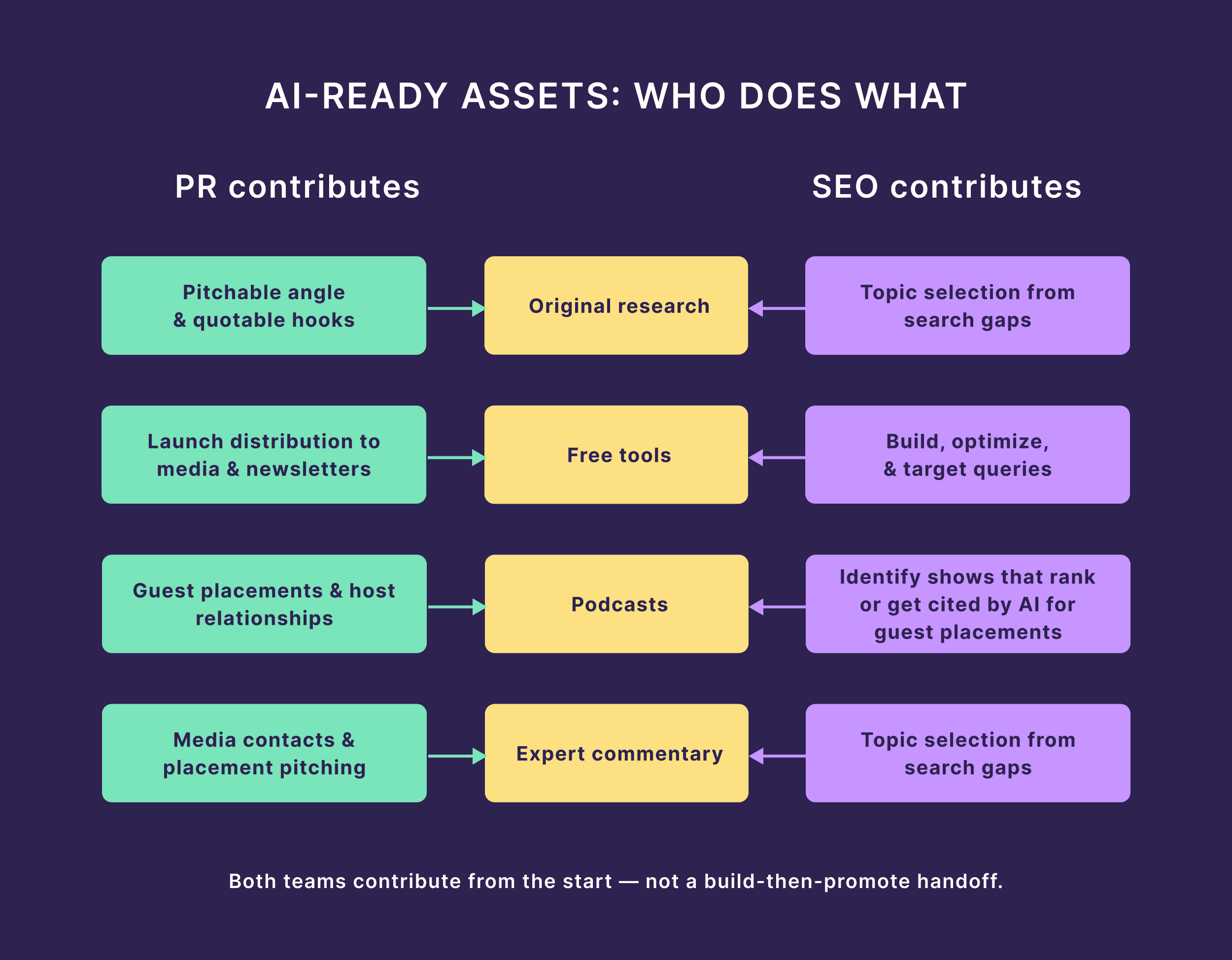
The next step involves developing "AI-ready assets"—content meticulously designed to be discovered, cited, and trusted by both search engines and AI models, while simultaneously providing immense value to human audiences. This concept is central to Answer Engine Optimization (AEO), which focuses on structuring content for AI systems. This collaborative effort ensures that every piece of content serves dual purposes: captivating media and informing algorithms.
-
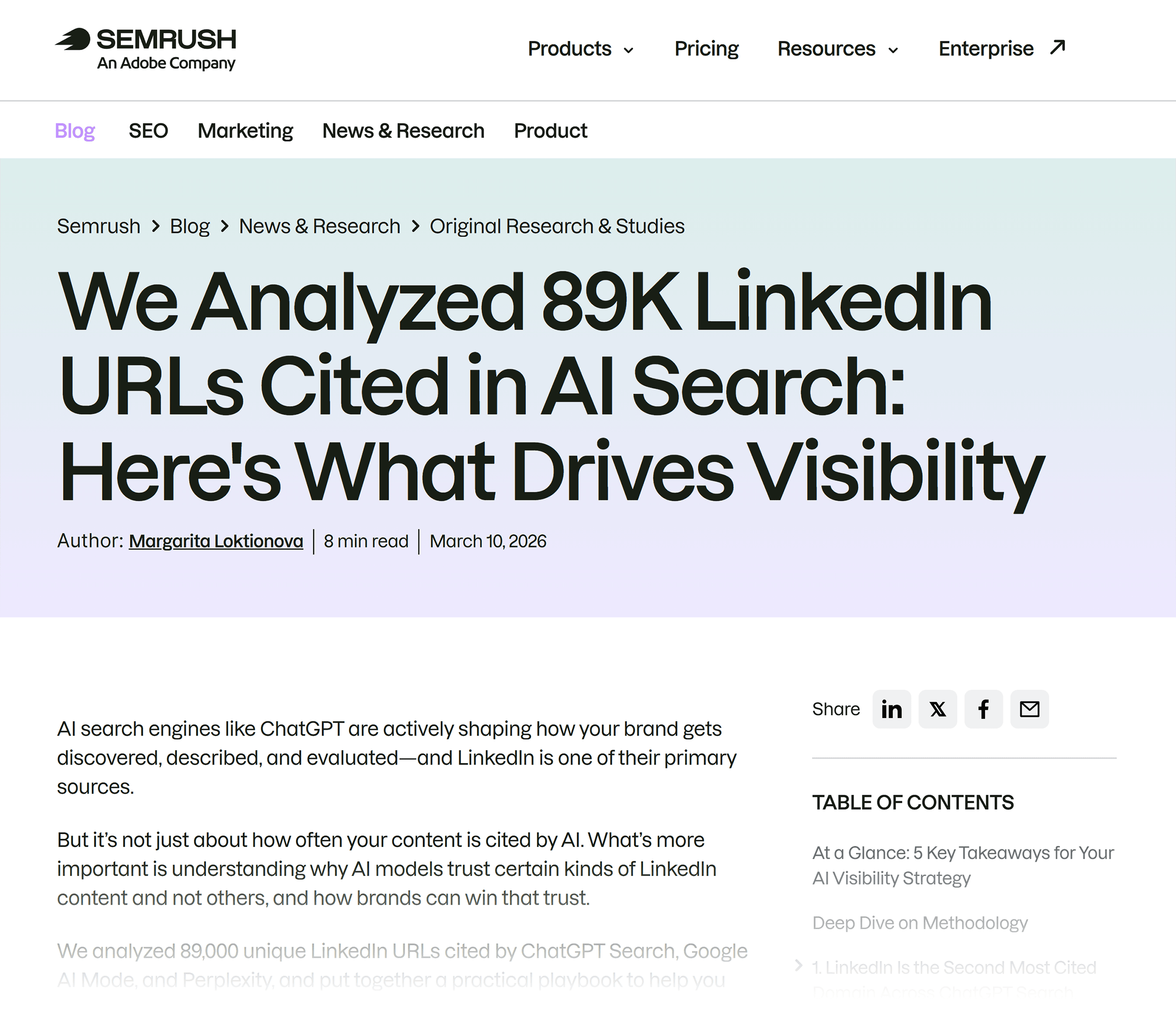
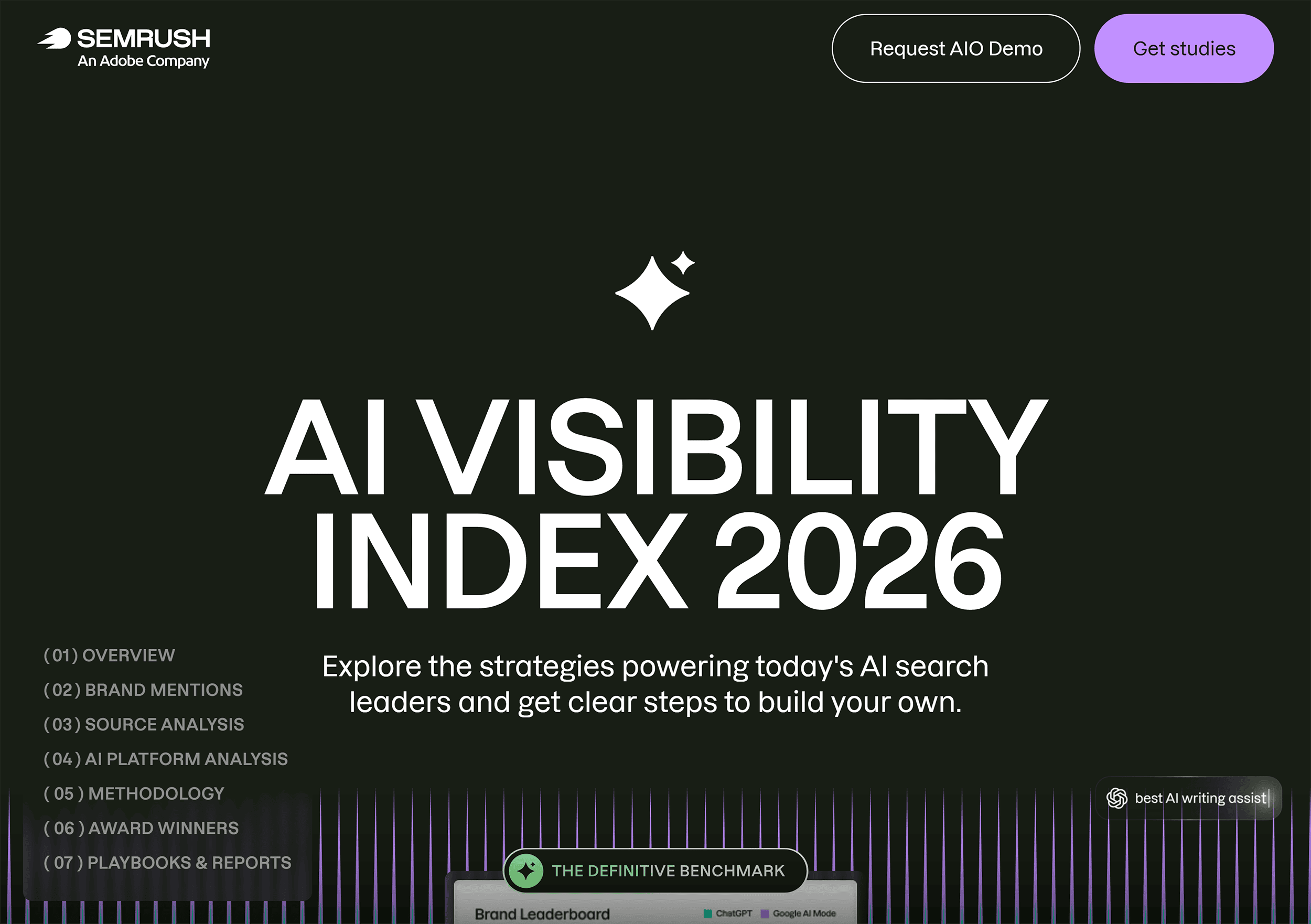
Original Research and Reports: Proprietary data is a goldmine for both PR and SEO. SEO identifies topics with high search demand and content gaps, while PR ensures the research angle is newsworthy and its findings are framed into quotable hooks. The design of the study itself should be structured for easy citation, featuring clear methodologies, prominent statistics, and shareable branded visuals. Britt Klontz highlights the importance of early PR involvement: "If PR is involved earlier, they can help answer questions like: Is this data truly newsworthy? Which journalists would care? What are the most compelling soundbites?" This collaboration transforms raw data into a powerful, authoritative asset, as exemplified by Semrush’s AI Visibility Index, which not only provides valuable industry data but also serves as a crawlable, citable landing page. Consistently updating such assets on the same URL further compounds their authority over time.
-
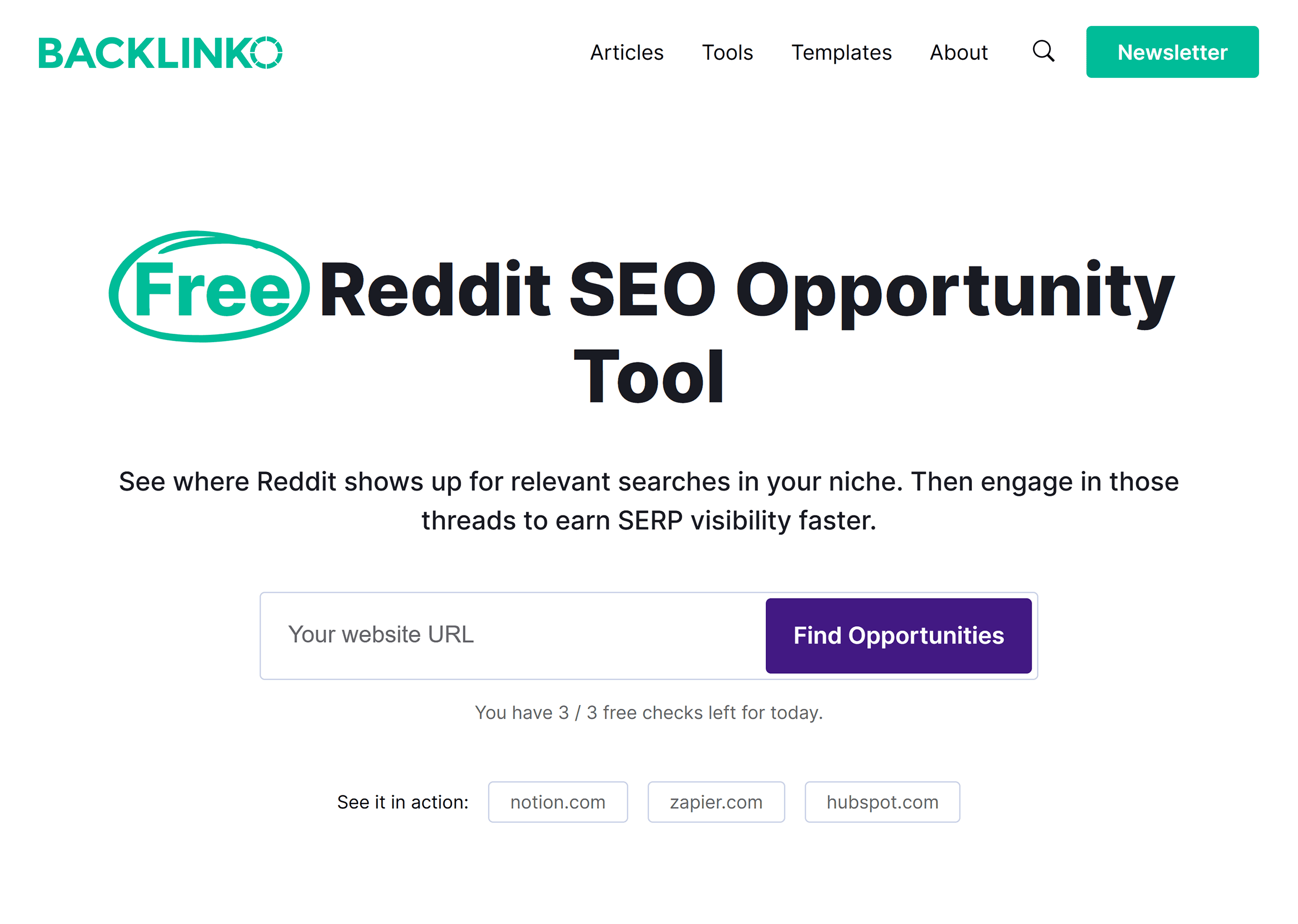
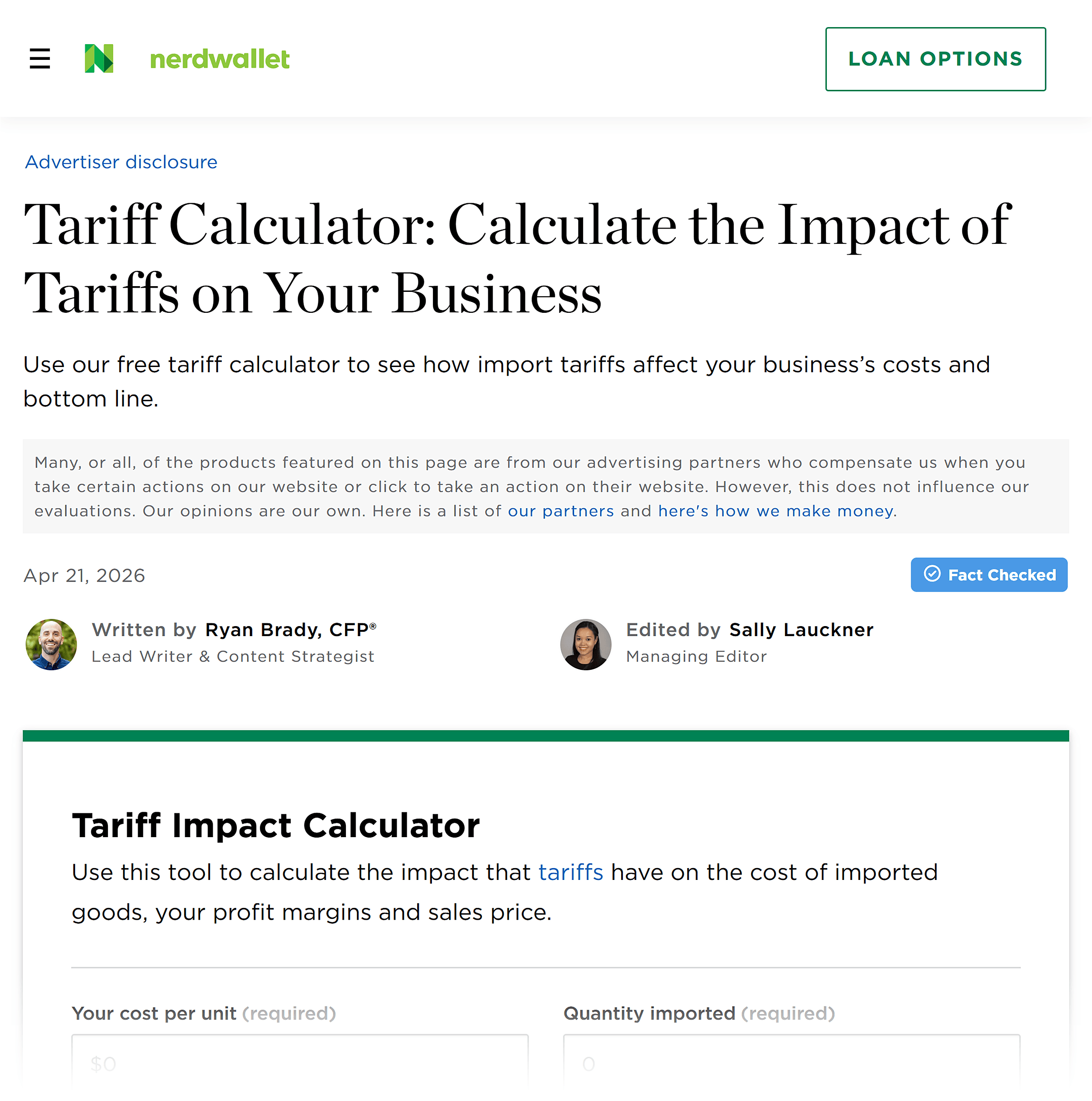
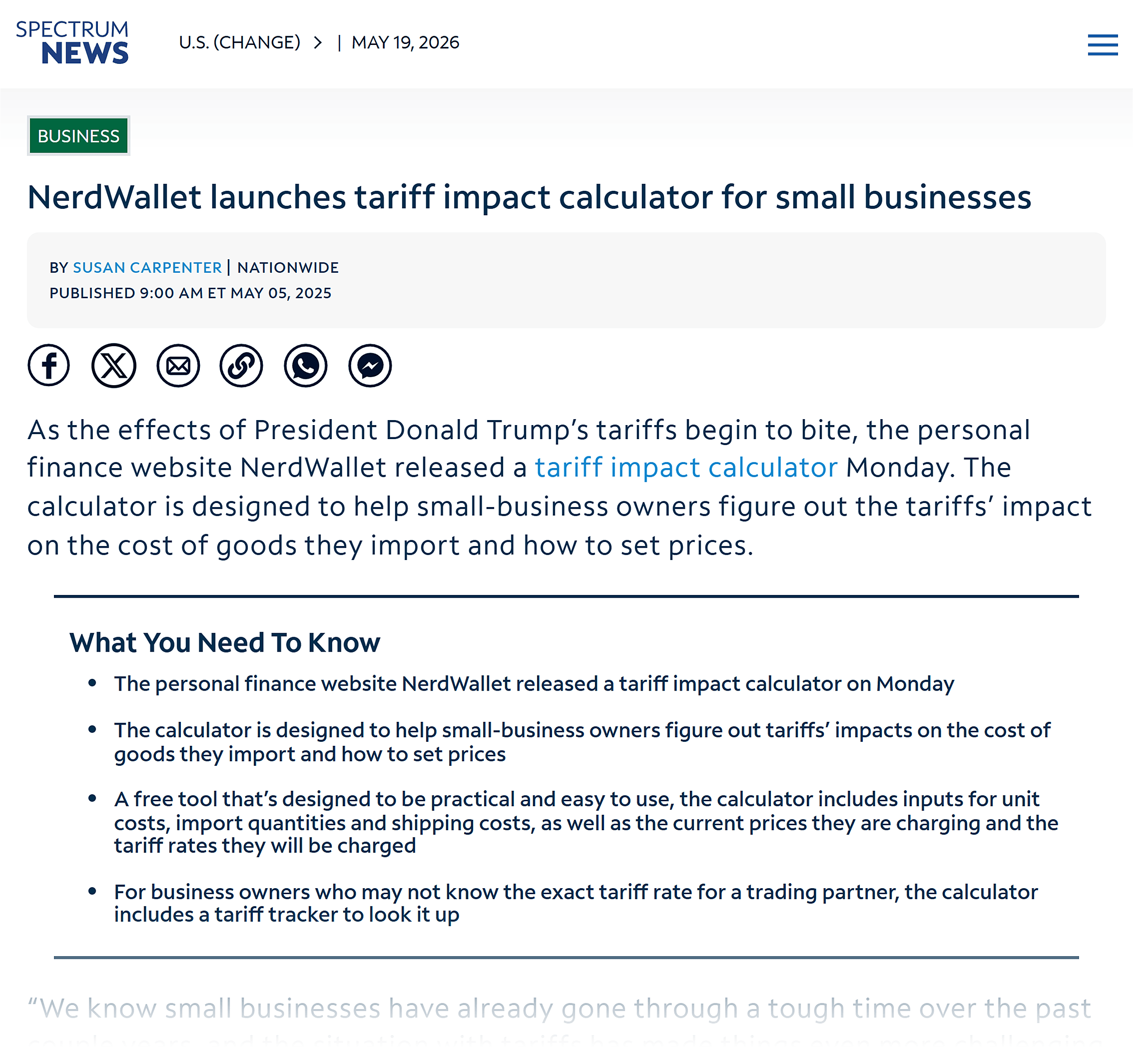
Free Tools: Interactive tools like calculators, templates, and checklists provide practical value to users and are highly shareable. SEO focuses on building and optimizing these tools for search, while PR leverages their utility to secure media coverage. The "NerdWallet tariff calculator" is a classic example: launched during a period of high public interest in tariffs, it quickly gained widespread media attention, demonstrating how a practical tool, strategically promoted, can generate significant earned media and sustained visibility.
-
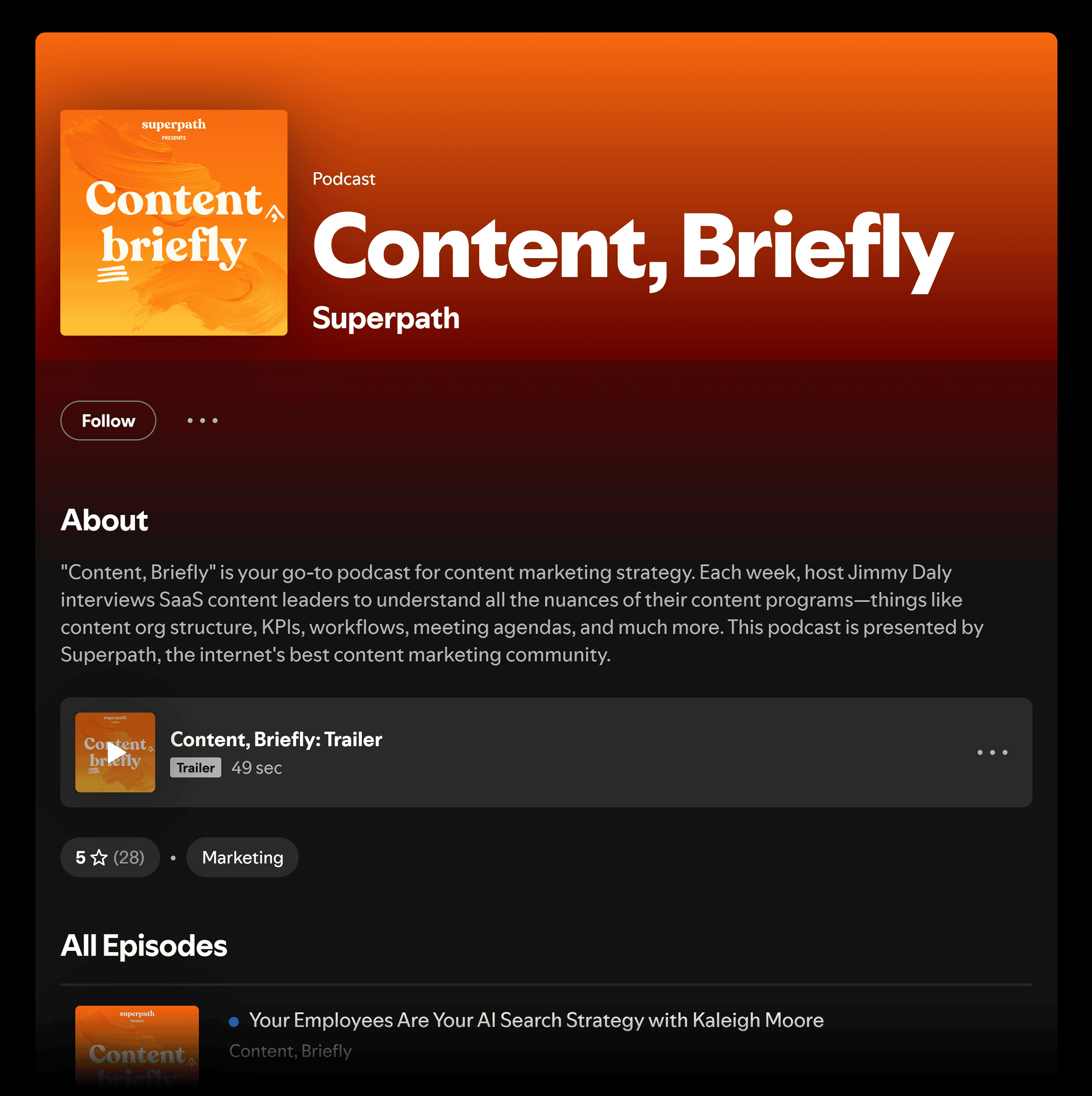
Podcasts: Branded podcasts offer an excellent platform for demonstrating expertise and generating third-party coverage. Beyond hosting a brand’s own podcast (like Spotify’s "Content, Briefly"), securing guest placements for company experts on other podcasts is crucial. SEO can identify top-ranking podcasts or those frequently cited by AI for specific topics, guiding PR efforts toward the most impactful opportunities. This not only builds brand and expert authority but also places the brand in front of highly engaged audiences, influencing both search engines and LLMs that recommend "best podcasts on X topic."
-
Press Releases: When published directly on a company’s website and optimized for search, press releases transcend their traditional role as mere announcements. They become standalone, crawlable assets that can significantly increase AI mentions. Muck Rack reported a 5x growth in press release citations in LLMs between July and December 2025, underscoring their burgeoning importance. Rola Tfaili emphasizes, "Our press releases are no longer just for journalists. We optimize them for search, ensuring they contain citable data and link to relevant assets on our site. This way, they don’t just create buzz; they feed our broader authority across the digital ecosystem." PR crafts the compelling narrative and hooks, while SEO ensures technical discoverability, data validation, and strategic internal linking.
-
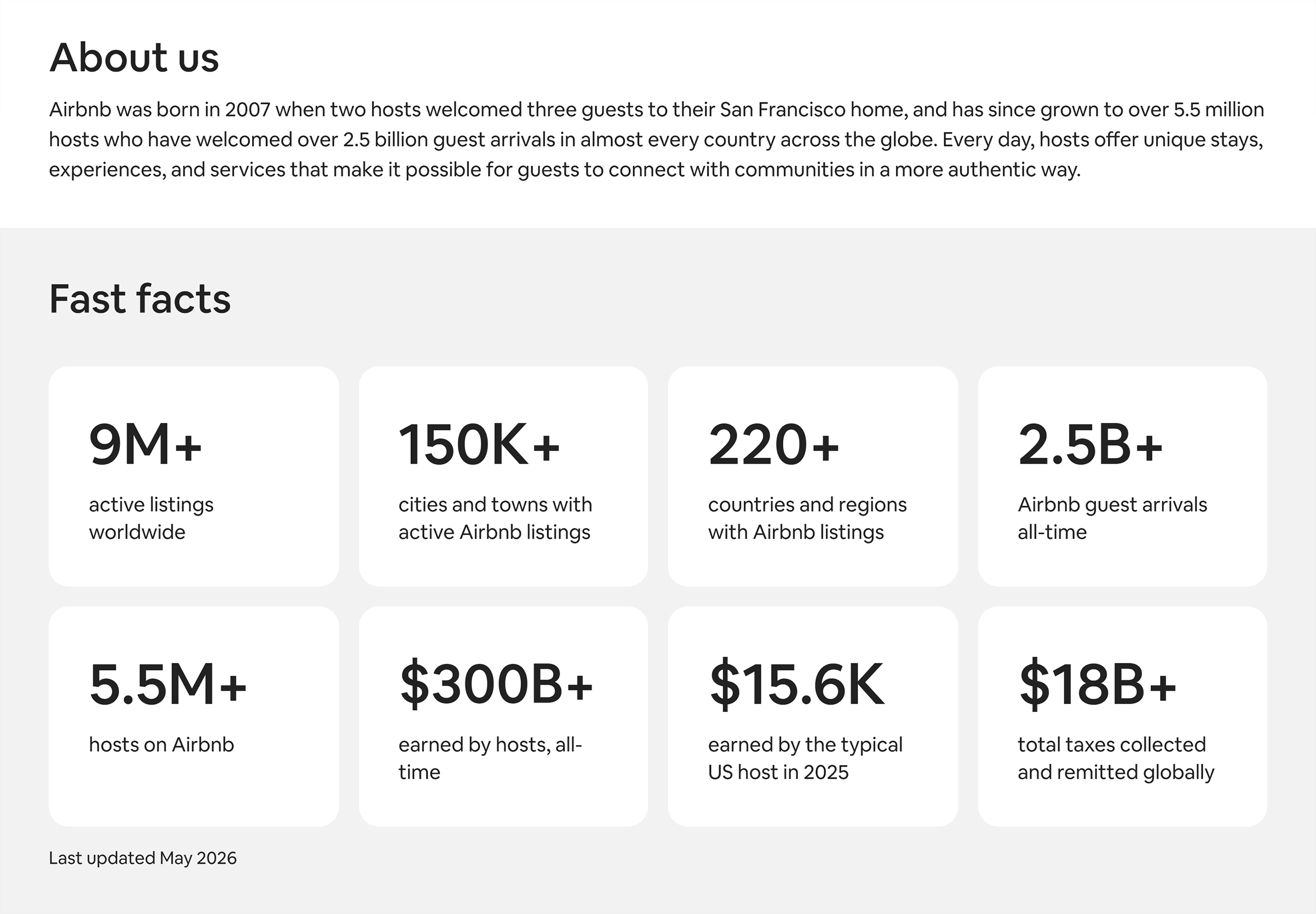
Explainer Content: Easy-to-understand articles or videos that simplify complex topics are invaluable for both journalists seeking accurate information and AI models aiming to provide clear answers. SEO uses keyword and prompt data to identify common questions and structures content for AI parsing and citation. PR, with its understanding of journalistic queries and industry narratives, ensures the content addresses real-world information gaps. These can take various forms—detailed "About Us" pages (like Airbnb’s), dedicated resource hubs, or FAQ sections—all designed to be the definitive, citable source for information about the brand and its domain.
Step 3: Cultivating a Robust Third-Party Ecosystem

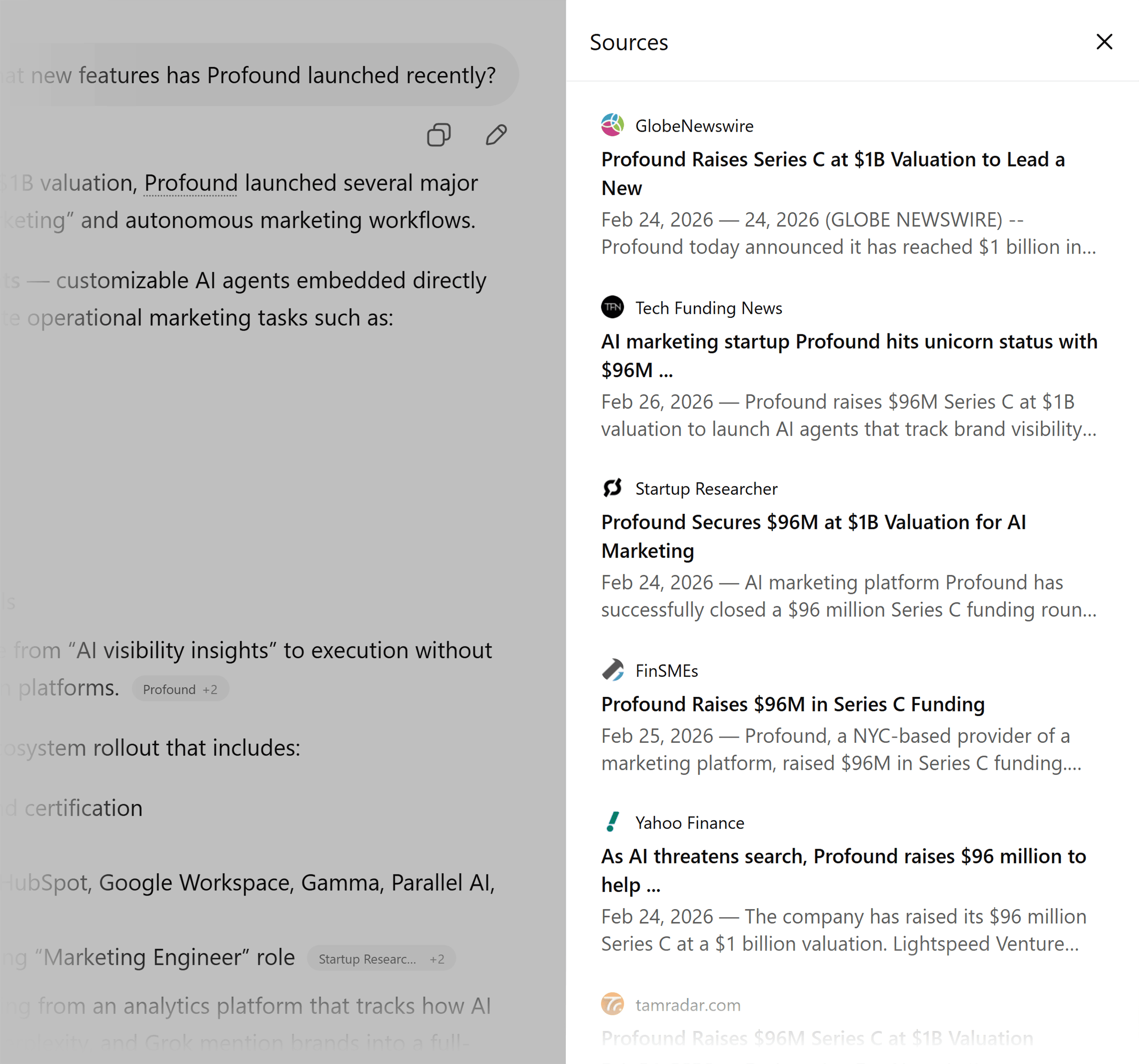
Research by AirOps indicates that brands are 6.5 times more likely to appear in AI answers through third-party signals than through their own content. This statistic alone underscores the critical need for PR and SEO to collaborate on building a powerful external presence that fuels authority.
-
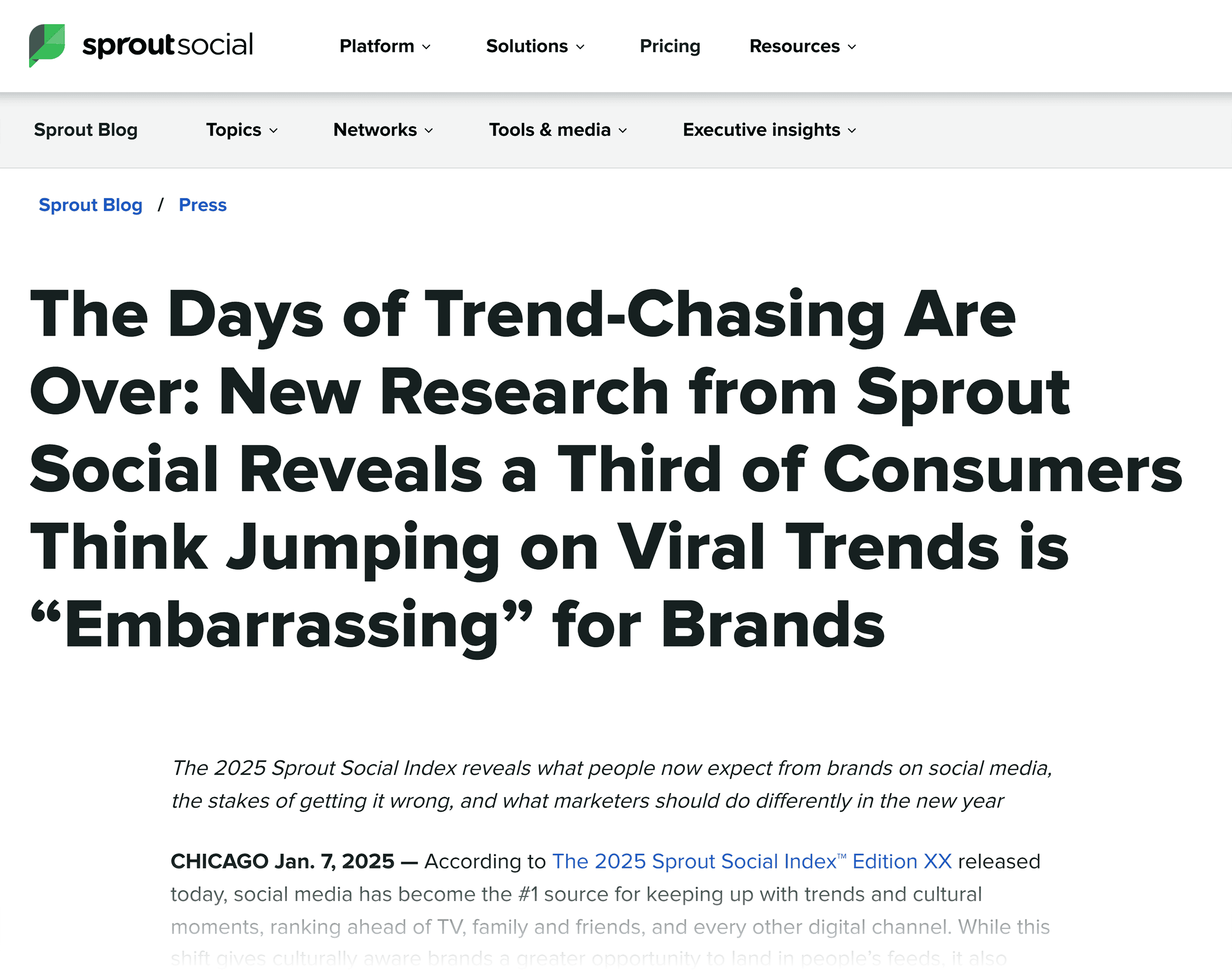
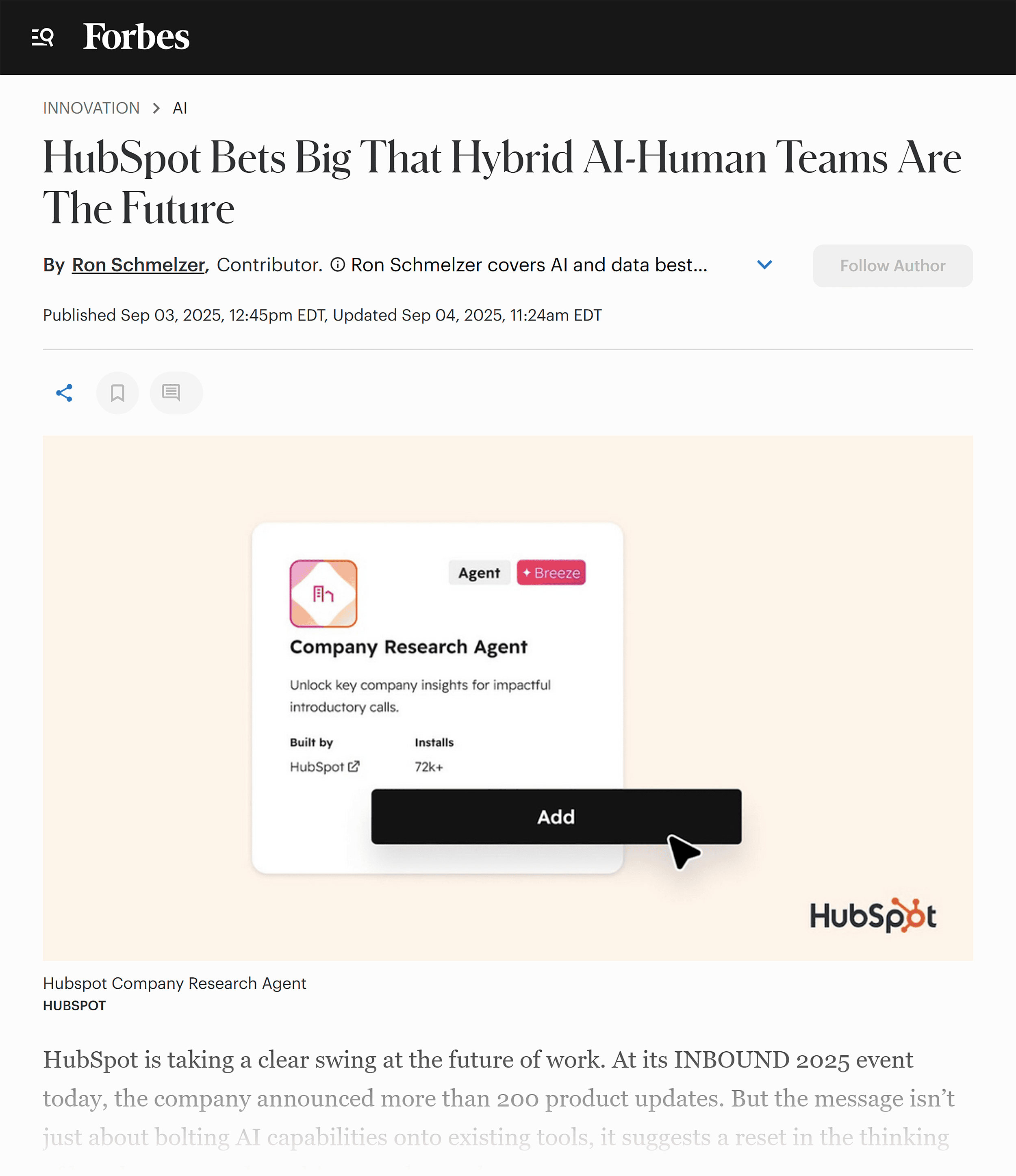
Expert Commentary: Consistent expert commentary—whether on a brand’s own platforms, social media, or in trusted external publications—trains Google and LLMs to associate the brand and its individuals with specific topics. The challenge lies in strategic placement. SEO provides data on high-demand topics and publications already earning AI citations, while PR identifies receptive journalists and impactful angles. Together, they can pinpoint high-value opportunities and craft concrete, data-backed quotes that AI models favor for their specificity and directness.
-
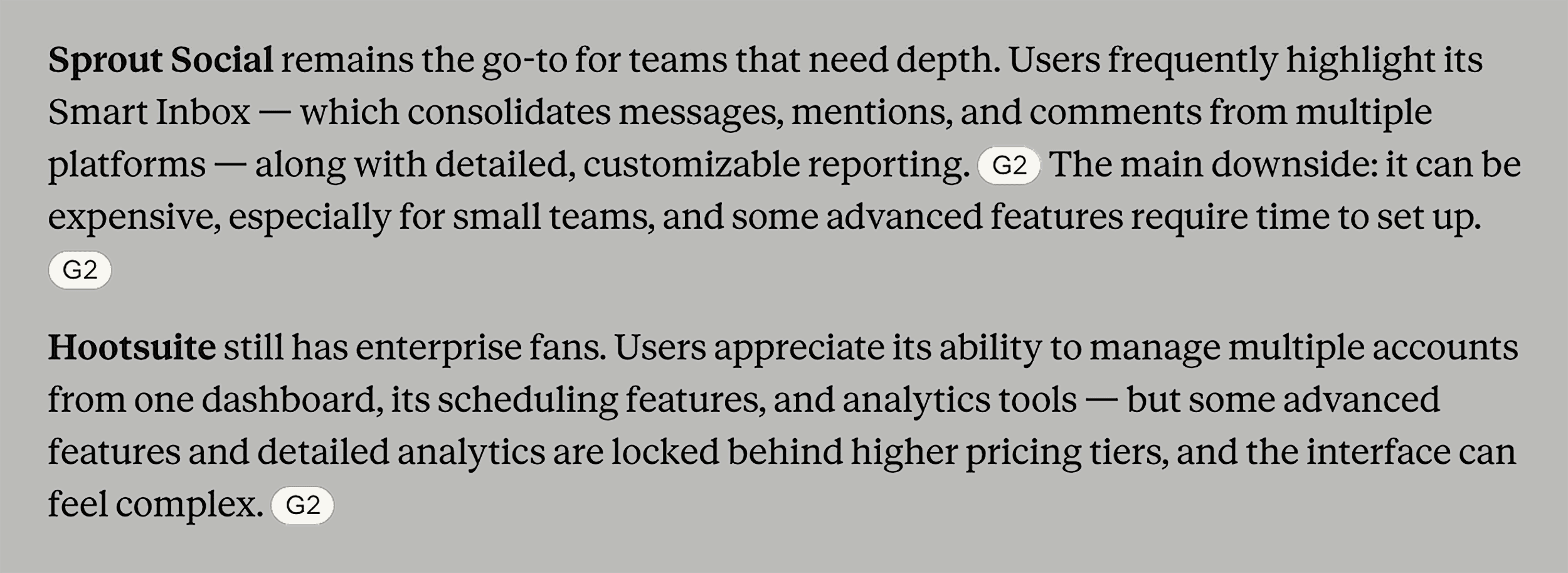
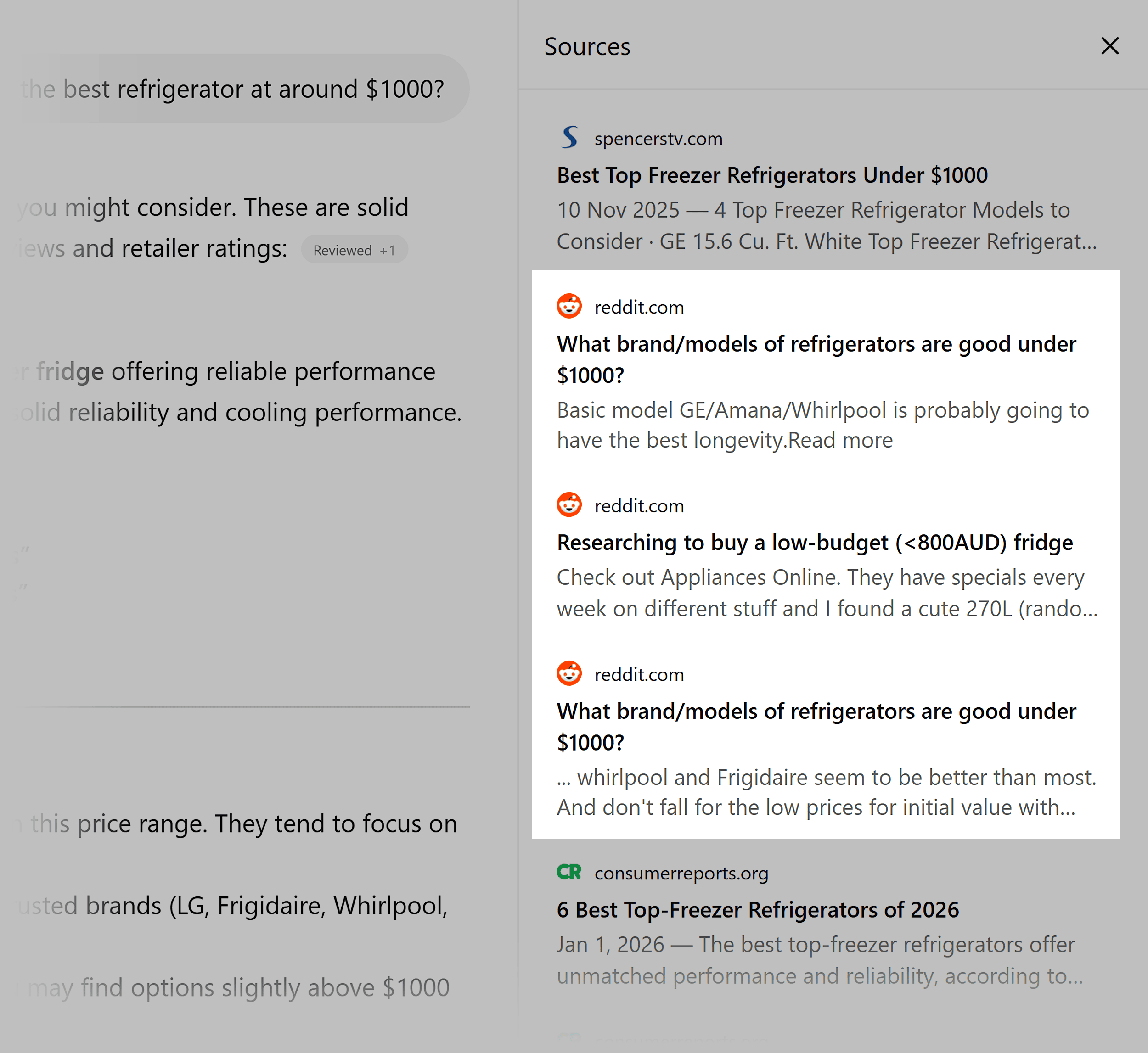
Review Sites and Forums: Platforms like G2, Yelp, Google Reviews, and Trustpilot are highly trusted by AI due to their aggregated, unbiased user feedback. AI frequently cites these sites for product recommendations, and a strong, positive presence across multiple platforms builds a robust "trust signal" for AI. Similarly, forums like Reddit and Quora are mined by AI for authentic recommendations and firsthand experiences. While direct control over mentions is limited, a consistent, helpful presence in industry communities fosters organic mentions that AI models trust. Jointly identifying key review sites and forums, maintaining current profiles, and genuinely engaging in relevant conversations are crucial collaborative tasks.
-
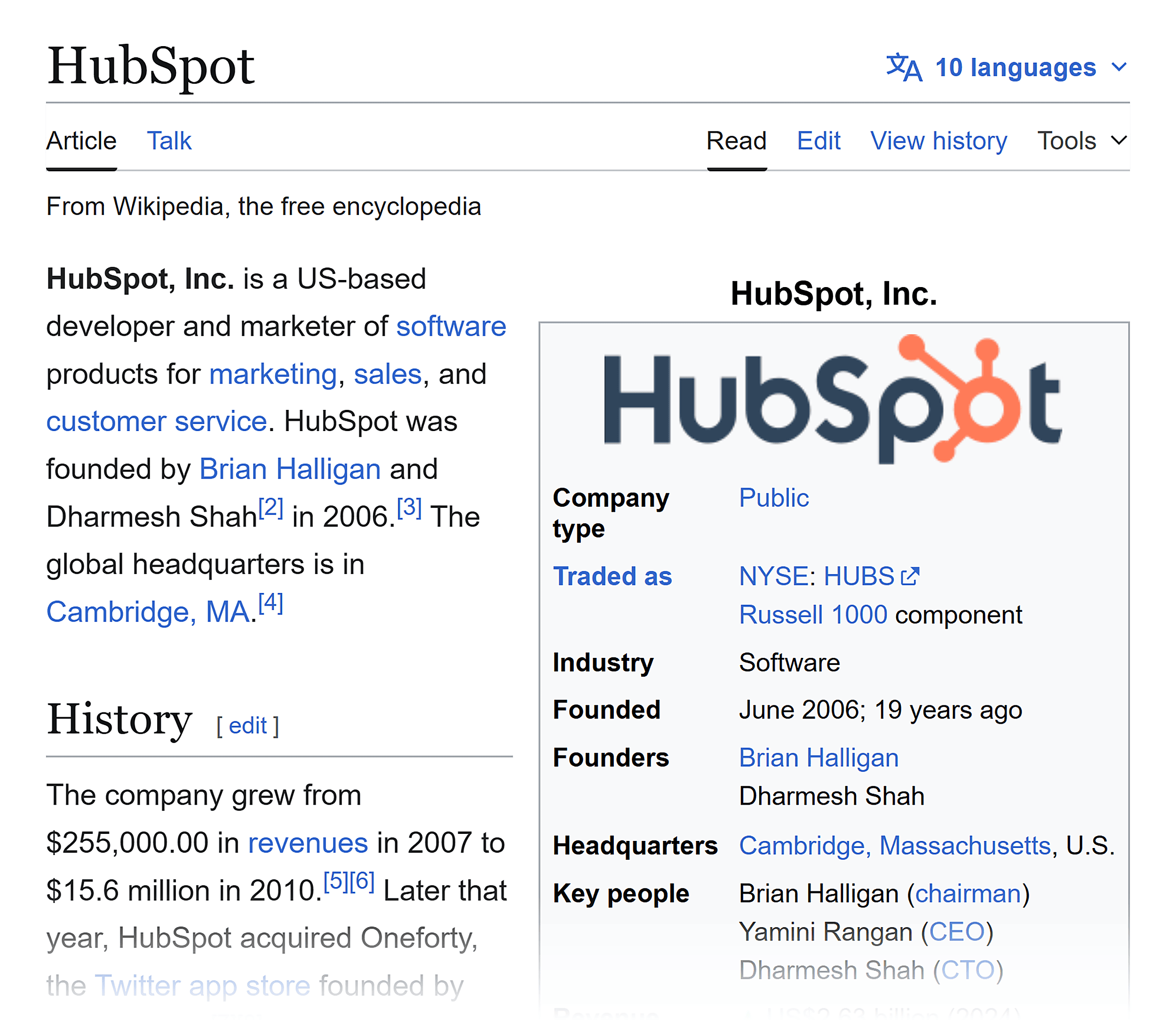
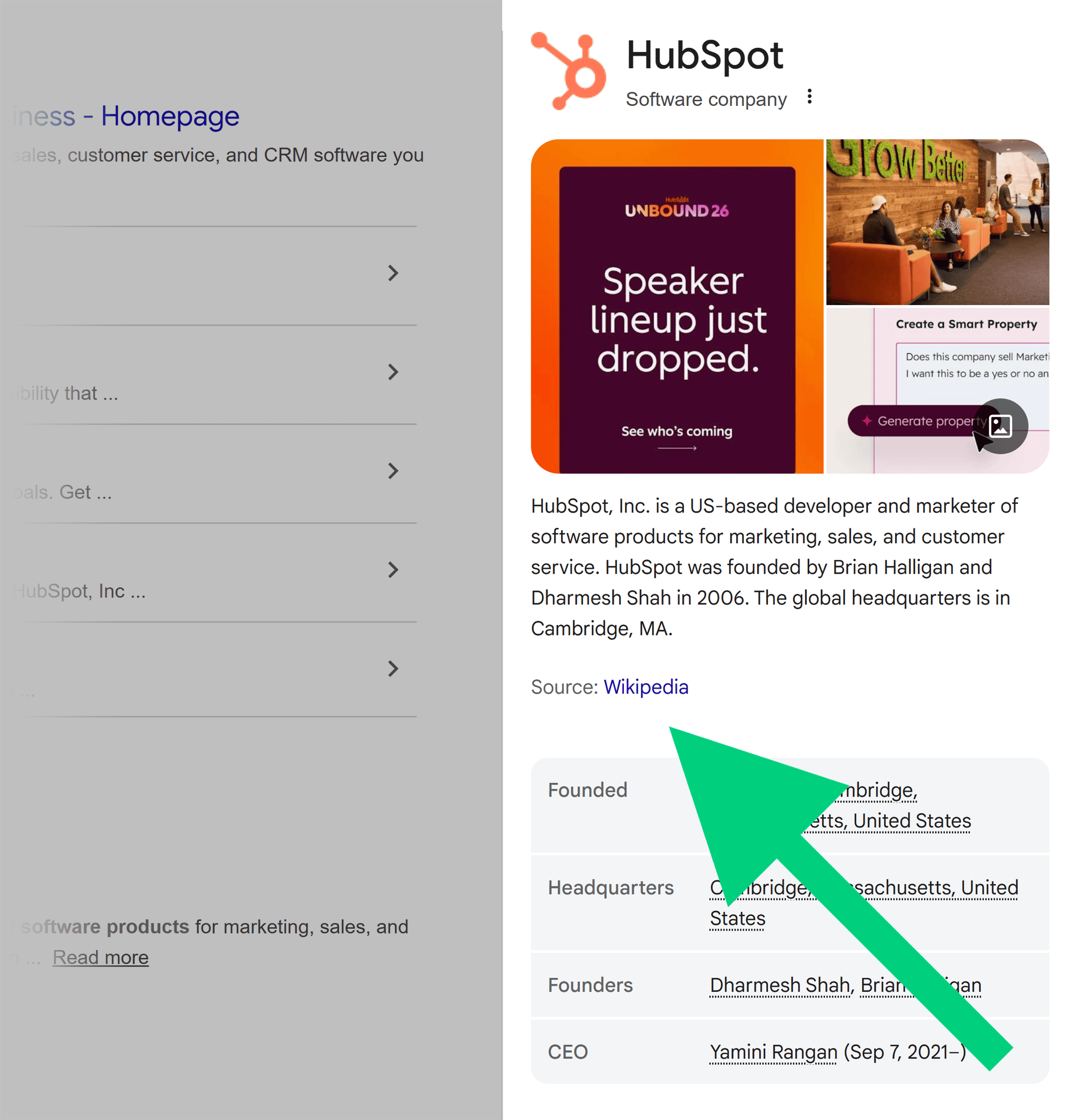
Wikipedia: A Wikipedia page provides Google and AI with a neutral, third-party source of factual information about a brand, establishing it as a recognized "entity" in Google’s Knowledge Graph. Such pages are foundational for AI training data. However, qualifying for a Wikipedia page requires significant, independent coverage in reliable sources—a direct outcome of successful PR efforts. While self-editing is prohibited, SEO can monitor for inaccuracies, and PR can manage overall reputation, ensuring the external narrative supports the Wikipedia entry’s accuracy and neutrality.
Step 4: Unifying Your Outreach Strategy
A disjointed outreach strategy can lead to mixed messages, misaligned timing, and wasted effort. Unifying this process streamlines operations and significantly increases the likelihood of successful placements.

-
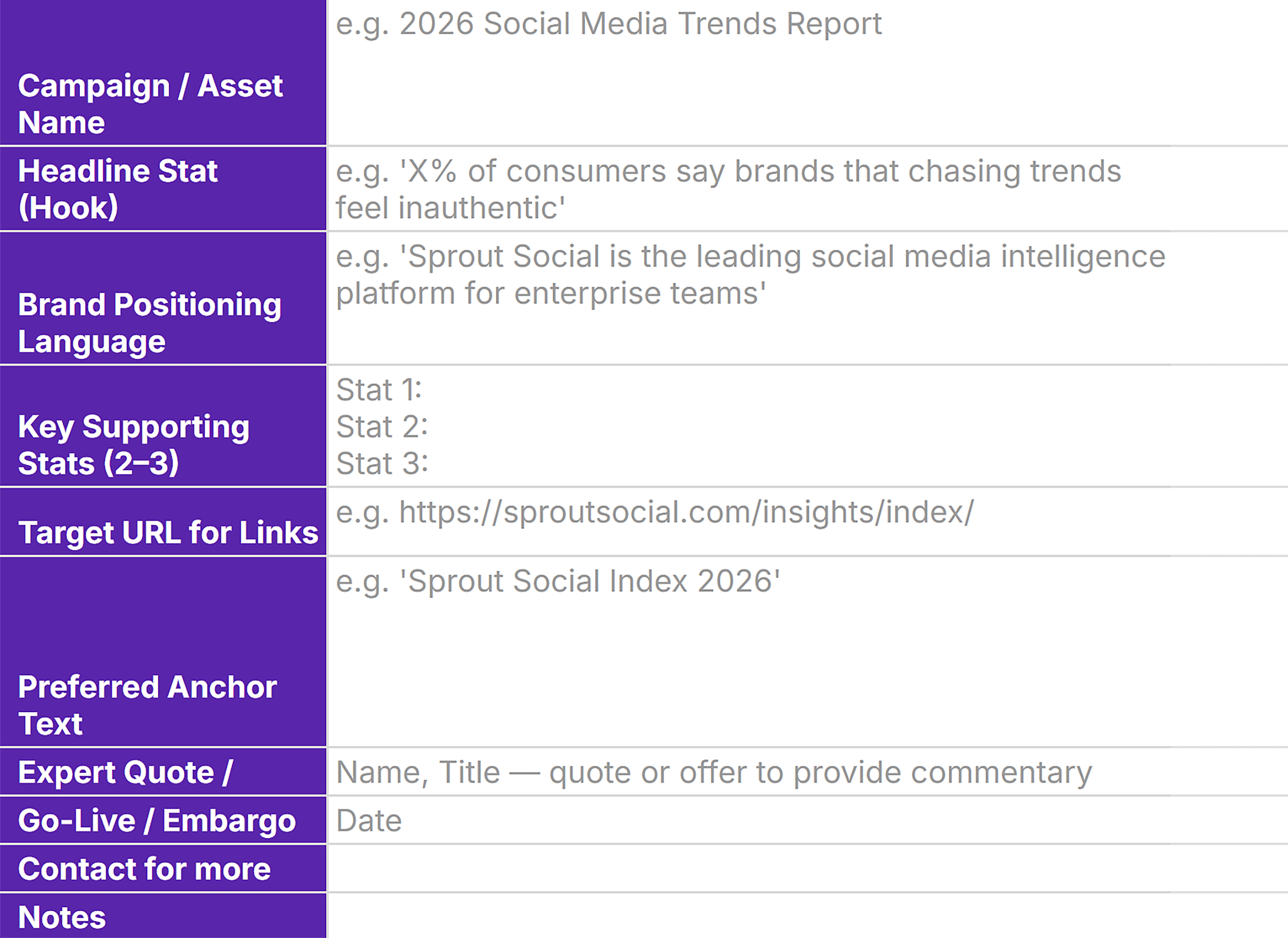
Build a Shared Target Source List: Combine SEO’s list of high-authority domains (based on organic rankings and AI citations) with PR’s roster of influential journalists, analysts, and publications. This merged list, ideally in a shared spreadsheet, identifies every potential third-party source. Prioritizing sources that appear on multiple lists ensures maximum impact. A shared "pitch doc" with agreed-upon positioning language, headline stats, and target URLs ensures message consistency, regardless of who sends the final customized pitch.
-
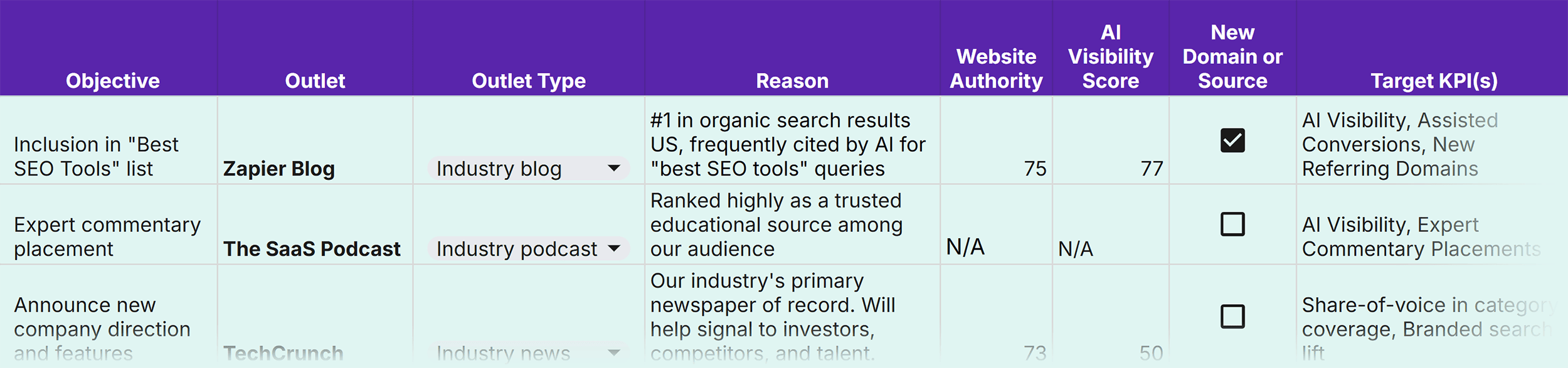
Split Pitching by Strengths: Divide outreach tasks based on each team’s core competencies. SEO might focus on structured, technical placements like industry listicles, fixing unlinked brand mentions, or reaching out to sites with broken links. PR, on the other hand, excels at pitching newsworthy content to journalists, offering expert commentary, submitting for industry awards, and briefing analysts. Regular quarterly or monthly meetings are essential to plan pitching efforts, prioritize high-impact initiatives, and avoid duplication. This also allows for mapping specific outlets to objectives and target KPIs, clearly defining ownership and accountability.
Step 5: Unified Performance Measurement for Holistic Growth
Traditional PR and SEO have often reported on different metrics, making it challenging to demonstrate combined impact. The solution is not necessarily a single dashboard, but a shared lens for evaluating asset performance against common strategic questions: "Did we show up in the right places? Did we become more credible? Did it help people take the next step?"
-
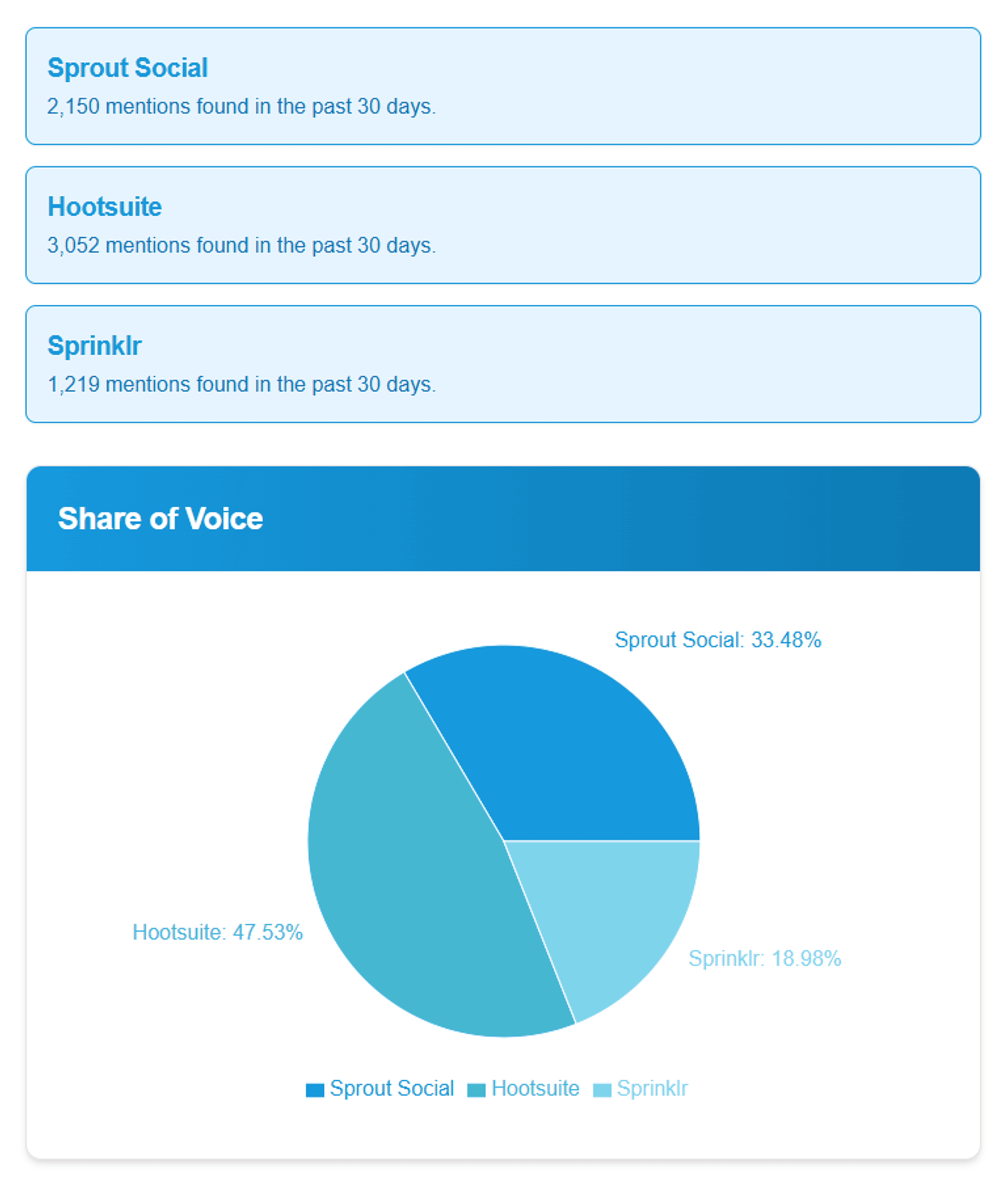
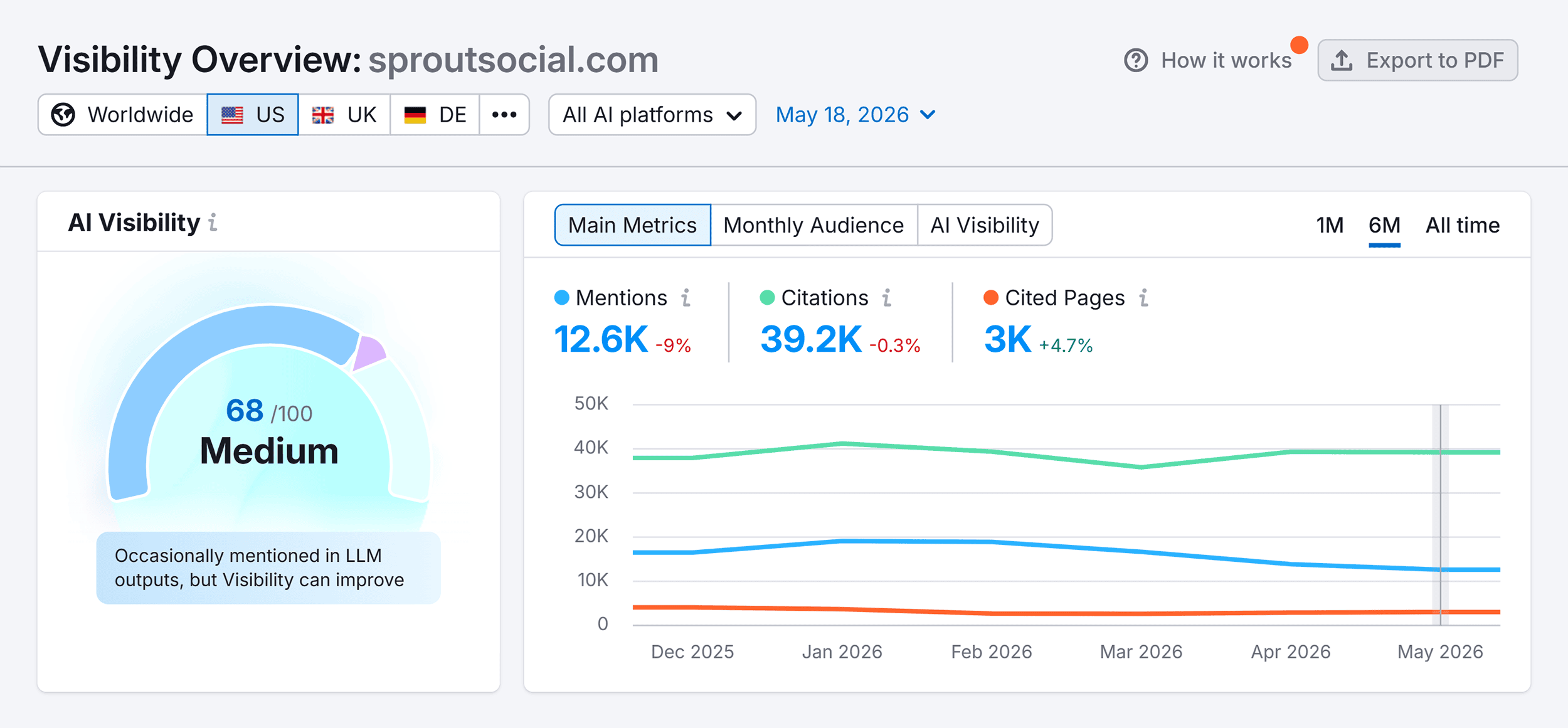
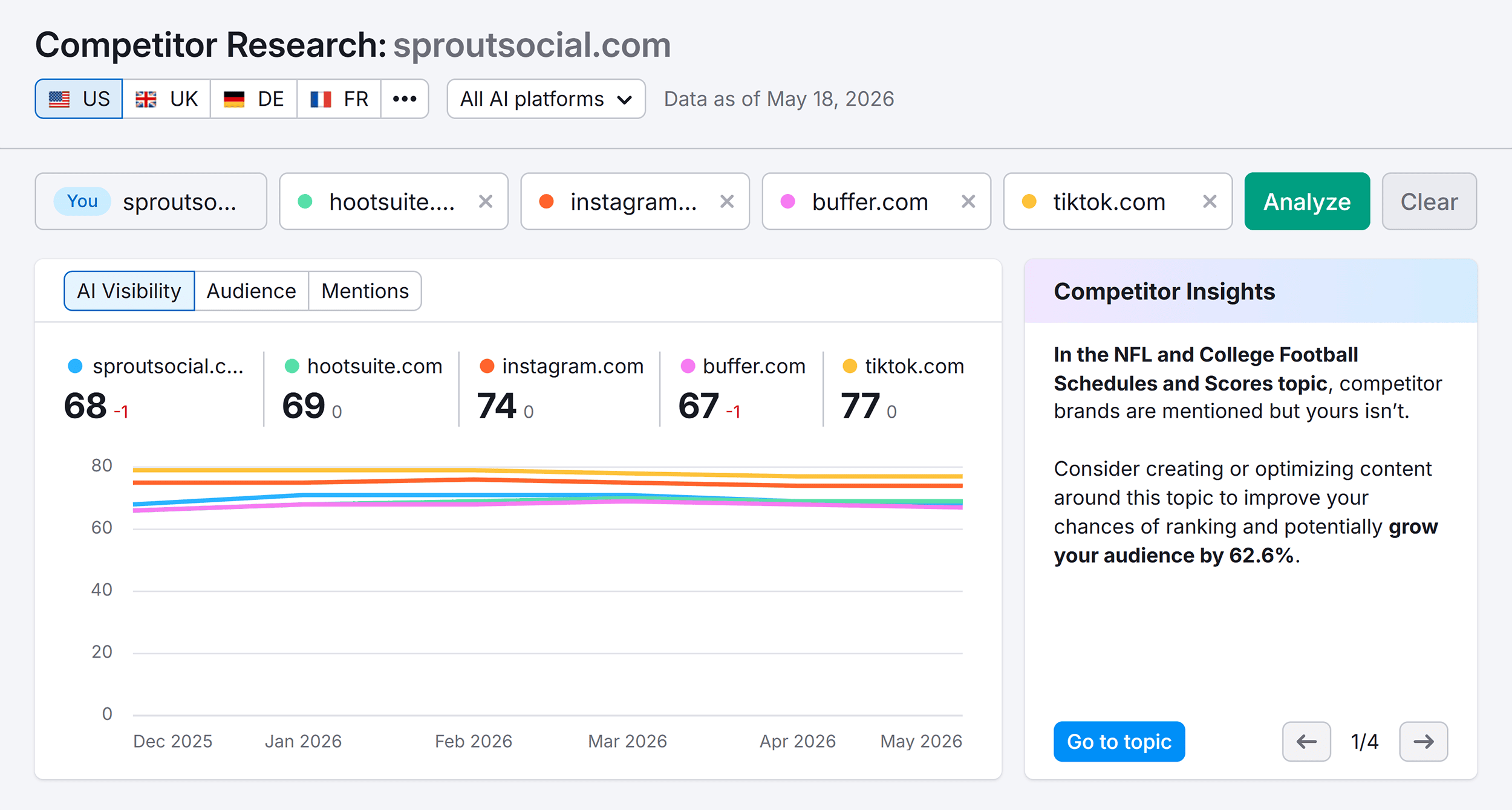
Visibility Metrics: Track organic rankings, media mentions, and critically, AI visibility. Tools like Semrush’s AI Visibility Toolkit automate tracking of AI mentions, citations, and cited pages, providing an overall AI Visibility score and competitive benchmarking (Share of Voice across AI platforms). This unified metric directly reflects the combined impact of PR and SEO efforts on digital presence.
-
Authority Metrics: Focus on new referring domains (representing unique endorsements), the website’s authority score (an estimate of search engine trust), and the volume of expert commentary placements. Tools like Semrush’s Brand Monitoring can track mentions of SMEs and brand keywords, providing sentiment analysis and reach data. Increases in these areas signal growing trust and credibility.
-
Demand Metrics: Connect visibility and authority to tangible business outcomes. Track referral traffic from media coverage to understand which topics drive audience interest. Analyze assisted conversions (where organic search or referral traffic played a role in the buyer’s journey, even if not the last click) using GA4’s Key Event Attribution Paths. Most importantly, monitor branded search queries in Google Search Console. As Britt Klontz notes, "Branded search queries are the truest indicator that people are aware of your brand and actively seeking you out." Rola Tfaili concurs, stating, "It’s a clear signal that our combined efforts are building real awareness and driving direct interest in Xero." Spikes in branded searches following major coverage demonstrate direct impact.
Broader Implications and Future Outlook
The complete integration of PR and SEO signifies a fundamental shift in how brands build and maintain their digital presence. This collaborative model fosters a more coherent brand narrative, amplifies reach across diverse touchpoints, and cultivates a deeper level of trust with both human and algorithmic audiences. For marketing organizations, it implies a need for flatter structures, cross-functional training, and shared goal-setting. The competitive advantage will increasingly belong to those who can effectively harmonize these functions, viewing every piece of content and every external mention as a brick in the foundation of their overall digital authority.
The future of digital marketing, deeply intertwined with the advancements in AI, necessitates this unified approach. Brands that adapt will not only thrive in current search and media environments but will also be better positioned to navigate future technological shifts, ensuring their expertise and trustworthiness are consistently recognized and amplified across all emerging platforms.
To embark on this journey, organizations don’t need a complete overhaul overnight. Start small: implement a shared document for insights, establish a weekly check-in meeting, and launch one joint AI-ready asset. The dividends of this integrated strategy—enhanced visibility, undeniable authority, and sustained demand—will quickly become apparent, transforming PR and SEO into an always-on, potent engine for brand growth. For deeper dives into optimizing for AI, resources like Backlinko’s complete guide to AI optimization offer further strategic guidance.