WordPress Plugin Ecosystem Grapples with AI Influx, Calls for Evolved Standards, and Commercial Marketplace Integration

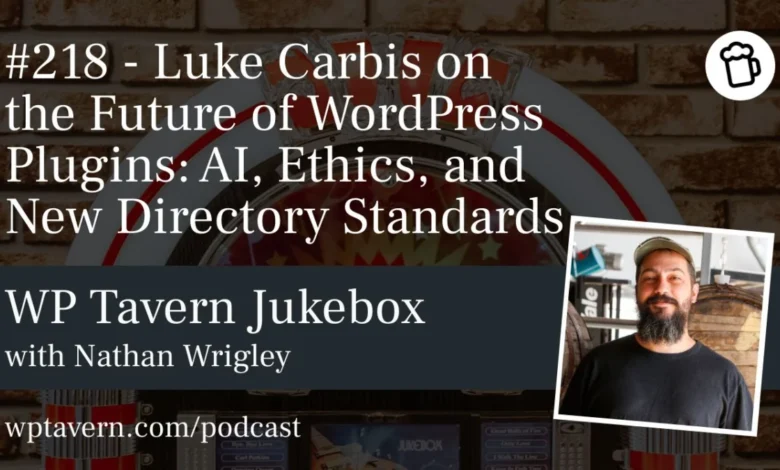
The WordPress plugin ecosystem stands at a critical juncture, facing an unprecedented surge in new submissions, largely propelled by advancements in artificial intelligence. This influx is challenging existing standards for quality, discoverability, and ethical development, prompting calls for significant evolution in how the platform manages its vast repository. Luke Carbis, a veteran WordPress contributor and member of the Plugin Review Team, recently addressed these pressing issues at WordCamp Asia, advocating for a modernized approach to ensure a safer and more sustainable future for WordPress plugins. His insights, shared during an episode of the Jukebox podcast from WP Tavern, highlight the need for both technological and philosophical shifts within the community.
The Genesis of the Challenge: AI and Directory Overload
Carbis’s presentation, "Beyond the Guidelines: It’s Time to Evolve Our Standards for a Safer Plugin Ecosystem," underscored a growing problem: the WordPress.org plugin directory is experiencing a deluge of new submissions. In the past 12 months alone, the number of plugin submissions has reportedly quadrupled compared to the previous year. This dramatic increase is primarily attributed to the widespread accessibility of AI tools, which significantly lower the barrier to entry for plugin development. While this democratizes the creation process, it simultaneously creates immense challenges for users and developers alike.
For users, navigating the ever-expanding directory to find high-quality, relevant plugins has become increasingly difficult. The sheer volume of similar or redundant offerings obscures genuinely innovative and well-maintained solutions. For developers of quality plugins, the struggle to stand out in a crowded marketplace is more pronounced than ever.
Despite backend improvements and the addition of new personnel to the Plugin Review Team, coupled with the use of AI tools to assist in reviews, the strain is evident. The review queue, which once saw wait times drop to near zero following previous optimization efforts, now typically holds hundreds of plugins, leading to an average wait time of approximately one week. While this is a commendable achievement given the submission volume, it points to a systemic issue that extends beyond mere processing capacity.
Limitations of Current Discoverability and Ranking Systems
A significant aspect of the problem, as highlighted by Carbis, lies in the current discoverability and ranking mechanisms within the WordPress.org directory. While the "algorithm" is open source and takes into account factors like recent reviews, author responsiveness to support queries, and keyword matching, it remains susceptible to manipulation. Developers often attempt to "game" the system to improve their plugin’s visibility.
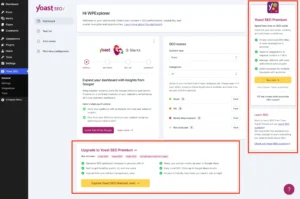
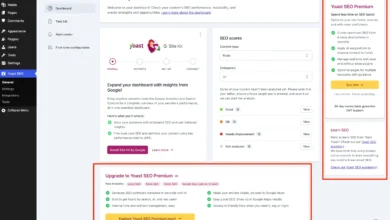
One of the most powerful, yet difficult to manipulate, ranking factors is "active installs." Plugins with a large user base naturally rank higher, creating a cycle where established plugins maintain their dominance, making it exceedingly challenging for new, potentially superior plugins to gain traction. This system, while logical in theory, can inadvertently stifle innovation and prevent users from discovering niche or emerging solutions that lack a massive install base. The current search interface, Carbis notes, frequently fails to provide users with credible matches, especially when searching for generic terms like "SEO," leading to frustration and potentially driving users away from the official directory.
Proposed Solutions: A Multi-pronged Approach to Evolution
Carbis outlined several forward-thinking proposals aimed at modernizing the WordPress plugin ecosystem, addressing both the practical challenges of discoverability and the broader implications of commercialization and AI integration.
-
Connecting WordPress.org Accounts with User Sites:
A foundational step proposed is the ability to securely connect a user’s WordPress.org account with their individual WordPress installations. Leveraging the new Connectors API, potentially arriving in WordPress 7, this integration would allow users to log in with their WordPress.org credentials directly from their site’s dashboard. This seemingly simple change would unlock several immediate benefits. For instance, the "Favorites" section within the "Add New Plugin" interface, which currently requires users to manually input their WordPress.org username, could automatically display their favorited plugins, streamlining installation. This feature would also be a crucial prerequisite for any future commercialization efforts. -
Streamlining Discoverability and Installation of Custom and Premium Plugins:
Building on the account connection, Carbis suggests enabling users to store a list of Git repositories (e.g., GitHub) within their WordPress.org profile. These repositories could host custom plugins developed by the user or authenticated premium plugins. This "untrusted sources" list, as some app stores term similar features, would allow users to install these plugins directly from their WordPress dashboard, bypassing the need for manual ZIP uploads or separate updater mechanisms. This would significantly ease the workflow for agencies managing client sites, developers deploying their own tools, and users of commercial plugins, eliminating the current necessity for each premium plugin to ship its own updater and license validation system. Such a system could also be centrally managed by WordPress.org, allowing for the removal of malicious "untrusted sources" if they were ever compromised. -
Officially Supporting a Commercial Plugin Marketplace:
Perhaps the most ambitious and potentially contentious proposal is the official integration of a commercial plugin marketplace within WordPress.org. Acknowledging that this idea has historically faced resistance, notably from WordPress co-founder Matt Mullenweg, Carbis argues it’s a "necessary evil" in the current climate. His vision includes charging developers a fee for sales through this marketplace, suggesting an 8% cut: 3% for payment processing and an additional 5% allocated to the WordPress Foundation.This 5% contribution aligns with the "Five for the Future" initiative, a long-standing call for companies to contribute 5% of their resources to WordPress development. The revenue generated, which could be substantial given the multi-billion-dollar WordPress economy, would then be channeled back into the project. Potential uses include funding WordCamps, supporting Core contributors, and compensating members of the Plugin Review Team, many of whom currently volunteer their time. Carbis believes this could instill renewed confidence in the market, providing a stable revenue stream for the project and making it easier for product teams to launch and maintain plugins by centralizing updates and purchase validation. This would also eliminate the "free vs. premium" dilemma faced by developers, allowing for direct commercial offerings within the core platform.
Broader Implications: Leadership, Ethics, and AI’s Generational Divide
Beyond the technical and structural changes, the conversation delved into the broader philosophical challenges confronting WordPress, particularly regarding leadership and the pervasive influence of AI.
Matt Mullenweg’s Re-engagement and the Need for Direction:
The podcast highlighted Matt Mullenweg’s recent, highly active re-engagement with the project, characterized by numerous direct directives and "to-do" items on Slack. This shift, following WordCamp Asia, is interpreted by Carbis as a response to a perceived "peril" facing WordPress. While some in the community might view such strong, top-down leadership with frustration, Carbis suggests a reframing: WordPress may need a "strong leader, who has a strong direction" to navigate an uncertain future. He draws parallels to figures like Steve Jobs or DHH, acknowledging that while such leadership can be "rough around the edges," it can also be visionary and provide the decisive action needed to prevent the project from "slowly withering away." This perspective underscores a growing recognition that the committee-driven, consensus-based approach, while effective in WordPress’s past logarithmic growth, might be too slow to adapt to seismic shifts like AI.
AI’s Ethical Dimension and Generational Divide:
A significant ethical concern raised is the increasing push from project leadership to integrate AI not just into WordPress as a product (e.g., the AI plugin being an optional add-on), but into the very fabric of contributions. This includes using AI for generating content on WordPress.org, creating new plugins, and even drafting pull requests. Carbis expressed caution about this direction, particularly regarding its potential impact on attracting new, younger contributors. He noted a strong "anti-AI" sentiment among Gen Z, citing personal anecdotes and reports from publications like The Verge, which indicate a high percentage of this generation views AI’s direction with apprehension, citing environmental concerns and fears of "getting dumb."
Carbis questions whether forcing AI adoption in contributions aligns with WordPress’s long-standing values of being a welcoming, open, considerate, and accessible community, where users can "opt out" of features they don’t wish to use. The core ethos of "code is poetry" feels increasingly distant from AI-generated code, raising questions about the project’s identity and its appeal to future generations of human developers.
The Proposal for AI Disclosure:
To address these ethical considerations and gather crucial data, Carbis proposed an "AI disclosure" mechanism for the plugin repository. Developers would voluntarily specify their level of AI use in their plugin headers, not as a binary "yes/no," but across a five-level sliding scale, aligned with academic literature on AI disclosure. This metadata would then be surfaced on the plugin directory alongside other information like user reviews and update frequency.
This voluntary disclosure, Carbis argues, would serve two key purposes: first, to collect invaluable data on how AI-generated plugins perform (e.g., update frequency, review scores) without imposing strict validation rules; and second, to empower users to make informed decisions based on their comfort level with AI-assisted development. While acknowledging the "honesty box" challenge of voluntary disclosures, this initiative represents a pragmatic step towards transparency in an increasingly AI-driven development landscape.
Conclusion: A Crossroads for WordPress
The discussions initiated by Luke Carbis at WordCamp Asia and elaborated on the Jukebox podcast reveal a WordPress ecosystem grappling with profound changes. The exponential growth of AI-generated plugins, coupled with existing challenges in discoverability, necessitates a bold re-evaluation of current standards and practices. While proposals for a commercial marketplace and stronger leadership may spark debate and risk alienating parts of the community, the alternative—a slow decline into irrelevance in an AI-first world—looms large. The path forward for WordPress demands not only technological adaptation but also a careful consideration of its core values, ethical responsibilities, and its ability to attract and retain a diverse, engaged community in the decades to come. The decisions made now regarding these evolving standards will undoubtedly shape the project’s trajectory for years to come.