The Evolving Blueprint of Brand Trust: How Modern Businesses Earn Consumer Confidence in the Age of AI

In today’s hyper-competitive and digitally saturated marketplace, capturing a consumer’s initial interest through a clever marketing campaign or a visually striking product is only half the battle. The true differentiator between fleeting commercial success and enduring market leadership lies in a far more intangible asset: brand trust. As modern consumers grow increasingly discerning regarding where they place their confidence, contemporary brands face unprecedented pressures. The widespread proliferation of artificial intelligence, the rise of synthetic content, and an abundance of marketplace choices have forced buyers to look past slick advertising and demand genuine accountability, transparent operations, and authentic peer validations.
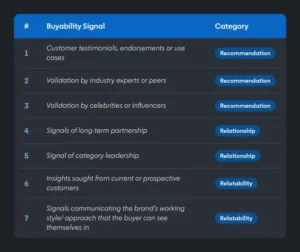
Understanding the shifting dynamics of consumer confidence requires analyzing recent industry data that maps out the modern buyer’s mindset. According to market research highlighted in Sprout Social’s Q2 2026 Pulse Survey, a staggering 57% of consumers place their trust primarily in everyday product users for authentic recommendations. This peer-driven reliance dwarfs other sources of endorsement, leaving subject matter experts trailing at 26%, mega-influencers at a mere 9%, and brand employees at just 8%. Furthermore, the Q3 2026 Pulse Survey underscores that product and service quality remains the absolute bedrock of brand loyalty, cited by 44% of consumers as their top driver for sticking with a company over time.
This profound shift in consumer psychology has forced executive suites and marketing departments worldwide to fundamentally rethink how brand equity is cultivated. Trust is no longer viewed as a passive "feel-good" corporate metric, but rather as a rigorous, data-driven operational strategy that directly influences profitability, customer lifetime value, and sustainable enterprise expansion.

Defining Brand Trust in a Digital-First Economy
At its core, brand trust represents a consumer’s absolute confidence in a business and its demonstrable ability to consistently fulfill its promises and meet expectations. Unlike brand loyalty—which can occasionally be driven by convenience, habit, or pricing structures—trust is rooted in the perceived integrity, reliability, and authenticity of the enterprise.
In recent years, the definition of authenticity has undergone a rigorous stress test. Driven by the rapid advancement of machine-learning models, consumers are increasingly inundated with synthetic media, automated messaging, and low-effort digital assets colloquially referred to as "AI slop." Data from Sprout Social’s Q1 2026 Pulse Survey revealed that posting unlabelled AI-generated content was the single behavior consumers most wanted brands to cease, cited by 28% of respondents. The backlash is particularly pronounced among younger demographics; half of all surveyed Gen Z consumers reported actively unfollowing, muting, or blocking a brand or creator because their content felt uninspired or overly automated.
Consequently, modern brand trust is built upon a delicate triad: rigorous product integrity, radical operational transparency, and unyielding consistency across every touchpoint of the consumer journey.
Strategic Imperatives: How Forward-Thinking Companies Build and Maintain Trust
Building and preserving consumer confidence cannot be siloed within a single department; it requires a coordinated, enterprise-wide commitment spanning product engineering, customer support, marketing, and executive leadership. Industry leaders are currently pioneering multi-faceted strategies to meet these elevated expectations.
Maintaining Message and Identity Consistency
Consumers today research brands across a myriad of digital touchpoints—ranging from social media feeds and targeted advertisements to organic web searches and customer service emails—long before completing a transaction. Discrepancies in messaging or visual identity across these channels frequently breed skepticism. Establishing clear, comprehensive brand guidelines that dictate tone of voice, visual identity, and core messaging ensures that an enterprise presents a unified front.
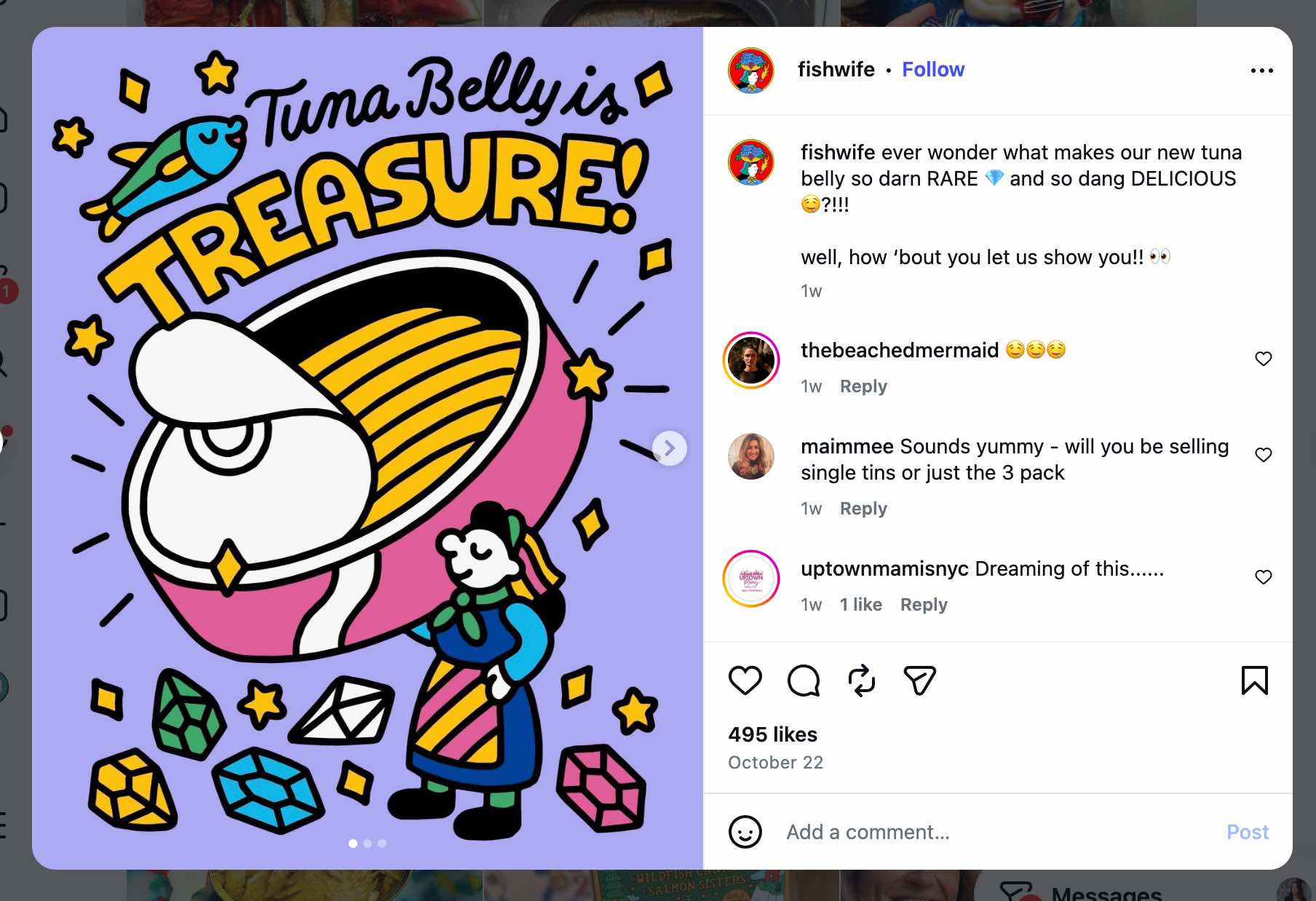
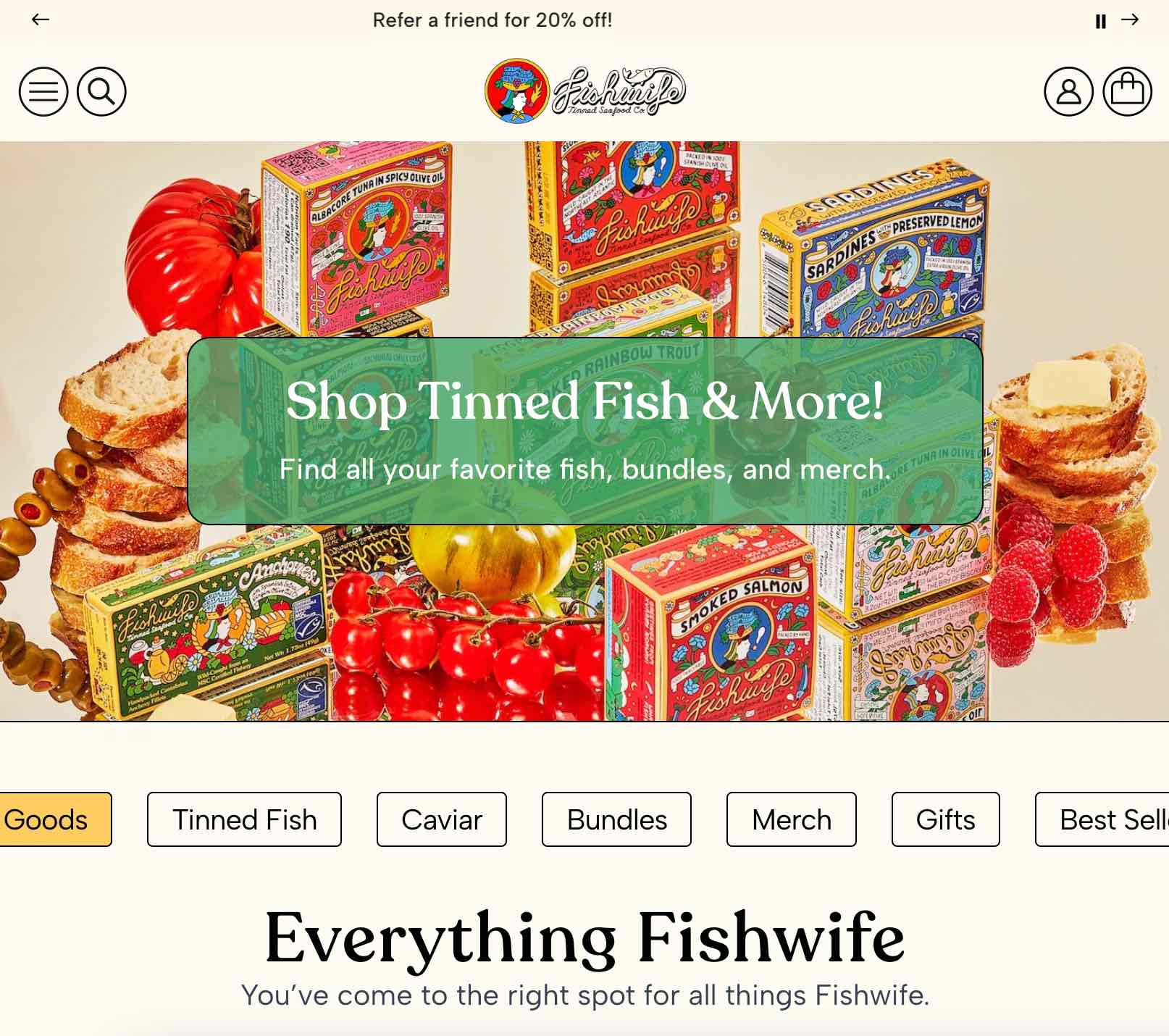
A notable example of this in practice is the tinned seafood brand Fishwife, which maintains a fiercely recognizable visual identity and conversational tone across its website and social channels. By deploying consistent, colorful packaging, playful illustrations, and a distinct humorous voice without compromising its core messaging, the brand fosters immediate recognition and familiarity that anchors consumer confidence.
Thoughtful and Ethical AI Integration
As artificial intelligence reshapes the contours of digital marketing, brands must navigate the technology with extreme caution. The commercial penalty for deploying deceptive or low-quality AI assets is immediate and quantifiable. To safeguard consumer trust, leading organizations are drawing a hard line regarding AI transparency. This involves clearly labeling automated content, vetting all machine-assisted outputs for rigorous accuracy, and deploying AI strictly to augment human capabilities—such as accelerating customer support workflows or streamlining data analysis—rather than replacing genuine human connection.
Prioritizing Responsive and Empathetic Customer Care
Customer service remains the frontline of brand reputation management. In an era defined by instantaneous digital communication, consumer patience for delayed responses has evaporated. Sprout Social’s Q3 2026 Pulse Survey indicates that 38% of consumers expect brands to respond to customer care inquiries on social media within two hours, with 14% demanding a reply within a matter of minutes.
To meet these demanding SLAs without burning out internal teams, forward-looking companies are leaning into AI-powered classification tools and automated triage systems—such as Care by Sprout Social—to instantly flag urgent customer grievances, analyze sentiment, and route complex issues to human agents. Notably, consumers are far more receptive to automation when it serves to expedite their support; 70% express comfort with AI-driven chatbots when used strictly for fast, efficient problem resolution.
Vetting and Partnering with Relevant Influencers
The mechanics of influencer marketing have also matured significantly. Gone are the days when raw follower counts dictated partnership decisions. Industry insights show that a mere 17% of consumers check an influencer’s follower count prior to engaging with their content, prioritizing content relevance, stylistic alignment, and perceived authenticity above sheer reach. Rigorous vetting processes are now a mandatory component of brand safety, protecting enterprises from reputational fallout while ensuring that partnered endorsements carry genuine credibility.
Case Studies in Brand Trust: Back Market, Aerie, and Tony’s Chocolonely
To better understand how these theoretical frameworks translate into tangible market success, industry observers frequently point to three prominent enterprises that have placed consumer trust at the absolute center of their operational models.
Back Market and the Quality Guarantee
Operating within the refurbished electronics marketplace presents an inherent hurdle: overcoming consumer anxiety regarding product reliability. In July 2026, the secondhand technology platform Back Market launched an audacious marketing campaign featuring its founder and CEO humorously staking his mother’s life on the quality of the company’s refurbished inventory. Beneath the comedic surface lay a rigid operational commitment: every device undergoes an exhaustive 100-point inspection process, backed by a complimentary 30-day return policy and a full one-year warranty. By directly confronting consumer hesitations with robust, verifiable protections, Back Market successfully institutionalized buyer confidence in the circular economy.
Aerie’s Unwavering Anti-AI Stand
Apparel brand Aerie has long championed body positivity and authentic representation, having famously pledged in 2014 to eliminate digital photo retouching from its advertising campaigns. Expanding on this legacy, the company announced a strict prohibition against AI-generated people and bodies in its marketing assets. Anchored by campaigns featuring cultural icons like Pamela Anderson, Aerie’s "100% Aerie Real" initiative directly addresses growing consumer fatigue over synthetic imagery. By extending these stringent no-AI and no-retouching mandates to external agencies and partnered creators, Aerie has reinforced its market position as an uncompromising defender of digital authenticity.

Tony’s Chocolonely and Radical Supply Chain Transparency
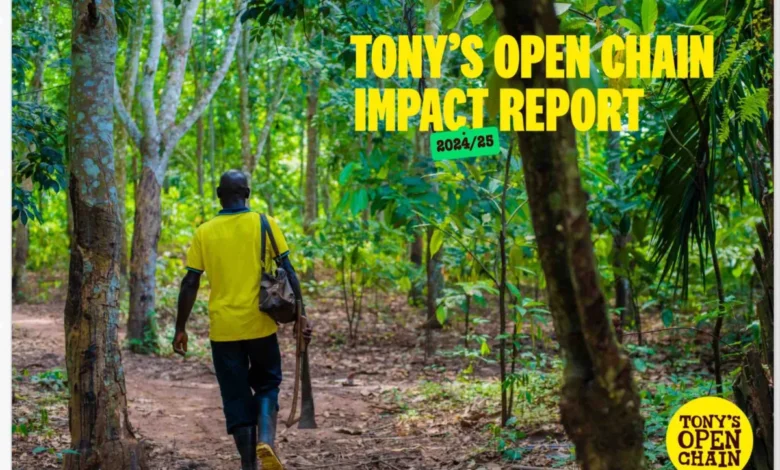
Confectionery brand Tony’s Chocolonely has built its entire commercial identity around the eradication of exploitation within the global cocoa supply chain. Through its comprehensive, publicly available annual FAIR reports, the company publishes granular, unvarnished data regarding its sourcing practices, progress metrics, and ongoing logistical hurdles. Notably, the brand’s transparency extends to acknowledging systemic failures; its transparency reports routinely detail specific instances of child labor identified within its monitored supply chain alongside the aggressive remediation steps taken by the company. By refusing to obscure complex systemic challenges, Tony’s Chocolonely demonstrates that true accountability involves sharing uncomfortable realities alongside milestones, thereby earning deep-seated consumer respect.
Measuring the Intangible: Key Metrics for Brand Trust
While brand trust is fundamentally qualitative, modern analytics allow marketing and executive teams to rigorously benchmark, track, and optimize consumer confidence using a variety of key performance indicators (KPIs):
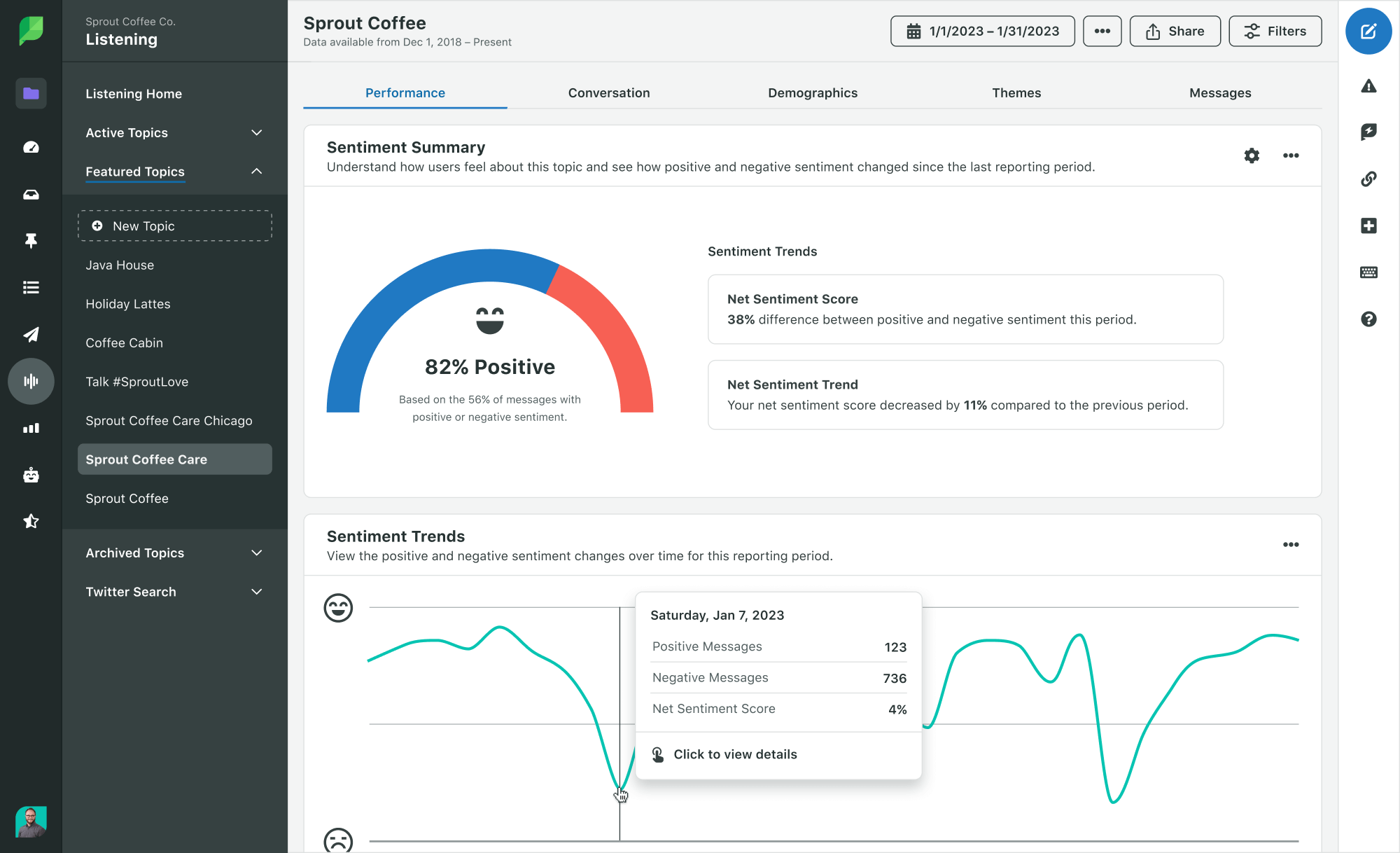
- Sentiment Analysis: Utilizing social listening tools to continuously monitor public conversations, track shifting online narratives, and evaluate whether public perception leans positive, neutral, or negative.
- Engagement Metrics: Analyzing comment sections, shares, and community interactions on digital platforms to gauge the depth of brand affinity and cultural resonance.
- Ratings and Reviews: Monitoring third-party review aggregators, forums, and corporate profiles (such as Reddit, G2, and Google Business Profile) to capture vital Voice of the Customer (VoC) feedback.
- Net Promoter Score (NPS): Conducting structured surveys and polls to directly measure a consumer’s willingness to recommend a brand’s products or services to others on a numerical scale.
- Media Monitoring: Employing dedicated news tracking platforms like NewsWhip to observe macroscopic media coverage, allowing enterprises to anticipate external sociopolitical trends and proactively safeguard their reputations.
Broader Implications for Enterprise Strategy

As market saturation deepens and consumer cynicism reaches historic peaks, brand trust has evolved from a secondary corporate objective into a primary determinant of commercial survival. Enterprises that fail to adapt to demands for radical transparency, ethical AI governance, and responsive customer engagement risk alienating a generation of buyers who vote firmly with their wallets. Conversely, organizations that systematically embed trust into every layer of their operations—from supply chain engineering to social media care—will continue to secure the enduring customer loyalty, advocacy, and lifetime value necessary to thrive in an increasingly complex global economy.