Instagram Explores Dedicated Sports Personalization Features to Capitalize on Real-Time Fan Engagement


Instagram is reportedly developing a new feature that will allow users to explicitly state their favorite sports and teams, signaling a major strategic shift toward real-time sports curation across Meta’s broader application ecosystem. Discovered recently by prominent app researcher Alessandro Paluzzi, the capability points to a deliberate effort by Meta to harness the massive engagement driven by live athletic events, athletic fandom, and sports-related commentary.
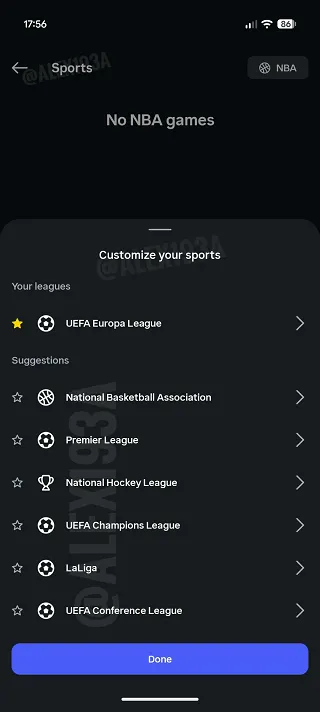
The emerging feature, revealed through early code and user interface tests shared on social media, enables users to select from a comprehensive list of major sports leagues and disciplines. By specifying their preferences, users can customize the types of real-time updates, scores, highlights, and algorithmic recommendations they receive on their feeds. This development follows closely on the heels of similar pushes by its sister platform, Threads, which has increasingly integrated sports commentary teams and live-event discussions to capture audiences traditionally active on rival platforms like X (formerly Twitter).
As digital platforms compete aggressively for live-event eyeballs and the lucrative advertising revenue that accompanies them, Instagram’s pivot toward structured sports personalization highlights the growing convergence of social media and live broadcasting culture. While Instagram has long served as a digital portfolio for elite athletes—boasting massive follower counts for global sports icons—the platform has historically treated sports content as a byproduct of individual creator and publisher posting habits rather than a dedicated vertical. The introduction of interest-based sports curation could fundamentally transform how fans interact with live games, leagues, and athletes on the platform.
The Anatomy of the New Sports Curation Tool

According to screenshots of the unreleased feature, Instagram’s prospective sports tool is designed to give users granular control over their content consumption. Users navigating the settings or onboarding prompts will be presented with a categorized directory of top global and regional sports. From there, they can toggle preferences for specific leagues, tournaments, and franchises.
Once configured, the Instagram algorithm will leverage these inputs to dynamically surface
real-time updates, breaking news, viral highlights, and specialized content directly related to the user’s chosen teams. This moves the platform away from a purely passive consumption model—where sports content appears only if a user already follows a specific player or team account—toward an active, interest-driven discovery framework.
Industry analysts note that this functionality mirrors features found on dedicated sports apps and news aggregators, but with Meta’s proprietary social layer embedded within it. By integrating personalized sports updates into the main Instagram experience, Meta aims to capture users who bounce between live television broadcasts and social feeds during major sporting events, a phenomenon colloquially known as "second-screen viewing."
Meta’s Broader Strategy: Capitalizing on the Sports Ecosystem

Instagram’s exploration of sports personalization does not happen in a vacuum. It is part of a coordinated, company-wide initiative by Meta to cement Facebook, Instagram, and Threads as premier destinations for sports discussion and digital fan communities.
In September 2025, Meta released a comprehensive report detailing the soaring trajectory of sports engagement across its family of apps. The study underscored that despite the fragmentation of the digital media landscape, Meta’s platforms remain primary online hubs where billions of users gather to react to games, analyze plays, and celebrate athletic triumphs.
For Threads, this strategy has manifested in partnerships with sports media personalities, specialized commentary tracks, and real-time trending topics designed to rival X’s historic dominance over live-event conversations. For Instagram, the opportunity lies in its unmatched visual storytelling capabilities and the astronomical reach of its sports stars.
Data compiled by sports business publication Boardroom highlights that some of the most followed and influential accounts on Instagram belong directly to elite athletes. Figures such as Cristiano Ronaldo, Lionel Messi, and Virat Kohli command hundreds of millions of followers, creating a natural funnel for sports-related content. Furthermore, Meta’s internal research published earlier this year revealed a staggering surge in interest surrounding women’s sports. Combined, the top ten most-followed female athletes on Instagram now boast over 128 million followers, reflecting a cultural shift that brands are increasingly eager to sponsor and monetize.
The Evolution of Sports on Social Media: A Timeline
To understand the significance of Instagram’s current move, it is necessary to examine the chronological evolution of how social media platforms have integrated sports over the past decade:
- 2014–2016 (The Highlight Era): Platforms began introducing native video uploads and short-form highlight clips. Twitter (now X) and Facebook fought for broadcasting rights for minor league streaming and behind-the-scenes clips, establishing social media as an essential companion to live television.
- 2017–2020 (The Creator & Athlete Boom): Athletes bypassed traditional media gatekeepers, using Instagram Stories and IGTV to build direct, highly monetizable relationships with fans. Brands shifted marketing budgets toward influencer athletes, recognizing their superior engagement rates compared to traditional celebrities.
- 2023–2024 (The Real-Time Pivot): Following shifts in industry leadership at major microblogging platforms, Meta accelerated the development of Threads. Platforms recognized an urgent need to capture real-time, event-driven discourse—particularly around major tournaments like the FIFA World Cup, the Olympics, and domestic football and basketball leagues.
- 2025 and Beyond (Structured Personalization): Meta transitioned from passive sports hosting to active curation. The release of Meta’s "Beyond the Highlights" report in late 2025 codified sports as a core engagement pillar, paving the way for dedicated features like Instagram’s upcoming sports preference settings.
Implications for Brands, Creators, and Advertisers
The integration of a dedicated sports preference tool on Instagram carries profound implications for digital marketing, sports leagues, and content creators.
For brands and corporate sponsors, the ability of users to self-identify their sports interests unlocks unprecedented targeting capabilities. Advertisers will no longer have to rely solely on broad demographic data or inferred behaviors to reach sports fans. Instead, campaigns can be micro-targeted to users who have explicitly opted into updates regarding specific leagues or tournaments, dramatically increasing ad relevance and conversion efficiency.
For sports teams and rights holders, this feature offers a vital bridge to younger demographics who consume media primarily through algorithmic feeds rather than linear television. While broadcast television remains the primary revenue driver for major sports leagues, digital engagement via platforms like Instagram dictates long-term fan loyalty, merchandise sales, and global brand expansion. By making it easier for fans to track scores and highlights directly within the app, Instagram keeps users inside its ecosystem for longer stretches during high-stakes games.

For independent sports creators, journalists, and analysts, the feature could democratize discovery. Smaller accounts that produce high-quality tactical breakdowns, meme content, or localized commentary may find themselves amplified by an algorithm specifically calibrated to serve sports-hungry users.
Industry Response and Path Forward
As is standard corporate policy regarding unreleased product features, representatives for Instagram and Meta did not immediately respond to requests for comment from industry publications regarding the timeline for a public rollout or the scope of the initial test.
Tech industry observers anticipate that if the current testing phase yields positive engagement metrics, Meta will likely roll out the sports preference feature to a broader public beta test in the coming months, potentially aligning the launch with the calendar of upcoming major global sporting events.
Ultimately, Instagram’s foray into structured sports curation represents a calculated bid to capture a larger share of the global attention economy. By streamlining how fans consume real-time updates and connect over shared athletic passions, Meta is positioning its flagship visual platform not just as a place to view highlights after the fact, but as an indispensable command center for the modern sports fan.
Related posts: