The Evolution of Substack Notes Scheduling and the Rise of Third-Party Automation Tools

For years, the Substack platform maintained a strictly manual workflow for its Notes feature, requiring creators to post content in real-time. This limitation frustrated writers who sought to maintain a consistent cadence across social media. That dynamic shifted definitively in the spring of 2026, when Substack introduced a native scheduling feature, effectively ending the era of manual posting for those seeking a basic, integrated experience. However, as the ecosystem for newsletter writers matures, the demand for more sophisticated, cross-platform automation has paved the way for a competitive market of third-party scheduling tools.

The shift toward automation is not merely a convenience; it reflects a broader change in how newsletter writers view their audience acquisition strategy. With the rise of platforms like Threads, Bluesky, and LinkedIn, writers are increasingly treating Substack Notes as a foundational layer of their broader social media presence. The ability to batch-create content and syndicate it across various channels has become a primary driver of growth for independent creators.
A Chronology of the Substack Scheduling Landscape
The trajectory of Substack’s feature development has been reactive to user feedback. Before the 2026 update, power users often relied on unconventional workarounds, such as browser-based automation scripts or manual reminders. By early 2026, the volume of requests for native scheduling—highlighted by high-traffic community forums and feature-request boards—forced a platform-wide shift.

In the months following the native release, a secondary market emerged. Tools that had previously focused on X (formerly Twitter) or generic social media management began pivoting to integrate Substack’s API. By September 2026, major players like Buffer formalized their integration, effectively standardizing the process of cross-platform syndication. This timeline illustrates a rapid transition from a closed-loop, native-only environment to a more open, ecosystem-based approach where specialized software is now expected to handle the complexities of content distribution.
Comparative Analysis of Scheduling Solutions
The current market offers a spectrum of tools, each catering to specific operational needs. While the native Substack scheduler is optimized for simplicity, third-party applications focus on efficiency and multi-platform reach.
The Native Substack Experience
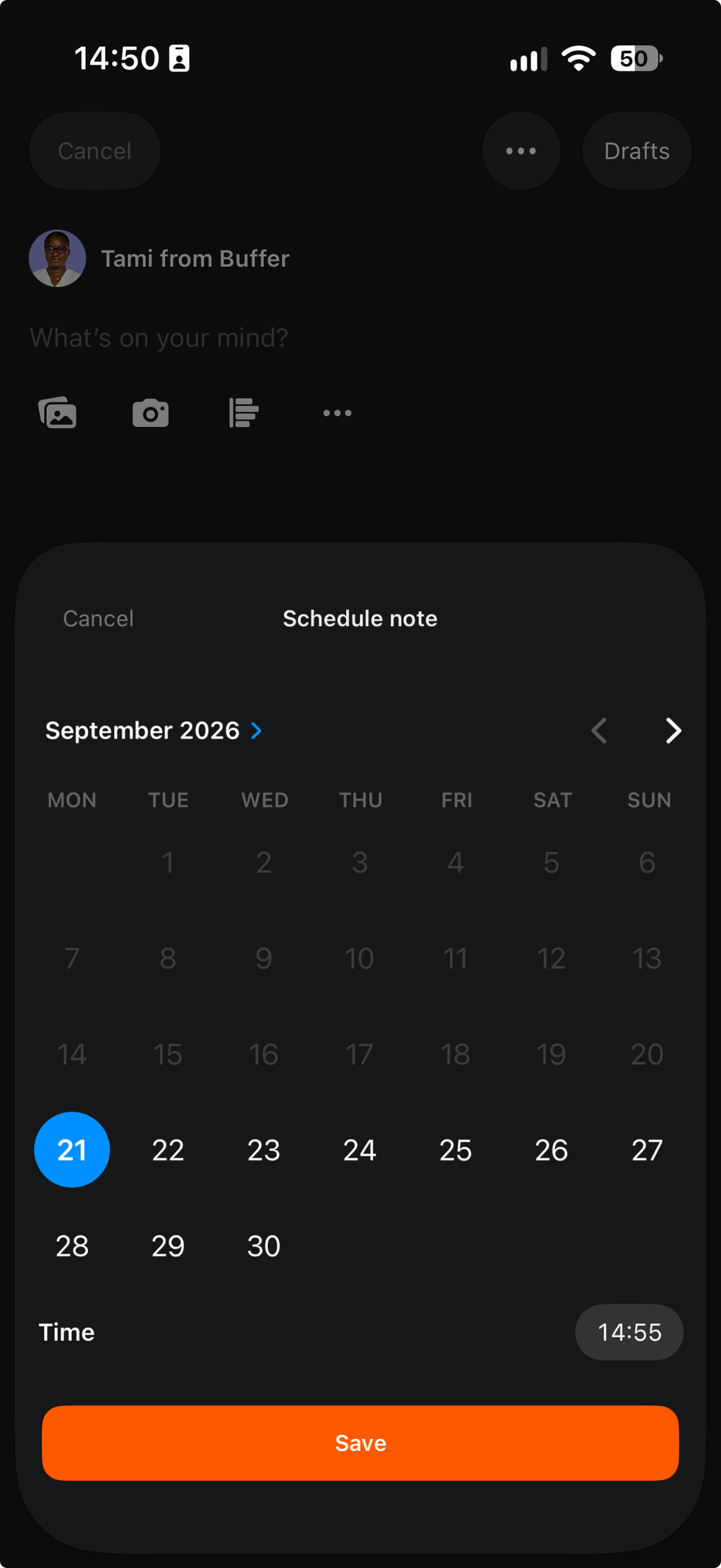
Substack’s built-in scheduler provides a baseline of functionality. It allows users to schedule posts up to three months in advance, with drafts remaining editable until the moment of publication. While it is free and seamlessly integrated into the platform’s security architecture, it lacks two critical features: bulk scheduling and cross-platform synchronization. For a creator focusing exclusively on the Substack ecosystem, this remains the most secure and reliable method.
Third-Party Aggregators: Efficiency at Scale
For creators managing a presence on multiple platforms, third-party schedulers such as Buffer, Typefully, and Narrareach offer distinct advantages.
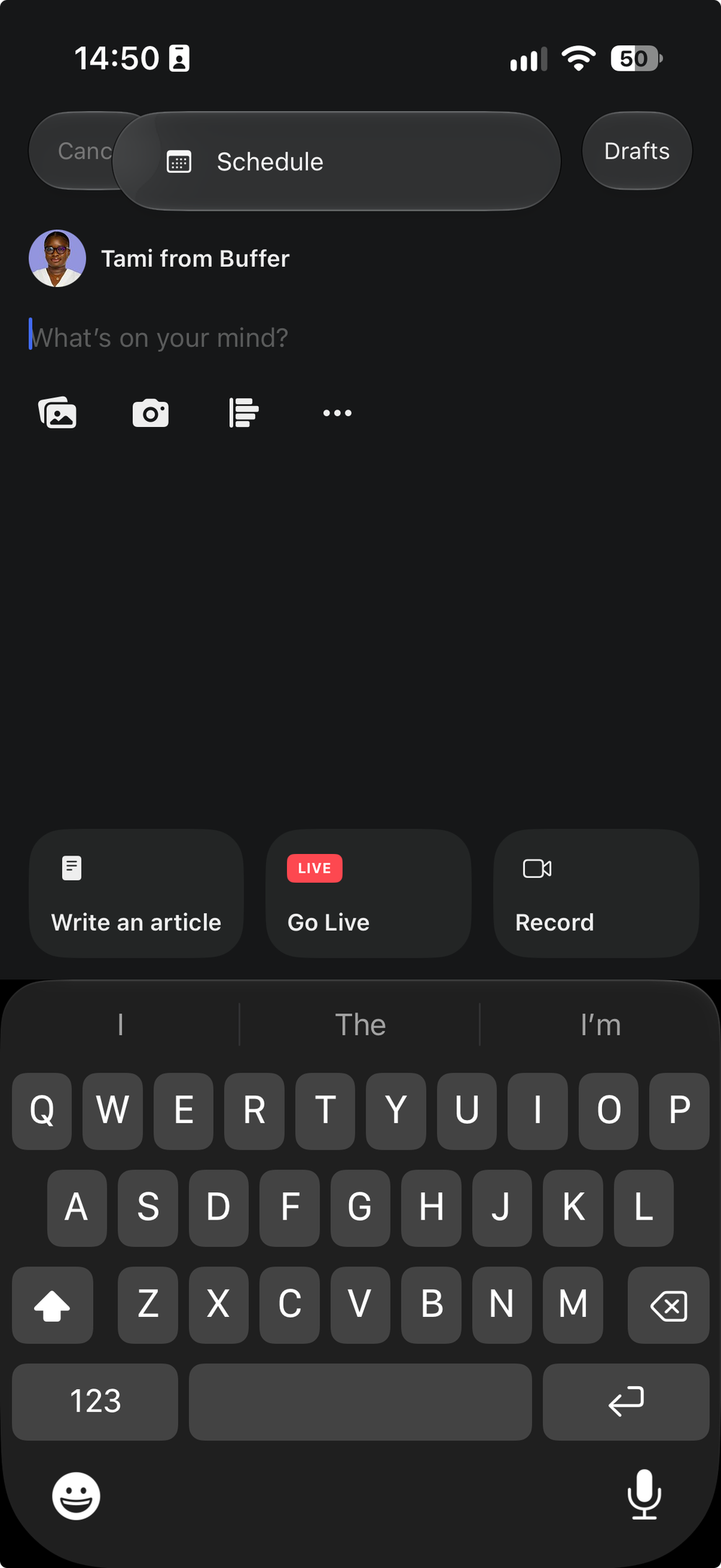
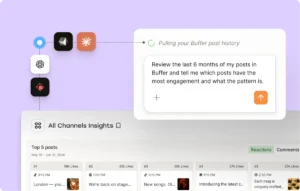
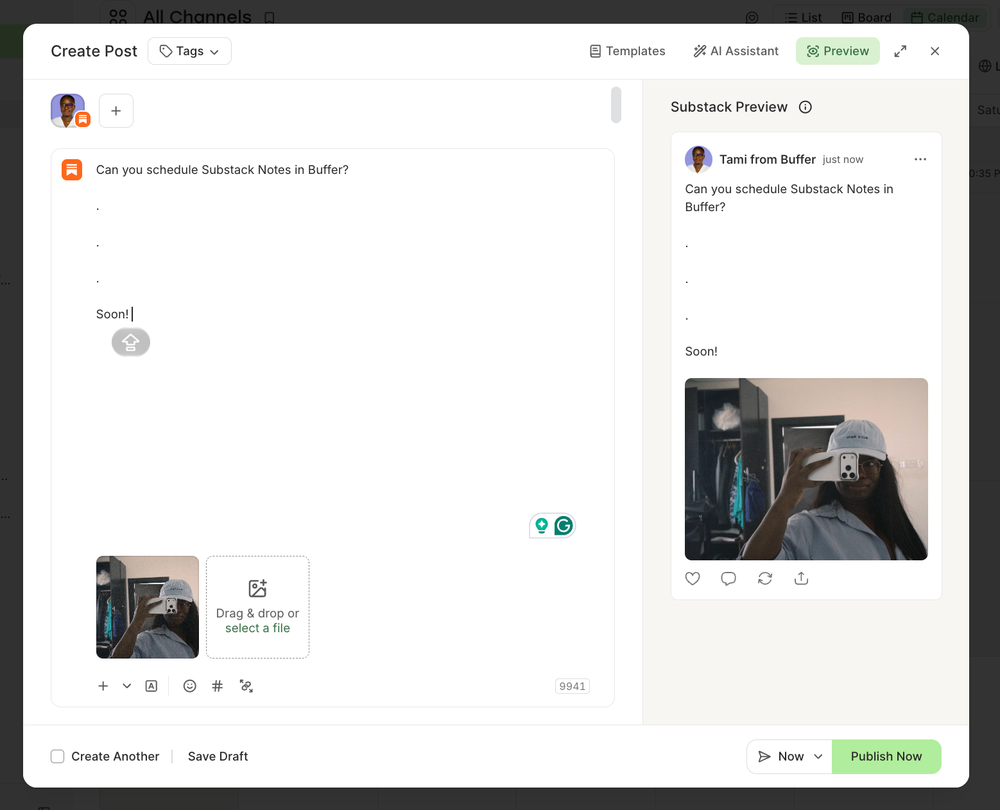
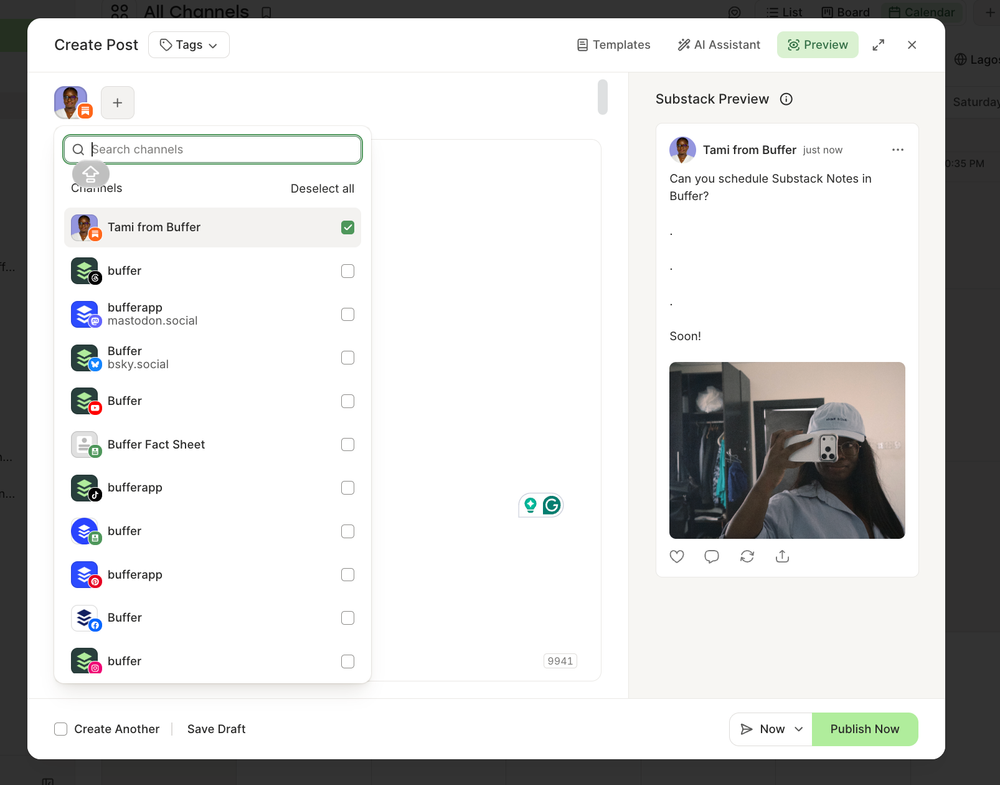
- Buffer: By leveraging direct API connections, Buffer allows users to queue content for Substack, LinkedIn, Threads, and Bluesky simultaneously. The inclusion of analytics—which correlate specific Notes with subscriber growth—provides a data-driven feedback loop that the native tool currently lacks.
- Typefully: Positioned as a "writing-first" composer, Typefully excels for creators who prioritize the X-based social format. While it offers a robust free tier, it has limitations regarding media-heavy content, specifically in its current handling of video assets within Notes.
- WriteStack: Targeted at power users, this tool focuses on deep analytics and research-driven workflows. Operating as a browser extension, it caters to creators who want a specialized interface for the Substack platform, though its reliance on Chromium-based browsers restricts its utility for some users.
- Narrareach: This tool addresses the "content repurposing" challenge by utilizing AI to fragment long-form articles into shorter, platform-appropriate Notes. This is a significant time-saver for writers looking to squeeze more value out of a single newsletter post.
- StackSweller: Representing the simpler end of the market, this tool focuses on providing a cloud-based queue. While it lacks the feature breadth of its competitors, it fills a niche for users who prioritize a "set-and-forget" model.
Data Security and Technical Implications
A critical, often overlooked aspect of using third-party schedulers is the method of publication. Creators must distinguish between "API-authorized" tools and "session-based" tools.
Tools like Buffer and Typefully utilize official APIs, which is the industry standard for security. These tools do not require the user to share their login credentials directly, as they operate through authorization tokens. Conversely, some smaller, experimental tools utilize "session-based" publishing, which requires storing a browser session cookie on their servers. This approach is inherently more fragile; if the session expires or the user logs out elsewhere, the automation fails. Furthermore, it presents a higher security risk, as the service effectively acts as the user to gain access to the account. Expert consensus suggests that for any professional-grade operation, creators should prioritize tools that utilize official, secure API connections.

Broader Impact on Content Strategy
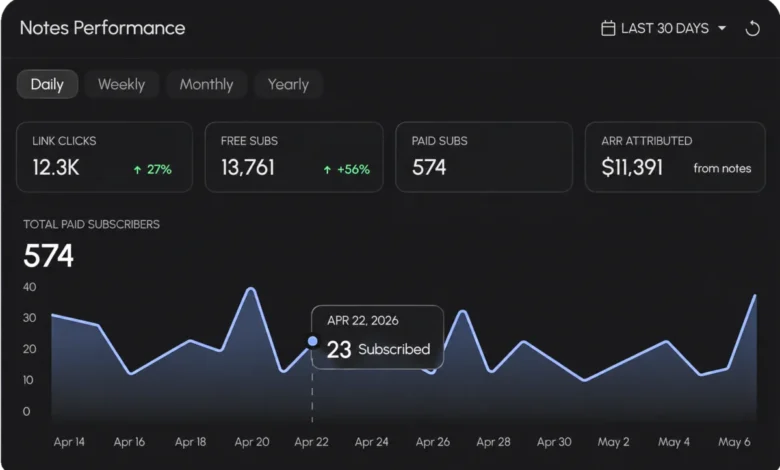
The shift toward automated scheduling has lowered the barrier to entry for content consistency. The correlation between posting frequency and audience growth is well-documented; creators who post multiple times a week are significantly more likely to convert casual readers into subscribers.
However, this efficiency comes with a trade-off. The ease of "batching" content can lead to a homogenization of voice if not carefully managed. The most successful creators are using these tools not to replace manual engagement, but to reclaim time for high-value interactions. By automating the distribution of routine updates, they are creating space to focus on the nuanced, long-form content that drives the core of their business.
Future Outlook and Strategic Recommendations
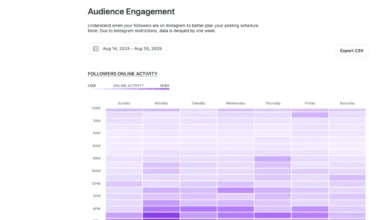
As the market continues to evolve, the focus for developers will likely shift from basic scheduling to advanced analytics and predictive modeling. We are already seeing tools integrate AI to suggest optimal posting times based on when a specific creator’s audience is most active.
For the individual writer, the choice of a scheduler should be dictated by the "three-channel rule": identify your primary platform, your secondary growth platform, and your distribution method.
- If you are a solo writer focused on building a deep, loyal list: The native Substack scheduler is sufficient. It is secure, free, and removes the risk of third-party downtime.
- If you are a multi-platform creator: A tool like Buffer offers the best balance of safety, multi-platform utility, and analytics.
- If you are a high-volume content producer: Specialized tools like Narrareach or WriteStack provide the necessary infrastructure to handle, fragment, and syndicate content without manual intervention.
Ultimately, the goal of any scheduling strategy is to remove friction. Whether it is a native feature or a third-party application, the best tool is one that allows the writer to remain focused on the craft of writing, rather than the logistics of delivery. As the infrastructure around newsletters becomes increasingly sophisticated, creators who leverage these technologies effectively will likely see a distinct advantage in audience retention and growth. The "nope" of 2026 has been replaced by a "choose your own adventure," providing a level of control that was previously unavailable to the independent publishing class.
Related posts: