The Rise of Generative AI in Creative Workflows: A Comprehensive Performance Analysis of Leading Image Models

The landscape of digital content creation has shifted dramatically over the past twenty-four months, marked by the rapid maturation of generative artificial intelligence (AI). For many creators, the barrier to entry for high-quality visual production has historically been technical proficiency in software such as Adobe Photoshop, Illustrator, or Figma. However, the emergence of sophisticated text-to-image models has democratized the production of bespoke illustrations, product mockups, and typographic assets, fundamentally altering the workflows of social media managers and digital marketers.

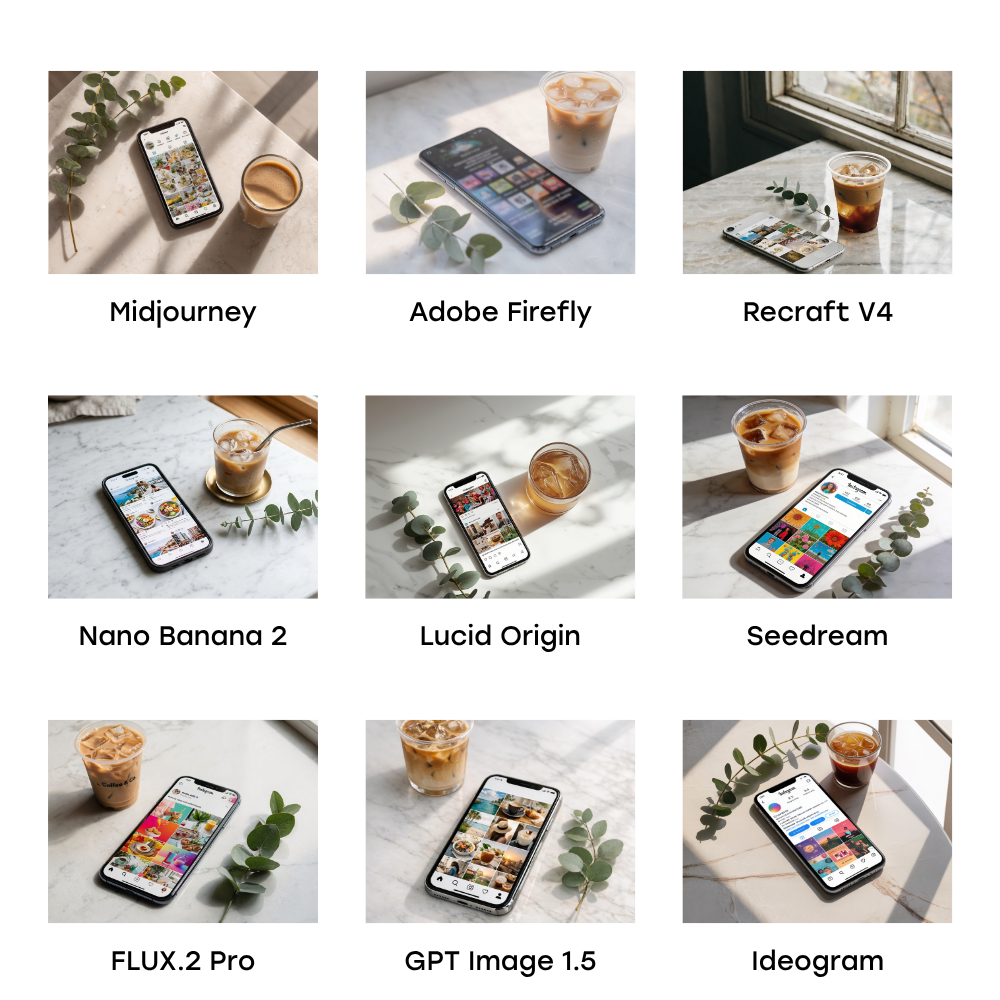
This analysis examines the current state of nine prominent AI image generators, evaluating their efficacy in producing three distinct categories of content: complex illustration, photorealistic product staging, and stylized typographic design.
The Evolution of Prompt Engineering and Model Fidelity
The primary bottleneck for AI-assisted design has moved from the software interface to the user’s ability to articulate intent. As models have grown more responsive to nuanced instructions, the discipline of "prompt engineering" has evolved into a strategic skill set. Analysis of recent performance data indicates that contemporary models—such as Nano Banana 2 and FLUX.2 Pro—respond with significantly higher accuracy when users employ a hierarchical prompt structure: prioritizing subject matter, followed by context, specific detailing, and finally, aesthetic styling.
Industry data suggests that the shift toward descriptive, rather than code-based, instructions has improved output quality. While early iterations of these tools often required complex hexadecimal color codes or obscure technical parameters, current models exhibit a high degree of "semantic fluency," interpreting natural language descriptions of color, texture, and lighting with increasing precision.
Comparative Performance Analysis of Nine Leading Models
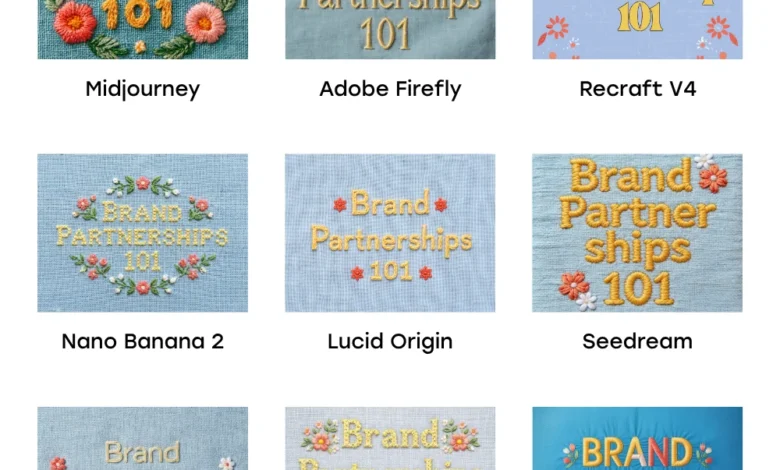
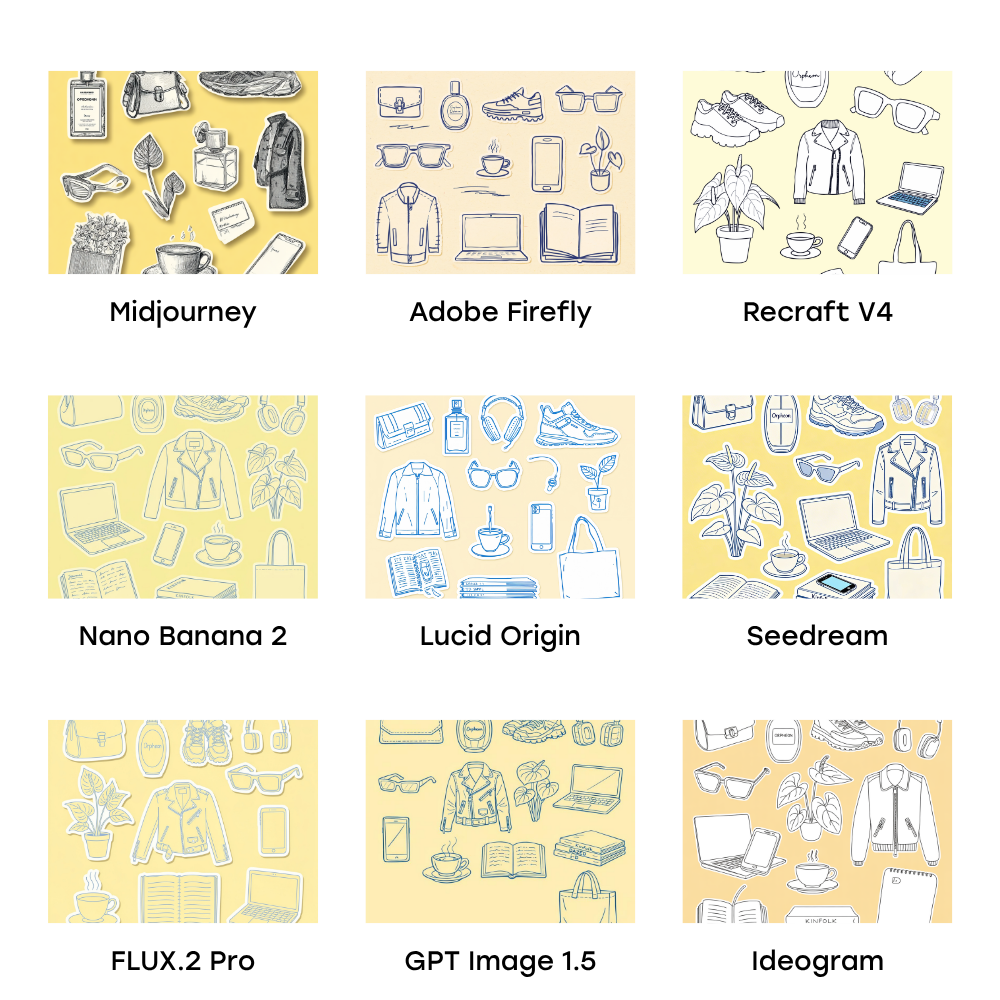
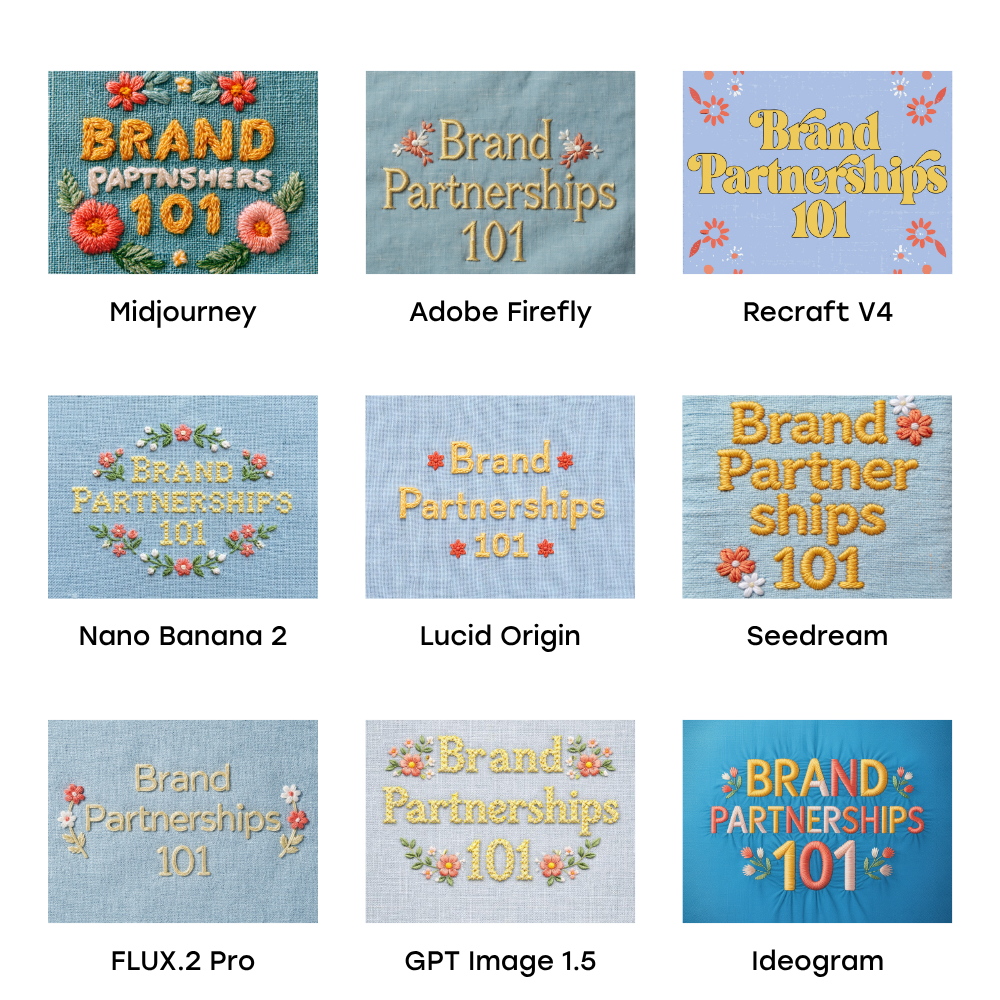
The following performance benchmarks are based on standardized testing across three distinct graphic categories: a 13-object sticker sheet, a styled editorial product shot, and an embroidered typographic graphic.
Nano Banana 2 (Google)
Nano Banana 2 stands as the current leader in object-specific accuracy. In tests involving specific brand-name items, the model demonstrated a superior ability to map real-world characteristics—such as the specific hardware of a luxury clutch or the distinct tread of performance footwear—into an illustrative format. This model is currently recommended for creators prioritizing fidelity to specific, complex subjects.

Seedream (ByteDance)
Seedream has established itself as the premier tool for text-heavy graphics. While many AI models struggle with character rendering, Seedream consistently produced legible, well-placed typography. Its integration into the CapCut ecosystem positions it as a highly accessible option for short-form video creators who require quick, text-accurate overlays.

Recraft V4 Pro
Recraft caters primarily to the design community, offering a professional-grade feature set that includes the ability to utilize existing designer libraries as reference material. Its primary strength lies in style consistency; by allowing users to lock in specific palettes and aesthetic parameters, it mitigates the "hallucination" issues that often plague more generalist models.

Midjourney
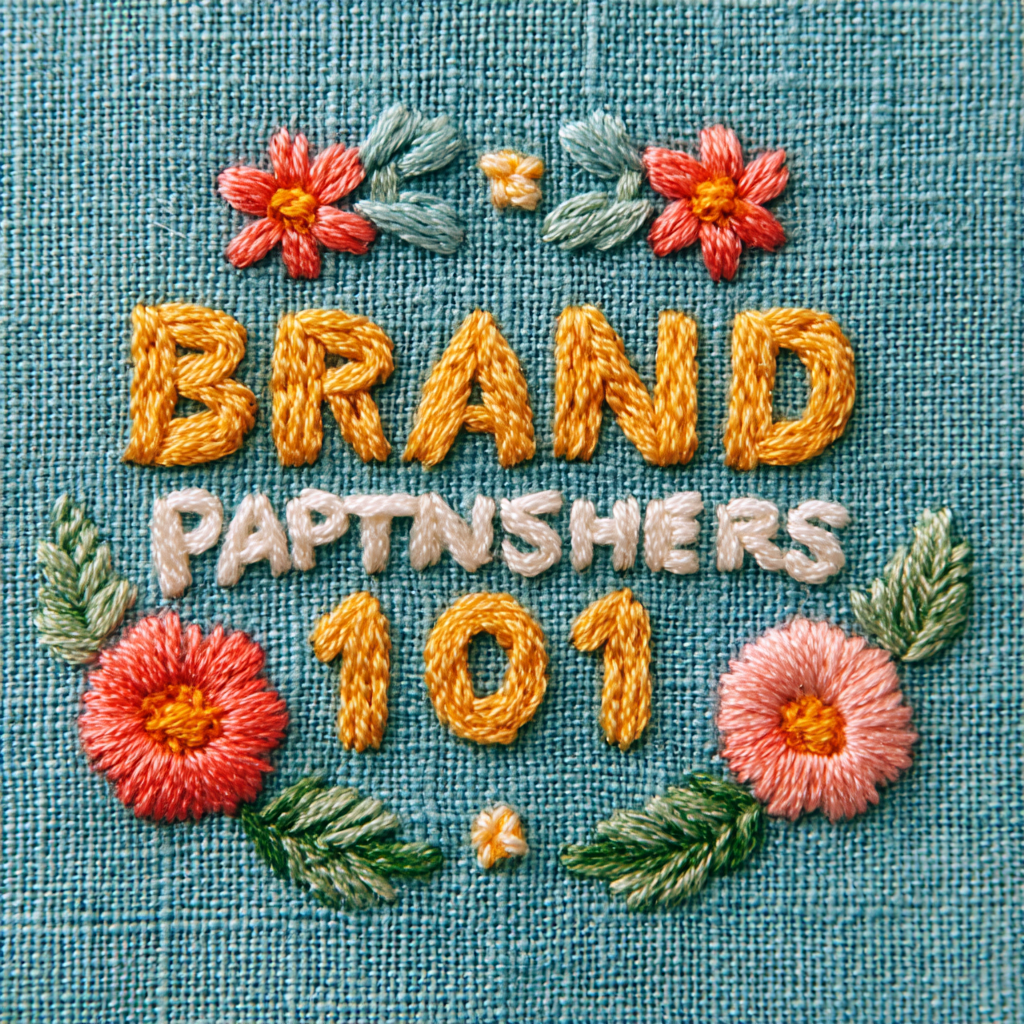
Midjourney continues to be the industry standard for artistic, mood-driven imagery. While it often fails to follow rigid, detail-heavy prompts—such as a 13-item inventory list—its ability to synthesize lighting, atmosphere, and composition remains unmatched. It is the preferred tool for conceptual art where visual impact is prioritized over strict instructional compliance.

Adobe Firefly 5
Adobe’s latest model represents a cautious, enterprise-ready approach to generative AI. By restricting the use of copyrighted brand names and trademarks, Firefly 5 mitigates legal risk for corporate users. Its deep integration with the Creative Cloud suite ensures that generated assets are immediately ready for refinement in industry-standard software, marking it as the most pragmatic choice for professional design teams.

FLUX.2 Pro
FLUX.2 Pro has emerged as a high-performance alternative for users seeking a unique visual "point of view." Its strength lies in handling complex lighting scenarios and shadows, providing a more tactile, realistic quality to product photography than many of its competitors.

Ideogram 3.0
Ideogram remains a significant player in the typography segment. While it occasionally struggles with the specific stylistic requirements of complex textures—such as realistic embroidery—its reliability in text rendering makes it a staple for creators who need quick, readable graphic design assets.

GPT Image 1.5 (OpenAI)
As an extension of the ChatGPT ecosystem, GPT Image 1.5 offers unparalleled convenience for users already working within the OpenAI environment. While it occasionally struggles with high-density prompts, it provides a consistent, reliable output for general-purpose imagery.

Lucid Origin
Lucid Origin differentiates itself through its handling of spatial dimensionality. While its prompt adherence is occasionally inconsistent, the model excels at producing images with a distinct 3D depth, offering a unique aesthetic that separates it from standard flat-vector outputs.

Legal and Ethical Implications for Commercial Use
As businesses move to integrate these tools into their marketing funnels, the legal status of AI-generated work remains a point of contention. The United States Copyright Office has consistently maintained that content created without significant human input—essentially, outputs generated solely from a text prompt—does not qualify for copyright protection.

This ruling has profound implications for brand identity. While companies may secure the right to use an image commercially under the terms of service of their chosen AI platform, they cannot claim ownership of the underlying creative work. Consequently, legal experts advise that generative AI be utilized for supporting assets, social media engagement, and rapid prototyping, while core brand assets—such as logos and primary visual identifiers—should remain the product of human-led design to ensure full intellectual property protection.

Industry Outlook: Beyond the Hype
The rapid development of these models has shifted the market focus from "can we generate this?" to "how efficiently can we integrate this into existing pipelines?" The most successful adopters are currently those who utilize AI as a collaborative partner rather than a replacement for human creativity.
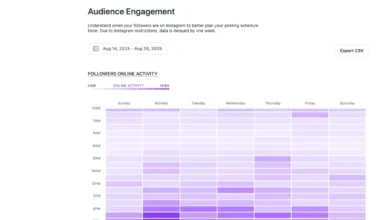
The integration of these models into scheduling and management platforms—such as the capability to generate assets directly within a social media management interface—is expected to be the next major phase of development. By reducing the friction between the initial prompt and the final publication, platforms are moving toward a future where the entire content lifecycle, from ideation to distribution, can be managed from a single dashboard.

Strategic Considerations for Creators
For professionals looking to adopt these technologies, the strategy should be threefold:

- Model Selection: Align the chosen model with the specific requirements of the project. If text accuracy is paramount, prioritize Seedream or Ideogram. If visual mood and artistic flair are the goals, Midjourney remains the standard.
- Workflow Integration: Evaluate the software ecosystem. Users deeply embedded in the Adobe stack should leverage Firefly, while those seeking rapid, multi-model access may prefer platforms like Leonardo.ai.
- Legal Due Diligence: Always review the terms of service regarding commercial usage and public disclosure. When in doubt, prioritize human-originated assets for high-value brand work to avoid potential copyright conflicts.
As generative AI continues to mature, the distinction between "human-made" and "AI-assisted" will likely continue to blur. The true competitive advantage will belong to those who can effectively bridge the gap between creative vision and the technical nuances of the underlying models, utilizing these tools to scale their output without sacrificing the unique perspective that drives audience engagement.
Related posts: