Weglot 2.0 Launches to Revolutionize Multilingual WordPress Management with Brand-Aware AI Integration

The landscape of global web accessibility shifted significantly on September 29, 2026, as Weglot officially unveiled its second-generation translation platform, Weglot 2.0. Designed specifically for the WordPress ecosystem, the update represents a departure from traditional "plug-and-play" translation tools by integrating advanced artificial intelligence, SEO management, and visual review workflows into a unified infrastructure. For the more than 110,000 websites currently utilizing Weglot, this release signals a move toward automated, high-fidelity content localization that prioritizes brand consistency over mere linguistic conversion.
The Evolution of Multilingual Web Infrastructure
For nearly a decade, Weglot has occupied a unique space in the WordPress plugin market. Unlike legacy systems that rely on the creation of duplicate pages or complex database modifications, Weglot established its reputation by serving translations directly from a cloud-based interface. This architecture prevents the "database bloat" common in older multilingual solutions and eliminates the need for users to manage manually edited PO (Portable Object) files.
The launch of version 2.0 addresses a fundamental shift in the translation industry. While early iterations of AI-driven translation focused primarily on the speed of conversion, the current market demand has pivoted toward accuracy, contextual relevance, and brand voice. Developers and marketing managers now face the "consistency challenge"—ensuring that product names, industry-specific terminology, and tone remain uniform across hundreds of translated pages. Weglot 2.0 aims to solve this by embedding the translation process directly into the user’s workflow rather than treating it as an isolated, post-production task.
Core Technological Advancements in Version 2.0
The architecture of Weglot 2.0 is built upon three primary pillars: the Brand-Aware AI Model, the Visual In-Context Editor, and the Multilingual Content Protocol (MCP).

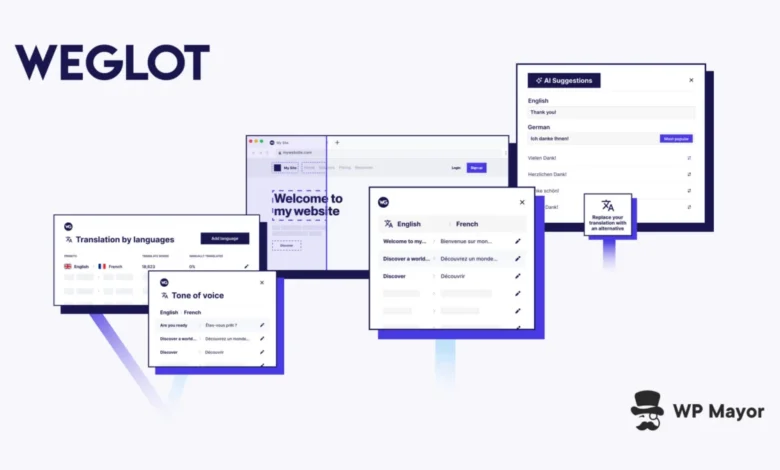
The new AI model is designed to operate under strict user-defined guidelines. Instead of relying on generic linguistic patterns, the system allows administrators to define "Translation Guidelines." These parameters dictate how the AI handles specific nuances—such as whether a product name should remain in its original language or be transliterated—and ensures that the brand’s specific tone of voice is maintained across diverse linguistic landscapes. This reduces the need for manual re-prompting or post-editing, as the AI learns the specific constraints of the business from the outset.
Complementing this is the Visual Editor, which provides a real-time, live preview of the website. This feature allows editors to observe how translated text behaves within the constraints of the original design. For instance, a headline that translates into a longer string in German can be visually checked for layout overflow before it goes live. This functionality is critical for WooCommerce store owners, who must ensure that checkout pages, product attributes, and automated customer emails maintain professional alignment regardless of the target language.
Perhaps the most significant addition is the Weglot Multilingual Content Protocol (MCP). By connecting the plugin to external AI assistants, the protocol allows for the management of translations through natural language prompts. This integration enables users to update or audit translated content without leaving their primary AI-assisted workflow, marking a move toward autonomous, conversational content management.
Impact on SEO and Digital Marketing
For digital marketing teams, the technical overhead of going global—managing hreflang tags, canonical URLs, and metadata—has historically been a barrier to entry. Weglot 2.0 automates the technical SEO requirements associated with multilingual sites. By handling the indexing structure automatically, the plugin ensures that search engines can accurately interpret and rank translated content.
This is particularly relevant for the rise of AI-driven search, or "answer engines," where the quality and structure of translated data influence whether a brand appears in AI-generated search results. By keeping the site’s structure clean and the translations contextually accurate, Weglot 2.0 positions websites to perform better in both traditional search queries and emerging AI-assisted discovery channels.

Supporting the Agency and E-commerce Ecosystem
The release includes specific features tailored for high-volume users, such as agencies and large-scale e-commerce operations. The "Agency Workflow" allows developers to manage multiple client sites from a centralized dashboard, providing granular control over word counts and project budgeting. This is a direct response to the needs of web agencies that often struggle to accurately quote for translation work when content volume is subject to rapid, unpredictable changes.
For e-commerce, the ability to manage image translation is a standout feature. Most translation plugins ignore the text embedded within graphic assets. Weglot 2.0 allows users to translate or replace these images directly through the dashboard, ensuring that visual marketing materials are as localized as the text surrounding them.
Market Context and Strategic Timeline
The release of Weglot 2.0 follows a period of rapid development within the AI sector. Since 2024, the primary obstacle in website translation has shifted from the capability of the models to the integration of those models into existing CMS workflows.
- September 2026: Official global launch of Weglot 2.0.
- October 2026: Integration with major WordPress page builders including Elementor, Divi, and Gutenberg is confirmed to be fully optimized for the new AI protocols.
- February 2027: Deadline for the current introductory offer period for new users, signaling a strategic window for market adoption.
By maintaining compatibility with major SEO plugins like Rank Math, Yoast, and All in One SEO, Weglot ensures that users do not have to sacrifice their existing optimization strategies. The platform effectively acts as a bridge, allowing SEO plugins to focus on keyword strategy while Weglot manages the linguistic and technical delivery of that content.
Economic Implications for Businesses
Weglot’s pricing model, which is determined by the number of translated words, offers a scalable solution for businesses. A critical component of the 2.0 rollout is the "auto-upgrade" feature. By allowing the system to scale based on content growth, the platform aims to prevent service interruptions for businesses that see sudden spikes in traffic or content volume.

For agencies, the platform provides a competitive advantage through extended free usage on new client workspaces and a 15% lifetime discount for clients. This structure suggests a concerted effort to capture a larger share of the enterprise and agency-managed market, moving beyond the hobbyist or small-business user base.
Analysis of Future Directions
Industry analysts suggest that the "Brand-Aware" approach adopted by Weglot is the logical next step for the industry. As generic AI translation becomes a commodity, the value proposition for plugins lies in their ability to act as a "brand guardian." The success of Weglot 2.0 will likely be measured by how effectively it reduces the time spent on human oversight.
The introduction of the MCP suggests that the company is looking ahead to a future where human intervention is only required for high-level creative decisions, while the heavy lifting of maintenance, SEO, and layout adjustment is handled by the software. This transition from "translation tool" to "content management partner" is a trend that is expected to define the next phase of the WordPress ecosystem.
For those considering the transition to Weglot 2.0, the current recommendation from the development team is to utilize the free word-count tool to map out the scope of their site. By setting up the "Brand Voice" and "Translation Guidelines" immediately after installation, users can ensure that the AI is correctly calibrated to their specific requirements from the first word translated.
As the digital world continues to favor cross-border commerce, the demand for sophisticated, low-friction translation solutions is only expected to grow. By centralizing SEO, content review, and AI-driven translation, Weglot 2.0 provides a comprehensive template for how modern websites will likely be managed in the coming years. Users interested in exploring the platform can access the new features through their standard WordPress plugin updates, provided they are running version 6.4 or later.