Why High-Ranking SEO Content Still Fails to Get Cited by LLMs and How Query Fan-Out Changed the Rules

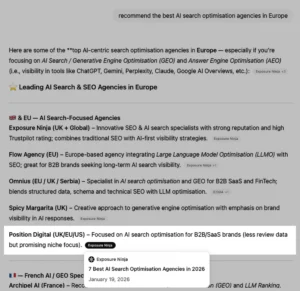
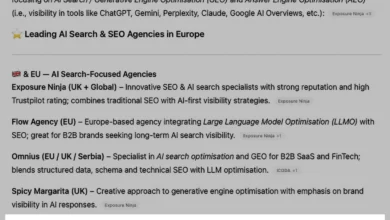
In the rapidly evolving landscape of digital discovery, a growing number of digital marketers and search engine optimization (SEO) professionals are discovering a counterintuitive reality: a website can claim the coveted first-page ranking on traditional search engines like Google while remaining entirely invisible to large language models (LLMs) such as ChatGPT, Perplexity, and Claude.
For years, the digital publishing industry operated under a singular, established paradigm: secure top-tier keyword rankings, drive organic traffic, and capture conversions. However, the mass adoption of conversational AI search has upended this conventional framework. Today, a high ranking on a traditional search engine results page (SERP) no longer guarantees a citation or mention in an AI-generated answer.
To understand why this disconnect occurs—and how content strategies must adapt—industry experts are increasingly pointing to a crucial, behind-the-scenes mechanism known as query fan-out.
The Mechanics of Query Fan-Out: Beyond the Single Prompt
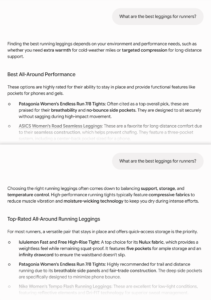
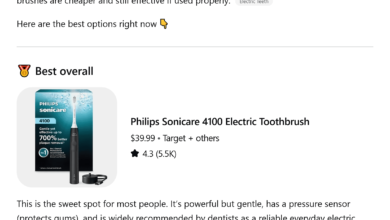
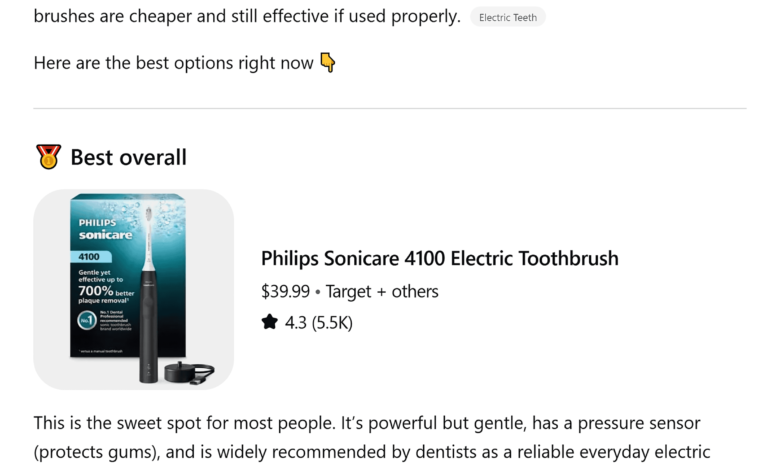
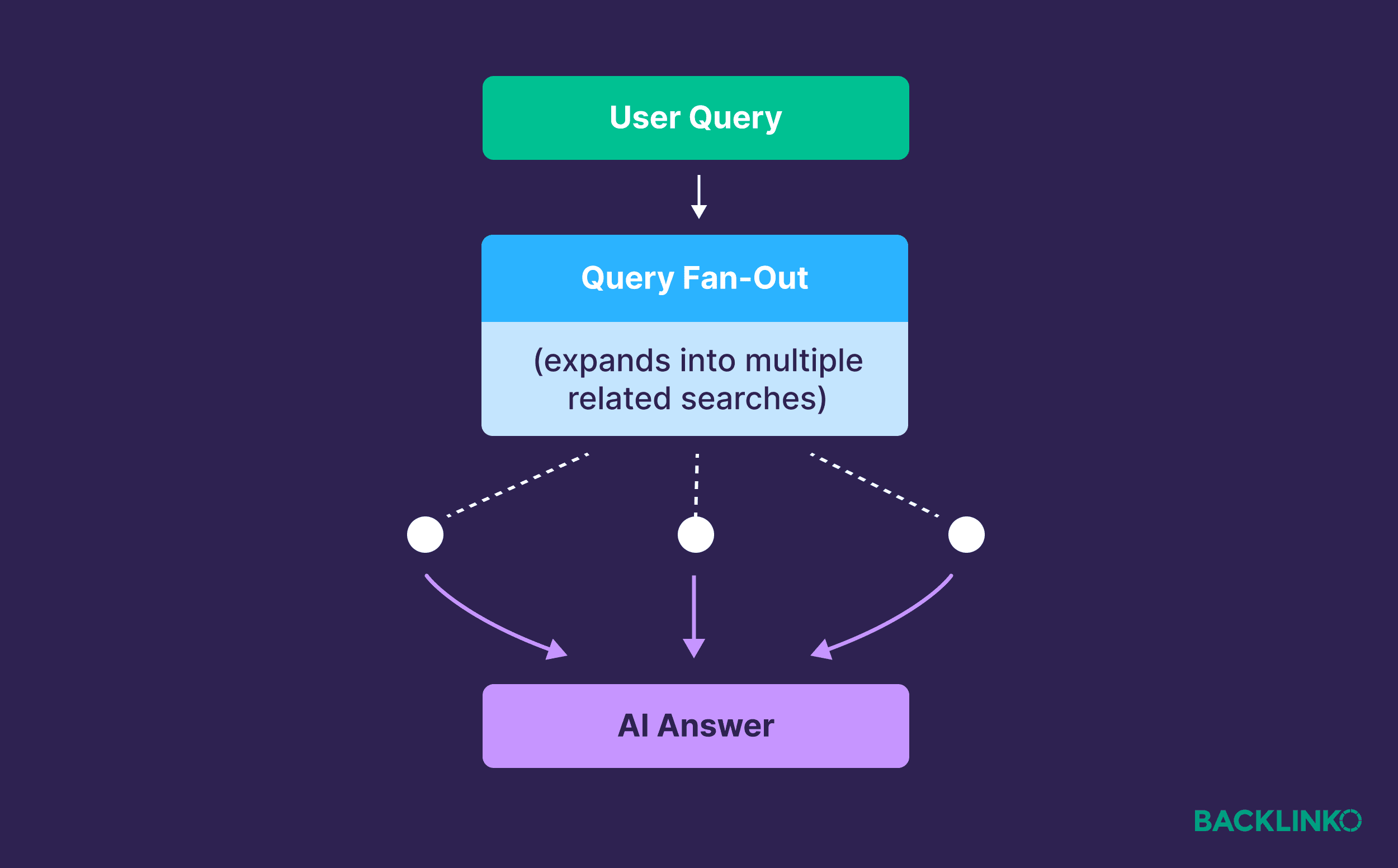
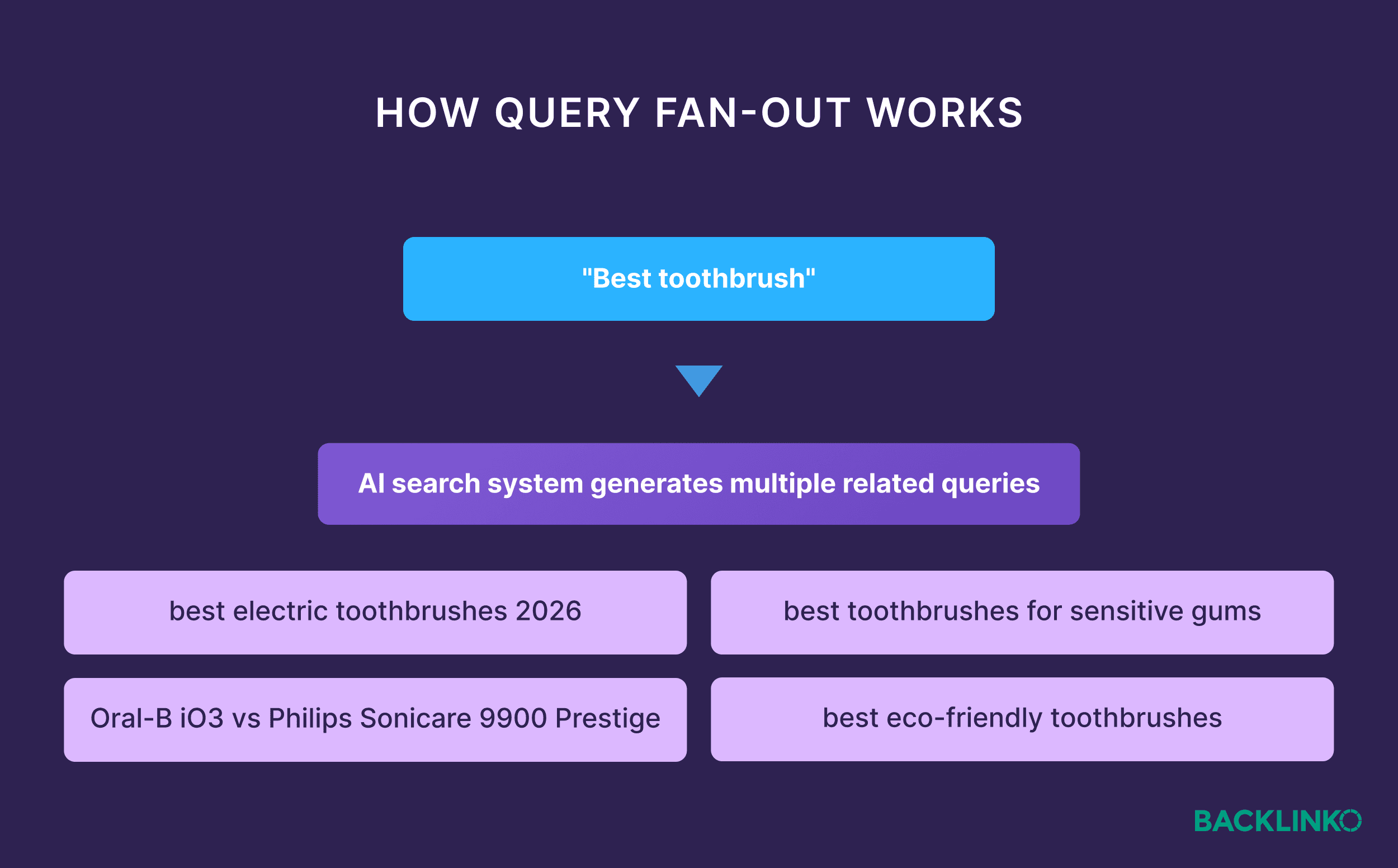
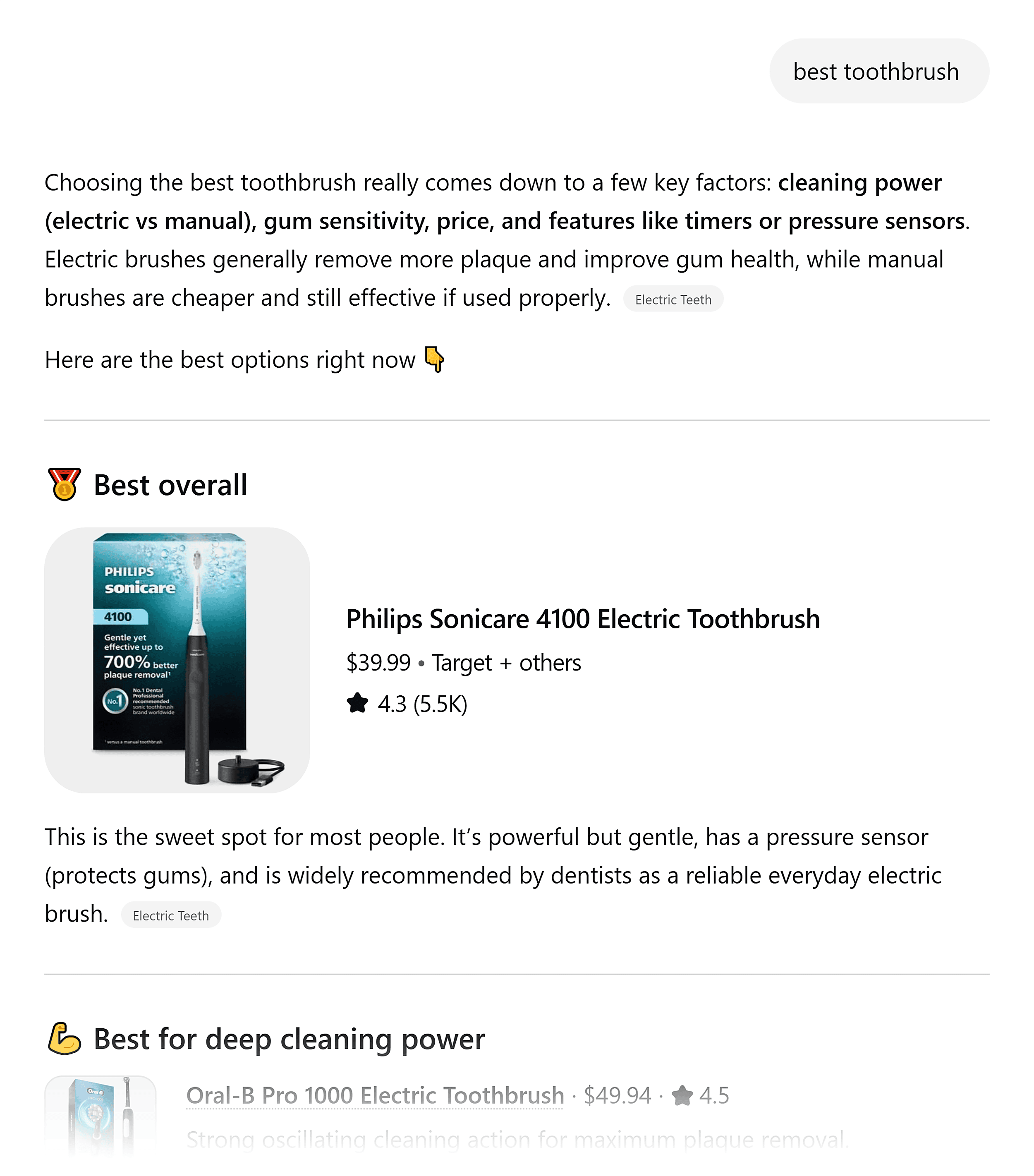
When a user interacts with an AI-powered search tool, the system rarely takes the initial prompt at face value. Instead of simply routing the user to the single best-ranking web page for a broad phrase like "best toothbrush," conversational AI executes a complex, automated process called query fan-out.
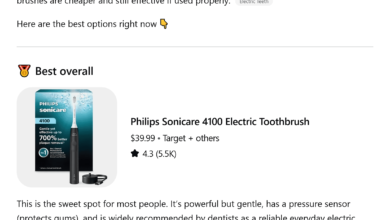
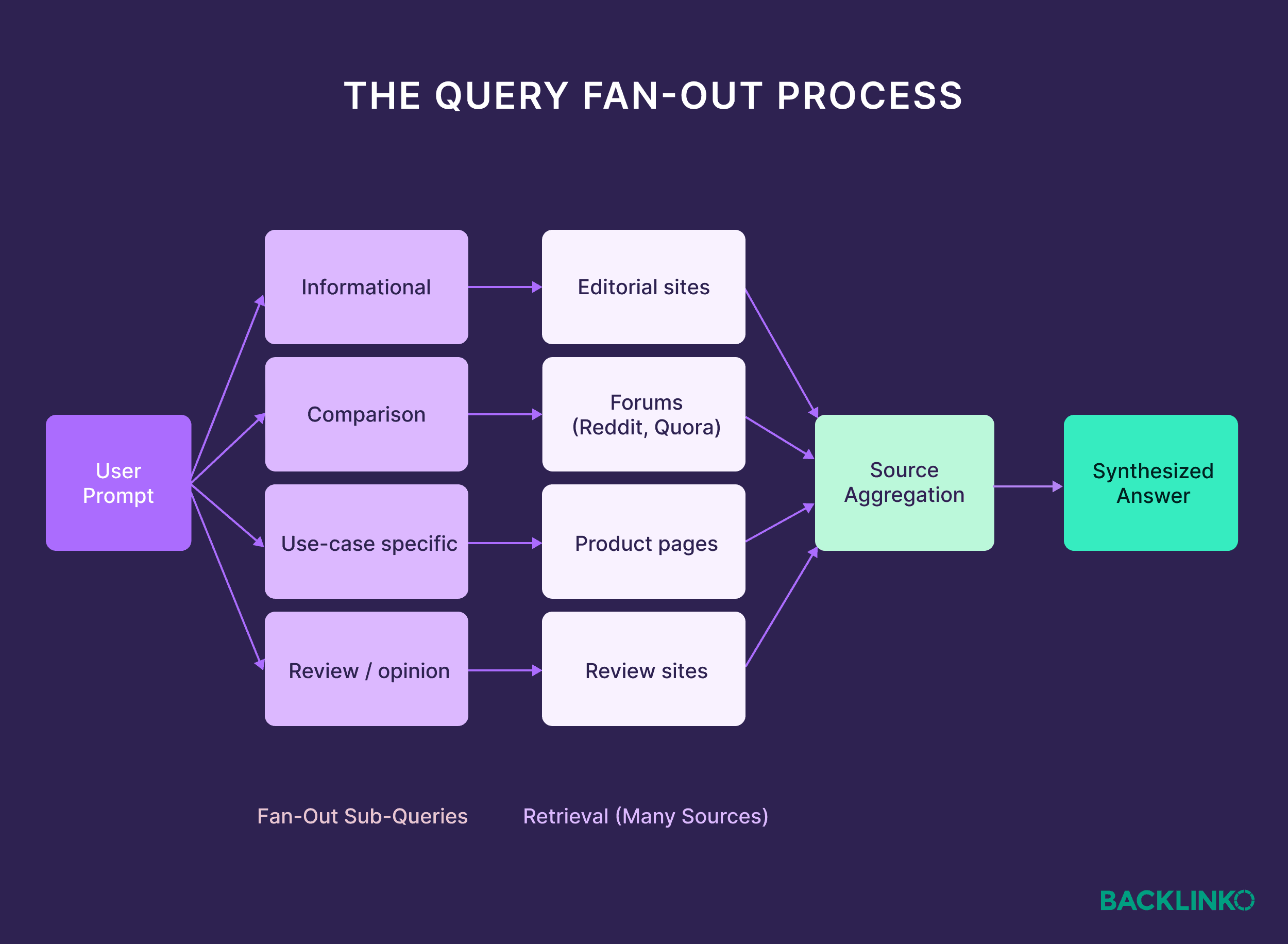
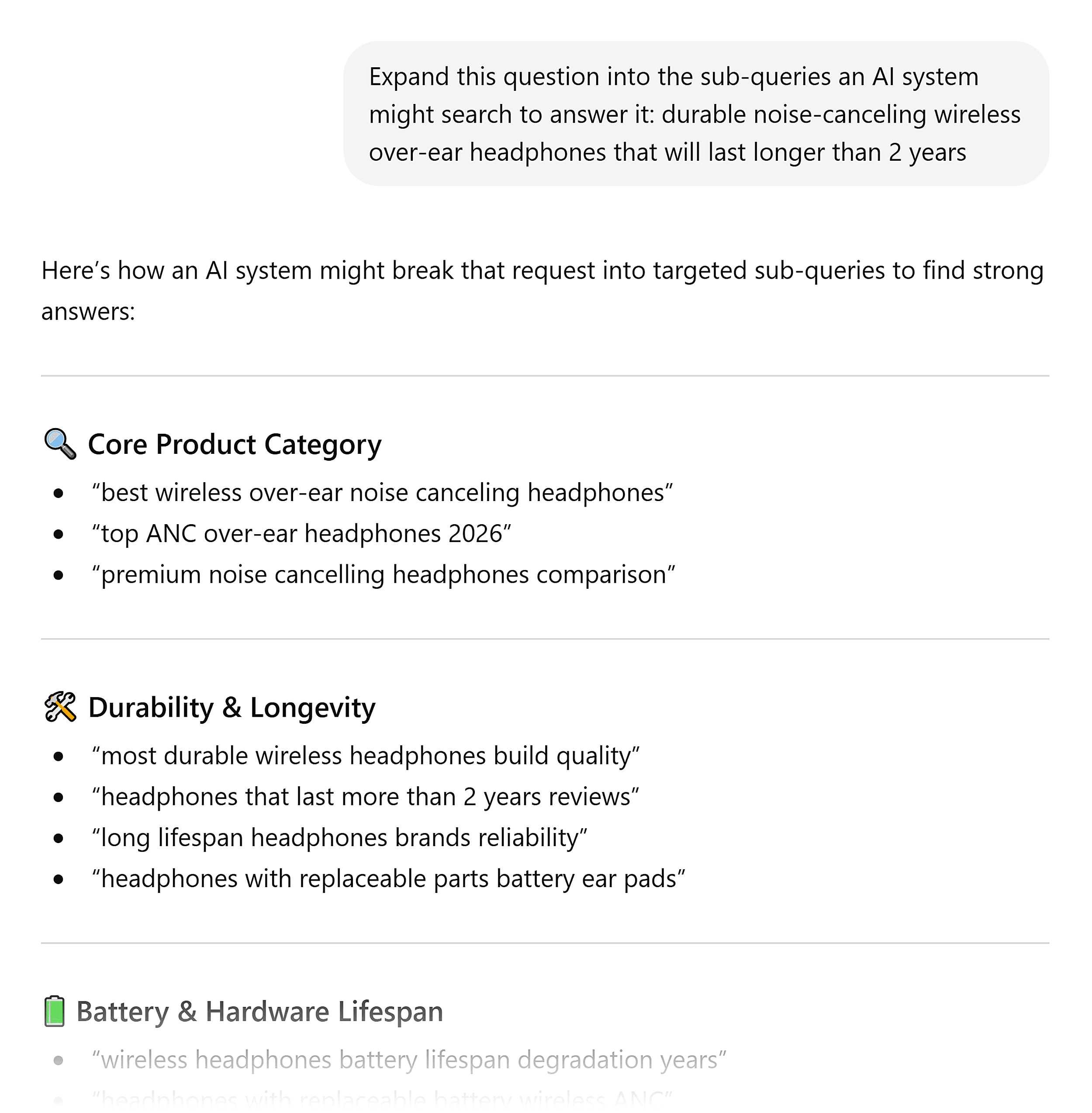
Query fan-out is a background procedure wherein an AI system decomposes a single, high-level user question into multiple related sub-queries to construct a comprehensive, multi-faceted response. Rather than defaulting to a single high-ranking source, the AI investigates various angles of a topic simultaneously. For instance, a broad query for "best electric toothbrush" may trigger behind-the-scenes sub-queries such as "best electric toothbrushes for sensitive gums," "Oral-B versus Philips Sonicare head-to-head comparison," and "best eco-friendly toothbrushes with pricing details."
By fracturing the original prompt, the AI pulls information from diverse sources—ranging from authoritative editorial reviews and niche product pages to peer-to-peer discussion boards like Reddit—and synthesizes them into a single, cohesive answer. Consequently, if a brand’s content does not appear within the specific sub-queries generated during this background process, it will likely be omitted from the final AI response entirely, regardless of its traditional SEO standing.
A Paradigm Shift in Digital Marketing and Consumer Behavior
The rise of query fan-out has triggered several fundamental shifts in how content must be conceptualized, structured, and measured. Industry analysts have identified four major structural changes altering the digital marketing landscape:
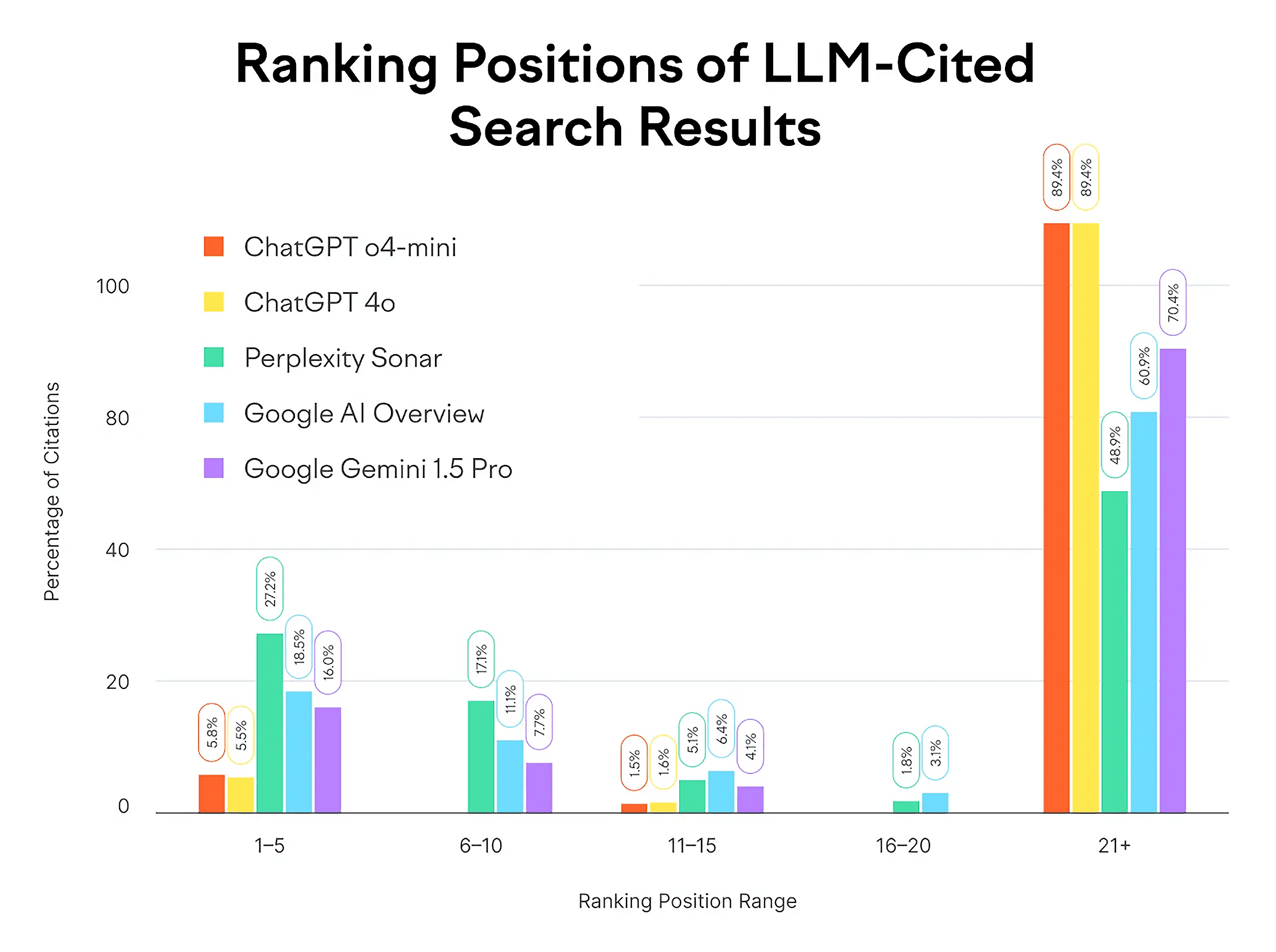
- Top Rankings No Longer Guarantee AI Citations: Because AI systems evaluate sources based on relevance and completeness for specific sub-queries rather than raw ranking position, deep pages often win out. Industry data reveals that LLMs frequently cite pages ranking outside the top 20 positions of traditional search results if those pages provide precise, self-contained answers to specific sub-questions.
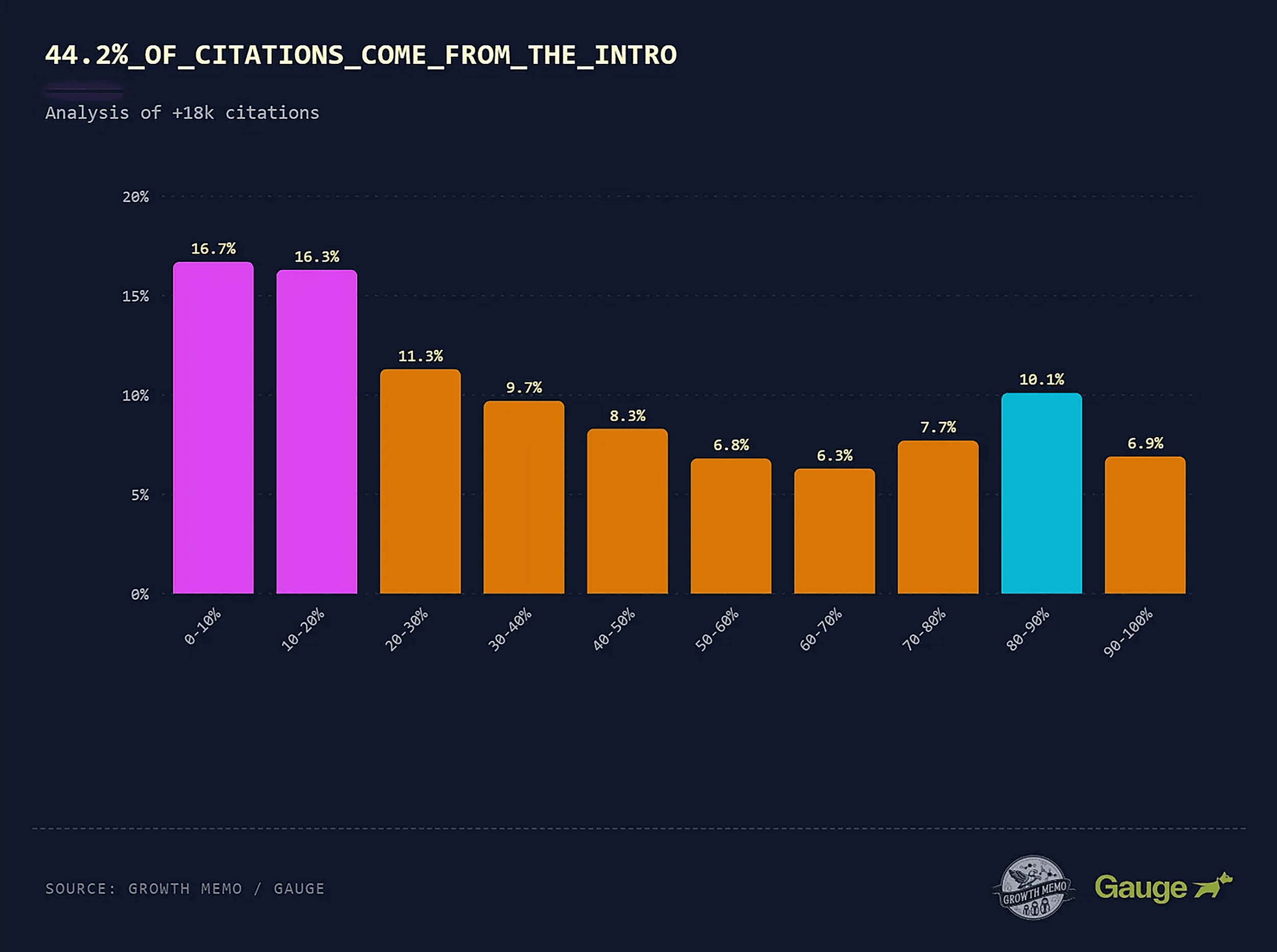
- AI Retrieves Passages, Not Entire Pages: Traditional search engines direct users to a URL. AI systems, conversely, scan content to extract and synthesize exact passages. Studies examining millions of ChatGPT responses indicate that a significant majority of citations stem from the upper third of a page, underscoring the necessity of front-loading critical information.
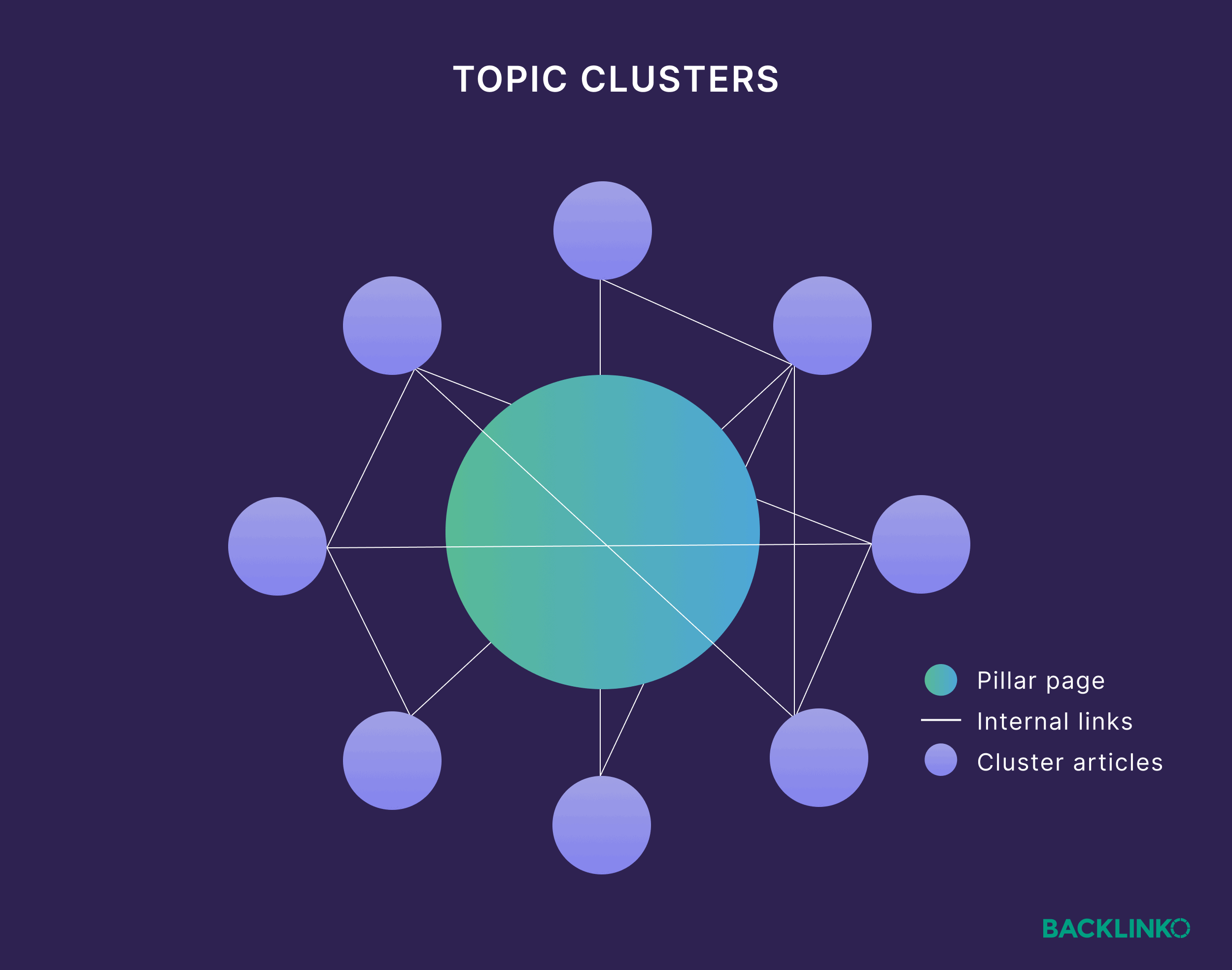
- Competition Spans Entire Topics, Not Isolated Keywords: While traditional SEO focuses heavily on optimizing individual keywords, query fan-out rewards holistic topic coverage. Comprehensive architectures like pillar pages and interconnected topic clusters significantly enhance retrievability across diverse sub-queries.
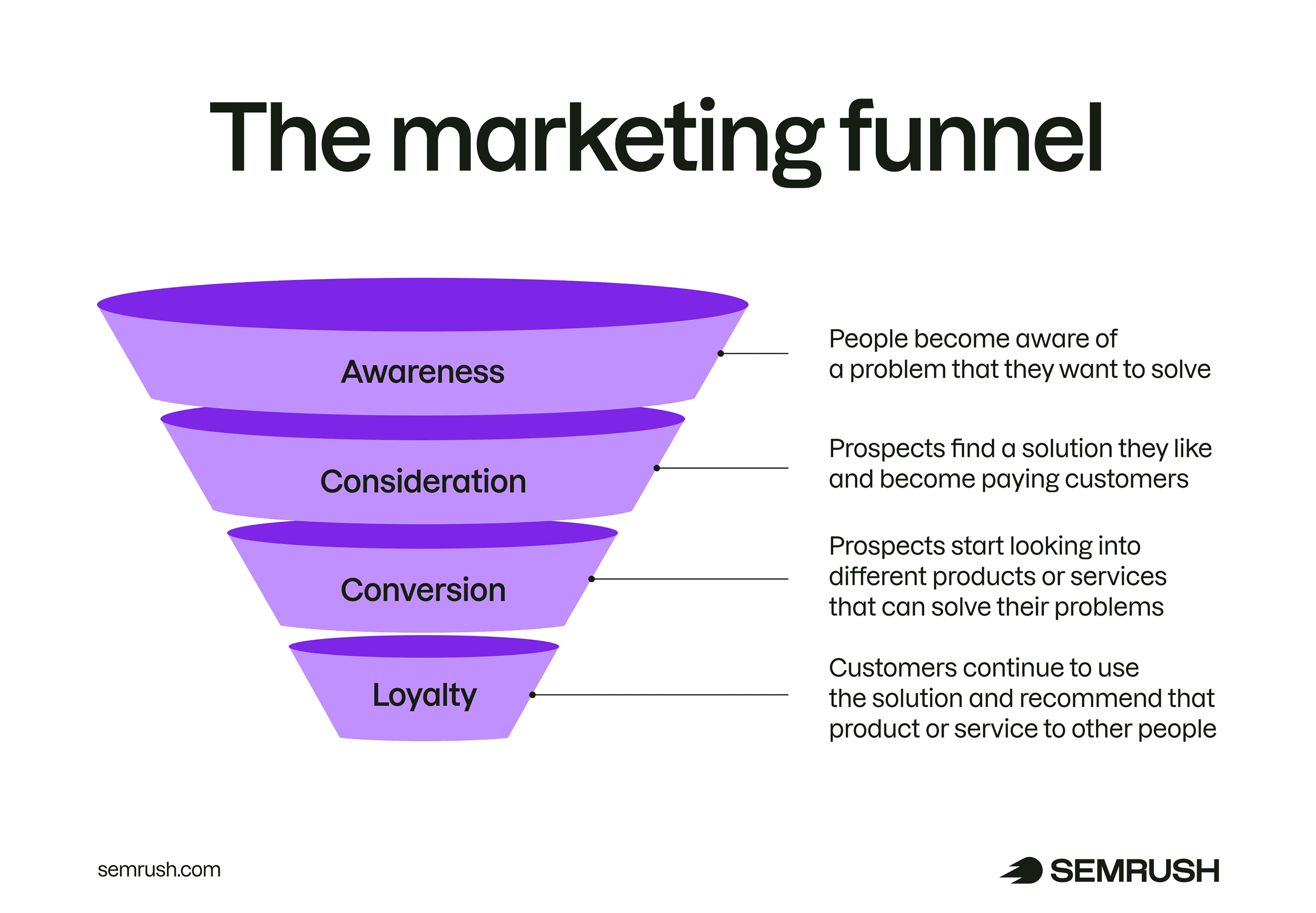
- The Buying Journey is Collapsed: Historically, marketing funnels dictated a linear progression through awareness, consideration, and decision phases. Query fan-out collapses these stages into a single interaction. A single conversational prompt immediately pulls in high-level context alongside granular comparisons and pricing data, requiring content to serve multiple stages of the buyer’s journey simultaneously.
The Six-Step Workflow for Optimizing AI Visibility
To adapt to the demands of query fan-out, content strategists are adopting repeatable workflows designed to identify, target, and capture high-impact sub-queries. Digital marketing experts recommend a comprehensive six-step methodology:
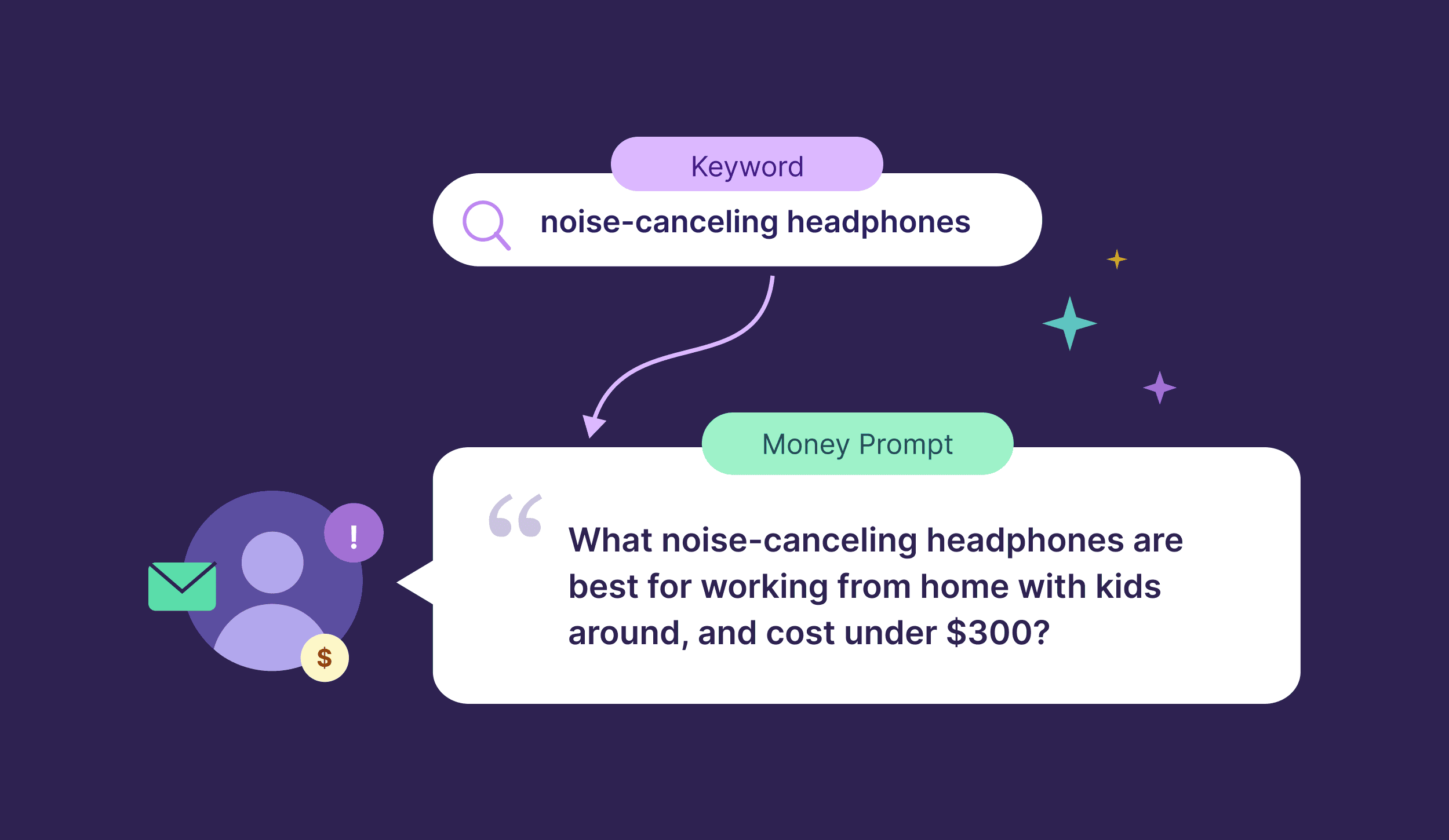
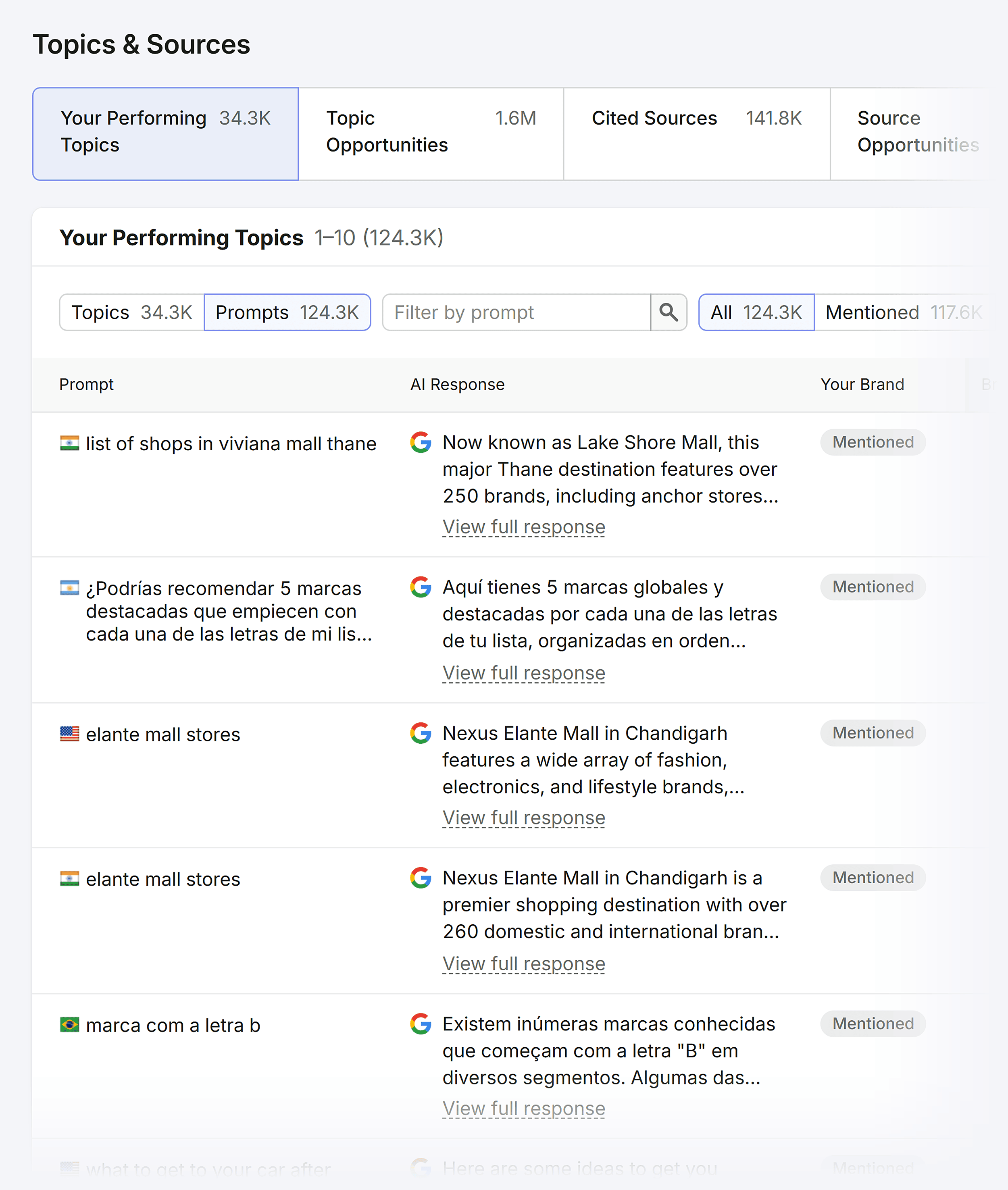
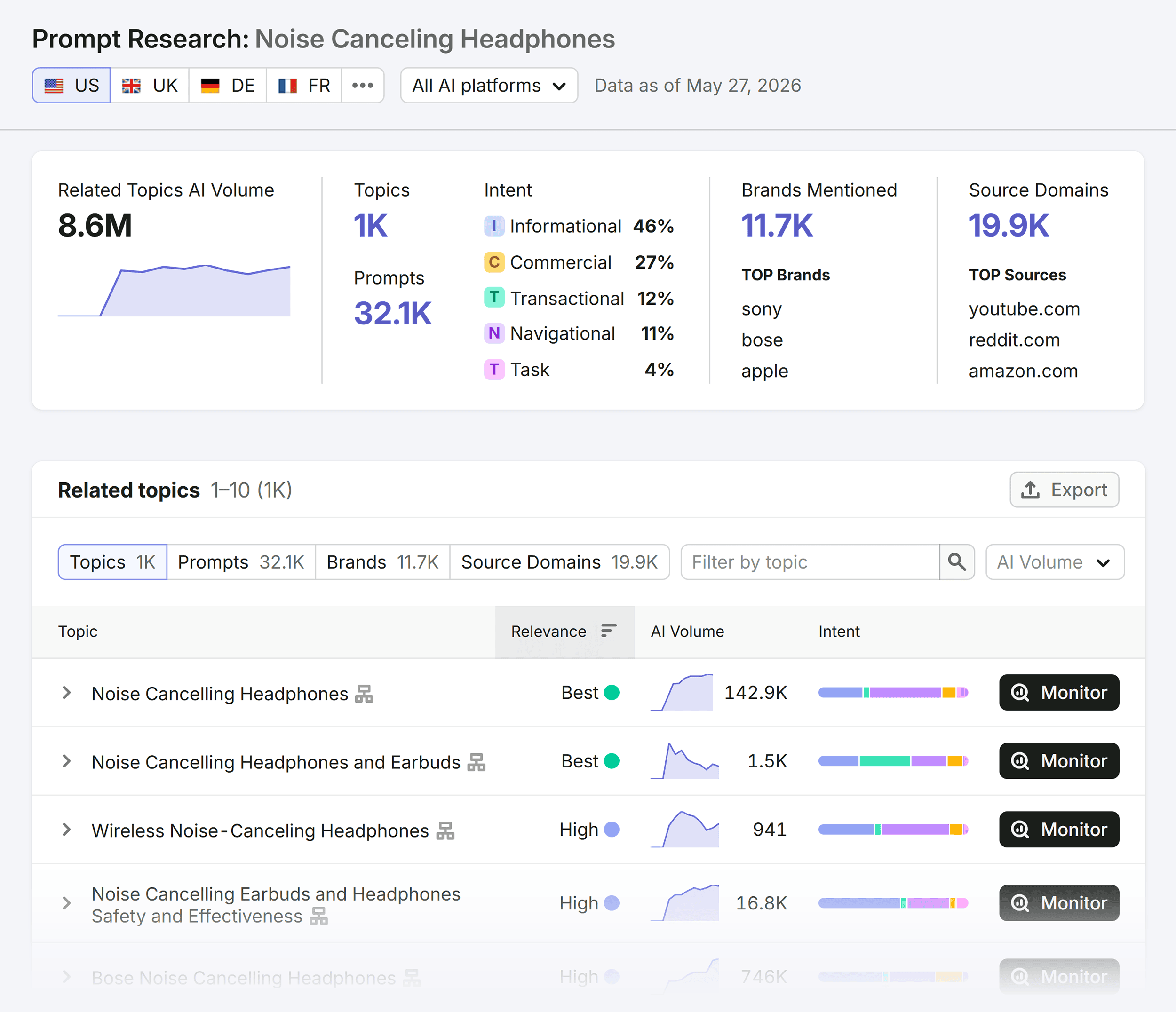
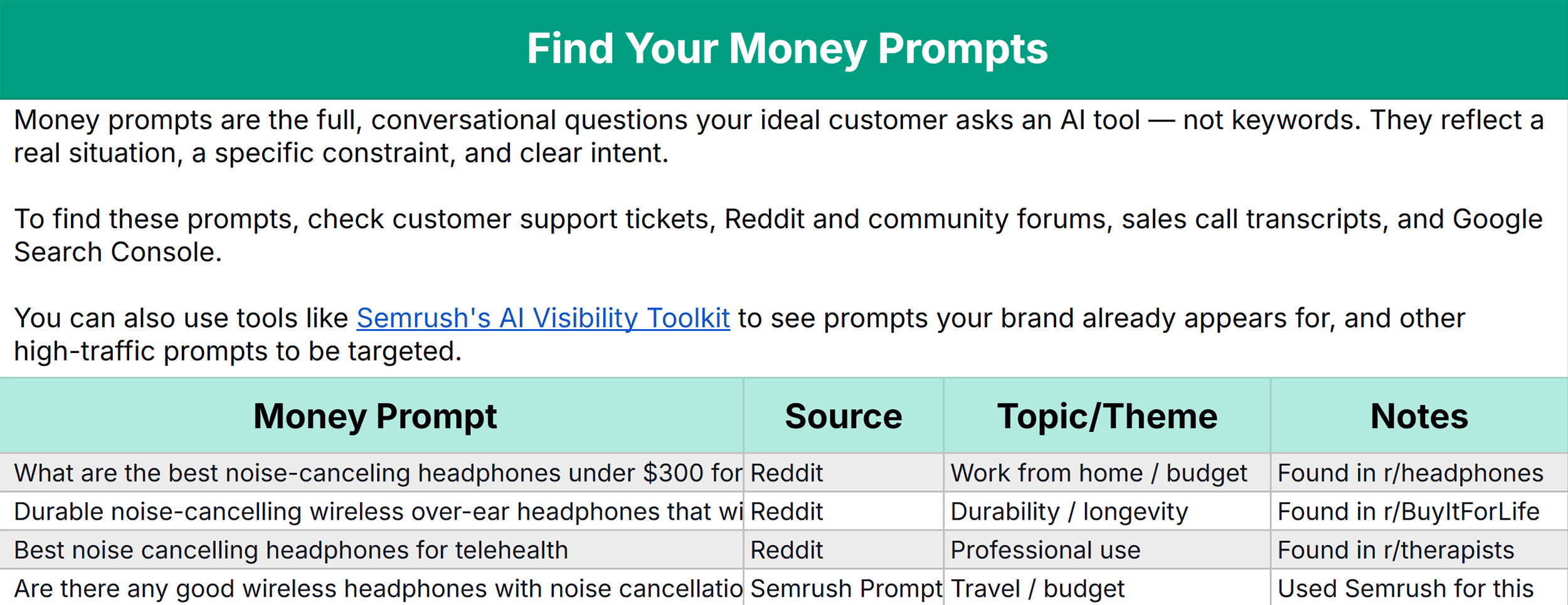
Step 1: Identify Money Prompts
Unlike traditional commercial-intent keywords, "money prompts" are the complex, conversational questions real users type into AI systems when seeking solutions. Marketers must analyze forums, customer support transcripts, and dedicated AI visibility toolkits to uncover the exact phrasing and scenarios their target audiences use.
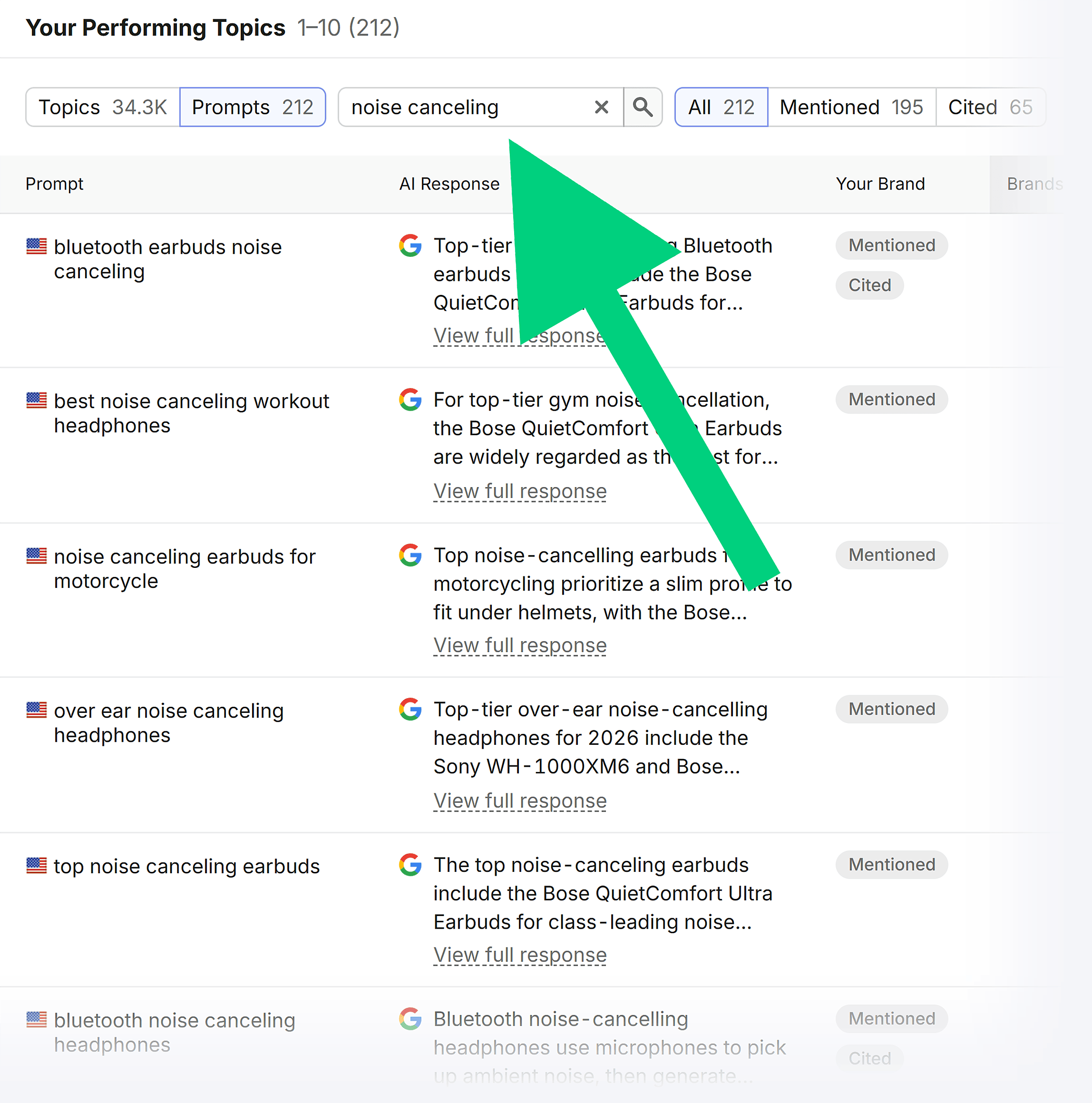
Step 2: Generate Fan-Out Sets
By testing money prompts within AI platforms or utilizing specialized browser extensions and developer tools (such as Chrome DevTools network response inspection for ChatGPT), publishers can expose the exact sub-queries running behind the scenes. Categorizing these sub-queries—whether as reformulations, comparative evaluations, implicit needs, or personalized constraints—reveals critical content gaps.

Step 3: Bucket Sub-Queries by Intent Type
Sub-queries must be organized into distinct intent buckets, such as definitions, direct comparisons, best-for recommendations, troubleshooting, pricing, and social proof. Each intent category dictates a specific content format, ensuring that comparison queries map to head-to-head tables while troubleshooting queries map to structured FAQ sections.

Step 4: Audit Existing Content for Gaps
Content creators must perform rigorous site-wide audits using targeted search operators (e.g., site:yourdomain.com [topic]) to evaluate whether their existing pages fully cover, partially address, or completely omit identified sub-queries. Comparing these findings against competitor visibility data highlights strategic opportunities to capture unclaimed territory.
Step 5: Structure Content for Clean Extraction
To maximize the likelihood of being cited, content must be structured for machine readability. This involves front-loading key claims, utilizing clear and descriptive subheadings, organizing data into structured comparison tables, and developing dedicated landing pages for specific use cases.
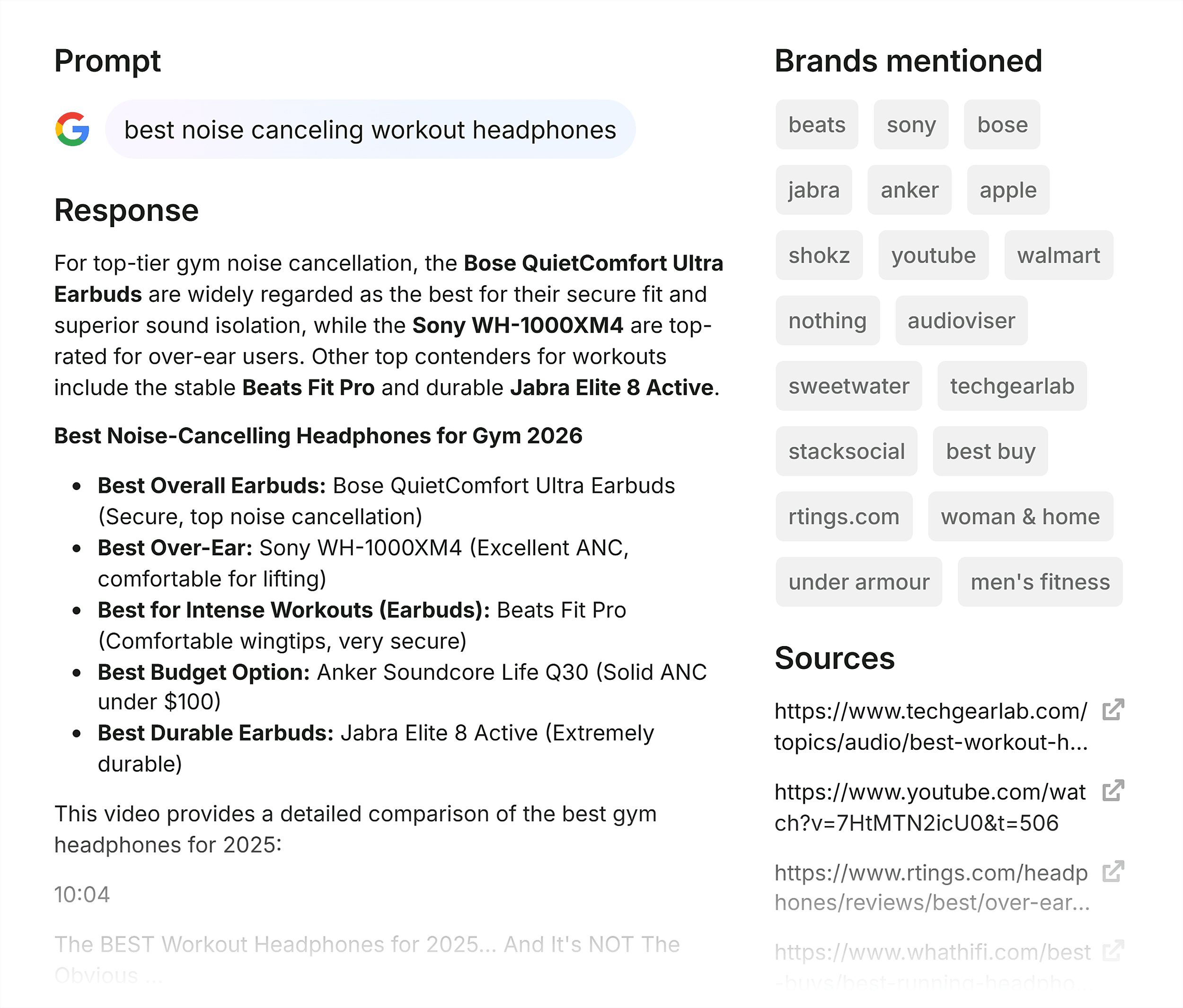
Step 6: Measure Performance Across AI Platforms
Because AI visibility varies significantly across different engines—such as ChatGPT, Perplexity, Claude, and Google AI Overviews—marketers must continuously track brand mentions, sentiment drivers, and citation sources. Utilizing automated visibility and sentiment tracking tools allows organizations to monitor shifts in AI discovery and adapt their strategies accordingly.
Platform-Specific Dynamics in AI Search
Different AI systems execute query fan-out through distinct architectural approaches, making a one-size-fits-all optimization strategy insufficient:
- ChatGPT: Frequently relies on internal training data for straightforward informational queries, but initiates live web searches and complex reasoning loops when confronted with fresh data, current events, or detailed product comparisons.
- Perplexity: Simultaneously runs internal contextual scans—evaluating prior conversation history and user constraints—alongside real-time web searches, necessitating highly self-contained and accurate content passages.
- Claude: Prioritizes clarifying user intent through interactive preference prompts before executing searches, resulting in fewer, highly targeted sub-queries that reward well-defined, specific use-case content.
- Google AI Overviews and AI Mode: Synthesize Google’s vast web index into concise, featured-snippet-style summaries or multi-part conversational threads, reinforcing the foundational importance of clear structural hierarchies, scannable formatting, and direct answers.
Fact-Based Analysis and Future Implications
The transition from keyword-driven search to conversational AI discovery represents one of the most profound structural shifts in the history of digital information retrieval. As query fan-out becomes the standard operational model for LLMs, the metrics governing online visibility are undergoing a permanent transformation.
Organizations that cling strictly to traditional SEO metrics risk declining visibility, even when maintaining top-tier rankings on legacy search engines. Conversely, brands that embrace a holistic, topic-based content strategy—focusing on comprehensive coverage, structured data, and machine-extractable formatting—will be uniquely positioned to capture high-intent audiences across the entire conversational search ecosystem.
Ultimately, query fan-out demonstrates that AI search does not simply look for the most popular page; it seeks the most complete, relevant, and accessible answer. Aligning content strategies with this reality is no longer optional for brands seeking sustainable digital discovery; it is an operational imperative.