Google integrates open-source marketing mix modeling into Analytics 360 to bridge the gap between data insights and strategic execution.

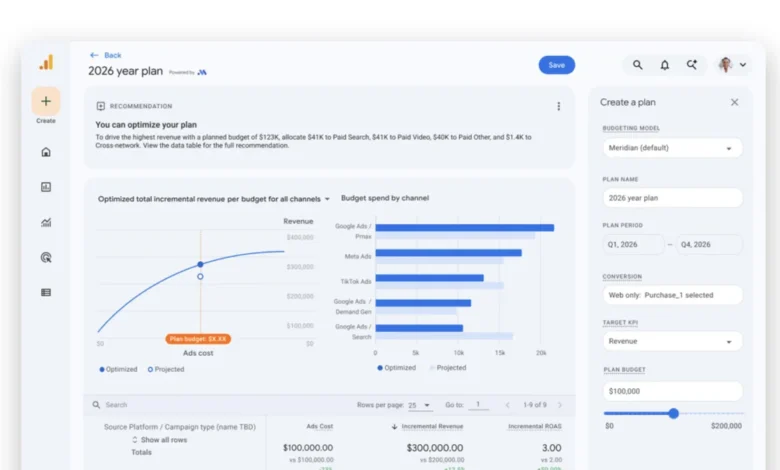
In the rapidly evolving landscape of digital marketing, the transition toward privacy-centric measurement has necessitated a fundamental shift in how organizations evaluate the efficacy of their advertising expenditures. As third-party cookies depreciate and regulatory frameworks tighten, marketers are increasingly looking for robust, privacy-safe methodologies to quantify return on investment (ROI). Google’s latest initiative to integrate its open-source Marketing Mix Model (MMM), known as Meridian, into the Google Analytics 360 ecosystem represents a strategic pivot toward providing brands with a holistic, data-driven framework for decision-making in the artificial intelligence era.
The Evolution of Marketing Measurement
For decades, the industry relied heavily on last-click attribution models, which provided a granular but ultimately incomplete view of the consumer journey. These models often failed to account for the complex, cross-channel interactions that precede a final purchase. The rise of sophisticated AI-driven models has allowed for more nuanced analysis, yet the challenge remains in synthesizing disparate data sources into a cohesive narrative.
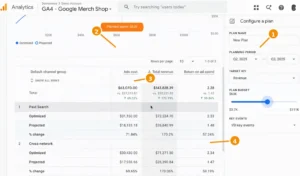
Meridian, Google’s open-source MMM framework, was designed to address this by allowing marketers to estimate the causal impact of their marketing efforts across various channels, even in environments where individual user tracking is restricted. By incorporating Meridian into Google Analytics 360, Google is essentially lowering the barrier to entry for advanced econometrics. This integration allows enterprise-level users to leverage historical performance data alongside sophisticated statistical modeling to forecast the impact of future budget allocations.
Chronology of Data-Driven Advertising
The trajectory toward this integration began several years ago as Google sought to reconcile its advertising infrastructure with the growing global emphasis on data privacy.
- 2021-2022: The Privacy Shift: As Apple’s App Tracking Transparency and the impending phase-out of third-party cookies in Chrome gained momentum, Google began investing heavily in privacy-preserving measurement technologies, such as the Privacy Sandbox.
- 2023: The Emergence of Meridian: Google introduced Meridian as an open-source solution, designed to provide a more transparent and flexible approach to MMM than traditional "black box" vendor solutions.
- Mid-2024: Gemini Integration: Google began weaving its generative AI capabilities, under the Gemini banner, into its advertising products, specifically targeting predictive modeling.
- Late 2024: The Integration Announcement: The announcement of the Meridian-Analytics 360 bridge signifies the next phase of this roadmap, focusing on the synthesis of predictive signals and historical performance.
Understanding Qualified Future Conversions (QFCs)
Beyond the integration of Meridian, the introduction of Qualified Future Conversions (QFCs) marks a significant advancement in how companies interpret upper-funnel activities. Traditional metrics often struggle to capture the value of brand-building exercises that do not result in an immediate sale. QFCs, powered by Gemini, utilize predictive modeling to link early-stage engagement—such as brand searches and high-intent site visits—to long-term revenue outcomes.
By utilizing these signals, marketers can better justify investments in awareness campaigns that were previously dismissed for failing to meet direct-response ROI benchmarks. For instance, an increase in branded search queries often serves as a leading indicator of increased market penetration, even if the conversion occurs weeks or months later. Integrating these signals into the broader marketing mix model allows for a more accurate calibration of media spend across the entire funnel.
Data-Backed Perspectives on MMM
The demand for these tools is supported by shifting industry trends. According to recent industry surveys, nearly 70% of enterprise marketers report that their current measurement tools do not provide a clear view of how cross-channel investments influence long-term growth. Furthermore, firms that utilize advanced econometric modeling alongside traditional attribution see, on average, a 10% to 15% improvement in media efficiency.
The professional consensus among data scientists and marketing analysts is that MMM is not a replacement for event-level measurement, but rather a necessary complement. "The future of measurement is hybrid," notes one industry analyst. "It is the combination of deterministic data from logged-in users and probabilistic modeling from MMM that provides the most accurate view of performance."
Implications for Enterprise Strategy
The implications for brands using Google Analytics 360 are twofold: increased confidence in budget allocation and a reduced reliance on manual data reconciliation. By automating the pipeline between Google Ads data and Meridian models, teams can shift their focus from data engineering to strategic planning.
However, the adoption of these tools requires a high level of data maturity. Organizations must ensure that their historical data is clean, consistent, and granular enough to feed into a statistical model. The integration also necessitates a cultural shift, where leadership must be willing to trust predictive models that may suggest reallocating funds away from high-performing, short-term channels toward longer-term brand-building initiatives.
Addressing the Challenges of AI-Driven Measurement
While the promise of automated, AI-powered measurement is significant, it is not without challenges. Critics of AI-heavy measurement often point to the risk of "model drift" or the potential for bias in the underlying training data. Google’s commitment to an open-source approach with Meridian is intended to mitigate these concerns by allowing third-party auditors and internal data teams to inspect the logic behind the models.
Transparency is crucial for adoption. By making the methodology behind Meridian public, Google invites the academic and professional communities to validate its efficacy. This is a departure from historical practices where measurement methodologies were proprietary and obscured.
Future Outlook and Strategic Recommendations
As Google continues to roll out these updates, enterprise organizations should consider a multi-stage implementation strategy:
- Audit Historical Data: Before integrating with Meridian, teams should perform a comprehensive audit of their data architecture to ensure all touchpoints—both online and offline—are being captured accurately within Google Analytics 360.
- Establish Baseline Metrics: Teams should establish a baseline of their current performance using existing attribution models to compare against the insights provided by the new MMM integration.
- Invest in Internal Expertise: Despite the automation offered by Gemini and Meridian, the interpretation of the output requires expertise in statistical analysis. Upskilling internal marketing teams in data literacy will be a competitive differentiator.
- Cross-Functional Alignment: Marketing teams must ensure that their finance and sales departments are aligned on the definitions of "qualified" conversions, particularly as the business begins to rely on predictive signals like QFCs.
Conclusion: A New Standard for Marketing Performance
The integration of Meridian into Google Analytics 360, complemented by the predictive power of Qualified Future Conversions, represents a maturation of the digital marketing ecosystem. It acknowledges that the era of simplistic, single-source measurement has passed and that the future belongs to those who can synthesize complex datasets into actionable business intelligence.
As brands move into the next fiscal year, the ability to demonstrate the long-term impact of marketing investment will be paramount. By leveraging these tools, marketers are better positioned to move beyond the short-term pressures of immediate ROI and toward a more sustainable model of growth—one that accounts for the nuances of consumer behavior and the evolving nature of the digital economy. While the technology provides the foundation, the ultimate success of these tools will depend on the ability of human decision-makers to interpret the signals, understand the limitations of their models, and act with the precision that the AI era demands.