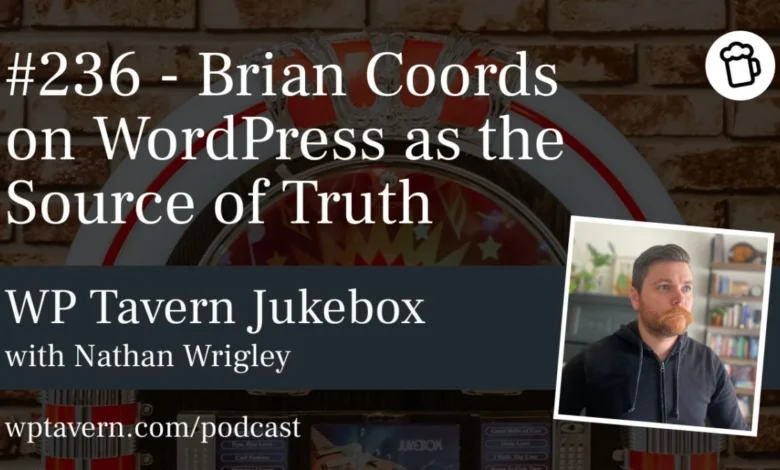
In an era defined by rapid technological disruption, the WordPress ecosystem is currently navigating a pivotal transition. As artificial intelligence (AI) tools become increasingly sophisticated, the traditional methodologies used by agencies to build and maintain web projects are being challenged. At the recent WordCamp US, Brian Coords, a developer advocate at WooCommerce, addressed these seismic shifts, arguing that WordPress remains a uniquely stable foundation in an otherwise volatile digital landscape. His presentation, titled The Site is the Source of Truth: Block Themes, AI, and Agency Workflows, posited that by leveraging block-based architecture, agencies can create a reliable, centralized system that serves as a permanent repository for design, content, and brand integrity—a necessity in the age of generative AI.
The Evolution of WordPress Agency Workflows
For over two decades, WordPress has evolved from a simple blogging platform into a versatile content management system (CMS) that powers over 40% of the internet. During this period, the agency model—where developers and designers collaborate to build complex, bespoke digital experiences for clients—has relied on a mix of PHP-based templates, custom plugins, and external assets like Figma design files and Google-hosted documentation.
Historically, these projects often suffered from "fragmentation," where design tokens, brand guidelines, and technical specifications lived in disparate tools, making long-term maintenance and scaling difficult. The emergence of AI, while promising efficiency, has exacerbated this issue. Agencies experimenting with AI to generate landing pages or code often find that without a centralized system of record, AI outputs lack consistency, resulting in a fractured brand identity and technical debt.
The Core Premise: The Site as a Single Source of Truth
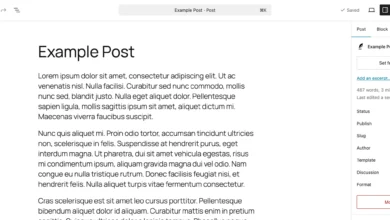
The central thesis of Coords’ argument is that WordPress should move beyond being a mere publishing tool. Instead, it should function as the "source of truth" for all organizational workflows. By embedding approved patterns, templates, and content guidelines directly into the WordPress site—often via the Gutenberg block editor—agencies can provide AI agents with a constrained, high-quality knowledge base.
This approach shifts the role of the developer from manual coder to architect of these systems. By pre-defining design tokens, typography, and reusable block patterns within the theme, an agency ensures that when an AI or a new human developer builds a page, they are working within a predefined set of guardrails. This minimizes the risk of "runaway AI," where generative tools produce designs that deviate from the client’s established visual language or functional requirements.
Block Themes and the Path to Resilience
The transition to block themes represents a fundamental shift in how WordPress sites are structured. Unlike classic themes, which often relied on complex PHP hierarchies and third-party page builders, block themes utilize the native block editor to control every aspect of a site’s layout. Despite initial skepticism and a slower-than-anticipated adoption rate among some legacy agencies, the long-term benefits are becoming increasingly clear.
One of the primary advantages cited by industry experts is the reduction of "plugin sprawl." In traditional setups, common features—such as header customization, product carousels, or mini-carts—often required individual plugins. Each additional plugin introduces a new dependency, a potential security vulnerability, and a performance overhead. Coords notes that by moving these functionalities into the core block system, sites become significantly more resilient. A site that relies on fewer plugins is easier to update, test, and maintain, which is a critical consideration for e-commerce platforms where downtime directly equates to lost revenue.
E-commerce and the Stability of the WooCommerce Ecosystem
Within the WordPress ecosystem, WooCommerce occupies a unique position. Because it handles sensitive financial transactions and inventory management, it demands a higher degree of stability than standard brochure sites. Coords emphasizes that while brochure-style sites face existential competition from new static site builders and AI-driven platforms, e-commerce stores require a robust, database-backed infrastructure that offers consistent reliability.
The strategy for WooCommerce moving forward is to consolidate core features. By integrating functionality that was previously found in secondary plugins directly into the WooCommerce core, the platform aims to provide a "cleaner" experience for merchants. This move, while occasionally creating friction with third-party extension developers, is seen as essential for the long-term viability of the platform. By reducing the reliance on a vast ecosystem of small, potentially unstable plugins, WooCommerce is positioning itself as a secure, enterprise-grade solution that can survive market shifts.
The Human Element in the Age of Automation
A significant portion of the discourse surrounding AI in web development focuses on automation. However, there is a growing consensus that "human-in-the-loop" systems are superior for high-stakes projects. While AI can draft copy or generate basic CSS, the nuance of brand voice, strategic design, and complex integration remains a human endeavor.
The industry is seeing a "pendulum swing" regarding content creation. After a brief period where organizations experimented with fully automated, AI-generated content, many are returning to human-led editorial processes. The value of human-written content—provably original and aligned with a specific cultural context—is increasing in a market saturated with AI-generated noise. Agencies that can prove their processes are human-led, while utilizing AI only for support tasks, are finding a competitive marketing edge.
The Future of Agency Operations
Looking ahead, the role of the agency will likely shift from building one-off websites to creating "design systems" that happen to be hosted on WordPress. This shift addresses the fundamental problem of scalability. By creating a standardized block library for a client, an agency provides them with the tools to manage their own content without compromising the structural integrity of the site.
This framework also prepares agencies for a future where interaction models may change. Whether through traditional screens or future voice and agent-based interfaces, having a centralized, structured source of truth ensures that the brand remains consistent regardless of the delivery mechanism.
Data and Market Implications
Current market analysis indicates that WordPress continues to command the largest market share among CMS platforms, largely due to its adaptability. However, the rise of "headless" architectures and static site generators (SSGs) like Astro or Next.js has challenged this dominance, particularly for developers who prioritize performance and modern developer experiences (DX).
The push toward block themes is, in many ways, an effort to bridge this gap. By providing a modern, block-based editing experience, WordPress aims to retain the developers who might otherwise migrate to JavaScript-based frameworks. If successful, this evolution will allow WordPress to remain the default choice for both enterprise-level commerce and creative professional websites.
Conclusion
The argument presented by industry leaders like Brian Coords is not that AI is an enemy of the web development profession, but rather that it is a tool that requires discipline. By re-establishing WordPress as the definitive source of truth, agencies can reclaim control over their workflows and ensure that their projects remain sustainable, secure, and brand-consistent.
As the industry moves toward 2025 and beyond, the success of WordPress will likely depend on its ability to offer a "home" for web projects—a place where businesses can log in, see their data, manage their commerce, and trust the underlying architecture. While AI will undoubtedly play a role in the construction and maintenance of these sites, the fundamental requirement for a reliable, human-managed repository remains. In a world of increasing digital transience, the stability of a well-architected WordPress site may prove to be its most enduring competitive advantage.