Archiving the Digital Frontier: The Evolution of Media Downloading and the Rise of yt-dlp

The ability to download media on the internet almost feels like a lost art. In the early 2000s, the digital landscape was defined by peer-to-peer (P2P) file-sharing networks such as Napster, Kazaa, and LimeWire. These platforms democratized access to music and video files, fundamentally altering the relationship between media producers and consumers. However, as the digital rights management (DRM) era ushered in a paradigm of walled gardens and streaming-only access, the act of retaining local copies of media has become increasingly complex. Today, sophisticated technologies such as blob URLs and encrypted streaming protocols are employed by major platforms to restrict offline access, necessitating a new generation of open-source tools to ensure information longevity and personal data sovereignty.
A Chronology of Digital Acquisition
The evolution of internet media downloading can be traced through distinct technological eras. In the late 1990s and early 2000s, the rise of the MP3 format and the availability of broadband internet enabled the first wave of mass file sharing. Platforms like Napster, launched in 1999, utilized centralized servers to index files, while later iterations like Gnutella and BitTorrent decentralized the process, making it significantly harder for copyright holders to shut down the networks entirely.
By the mid-2000s, the industry shifted toward legal, subscription-based models. Apple’s iTunes Store, followed by the rise of streaming platforms like Spotify and YouTube, prioritized convenience and licensing over ownership. As these platforms gained market dominance, they implemented technical measures to prevent users from downloading content directly. Browser-based security features, such as the implementation of Blob URLs (Binary Large Objects), effectively hide the source media files from standard download managers, creating a barrier that remains largely impenetrable to the average internet user.

The Emergence of yt-dlp as a Standard
In response to the tightening of digital access, the open-source community developed command-line tools to circumvent these restrictions. For years, the project known as youtube-dl served as the industry standard for extracting media from thousands of websites. However, as YouTube updated its backend infrastructure—specifically regarding how it serves video segments and manages adaptive bitrate streaming—the original project faced maintenance challenges and increased scrutiny.
Enter yt-dlp, a fork of the original youtube-dl, which has rapidly become the successor to the throne. Unlike its predecessor, yt-dlp benefits from a more active development cycle, allowing it to patch issues caused by platform updates almost in real-time. It supports a vast array of sites and provides granular control over the download process, ranging from resolution selection to metadata embedding.
For users seeking to download an entire channel for archival or offline purposes, the command syntax remains straightforward:
yt-dlp https://www.youtube.com/@channelname
For those prioritizing storage efficiency or audio-only access—common among users archiving podcasts or educational lectures—the tool allows for stream extraction and post-processing:
yt-dlp -x --audio-format mp3 https://www.youtube.com/@channelname
Supporting Data and Usage Patterns
The necessity for such tools is underscored by the fragility of digital content. According to data from the Internet Archive, the average lifespan of a webpage is approximately 100 days. While high-traffic platforms like YouTube are more resilient, they remain subject to content removal policies, copyright strikes, and channel deletions.
A study on digital preservation suggests that a significant percentage of historical cultural data is currently locked behind proprietary platforms. If a user loses internet access or a service provider undergoes a server outage, the lack of local copies results in a temporary or permanent loss of information. Furthermore, the rise of "link rot"—where URLs no longer point to the intended content—has made the proactive downloading of essential media a best practice for researchers, journalists, and educators.
Official Perspectives and Legal Implications
The legality of downloading content from platforms like YouTube exists in a complex gray area. While the YouTube Terms of Service explicitly prohibit downloading content without a "download" button or link displayed by the service, legal experts often distinguish between personal use and unauthorized redistribution.
From a corporate perspective, platforms maintain strict controls over content to protect intellectual property and satisfy advertiser requirements. By restricting downloads, platforms can force users to stay within their ecosystem, where they can be served targeted advertisements and tracked for data harvesting. Conversely, digital rights advocacy groups, such as the Electronic Frontier Foundation (EFF), have frequently argued for the importance of format shifting and fair use, noting that users should have the right to access content they have already consumed in a way that suits their specific technical needs.

Broader Impact and the Archival Imperative
The implications of these downloading capabilities extend far beyond personal convenience. They are a critical component of the "digital dark age" mitigation strategy. History has shown that centralized platforms are prone to sudden changes in policy or technical failure. When a channel is deleted or a platform ceases operations, the intellectual output of creators and contributors can vanish instantly.
For researchers, the ability to use tools like yt-dlp to scrape and archive specific datasets, documentaries, or historical footage is invaluable. By downloading high-quality versions of these files, researchers ensure that they are not dependent on the whims of platform algorithms or potential censorship.
Furthermore, the pedagogical benefits are significant. Educators often rely on video content to illustrate complex concepts. Having a local copy of a lecture or a technical demonstration ensures that a classroom lesson is not interrupted by buffering issues, geo-blocking, or unexpected video removal. As we move toward an increasingly digital-first educational model, the ability to control one’s own media library is becoming a fundamental aspect of digital literacy.
Future Outlook: Navigating a Closed Internet
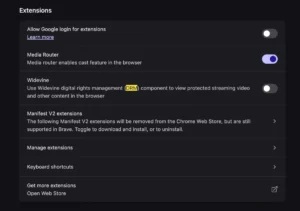
As platforms continue to experiment with more advanced DRM—such as Encrypted Media Extensions (EME) and stricter browser-based security—the technical arms race between platforms and open-source developers is expected to intensify. While tools like yt-dlp provide a robust defense against information loss today, future developments may require even more sophisticated methods of acquisition.

The shift from ownership to access has been the defining trend of the last two decades. However, the resurgence of interest in local media libraries suggests a growing public awareness of the risks associated with this transition. The "lost art" of downloading is, in reality, a form of digital stewardship. By utilizing tools that provide transparent access to information, users are taking active steps to preserve the vast wealth of human knowledge stored on platforms that might not exist in their current form in the coming decades.
In conclusion, while the digital environment has moved toward restrictive, streaming-only interfaces, the technical infrastructure for maintaining local archives remains available to those who know how to utilize it. The rise of yt-dlp as a community-driven, highly efficient utility marks a continued commitment to the principles of open access and data permanence. Whether for the purpose of travel, long-form study, or simply the desire to own the media one consumes, the practice of archiving remains a vital component of internet engagement. As we look toward the future, the ability to curate, store, and access information independently will likely remain one of the most essential skills for any serious participant in the digital age. Maintaining this capability is not merely about convenience; it is about ensuring that the history of the web—and the knowledge it holds—remains accessible to future generations, regardless of the policies of the platforms that host it today.