The rapid integration of artificial intelligence into the cybersecurity landscape has triggered an unprecedented surge in vulnerability reports, fundamentally altering the security operations of the WordPress ecosystem. With WordPress powering a significant portion of the global web, the project has transitioned from a traditional reactive security model to an aggressive, AI-augmented defense strategy. In 2026, the volume of security reports targeting the platform reached a critical inflection point, with total reports in a single year eclipsing the combined data of the previous 12 years. This shift represents a paradigm change in how open-source projects must identify, triage, and remediate threats in an era where automated tools empower bad actors to exploit systems at an industrial scale.
The Evolution of the Threat Landscape
For over a decade, the WordPress security program maintained a relatively stable rhythm, typically receiving between 20 and 30 vulnerability reports per month. However, the emergence of advanced, accessible artificial intelligence models in late 2025 and early 2026 disrupted this equilibrium. By July 2026, the number of reports surged to 450, followed by a dramatic spike to 773 in August alone. This influx is largely attributed to the low barrier to entry for AI-assisted vulnerability research. Where once the discovery of complex exploits required years of specialized training and manual code analysis, current AI tools allow users with minimal experience to generate, test, and chain vulnerabilities with unprecedented efficiency.
This evolution has forced security teams to reconsider the definition of a "high-severity" vulnerability. Historically, security teams focused on isolated critical bugs. Today, AI allows attackers to chain multiple low-severity issues—often ignored in previous years—to create complex, high-impact remote code execution (RCE) scenarios. A notable example of this trend was the "wp2shell" incident, where a sophisticated chain of vulnerabilities resulted in a pre-authentication RCE, demonstrating that the cumulative effect of minor bugs now poses a systemic risk to the platform.
The Core Security Initiative: A Three-Pronged Strategy
In response to this tidal wave of threats, Automattic and the broader WordPress Core Security Team have launched a comprehensive, three-pronged Core Security Initiative. This strategy is designed to modernize the release process, clear historical backlogs, and leverage offensive AI tactics to preemptively identify flaws.
The first pillar of this initiative focuses on the release process itself. Recognizing that the old methods of manual patching were insufficient for the current velocity of attacks, the team has overhauled its release infrastructure. By incorporating advanced automation, the project has successfully shipped multiple security releases in rapid succession—most notably four major security updates within a 41-day window in late 2026. This operational agility is critical to minimizing the "window of exposure" between the discovery of a vulnerability and the deployment of a patch.
The second pillar addresses the massive backlog of reports. By implementing more rigorous triage standards, the team has filtered out noise while focusing resources on "pre-auth" vulnerabilities—those that do not require administrative access. This approach ensures that human researchers and automated systems spend their limited cycles on the threats that pose the greatest risk to site integrity.
The third and most significant pillar is the development of an agentic, AI-driven triaging system. This system automates the verification of security reports by reading source code and attempting to reproduce exploits in isolated, secure sandboxes. This technology reduces the manual labor required by security researchers by approximately 20-fold, allowing them to focus on high-level analysis and strategic defense rather than the repetitive "busy work" of reproduction.
Bridging Physical and Cyber Defense
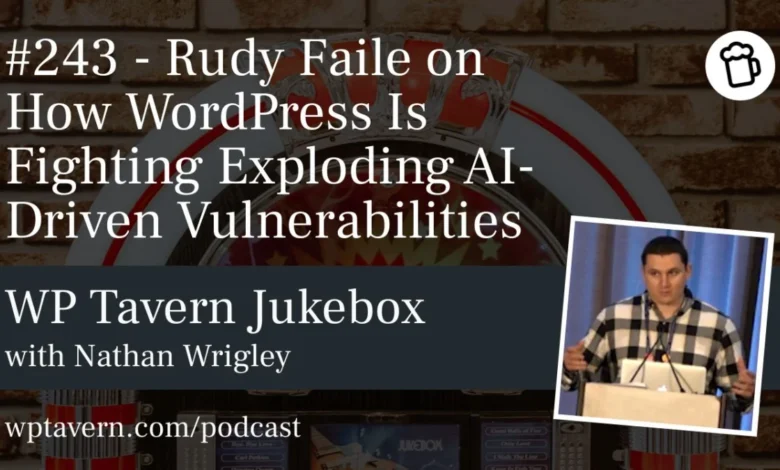
The strategic shift at WordPress is informed by a synthesis of traditional security disciplines. Rudy Faile, who leads security operations at Automattic, brings nearly a decade of experience from the United States Navy, where he served in force protection and military investigation roles. The application of military principles—such as "defense in depth" and strict standard operating procedures—to the digital realm provides a unique perspective on modern web security.
In this model, the internet is treated similarly to a physical asset requiring constant vigilance. Just as military force protection focuses on identifying adversaries before they can reach a target, the WordPress security team is moving toward a more proactive, offensive stance. By deploying their own AI agents to scan the WordPress codebase, the team aims to find and remediate vulnerabilities before malicious actors can exploit them. This "patch the planet" philosophy marks a transition from simply reacting to bugs to actively hardening the ecosystem against future automated assaults.
The Broader Implications for the Digital Economy
The challenges facing WordPress are not unique to the platform; they are representative of a broader systemic risk facing all software stacks, from Ruby on Rails to the Linux kernel. The democratization of exploit generation has created an environment where foundational internet protocols are increasingly scrutinized by automated systems. The risk is no longer limited to individual website defacement; it extends to the potential for large-scale, coordinated outages that could disrupt logistics, supply chains, and critical infrastructure.
As seen in recent events, such as the disruption of commercial refrigeration systems due to basic credential vulnerabilities, the "Internet of Things" (IoT) has expanded the attack surface for global commerce. If these vulnerabilities are scaled via AI, the result could be a widespread, systemic societal disruption. Consequently, the conversation around security is shifting from a technical necessity to a central value proposition.
Security as a Competitive Advantage
In the coming years, security posture is expected to become the primary differentiator for plugin developers, hosting providers, and software vendors. For businesses relying on the WordPress ecosystem, the traditional focus on features and pricing is likely to be superseded by trust and security credentials. Developers who can demonstrate rigorous security audits—potentially utilizing advanced tools like AI-driven scanning programs provided by frontier AI vendors—will likely gain a significant market advantage.
This shift underscores a reality that many in the technology sector are only beginning to accept: the era of "set it and forget it" software is over. The requirement for continuous, automated monitoring and rapid patch cycles is now the baseline for any project with a significant install base.
The Human Element in an AI-Driven Future
Despite the reliance on automation, the human element remains a cornerstone of the WordPress security strategy. There is a broad consensus that while AI is adept at finding patterns and writing boilerplate code, it cannot replace the nuanced, critical judgment of experienced security researchers. Every patch and every automated decision is still subject to human review to ensure accuracy and prevent regression.
As the industry looks toward 2027 and beyond, the focus remains on resilience. The goal is not necessarily to reach a state of "perfect" software, which may be mathematically impossible given the complexity of modern code, but to create a system that is sufficiently robust to survive the initial impact of any new, AI-driven exploit.
The lessons learned in the current crisis are clear: security must be integrated into the foundation of the development lifecycle, not treated as an afterthought. For the millions of users and developers relying on WordPress, the ongoing commitment to this defensive posture is the primary safeguard against the escalating threats of the digital age. As the arms race between defensive and offensive agents continues to accelerate, the project’s ability to adapt its infrastructure and leverage its massive community of contributors will define its success in an increasingly hostile online environment. The path forward involves a delicate balance of embracing technological innovation while maintaining the rigorous, human-centric oversight that has kept the WordPress ecosystem operational for over two decades.