Why Brand Mentions Are the New Backlinks for Google and AI Search Engines

In the modern landscape of digital discovery, having an impeccably designed website, exceptional content, and a frictionless user experience no longer guarantees visibility. As search engines like Google and generative artificial intelligence tools like OpenAI’s ChatGPT evolve, their algorithms are shifting away from evaluating a website in isolation. Instead, these systems aggregate data across the entire web to assess third-party credibility, sentiment, and entity authority.
This fundamental evolution in search architecture means that what external, credible sources communicate about a brand dictates whether it will rank on a search engine results page (SERP) or be recommended in an AI conversational interface. Every verified mention by an established publication, a specialized community forum, or a recognized industry expert directly contributes to an enterprise’s digital footprint.
Understanding Brand Mentions: Linked Versus Unlinked References
A brand mention occurs whenever a third party references a company, product, or executive online. These references generally fall into two distinct categories: linked mentions and unlinked mentions.
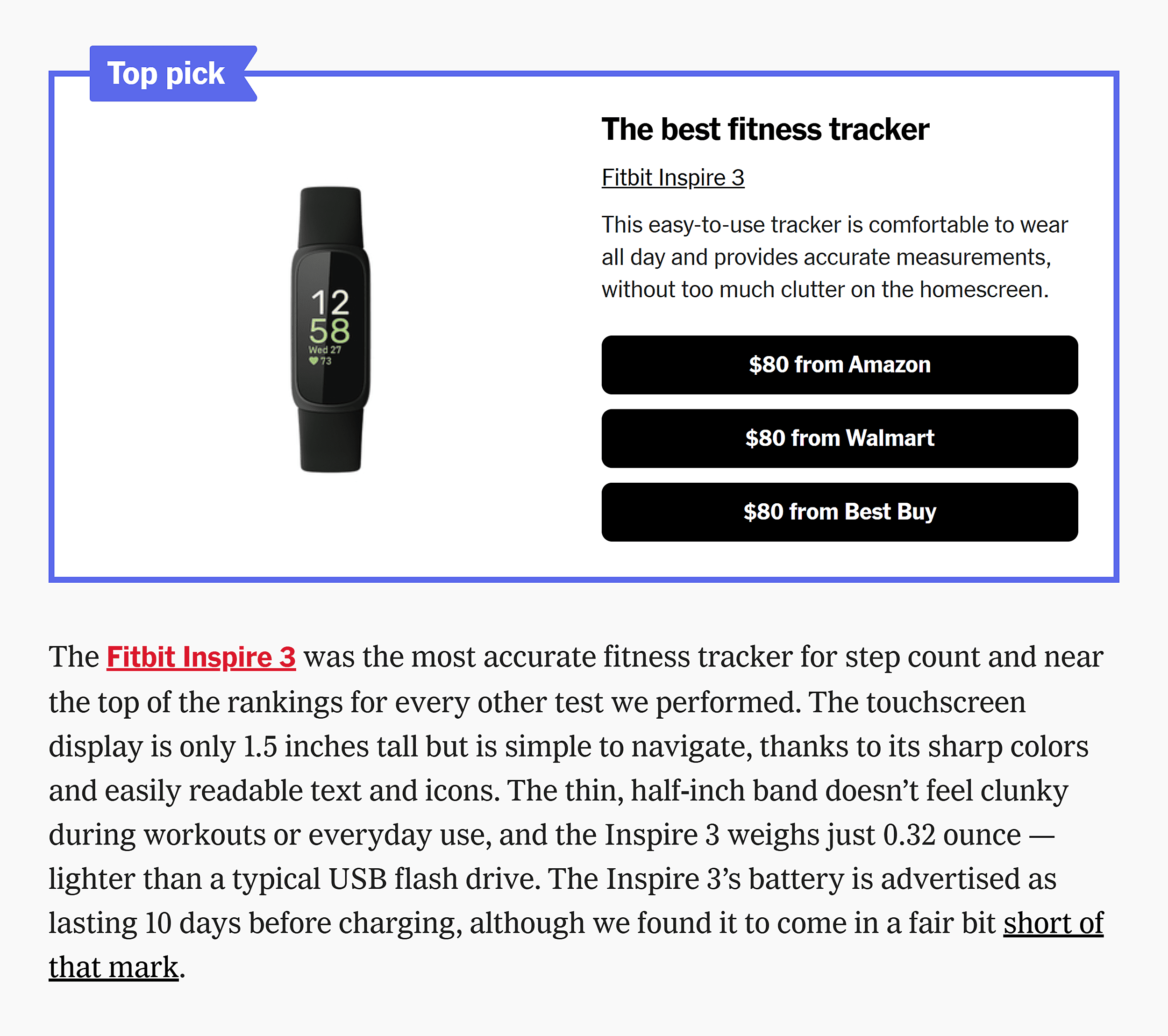
Linked mentions include both the brand name and a direct, clickable hyperlink routing traffic back to the corporate domain. For example, a major financial or technology publication reviewing the best SaaS tools of the year might reference a company and provide a direct hyperlink to its product page. These references pass "link equity" or "authority" from the host domain to the target domain, while simultaneously driving direct referral traffic.

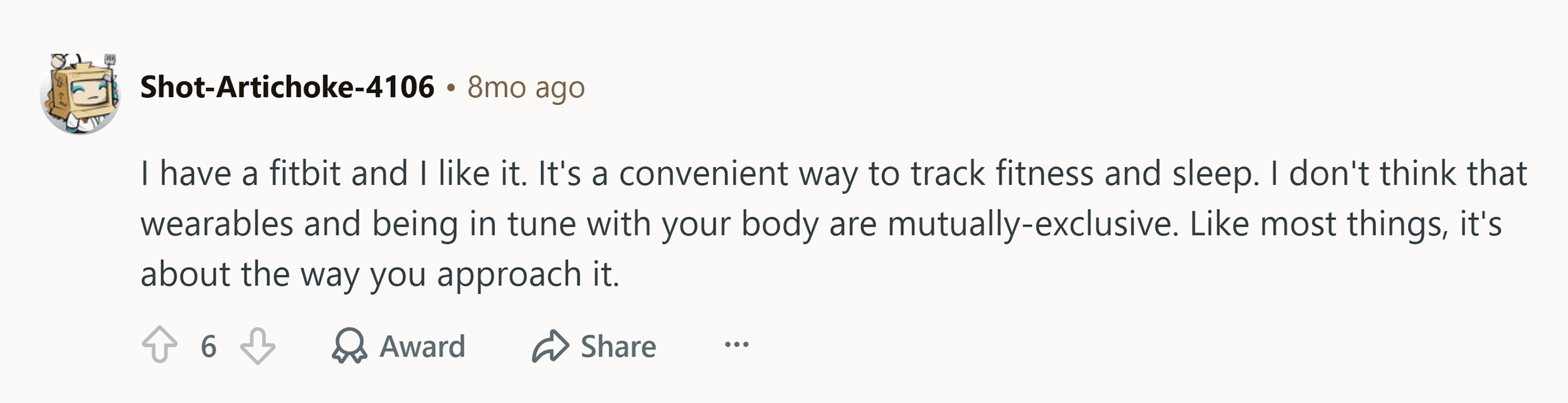
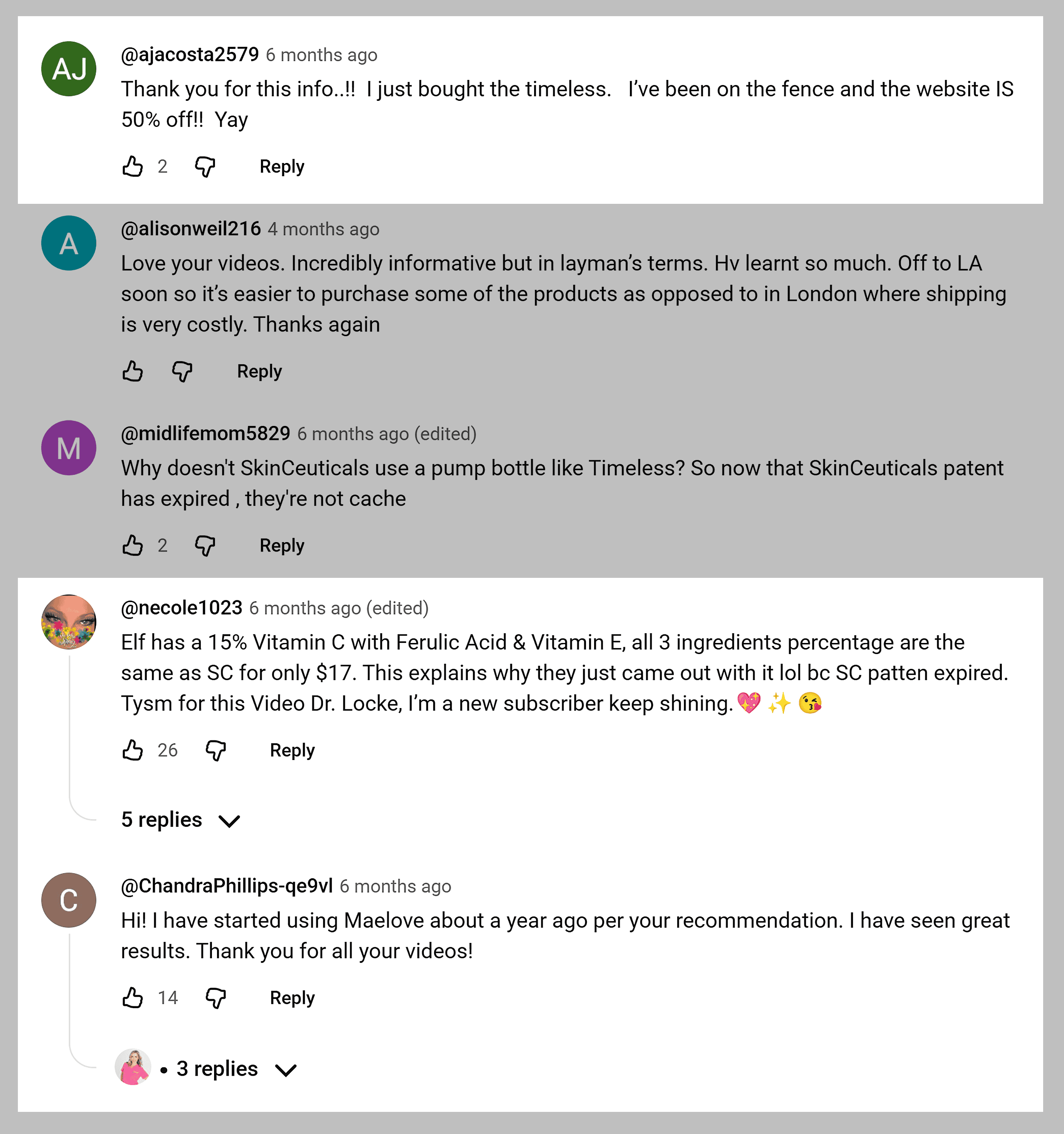
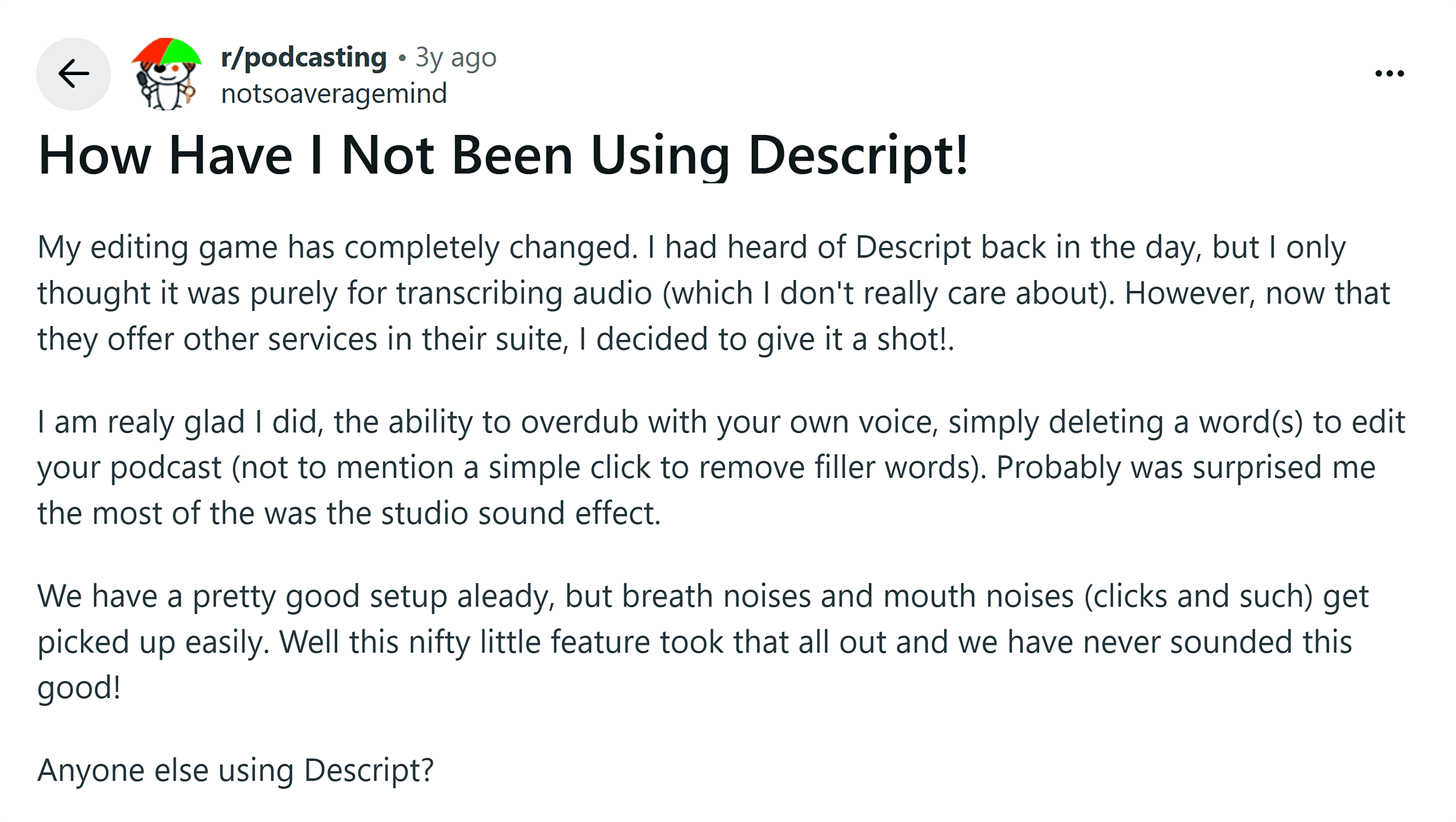
Conversely, unlinked mentions reference the brand name without an embedded hyperlink. These frequently occur on high-engagement community platforms, social networks, and user-generated content sites like Reddit or Quora. While unlinked mentions do not pass direct referral traffic or traditional PageRank, they are vital for establishing brand context. Modern AI models and semantic search engines parse these text strings to understand consumer sentiment, use cases, and industry associations, making unlinked mentions equally valuable for holistic digital visibility.
The Divergence Between Web Mentions and LLM Mentions
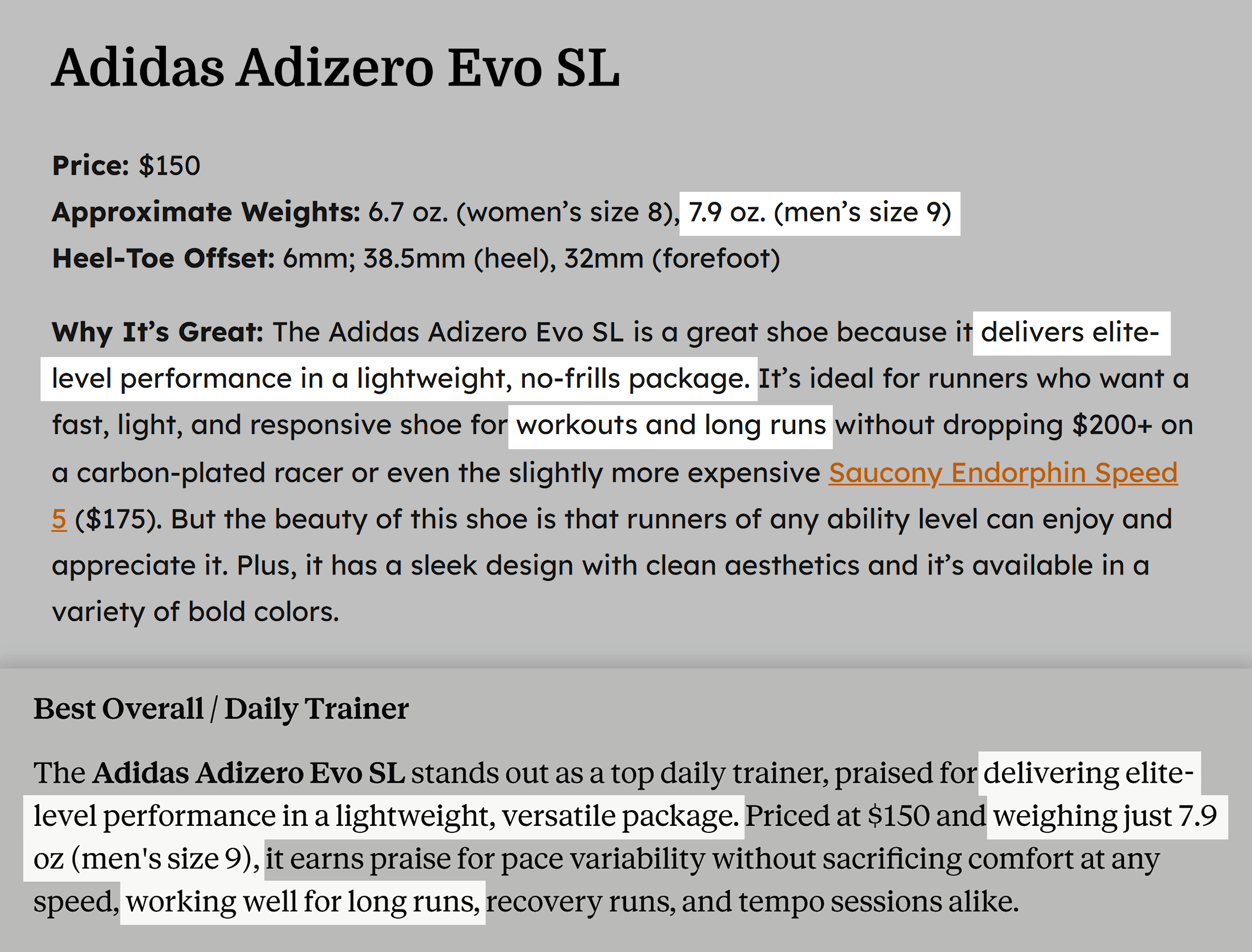
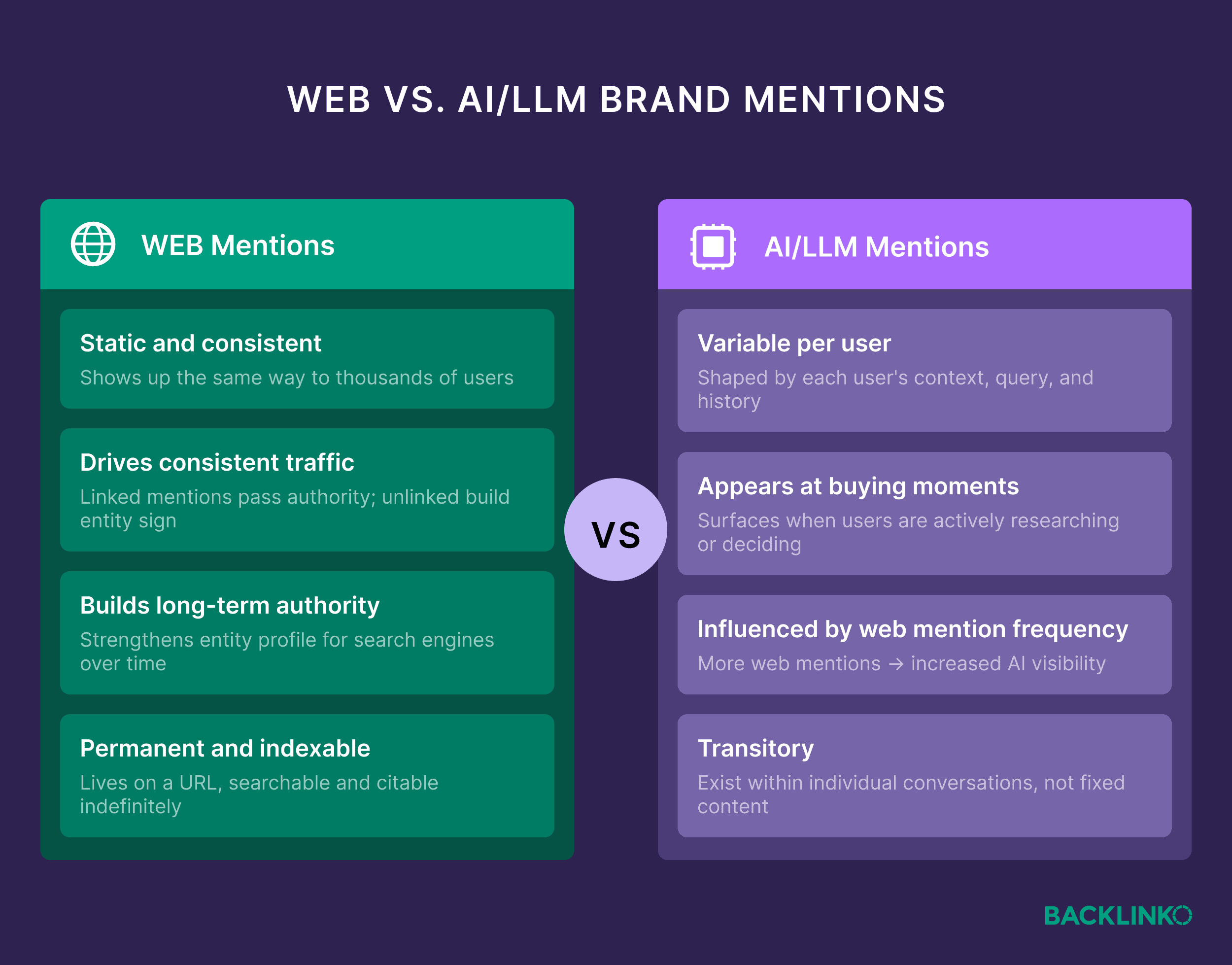
A critical distinction exists between traditional web-based brand mentions and those generated by Large Language Models (LLMs). When a user poses a query to an LLM, the resulting response is dynamic, personalized, and ephemeral. The specific brand recommendation provided by an AI chatbot is influenced by the user’s conversational history, contextual prompts, and real-time retrieval-augmented generation (RAG) parameters. Furthermore, that precise conversational output typically exists only within that isolated user session.
In contrast, traditional web mentions are static and permanent. An article published in an industry journal appears identically to thousands of unique visitors over months or years. Securing widespread, consistent web mentions serves as the foundational input mechanism required to eventually earn visibility within AI-driven search recommendations.
The Macroeconomic Shift: Why Brand Mentions Matter Now More Than Ever
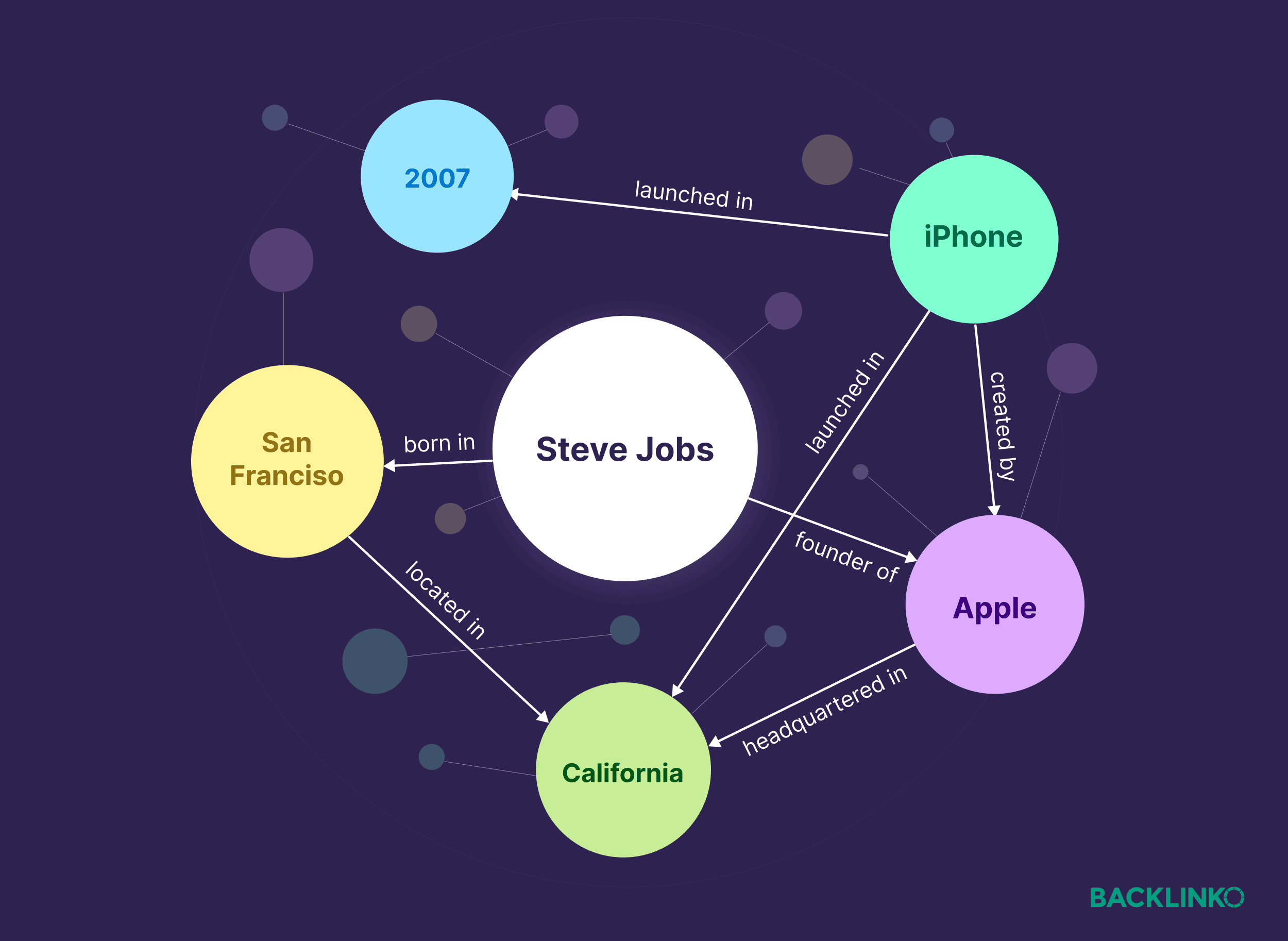
The digital marketing and search optimization sectors have observed a marked transition in algorithmic weighting. Search engines no longer rely solely on on-page metadata and traditional backlink profiles; they construct robust "entity profiles" within expansive architectures such as the Google Knowledge Graph.
The Knowledge Graph is a massive semantic database that maps relationships between real-world entities, including people, organizations, locations, and concepts. By continuously analyzing brand mentions across diverse, trusted sources, search engines validate the legitimacy, scale, and topical relevance of a business. Consistent, high-authority mentions signal to algorithms that a brand is a recognized entity within its specific vertical, reducing the likelihood of algorithmic penalties or invisibility.
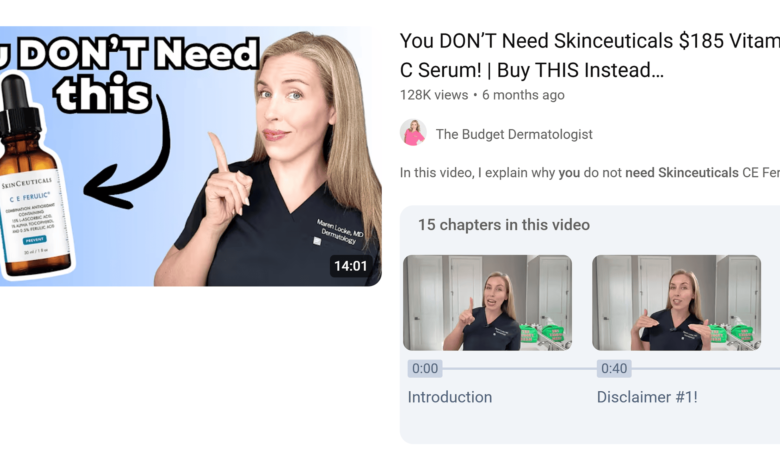
Furthermore, brand mentions expand audience acquisition beyond active search intent. When a prominent industry publication or YouTube creator features a brand as an alternative to an established market leader, the business is exposed to passive consumers who may not have been actively searching for its specific solution.
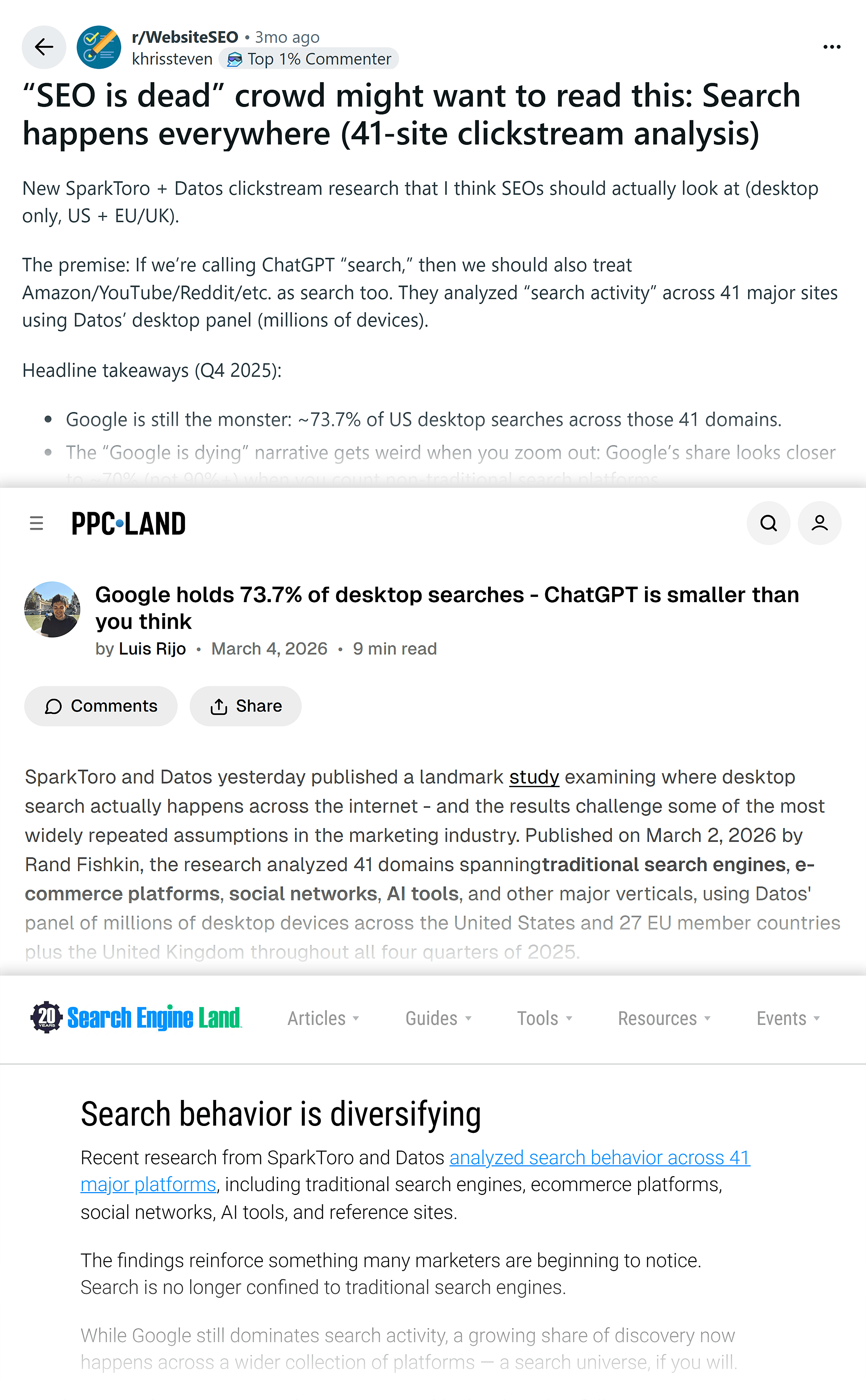
Core Attributes of a High-Value Brand Mention
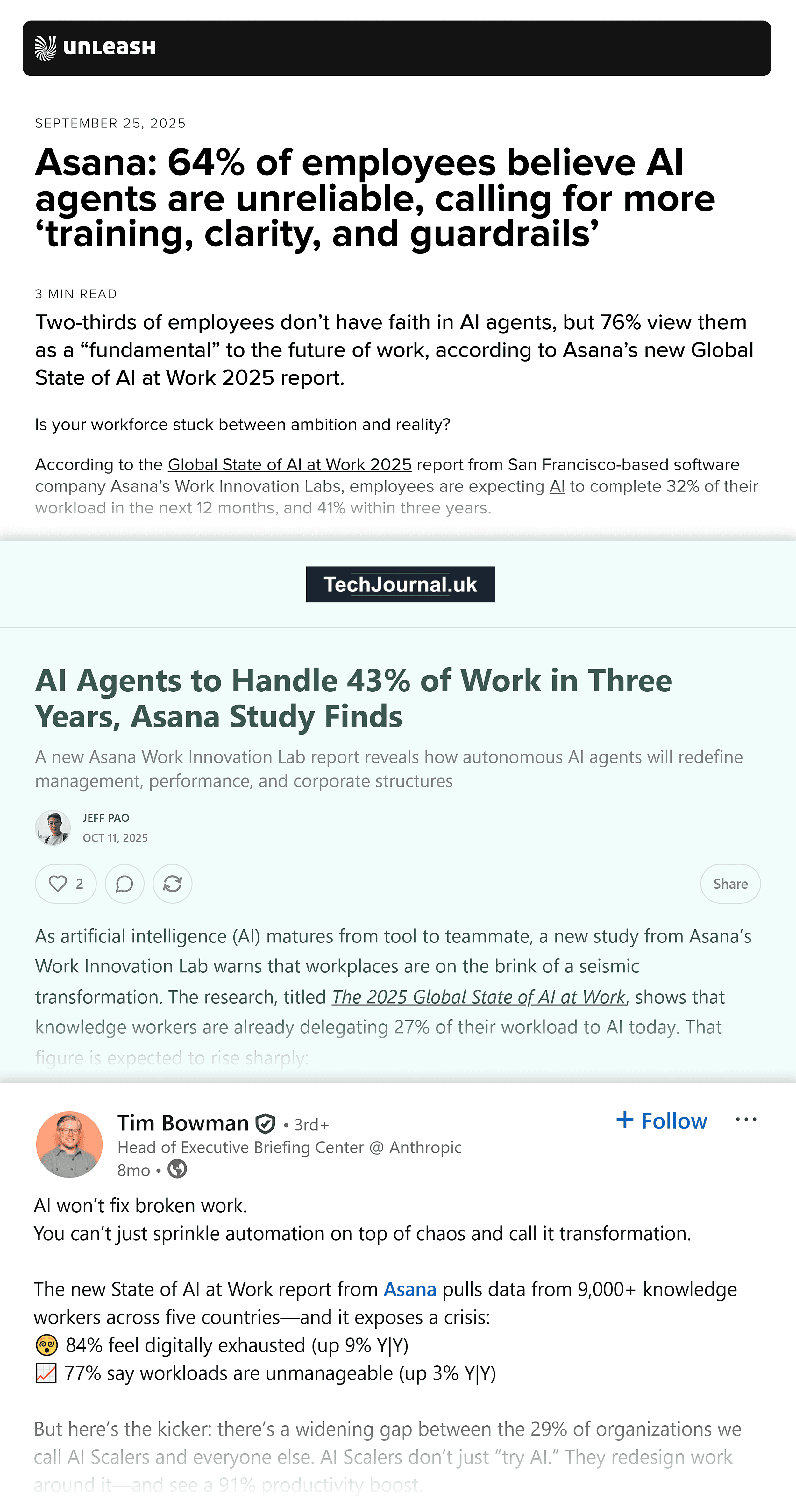
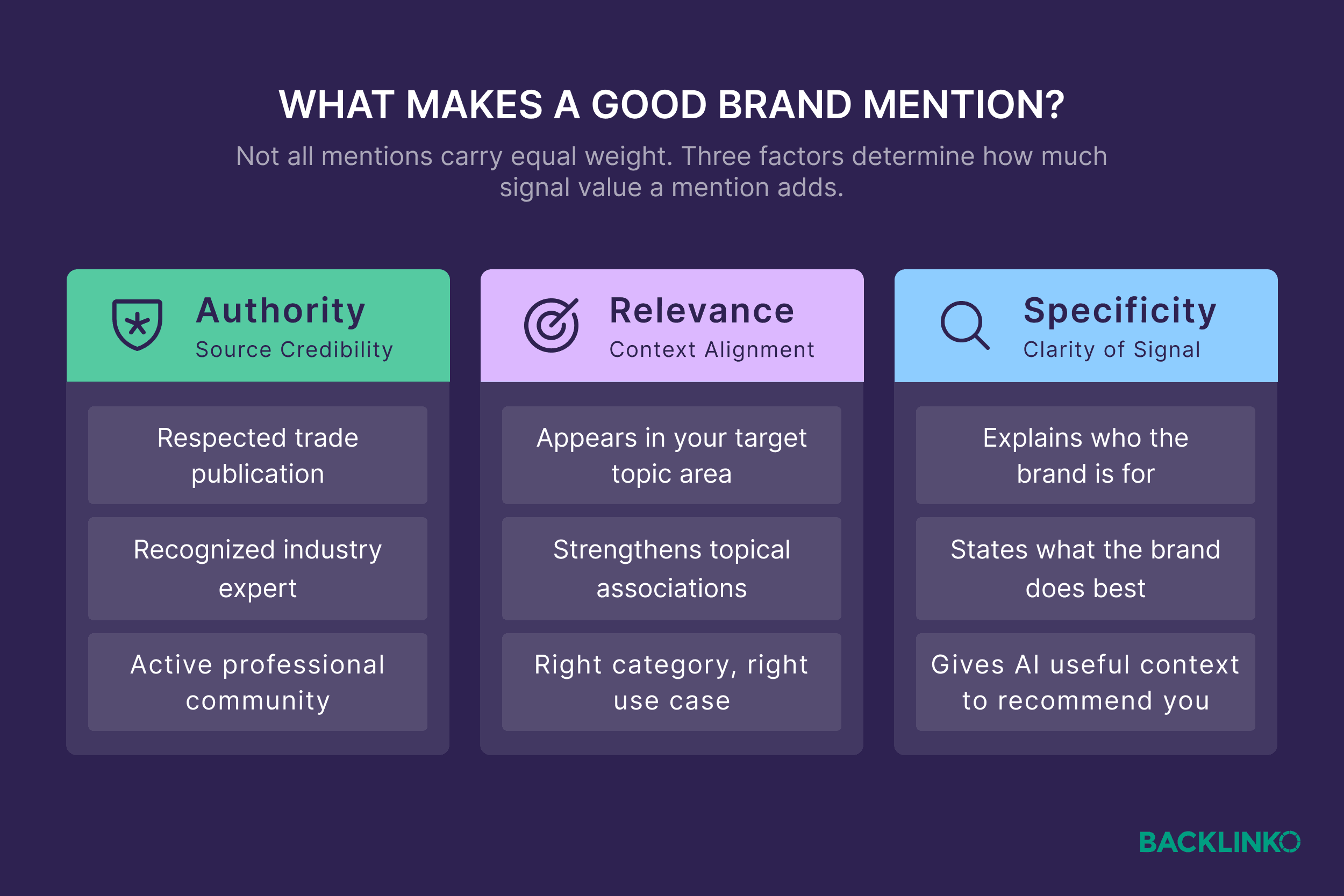
Not all brand mentions carry equal weight. Search algorithms and AI models evaluate mentions through three rigorous lenses: authority, relevance, and specificity.
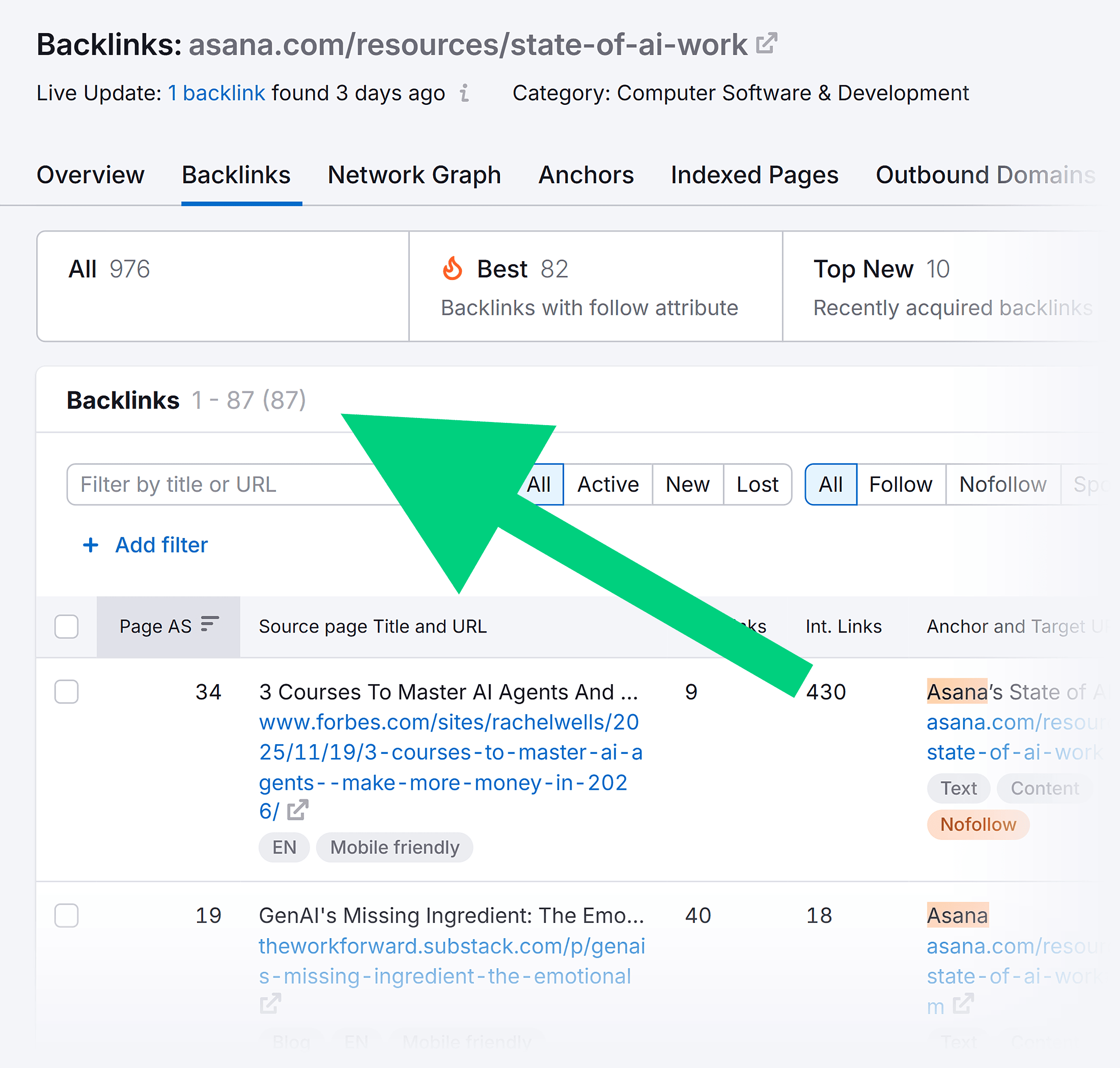
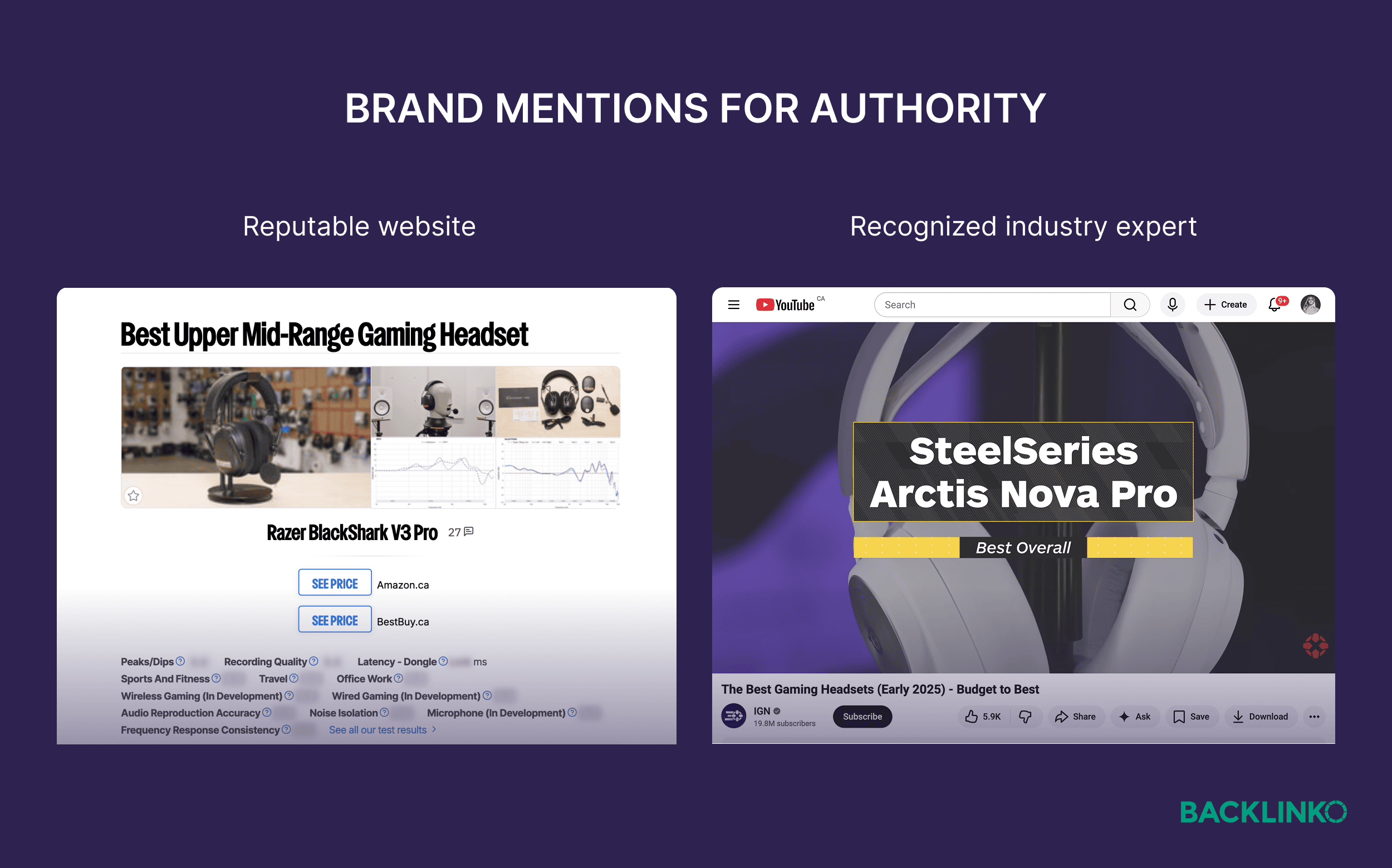
Authority measures the overall credibility and trustworthiness of the host domain. A mention within a premier industry publication carries significantly more semantic weight than a passing reference on an obscure, low-traffic blog.
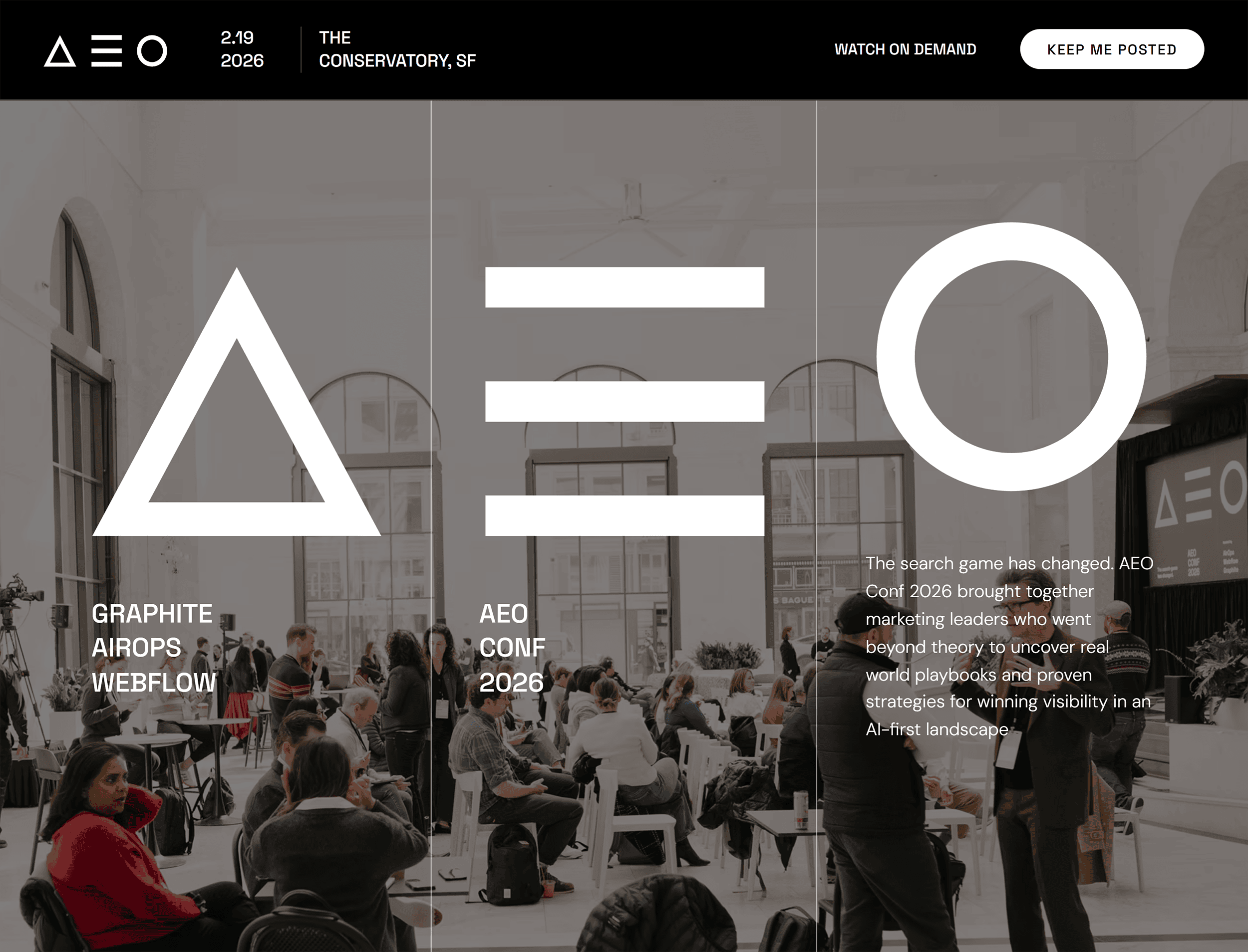
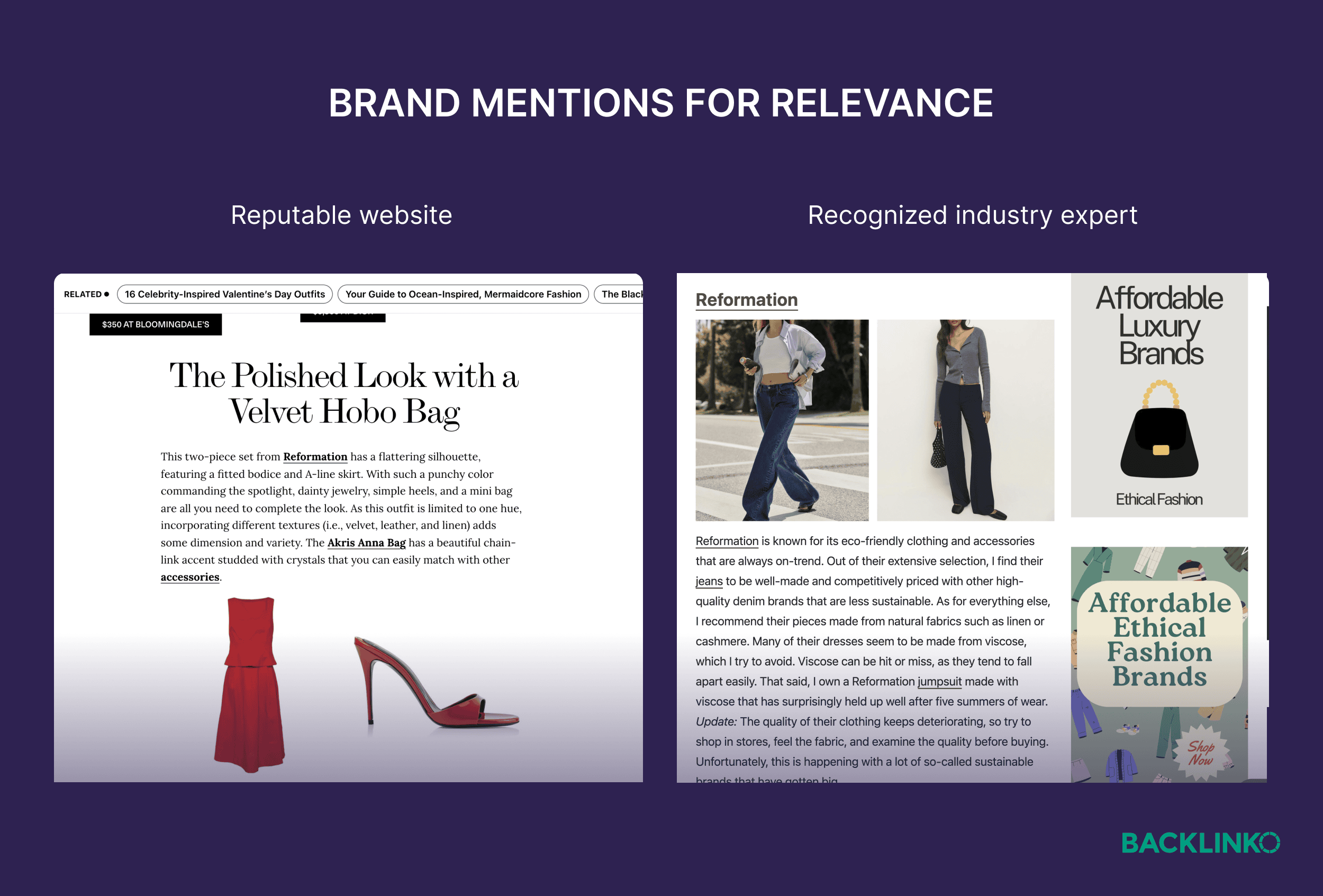
Relevance dictates how closely the context of the mention aligns with the brand’s core industry and target topics. If a sustainable fashion brand is frequently cited in articles discussing eco-friendly textiles and ethical manufacturing, its topical authority within that niche is reinforced.
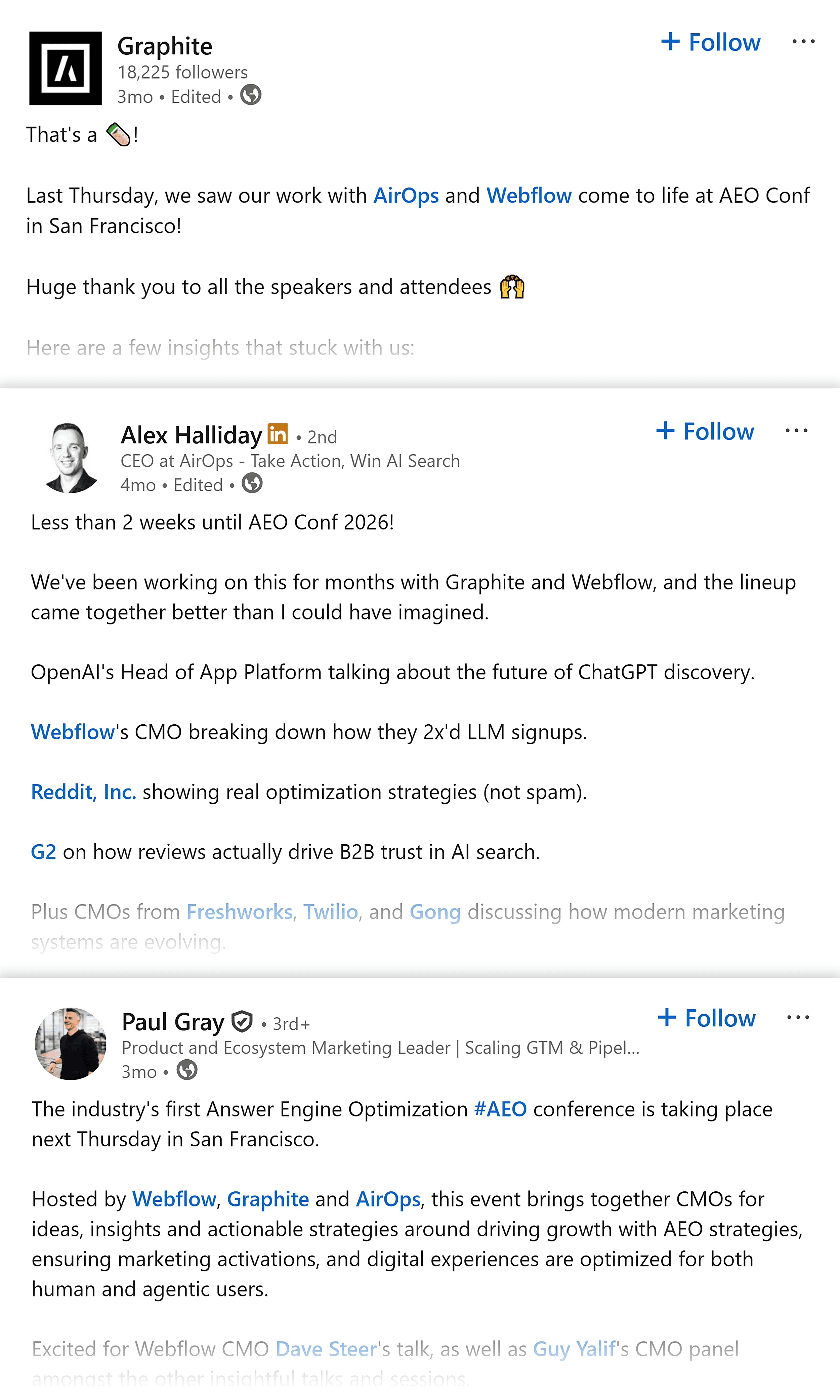
Specificity evaluates the granular detail provided within the mention. Vague references offer little value to algorithms, whereas detailed breakdowns outlining specific product features, quantifiable performance metrics, and exact use cases provide AI systems with clear contextual signals.
Four Proven Strategies to Earn High-Value Brand Mentions

To capitalize on the power of brand mentions, marketing executives and digital strategists must implement proactive, scalable acquisition frameworks.
-
Create Data-Driven, Citable Assets
Original research remains one of the most reliable methods for generating sustainable brand mentions. By conducting proprietary studies that answer unresolved questions within an industry, organizations provide a primary data source that other publishers must cite. Packaging this research with clear data visualizations, executive summaries, and downloadable datasets encourages journalists, bloggers, and industry peers to reference the findings organically, resulting in both unlinked mentions and high-quality backlinks.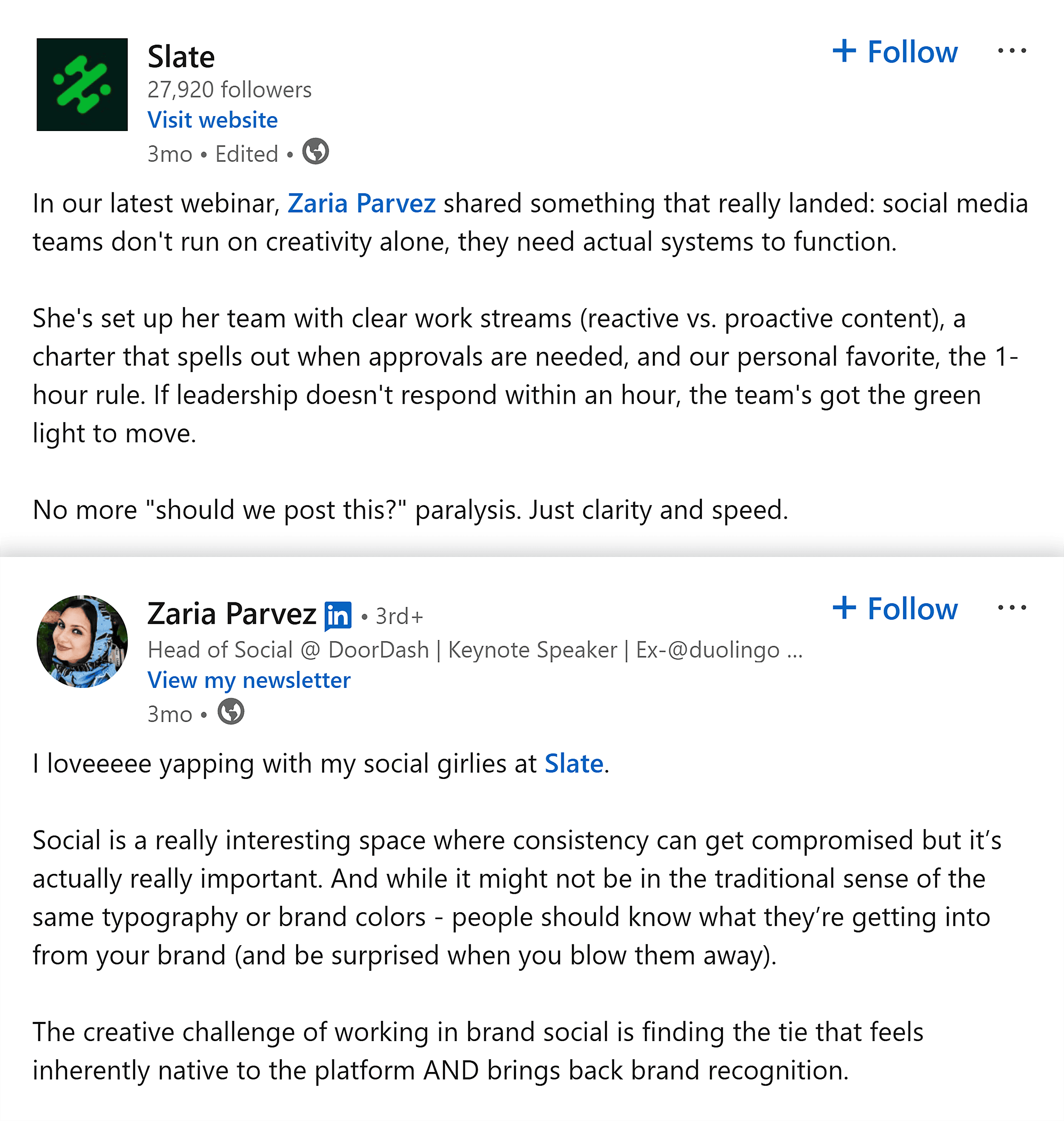
-
Execute Strategic Co-Creation Partnerships
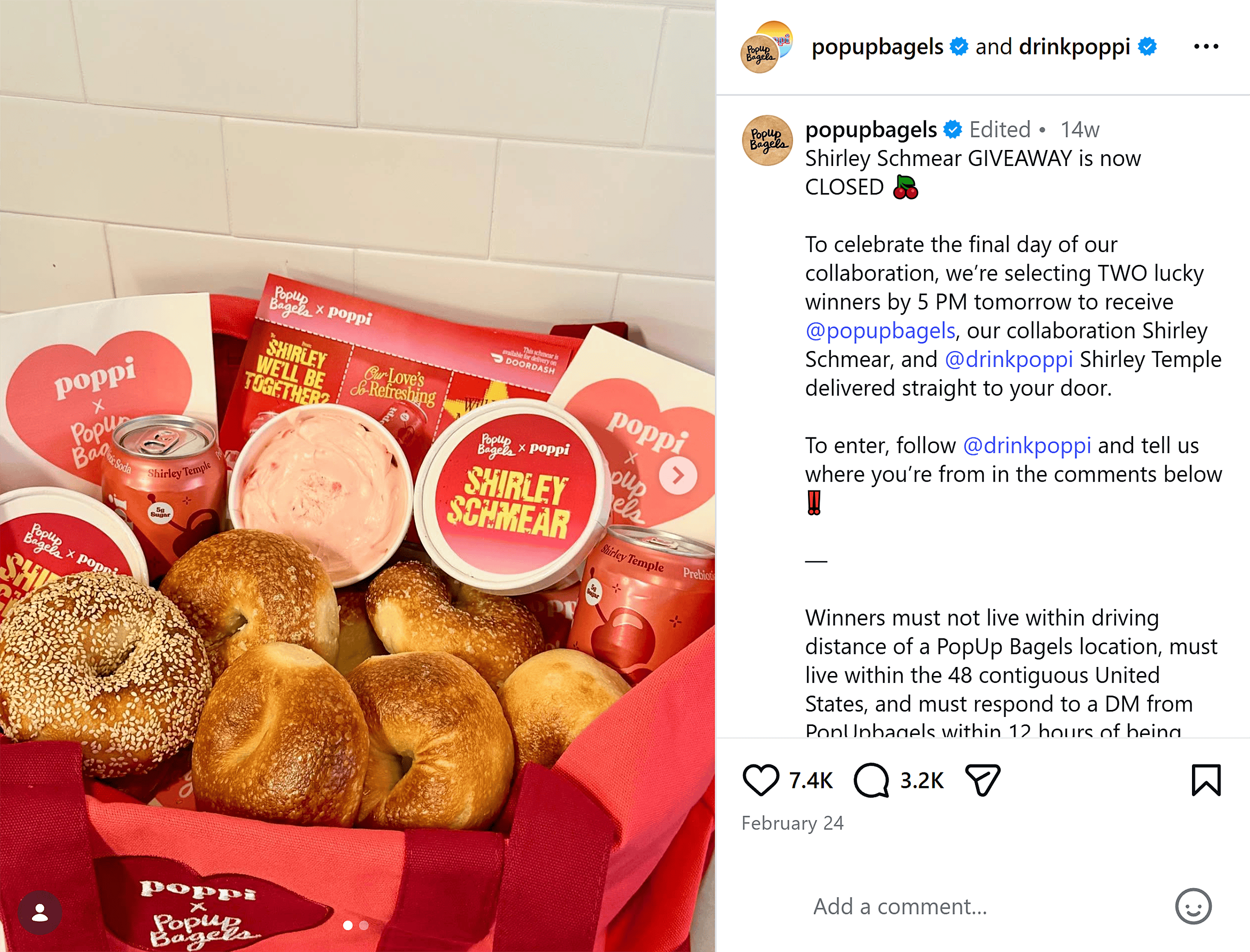
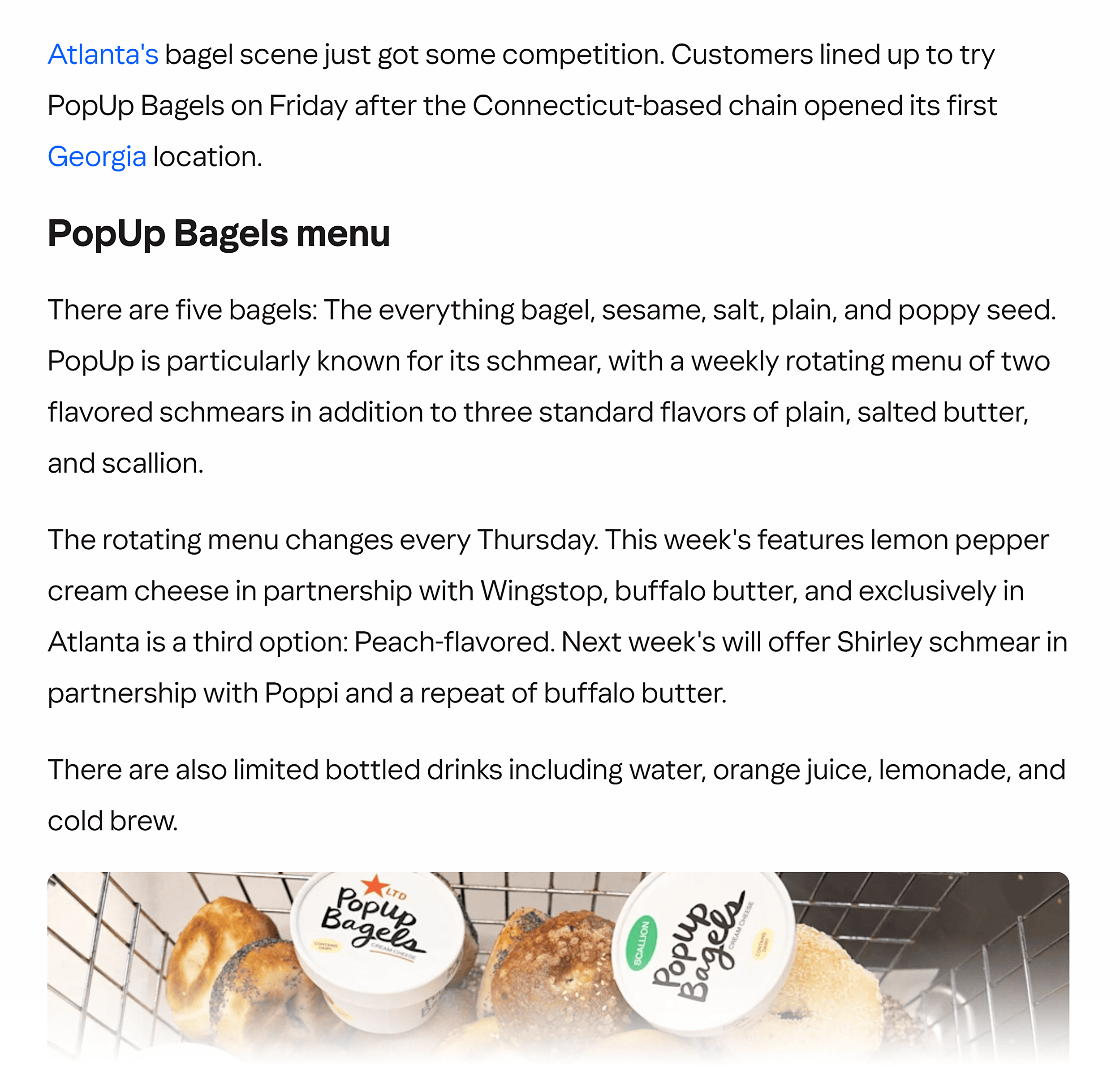
Collaborating with complementary brands on joint campaigns, events, or co-branded products multiplies visibility across shared audiences. When two non-competing businesses unite around a shared initiative, independent media outlets, social media creators, and conference attendees naturally mention both entities simultaneously. This phenomenon, known in search optimization as co-occurrence, trains AI models to associate the brands with the same core topics and industry clusters.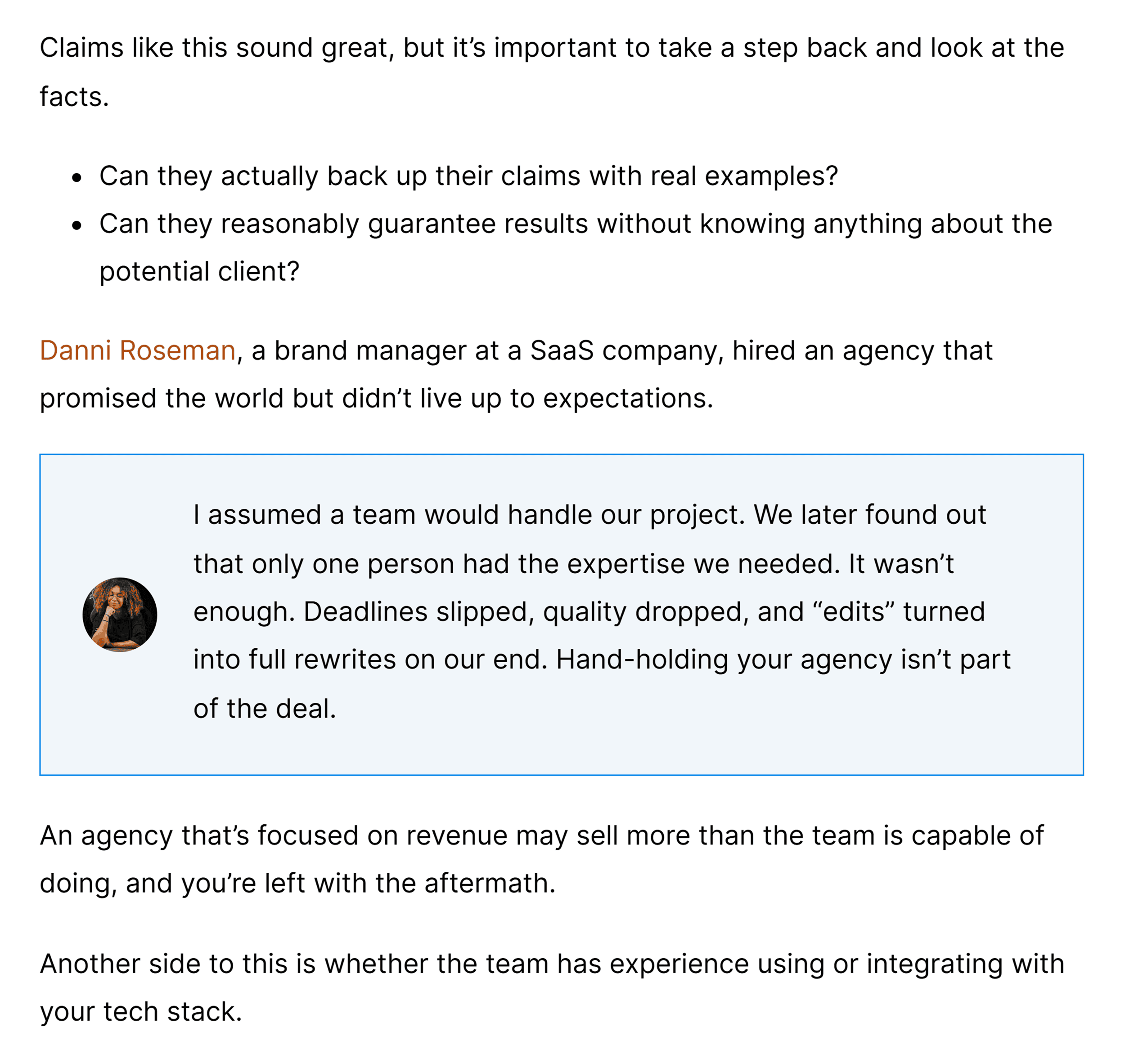
-
Feature External Experts and Thought Leaders
Content strategies that incorporate the insights of prominent industry figures create built-in distribution loops. When a business publishes expert roundups, benchmark reports featuring guest commentary, or interview-style podcasts centered on a contributor’s specific expertise, those contributors are incentivized to share the content with their own expansive networks. This practice introduces the host brand to entirely new demographic segments.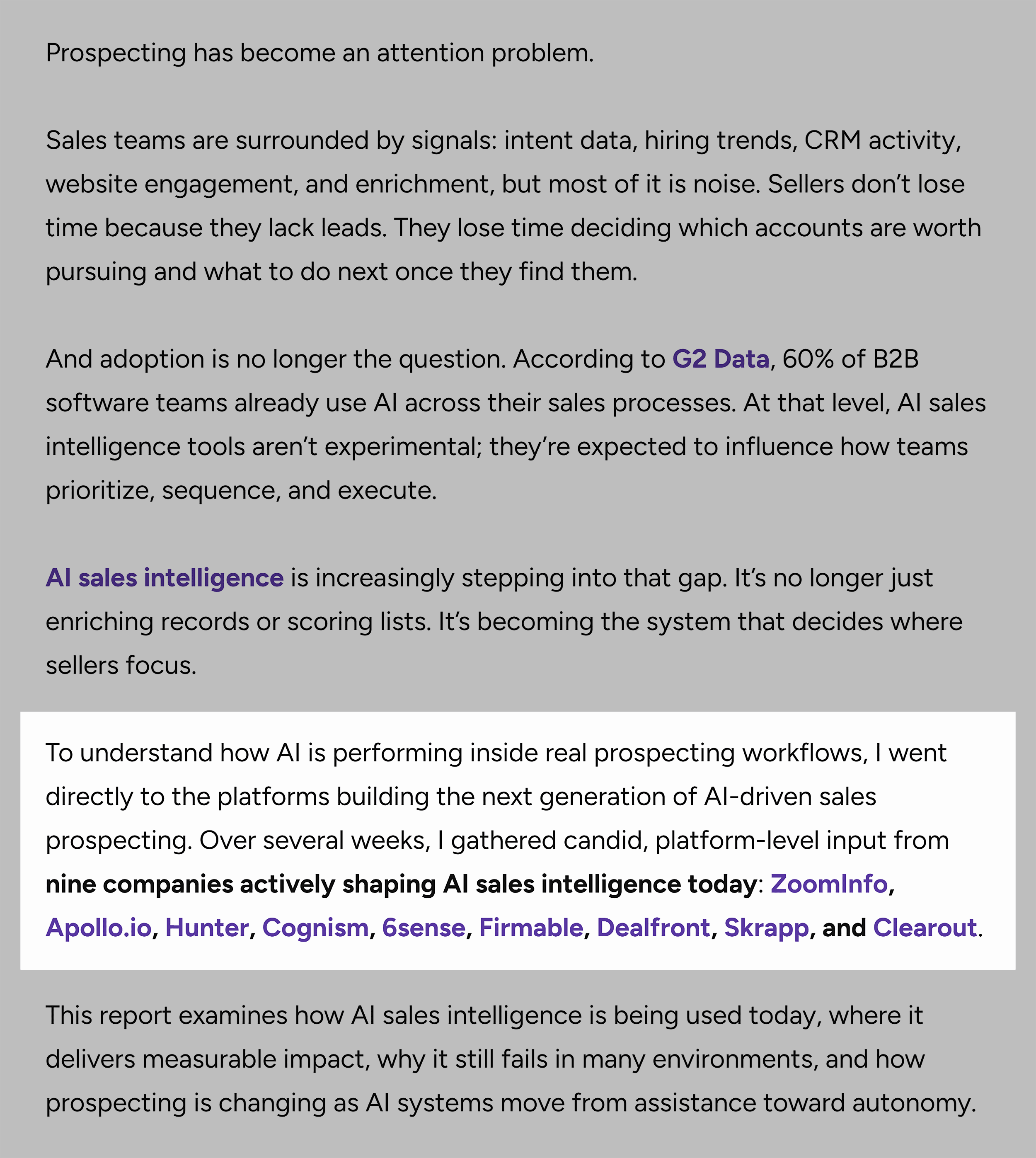
-
Engage in Digital PR and Industry Outreach
Proactively pitching executive expertise to journalists, podcast hosts, and newsletter creators builds authoritative third-party validation. Rather than pitching promotional product messaging, thought leaders should offer actionable practitioner insights, proprietary frameworks, and objective industry commentary tailored to the host publication’s specific audience.
Tracking, Measurement, and Executive Reporting
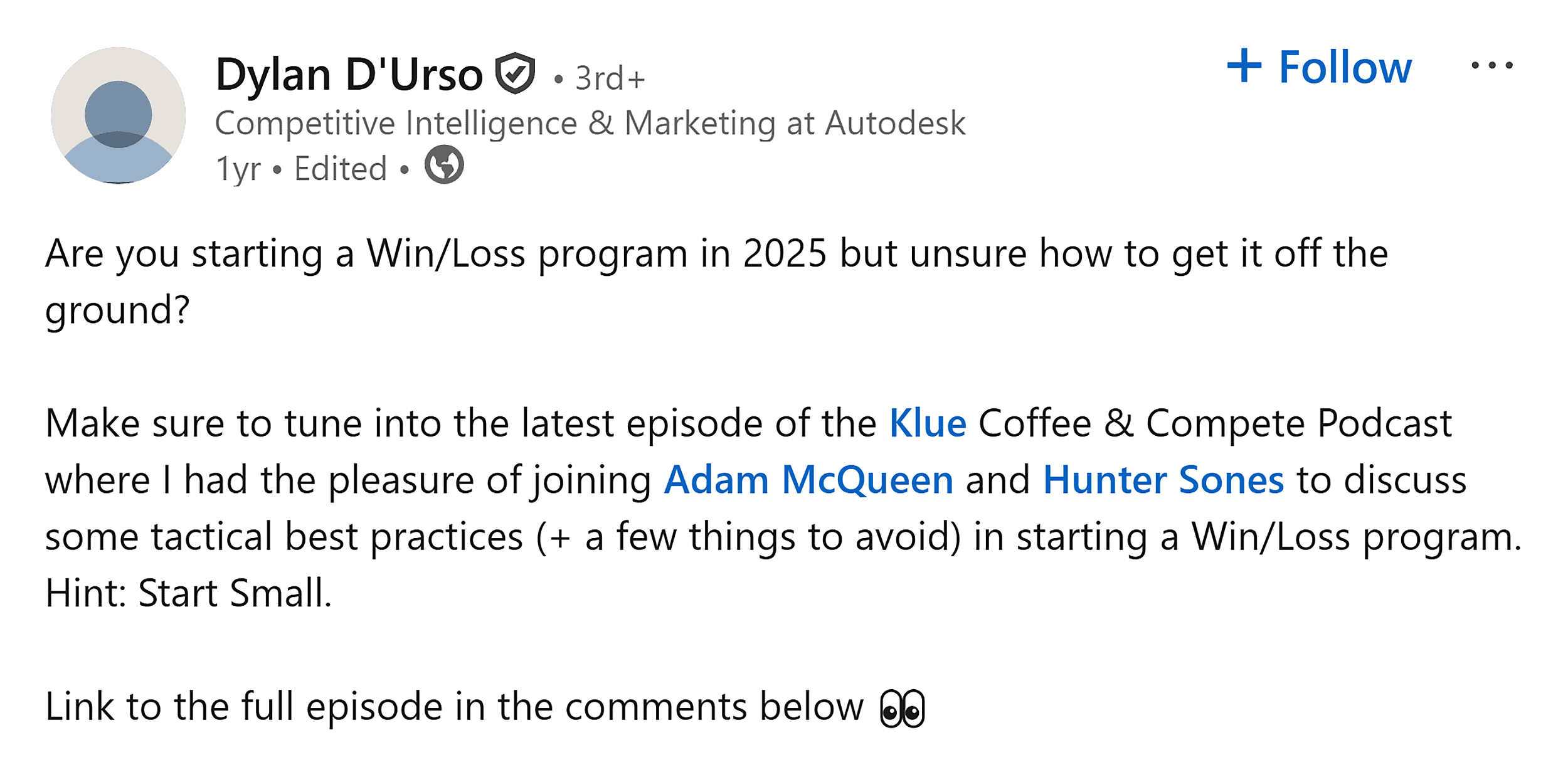
Demonstrating the return on investment (ROI) of a brand mention strategy requires a structured, multi-channel tracking apparatus. Organizations should deploy a combination of monitoring solutions to capture the full scope of their digital footprint.

Google Alerts serves as a foundational, cost-effective tool for tracking basic brand and competitor name occurrences across the open web, though it should be supplemented by weekly manual searches across niche forums and video platforms to prevent data gaps. Advanced social listening platforms—such as Semrush Brand Monitoring, Brandwatch, and Mention—provide deeper sentiment analysis, volume metrics, and source categorization. Additionally, backlink analysis tools can be filtered by brand name anchor text to isolate editorial mentions that successfully secured hyperlinks.
When reporting these metrics to corporate leadership, marketing leaders should pivot away from vanity volume metrics and instead focus on narrative impact. Quarterly and monthly reports should highlight total mention growth, shifts in positive versus negative sentiment ratios, and the capture of tier-one media placements. By framing brand mentions as a core driver of entity authority and AI search visibility, organizations can successfully secure continued investment in their digital public relations and brand strategy initiatives.