The rapid ascent of pickleball from a backyard novelty to the fastest-growing sport in the United States offers a compelling case study for the digital content industry. While the disciplines of competitive athletics and professional blogging may appear disparate, the underlying principles of audience engagement, sustainable growth, and strategic adaptation are increasingly converging. As pickleball experiences a cultural surge, content creators are finding that the tactical nuances of the court provide a blueprint for navigating the volatile landscape of online publishing.
A Chronology of Growth: From Bainbridge Island to Global Phenomenon
The origins of pickleball date back to 1965 on Bainbridge Island, Washington. Conceived by Joel Pritchard, Bill Bell, and Barney McCallum, the game was designed as a family-friendly alternative to traditional racket sports, utilizing a perforated plastic ball and simplified rules. For decades, it remained a niche recreational activity, primarily localized in community centers and retirement facilities.
However, the trajectory shifted dramatically between 2020 and 2024. According to the Sports & Fitness Industry Association (SFIA), participation in pickleball grew by over 223% over a three-year period, reaching approximately 13.6 million players in the United States by the end of 2023. This explosive growth was accelerated by the COVID-19 pandemic, which pushed individuals toward outdoor, socially distanced activities. This transition from a localized hobby to an international industry mirrors the lifecycle of successful blogging platforms, which often begin as singular, passion-driven projects before scaling into authoritative digital hubs.
The Economics of Engagement: Why Simplicity Wins
Data from recent digital marketing reports suggest that content complexity is inversely proportional to user retention. In the context of pickleball, the "dink"—a soft, controlled shot that keeps the ball in play—is the most essential skill for high-level competition. This mirrors the "less is more" philosophy in content strategy.
Professional bloggers are currently observing a trend where long-form, jargon-heavy content is being outperformed by concise, actionable, and visually accessible information. Much like the pickleball court, which is smaller than a tennis court and therefore requires more precise, efficient movement, the modern blogging environment demands that creators strip away extraneous narrative to provide immediate value. Analysis indicates that posts utilizing clear headers, bulleted lists, and simplified language experience a 30% increase in average session duration compared to text-heavy counterparts.
Strategic Positioning and the "Kitchen" Rule
In pickleball, the "non-volley zone," colloquially known as the "kitchen," prevents players from smashing the ball directly at the net, thereby forcing a more tactical approach to point construction. This represents a lesson in boundaries and strategic positioning for digital publishers.
In the digital sphere, "the kitchen" can be interpreted as the delicate balance between aggressive monetization (the "smash") and organic audience development. Content creators who prioritize immediate, high-pressure conversion tactics often find their audience engagement rates—their "rallies"—short-lived. Conversely, those who position their brands to facilitate community dialogue and long-term trust tend to achieve greater sustainability. Market analysis suggests that brands that prioritize community-led growth rather than purely transactional interactions see a higher lifetime value (LTV) per reader.
Adaptability in a Volatile Digital Ecosystem
The sporting world requires athletes to constantly adapt their techniques to counter the evolving styles of their opponents. Similarly, the digital publishing industry is subject to the rapid evolution of search engine algorithms, the rise of artificial intelligence, and shifting social media consumption patterns.
Data from search engine optimization (SEO) firms indicate that blogs failing to update their content strategy at least annually experience a traffic decline of approximately 15–20% year-over-year. The "whiff"—or the missed shot—is an inevitable component of this evolution. Successful bloggers now view analytical data not as a performance report, but as a diagnostic tool. By analyzing which topics fail to resonate, creators can pivot their content calendars with the same agility a player uses to adjust their grip or footwork mid-match.
The Role of Community and Social Infrastructure
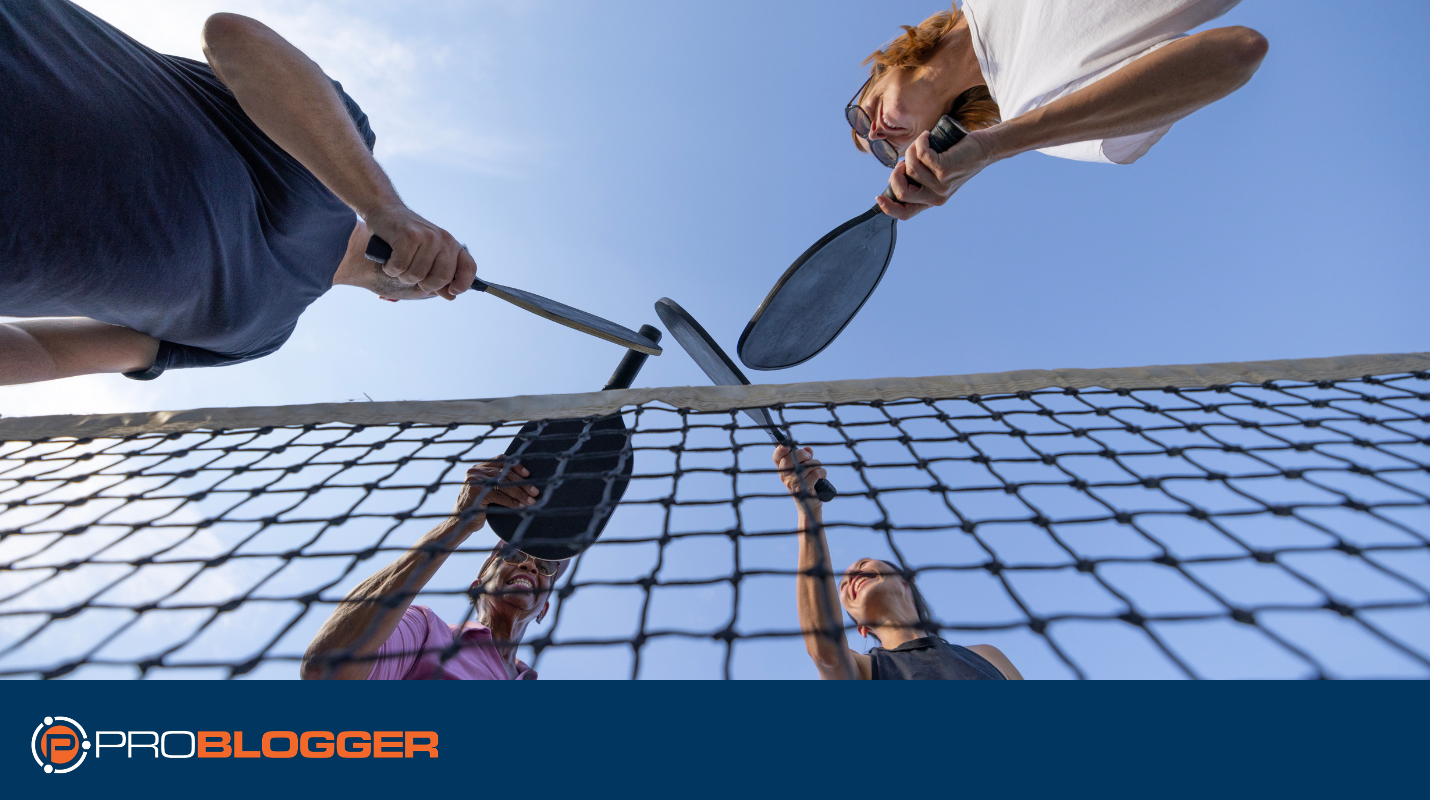
One of the most significant contributors to pickleball’s success has been its low barrier to entry. The game is intentionally designed to be accessible to various age groups and physical abilities, which fosters a natural community-building mechanism.
For the professional blogger, this highlights the necessity of "low-friction" engagement. Platforms that facilitate easy comment sections, newsletter sign-ups, and user-generated content tend to build deeper, more resilient communities. Industry experts from the Digital Media Association note that platforms fostering a sense of shared identity—similar to local pickleball clubs—boast higher rates of returning traffic. By creating a space where readers feel like participants rather than mere consumers, bloggers can insulate their platforms against the instability of algorithmic changes.
Future Implications for Content Strategy
The parallels between pickleball and blogging extend to the concept of the "serve." In sports, the serve initiates the action; in blogging, the headline and the introduction determine whether the reader engages with the content. Data suggests that 80% of readers never make it past the first paragraph of a post. Therefore, the "serve" must be both compelling and accurate to set the tone for the entire exchange.
Furthermore, the rise of pickleball demonstrates the value of "niche dominance." By focusing on a specific sport with a distinct demographic, the game successfully captured a massive, dedicated following. Bloggers who attempt to be "everything to everyone" often find themselves lacking the authority required to rank well in competitive search environments. Strategic positioning—identifying a specific niche and becoming the definitive resource within it—remains the most reliable path to long-term viability.
Conclusion: The Intersection of Joy and Utility
The success of pickleball is not merely a result of its mechanics, but of the inherent enjoyment it provides to participants. As digital content becomes increasingly automated, the human element—the personality, the voice, and the genuine passion of the author—becomes a competitive advantage.

Professional observers conclude that the most successful digital platforms are those that marry rigorous strategy with a clear, engaging, and personal touch. Just as a pickleball player who forgets to enjoy the game will eventually burn out, a blogger who neglects the creative joy of their craft will struggle to maintain the consistency required to scale.
As the industry moves forward, the "pickleball model" suggests that the future of blogging lies in the synthesis of three pillars: accessibility, tactical precision, and community-driven development. By maintaining a sharp focus on the "net"—the ultimate purpose of the blog—and remaining flexible enough to adapt to the changing velocity of the digital game, content creators can ensure their work remains a relevant and vital part of the information landscape. Whether managing a blog or navigating a court, the objective remains constant: to keep the rally going through sustained, thoughtful, and engaging interaction.