The Intersection of Web Development and Familial Legacy Through the Creation of a Scrollytelling Digital Memorial for Mother’s Day 2026

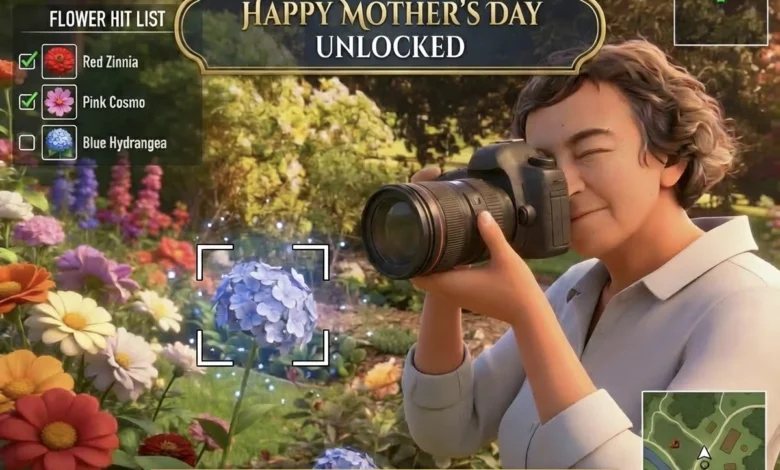
The convergence of personal history, narrative storytelling, and cutting-edge web technologies has reached a new milestone with the release of a specialized scrollytelling project designed as a tribute to Anna Meyer (1945–2011). Developed by Lee Meyer and showcased via platforms such as CodePen and CSS-Tricks, the project utilizes emergent browser features—specifically CSS scroll-snap events and scroll-state queries—to bridge the gap between historical trauma and modern digital expression. This interactive memorial serves not only as a personal gift but as a case study in how "UI mad science" can be leveraged to preserve the legacy of individuals who navigated the chaos of the mid-20th century.
Historical Context: Survival and Logic in Post-War Eurasia
To understand the inspiration behind this digital experiment, one must look to the geopolitical climate of 1945. Anna Meyer was born in a maternity ward in Kazakhstan during the final months of World War II. At the time, Kazakhstan served as a critical hinterland for the Soviet Union, providing a refuge for millions of evacuees and deportees, including Jewish families fleeing the Holocaust and the Nazi advance in the West. Historical data suggests that while these regions offered safety from the front lines, they were characterized by extreme resource scarcity, systemic famine, and overstretched medical facilities.
The conditions of Meyer’s birth reflect the broader instability of the era. Born into a ward shared with discharged soldiers suffering from what is now recognized as Post-Traumatic Stress Disorder (PTSD), Meyer’s entry into the world was marked by the absence of modern neonatology. When she failed to breathe at birth, staff employed archaic thermal shock methods—alternating immersion in hot and cold water—a practice that, while common in the mid-20th century, lacked a foundation in rigorous biological science. This environment of "chaos disguised as help" became a defining theme of Meyer’s life, eventually driving her toward a profound appreciation for logic, photography, and linguistics as tools for imposing order on an unpredictable world.
The Evolution of Scrollytelling as a Technical Medium
The Mother’s Day 2026 project is categorized as "scrollytelling," a web design pattern where the user’s scroll behavior triggers specific animations, transitions, or narrative beats. While scrollytelling has been a staple of digital journalism for over a decade—pioneered by pieces like the New York Times’ "Snow Fall"—the 2026 iteration utilizes native CSS features that reduce the reliance on heavy JavaScript libraries.
Central to this project is the implementation of scroll-snap events. These allow developers to create a "locked" experience where the viewport snaps to specific sections (or panels), ensuring that the narrative remains synchronized with the user’s movement. The project specifically highlights two emergent events: scrollsnapchanging and scrollsnapchange.
- scrollsnapchanging: This event fires while the user is actively scrolling, allowing the browser to predict and prepare the "incoming" content. In the Meyer tribute, this is used to transition the background state between day and night scenes.
- scrollsnapchange: This event triggers once the snapping action is complete, finalizing the state of the UI and triggering secondary animations, such as the flight paths of interactive elements.
As of mid-2026, these features are primarily supported in Chromium-based browsers (Chrome, Edge, Opera). The technical analysis of the project suggests that the move toward native CSS scroll-state queries represents a significant shift in web standards, prioritizing performance and accessibility over the "hacky" solutions of previous years.
Chronology of Development and Inspiration
The development of the interactive card followed a distinct timeline of technical and personal milestones:
- 1945–2011: The lifetime of Anna Meyer, during which she mastered QuickBASIC and developed early interactive concepts, including a "photography game" built as a non-violent alternative to the militaristic arcade titles of the 1990s.
- 2011: The passing of Anna Meyer due to cancer, leaving a legacy of logical inquiry and creative coding.
- Early 2026: Developer Lee Meyer draws inspiration from Roland Franke’s "deconstructed radial slice transition," a technical demo showcasing landscape transitions triggered by scroll-snap events.
- May 2026: The release of the Mother’s Day interactive card, incorporating a video demo narrated by Meyer’s eight-year-old grandson, representing a multi-generational bridge through technology.
The project’s inclusion of "UFOs" and random physics-based text interactions serves as a metaphor for the "fleeting moments of sense in a chaotic world." Using the Pretext-inspired effect, where moving objects (UFOs) repel letters on the screen, the developer simulates the interference of external forces on communication—a nod to Anna Meyer’s experience with Soviet-era censorship, including the confiscation of her film by soldiers during her childhood.
Technical Specifications and Code Implementation
For the developer community, the project provides a blueprint for using CSS and JavaScript to create context-aware transitions. The CSS architecture relies on scroll-snap-type: y mandatory, which forces the browser to align the viewport with the start of each .snap-panel.
The JavaScript implementation is notable for its use of the snapTargetBlock property. By listening to the scrollsnapchange event, the application can determine exactly which panel is in view and trigger specific logic, such as the "randomness" of the UFO flight paths. This is a critical distinction in modern UI design: while the scroll behavior is deterministic (the user always lands on the same spot), the visual output within that spot can be randomized, creating a "gamified" experience that feels different with every interaction.
The project also anticipates the arrival of "Native Randomness in CSS," a feature currently in the experimental stages (primarily within Safari’s technology preview). This would allow developers to generate random values directly within stylesheets, further reducing the need for JavaScript in creating organic, lifelike UI movements.
Broader Implications for Digital Memorials and Web Standards
The 2026 Mother’s Day project highlights a growing trend in "digital heritage." As the generation of "digital natives" ages, the methods for honoring the deceased are shifting from static obituaries to interactive, code-based archives. This transition raises several points for analysis:
1. The Democratization of Interactive Storytelling:
By moving complex scroll-based animations into the CSS specification, the barrier to entry for creating high-quality narrative experiences is lowered. What once required a team of developers at a major news outlet can now be achieved by individual creators using standard browser APIs.
2. Performance and Sustainability:
Native CSS features are generally more energy-efficient and performant than JavaScript-heavy alternatives. As the web moves toward more sustainable practices, the adoption of scroll-snap events and container queries allows for rich visual experiences that do not compromise device battery life or load times.
3. The Role of Personal Data in UI Design:
The project demonstrates how personal data (historical anecdotes, family photos, and specific memories) can be "mapped" onto technical features. The "photography game" aspect of the project, inspired by a Mother’s use of QuickBASIC in the 90s, shows that UI patterns often have roots in much older, simpler programming traditions.
Conclusion and Industry Response
The tech community’s reaction to the project has been largely positive, with many noting the "bittersweet" nature of using advanced browser features to connect a child with a grandmother he never met. Industry analysts suggest that this type of "UI mad science" is essential for testing the limits of new web standards before they reach wide adoption.
While the project serves as a deeply personal tribute, its technical contributions to the understanding of scroll-snap events provide a valuable resource for developers looking to implement non-linear storytelling in 2026 and beyond. As web browsers continue to evolve, the ability to blend logic with human emotion remains the ultimate goal of high-end front-end development. For those seeking more traditional tributes, the developer’s parting advice remains practical: "Get her a Kindle or something," noting that even the most advanced code cannot replace the simple act of sharing a story between two people.