Empowering Creators Through Integrated Podcasting: How Jetpack is Reshaping WordPress Audio Distribution

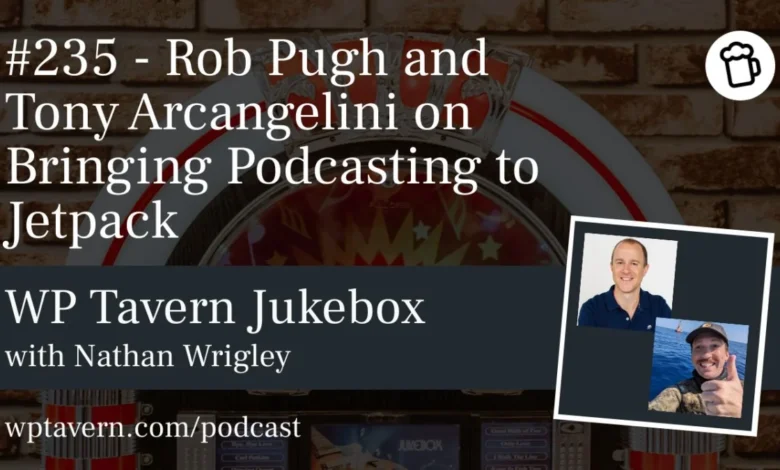
The landscape of digital content creation has shifted dramatically over the past decade, moving away from fragmented, multi-platform workflows toward centralized, owner-centric systems. As creators increasingly prioritize data sovereignty and the ability to distribute content across diverse channels from a single source, the WordPress ecosystem has responded with a significant expansion of its core capabilities. Automattic, the company behind WordPress.com and the Jetpack suite, has officially integrated robust, professional-grade podcasting tools directly into the Jetpack plugin. This development marks a strategic pivot for the platform, aiming to provide a unified home for newsletters, blogs, and podcasts, thereby challenging the dominance of walled-garden platforms like Substack and Patreon.
Evolution of Podcasting within the WordPress Ecosystem
Historically, podcasting in the WordPress ecosystem was a fragmented experience. While WordPress served as the backend for countless shows, the technical requirements—such as RSS feed management, media hosting, and integration with distribution directories—often necessitated the use of third-party plugins or external hosting services. While WordPress.com offered rudimentary audio support for years, it remained functionally limited, lacking the sophisticated analytics and streamlined distribution workflows required by modern professional creators.
The introduction of podcasting features into Jetpack represents more than a mere porting of existing tools; it is a comprehensive architectural redesign. By leveraging Jetpack’s existing infrastructure, developers at Automattic have created a system that allows users to manage their entire media presence under one roof. This integration addresses the primary pain point for many creators: the administrative burden of managing disparate accounts for email marketing, social media syndication, and podcast distribution.
The Technical Framework of Integrated Distribution
At its core, the new Jetpack podcasting solution simplifies the publication process to a single event. Once a user configures their show settings—including RSS tags, show artwork, and category designations—the publication of a new episode becomes as straightforward as publishing a standard blog post. By assigning a specific category to a post and embedding audio, the system automatically updates the RSS feed, notifies subscribers via integrated newsletters, and pushes updates to social media channels.
From an engineering perspective, this integration relies on existing Jetpack endpoints, allowing for more accurate, aggregated analytics. Previously, self-hosted sites struggled to monitor listener behavior across different podcast apps. The new system provides creators with clear insights into how audiences are consuming content—whether through Apple Podcasts, Spotify, or direct RSS feeds—without the need for complex, third-party analytics integrations. This capability is crucial for creators looking to understand their audience demographic and listener retention rates without navigating the overly complex interfaces typical of professional data-tracking software.
The Strategic Shift Toward Ownership and Portability
The rise of platforms like Substack has drawn significant attention to the concept of "creator lock-in." While these platforms initially provided low-friction entry points for writers and podcasters, many creators have expressed concerns regarding the loss of ownership over their audience data and the limitations imposed by proprietary systems. The decision to bring podcasting into the Jetpack ecosystem is a direct response to this trend.
By housing content on a WordPress site, creators maintain full control over their data, design, and monetization strategies. Unlike proprietary platforms that may change their algorithms or fee structures—such as Substack’s 10% revenue share on paid subscriptions—a WordPress-based site allows for unlimited customization. Creators can implement WooCommerce for merchandise sales, modify site themes for branding, or export their entire database should they decide to migrate to a different hosting provider. This "open-foundation" philosophy serves as a key differentiator for Automattic, emphasizing that the platform’s primary value lies in its flexibility rather than its control over the user.
Deepening the Connection with Pocket Casts
A notable component of this initiative is the deepened integration with Pocket Casts, the podcast player acquired by Automattic in 2021. This partnership provides a distinct advantage for users of the Jetpack podcasting tool. Because Pocket Casts is natively connected to the Automattic infrastructure, the submission process for new shows is significantly expedited, often reducing the approval time from several days to mere minutes.
Furthermore, the integration extends to the user experience across devices. Innovations such as seamless HLS video transitions—allowing users to switch between audio-only playback on mobile devices and video playback on platforms like Apple TV without losing their place—are becoming more attainable for independent creators using this ecosystem. This synergy between the hosting platform and the listening application addresses the growing industry demand for multi-modal content, where video podcasts are increasingly prioritized alongside traditional audio formats.
Addressing the Back-Catalog Challenge
One of the significant hurdles for any creator migrating their show is the transfer of a back-catalog. While the initial launch of the Jetpack podcasting tool focuses on simplifying new episode creation, the roadmap for the project includes more sophisticated migration workflows. Currently, users can leverage standard WordPress import tools if their existing RSS feeds are properly configured; however, Automattic has indicated that streamlining the migration process from proprietary hosting platforms is a priority.
The goal is to allow creators to import their existing library—including metadata, show notes, and media files—directly into the WordPress environment. By automating this process, the team hopes to remove the technical friction that currently prevents established podcasters from transitioning to an owner-centric model.
Implications for the Future of Content Creation
The integration of podcasting into Jetpack signifies a broader trend in the software industry: the move toward comprehensive "all-in-one" creator toolkits. By reducing the reliance on third-party integrations and complex Zapier-like workflows, WordPress is positioning itself as the primary infrastructure for the next generation of independent media.
As artificial intelligence becomes more integrated into content workflows, the potential for features such as automated transcription, show-note generation, and title optimization is substantial. With Jetpack AI already providing assistance for written content, the extension of these tools to audio transcription and indexing is a logical next step. This could further solidify WordPress’s position as a platform that not only hosts content but actively assists in its creation and discoverability.
For the independent creator, the message is clear: the ability to own one’s audience and data is a sustainable competitive advantage. As the digital ecosystem continues to evolve, the tools that prioritize portability, open standards, and integrated functionality are likely to see the highest adoption rates. By bringing the disparate pieces of the podcasting puzzle—distribution, hosting, analytics, and syndication—into the WordPress fold, Automattic is attempting to restore the original promise of the open web: a place where creators have the tools they need to build, grow, and own their digital presence without being beholden to the changing rules of closed platforms.
As of the latest updates, users can begin implementing these features by visiting the dedicated portals at wordpress.com/podcast or jetpack.com/podcast, depending on their hosting requirements. The platform remains committed to keeping core features accessible, continuing the tradition of a generous free tier that has defined the WordPress project since its inception.