Mastering the Black Friday and Cyber Monday Surge: A Strategic Blueprint for 2026

The Black Friday and Cyber Monday (BFCM) window represents the most critical period in the global retail calendar, functioning as both a barometer for consumer confidence and a primary engine for annual revenue growth. For business owners and marketing professionals, this four-day stretch—spanning from Thanksgiving through Cyber Monday—is an exhilarating but often daunting marathon. As consumer expectations for deep discounting shift from a special occasion to a baseline requirement, brands must navigate an increasingly crowded digital landscape to capture market share. With Black Friday falling on November 27 and Cyber Monday on November 30, 2026, the urgency for a data-backed, high-impact strategy has never been greater.
Economic Context and Market Data
The scale of the BFCM event is unprecedented. According to Adobe Analytics, Black Friday 2025 alone generated a staggering $11.8 billion in online sales, reflecting a 9.1% year-over-year increase from the $10.8 billion recorded in 2024. Cyber Monday 2025 further solidified its dominance, hitting a record $14.25 billion in single-day online spending. These figures contributed to a broader holiday season in 2025 that reached a record $257.8 billion in online transactions.
Projections for 2026 suggest even higher benchmarks. The National Retail Federation (NRF) has forecast that total holiday sales will surpass $1 trillion for the first time in history. This growth is driven by a combination of inflationary pressures, which make consumers more price-sensitive, and a retail environment that has permanently shifted toward omnichannel integration. With 43% of consumers initiating their holiday shopping prior to November, the "Black Friday weekend" has effectively evolved into a month-long psychological and economic cycle.
The Strategic Pivot: Beyond Traditional Discounting
In a saturated market, aggressive discounting is no longer a sufficient differentiator. To secure visibility, brands are increasingly moving toward sophisticated, value-driven campaigns. One effective methodology involves deep collaboration with media outlets and niche publications. Major platforms such as Women’s Health, Cosmopolitan, and Good Housekeeping initiate their holiday coverage weeks in advance, relying on affiliate-linked round-ups. By engaging these outlets early, brands can secure high-authority backlinks, which provide substantial long-term benefits for Search Engine Optimization (SEO) and organic visibility.
However, the most successful brands are those that align their BFCM presence with their core brand identity, sometimes even by challenging the consumerist nature of the event.

The Ethics of Anti-Consumerism and Brand Values
For some, the "shop-until-you-drop" ethos of late November is fundamentally at odds with their brand mission. Retailers like REI have historically opted out of the frenzy, closing physical storefronts and encouraging staff and customers to "#OptOutside." This move, while seemingly counterintuitive to short-term revenue, serves to reinforce brand loyalty and long-term customer lifetime value.
Patagonia set the gold standard for this approach with their 2011 "Don’t Buy This Jacket" campaign, which used the peak of consumer spending to address the environmental impact of manufacturing. Similarly, in 2017, Lush Cosmetics utilized the weekend to launch a charitable initiative, selling limited-edition soaps with 100% of proceeds supporting the Sumatran Orangutan Society. In 2020, Allbirds adopted a "price hike" strategy, increasing costs across their catalog to donate proceeds to the climate movement Fridays For Future. These actions demonstrate that a well-executed anti-BFCM campaign can yield significant PR value and build deeper emotional connections with a target audience.
Exclusivity as a Conversion Driver

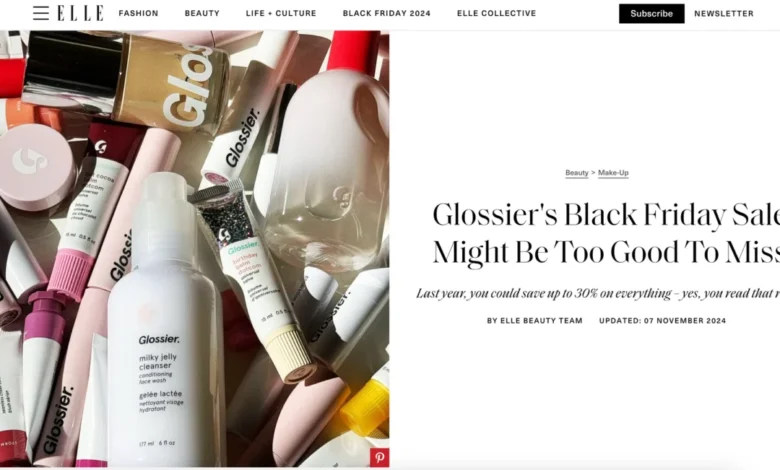
Conversely, brands that lean into the sale event often find success by manufacturing scarcity and exclusivity. Glossier, for instance, maintains a "one-sale-a-year" policy, centering its entire promotional calendar around the Black Friday weekend. By limiting discounts to a single annual window, the brand transforms its sale into a high-stakes, newsworthy event, ensuring maximum consumer anticipation and social media chatter.
Invite-only sales, such as those popularized by Amazon during Prime Day, offer another path to engagement. By segmenting the audience and offering early or exclusive access to high-value customers, brands can reduce the "noise" of a general sale and foster a sense of VIP status. This personalized approach often leads to higher conversion rates compared to blanket, sitewide promotions.
Tactical Innovations: TikTok, UGC, and "Mistake" Marketing
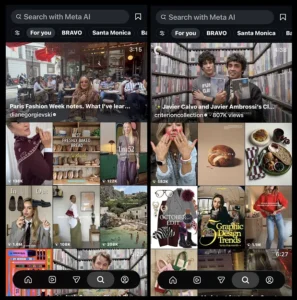
The rise of TikTok as a primary discovery engine for Gen Z shoppers has changed the face of BFCM marketing. The platform’s algorithm heavily favors authentic, low-production, and "native-feeling" content over polished, high-budget advertisements. BPerfect Cosmetics and Gymshark have utilized this to great effect, leveraging trending sounds, relatable humor, and influencer partnerships to make their deals feel like an organic part of the user experience.

Another unconventional tactic involves the intentional use of "mistake" marketing. In 2017, a seemingly errant tweet from McDonald’s—"Black Friday Need copy and link"—generated massive organic engagement. While the error appeared to be a genuine social media mishap, it was widely analyzed as a calculated move to drive brand awareness. Similarly, Brooklinen’s "accidental" internal email leak was a staged campaign that allowed the brand to communicate their sale information in a way that felt transparent and human, resonating with a demographic tired of robotic corporate communications.
The Role of Live Commerce
Live shopping has emerged as a cornerstone of modern digital strategy. By hosting real-time, interactive events, brands can replicate the immediacy of in-store shopping. MeUndies’ "Drawer Buster Event" is a seminal example of this, where a live DJ and unfolding, escalating deals kept over 13,000 viewers engaged, resulting in a conversion rate 13 times higher than their standard digital marketing benchmarks. As of 2026, live streaming on platforms like Instagram and TikTok is no longer optional for brands targeting younger demographics; it is a vital tool for real-time customer acquisition and community building.
Implications and Future Outlook

The 2026 holiday season will likely be defined by the tension between early-bird shopping habits and the "last-minute" rush. With 64% of consumers still planning to do the bulk of their shopping over Thanksgiving weekend, brands must ensure their infrastructure—logistics, website speed, and customer support—is optimized for peak traffic.
The broader implication for the industry is clear: the winners of the BFCM cycle will be those who balance the transactional nature of the weekend with a long-term commitment to brand equity. Whether through sustainability-focused initiatives, exclusive member-only access, or creative, low-fi content strategies, the objective remains the same: capturing the fleeting attention of a digitally savvy, price-conscious consumer base. As the NRF data suggests, the window of opportunity is expanding, but the requirement for strategic precision remains constant. By integrating data-driven planning with authentic storytelling, retailers can ensure that their BFCM campaign is not just a momentary spike in traffic, but a catalyst for sustained growth throughout the fiscal year.
Related posts: