The digital marketing and search engine optimization landscape is undergoing a profound structural transformation. As generative artificial intelligence models and large language models (LLMs) reshape how consumers find information, traditional search engine optimization strategies centered exclusively on onsite content optimization are proving insufficient. According to a comprehensive industry study conducted by Muck Rack, an overwhelming 84% of AI citations originate from earned media, editorial coverage, reviews, and external forums rather than corporate websites. This paradigm shift underscores a fundamental truth of modern discoverability: third-party validation and authoritative brand mentions across the web now supersede self-promotion in shaping AI visibility.

The Evolution of Search and the Shift Toward Earned Media
For decades, digital marketers focused their optimization efforts on keyword density, technical site performance, and publishing substantial volumes of content directly onto corporate domains. While onsite publishing remains a baseline necessity for establishing domain architecture, search engines have evolved into complex answer engines. Systems such as OpenAI’s ChatGPT, Google’s AI Overviews, Google AI Mode, and Perplexity aggregate information from dozens of external sources to synthesize a single, cohesive response for the user.
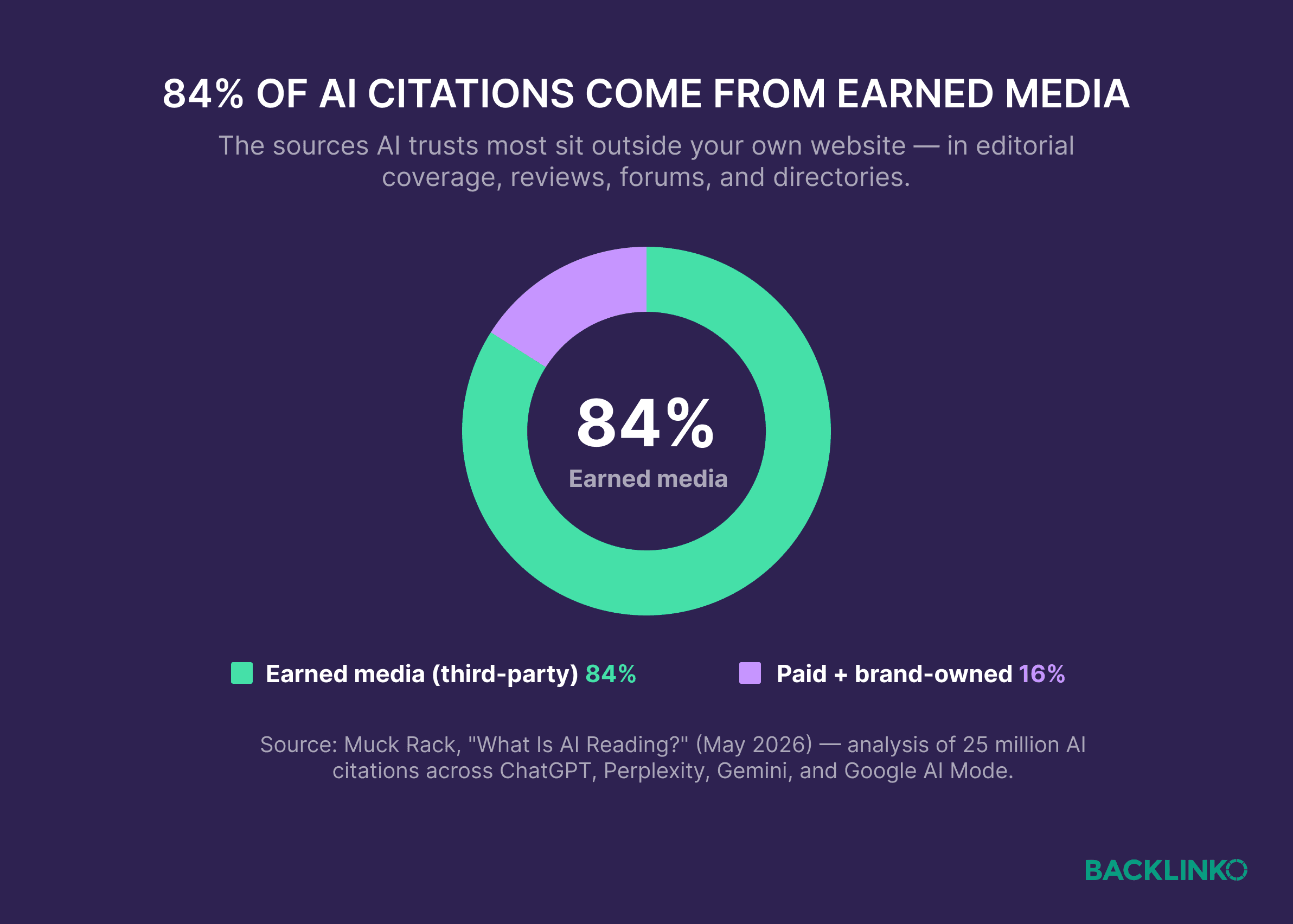
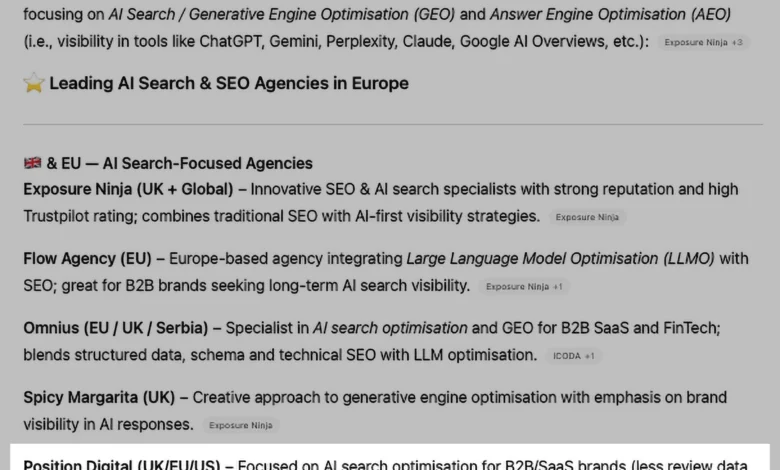
Consequently, the algorithms driving AI-generated answers rely heavily on external consensus. If a brand name appears frequently across trusted editorial sites, industry reports, customer review platforms, and peer-to-peer communities, LLMs interpret that brand as established, trustworthy, and worthy of citation. Brands failing to cultivate an authoritative offsite footprint risk becoming invisible in AI-driven discovery, regardless of how well-optimized their native web pages might be.
Data-Led Public Relations and High-Authority Backlinks
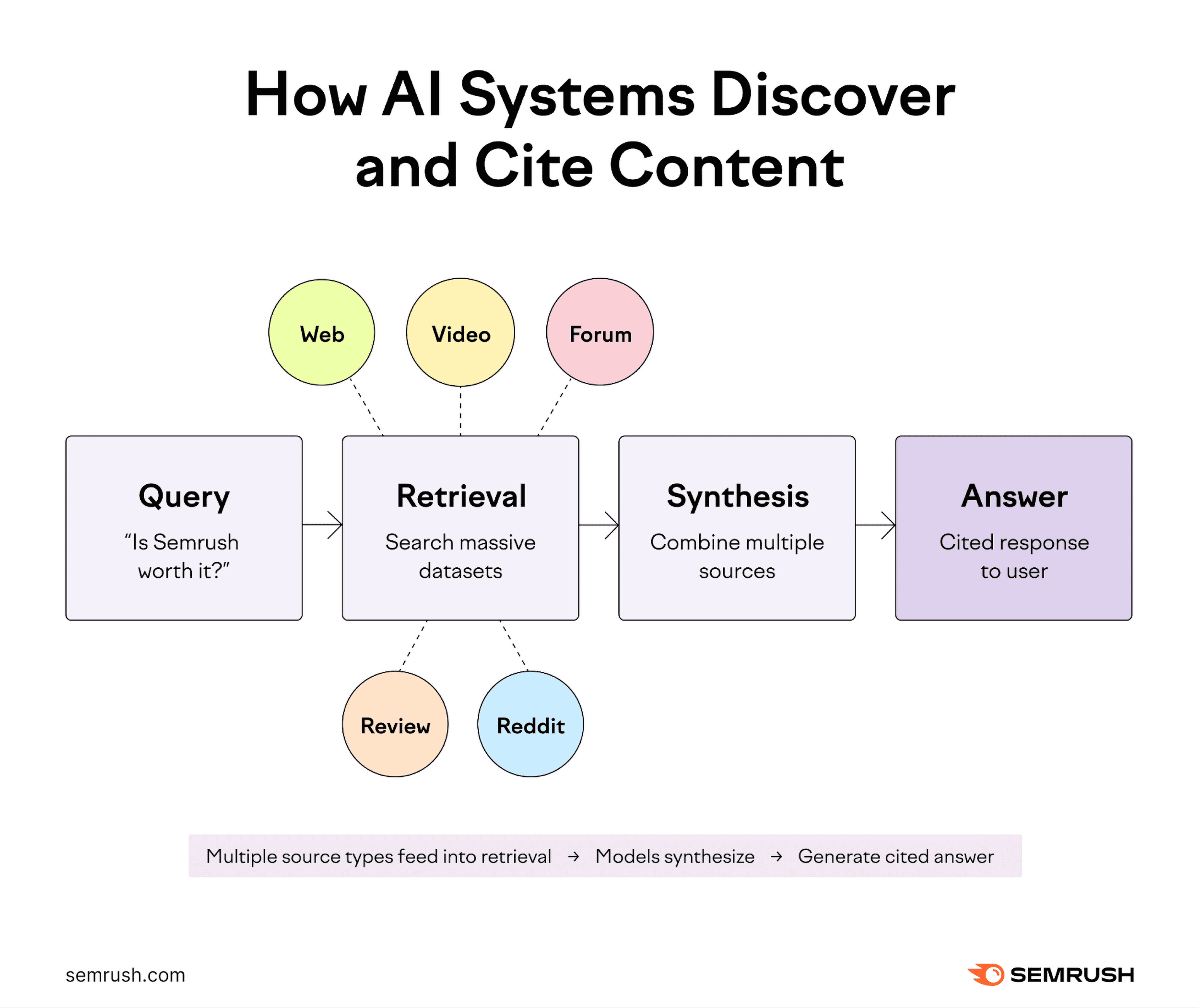
To secure placement in the digital ecosystems that AI systems parse, forward-thinking organizations are increasingly turning to data-led public relations. This strategy involves conducting original research, publishing proprietary industry surveys, and distributing statistical roundups to relevant media publications, journalists, and trade bloggers.
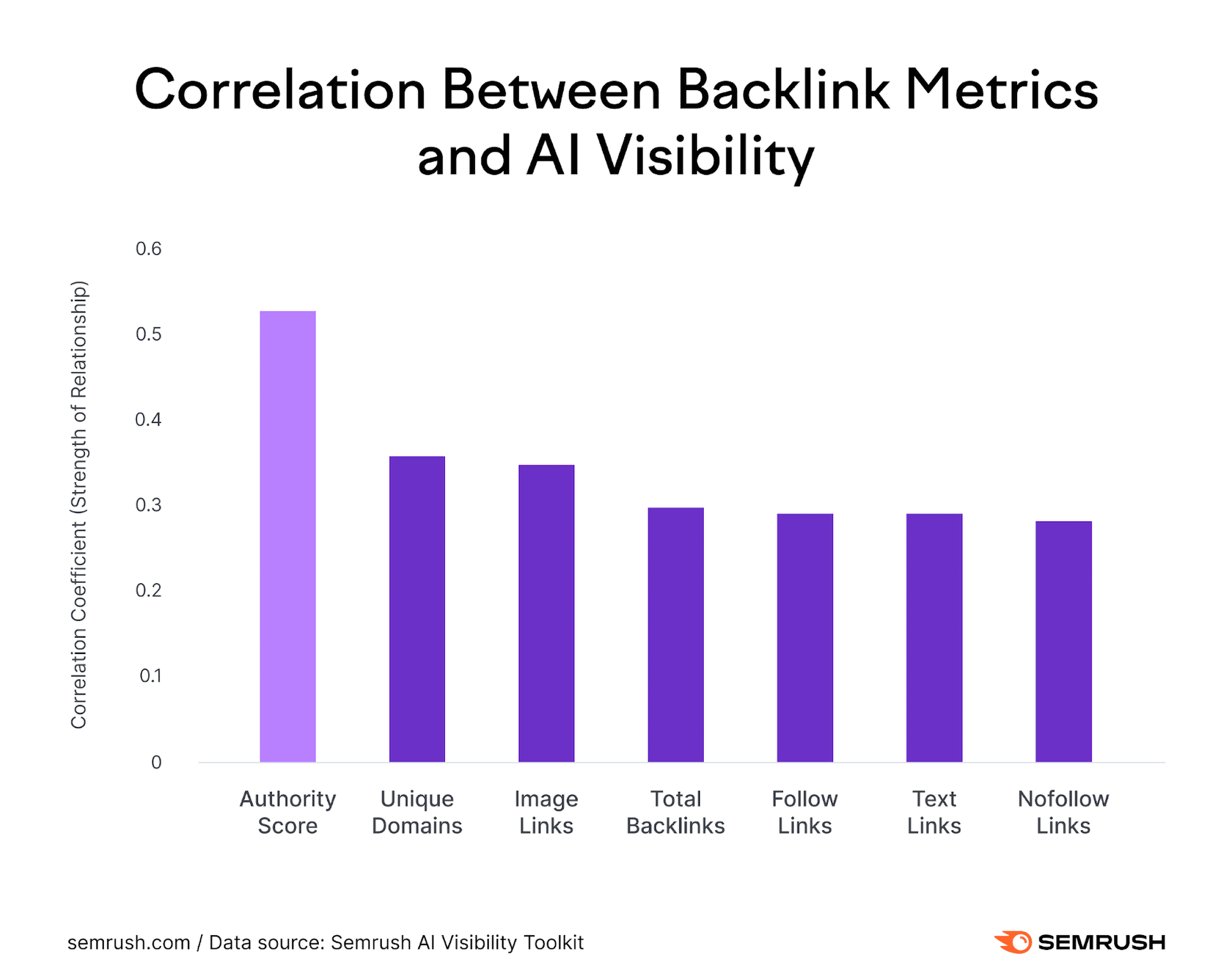
The rationale behind data-led PR is straightforward: journalists and content creators perpetually seek credible, fresh statistical data to substantiate their reporting. By providing this information, brands earn high-quality backlinks from high-authority domains. Research from Semrush analyzing over 1,000 domains demonstrates a clear positive correlation between robust backlink authority and frequent appearance in AI-generated search results. Similarly, research from digital marketing agency Seer Interactive highlights domain authority and high-quality backlinks from domains with a Domain Authority of 60 or higher as the top two metrics influencing AI visibility.
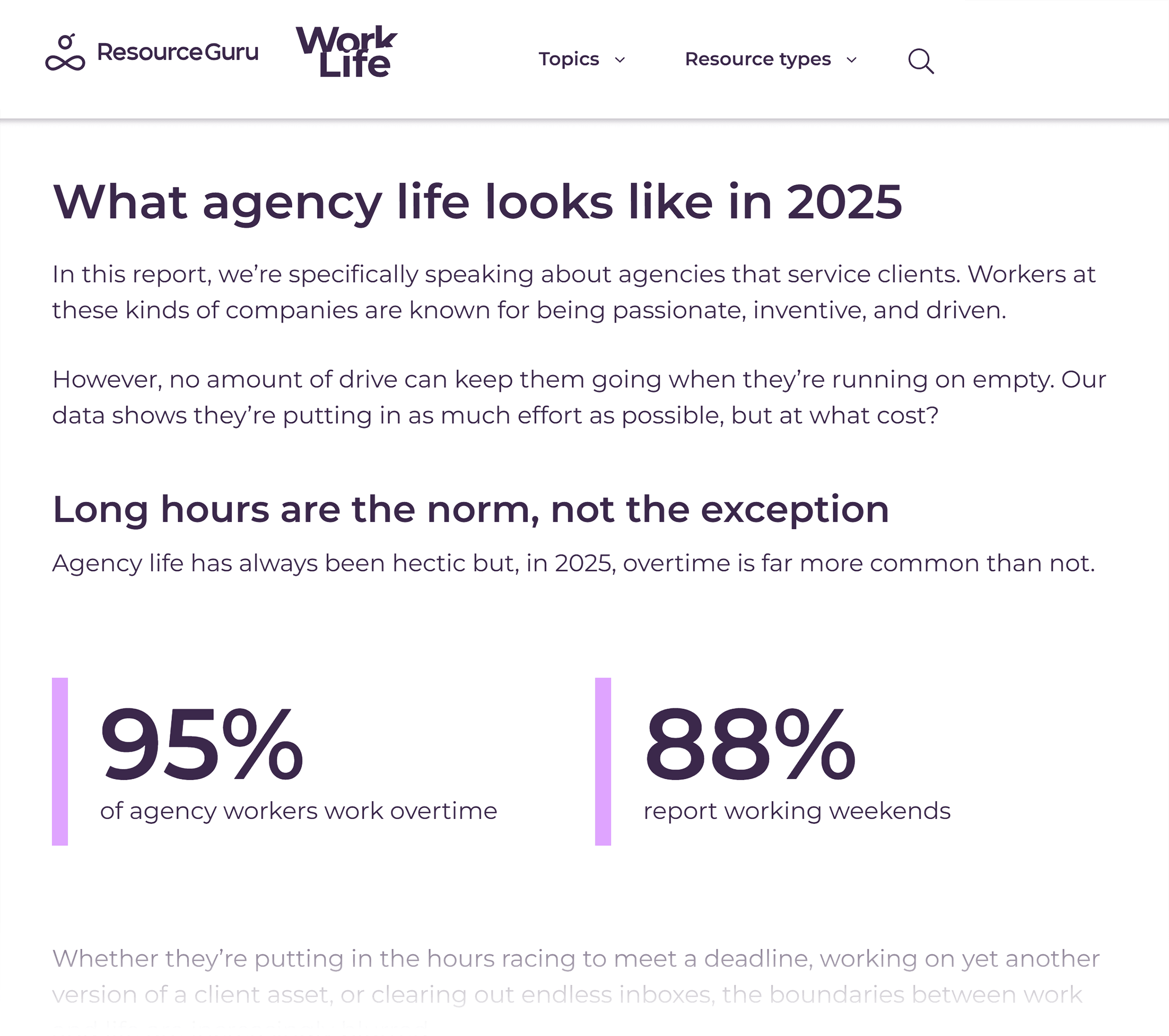
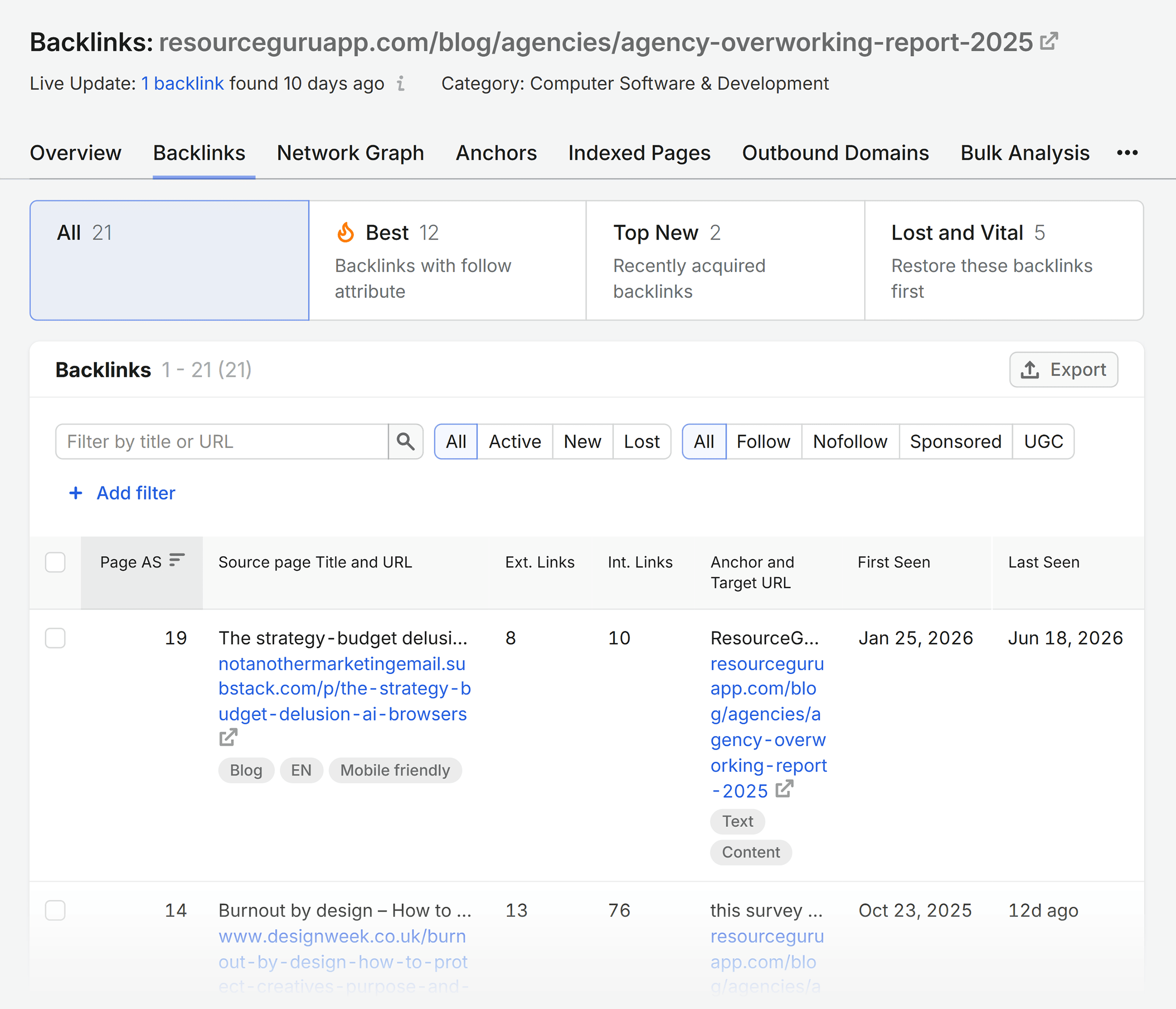
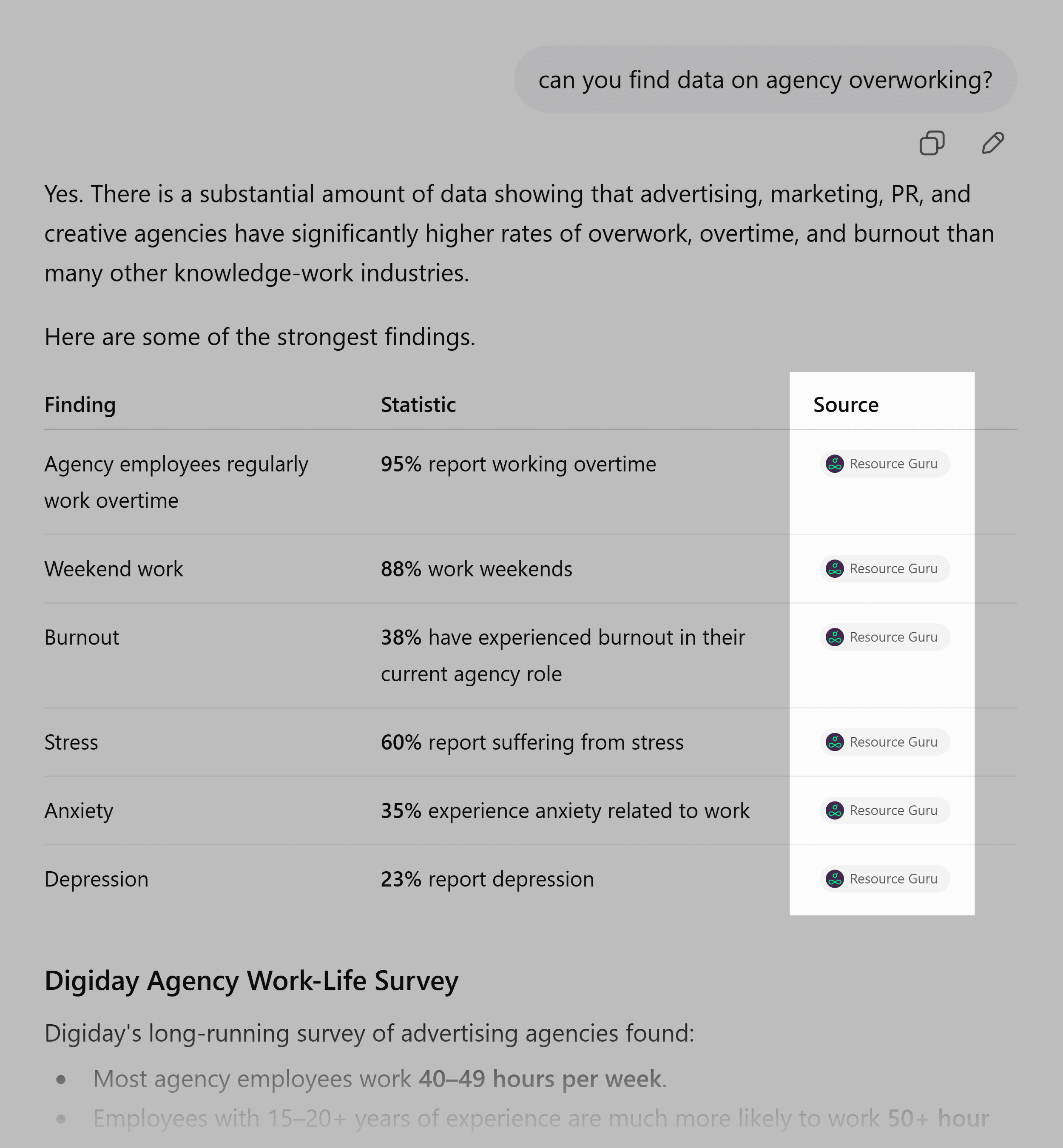
Case studies in this domain illustrate the tangible benefits of data-led campaigns. For instance, when collaborative enterprise resource planning and scheduling platform Resource Guru published the Agency Overworking Report, the proprietary dataset naturally attracted more than 20 high-value backlinks, including prominent coverage in major financial publications like Forbes. Crucially, the data points from this report quickly integrated into the training data and real-time retrieval parameters of multiple LLMs, resulting in consistent, organic citations within AI-generated responses for industry-specific queries.
Executing AI Citation Outreach and Targeted Placements
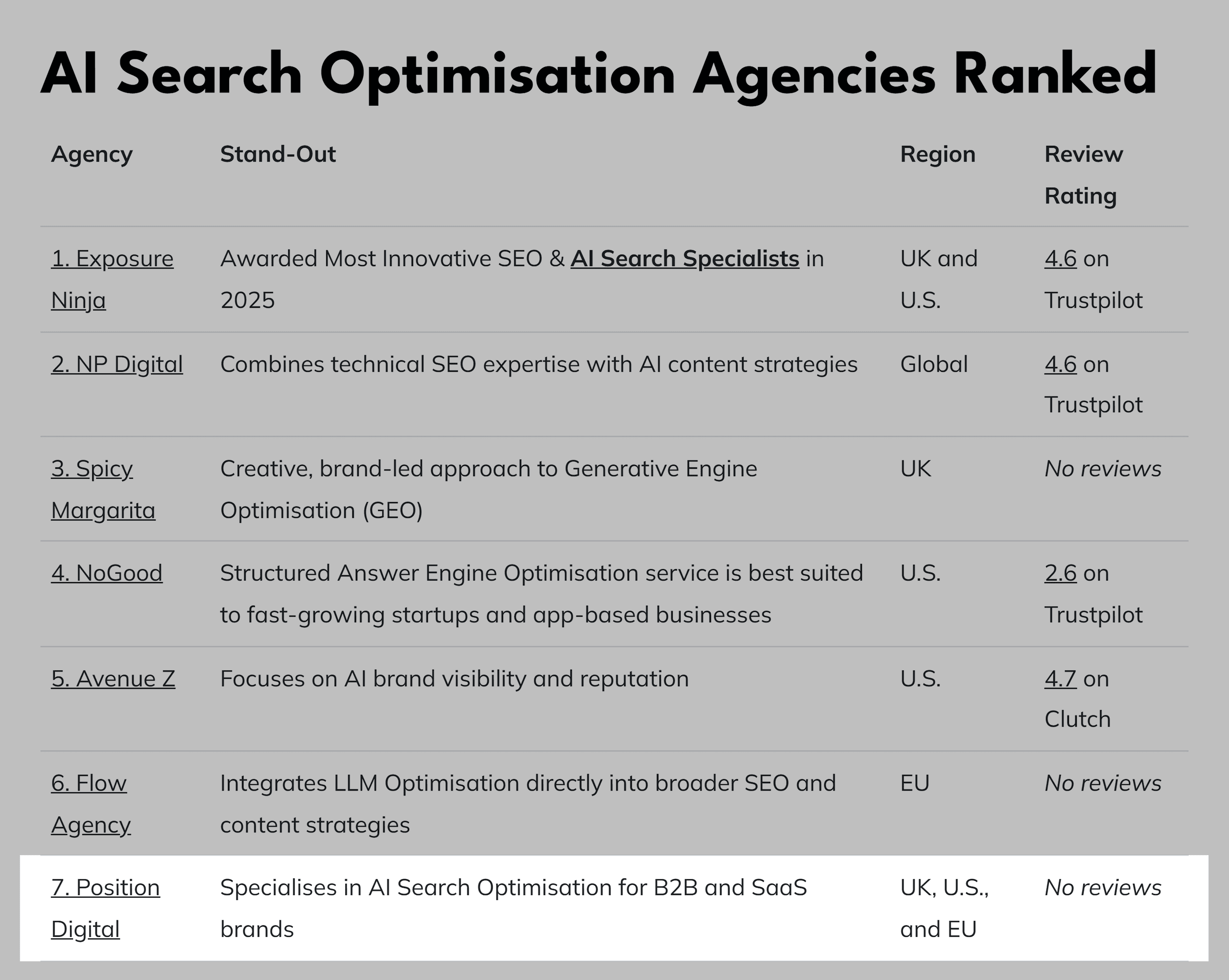
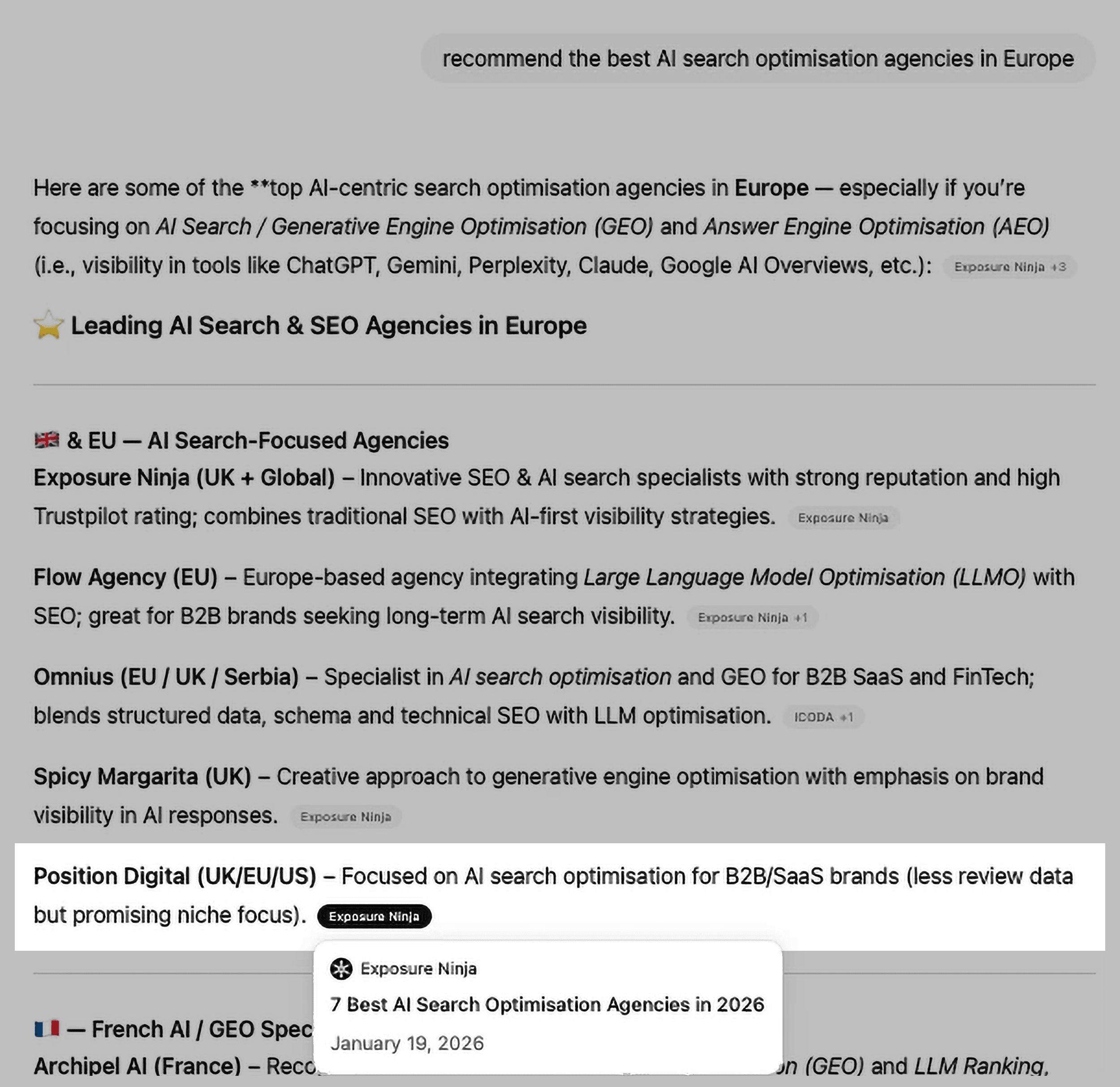
Beyond publishing original research, brands are actively engaging in AI citation outreach. This targeted methodology involves identifying the specific third-party roundups, comparison articles, and "best of" listicles that AI models already reference when answering user queries in a given niche.
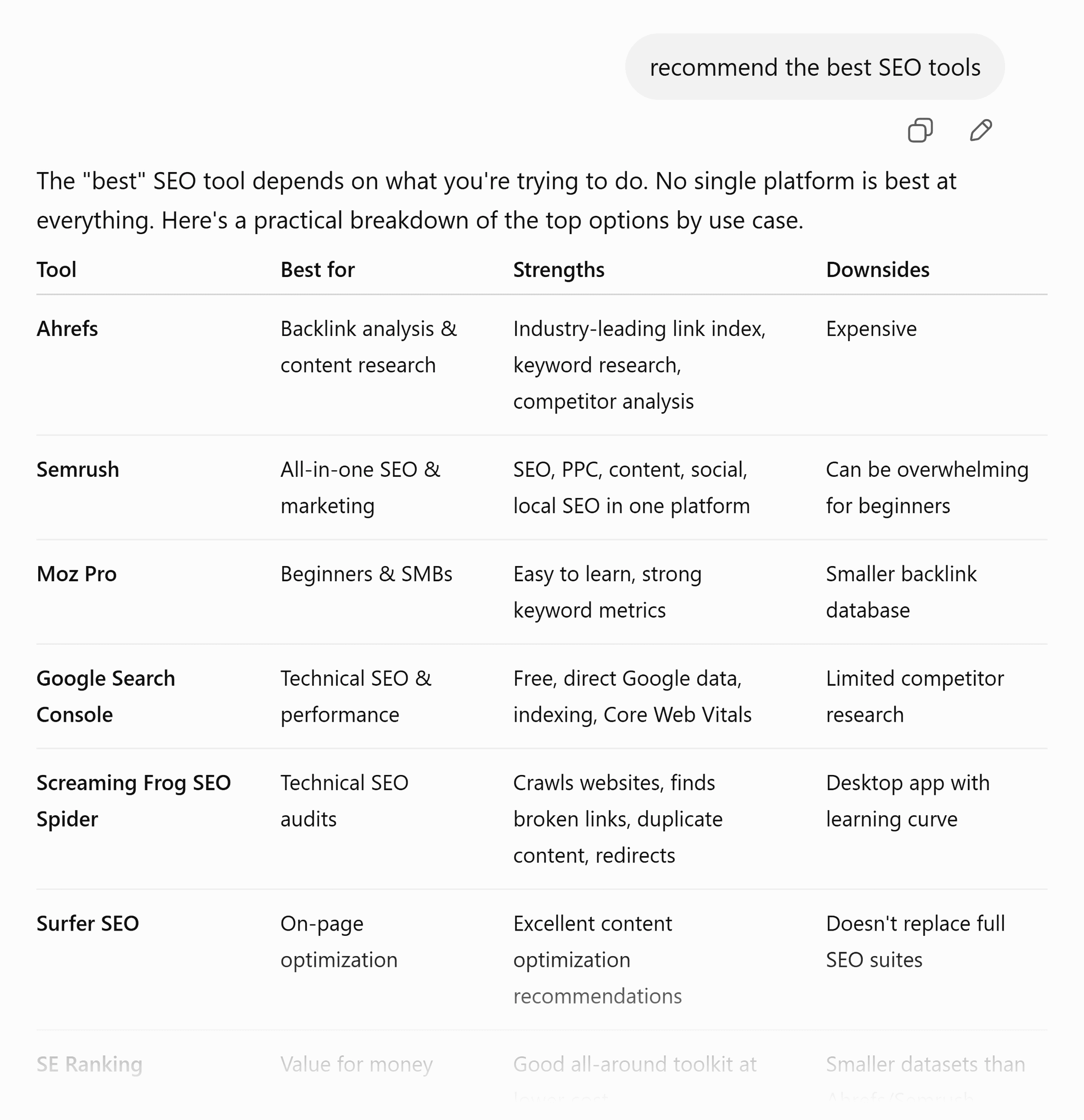
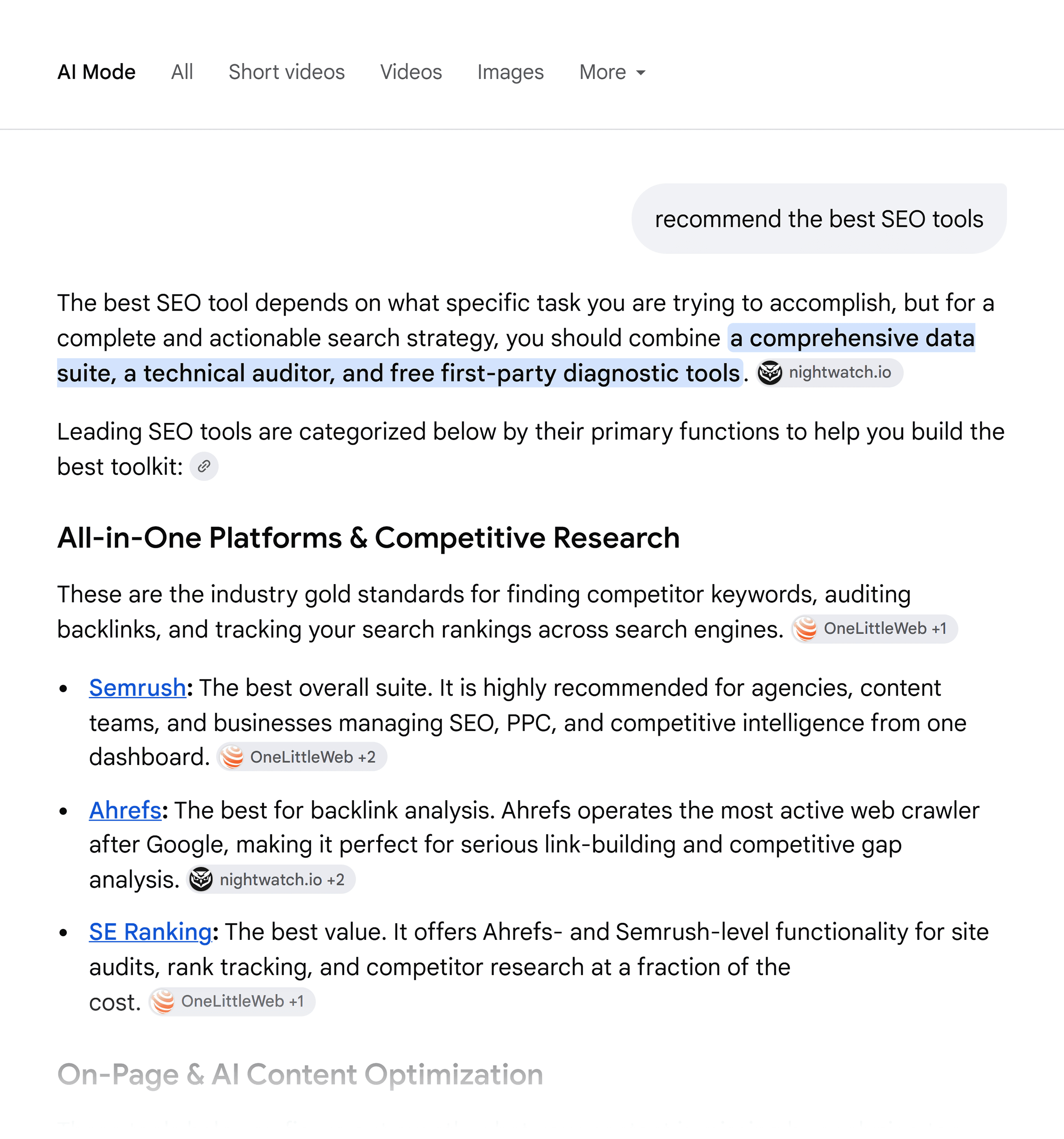
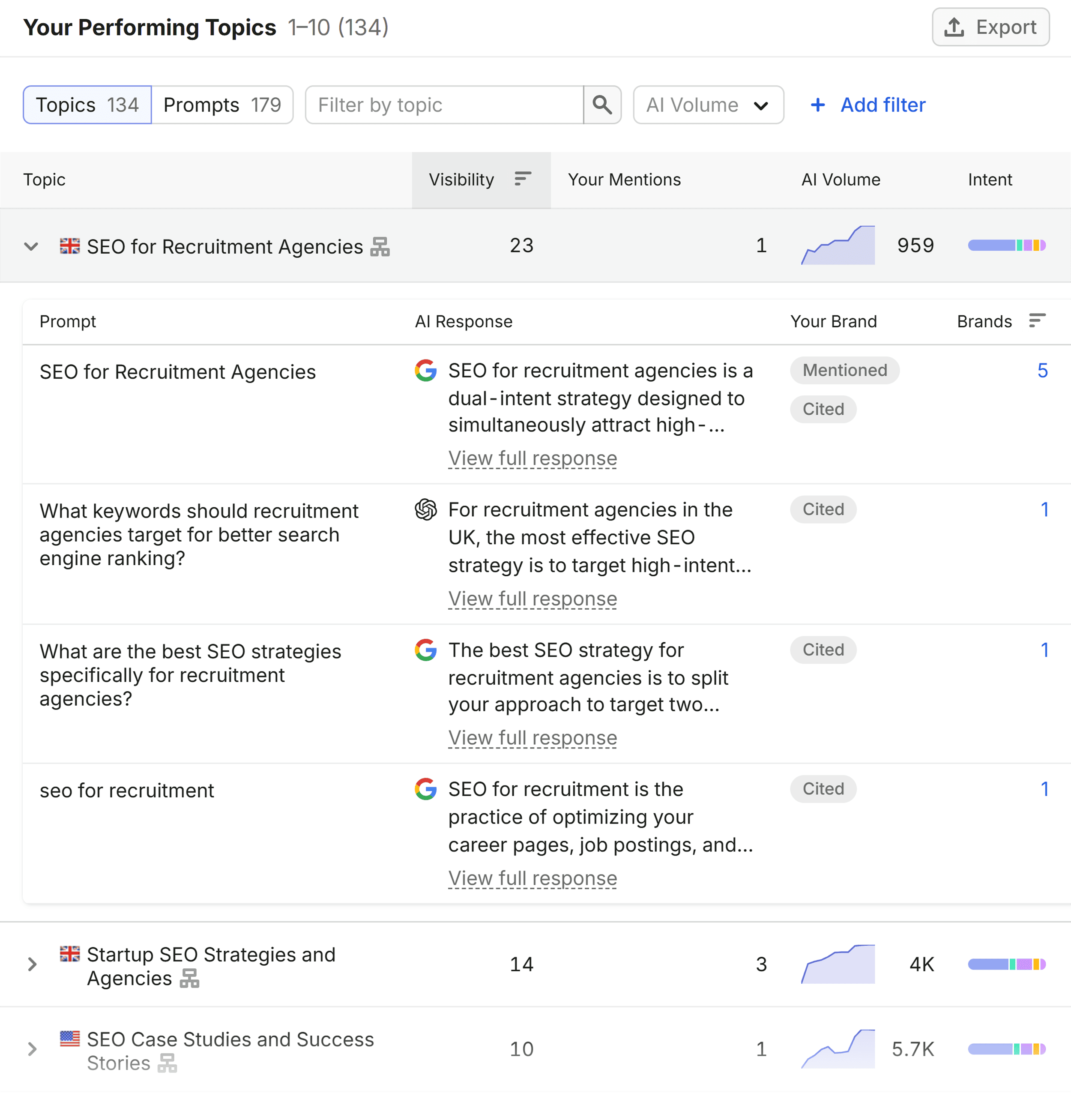
Because different LLMs exhibit distinct citation preferences and rely on varied web indices, visibility requires a multi-pronged approach. Marketers must map out user intents, analyze the specific queries typed into AI platforms, and identify the exact source URLs cited in the output. Tools such as Semrush’s AI Visibility Toolkit and ListBrew allow marketing professionals to reverse-engineer AI citations, pinpointing the exact comparison pages that generative search engines trust.
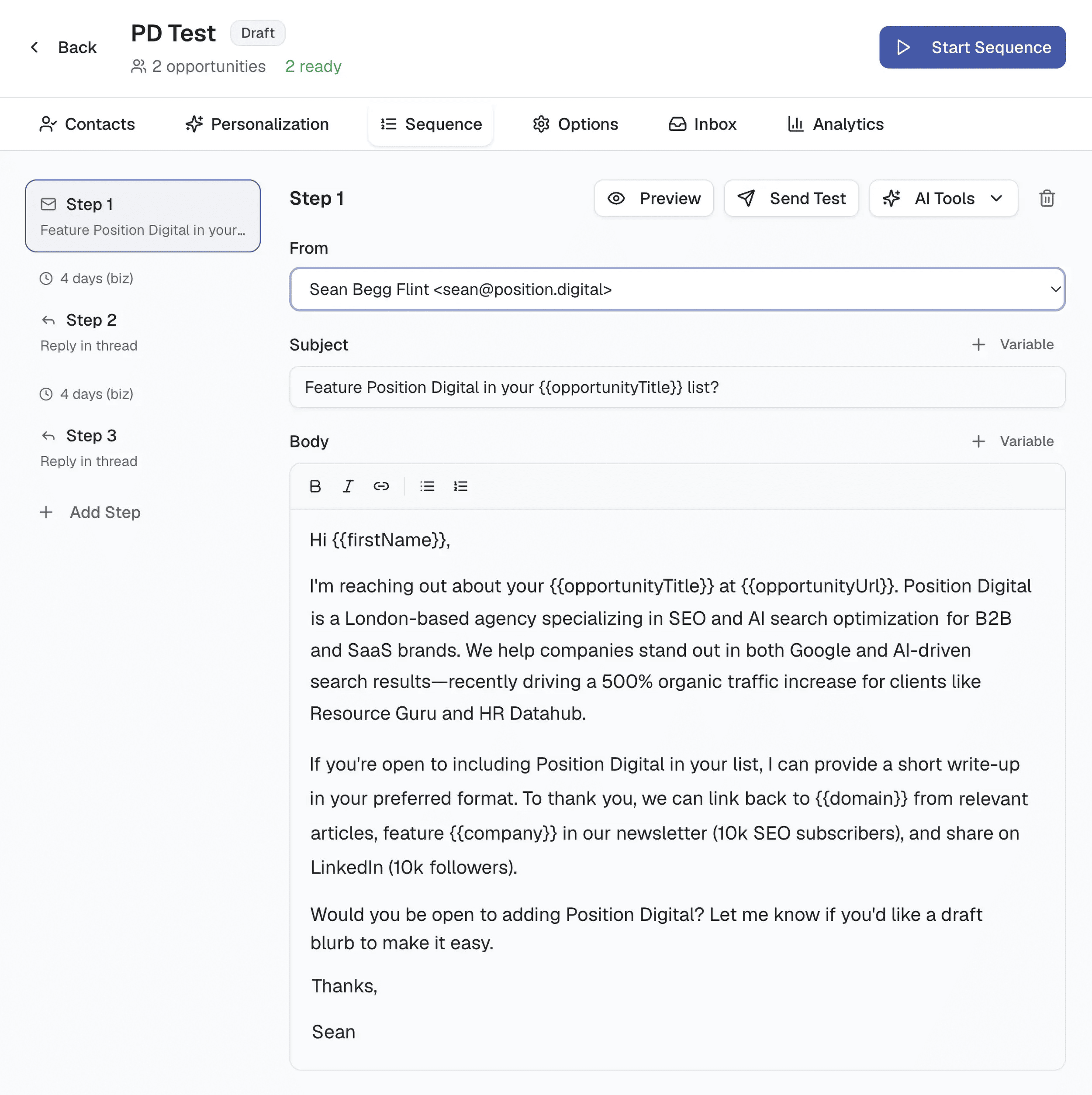
Once these citation sources are identified, public relations professionals pitch their brands for inclusion. Successful outreach campaigns typically involve offering reciprocal value, such as expert commentary, exclusive data contributions, or pre-written editorial blurbs that make it frictionless for the original author to incorporate the brand into their existing content.
The Imperative of Speed Through Reactive PR
While comprehensive PR campaigns require months of strategic planning, modern digital visibility also demands extreme agility through reactive PR. Reactive public relations focuses on immediate responsiveness to breaking news, regulatory updates, viral industry trends, and emerging market topics.
LLMs operate under specific training parameters and rely on real-time web retrieval mechanisms to answer queries regarding current events. When a major story breaks, historical training data becomes obsolete, forcing AI systems to scour the web for newly published, authoritative commentary. Organizations that act swiftly to publish insightful analysis, expert perspectives, or primary reporting during these critical windows frequently capture the lion’s share of AI citations.
An examination of how major digital publications report on search algorithm updates demonstrates this phenomenon. When trade outlets like Search Engine Journal publish rapid, authoritative analyses of new search engine guidance, those articles frequently accumulate thousands of readers, hundreds of backlinks, and immediate citations within AI-generated summaries across platforms like ChatGPT. To replicate this success, communications teams must monitor industry-specific discussion boards, real-time social media conversations, and specialized newsletters to identify emerging narratives before they saturate mainstream media cycles.
Leveraging Ego Bait and Expert Collaboration
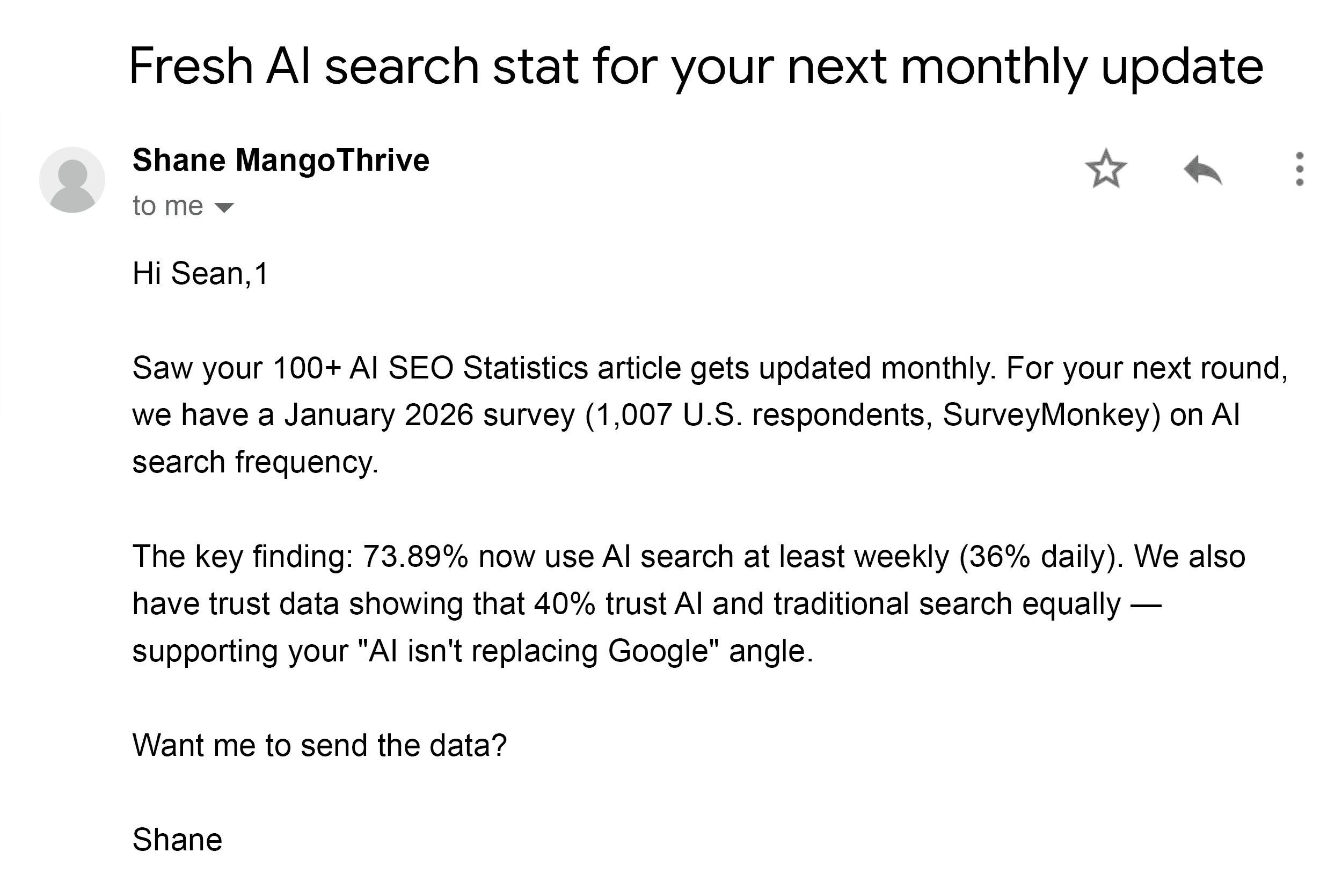
Another highly effective mechanism for earning offsite authority is ego-bait content—specifically, content designed to feature respected industry experts, thought leaders, and influencers. This strategy serves a dual purpose: it enhances the factual credibility of the content and establishes an organic distribution network.
Empirical studies indicate that web pages incorporating verified expert commentary receive significantly more citations in AI models compared to pages lacking external validation. When recognized authorities are quoted in an article, they are statistically more likely to share the piece with their personal and professional networks, drive social media engagement, and link to the resource from their own digital properties.
Organizations can execute this strategy through structured expert roundups utilizing journalist sourcing platforms, publishing detailed customer case studies, or compiling curated lists of industry leaders. As these expert-driven pieces accumulate external mentions, the collective digital footprint of the brand expands, directly translating into heightened LLM visibility.
Thought Leadership, Guest Posting, and Platform Diversification
Traditional SEO content focuses primarily on satisfying explicit transactional or informational keyword queries. In contrast, modern thought leadership is designed to challenge established industry norms, introduce innovative frameworks, and provoke constructive debate.
Data compiled from various AI visibility studies indicates that professional networks and publishing platforms—most notably LinkedIn and Medium—frequently rank among the most-cited domains across major generative search engines. This reality has prompted marketing leaders to adopt distributed publishing frameworks, such as the Guest Post Engine model. By publishing core concepts on a primary domain and distributing localized variations of that thought leadership across high-authority third-party publications, brands establish an inescapable consensus across the web.
When multiple independent, highly trusted publications point back to a single entity as the originating source of a concept, AI models recognize that entity as a primary authority. Furthermore, participating in industry podcasts, contributing guest columns, and publishing professional essays on distributed platforms create compounding digital touchpoints that feed directly into the retrieval-augmented generation (RAG) pipelines of modern search architectures.
Community Building, Forums, and Review Ecosystems
Perhaps the most revealing insight to emerge from recent AI search research is the degree to which generative models favor neutral, community-driven platforms over corporate-owned marketing materials. Studies analyzing hundreds of thousands of AI responses consistently show that LLMs cite peer-to-peer discussion boards like Reddit, Quora, and specialized forums significantly more often than corporate blogs for product recommendations and consumer research.
Similarly, external review ecosystems play a decisive role in brand discoverability. Research examining brand presence across review platforms reveals a stark statistical divide: brands lacking active review profiles on platforms like Trustpilot or G2 suffer from near-zero AI citation rates, whereas brands maintaining even a minimal portfolio of authentic customer reviews experience exponential increases in their median AI citation frequency.
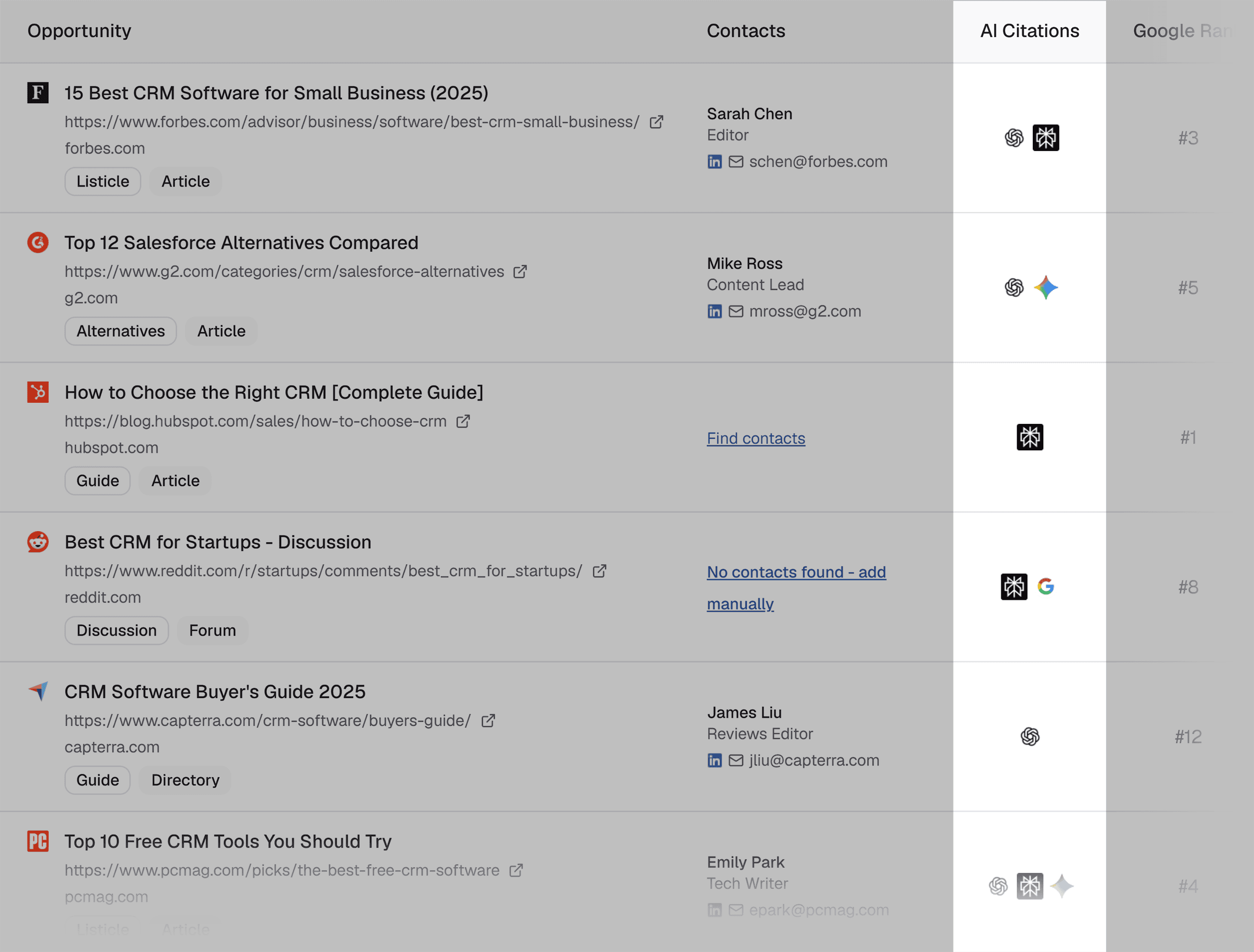
This reliance on third-party sentiment reflects the core design philosophy of generative AI: safety, neutrality, and consensus. When a user asks an AI model to recommend a software solution, service provider, or product, the system weighs the unvarnished opinions of hundreds of independent users higher than any claims made by the manufacturer. Consequently, community building—participating authentically in relevant online forums, providing helpful expertise without aggressive self-promotion, and actively curating positive customer feedback on independent review sites—has transformed from a peripheral branding exercise into a core technical requirement for AI search optimization.
Implications for the Future of Digital Strategy
The definitive shift toward earned media, external validation, and digital PR as the primary drivers of AI visibility signals the maturation of modern search optimization. As generative AI continues to displace traditional blue links and conversational search interfaces capture an expanding share of user queries, organizations must adapt their marketing budgets accordingly.
Winning in AI search is no longer merely a matter of technical on-page coding or keyword manipulation. It requires an integrated communications strategy focused on building genuine authority, earning credible media coverage, contributing to community discussions, and securing third-party validation across the entire digital ecosystem. Brands that embrace this holistic approach will secure enduring visibility in the emerging era of artificial intelligence discovery, while those that rely solely on insular corporate messaging risk fading into digital obscurity.