The New Frontier of Search: Why Prompt Tracking is Critical for Brand Survival in the Age of AI

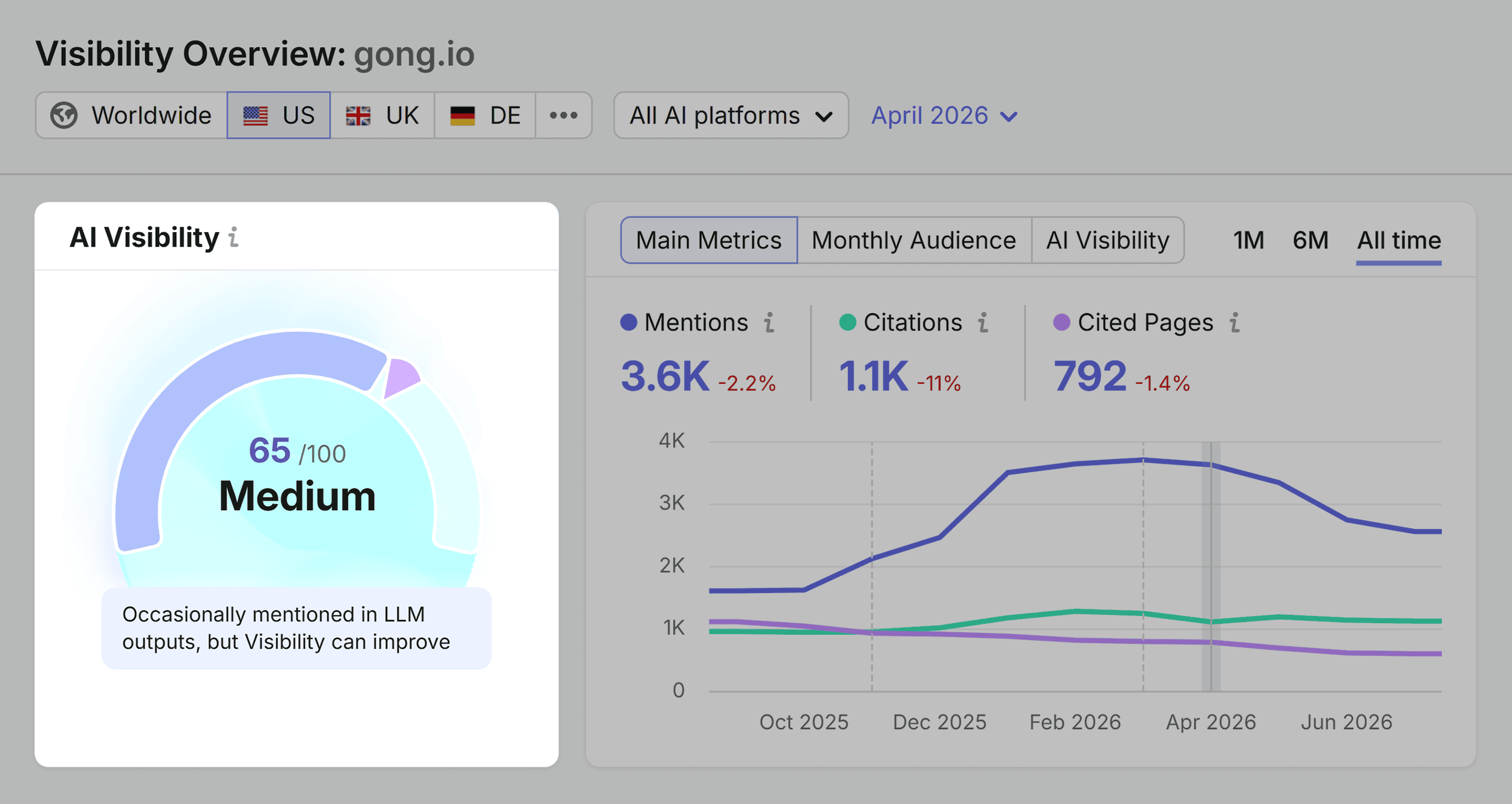
Your brand could be ranking #1 on traditional search engines like Google, yet remain entirely invisible to the growing demographic of consumers using artificial intelligence for product research. As large language models (LLMs) fundamentally reshape how people discover products, services, and information, a new methodology has emerged to measure digital footprint: prompt tracking, also known as LLM visibility tracking.
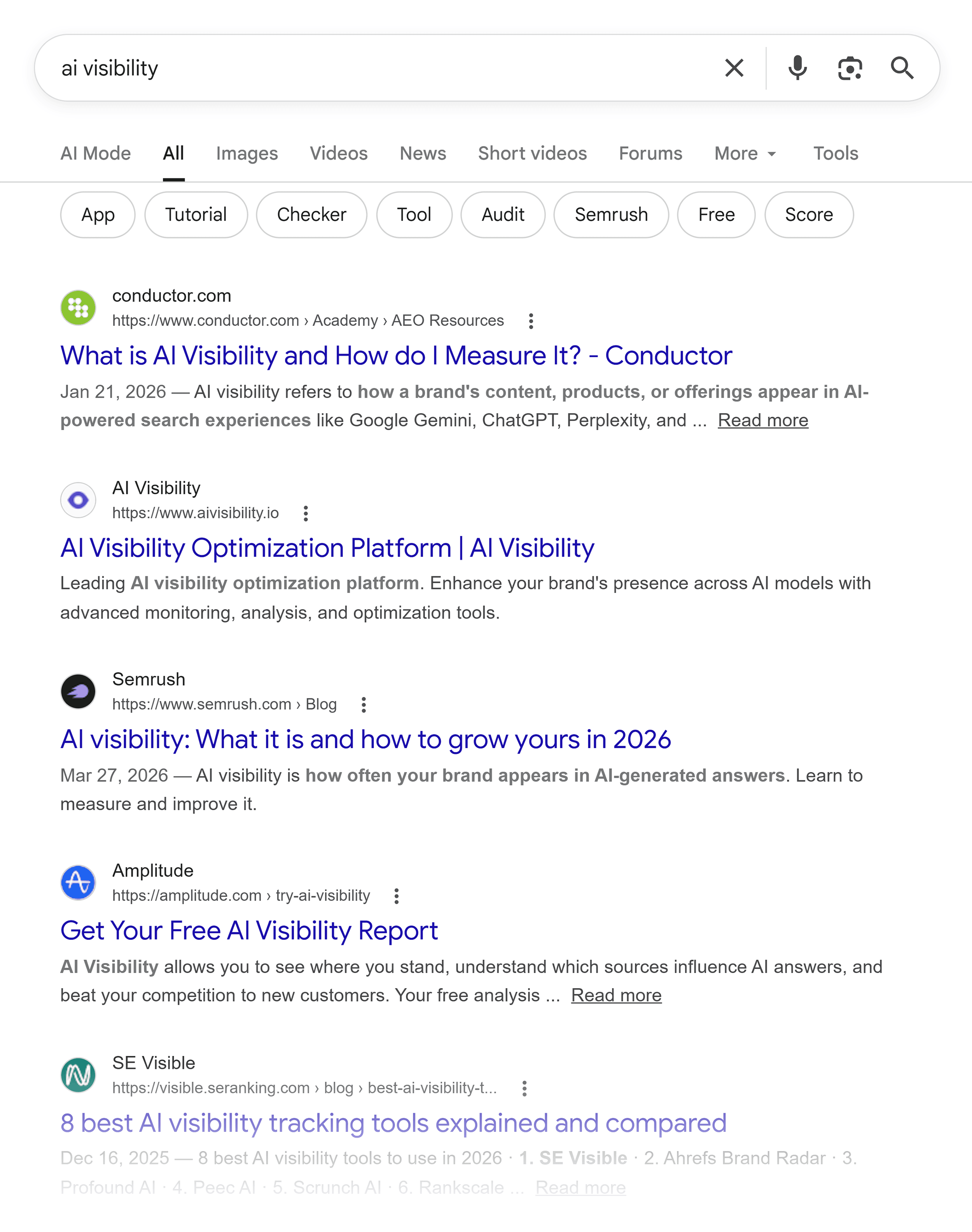
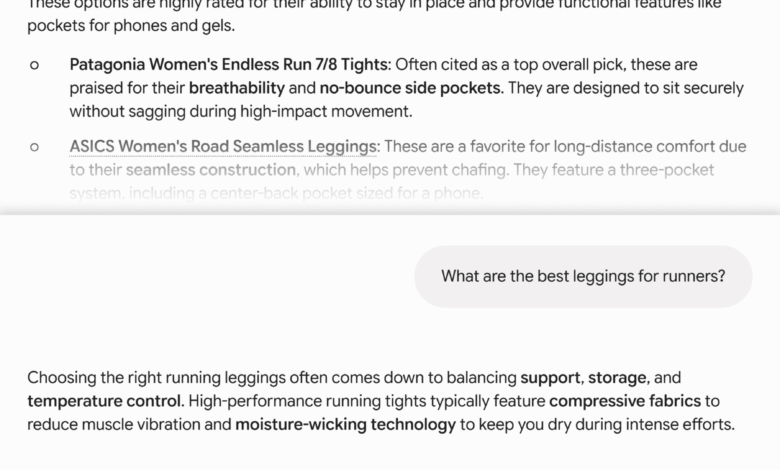
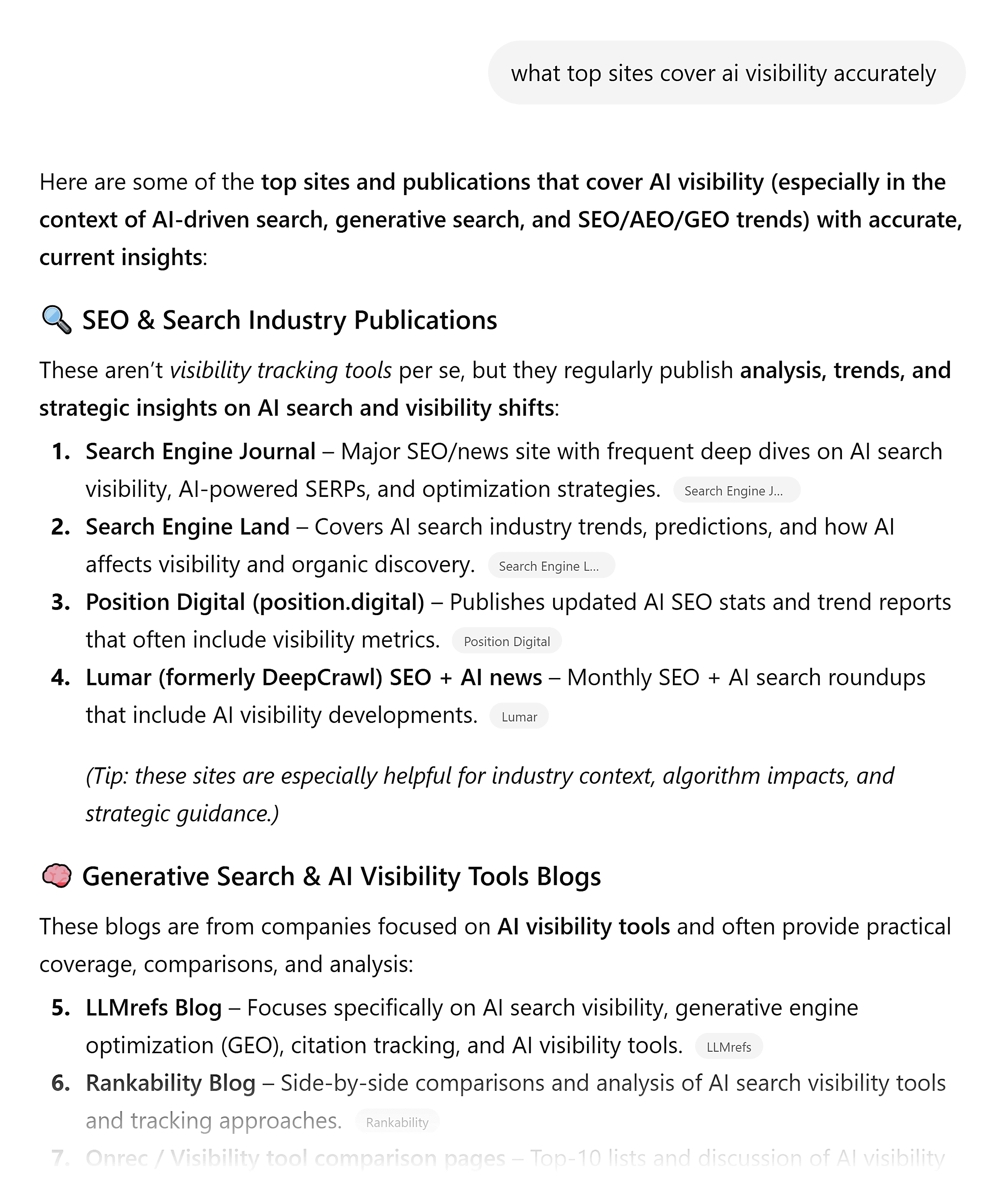
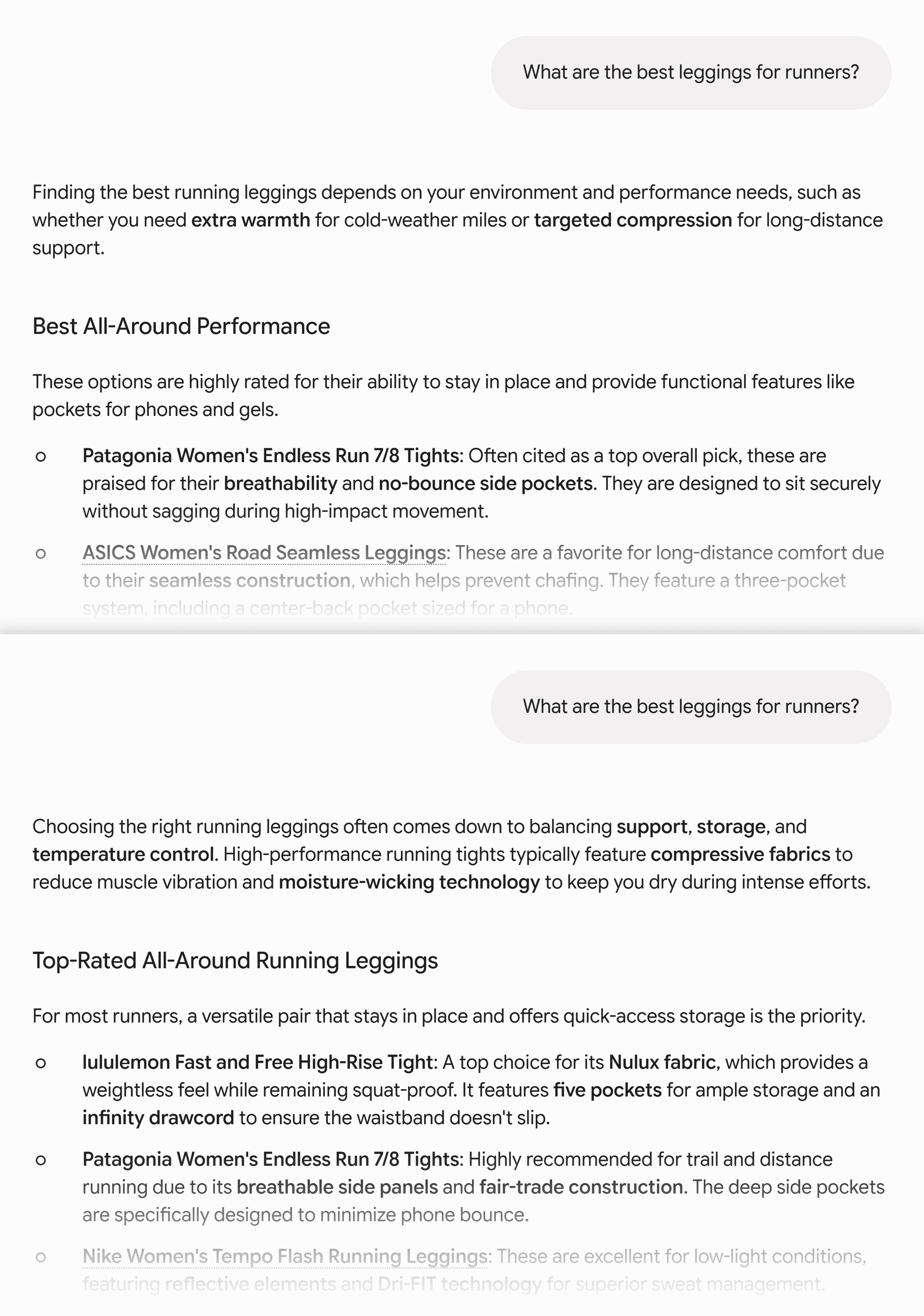
While conventional search engine optimization (SEO) focuses on static rankings and URLs appearing on search engine results pages (SERPs) for specific keywords, the generative AI landscape operates entirely differently. When users consult tools like ChatGPT, Google Gemini, or Perplexity, they are not presented with a static list of ten blue links. Instead, LLMs draw from vast, disparate datasets to generate unique, real-time responses tailored to the exact context of an individual conversation. Consequently, a user can input the exact same prompt twice and receive two entirely distinct answers. This paradigm shift means traditional rank tracking metrics—such as asking how close a website is to the coveted position one—are no longer sufficient for modern digital marketing strategies.
The Shift in Consumer Behavior and the Rise of AI Discovery
Recent industry research underscores the urgency of this transition. Studies tracking digital consumer habits indicate that more than half of internet users rely on AI as a primary or frequent research tool, with nearly a third utilizing these platforms explicitly for product recommendations. In the B2B sector, the reliance is even starker; recent market insight reports from industry analysts show that over 70% of B2B software buyers now depend on AI chatbots during their initial product research phases.
Translation: A rapidly growing share of prospective buyers are learning about brands, comparing features, and forming purchasing opinions entirely within AI interfaces, without ever visiting a company’s official website. Without prompt tracking, businesses have no systematic way of knowing whether they are part of these critical buying conversations, or worse, whether they are being represented with outdated, inaccurate, or entirely fabricated information that could severely damage sales pipelines.
Understanding Prompt Tracking: How It Works
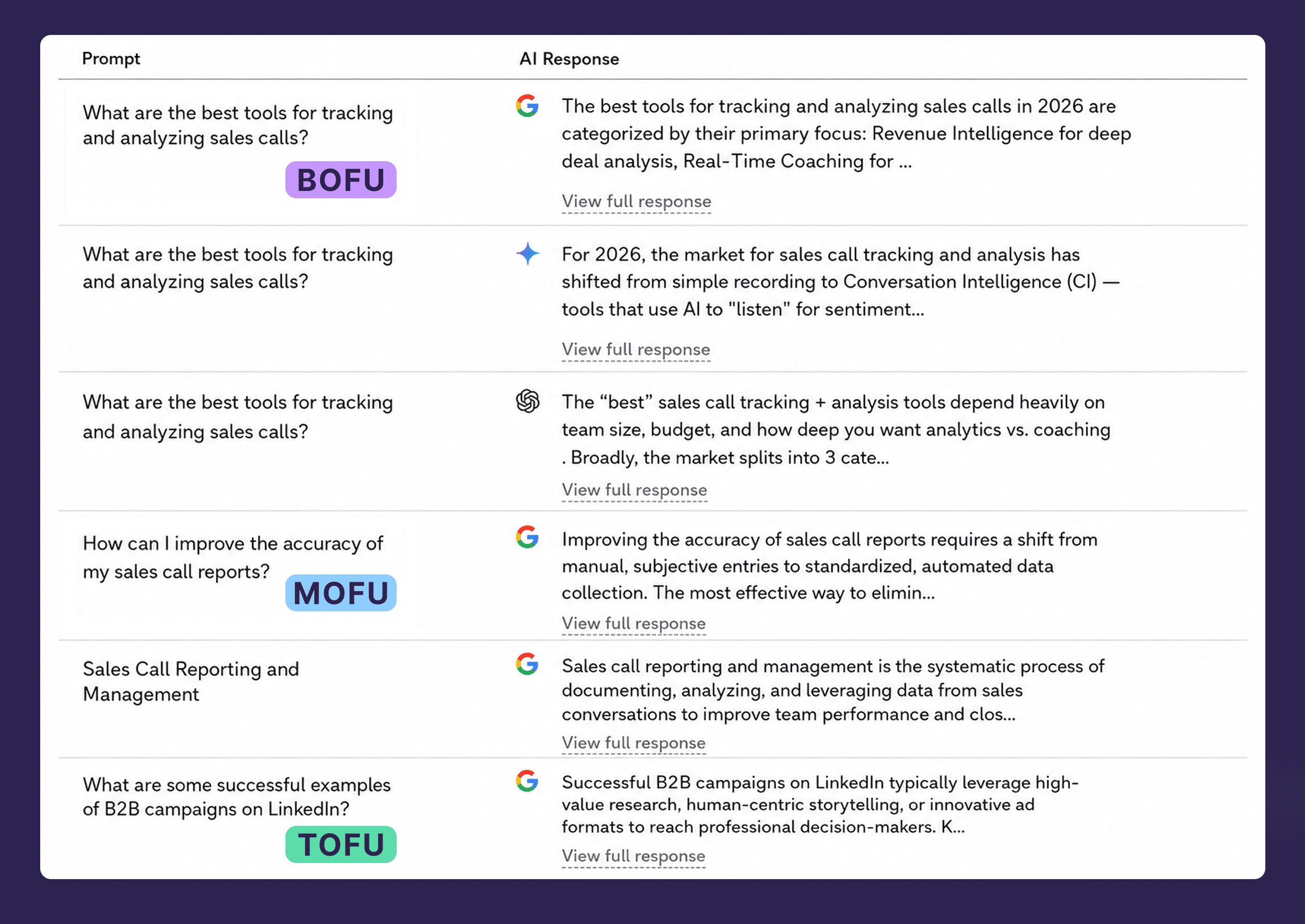
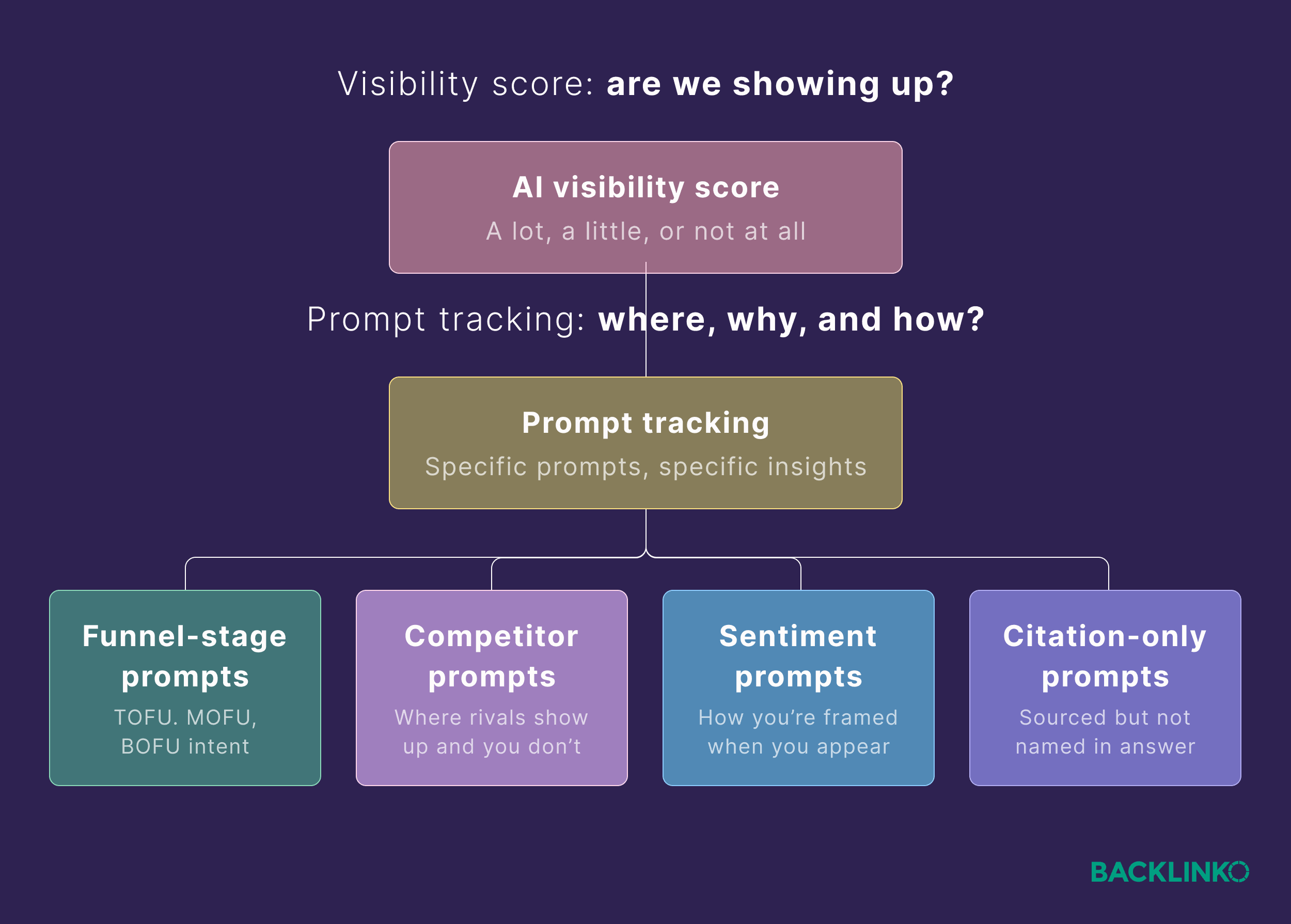
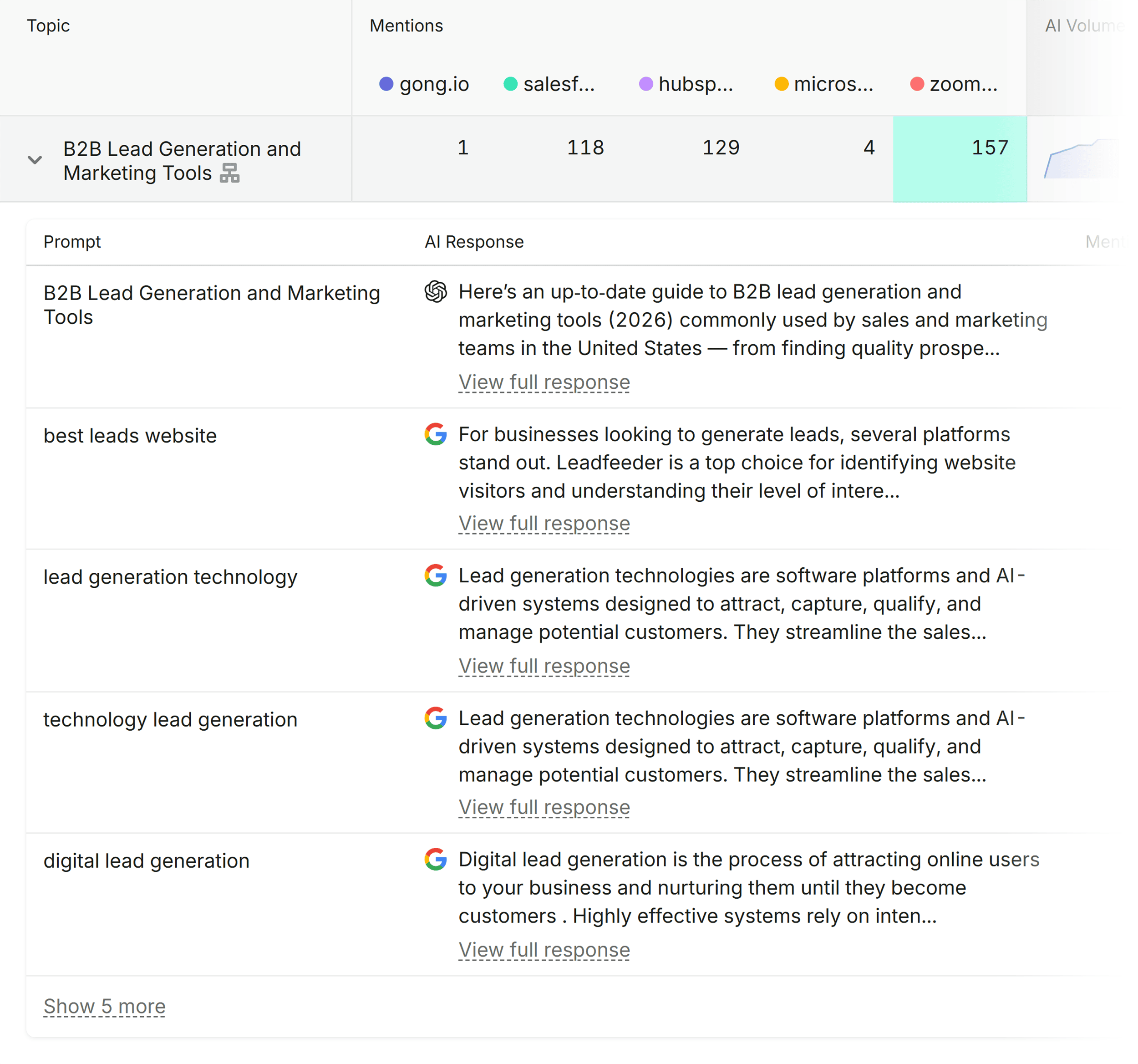
Prompt tracking involves systematically monitoring how a brand appears within AI-generated answers over time, focusing on specific metrics such as direct mentions, sentiment analysis, and authoritative citations. Unlike vanity metrics that simply measure brand awareness, an effective prompt tracking framework categorizes queries into distinct strategic buckets:
- Evaluative Prompts: Queries where users ask for the best tools or solutions for a specific task (e.g., "Best project management software for marketing teams").
- Comparison Prompts: Queries evaluating direct competitors against one another (e.g., "How does Brand A compare to Brand B?").
- Reputation Prompts: Sentiment-driven queries assessing user satisfaction or pricing validity (e.g., "Is Brand A worth the price?").
- Gap Prompts: High-intent category queries where competitors consistently appear, but the tracking brand remains absent.
By organizing prompts into structured clusters mapped to products, use cases, or buyer intent—such as Jonny Nastor’s acclaimed "Constraint Map" framework for e-commerce—organizations can transition from reactive guesswork to proactive visibility management. Rather than reacting to daily fluctuations in non-deterministic AI outputs, marketing leaders analyze trends over multi-week intervals to identify actionable gaps in their digital footprint.
Strategic Implications and Actionable Responses
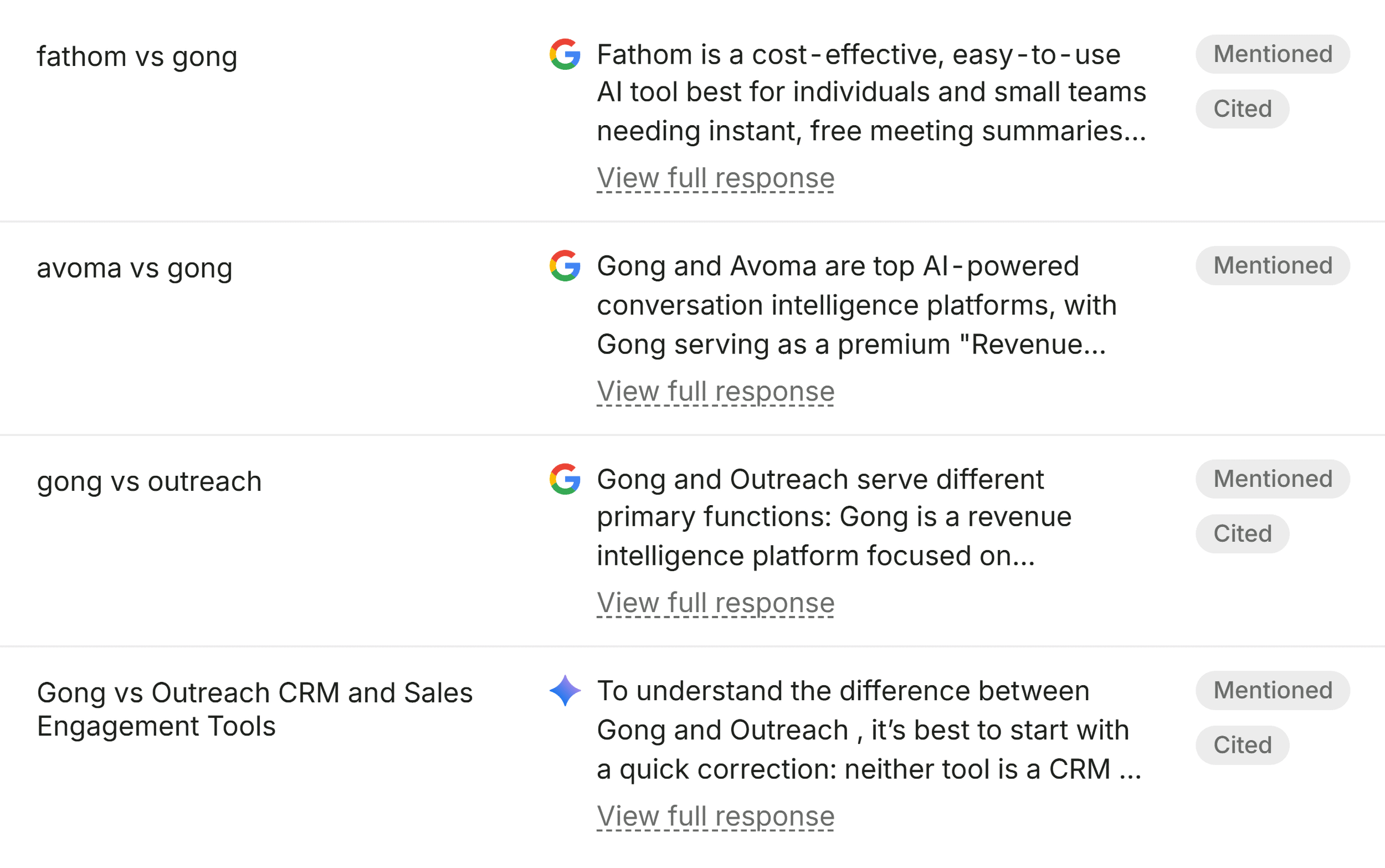
When structured properly, prompt tracking offers invaluable directional intelligence. Industry experts emphasize that the objective in AI search is not merely being mentioned first, but ensuring that the AI consistently conveys accurate, positive attributes to the correct audience across numerous query variations.
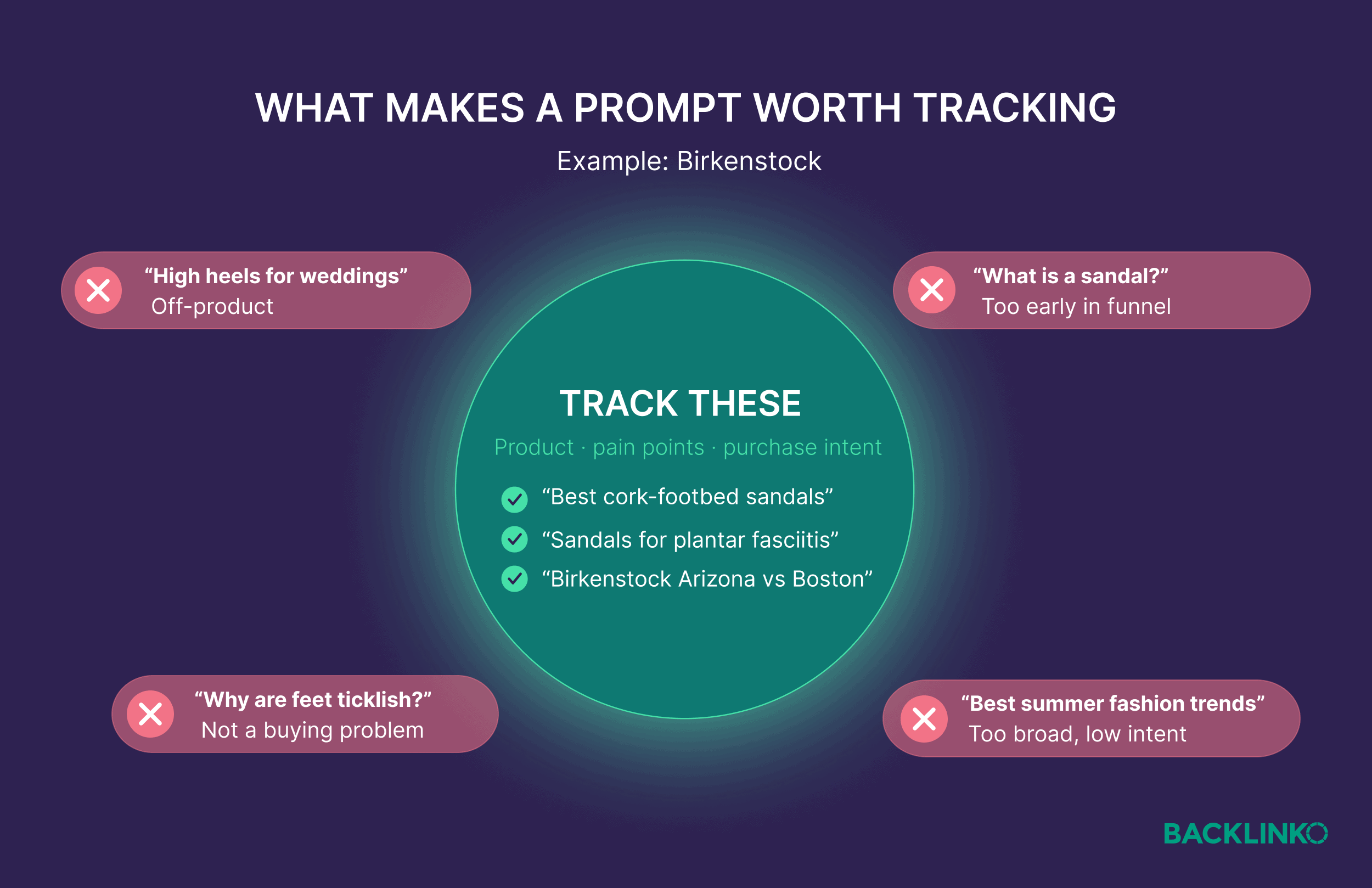
When a brand notices a prolonged downward trend in its AI visibility score within a specific category, it signals a need for operational adjustments. Rather than rushing to publish superficial content, marketing teams must analyze the foundational third-party sources—such as review aggregator sites, industry forums, and expert publications—that LLMs routinely cite. Because studies indicate that a vast majority of brand mentions originate from external third-party pages rather than owned domains, strategic outreach to these cited platforms has become a cornerstone of modern digital PR and AI optimization.
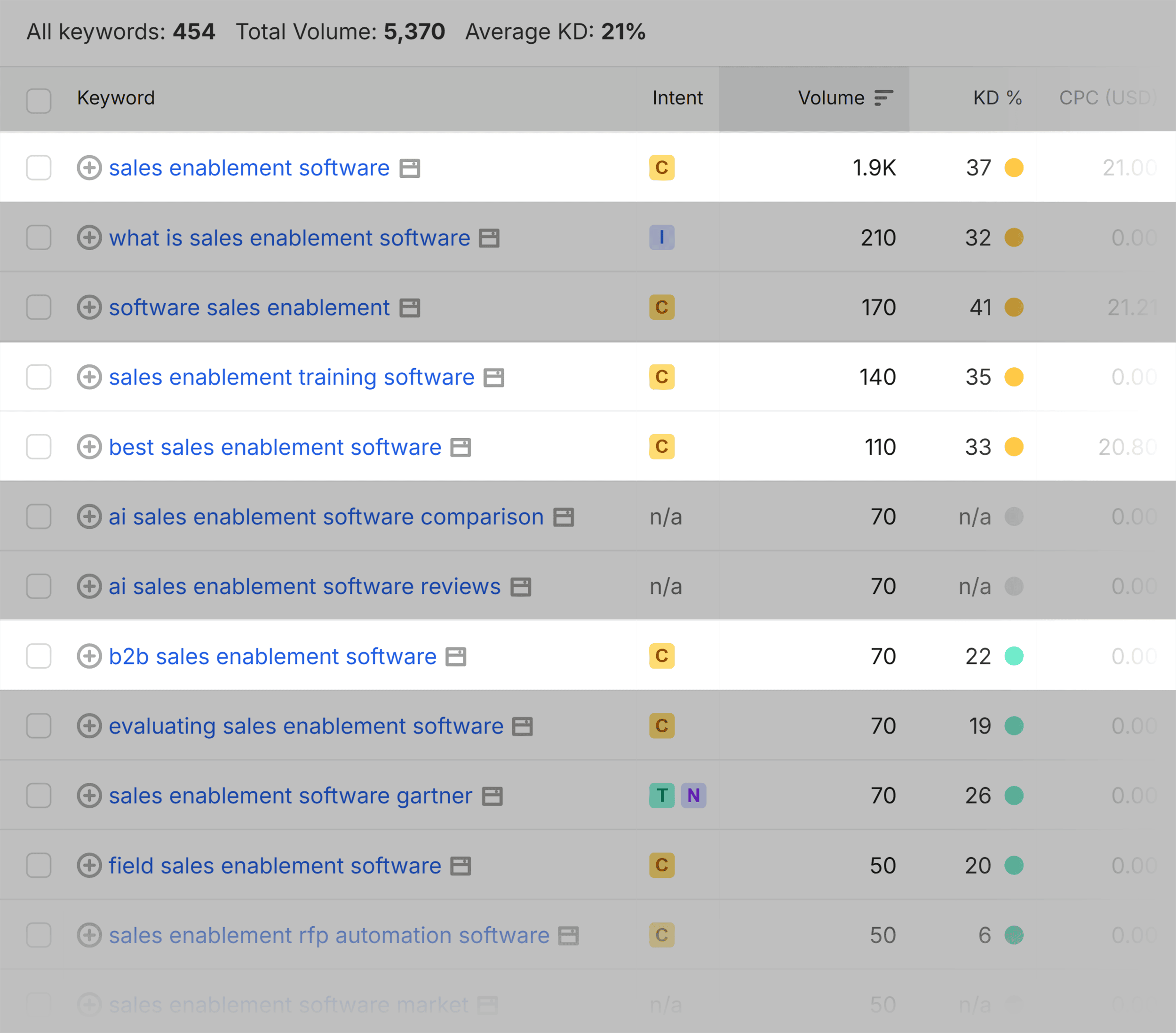
Furthermore, prompt tracking helps organizations combat "ghost ranking"—a phenomenon where a brand’s content appears in the AI’s citation panel, yet the model ultimately recommends a competitor in the primary text. By auditing external profiles, updating product specifications, and encouraging authentic customer reviews, brands can convert passive citations into active recommendations.

As the digital marketplace continues its rapid evolution toward automated discovery, prompt tracking is transitioning from an experimental tactic to an essential enterprise capability. Brands that fail to monitor their presence in the expanding universe of conversational AI risk losing market share to competitors who are actively shaping the algorithms that define modern consumer choice.