Digital PR Emerges as the Foremost Strategy to Dominate AI Search Visibility

The advent of artificial intelligence in search has fundamentally reshaped the landscape of digital marketing, elevating digital public relations (PR) to an unparalleled position as the single most critical strategy for brands seeking to win in this new era. As AI-powered search engines and large language models (LLMs) increasingly synthesize information from across the web to generate comprehensive answers, the source and credibility of that information have become paramount, pushing traditional self-promotional content into the background.

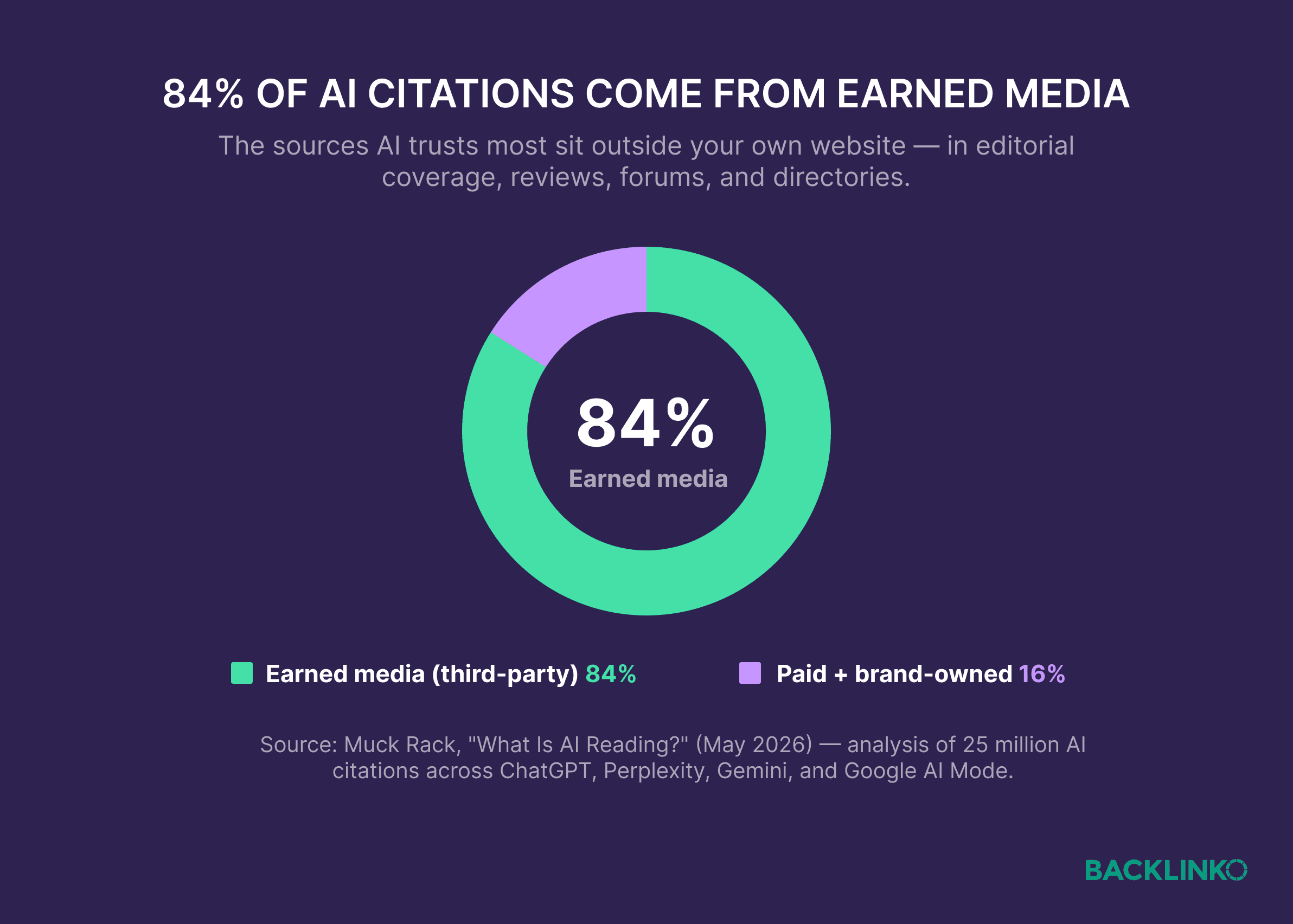
A groundbreaking study by Muck Rack recently underscored this seismic shift, revealing that an astounding 84% of AI citations originate from earned media and third-party sources. This encompasses a broad spectrum of content, including editorial coverage from reputable news outlets, authentic product reviews, discussions on industry forums, and expert commentary. This finding starkly illustrates that in the realm of AI search, independent validation holds significantly more weight than content published directly on a brand’s own website.
While the importance of maintaining robust onsite content for traditional SEO and user engagement remains undeniable, the new frontier of AI visibility is predominantly sculpted by a brand’s offsite presence. The more consistently a brand name, its products, or its expertise appear across diverse, credible digital channels, the greater the likelihood that sophisticated LLMs will acknowledge, trust, and ultimately recommend it in their generative responses. This necessitates a strategic recalibration, moving beyond mere keyword optimization to a holistic approach focused on building widespread, authoritative brand mentions.
This shift marks a pivotal moment for marketers and PR professionals alike. Understanding the intricate ways AI systems discover, evaluate, and cite content is no longer a niche concern but a core competency for digital success. The following outlines six proven digital PR strategies designed not only to secure valuable backlinks and brand mentions but also to fortify offsite authority and dramatically enhance visibility within AI-generated answers.
The Paradigm Shift: How AI Systems Discover and Cite Content
AI systems operate on a principle of synthesis, venturing far beyond the confines of a single brand’s website. They meticulously scour dozens, sometimes hundreds, of disparate sources across the internet, drawing connections and extracting insights before compiling them into a cohesive, singular answer. The brands that consistently emerge victorious in AI search are those whose narratives are robustly and credibly echoed across this vast digital ecosystem.
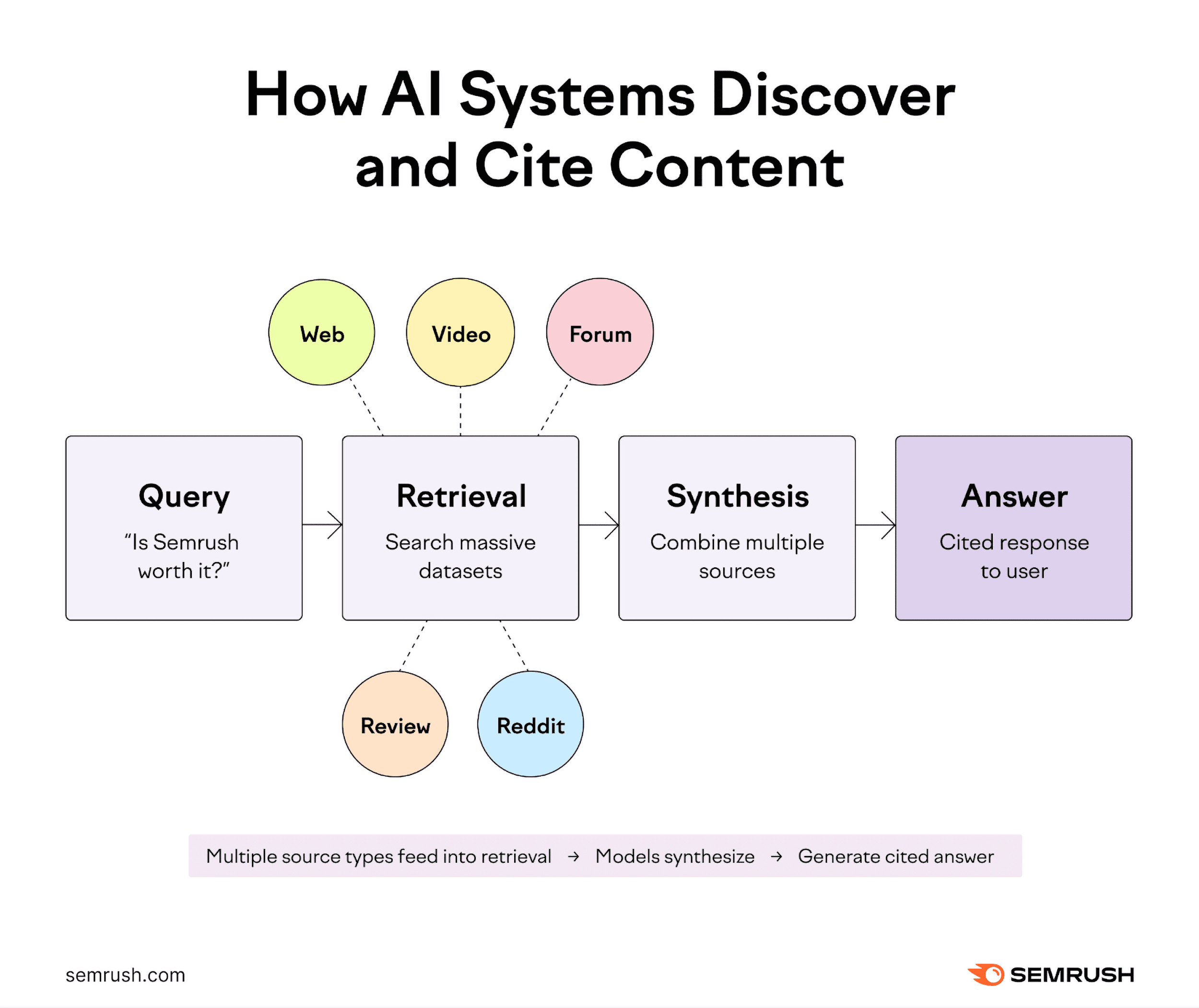
This is precisely where digital PR asserts its newfound dominance. By strategically cultivating features in publications and platforms that AI systems already actively read and reference, brands can directly influence the informational bedrock upon which AI responses are built. A pervasive, positive, and authoritative presence across these external channels makes a brand appear more familiar and trustworthy to these intelligent models, paving the way for organic citations and recommendations.
The mechanisms behind AI’s preference for third-party validation are rooted in its core design: to provide unbiased, reliable information. Self-published content, by its very nature, can be perceived as promotional. In contrast, an endorsement from an independent news source, a positive customer review, or a mention in an expert roundup carries an inherent stamp of credibility that AI algorithms are programmed to prioritize. This fundamental difference transforms digital PR from a supplementary marketing activity into an essential driver of AI search performance.
Here are six digital PR strategies to actively cultivate this critical offsite presence:
Strategy 1: Data-Led PR – Fueling Authority with Original Research
Data-led PR centers on the creation and dissemination of original research, proprietary studies, and comprehensive statistical roundups, strategically distributing this valuable data to relevant publications and industry platforms. This approach stands as one of the most potent methods for acquiring high-quality backlinks, which remain a significant signal for both traditional and AI-driven search.
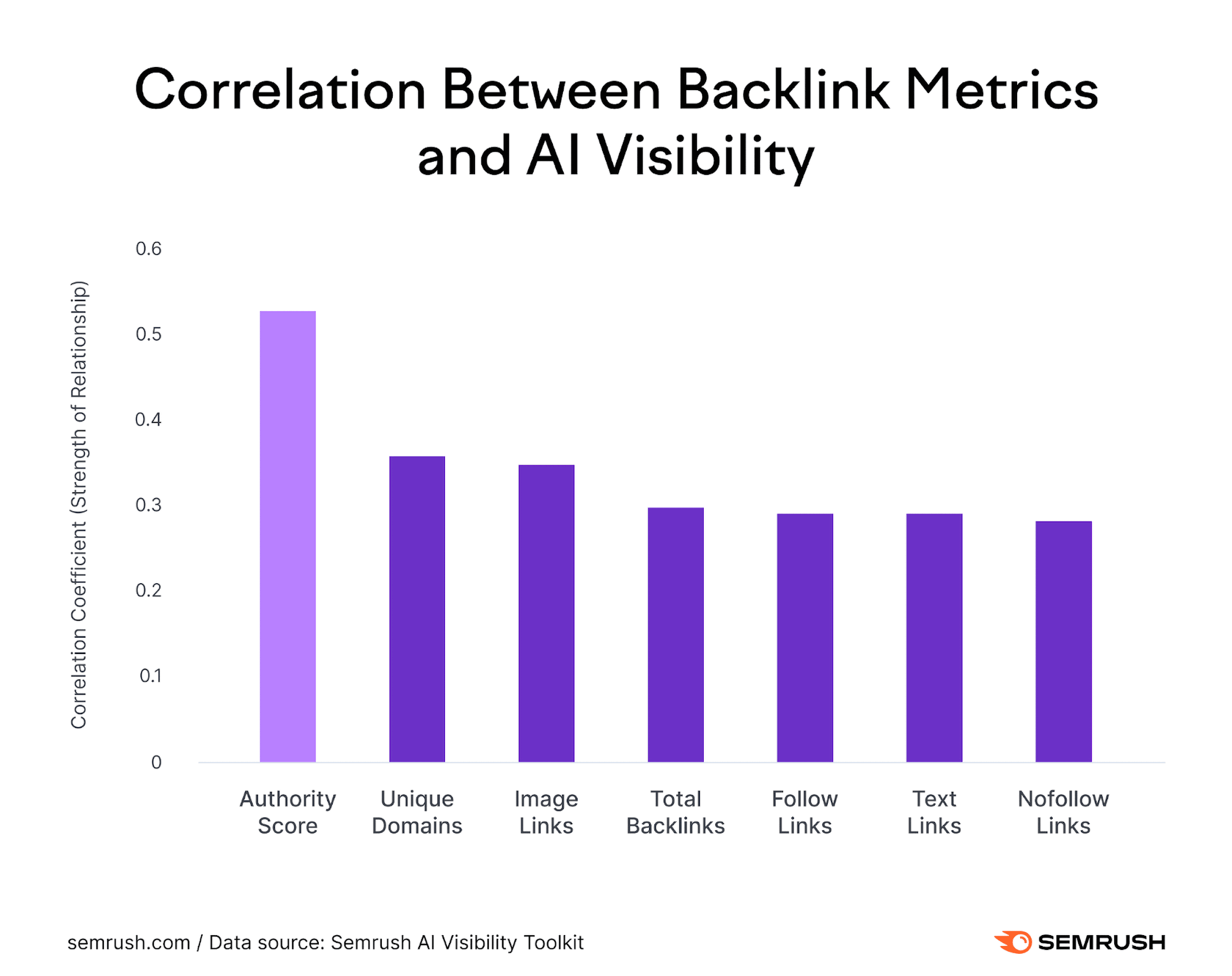
How It Boosts AI Visibility: Backlinks, long the currency of traditional SEO, continue to exert considerable influence over AI visibility. A recent study conducted by Semrush, analyzing 1,000 domains, conclusively demonstrated a strong correlation: brands possessing greater backlink authority are markedly more likely to be featured in AI-generated answers. This finding was further corroborated by an independent study from Seer Interactive, which identified domain authority and high-quality backlinks from sites with a Domain Authority (DA) of 60+ as the top two metrics impacting AI visibility.
The rationale is clear: journalists, industry bloggers, and content marketers are perpetually in search of fresh, credible data to substantiate their arguments and enrich their content. Original research fulfills this demand, making a brand an indispensable source of information. Vahan Poghosyan, Co-founder & Head of Digital PR at Loopex Digital, aptly summarizes the enduring value: "Original data is content gold. It provides irrefutable evidence and offers a fresh perspective that resonates deeply with both human readers and AI models looking for definitive answers."
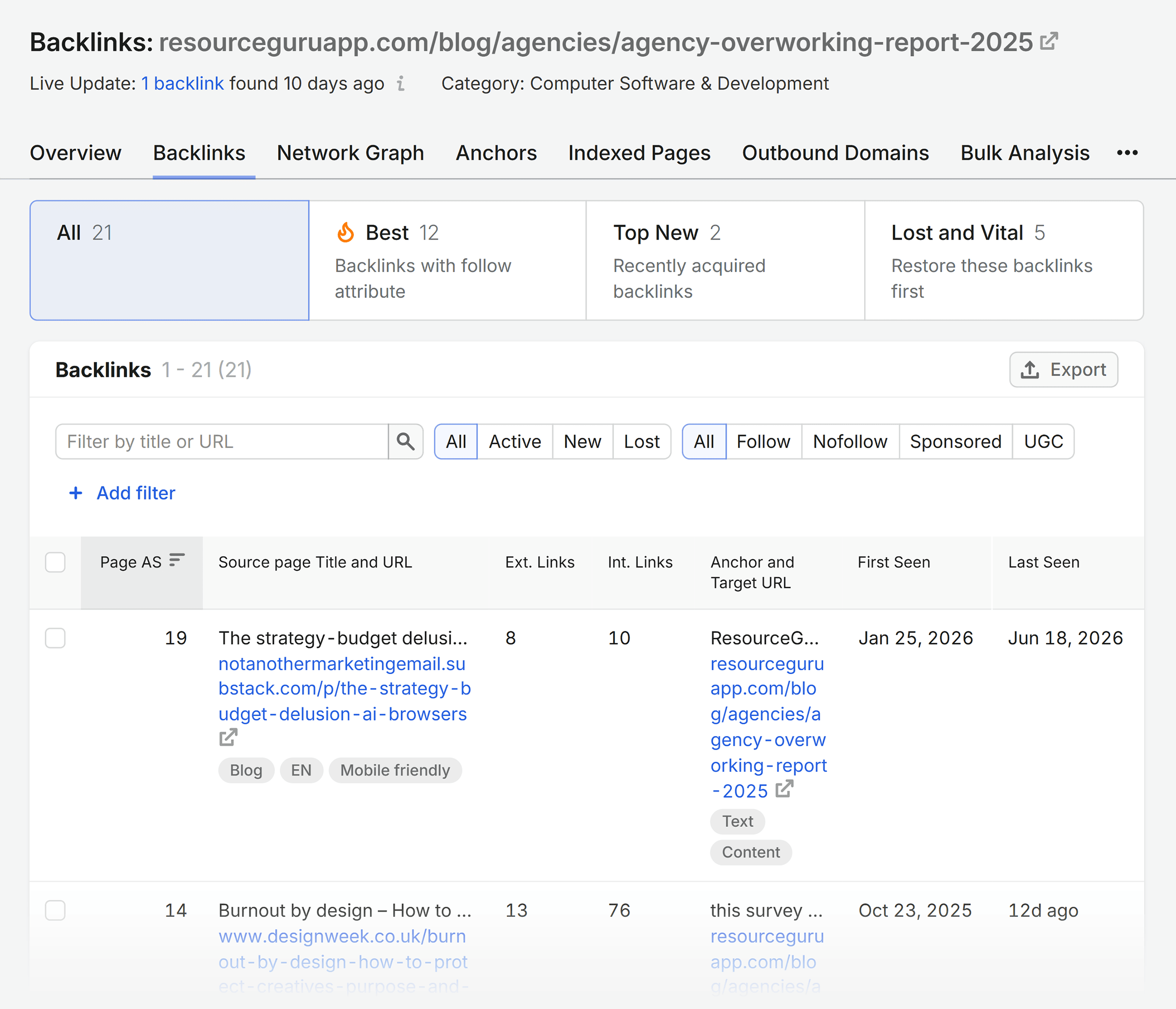
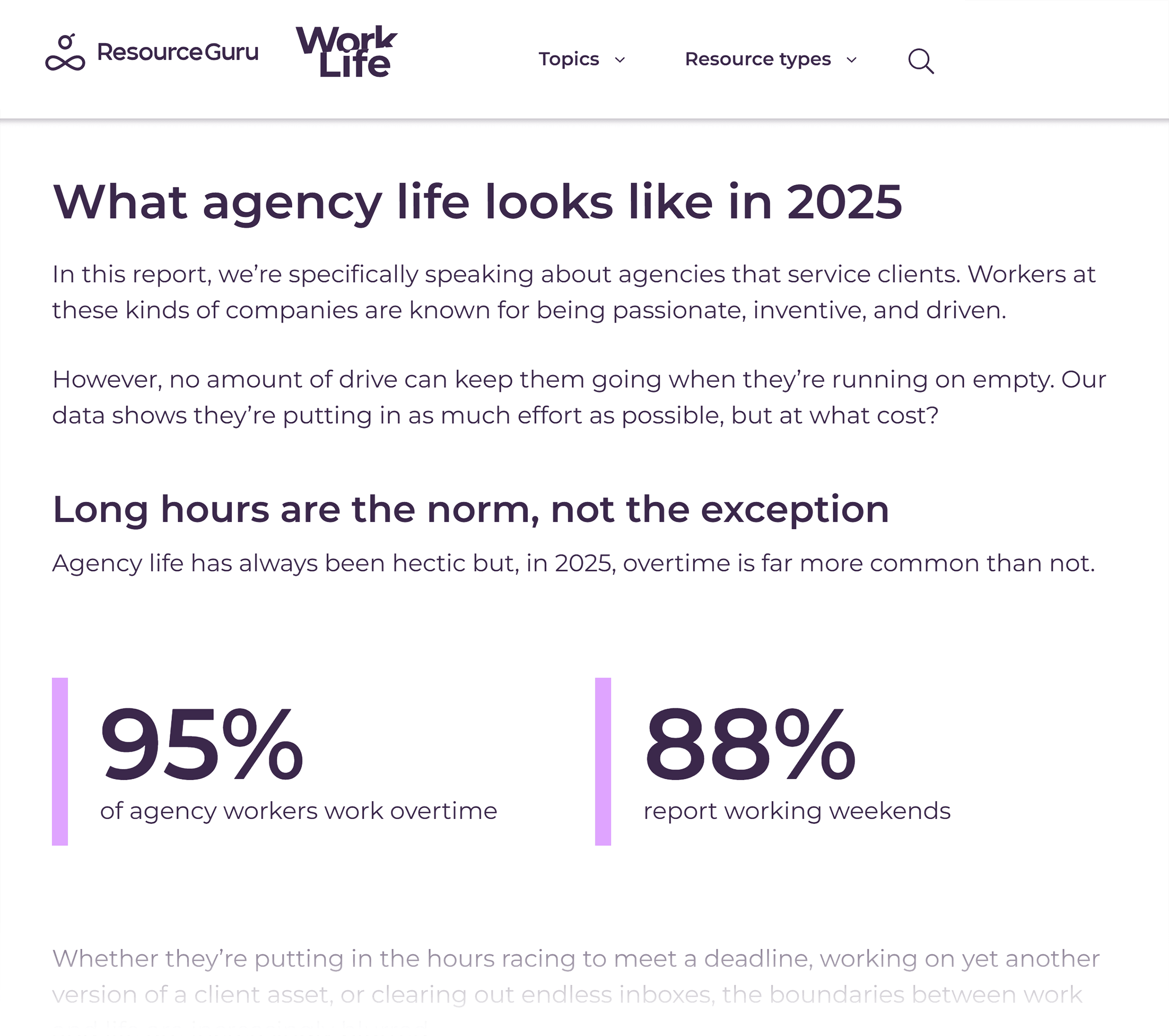
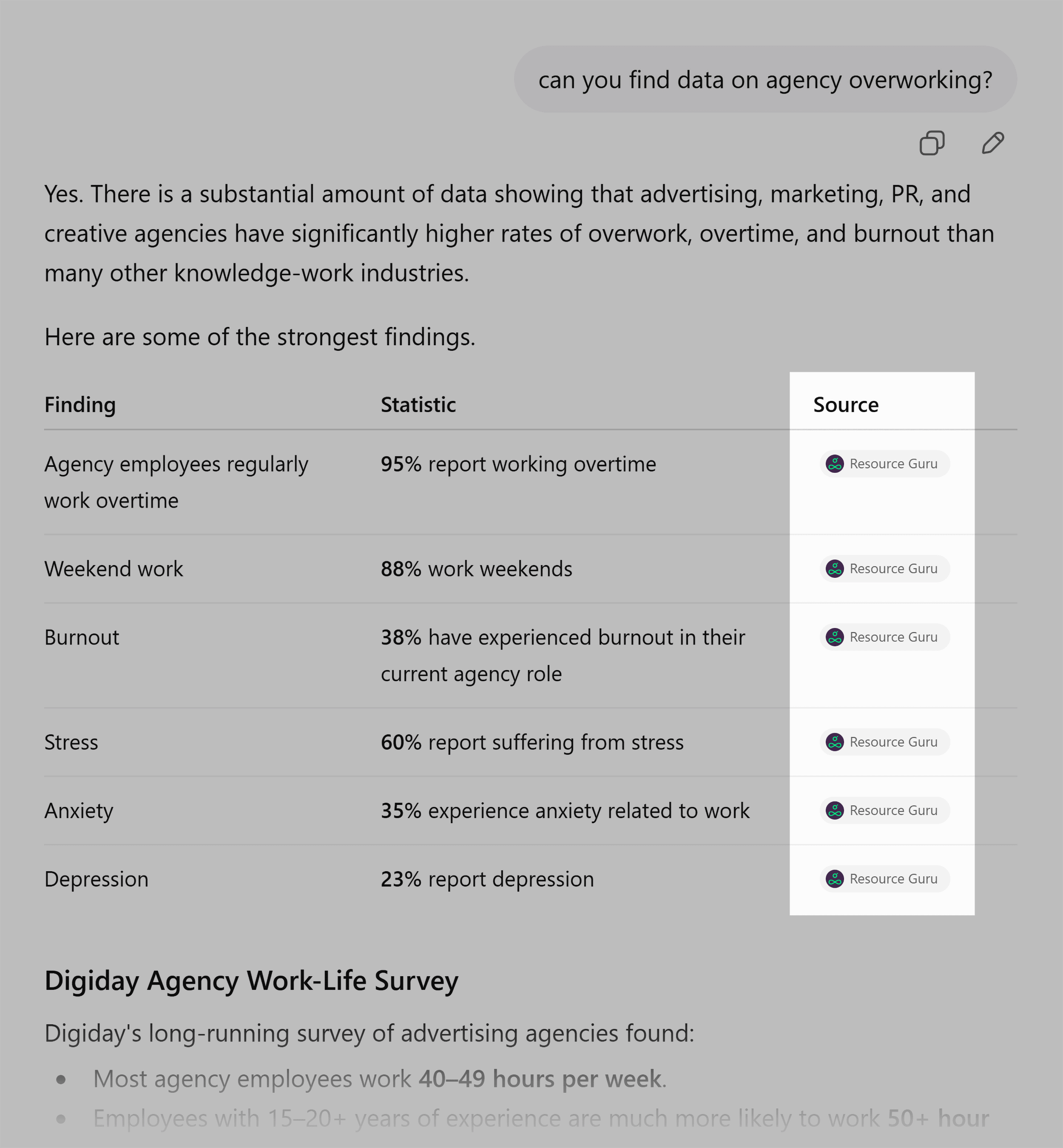
Consider the success of Resource Guru’s "Agency Overworking Report 2025," a data-led initiative that meticulously analyzed the pressures faced by client-facing teams. Since its publication, this report has organically generated 21 high-quality backlinks, including prominent coverage in Forbes, a testament to the inherent appeal of original data. More importantly, this report has become a consistent citation source in various AI answers, directly boosting Resource Guru’s visibility and establishing its authority on workforce management issues.
How to Implement Data-Led PR: The first step involves producing compelling, data-rich content. Options range from conducting proprietary surveys and analysis (e.g., industry trends, consumer behavior) to compiling comprehensive statistical roundups on niche topics. Once this content is live, a proactive outreach strategy is crucial. Identify articles in your target niche that reference outdated statistics or link to broken sources. Approach the authors with your fresher, more relevant data as a superior alternative. Additionally, pitch your new data to existing statistical roundups, as these pages are frequently updated and their curators are often receptive to new, authoritative additions. A compelling pitch will highlight the uniqueness and timeliness of your data, making it easy for the recipient to integrate it into their content.
Strategy 2: AI Citation Outreach – Targeting AI’s Preferred Sources
AI citation outreach is a highly targeted digital PR strategy focused on securing mentions and placements within the specific sources that AI models are already known to reference. In the dynamic world of generative AI, this often proves to be the most direct route to earning immediate brand mentions in AI responses.
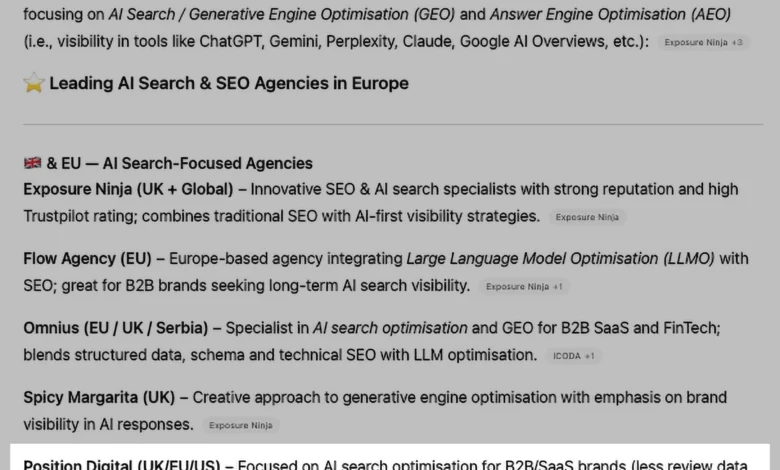
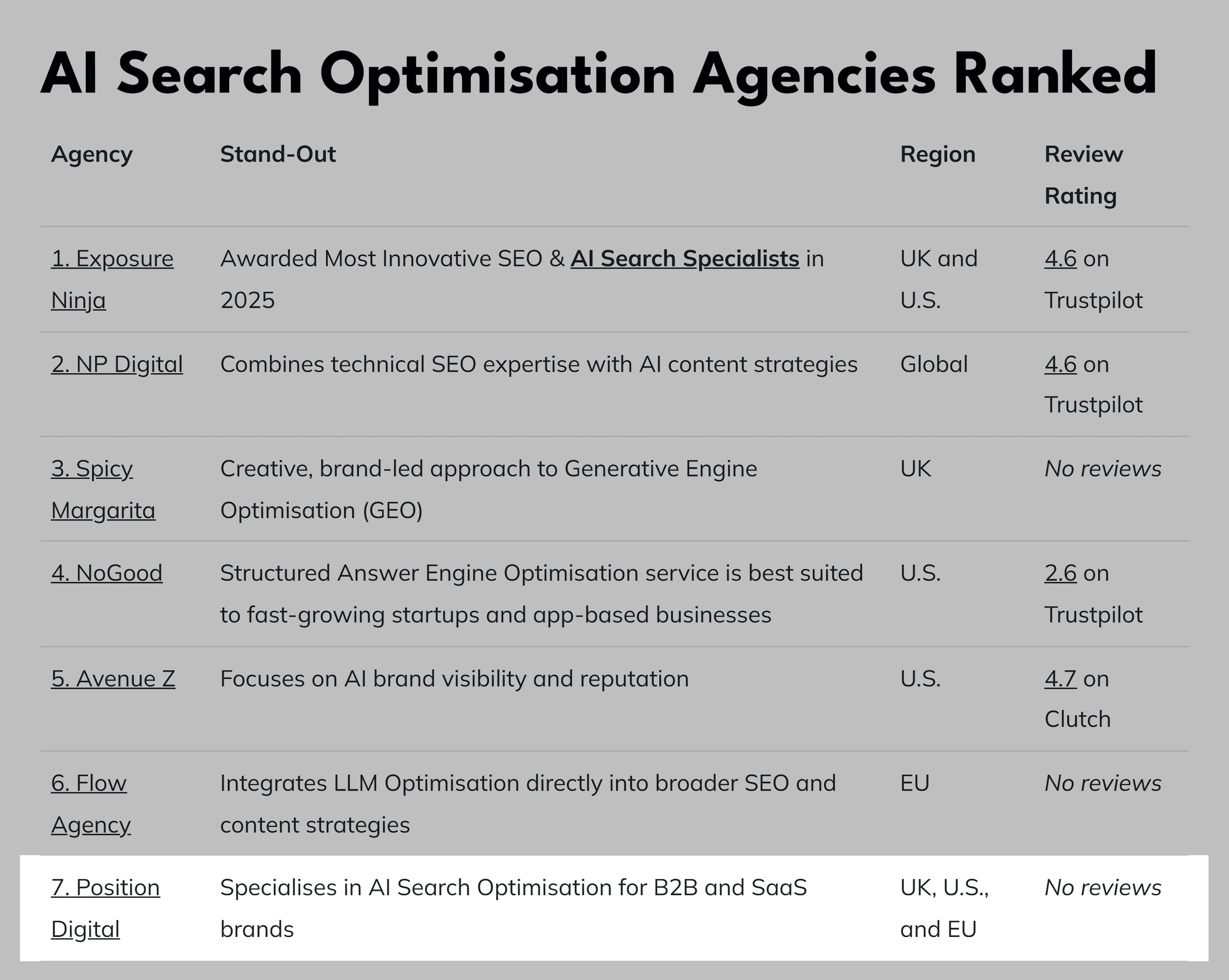
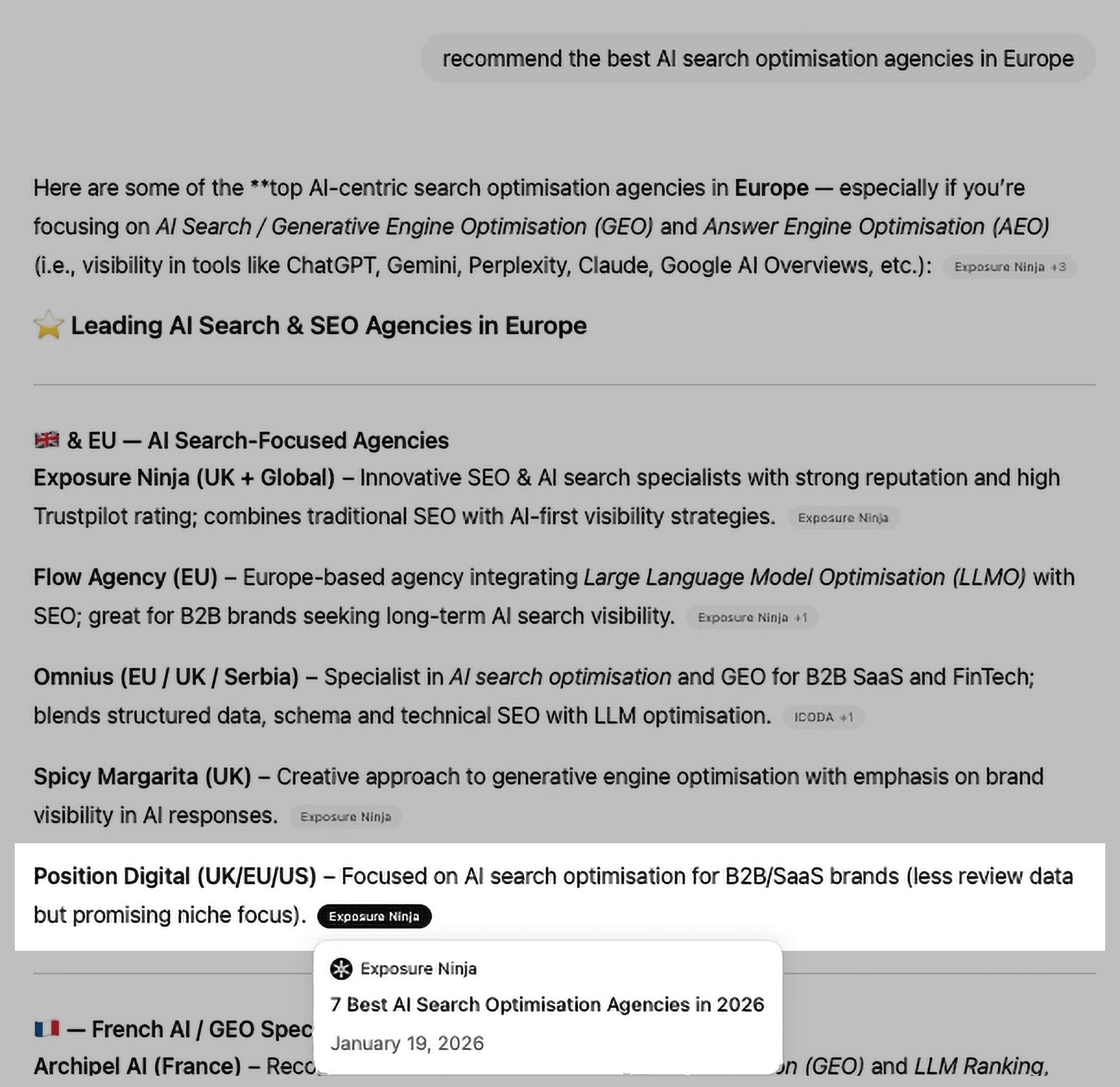
How It Boosts AI Visibility: The logic is straightforward: if your brand can penetrate the content AI systems cite, you gain a direct channel to influence the answers those AI systems provide. For instance, my agency, Position Digital, strategically secured inclusion in Exposure Ninja’s influential listicle, "The Best AI Search Optimisation Agencies in 2026." Subsequently, because this listicle was frequently cited by platforms like ChatGPT, Position Digital found itself being recommended in AI-generated responses to queries about leading AI search optimization agencies. This demonstrates a direct cause-and-effect relationship between being cited by influential third-party sources and appearing in AI recommendations.
How to Implement AI Citation Outreach: Success in this strategy hinges on understanding the nuances of different LLMs, as each model exhibits unique preferences and citation patterns.
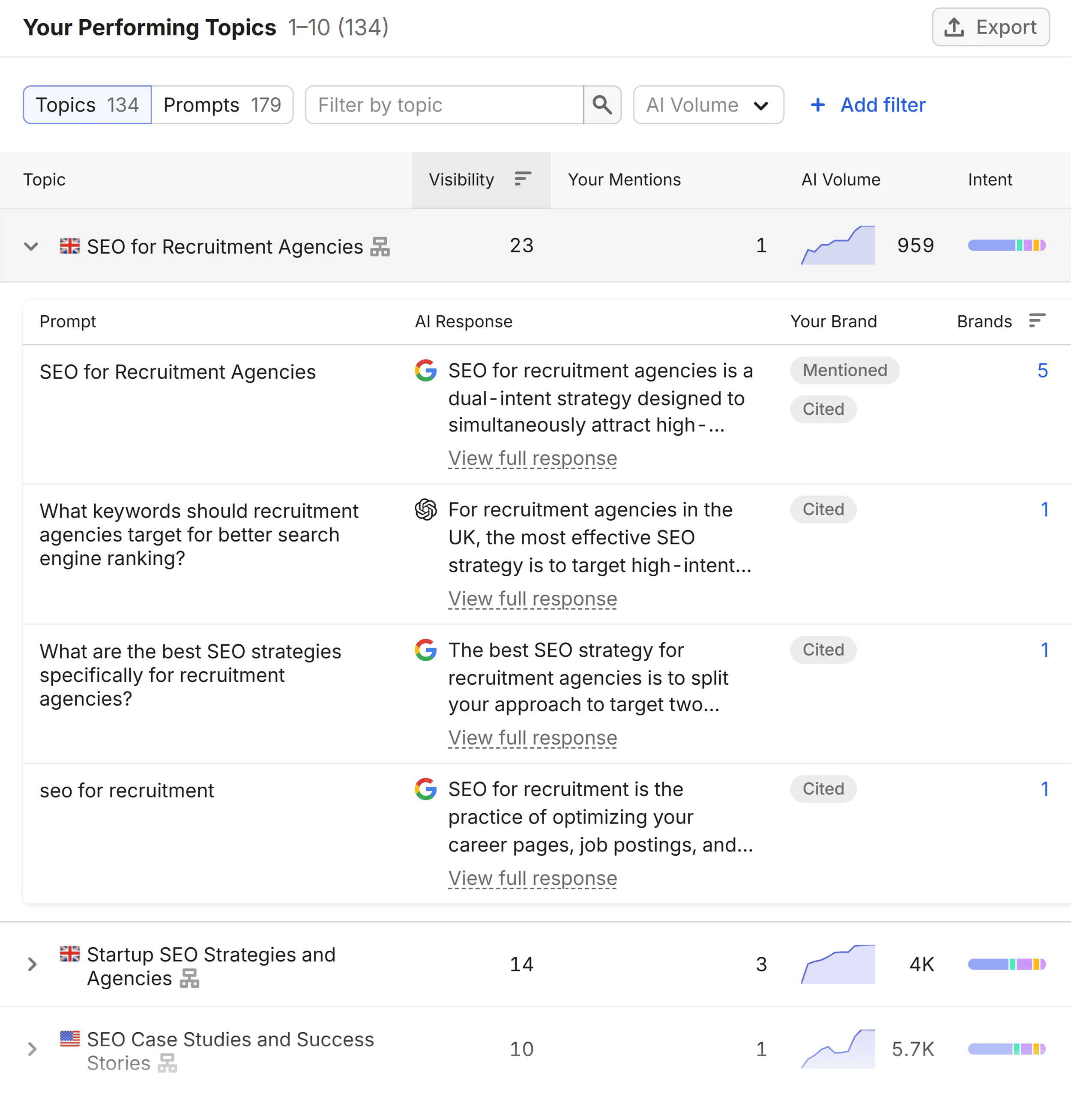
- Research User Prompts: Begin by meticulously mapping out the specific prompts your target audience is likely to use when interacting with AI tools. While direct AI prompt data is still emerging, valuable insights can be gleaned from sources such as user questions during sales calls, ultra-long-tail queries in Google Search Console, "People Also Ask" sections in SERPs, and question-based keyword data from SEO tools (filtering for "who," "what," "how," "why," "which"). Advanced tools like Semrush’s AI Visibility Toolkit can provide more precise data on what audiences are typing into LLMs.
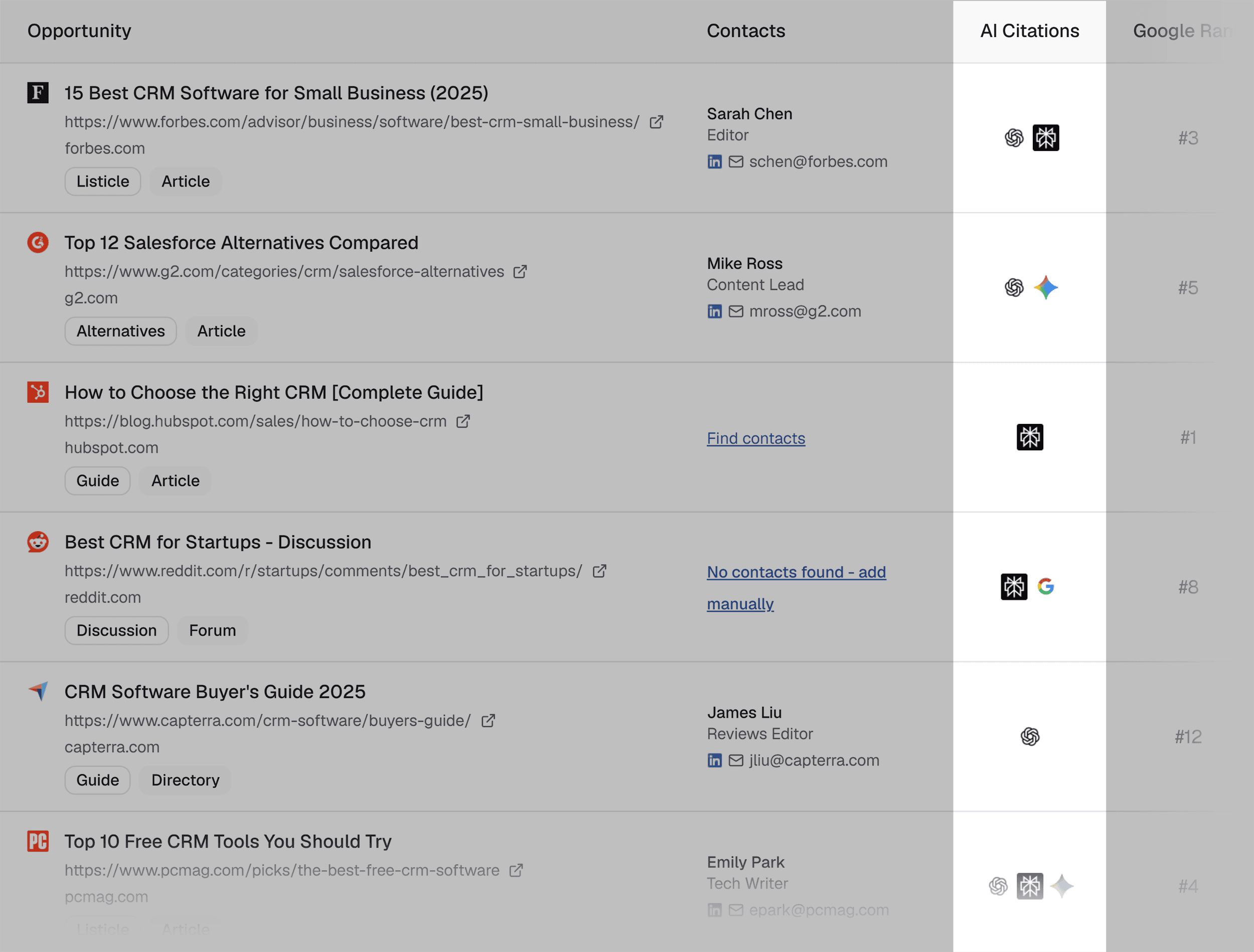
- Monitor Cited Pages: For each identified prompt, run it through your target AI models (e.g., ChatGPT, Google AI Mode, Perplexity) and meticulously record all cited pages. For scalable monitoring, Semrush’s AI Visibility Toolkit can automate source identification. Tools like ListBrew can also help uncover "best X" listicles and comparison pages that are already frequently cited by AI for your target prompts, pinpointing prime opportunities.
- Find Contacts: Utilize professional networking and outreach tools such as Hunter and Apollo to identify the appropriate authors, editors, or content managers responsible for the identified citation opportunities.
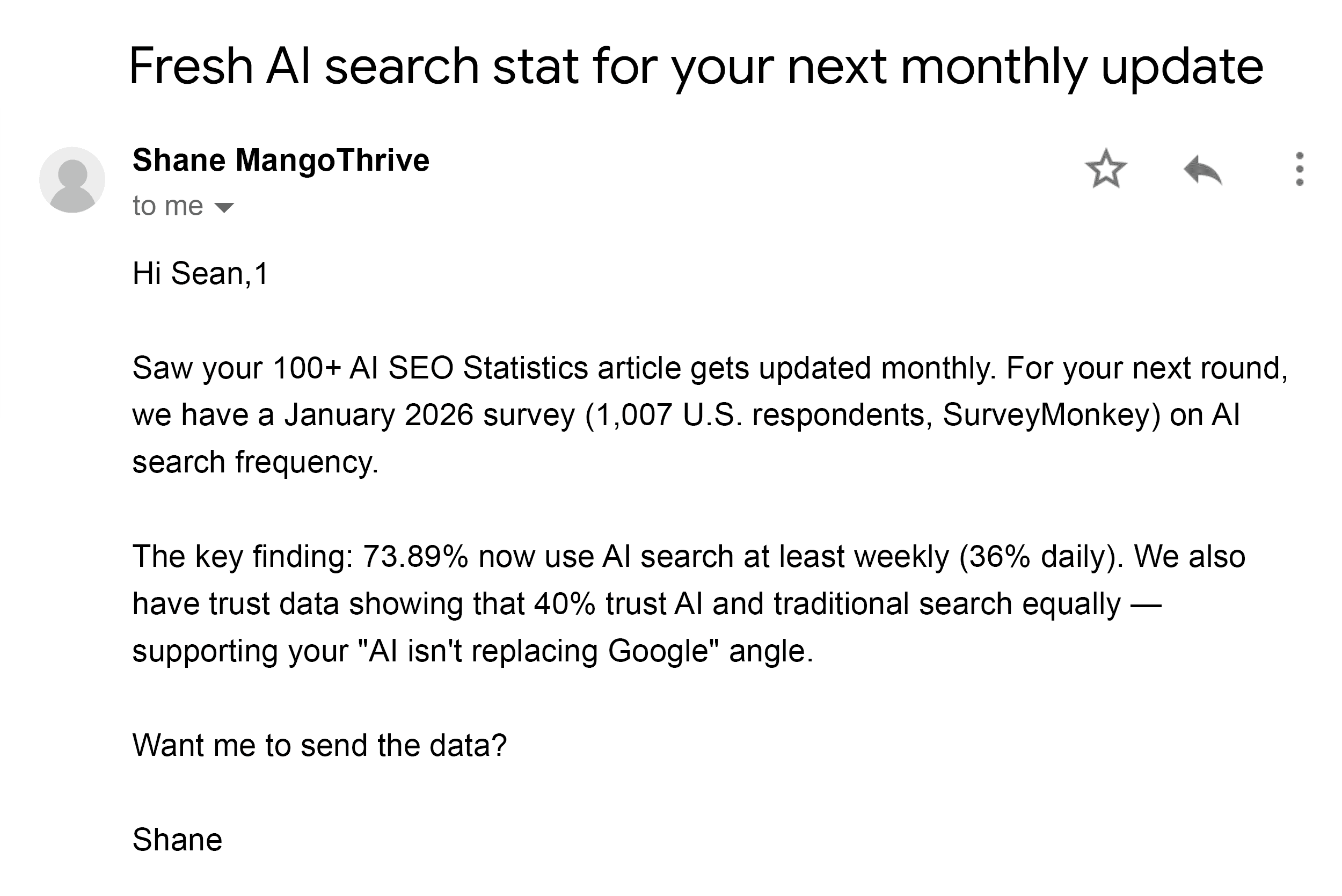
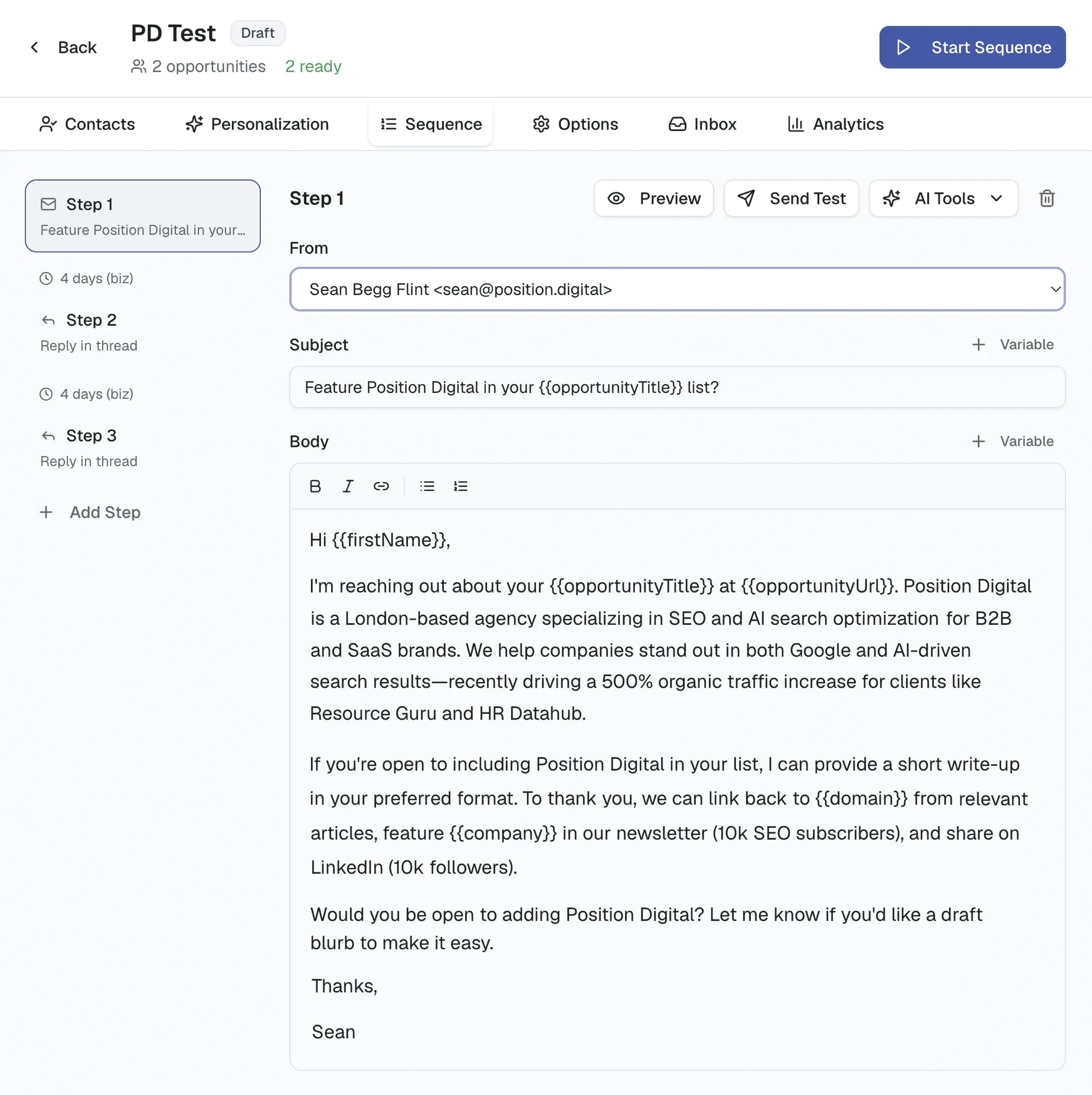
- Send Personalized Pitches: Craft concise, highly personalized pitches that clearly articulate why your brand or its content is a valuable addition to their existing piece. To enhance your chances of success, consider offering something in return, such as sharing their article across your own social channels, contributing unique insights, or providing a testimonial. Crucially, prepare a pre-written, concise blurb about your brand that the author can easily copy and paste, minimizing their effort and increasing the likelihood of inclusion. This thoughtful approach can significantly improve response rates and secure valuable AI citations.
Strategy 3: Reactive PR – Capitalizing on Real-Time Relevance
While many digital PR campaigns demand extensive planning, reactive PR thrives on immediacy and agility. This strategy involves being among the first to respond to breaking news, burgeoning viral trends, and emerging topics within your industry, positioning your brand as a timely and authoritative commentator.
How It Boosts AI Visibility: A critical factor in AI’s information retrieval is the cutoff date for its training data. When a user queries a current event or a recently developed trend, the AI model cannot rely solely on its pre-existing knowledge base. Instead, it is compelled to actively search the live web for the freshest, most relevant sources. This dynamic creates a significant window of opportunity for brands.
In the nascent stages of a breaking story, there are typically only a limited number of credible sources providing coverage. If your brand can swiftly publish insightful commentary, incisive analysis, or original reporting on such an event, your content stands a substantially higher chance of being discovered, surfaced, and cited by AI systems. This "first-mover advantage" establishes your brand as an immediate authority on new developments.
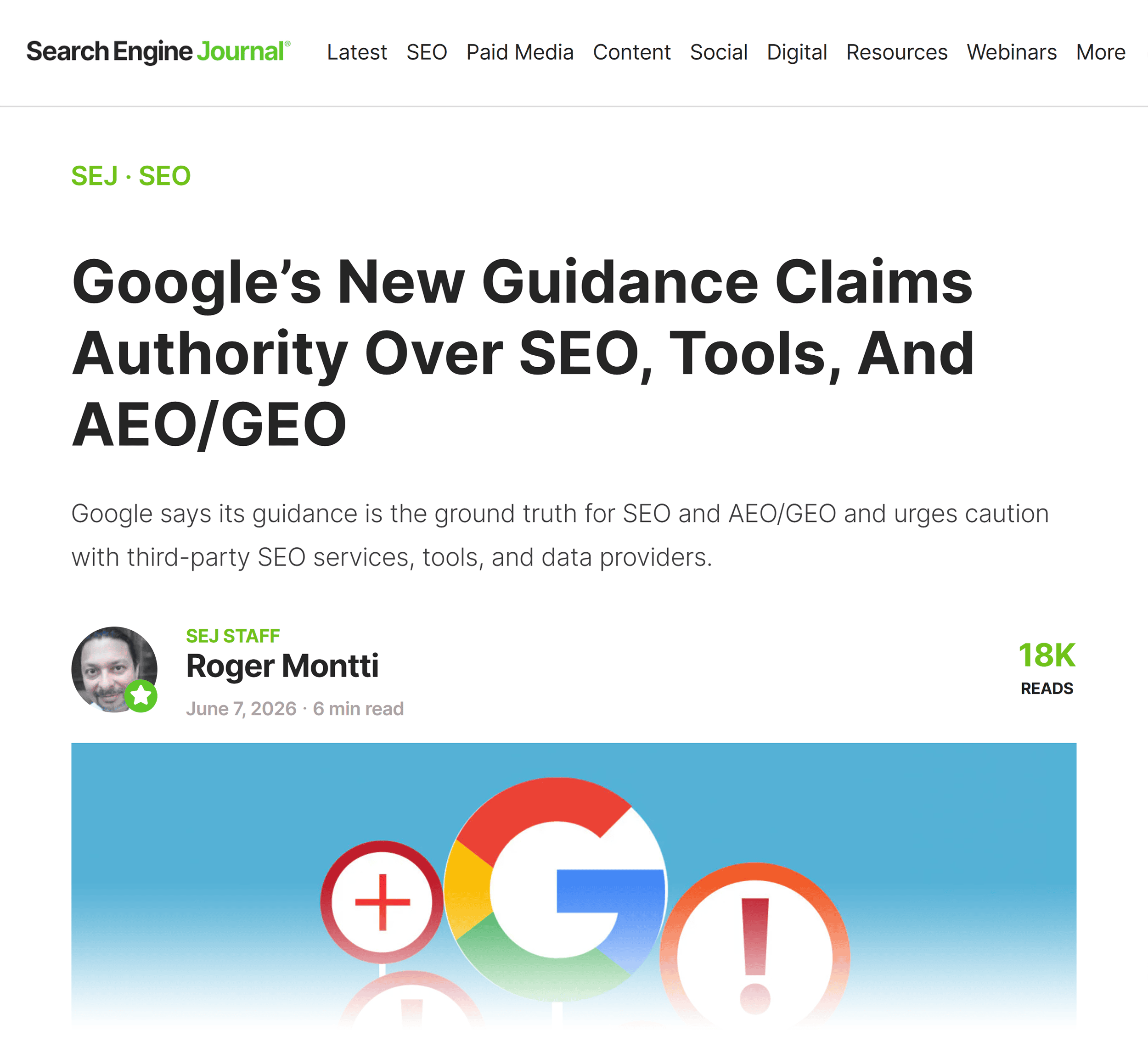
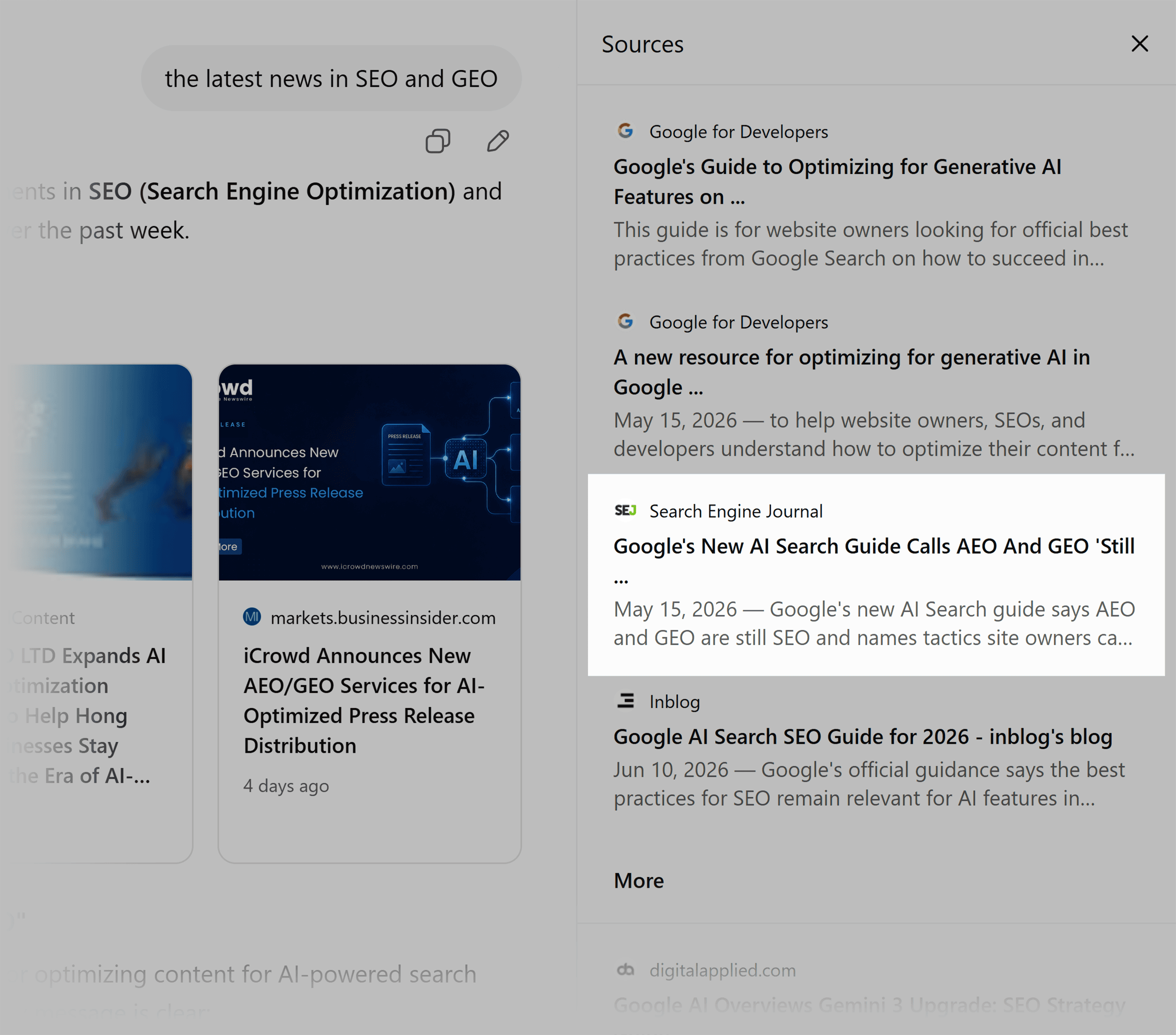
A compelling example of successful reactive PR is Search Engine Journal’s prompt coverage of Google’s new SEO guidelines. As one of the first media outlets to break down and analyze these guidelines, their piece rapidly accumulated over 16,000 readers, garnered more than 500 backlinks, and, critically, became a recurring citation in AI-generated answers related to SEO news and Google updates. This demonstrates how rapid, informed response can translate directly into AI visibility.
How to Implement Reactive PR: The primary challenge in reactive PR is anticipating and identifying trending stories before they reach saturation. By the time a topic dominates mainstream headlines, the window for unique, first-to-market commentary often closes. Success lies in recognizing emerging conversations as they begin to gain momentum.
- Monitor Industry Leaders and News Feeds: Actively follow key influencers, thought leaders, and industry news aggregators on platforms like X (formerly Twitter) and LinkedIn. Set up real-time alerts for industry-specific keywords.
- Subscribe to Niche Newsletters: Many niche blogs and industry publications act as early indicators of emerging trends before they hit major media. Newsletters like SEOFOMO often provide a curated view of these nascent discussions.
- Engage in Online Communities: Participate in relevant subreddits, Quora spaces, and professional forums. These platforms are often where new ideas and debates first spark.
- Leverage AI Trend Tools: Explore tools that identify rapidly accelerating topics and search queries, providing an early warning system for developing trends.
A secondary but equally important aspect is to observe how stories propagate across different publications. Many trends don’t originate in major media but ripple through smaller blogs and specialized industry sites first. Tracking this ripple effect allows for an even earlier identification of narratives, enabling your brand to formulate a response while the topic is still evolving. Once an opportunity is identified, speed is paramount. Publish your report or commentary on your website and social media channels, then immediately pitch the story to major news outlets within your field, offering your expert perspective or original analysis.
Strategy 4: Ego Bait – Leveraging Expert Influence
Ego bait involves the strategic creation of content that prominently features industry experts and influential figures. The underlying psychological principle is to appeal to their professional pride, thereby increasing the likelihood that they will share your content, mention your brand, or link back to your site.
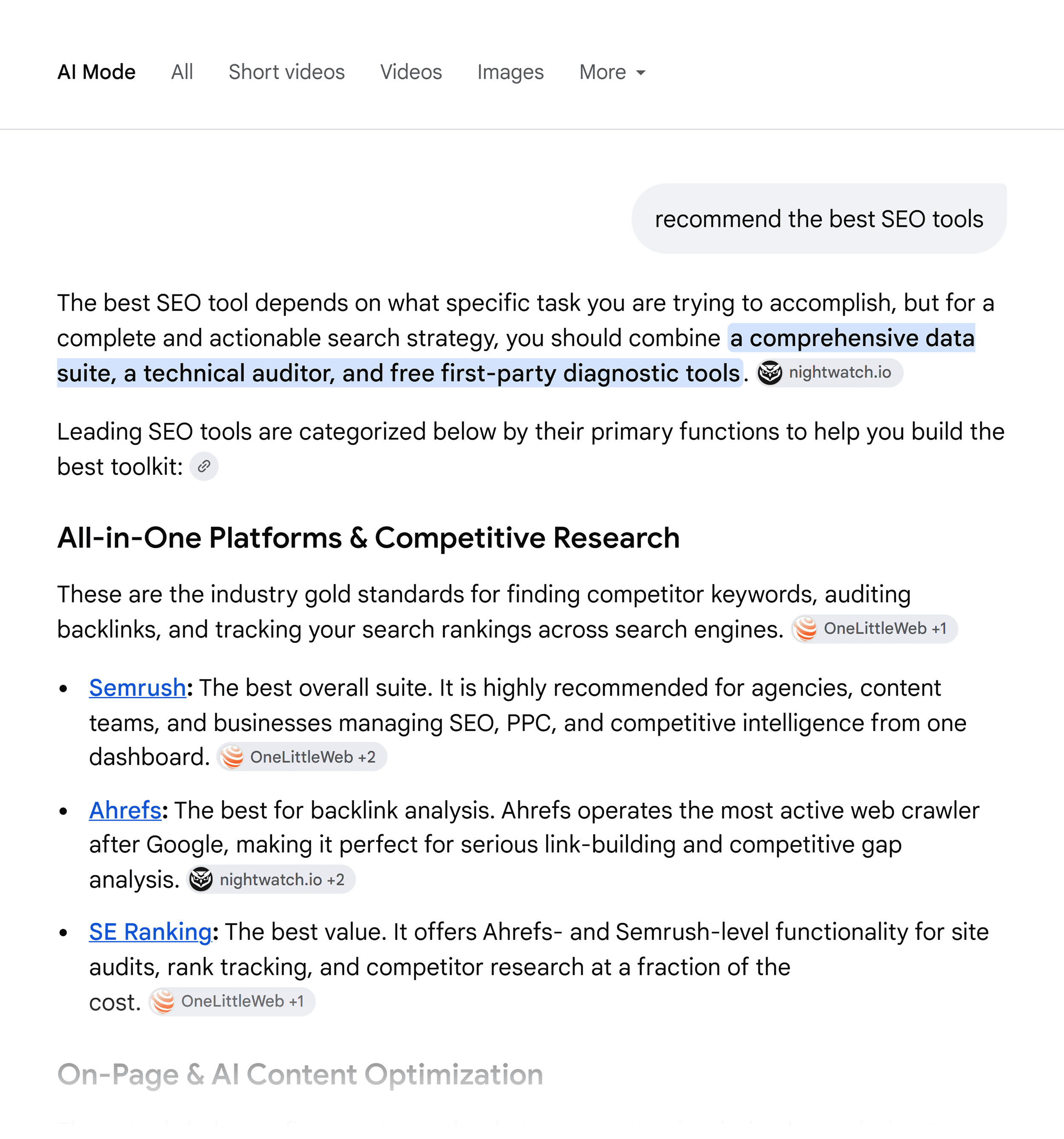
How It Boosts AI Visibility: Incorporating recognized experts into your content enhances AI visibility through two primary mechanisms. Firstly, it significantly bolsters the credibility and trustworthiness of your content. An AI SEO study revealed that pages featuring expert quotes receive an average of 4.1 citations in ChatGPT, a substantial increase compared to the 2.4 citations for pages without them. This acts as a powerful trust signal for AI models, marking the content as authoritative and highly cite-worthy. Our own article on SEO competitor analysis, which integrates insights from 20 industry experts, has been cited by both Google’s AI Overviews and AI Mode, illustrating the direct impact of expert commentary.
Secondly, ego bait cultivates a robust distribution channel. When experts are featured, they are naturally inclined to share the content with their extensive audiences, mention it across their social media platforms, link to it from their personal or company websites, or include it in their newsletters. This organic dissemination leads to an accumulation of brand mentions and backlinks across the web. This broader, high-quality brand visibility directly translates into stronger LLM visibility, as AI models register the widespread recognition and endorsement of your brand.
How to Implement Ego Bait: There are three effective types of ego-bait content to consider:
- Expert Roundups: Utilize journalist outreach platforms such as MentionMatch, Featured.com, and Qwoted to solicit insights and quotes from industry experts on a specific topic. Select the most compelling contributions and integrate them into a dedicated blog post or article. Once published, publicly tag every contributor in your promotional LinkedIn post. Most experts will readily reshare, comment, or engage with the content, dramatically extending its reach beyond your immediate audience.
- Case Studies and Success Stories: Develop well-crafted case studies that highlight the tangible results achieved by your customers, partners, or collaborators. A meticulously researched case study not only flatters the featured subject but also provides them with a valuable asset to share, simultaneously adding a layer of irrefutable credibility that generic marketing claims cannot replicate.
- Top Experts or Influencers Lists: Curate comprehensive lists recognizing respected individuals, companies, or voices within your specific industry or category. Examples include "Top 10 SEO Influencers to Follow," "Best Digital Marketing Agencies of the Year," or "Innovators in Sustainable Tech." Inclusion in such a curated, credible list often serves as sufficient incentive for individuals to share it widely. This structured content format is also highly amenable to citation by AI systems, as evidenced by Google SERP’s AI Overviews frequently referencing "Top SEO influencers" lists.
Strategy 5: Thought Leadership – Shaping AI’s Understanding
Unlike traditional SEO content, which is primarily engineered for search engine rankings, thought leadership content is designed with a broader, more profound objective: to establish your brand as a distinctive, recognizable, and authoritative voice – for both human audiences and LLMs. When your brand consistently presents original, insightful perspectives, marketing your business becomes significantly more effortless.
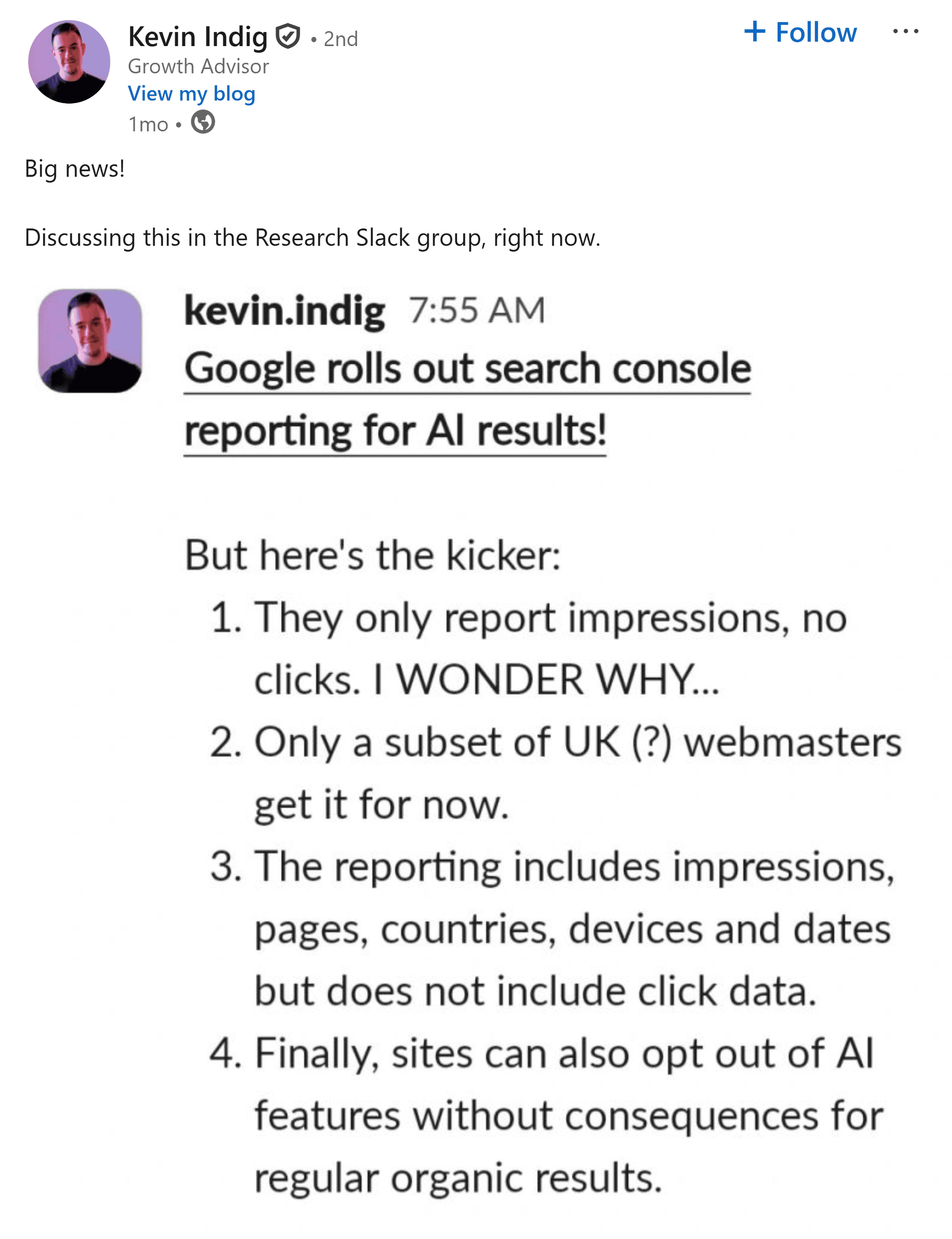
How It Boosts AI Visibility: The digital landscape is inundated with content. Much of it fails to garner attention because it lacks a compelling reason for engagement. Thought-provoking content, conversely, is meticulously crafted to challenge conventional assumptions, introduce novel perspectives, and ignite meaningful discussions. Consider Khanh Linh Le’s "controversial take" on LinkedIn, which generated an unusually high volume of comments relative to its likes. This post succeeded because it pushed against established norms, fostering debate and active engagement.
This engagement is the linchpin. High engagement drives shares across social media, mentions in blogs and forums, and references in other publications. When a substantial number of diverse voices across the web begin to discuss, debate, and reference your ideas, AI models take notice. This widespread recognition signals authoritative insight, making your brand a prime candidate for citation in AI responses.
How to Implement Thought Leadership:
- Build a Strong LinkedIn Presence: LinkedIn has emerged as a particularly influential platform for AI visibility. A Semrush study indicated that LinkedIn was the second-most-cited domain in ChatGPT, AI Mode, and Perplexity at the time of their analysis. To capitalize on this:
- Post Consistently: Share original insights, analyses, and opinions relevant to your industry.
- Engage Actively: Participate in discussions, respond to comments, and interact with other thought leaders.
- Utilize Diverse Formats: Experiment with text-only posts, articles, videos, and carousels to maintain audience interest.
Focus on delivering unique value that fosters discussion, as this type of content is what AI models are increasingly valuing.
- Write Guest Posts for Major Publications: Guest blogging is an incredibly effective channel for distributing your ideas and showcasing your expertise on high-authority platforms. The "Guest Post (GP) Engine" framework, which I’ve developed at Position Digital, illustrates this perfectly. The strategy involves publishing a foundational blog post on your own website, then crafting variations or complementary pieces for other reputable publications, ideally those with high website authority. For instance, I wrote an article on "Content Refreshes" for the Position Digital blog, and subsequently published guest posts on the same topic for Sitebulb and Surfer SEO. The result: all three articles are now cited by Google’s AI Overviews. This multi-platform approach amplifies your core message and reinforces your authority across the web, training AI models to recognize you as a definitive voice on the subject.
- Appear as Podcast Guests: Podcasts represent a significantly underutilized thought leadership channel. A single guest appearance can yield a multitude of benefits, including direct backlinks from show notes, brand mentions in episode descriptions and social promotions, increased website traffic, lead generation opportunities, and crucially, new AI citations as AI models process and summarize audio content. If you’re just starting, prioritize building relationships with newer, niche-specific podcasts rather than chasing established shows. Smaller podcasts are typically more accessible, their hosts are often highly engaged, and the content still gets indexed and cited by AI. As your expertise and reputation grow, larger opportunities will naturally present themselves.
Strategy 6: Community Building – Earning Authentic Validation
Community building, in the context of AI visibility, entails strategically establishing and nurturing your brand’s presence within third-party forums, review sites, and customer rating platforms. These platforms are increasingly recognized by AI models as trusted, independent sources of information, offering a form of validation that transcends direct brand messaging.
How It Boosts AI Visibility: AI models place a high degree of trust in neutral, community-driven sources, often prioritizing them over a brand’s own marketing claims. This isn’t mere conjecture; it’s substantiated by data. A comprehensive AI visibility study by Semrush revealed that LLMs cite Reddit threads discussing Microsoft products far more frequently than Microsoft’s own official blog. This profound insight underscores AI’s preference for authentic, user-generated content.
Beyond forums, review platforms like Trustpilot and G2, where users freely share unvarnished reviews and ratings, carry substantial weight. Another study by Seer Interactive, analyzing 800,000 AI responses, found a dramatic impact of review profiles on AI citation rates. Brands lacking a Trustpilot profile exhibited a median AI citation rate of just 1%, whereas those with even a minimal profile (as few as 1 to 13 reviews) saw their citation rates surge to an impressive 53.5%. The implication is unequivocal: when confronted with a choice between a brand’s self-description and the collective sentiment of independent users, AI models frequently lean towards the latter.
How to Implement Community Building:
- Contribute Insights on Q&A Platforms (Reddit, Quora): These vibrant communities are heavily scraped by AI models and are frequently cited in their generative responses. However, a cautious approach is essential. Reddit and Quora communities have a notoriously low tolerance for overt self-promotion. Accounts solely dedicated to product promotion are often flagged, downvoted, or even banned. The key is to participate authentically as a genuine contributor, not merely a marketer. Be transparent about your affiliation, but prioritize being genuinely helpful by offering valuable insights and answering questions thoroughly. A recommended approach is to contribute meaningfully to 3-5 relevant threads per week. Only mention your brand when it directly addresses the question or adds undeniable value to the discussion. Additionally, consider hosting an AMA (Ask Me Anything) session within a relevant subreddit to directly engage with the community, share your expertise, and build brand awareness in a highly interactive format.
- Create Optimized Profiles on Review Sites: Depending on your industry and target audience, establish and thoroughly optimize your brand’s profiles on pertinent review platforms such as Trustpilot, G2, Capterra, or Yelp. Once your profiles are established, actively encourage your satisfied customers to leave positive reviews and ratings. Proactive review management, including responding to feedback (both positive and negative), signals engagement and trustworthiness to both human users and AI systems.
- Write Content on Medium: Medium is another platform consistently cited by AI models, as identified in the aforementioned Semrush study. Leverage Medium to republish condensed versions of your highest-performing content or to share original perspectives that complement your main blog. Publishing similar ideas on Medium, distinct from your owned site but still under your brand’s umbrella, significantly increases the probability of those ideas being recognized and cited by AI. It serves as an additional, trusted node in your brand’s digital footprint.
Showing Up Where AI Is Already Looking
The fastest and most efficient route to securing AI citations is to strategically embed your brand within the digital pages and platforms that AI systems already implicitly trust and actively reference. This requires a shift in mindset from simply attracting search engine crawlers to actively engaging with and influencing the information ecosystem that feeds generative AI.
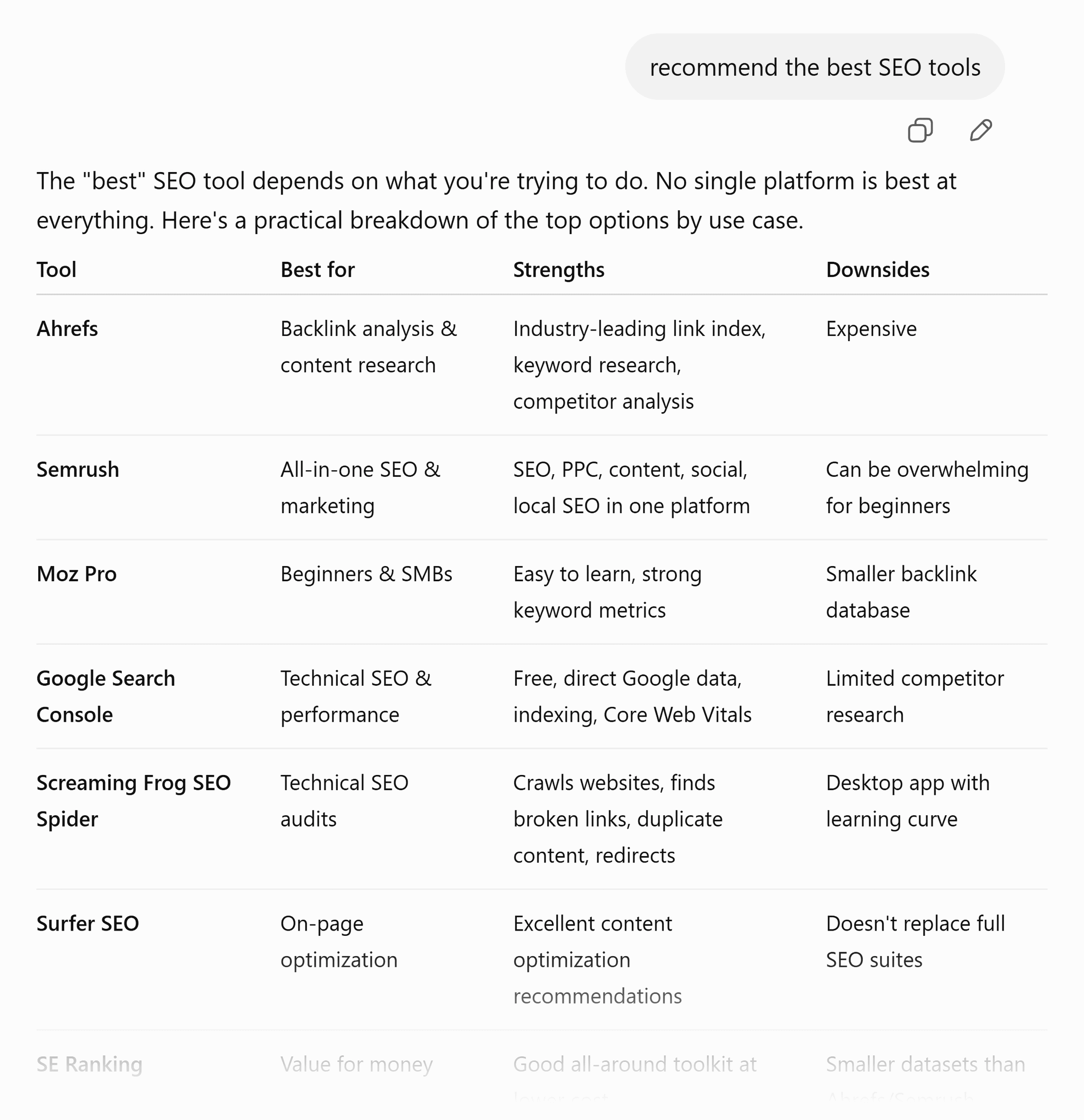
To begin this critical strategic pivot, leverage advanced analytics tools like Semrush’s AI Visibility Toolkit. This toolkit allows you to uncover the precise prompts and questions your target audience is typing into various AI chatbots. With this insight, you can then systematically review the specific sources that each AI platform cites in response to those prompts. The objective is clear: identify the gaps and opportunities to earn a prominent placement within those influential sources.
As the digital landscape continues its rapid evolution, the convergence of PR, content marketing, and SEO is undeniable. The strategies outlined above represent a proactive, integrated approach to navigating this new reality. By focusing on earned media, third-party validation, expert endorsement, community engagement, and thought leadership across diverse digital channels, brands can not only adapt but thrive in the era of AI-powered search. For those ready to delve deeper into the mechanics of influencing AI answers and optimizing for generative citations, further exploration into the principles of LLM seeding will provide an advanced framework for sustained success.
Backlinko is owned by Semrush. We are committed to providing world-class SEO insights, backed by hands-on experience. Unless otherwise noted, this content was written by either an employee or paid contractor of Semrush Inc.