Digital Innovation and Interactive Storytelling The Evolution of makemepulse and the Future of Immersive Brand Experiences

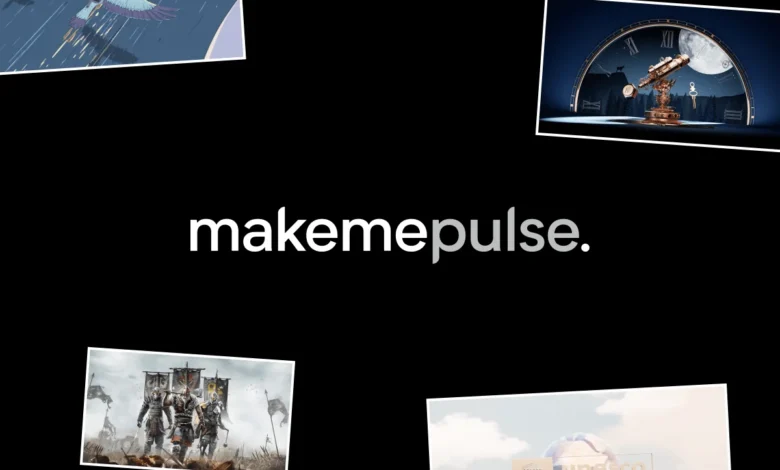
The induction of makemepulse into the FWA Hall of Fame marks a significant milestone in the history of digital advertising and creative technology, cementing the Paris-based studio’s reputation as a global leader in high-end interactive experiences. Founded in 2008, the company has spent more than 15 years navigating the rapid evolution of the web, transitioning from the era of Flash to the cutting edge of WebGL, WebXR, and Artificial Intelligence. With a portfolio that spans 98 FWA awards and collaborations with the world’s most prestigious luxury, gaming, and cultural institutions, makemepulse has redefined how brands communicate with audiences in an increasingly saturated digital landscape.
The company’s trajectory is reflective of a broader shift in the creative industry, where the boundaries between technology and storytelling have become virtually indistinguishable. By focusing on "design-led experiences," makemepulse has moved beyond traditional web development to create "phygital" installations, virtual reality environments, and gaming-inspired brand activations. This approach has allowed them to support a diverse roster of clients, including Audemars Piguet, UNESCO, Ubisoft, and Netflix, helping these organizations translate complex heritages and narratives into intuitive, interactive worlds.
The Founding Vision and a Dual Approach to Creativity
The origins of makemepulse can be traced back to the prestigious Gobelins School of the Image in Paris, where founders Antoine Ughetto and Nicolas Rajabaly first met. Their partnership was built on a complementary foundation: Ughetto brought a deep focus on technical architecture and emerging technologies, while Rajabaly centered his efforts on creative direction and the emotional resonance of digital interfaces. At the time of the company’s inception in 2008, the digital landscape was undergoing a transformation, moving toward more robust, interactive formats.
From the beginning, the duo operated on the belief that digital platforms should be more than mere information repositories; they should be spaces for emotion and imagination. This philosophy led them to establish a studio that operates at the intersection of strategy, design, and technology. Over the years, the team has grown to over 35 specialists, including strategists, developers, and producers, all of whom share an obsession with technical precision and creative fluidity. This internal synergy has allowed the studio to manage the entire lifecycle of a project, from the initial conceptual vision to the final technical delivery.
Technological Foundations: The Power of NanoGL
A key factor in makemepulse’s ability to deliver high-performance 3D experiences directly in the browser is their proprietary technology. The studio developed NanoGL, an in-house WebGL engine designed to push the limits of what is possible on both desktop and mobile devices without requiring users to download external applications. In an era where user attention is fleeting, the ability to deliver cinematic-quality visuals with low latency is a critical competitive advantage.
NanoGL allows the studio to prototype complex visual effects, lighting, and transitions that would typically be reserved for console gaming or high-end post-production. By maintaining their own engine, makemepulse ensures that their creative vision is never limited by the constraints of third-party tools. This technological independence was particularly evident in their work for Ubisoft and their internal project, "Nomadic Tribe," where fluid camera movements and intricate 3D models were rendered seamlessly across a variety of hardware configurations.
Case Study: UNESCO and the Virtual Museum of Stolen Cultural Objects
One of the most socially impactful projects in the makemepulse portfolio is the Virtual Museum of Stolen Cultural Objects, created for UNESCO. The illicit trafficking of cultural property is a multi-billion dollar global criminal enterprise that strips communities of their history and identity. The challenge for makemepulse was to create a digital space that highlighted the "presence of absence"—the void left behind when an artifact is stolen.
Drawing inspiration from architect Francis Kéré’s vision of the baobab tree as a symbol of memory and gathering, the studio designed a multi-platform museum using WebVR. The technical execution involved a rigorous reconstruction process for 248 stolen objects from 50 different countries. Because many of these items were only documented through low-quality photographs, the team employed a hybrid workflow of AI-assisted reconstruction and expert 3D craftsmanship.
The impact of this project extended far beyond the digital realm. To date, four of the stolen objects featured in the virtual museum have been recovered and returned to their rightful owners, now residing in the museum’s "Return and Restitution Room." This project serves as a definitive example of how immersive technology can be leveraged for global advocacy and tangible social change, earning the studio accolades from D&AD, Awwwards, and the FWA.
Elevating Heritage: Audemars Piguet’s 150th Anniversary
In the luxury sector, heritage is a brand’s most valuable asset. For the 150th anniversary of Audemars Piguet, makemepulse was tasked with creating "The House of Wonders," a digital ecosystem that honored the Maison’s history while appealing to a modern, tech-savvy audience. Rather than a linear timeline, the studio designed a series of 3D rooms inspired by cabinets of curiosity.
The experience integrated real-time 3D, CGI, and gamified mechanics, allowing users to virtually assemble watch components and enter an "alchemist’s lab" via an Augmented Reality (AR) portal. This was followed by "The Journey of an Idea," a poetic WebXR experience that guided users through the conceptual stages of watchmaking. By making 150 years of savoir-faire tangible and interactive, makemepulse demonstrated how digital platforms can sustain luxury brand narratives in a way that traditional media cannot. The project was recognized with a Webby Award, highlighting its success in merging fashion, style, and beauty with technical innovation.
Narrative Intensity: Ubisoft’s ‘Scars’ and Interactive Gaming Marketing
The collaboration with Ubisoft for the launch of the game For Honor resulted in "Scars," an interactive storytelling experience that extended the game’s universe to the web. The project utilized actual game assets and models to create a "Mexican standoff" between three warriors. Users could interact with the characters to learn about their factions, weapons, and the stories behind their battle scars.
The primary technical challenge was maintaining the game’s cinematic intensity within a web browser. Using the NanoGL engine, the team delivered dramatic lighting and high-fidelity animations that were previously difficult to achieve without dedicated hardware. Furthermore, the experience was strategically linked to the game’s ecosystem, allowing users to unlock in-game rewards. This integration of marketing and gameplay exemplifies the "transmedia" approach that has become a hallmark of modern entertainment launches.
Internal Innovation and the ‘Nomadic Tribe’ Experiment
While client work drives the studio’s revenue, internal passion projects like "Nomadic Tribe" drive its soul. Created as a space for pure creative freedom, "Nomadic Tribe" is an original interactive tale inspired by the legendary artist Moebius (Jean Giraud). The project follows a meditative journey through four chapters, featuring giant birds, mysterious creatures, and desert landscapes.
"Nomadic Tribe" served as a rigorous testing ground for the studio’s latest technical developments. By writing an original story and composing a dedicated soundtrack, the team pushed the boundaries of texture, rhythm, and camera movement. The project resonated deeply with the global design community, winning "Site of the Year" at both Awwwards and The FWA. These internal ventures are essential to the makemepulse culture, allowing the team to experiment with emerging technologies—such as generative AI and spatial computing—before applying them to commercial briefs.
Market Context and the Future of the Immersive Industry
The success of makemepulse occurs within a rapidly expanding market for immersive technology. According to industry reports, the global virtual reality and augmented reality market is projected to grow at a compound annual growth rate (CAGR) of over 30% through 2030. As brands move away from static websites toward "spatial" digital presences, the demand for studios that can blend high-level creative strategy with robust technical execution is at an all-time high.
The rise of the "Metaverse" concept, despite its fluctuating hype cycles, has left a permanent mark on brand expectations. Companies are no longer satisfied with simple e-commerce templates; they seek interactive destinations that offer community, storytelling, and exclusive experiences. makemepulse’s entry into the FWA Hall of Fame signifies their role as architects of this new digital frontier. Their work suggests a future where the web is not just a place to find information, but a series of interconnected, interactive worlds that are as aesthetically sophisticated as they are technically sound.
Organizational Philosophy and the Path Forward
After more than 15 years in operation, makemepulse maintains a culture centered on autonomy, responsibility, and constant learning. The team operates with a global mindset, allowing members to work from locations where they are most effective while maintaining a shared creative rhythm. This flexibility has been crucial in attracting top-tier talent in a competitive global market.
As the studio looks toward the future, the core question remains: "What can we make that does not exist yet?" This drive for novelty, tempered by a commitment to craft and longevity, ensures that makemepulse will remain at the forefront of the industry. Whether through the reconstruction of stolen history for UNESCO or the celebration of horological precision for Audemars Piguet, the studio continues to prove that when technology is guided by a strong narrative vision, the results are not just functional—they are unforgettable.