Beyond the Bucket: How Adult Halloween Culture and Viral Costumes Drive a Multi-Billion-Dollar Economic Phenomenon

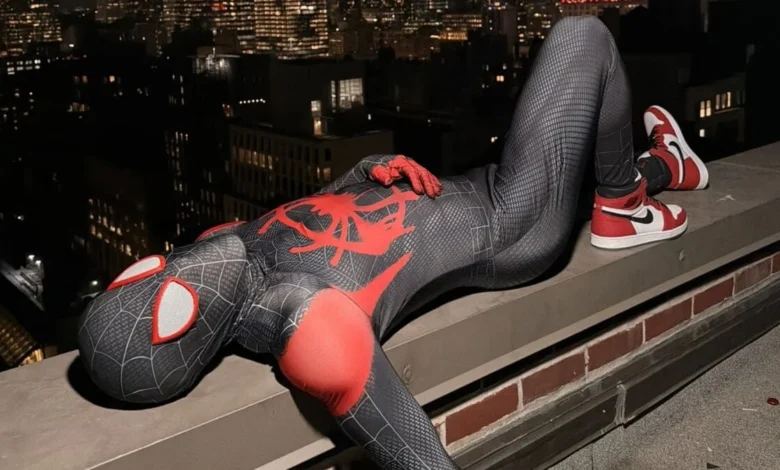
The crisp autumn air of late October brings with it a familiar cultural shift, one marked not merely by the changing of leaves, but by an elaborate, nationwide transformation of public spaces, digital platforms, and consumer habits. While childhood memories of Halloween are often tethered to the simple neighborhood ritual of knocking on doors and collecting confectionery loot in plastic pumpkins, the contemporary observance of the October 31 holiday has evolved into a sophisticated, highly lucrative adult phenomenon. Whether individuals are navigating crowded Halloween weekend parties, escorting their own children through illuminated suburban streets, or curating high-production-value ensembles specifically for digital audiences, the holiday has firmly established itself as a cornerstone of modern adult entertainment and social media engagement.
As digital feeds fill with meticulously crafted outfits ranging from nostalgic throwbacks to cinematic masterpieces, the cultural footprint of Halloween extends far beyond backyard gatherings. It now represents a significant economic engine, a major milestone in the digital content creation calendar, and a fascinating study in modern costuming subcultures.
The Evolution of Halloween: From Ancient Roots to Modern Economic Powerhouse
To understand the scale of contemporary Halloween celebrations, one must look at how the holiday transitioned from a localized, community-based observance into a commercial titan. Tracing its origins back to the ancient Celtic festival of Samhain—where people lit bonfires and wore costumes to ward off ghosts—the holiday has undergone centuries of reinvention. However, the commercialization and cultural expansion of Halloween in the Western world, particularly in North America, accelerated dramatically during the latter half of the 20th century.
In recent decades, adult participation has fundamentally reshaped the holiday market. According to annual data compiled by the National Retail Federation (NRF) and Prosper Insights & Analytics, Halloween spending in the United States alone has climbed to historic highs, routinely surpassing the $10-billion mark. A substantial portion of this financial outlay is driven not by children’s candy or school decorations, but by adult costumes, pet attire, themed apparel, and sophisticated party supplies.
Adults are increasingly viewing Halloween as a legitimate social holiday on par with New Year’s Eve or major summer holidays, prompting investments in professional-grade makeup, custom tailoring, and intricate props. This shift has transformed costume design from a last-minute craft project into a year-round industry involving independent designers, special effects artists, and global manufacturing supply chains.
The Digital Stage: Social Media as the Ultimate Halloween Runway
In the 21st century, the celebration of Halloween no longer concludes when the sun rises on November 1. Instead, the physical festivities serve as content generation for global digital platforms, primarily X (formerly Twitter), TikTok, Instagram, and YouTube. The internet has become the ultimate virtual runway, where creators, influencers, and everyday enthusiasts vie for digital validation through creative expression.
The anatomy of a viral Halloween costume relies heavily on a delicate balance of nostalgia, unexpected juxtaposition, and flawless execution. Social media algorithms reward content that triggers collective memory or displays staggering technical craftsmanship. Consequently, the weeks leading up to October 31 see intense speculation and sharing across digital networks, transforming costume curation into a competitive spectator sport.
Analyzing the Standout Aesthetic Trends of the Season
A review of the standout aesthetic trends dominating digital platforms reveals several distinct categories that consistently capture the public imagination. These trends offer a window into contemporary pop culture sentiment, generational nostalgia, and the evolving standards of amateur and semi-professional costume design.
Nostalgia as a Cultural Currency
One of the most reliable pathways to digital acclaim involves mining the cultural artifacts of late 20th- and early 21st-century media. Adults who grew up watching foundational children’s television programming, classic animated series, and retro cinematic masterpieces are now utilizing their disposable income and advanced crafting skills to pay homage to their formative years.
Whether it is meticulous recreations of characters from iconic television shows that defined an era of youth entertainment or nods to forgotten Saturday morning cartoon staples, these costumes operate on a frequency of shared cultural memory. They serve as a bridge connecting modern adult responsibilities with the comforting familiarity of youth, generating high engagement levels across social platforms as peers recognize and celebrate the obscure references.
Animation and Cult Classics Realized
The translation of two-dimensional animation into three-dimensional, physical reality represents one of the most technically demanding challenges in costuming. Recent internet highlights demonstrate a growing appreciation for costumes inspired by niche animated series, cult classic films, and serialized television dramas that possess fiercely loyal fan bases.
From elaborate interpretations of characters originating from complex animated universes—such as early-2000s psychological or teen-centric animated dramas—to stylized nods to indie gaming and graphic novels, creators are pushing the boundaries of what is possible with foam, Worbla, and advanced textile painting. The community response to these efforts often underscores the power of fandom culture, where accuracy and dedication are rewarded with viral amplification.
Music Icons and Cinematic Tributes
Beyond television and animation, music history and silver-screen legends provide an endless reservoir of inspiration. Tributes to legendary musical artists—such as the undisputed pioneers of soul, funk, and R&B—frequently circulate as viral sensations when executed with precise wardrobe styling, authentic hair and makeup, and theatrical posture. These homages require more than just putting on clothes; they demand a performative embodiment of the artist’s persona.
Similarly, cinema continues to provide rich source material, ranging from deep-cut cinematic auteur homages—such as stylistic nods to distinct director-actor collaborations—to larger-than-life superhero and comic book iconography. The Silver Surfer and various cosmic or mythological entities frequently appear in feeds, realized through impressive body paint, reflective metallic garments, and specialized lighting that transforms ordinary individuals into celestial beings for a single night.
The Creator Economy and the Impact of Streamer Culture
In recent years, the intersection of Halloween and the digital creator economy has introduced a new tier of costuming spectacle. Major content creators, live streamers, and internet personalities regularly leverage their massive digital footprints to showcase high-budget, elaborate productions. Because these individuals often possess the financial resources and production teams comparable to independent film sets, their Halloween streams and public appearances have become major cultural events in their own right.
When high-profile streamers go all out for Halloween, it creates a ripple effect across social media ecosystems. Millions of followers tune in to witness live costume reveals, participate in themed broadcasts, and engage in digital commentary. This phenomenon has turned Halloween into a peak monetization and engagement period for the digital entertainment industry, proving that the holiday’s reach extends deep into the digital infrastructure of modern media consumption.
Economic and Cultural Implications of the Modern Halloween Boom
The continuous expansion of adult Halloween culture carries significant implications for various sectors of the global economy, stretching far beyond retail sales of costumes and confectionery.
Retail and Supply Chain Dynamics
Retailers now begin mapping out their Halloween inventory strategies months in advance, transitioning floor spaces from late-summer merchandise directly into Halloween goods by late August. The demand for specialized fabrics, theatrical cosmetics, electronics for animatronics, and licensed properties requires complex global logistics planning. Furthermore, the rise of e-commerce has allowed niche independent creators to market specialized costume pieces directly to consumers worldwide, decentralizing an industry once dominated entirely by mass-market box stores.
Psychological and Social Benefits of Play for Adults
From a sociological and psychological perspective, the permission slip that Halloween grants adults to engage in transformative play is increasingly recognized as beneficial. Mental health professionals and cultural analysts note that Halloween offers a socially sanctioned outlet for self-expression, escapism, and communal bonding. In an era often dominated by digital isolation and high-stress professional environments, donning a costume allows adults to step outside their daily identities, experiment with persona, and connect with peers through shared humor and creativity.
The Environmental Conversation
As with any consumer-driven holiday, the modern scale of Halloween has sparked important conversations regarding sustainability. The heavy reliance on synthetic, mass-produced polyester costumes and single-use plastic decorations has drawn scrutiny from environmental advocates. In response, a growing counter-movement within the adult crafting community emphasizes upcycling, thrifting, and sustainable material sourcing. Many contemporary costume enthusiasts pride themselves on building intricate ensembles entirely from second-hand clothing, household items, and biodegradable materials, signaling a shifting consciousness within the hobbyist community.
Looking Ahead: The Future of Halloween Traditions
As October 31 concludes and the retail landscape pivots instantly toward the winter holiday season, the cultural footprint left by this year’s celebrations remains visible across digital archives. The evolution of Halloween from a simple folklore tradition into a sophisticated adult-centric cultural festival demonstrates the human desire for play, storytelling, and community connection.
Whether through the lens of viral digital content, economic resilience, or the sheer joy of artistic execution, Halloween has secured its place as a vital modern ritual. It reminds society that imagination and transformation are not reserved exclusively for childhood, and that even the busiest adults can find moments of magic when given the opportunity to step into another character’s shoes—or metallic silver skin—for a night.