Alibaba and Solaria engage in preliminary power talks as Spain tightens data sovereignty and energy regulations for tech infrastructure

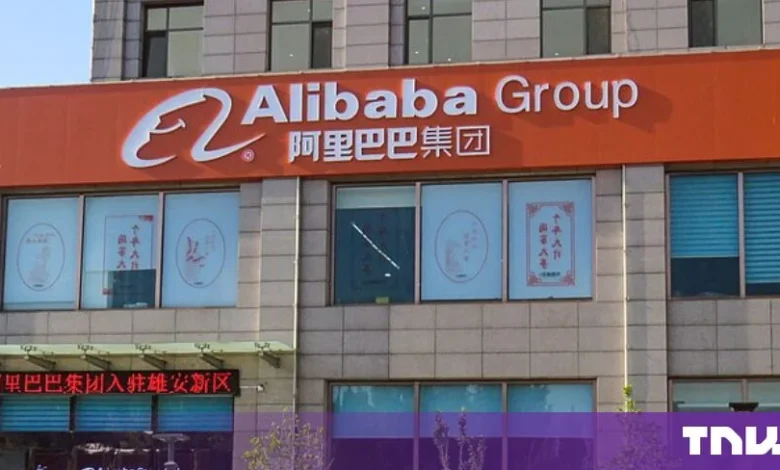
The landscape for digital infrastructure in Europe is undergoing a period of profound regulatory and strategic transition. Alibaba, the Chinese technology titan, has reportedly entered into preliminary discussions with Spanish renewable energy producer Solaria. The objective of these talks is to secure a sustainable power supply for a potential data center facility located in Puertollano, a strategic industrial hub situated approximately 240 kilometers south of Madrid. This development emerges at a critical juncture, as the Spanish government moves forward with a draft decree that threatens to fundamentally alter the operational requirements for data center providers within the country.
The proposed Spanish legislation is dual-pronged, targeting both the environmental impact of massive server farms and the geopolitical sensitivity of data storage. As the European Union grapples with the concept of "digital sovereignty," Spain is positioning itself as a stringent testing ground. For international firms like Alibaba, which has been steadily expanding its European footprint since 2016, these evolving rules present a complex puzzle of energy procurement and regulatory compliance.
The Puertollano Proposition and the Renewable Energy Mandate
The site under consideration in Puertollano is particularly notable for its history and capacity. Once a manufacturing center for photovoltaic cells, the facility represents a prime example of repurposing industrial infrastructure for the digital age. With a capacity of 200 megawatts spanning 100,000 square meters, the site is designed to support the intensive power requirements of modern cloud computing.
Solaria, which successfully raised €300 million in April to bolster its infrastructure, is well-positioned to meet the demands of such a project. The company currently maintains a 3.4-gigawatt portfolio of secured data center power capacity distributed across five European countries. By partnering with Solaria, Alibaba would ostensibly satisfy the first, and perhaps less controversial, pillar of the Spanish draft decree: the requirement for renewable energy.
Under the proposed rules, any data center facility exceeding one megawatt of demand would be required to source 80% of its power from renewable sources on an hourly basis. Failure to meet these metrics could result in the loss of grid connectivity. Furthermore, the decree mandates that any new electricity demand from these facilities must be matched by the construction of new, dedicated clean energy capacity, effectively forcing providers to incentivize the growth of the green grid.
The Sovereignty Conundrum: A Regulatory Hurdle
While the energy requirements present a technical and financial challenge, the second half of the Spanish decree introduces a potentially insurmountable political hurdle. The draft legislation stipulates that data center operators must be established within the European Union, with the additional requirement that all data and metadata must be stored exclusively within European borders.
This policy goes significantly further than the current EU-wide "sovereignty tiers," which generally apply to sensitive public sector data. Spain’s move suggests a broader intent to nationalize or regionalize the digital supply chain. The core question, which remains unanswered by the current text of the decree, is whether a subsidiary of a Chinese parent company will be recognized as "established in the EU" for the purposes of these regulations.
For Alibaba, this creates a state of strategic uncertainty. The company has invested heavily in European expansion, operating data centers in Germany since 2016 and inaugurating a new facility in Paris in June of this year. Furthermore, the company recently announced plans to launch cloud regions in Finland, the Netherlands, and Turkey within the next twelve months. If Spain’s legislation is adopted in its current form, these investments—and the business models supporting them—could face significant friction.
Chronology of Expansion and Regulatory Shift
The current tension is the result of years of rapid growth in the Spanish data center market. To understand the stakes, one must look at the recent timeline of the sector:
- 2016: Alibaba Cloud establishes its first presence in the European market with the opening of data centers in Germany.
- 2024 (April): Solaria raises €300 million, signaling a pivot toward providing dedicated power infrastructure for the digital sector.
- 2025 (Year-End): Spain’s total data center capacity reaches 439 megawatts, a figure projected to grow to over 2,500 megawatts by 2030.
- 2026 (Ongoing): The Spanish government, led by Prime Minister Pedro Sanchez, pursues a policy of attracting foreign direct investment from China, even as the regulatory environment for tech infrastructure becomes more restrictive.
The juxtaposition of these events is striking. While Prime Minister Sanchez signed various economic agreements in Beijing earlier this year to court Chinese capital, his own administration is drafting legislation that could effectively preclude Chinese tech firms from operating critical data infrastructure.
The Economic and Strategic Outlook
Spain’s ambition to become a European digital hub is reflected in its aggressive capacity targets. The jump from 439 megawatts in 2025 to a forecasted 2,537 megawatts by 2030 requires a massive influx of investment. By courting players like Alibaba, the government aims to bridge the gap between its current infrastructure and its digital aspirations.
However, analysts suggest that the "sovereignty" clause may be a bargaining chip or a defensive measure intended to ensure that, in the event of geopolitical friction, the data of Spanish citizens remains under the jurisdiction of European courts. The challenge for the government is to craft a regulatory framework that is strict enough to ensure security, yet flexible enough to remain an attractive destination for global tech giants.
Alibaba has remained largely quiet regarding these discussions, as has Solaria. Both firms are likely awaiting the finalization of the decree before committing to binding legal agreements. Should the deal proceed, it would signify that Alibaba is willing to adopt a "localized" business model—one that emphasizes European energy sources and, perhaps, European-managed data governance—to preserve its market access.
Analysis: The Path Forward for Data Sovereignty
The implications of the Spanish decree extend far beyond the borders of Madrid. If successful, Spain could set a precedent for other EU member states, potentially fragmenting the European cloud market into a collection of nationally siloed data centers. This would run counter to the EU’s "Digital Single Market" objectives, which prioritize the free flow of data across borders.
For the providers, the cost of compliance is likely to rise significantly. Beyond the physical construction of solar plants, firms will need to invest in localized management, independent auditing of data flows, and potentially the duplication of IT infrastructure to ensure that metadata does not transit outside the EU.
As the government moves to publish the final version of the rules by the end of the year, all eyes remain on the Puertollano project. It serves as a microcosm of the modern geopolitical dilemma: the desperate need for sustainable energy and digital infrastructure versus the growing demand for national control over the digital assets that underpin the modern economy. Whether the Spanish government will choose to balance these competing interests or prioritize sovereignty over investment remains the primary question for the coming months. For now, the preliminary talks between Alibaba and Solaria remain a high-stakes experiment in corporate adaptation to a changing regulatory reality.