California Law Mandates On-the-Ground Support and Stricter Oversight for Autonomous Vehicle Fleets Following First Responder Interference Incidents

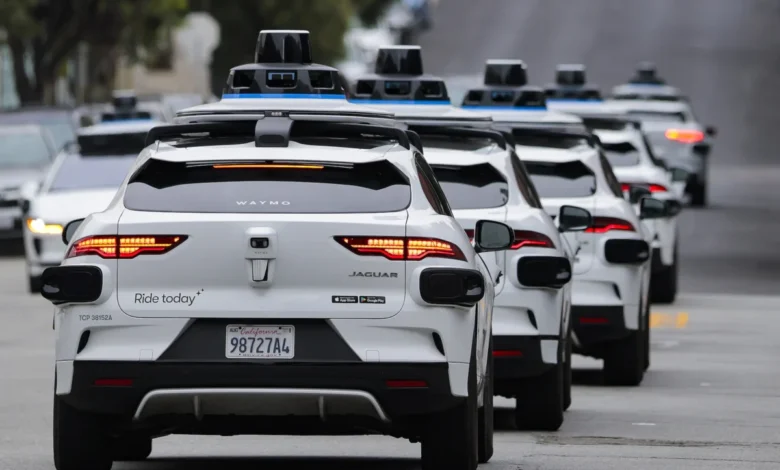
Autonomous vehicle developers operating commercial robotaxi fleets in California, including industry giants such as Tesla, Waymo, and Zoox, will soon face a heavily regulated operational landscape under a newly enacted state law. Signed by Governor Gavin Newsom, Senate Bill 1246 introduces a comprehensive framework designed to curb traffic disruptions, enhance accountability, and ensure that autonomous vehicle companies provide direct, on-the-ground support when their driverless cars experience technical failures, block roadways, or interfere with emergency response operations.
The legislation addresses a mounting backlog of high-profile incidents across major California metropolitan areas where stalled or malfunctioning robotaxis inadvertently drove into active crime scenes, blocked fire station exits, or left police officers and firefighters struggling to manage obstructed roadways. Under the new statute, companies could face substantial financial penalties if an autonomous vehicle blocks law enforcement or emergency personnel for more than 30 minutes during an active crisis. Furthermore, the legislation establishes strict mandates concerning the geographic location and legal credentials of personnel overseeing remote operations, marking a significant turning point in the regulation of autonomous mobility across the United States.
Background and Context of the Legislative Push
The passage of Senate Exercise 1246 represents the culmination of years of escalating friction between local municipalities, emergency services, and the rapidly scaling autonomous vehicle sector. While California has long positioned itself as a pioneer and testing ground for autonomous driving technology, the transition from controlled testing to unconstrained commercial deployment has not been seamless.
In recent years, city councils, police departments, and municipal transportation agencies throughout the San Francisco Bay Area and Los Angeles reported hundreds of troubling occurrences involving stalled autonomous vehicles. Common failure modes included robotaxis losing cellular connectivity in dense urban canyons, becoming confused by construction zones or temporary traffic reroutings, and abruptly halting in the middle of major thoroughfares. Because these vehicles lacked steering wheels, pedals, or traditional human occupants, clearing them from traffic required complex towing procedures or manual intervention by company personnel who were frequently far away.
The situation reached a boiling point following a series of investigations and high-profile media reports, including a prominent analysis by TechCrunch earlier in the year. Investigative findings revealed that major operators, most notably Alphabet-backed Waymo, had frequently relied on emergency first responders to physically assist in moving or navigating malfunctioning vehicles out of harm’s way. Rather than having dedicated company technicians handle roadside failures, the burden of managing immobilized technology often fell upon municipal police and firefighters who were simultaneously managing genuine public safety emergencies.
Federal Intervention and State Legislative Response
The growing frequency of these incidents drew intense scrutiny from federal regulators and state lawmakers alike. The National Highway Traffic Safety Administration (NHTSA) stepped into the fray by issuing formal inquiries and demands to major autonomous vehicle developers, ordering companies to formulate immediate technical and operational solutions to prevent their vehicles from interfering with emergency personnel.
Recognizing that federal guidelines would take time to develop and implement through formal rulemaking, California lawmakers determined that immediate state-level intervention was necessary. State Senator Dave Cortese introduced Senate Bill 1246 to bridge the regulatory gap and establish clear lines of liability for operators deploying driverless technology on public roads.
"California has embraced autonomous vehicles, but we cannot embrace innovation at the expense of public safety," Senator Cortese stated following the signing of the bill. "When an autonomous vehicle crashes, breaks down, blocks a roadway in an emergency, or gets in the way of law enforcement or first responders, there must be clear accountability."
The legislative text directly targets the operational loopholes that allowed companies to distance themselves from localized technical failures. By codifying mandatory response protocols, the state aims to shift the operational burden away from municipal services and back onto the private corporations profiting from commercial deployment.
Data and Fleet Scale: The Growing Footprint of Waymo and Competitors
The urgency behind Senate Bill 1246 is deeply rooted in the rapid scaling of commercial robotaxi fleets, particularly in California. Waymo, currently the largest autonomous vehicle operator in the United States, maintains an expansive commercial footprint with approximately 4,000 autonomous vehicles deployed nationwide. A significant portion of this fleet—roughly 1,200 vehicles—operates within the dense, complex urban environment of the San Francisco Bay Area, alongside growing deployments in Los Angeles.
While Waymo represents the largest share of commercial operations, other players are aggressively expanding. Amazon-backed Zoox is scaling its purpose-built, steering-wheel-free robotaxis, while Tesla continues to test and refine its Full Self-Driving technology with an eye toward launching a competing robotaxi network.
The sheer volume of vehicles on the road multiplies the statistical likelihood of technical glitches. When an autonomous vehicle encounters an edge case it cannot solve independently, it typically executes a safe stop maneuver, turning on its hazard lights and waiting for instructions. Across thousands of vehicles operating daily in complex urban traffic, these safe stops accumulate into frequent traffic bottlenecks, prompting mounting frustration from local transit authorities and city leaders who argue that municipal infrastructure is being used as an uncompensated testing laboratory.
Remote Operations and the Human-in-the-Loop Debate
One of the most heavily debated provisions of Senate Bill 1246 addresses the concept of "remote operations"—the mechanisms by which human employees monitor, assist, or directly pilot autonomous vehicles when the onboard artificial intelligence encounters an unsolvable traffic scenario.
The new law introduces strict definitions and requirements for remote drivers. Specifically, AV developers are now legally restricted to employing remote drivers who are physically based within the United States and hold a valid U.S. driver’s license. This requirement was crafted to address growing concerns regarding data privacy, labor standards, and the operational efficacy of outsourcing vehicle monitoring to international call centers.
Industry practices regarding remote oversight vary significantly among the leading developers:
- Waymo relies primarily on a global network of remote assistance staff, utilizing operations centers in states like Arizona and Michigan, as well as international support personnel located in regions such as the Philippines. Waymo’s system generally relies on remote assistance rather than direct remote driving; the vehicle’s autonomy software remains active while human operators provide high-level guidance, path approvals, or software commands.
- Zoox utilizes a domestic operational model, keeping its remote oversight and intervention teams based entirely within the United States.
- Tesla stands out as the primary operator that has publicly acknowledged employing remote operators capable of taking direct remote control of its vehicles, logging into the steering and braking systems from afar when required.
By mandating U.S.-based licensing and presence for direct remote drivers, the new legislation seeks to ensure that personnel intervening in vehicle operations are intimately familiar with American traffic laws, road signage, and emergency response protocols, while also establishing clearer jurisdictional oversight for labor and regulatory compliance.
Key Mandates and Operational Requirements
Senate Bill 1246 introduces a multi-layered compliance structure that fundamentally changes how AV developers must interact with municipal governments and emergency services. The core requirements of the law include:
- Local Incident Technicians: AV companies must provide responsive, on-the-ground local incident technicians capable of physically deploying to the scene of a disabled vehicle, accident, or road obstruction to assist law enforcement and clear traffic.
- Emergency Notification Systems: Operators are required to maintain direct communication channels with local municipalities, towns, and emergency dispatch centers, providing real-time data regarding the location and status of vehicles during system-wide outages, software failures, or widespread cellular network disruptions.
- Strict Penalties for Emergency Blockages: Companies face formal investigations and civil financial penalties if an autonomous vehicle blocks, impedes, or interferes with police officers, firefighters, or medical personnel during an active emergency response for a cumulative duration exceeding 30 minutes.
- Regulatory Implementation Timeline: The law is scheduled to officially go into effect in July 2028. Ahead of this effective date, the California Department of Motor Vehicles (DMV), which serves as the primary regulatory body for autonomous vehicle testing and deployment in the state, is tasked with drafting comprehensive administrative guidelines, detailing precise response timeframes, reporting standards, and enforcement mechanisms.
Industry Reactions and Corporate Compliance
Major autonomous vehicle operators have responded to the passage of Senate Bill 1246 with a mixture of pragmatic acceptance and diplomatic relief, pointing out that last-minute legislative amendments successfully preserved the commercial viability of their operations in the state.
In an official statement released following the bill’s signing, a Waymo spokesperson expressed gratitude for the legislative modifications that occurred during the drafting process. "We are grateful for the amendments made to the bill, which ensure autonomous vehicle operators can still feasibly serve Californians," the spokesperson stated. "Waymo is committed to making roads safer in California and continually improving our service."
Industry analysts note that while the compliance costs associated with hiring localized incident response teams and upgrading communication infrastructure will increase operational expenditures for AV companies, the alternative—facing outright operational bans or severe municipal moratoriums—would have been far more damaging to their long-term business models. By establishing a predictable, statewide standard rather than a patchwork of conflicting municipal ordinances, the law provides the regulatory clarity necessary for continued commercial expansion.
Implications and Broader Industry Impact
The enactment of Senate Bill 1246 is widely expected to serve as a legislative blueprint for other states and municipalities grappling with the rapid commercialization of autonomous vehicle technology. As cities nationwide watch the expansion of robotaxi services in San Francisco, Phoenix, Austin, and Los Angeles, local leaders have grown increasingly vocal about asserting municipal control over street safety.
From an economic perspective, the law signals the transition of the autonomous vehicle industry from an experimental tech sector into a heavily regulated public utility space. Companies can no longer operate under the assumption that software iteration alone will excuse physical disruptions to urban infrastructure. The requirement to invest in physical, on-the-ground human support infrastructure bridges the gap between software-driven automation and traditional municipal public safety networks.
Furthermore, the emphasis on domestic remote operations points toward a broader national conversation regarding labor standards, cybersecurity, and data sovereignty in the deployment of artificial intelligence systems on public roadways. As regulatory scrutiny tightens at both the state and federal levels, companies that prioritize robust emergency integration, transparent communication, and community partnership will be best positioned to scale successfully.
With the California DMV now charged with writing the enforcement rules ahead of the July 2028 implementation date, the coming years will witness a crucial testing period for how effectively private technology developers and public emergency services can forge a safe, collaborative future on American streets.
Related posts: