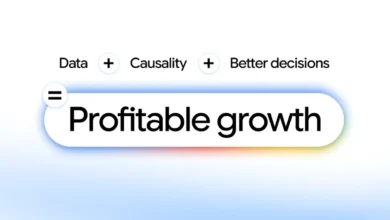
Unlocking Marketing Success Through AI and Analytics: The Debut of the Ads Decoded Podcast


The launch of the first full season of the Ads Decoded podcast marks a strategic shift in how Google communicates the evolving landscape of digital advertising to its global user base. Hosted by Ginny Marvin, the company’s Ads Product Liaison, the series aims to bridge the communication gap between the architects of Google’s advertising ecosystem and the professionals tasked with executing campaigns in an increasingly automated environment. The inaugural episode features a deep-dive conversation with Eleanor Stribling, Group Product Manager at Google Analytics, focusing on the transition from traditional, passive data reporting to the utilization of analytics as an active engine for business growth. This initiative comes at a critical juncture in the digital advertising industry, where the deprecation of third-party cookies and the rise of generative AI have fundamentally altered the methodology for customer acquisition and measurement.
The Shift Toward AI-Centric Measurement
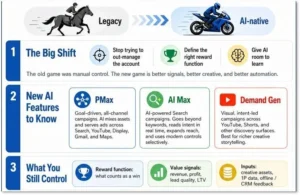
For years, the role of Google Analytics was largely confined to historical reporting—viewing what happened in a marketing funnel after the fact. However, the current digital climate demands a proactive approach. During the episode, Marvin and Stribling delineate a path forward for marketers, emphasizing that AI is no longer a peripheral feature but the core operating system of modern advertising.
Stribling notes that the efficacy of AI-driven tools—such as Performance Max or automated bidding strategies—is directly proportional to the quality of the data fed into them. This concept, often referred to as "data strength," is the foundational pillar for any enterprise seeking to leverage machine learning for campaign optimization. As advertisers move away from granular, manual tracking toward privacy-centric, modeled data, the importance of a robust, first-party data strategy has intensified. The discussion serves as a practical guide for marketers struggling to reconcile the need for high-level AI automation with the requirement for precise, privacy-compliant performance metrics.
A Chronology of Measurement Evolution
The trajectory of digital measurement has undergone significant transformation over the past decade. Understanding this timeline is essential to grasping the intent behind the new podcast series:
- 2012–2018: The Era of Universal Analytics. This period was defined by session-based tracking and reliance on third-party cookies, allowing for relatively straightforward cross-device attribution.
- 2019–2021: The Privacy Pivot. Increased regulatory scrutiny, including the implementation of GDPR and CCPA, combined with the restriction of tracking identifiers by major browser manufacturers (e.g., Apple’s App Tracking Transparency), began to degrade the accuracy of traditional models.
- 2022–2023: The Transition to Google Analytics 4 (GA4). Google mandated a move away from Universal Analytics toward an event-based model designed specifically for a privacy-first world, integrating AI to fill gaps in tracking.
- 2024–Present: The AI Activation Phase. Industry focus has shifted from mere migration to the active use of predictive modeling and AI-driven insights to fuel growth, which is the primary theme addressed in the debut of Ads Decoded.
The Imperative of Data Strength
Data strength is not merely a technical prerequisite; it is a competitive differentiator. According to insights provided in the discussion, brands that prioritize a "clean" data pipeline—ensuring that conversion signals are accurate, deduplicated, and enriched with business context—consistently outperform those relying on fragmented, incomplete datasets.
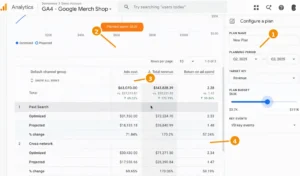
Stribling highlights that the "activation" of data occurs when an analytics platform feeds directly into the bidding algorithms of advertising platforms. For instance, by importing high-value conversion events—such as lifetime value (LTV) scores or subscription renewals—into Google Ads, marketers enable AI to optimize for profitability rather than just volume. This shift represents a departure from the "vanity metrics" of the past and signals a move toward sophisticated, revenue-aligned marketing operations.
Implications for Modern Marketing Teams
The release of this podcast episode arrives as CMOs face mounting pressure to demonstrate the ROI of their marketing budgets in an environment where tracking is increasingly obscured by privacy regulations. The implications of this new approach to analytics are three-fold:
- Organizational Alignment: Marketing and data teams must break down silos. The "Ads Decoded" approach suggests that the product liaison team is attempting to normalize the idea that an ad manager must also be a data strategist.
- Increased Technical Literacy: There is a heightened requirement for marketers to understand the mechanics of conversion modeling. Advertisers who fail to grasp how AI fills gaps in their data risk misallocating budgets toward underperforming channels.
- Risk Mitigation: The emphasis on first-party data is a defensive strategy. By fostering direct relationships with customers, brands mitigate their reliance on ecosystem-wide tracking, thereby insulating themselves against future changes in browser policies or data privacy legislation.
Official Perspectives on Industry Change
While Google’s representatives emphasize the capabilities of their specific product suites, the broader marketing community has echoed the necessity of these shifts. Industry analysts, including those from firms like Gartner and Forrester, have noted that the "AI-first" pivot is the only viable path for companies that wish to maintain competitive performance metrics.
The strategy laid out in the podcast aligns with a broader trend of "democratizing" complex data science. By providing clear, actionable advice from the product managers responsible for the infrastructure, Google is attempting to lower the barrier to entry for small-to-medium enterprises (SMEs) that may feel overwhelmed by the technical complexity of modern measurement.
Navigating the Future of Digital Advertising
The Ads Decoded podcast serves as a touchpoint for a larger, ongoing dialogue regarding the future of the digital economy. As AI tools become more autonomous, the human role in marketing shifts from tactical execution—such as manual keyword bidding—to strategic oversight, data management, and creative development.
The conversation between Marvin and Stribling underscores that while the technology is powerful, it is not autonomous in its wisdom. It requires human guidance to set the right objectives, define what a "high-value" customer looks like, and ensure that the privacy-compliant data signals are optimized for accuracy.
Conclusion: Preparing for the Next Fiscal Year
As marketing departments begin their planning cycles, the consensus from the podcast is clear: the groundwork for success in the coming year must be laid in the settings and configurations of today. Accurate measurement is no longer an optional task for technical teams; it is the cornerstone of the executive-level marketing strategy.
By subscribing to the series, listeners are encouraged to engage with a continuous stream of updates that reflect the fast-paced nature of the industry. The debut of Ads Decoded acts as a roadmap for those looking to move past the uncertainty of the post-cookie era and toward a future where AI-driven analytics provide the clarity necessary for sustained growth. In a digital landscape characterized by constant change, the ability to decode the complexities of these tools will likely define the winners and losers in the competitive market of the next decade.