The Evolution of Digital Outreach: Website Marketing Strategies for 2026 and Beyond

The fundamental mechanics of website marketing have undergone a profound structural shift, rendering traditional traffic-acquisition playbooks obsolete for modern enterprises. Historically, digital marketing strategies operated on a linear premise: promotional efforts were directed toward attracting raw visitors to a centralized domain, where conversion funnels were designed to turn casual browsers into paying customers. While the corporate website remains a vital anchor for digital operations, contemporary consumer behavior reveals that the critical stages of the customer journey now occur entirely beyond traditional domain boundaries.
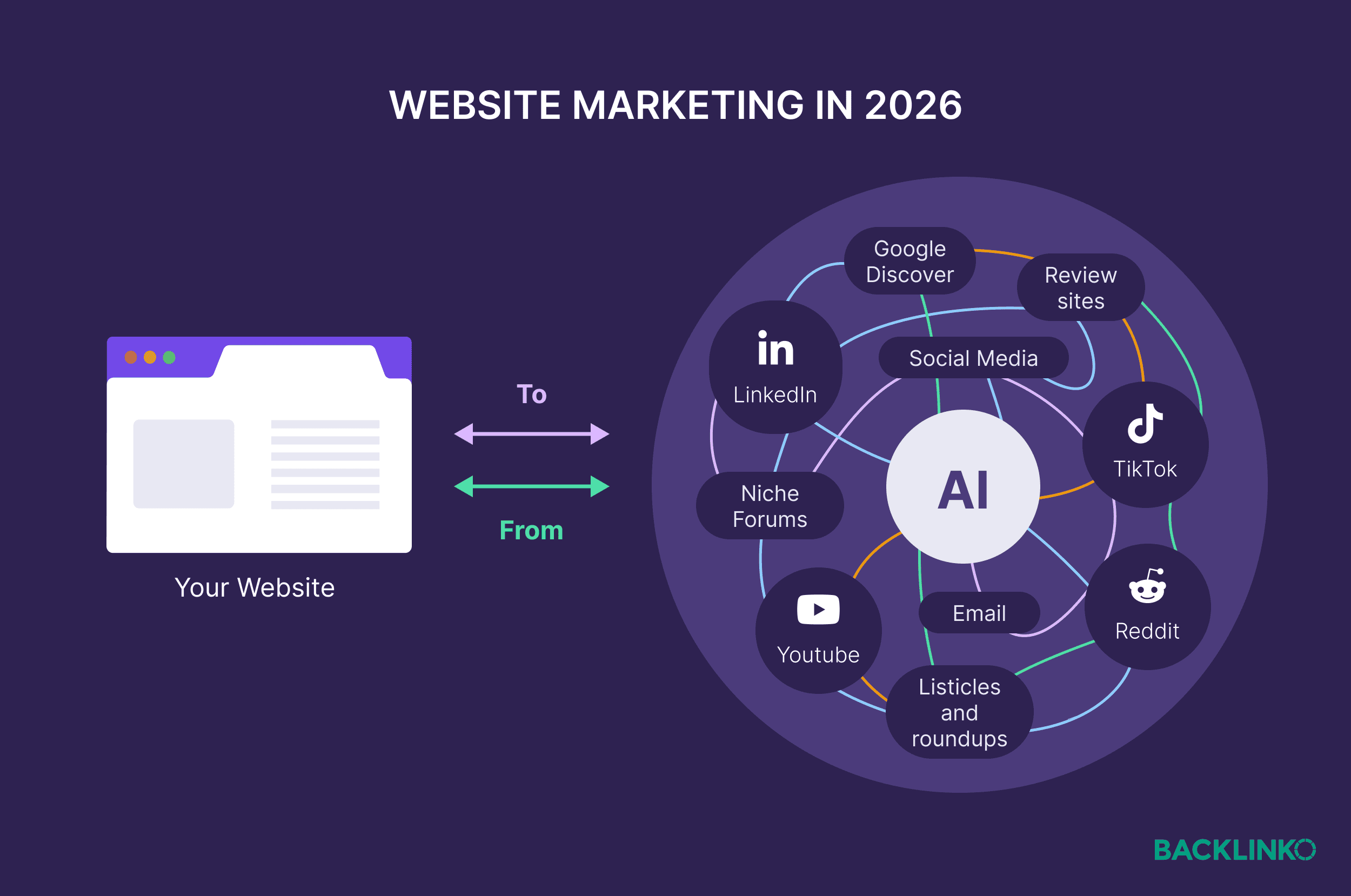
Market research and consumer behavior analyses indicate that modern buyers rarely encounter a brand in a vacuum. Before a prospect ever clicks through to a corporate website, they have typically conducted exhaustive pre-purchase research across decentralized digital ecosystems. These touchpoints include artificial intelligence search tools, specialized peer-to-peer discussion forums like Reddit, and various social media platforms. Consequently, a brand’s digital visibility and credibility across these third-party environments directly dictate whether prospective customers will ever initiate a visit to the primary website.
The Shift Toward Multi-Touchpoint Discovery and AI Integration
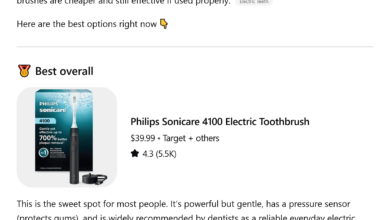
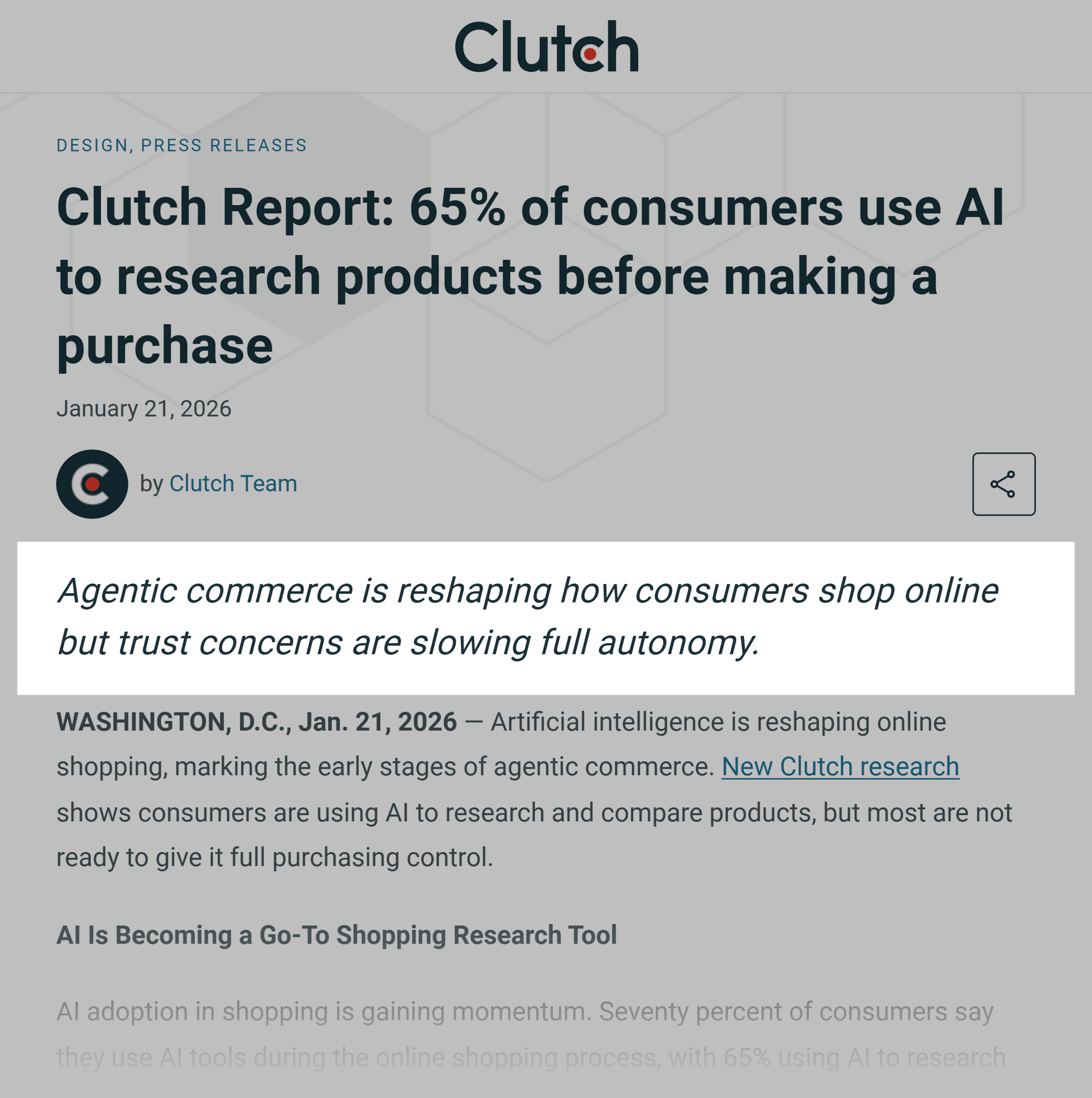
The rise of generative artificial intelligence and large language models (LLMs) as primary discovery engines has transformed how consumers evaluate products, services, and brands. Industry data compiled by market research firms indicates that a decisive majority of modern B2B and B2C buyers utilize AI assistants to research potential solutions before interacting with vendor websites. By the time an individual lands on a corporate domain, they have frequently formed a pre-existing narrative about the brand’s reputation, positioning, and market standing.

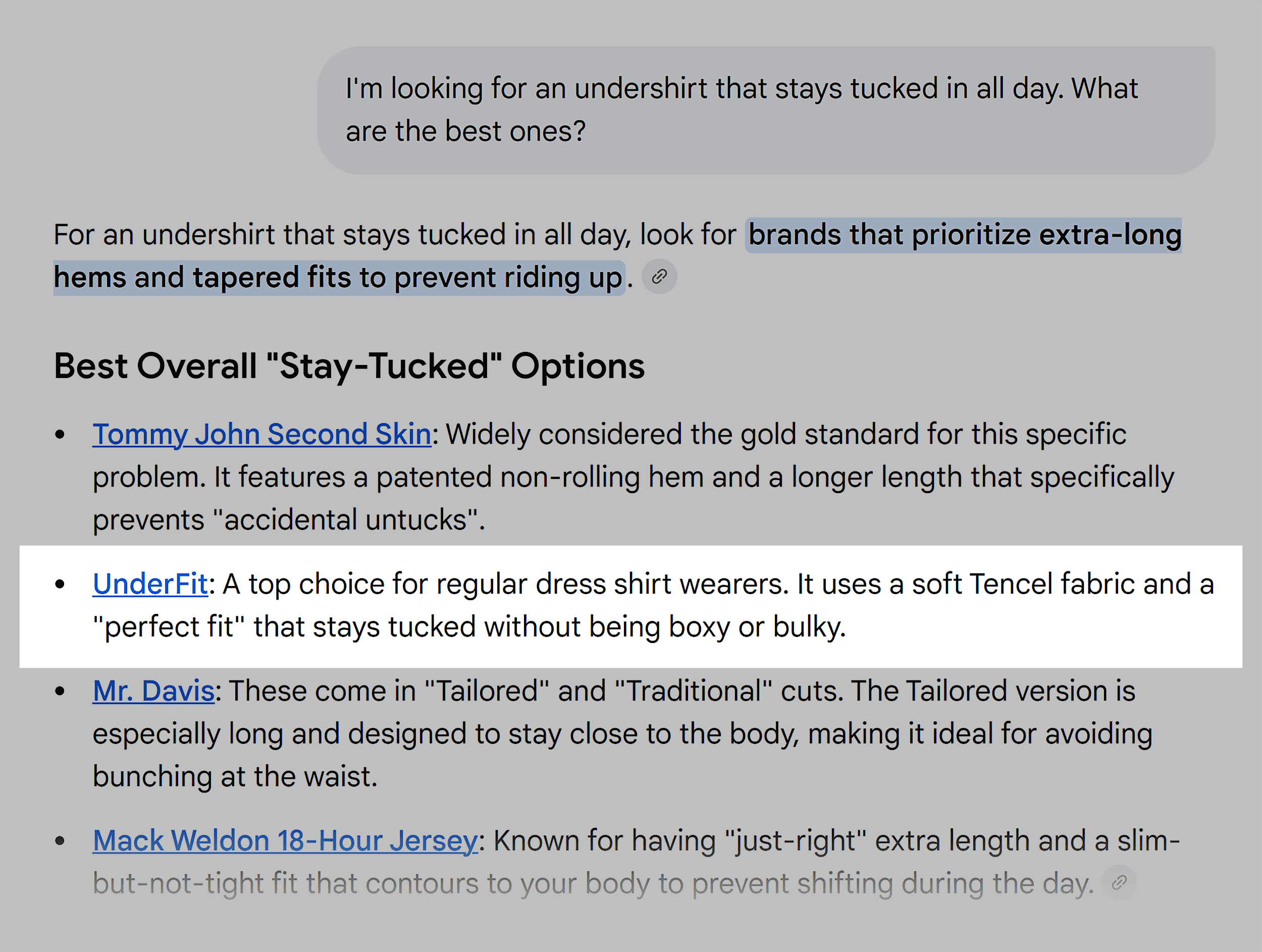
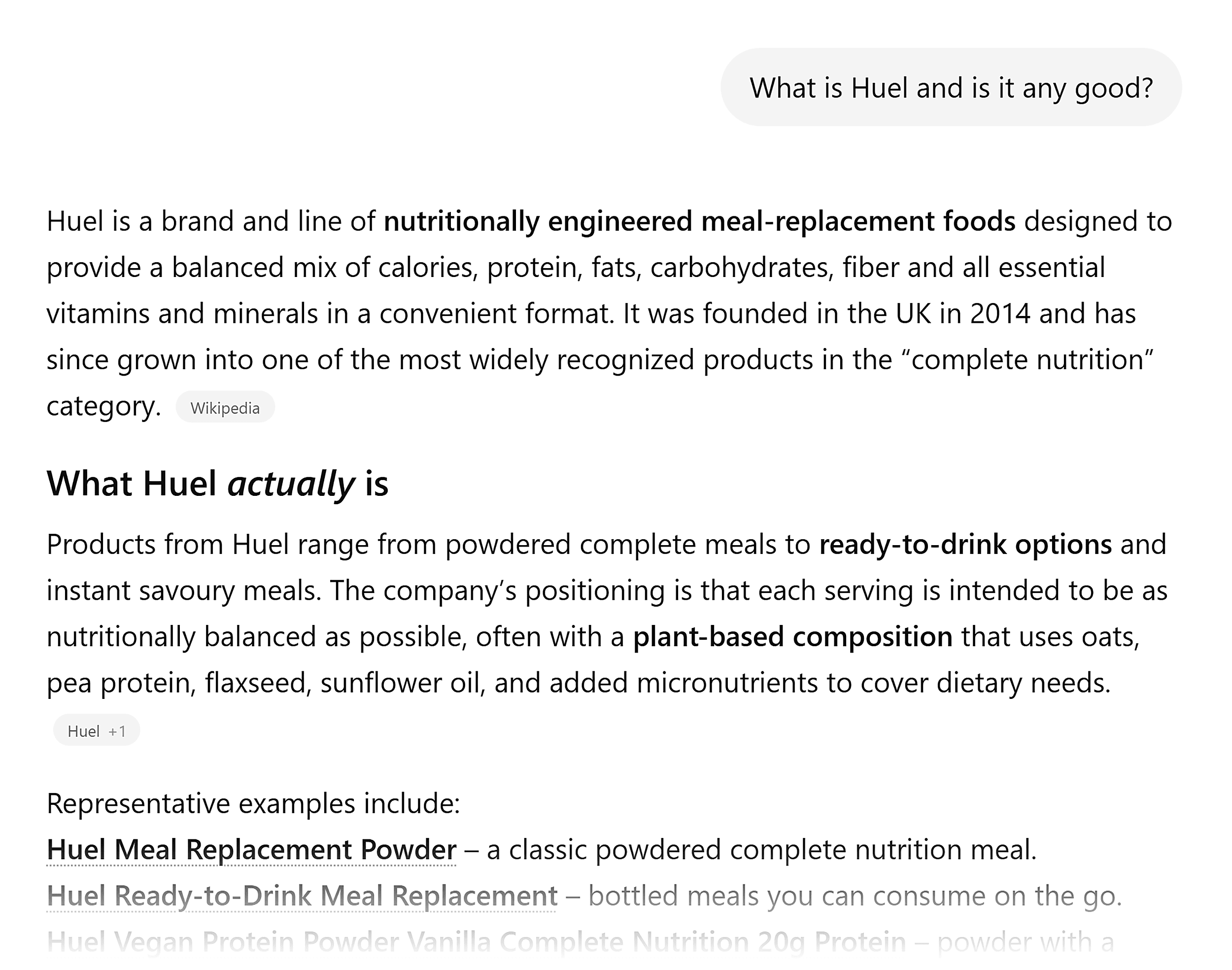
This paradigm requires organizations to engineer how the broader internet describes their brand. Rather than leaving online reputation management to chance, modern marketing teams must codify comprehensive brand messaging strategies. These frameworks establish consistent terminology, core value propositions, and precise categorical positioning. When this standardized language is consistently deployed across press releases, executive communications, community engagement, and digital PR campaigns, it reinforces accurate categorizations within large language models, ensuring brands appear accurately in AI-generated recommendations.

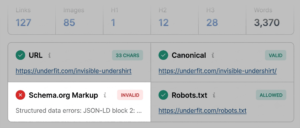
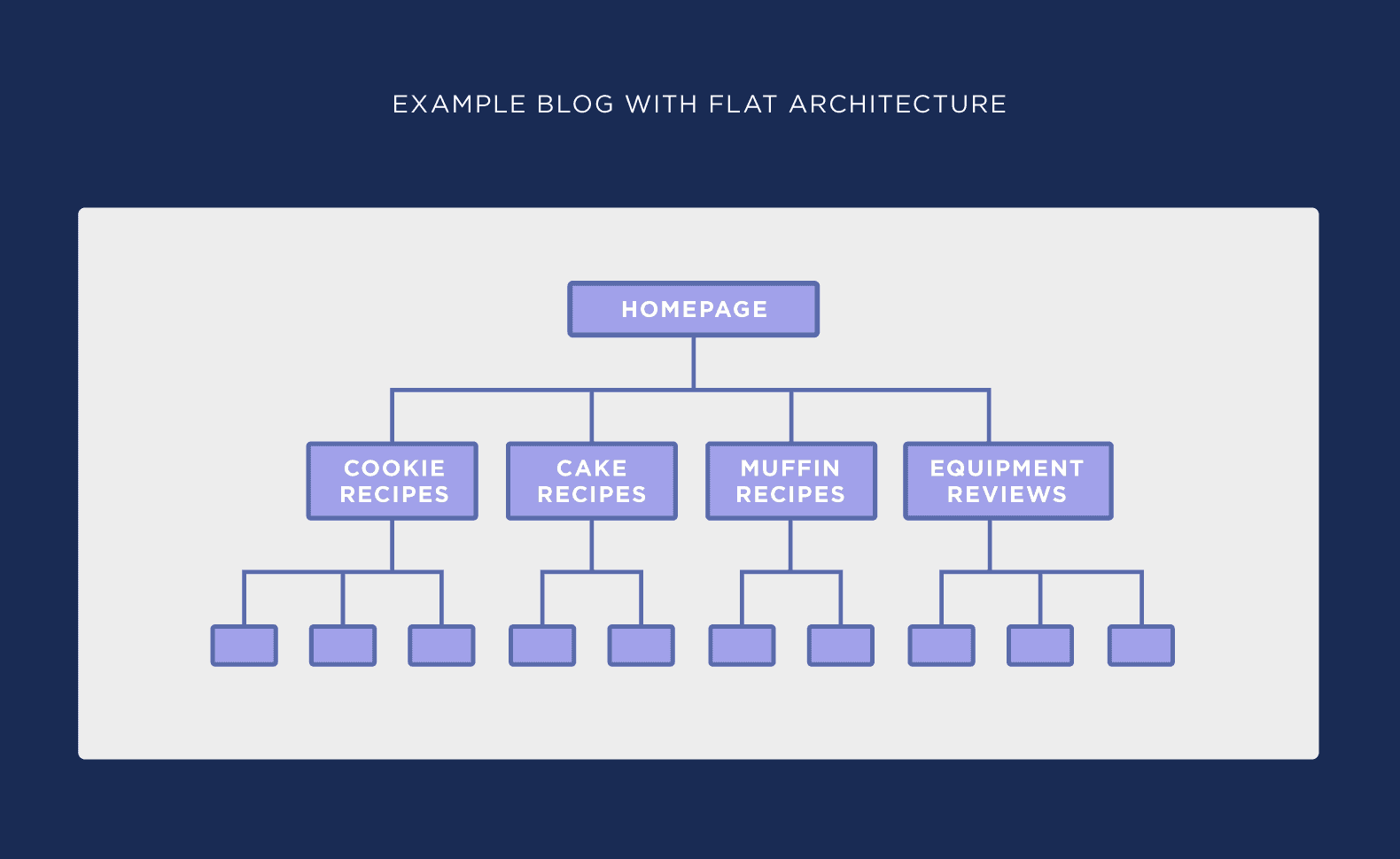
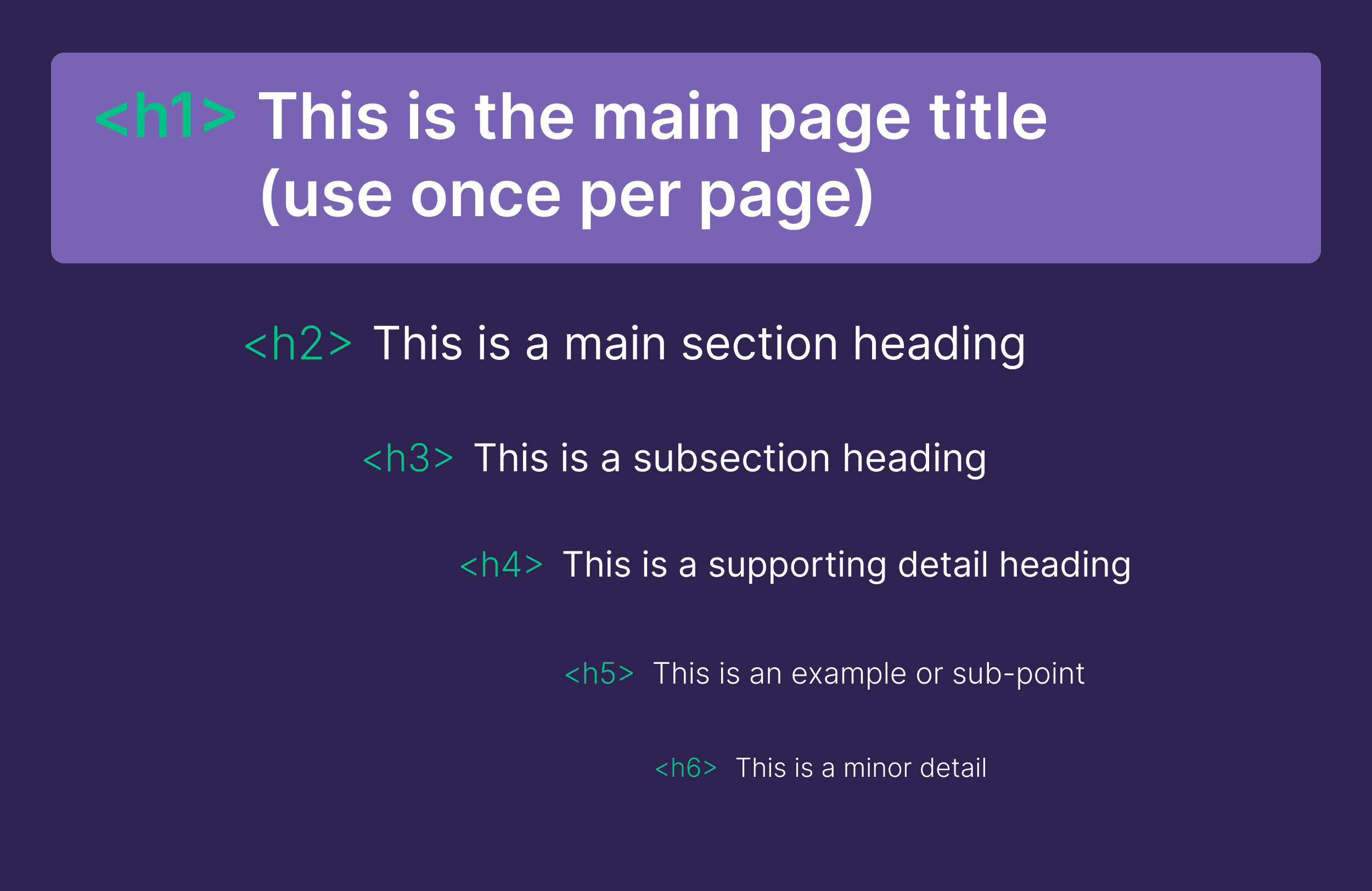
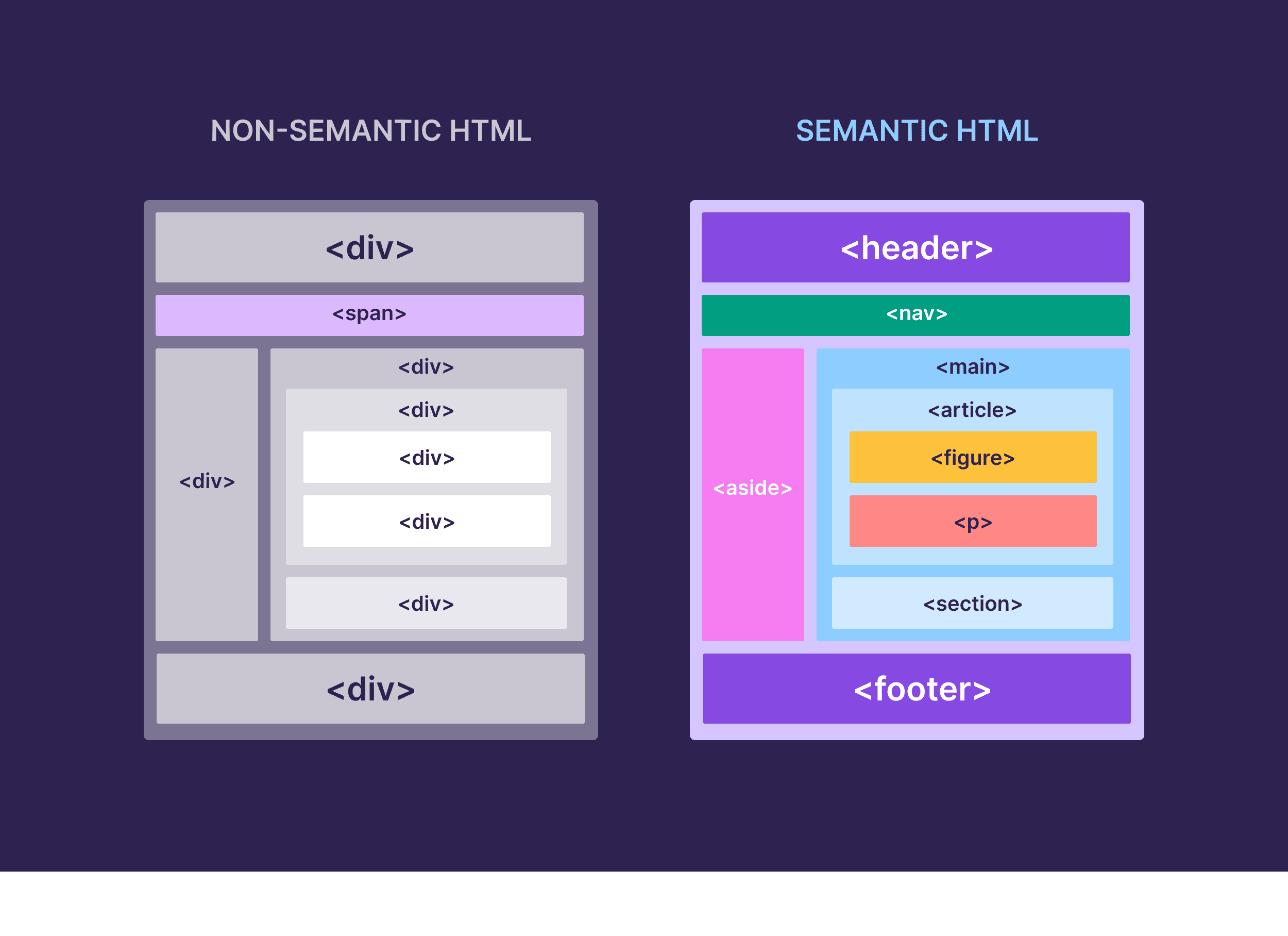
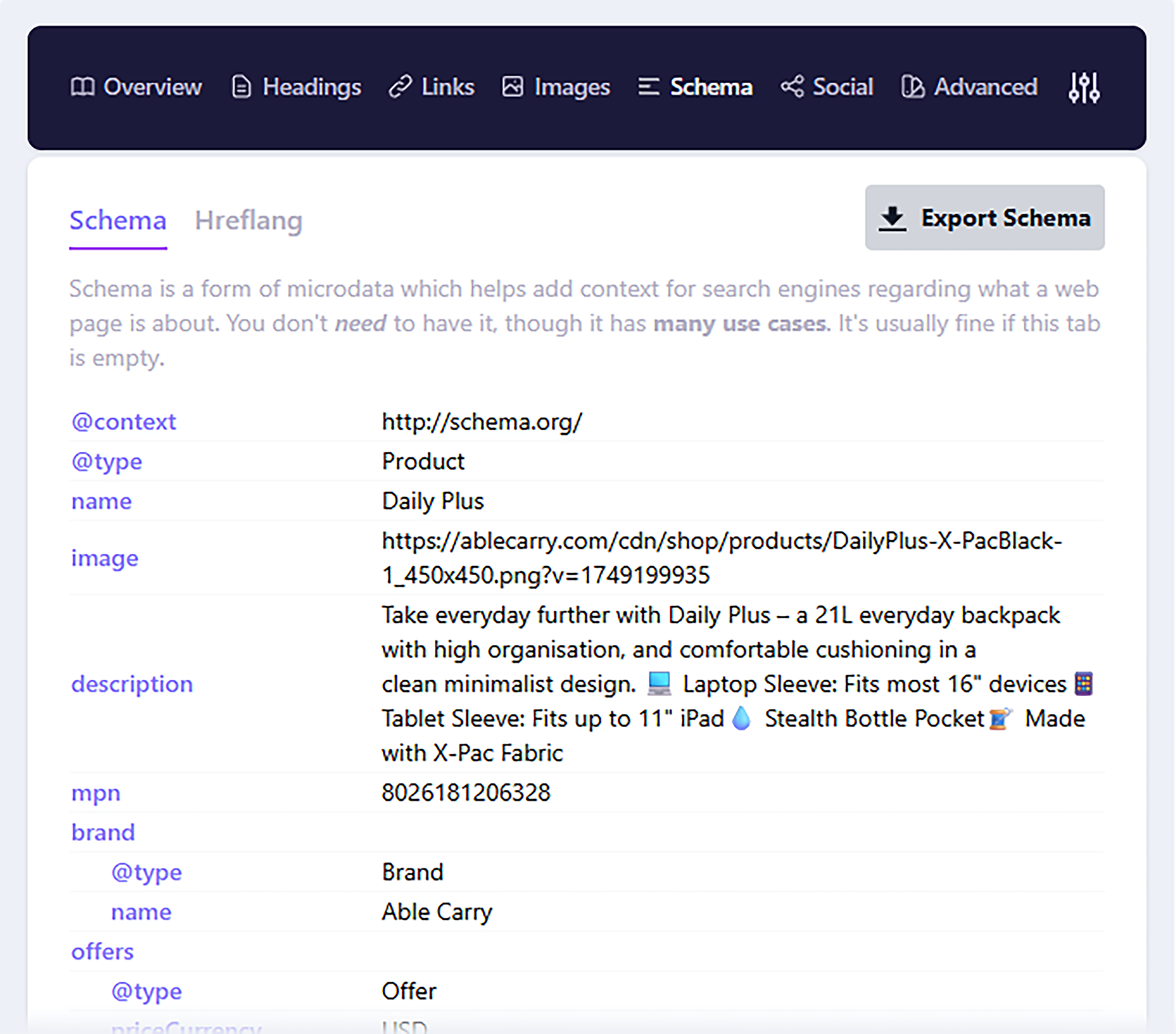
Concurrently, corporate web architecture must adapt to accommodate both human readers and automated parsing systems. Modern search optimization extends beyond traditional keywords, demanding clean semantic HTML, logical content hierarchies, and robust structured data implementation. By utilizing precise schema markup, organizations provide search engines and AI crawlers with explicit signals regarding page context, authorship, and organizational credibility.
Chronology of the Post-Website Marketing Era
The transition toward decentralized website marketing did not happen overnight; it represents a multi-year maturation of search algorithms, user habits, and artificial intelligence platforms:
- 2020–2022: The dominance of traditional SEO and paid search acquisition began facing saturation as SERP features (such as zero-click answers and featured snippets) kept users on search engines longer.
- 2023–2024: The explosive mainstream adoption of generative artificial intelligence tools shifted consumer research habits away from traditional search engines toward conversational AI platforms and community-driven forums like Reddit.
- 2025: Search engines integrated native conversational AI layers (such as Google AI Mode and similar generative experiences), further fragmenting the traditional traffic funnel and elevating the importance of off-site brand mentions.
- 2026 and Beyond: Website marketing matured into an omnichannel ecosystem where conversion rates, third-party authority, behavioral email triggers, and human-centric thought leadership determine a brand’s commercial viability.
Data-Driven Insights and Conversion Optimization in a Zero-Click Environment
As zero-click searches—where users receive direct answers from AI summaries or search engine result pages—become increasingly prevalent, incoming web traffic is fundamentally different in character. Visitors who successfully navigate to a corporate domain in 2026 arrive pre-educated, highly intentional, and advanced in their decision-making process. Consequently, high-volume traffic generation is secondary to maximizing revenue per visitor through precision conversion rate optimization (CRO).
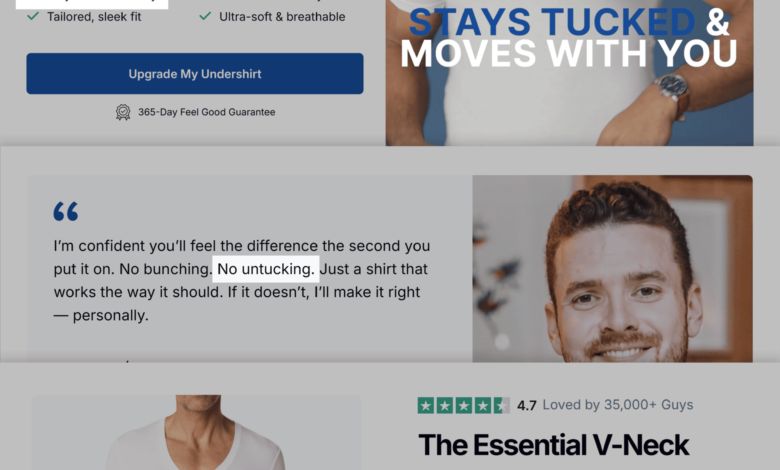
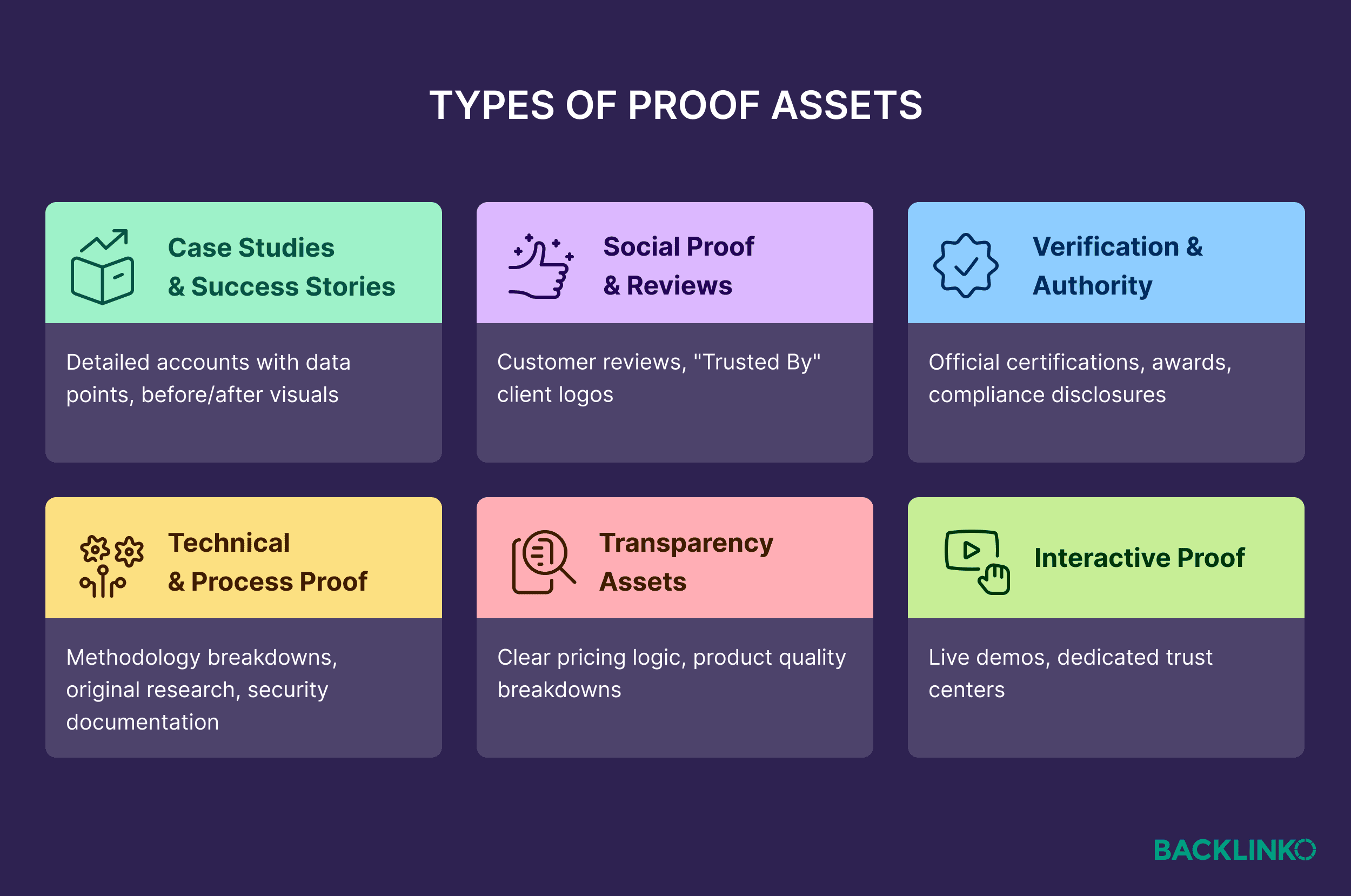
Digital strategists must aggressively audit digital touchpoints to eliminate friction and anxiety. Friction encompasses structural barriers such as sluggish page load speeds and convoluted navigation, while anxiety involves consumer hesitation stemming from unclear pricing or insufficient trust signals. In response, high-performing websites deploy rigorous assurance mechanisms, including visible security certifications, transparent compliance documentation, and clear value guarantees.
Furthermore, post-visit engagement has evolved beyond static remarketing ads. Advanced enterprises utilize behavioral email targeting to sustain momentum after a user departs a domain. By tracking high-intent site activity—such as visits to pricing pages or specific product views—marketing automation platforms trigger personalized follow-up sequences. Grounded in psychological principles like reciprocity, these timely, value-driven communications significantly increase the likelihood of converting lingering interest into commercial action.
Human-Centric Branding and Third-Party Credibility
Amid an influx of automated, AI-generated content across the global web, consumers increasingly place a premium on authenticity, human connection, and demonstrable expertise. Organizations are capitalizing on this demand by putting recognizable human faces, voices, and personalities at the forefront of their brand strategies. Thought leadership initiatives—led by executives, founders, or specialized subject matter experts—establish authoritative points of view on industry developments. When these individuals maintain active, transparent presences on professional networks, video platforms, and industry panels, they humanize the corporate entity and mitigate perceived purchasing risks.
Simultaneously, building visibility on third-party digital terrain has become non-negotiable. Because consumer trust is frequently forged within niche communities, Discord channels, and professional forums, brands must participate as helpful contributors rather than aggressive promoters. Observing community norms, answering technical questions transparently, and supporting users without immediate commercial self-interest allows brands to organically secure positive sentiment that subsequently influences both human consumers and algorithmic discovery tools.
Strategic Implications for Modern Enterprises
The evolution of website marketing highlights a vital operational reality: a brand’s digital success is no longer dictated solely by the quality of its home domain. Modern market dominance requires an integrated strategy that harmonizes AI discovery optimization, multi-channel video trust-building, Google Discover curation, rigorous conversion engineering, human-led thought leadership, and active third-party community support.
Enterprises that adapt to this decentralized, trust-driven framework will successfully capture high-intent audiences, while those relying on legacy, single-channel promotional tactics risk irrelevance in an increasingly automated digital economy.