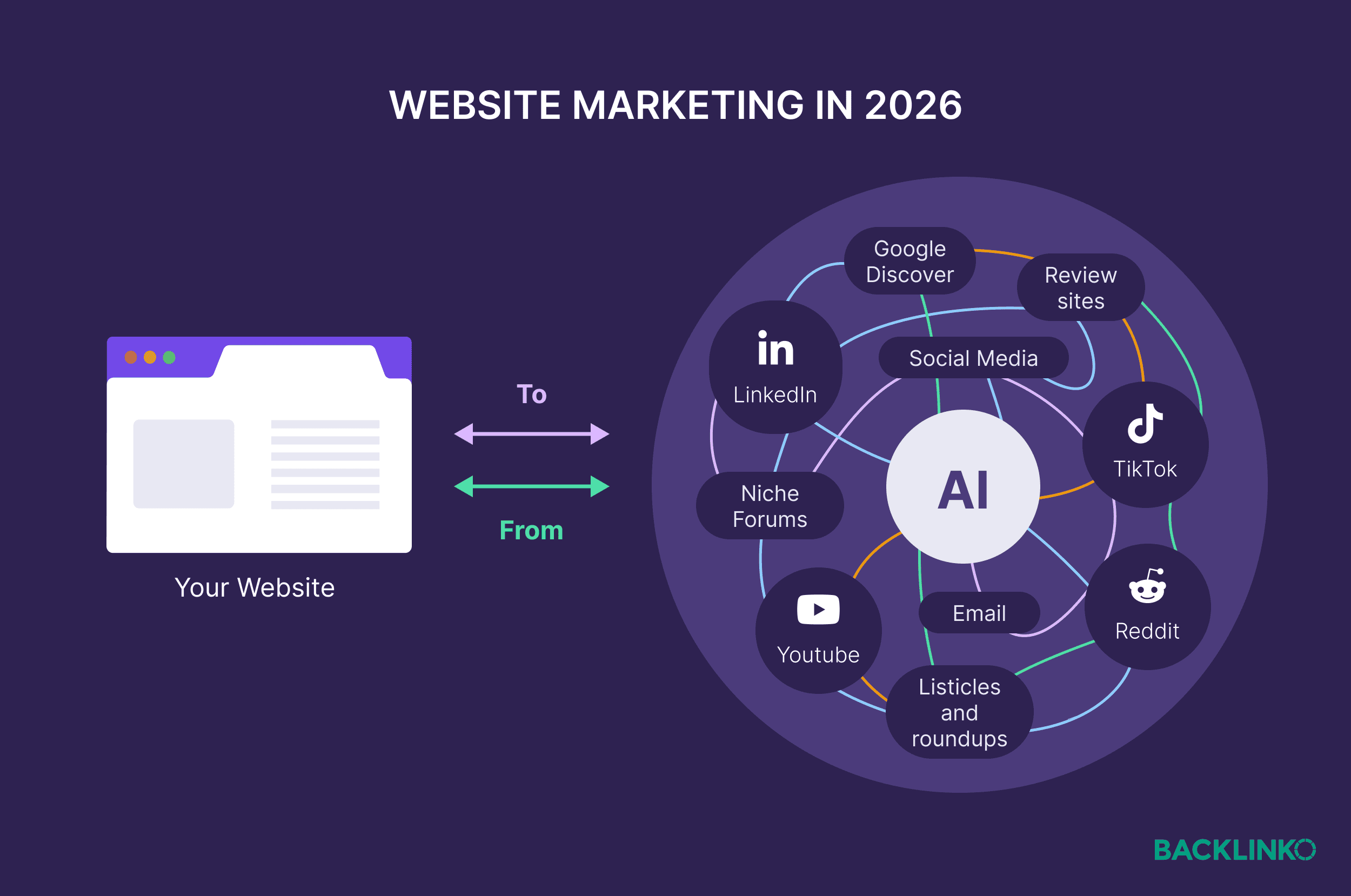
Website marketing no longer functions through the traditional paradigm of driving direct traffic to a central landing page and hoping for a conversion. Over the past several years, the consumer journey has fragmented significantly, shifting outward into artificial intelligence tools, social media channels, and peer-to-peer discussion forums long before a potential customer ever interacts with a brand’s primary domain. This evolution has fundamentally redefined how businesses must approach digital visibility, credibility, and customer acquisition.
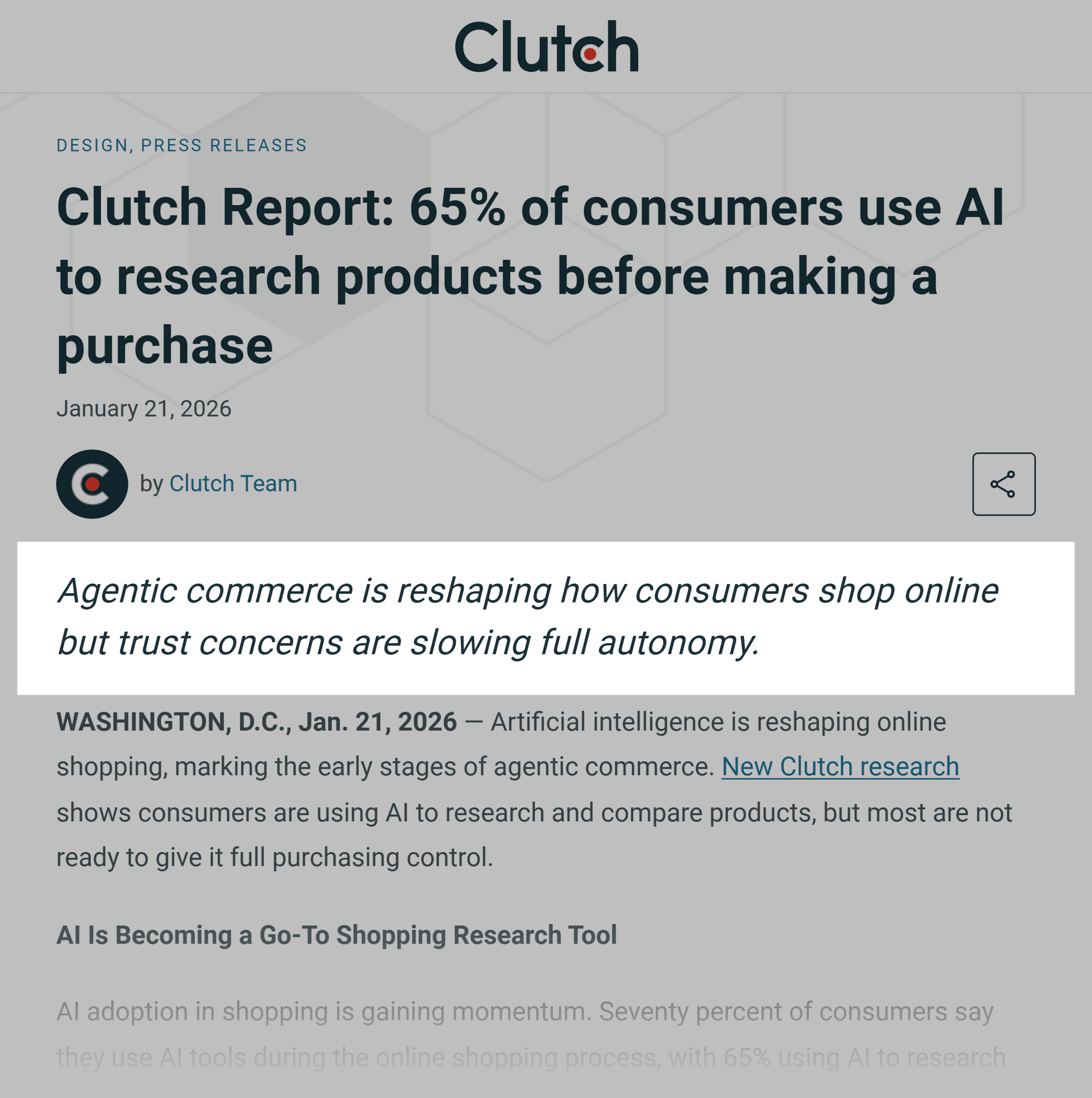
Historically, the digital marketing playbook relied heavily on direct search engine optimization (SEO) and paid acquisition models designed to capture users at the point of intent. However, recent data illustrates that the path to purchase has grown vastly more complex. Industry surveys from research firms like Clutch indicate that more than 65% of modern buyers now utilize generative artificial intelligence systems to research products, read community threads, and evaluate comparative options prior to visiting an official corporate website. Consequently, a company’s digital footprint is continuously evaluated, filtered, and contextualized across external platforms before a web visitor even materializes.
Background Context and the Evolution of the Digital Journey

The pivot toward decentralized brand discovery accelerated alongside the mainstream adoption of large language models (LLMs), social commerce platforms, and algorithm-driven discovery feeds such as Google Discover. Consumers increasingly seek synthesized answers rather than a list of blue links, prompting businesses to rethink their entire online presence. In this new ecosystem, a website acts less as the starting point of a marketing funnel and more as the final validation hub where high-intent, pre-educated prospects arrive to finalize a decision.

This structural shift implies that businesses must deliberately engineer their external reputation. If a brand lacks visibility or authority within AI-generated summaries, Reddit communities, and niche forums, prospective buyers may never discover the brand’s primary website. Conversely, when users encounter a brand positively across multiple touchpoints beforehand, they arrive on the core domain with higher trust, deeper context, and a substantially increased intent to convert.
Strategic Pillars for Modern Website Marketing
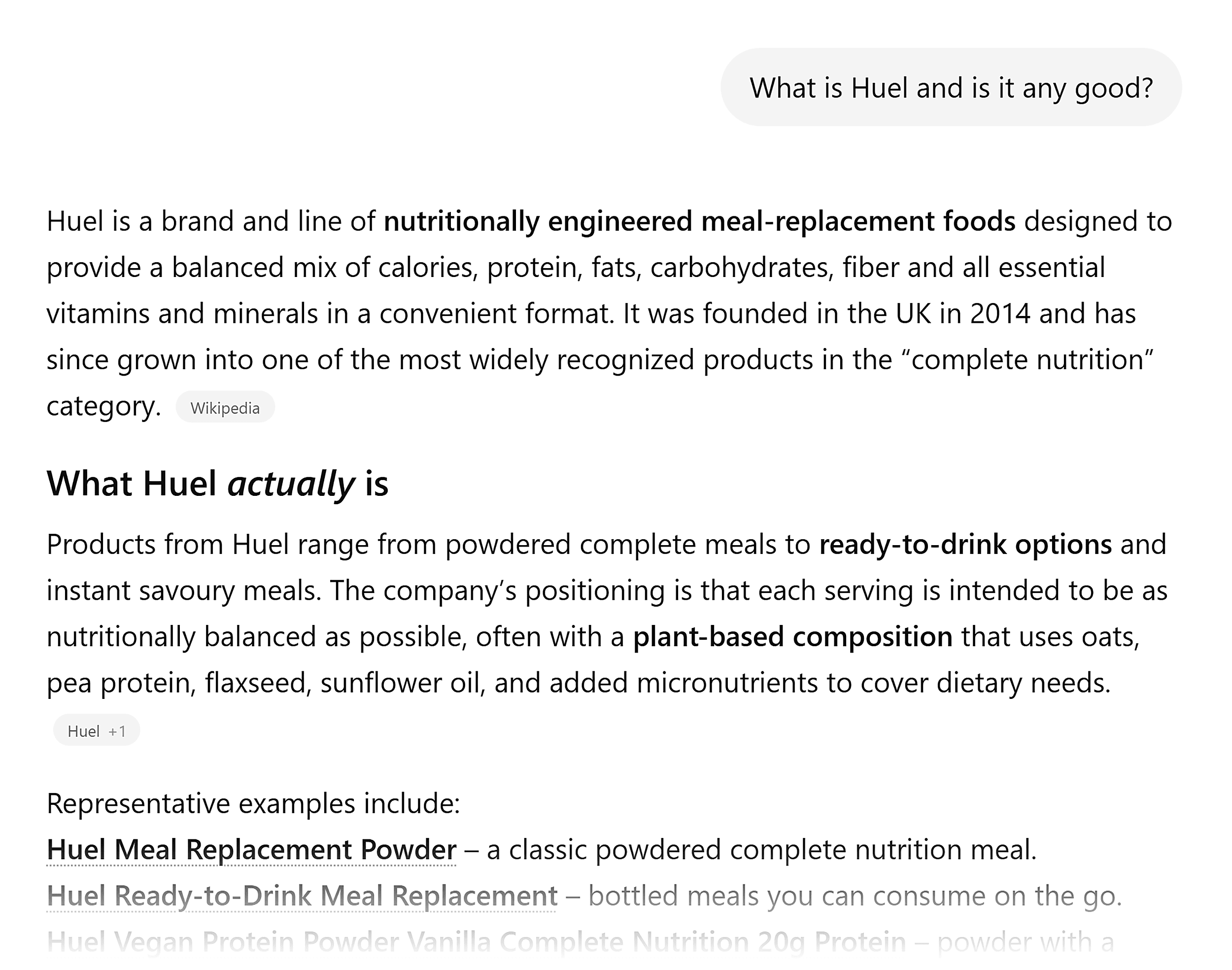
To navigate this decentralized landscape successfully, modern marketing teams are adopting a multi-layered framework that balances technical optimization, human-centric storytelling, and off-site credibility building.
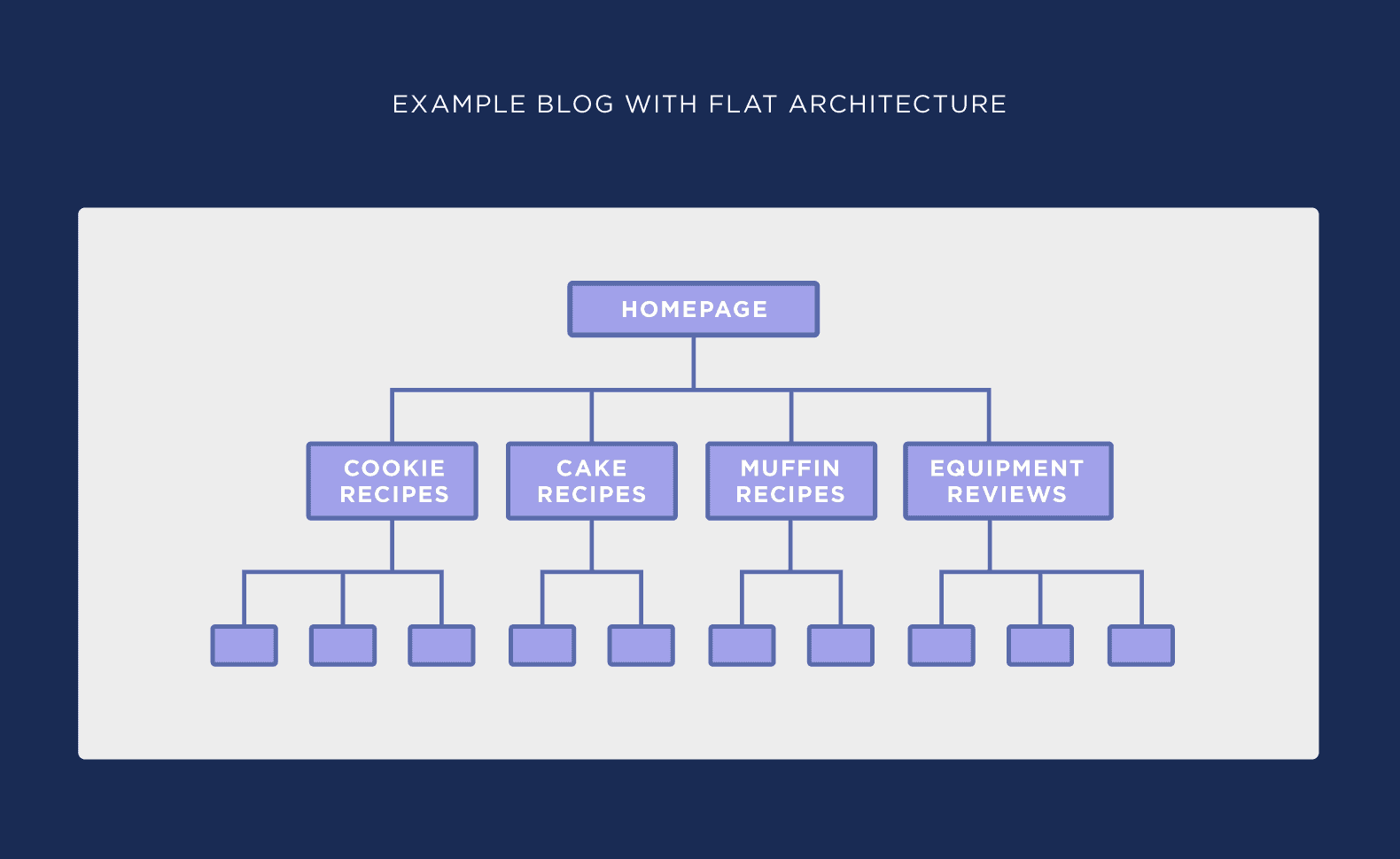
Positioning for AI and Human Discovery

Ensuring that a brand is accurately represented across artificial intelligence models requires deliberate brand messaging. Organizations must establish clear, documented messaging strategies that define core values, product benefits, and market positioning. This shared language must be adopted consistently by marketing, sales, and executive teams across all published materials, press releases, and public communications.
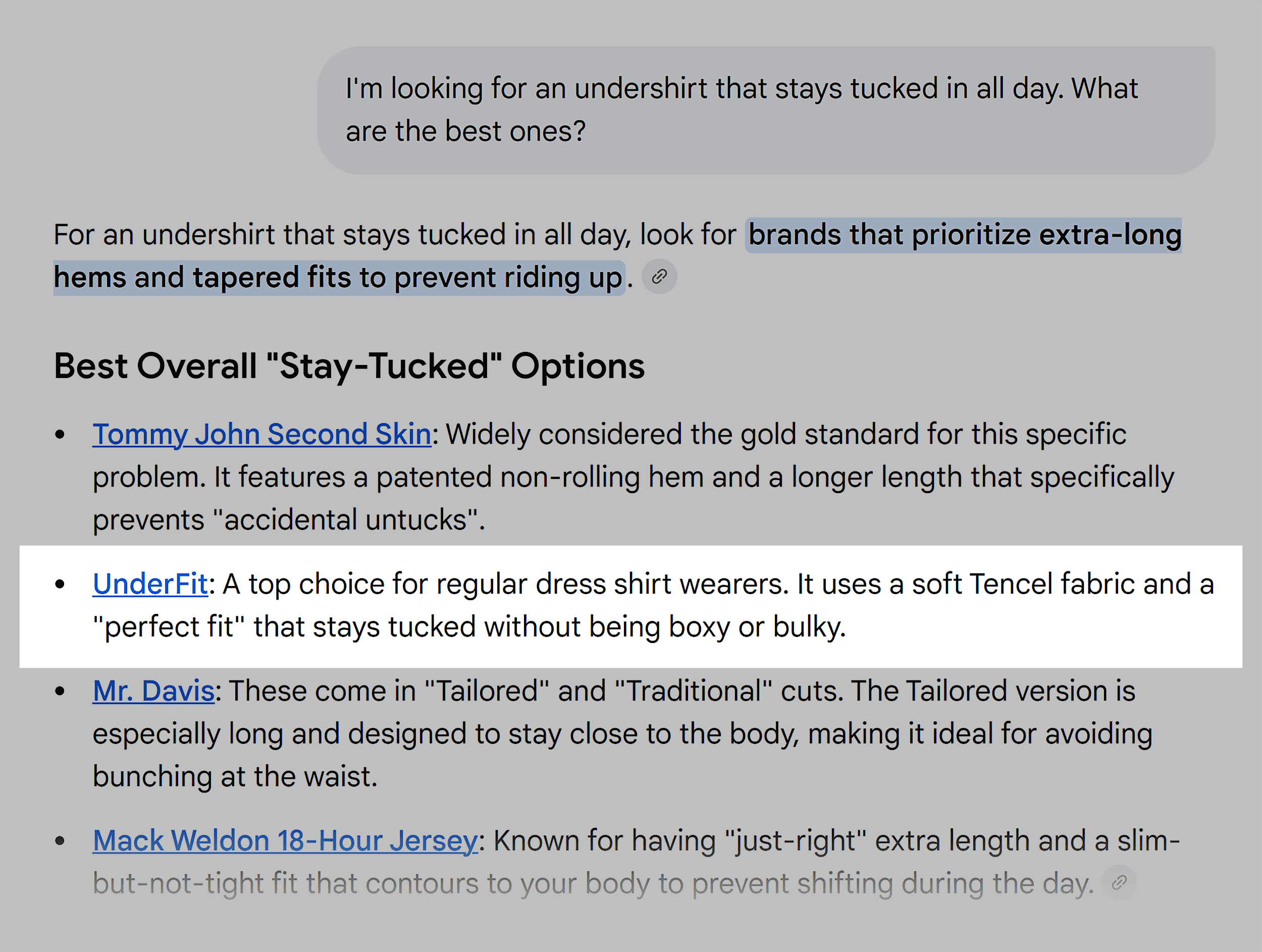
When a brand repeats precise terminology consistently across its ecosystem—ranging from product pages to third-party review roundups—large language models naturally associate those specific benefits with the brand name. Industry examples demonstrate that brands employing this unified vocabulary achieve significantly higher inclusion rates within AI-generated search summaries and conversational assistant responses.
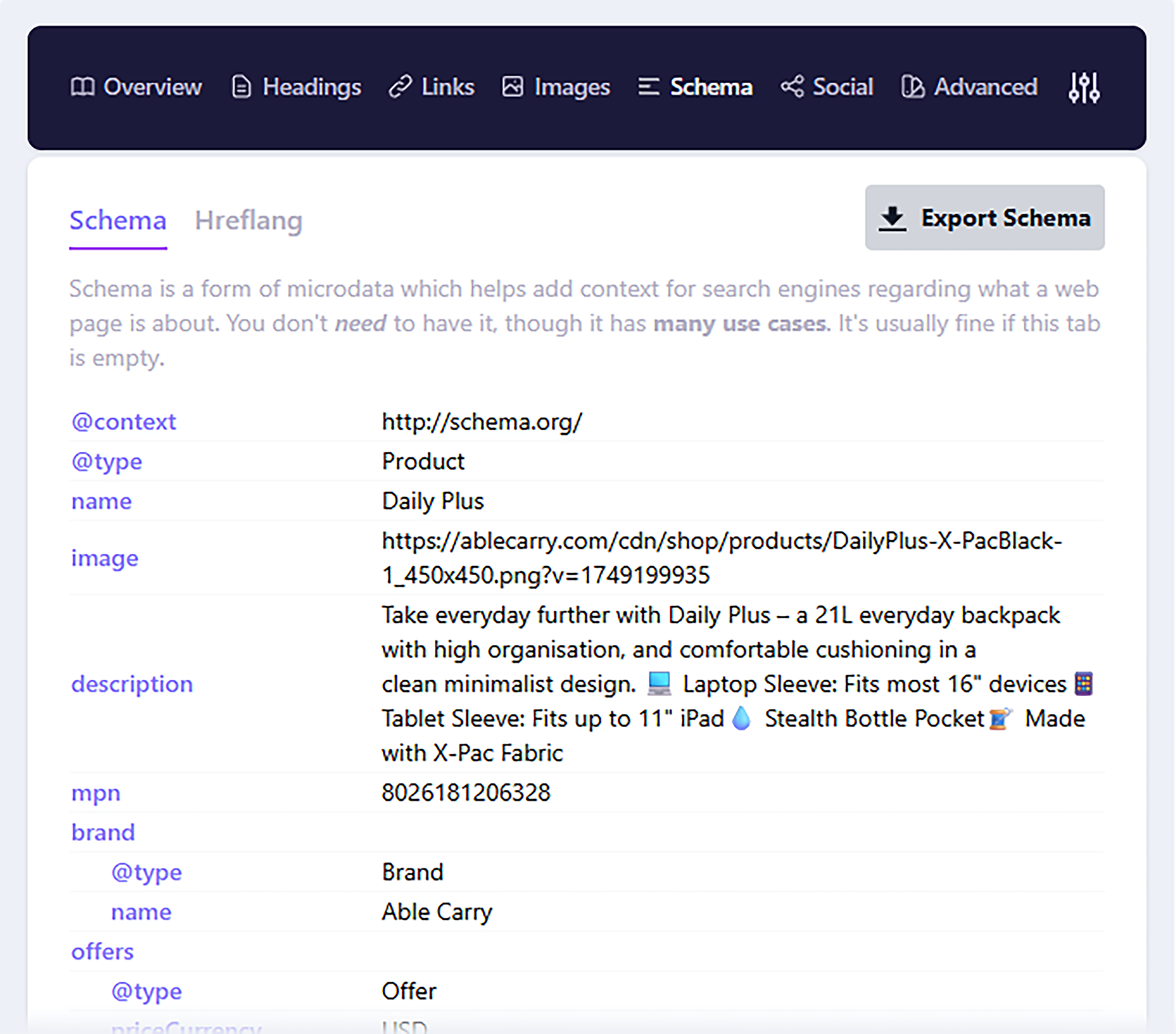
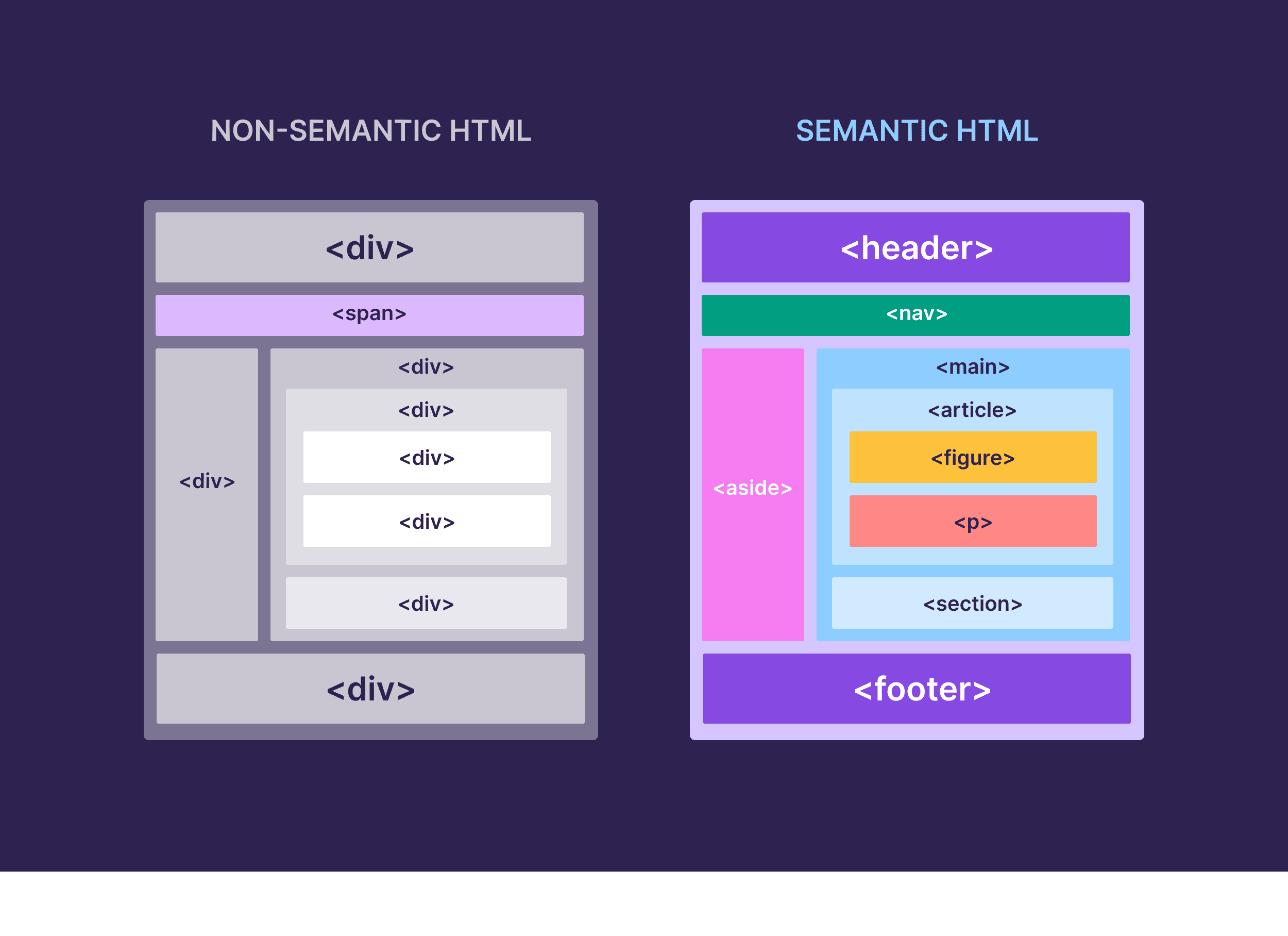
Furthermore, website architecture must be meticulously organized for both human readability and machine parsing. Utilizing clean, semantic HTML, structured data markup, and flat navigational hierarchies ensures that web crawlers and LLMs can effortlessly interpret content relationships. Semantic HTML tags, robust heading hierarchies, and schema markup act as critical signals that clarify context and authority for search engines.
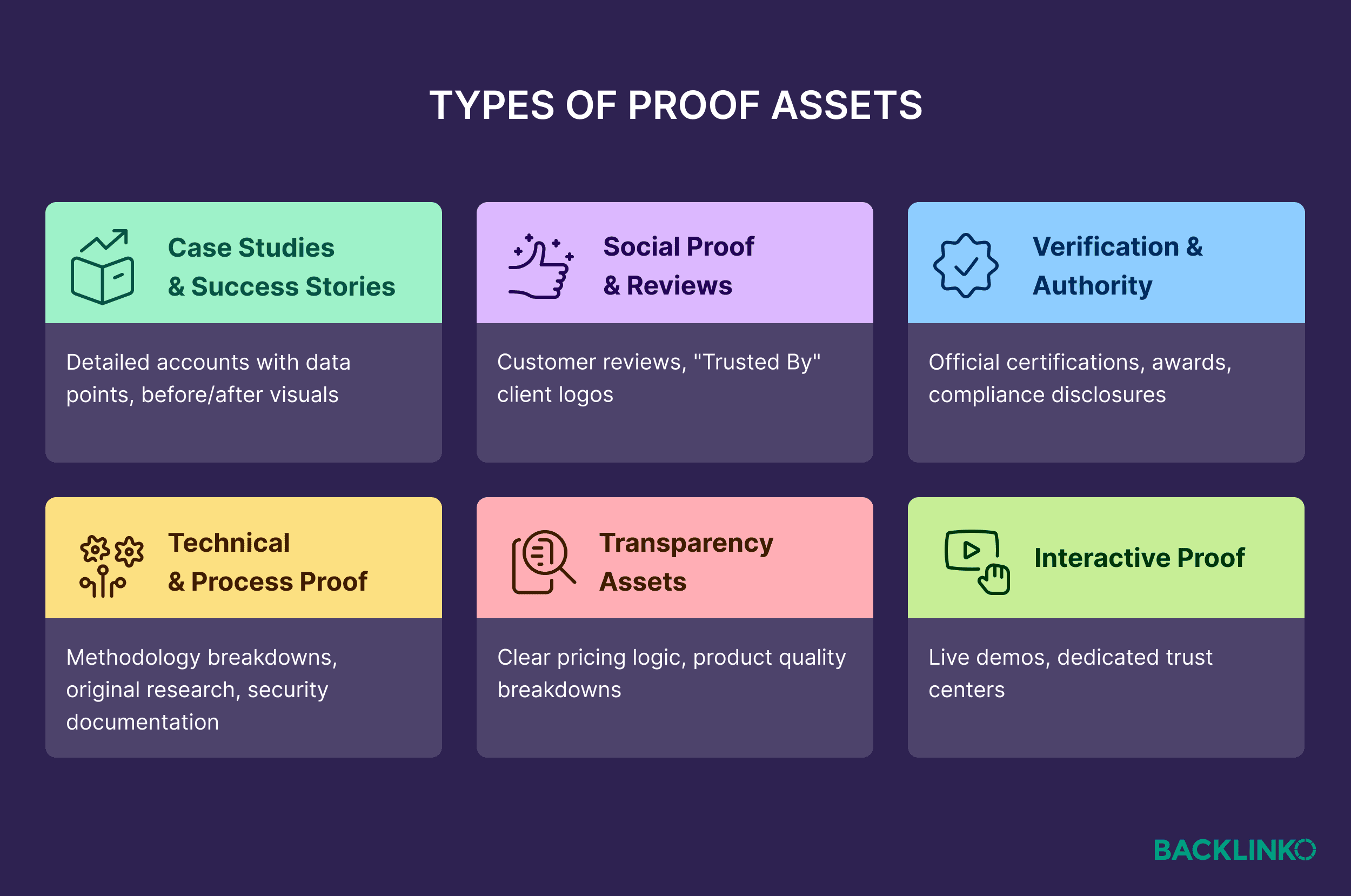
Leveraging Video Assets for Trust and Familiarity

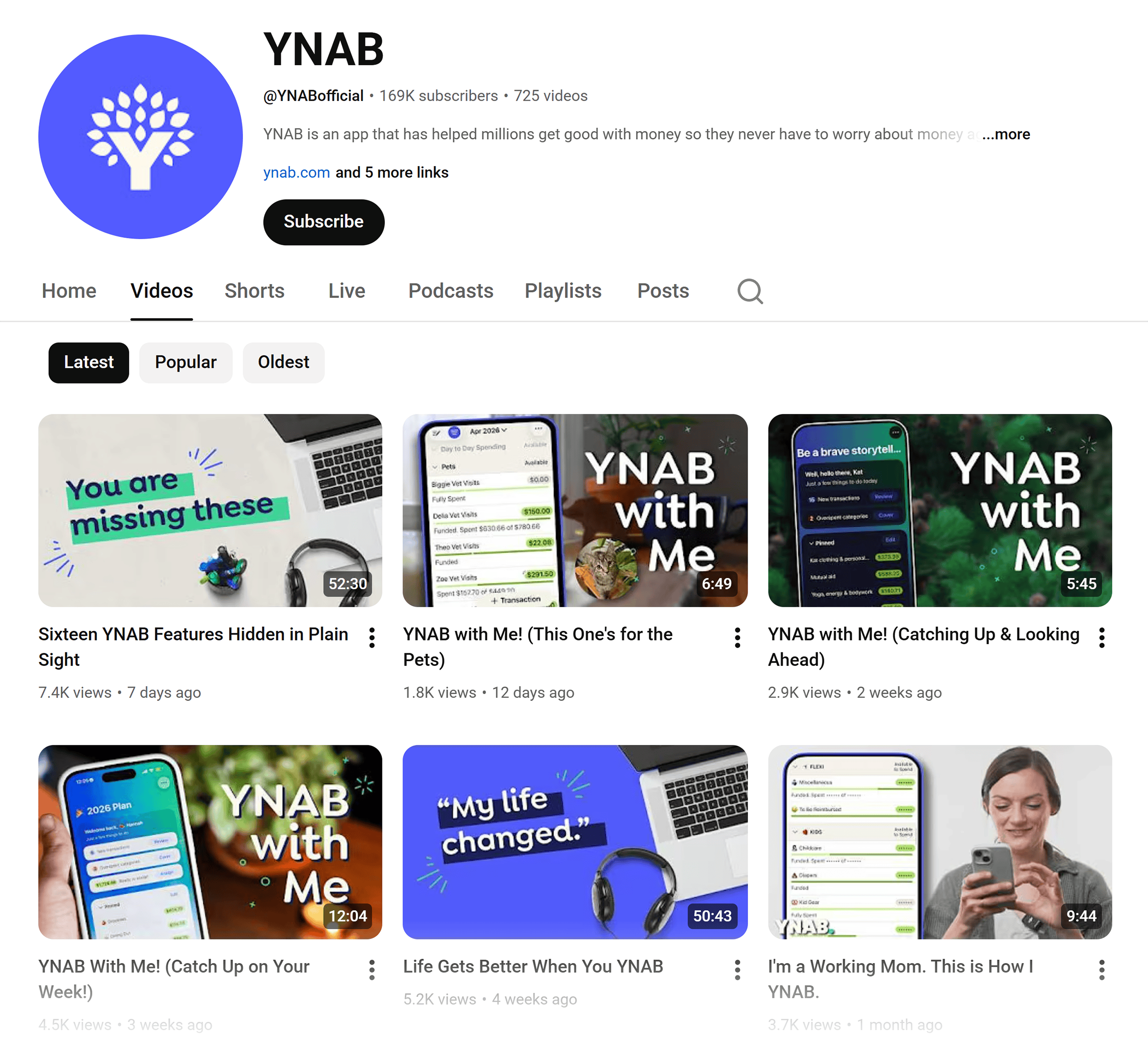
Text-based content alone can no longer build the deep familiarity required to overcome modern consumer skepticism. Video marketing has emerged as an indispensable trust-building mechanism, allowing brands to establish a personal connection before a transaction ever takes place.

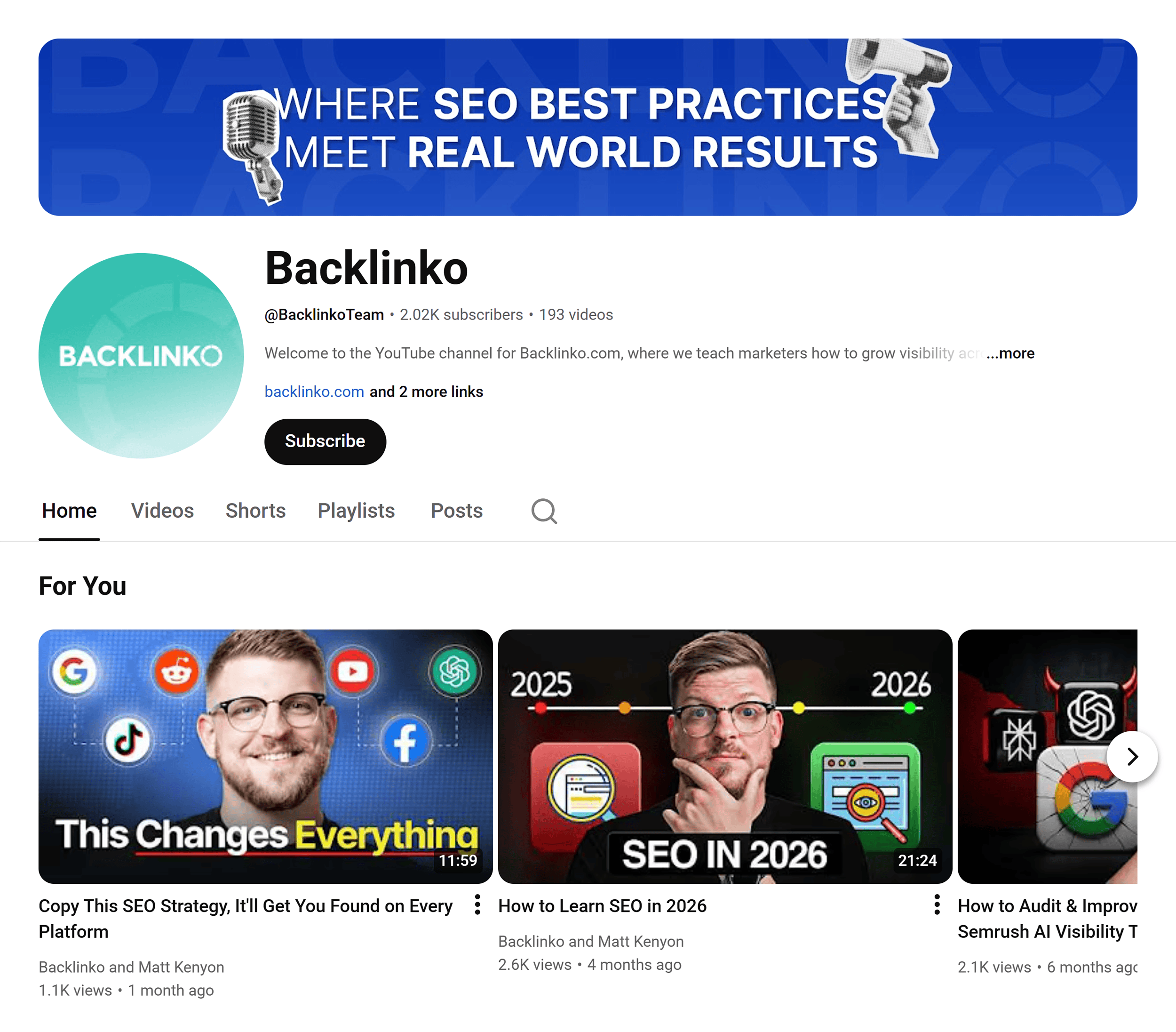
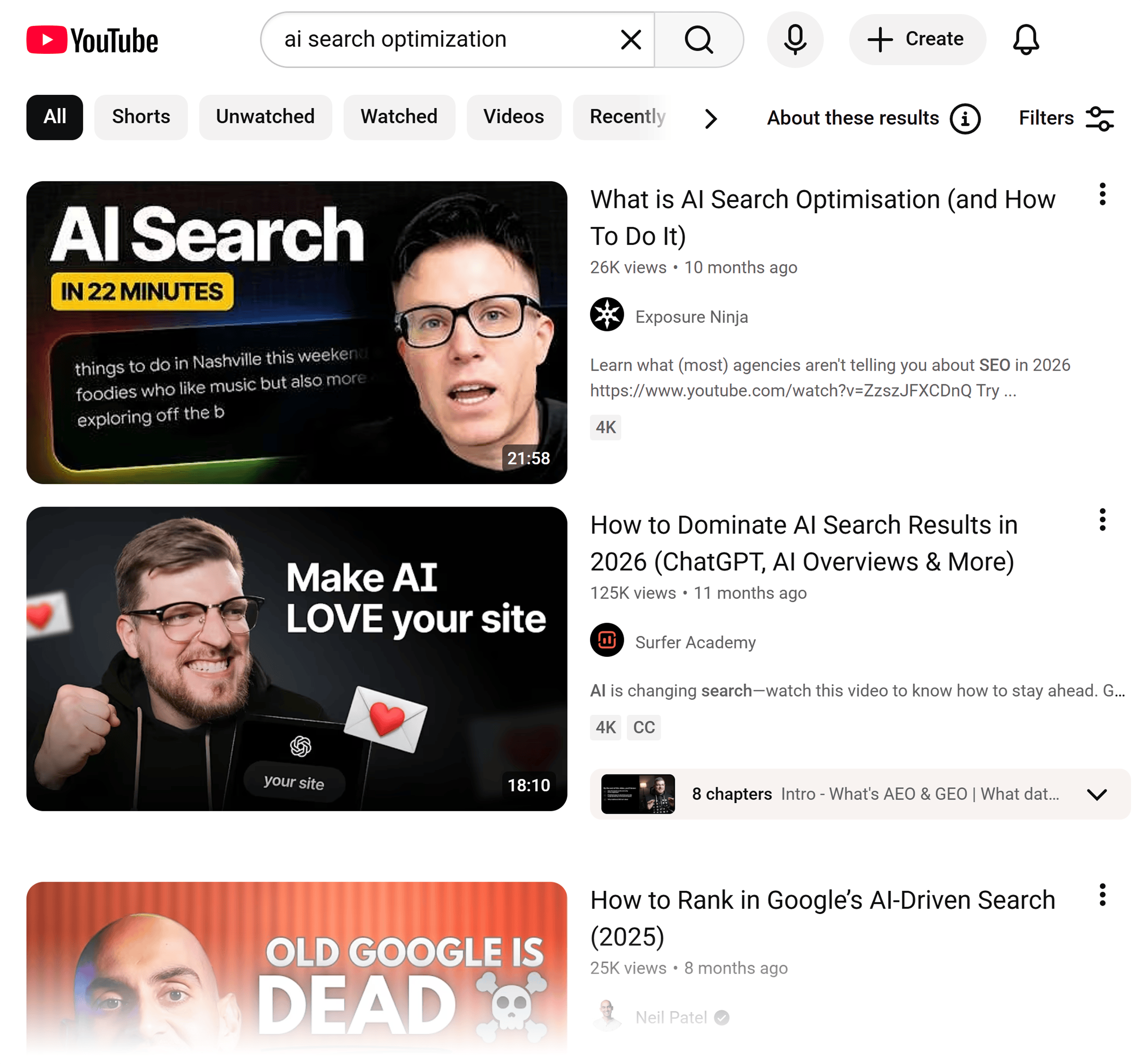
Long-form video content, predominantly hosted on platforms like YouTube, allows businesses to demonstrate deep industry expertise, address complex buyer objections, and provide comprehensive product evaluations. Brands that strategically align their long-form video topics with their core offerings create a seamless bridge between external entertainment or education and internal commercial conversion.
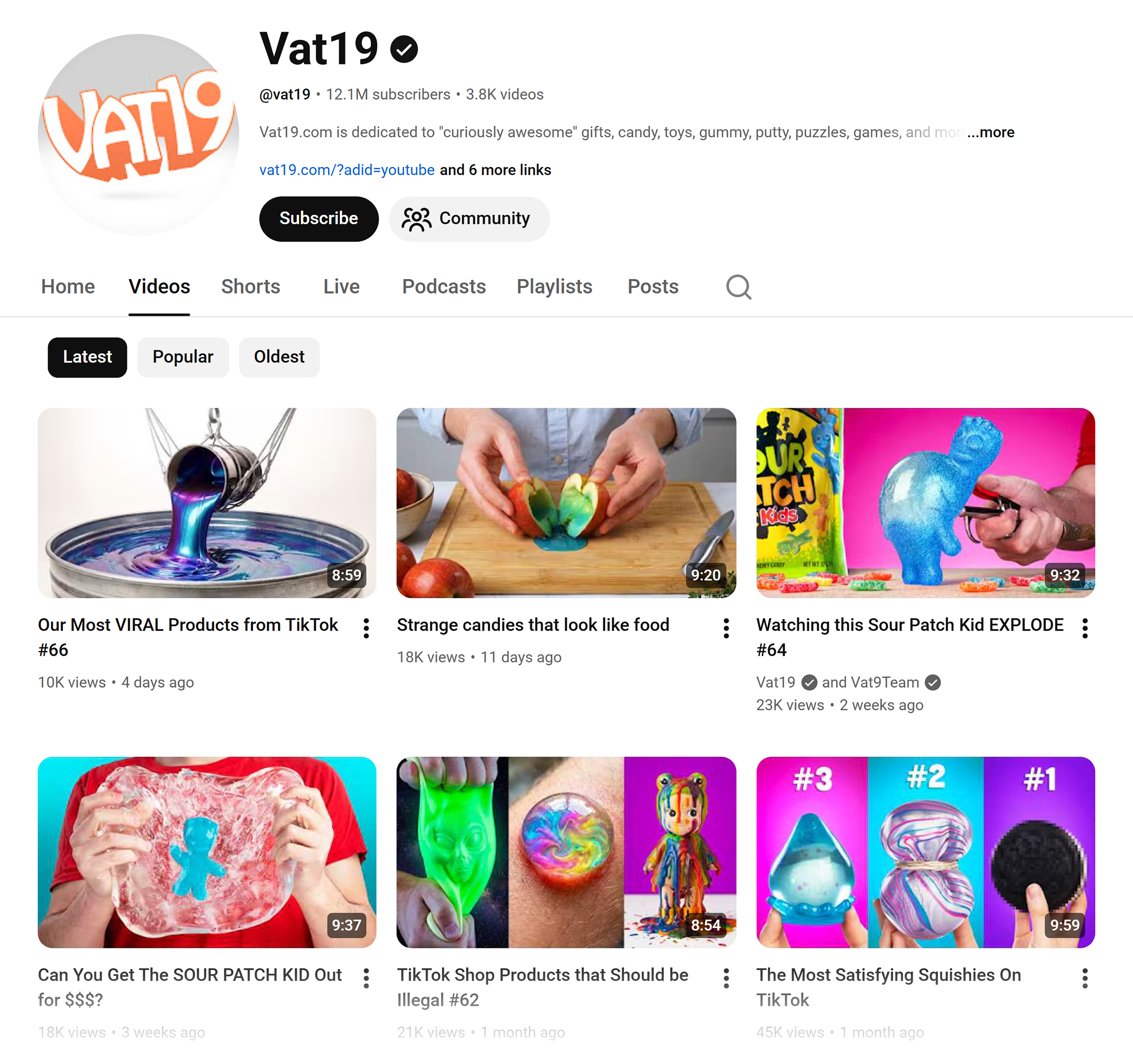
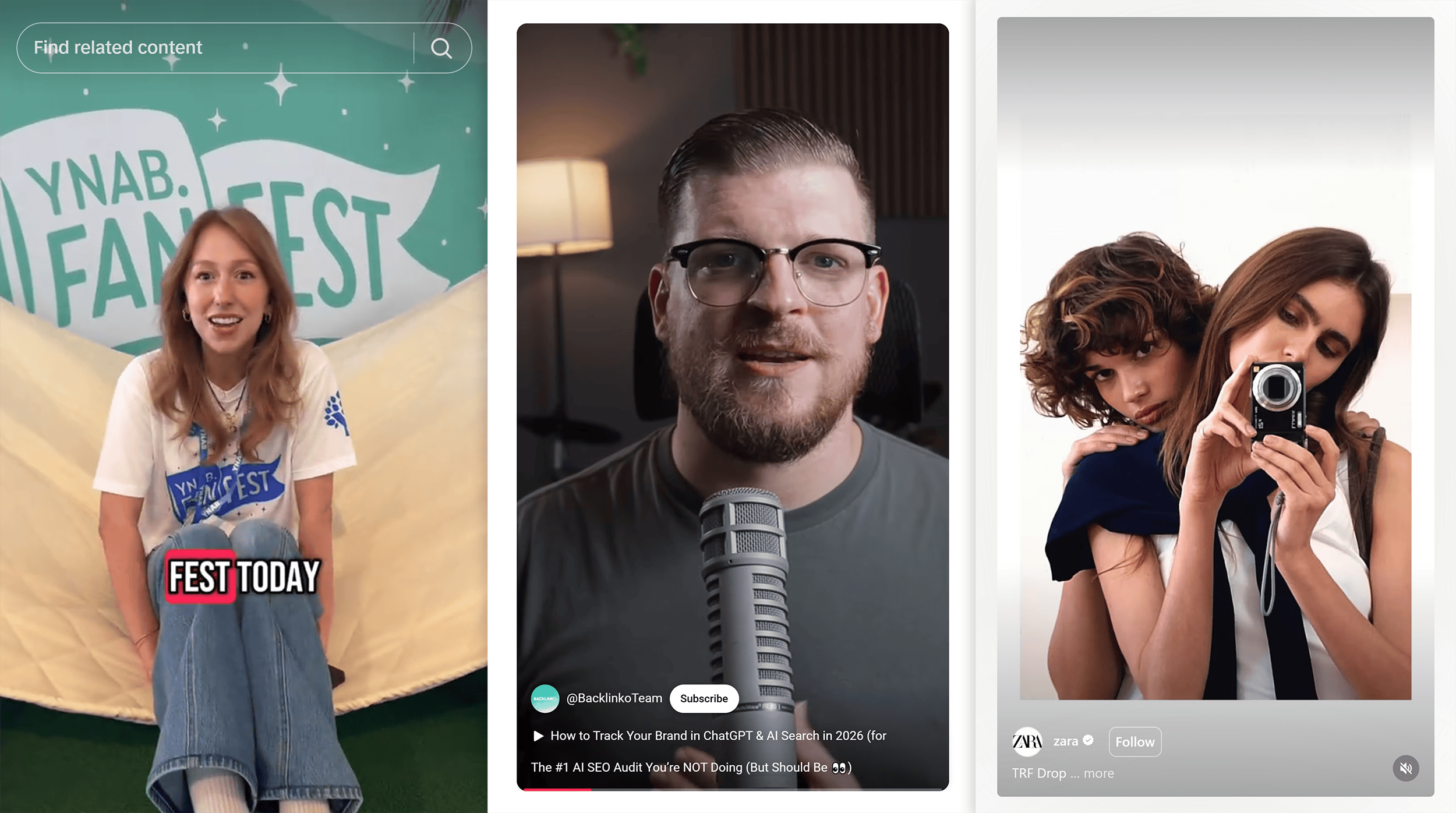
Simultaneously, short-form video content distributed across platforms like TikTok, Instagram Reels, and YouTube Shorts serves to reinforce brand familiarity through frequent, bite-sized touchpoints. By addressing real customer questions gathered directly from sales logs and support tickets, brands can maintain a consistent cadence of relevant, high-value video output.
Capitalizing on Algorithm-Driven Discovery Feeds
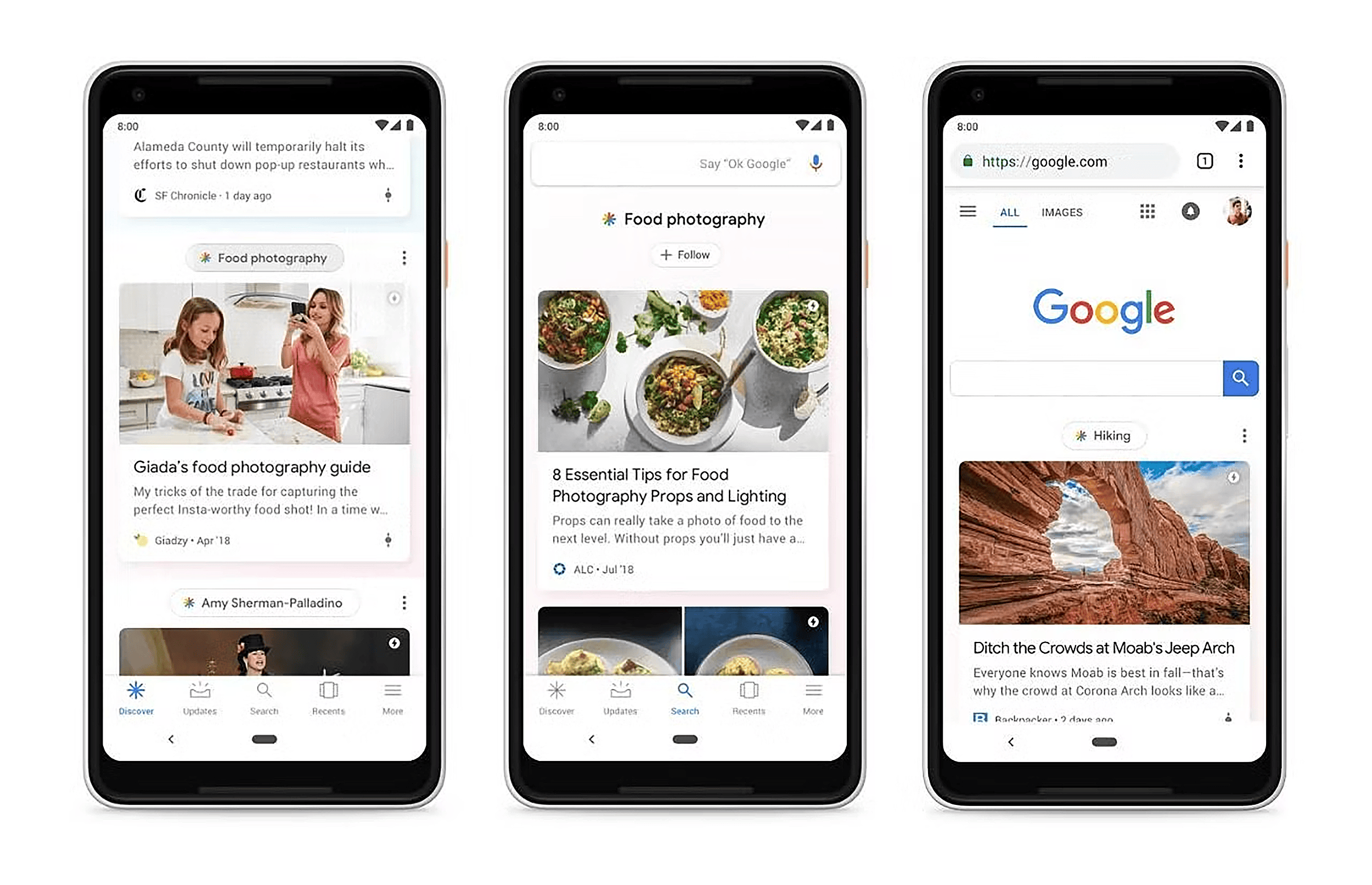
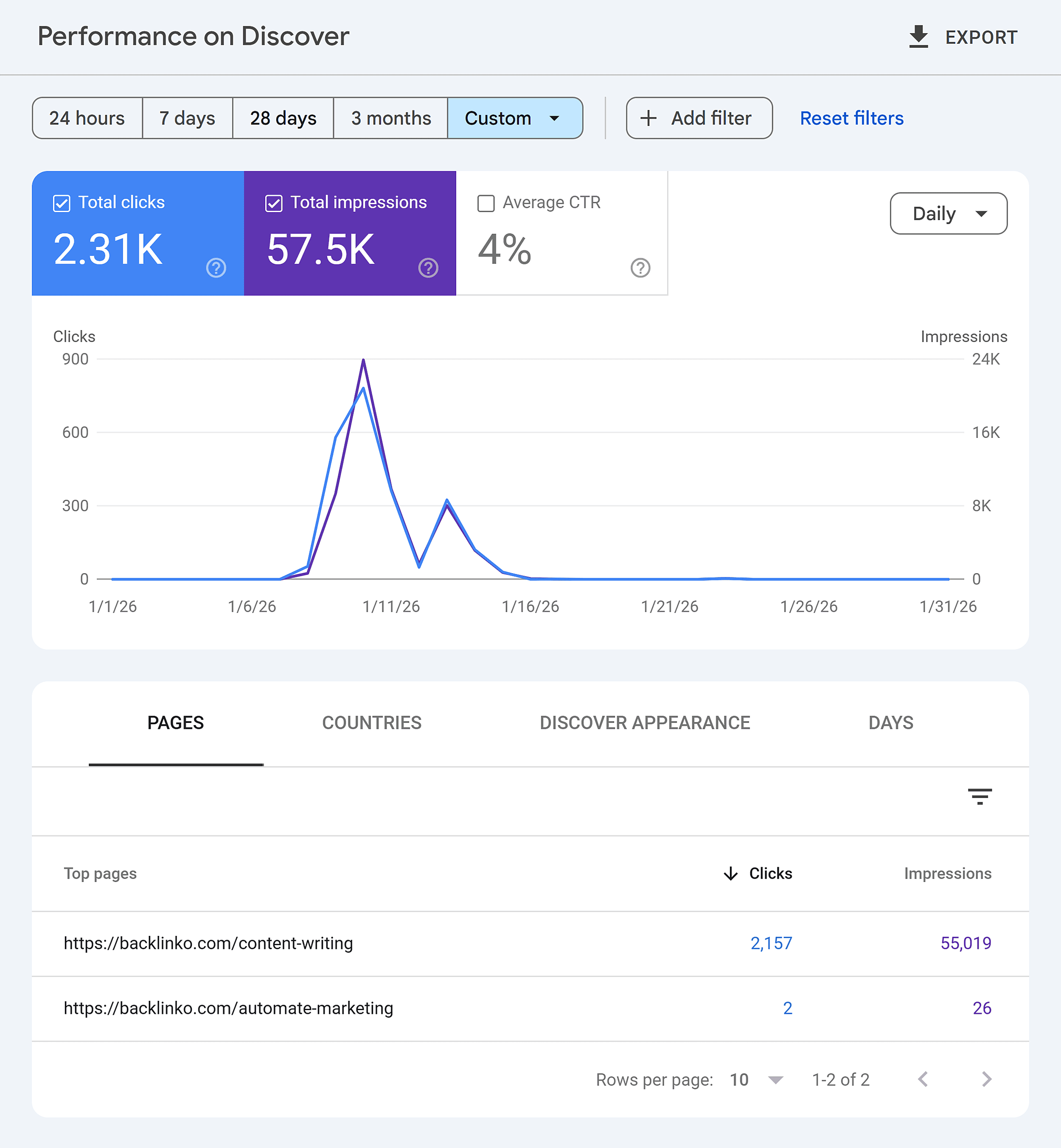
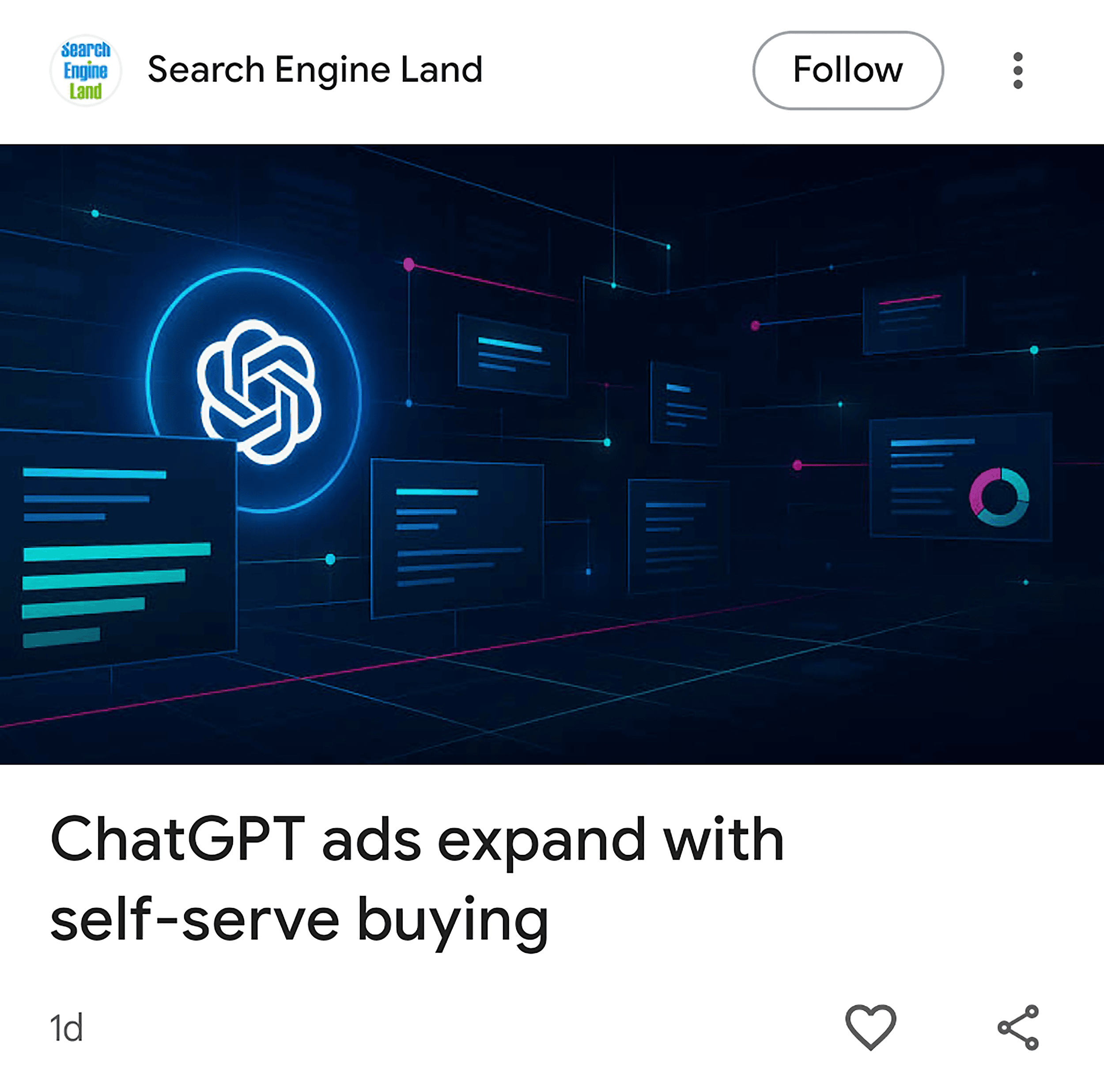
Discovery feeds, such as Google Discover, represent a major source of high-volume, interest-based traffic. Unlike traditional search traffic that relies on active query intent, Discover surfaces content proactively based on user browsing behavior and expressed interests.

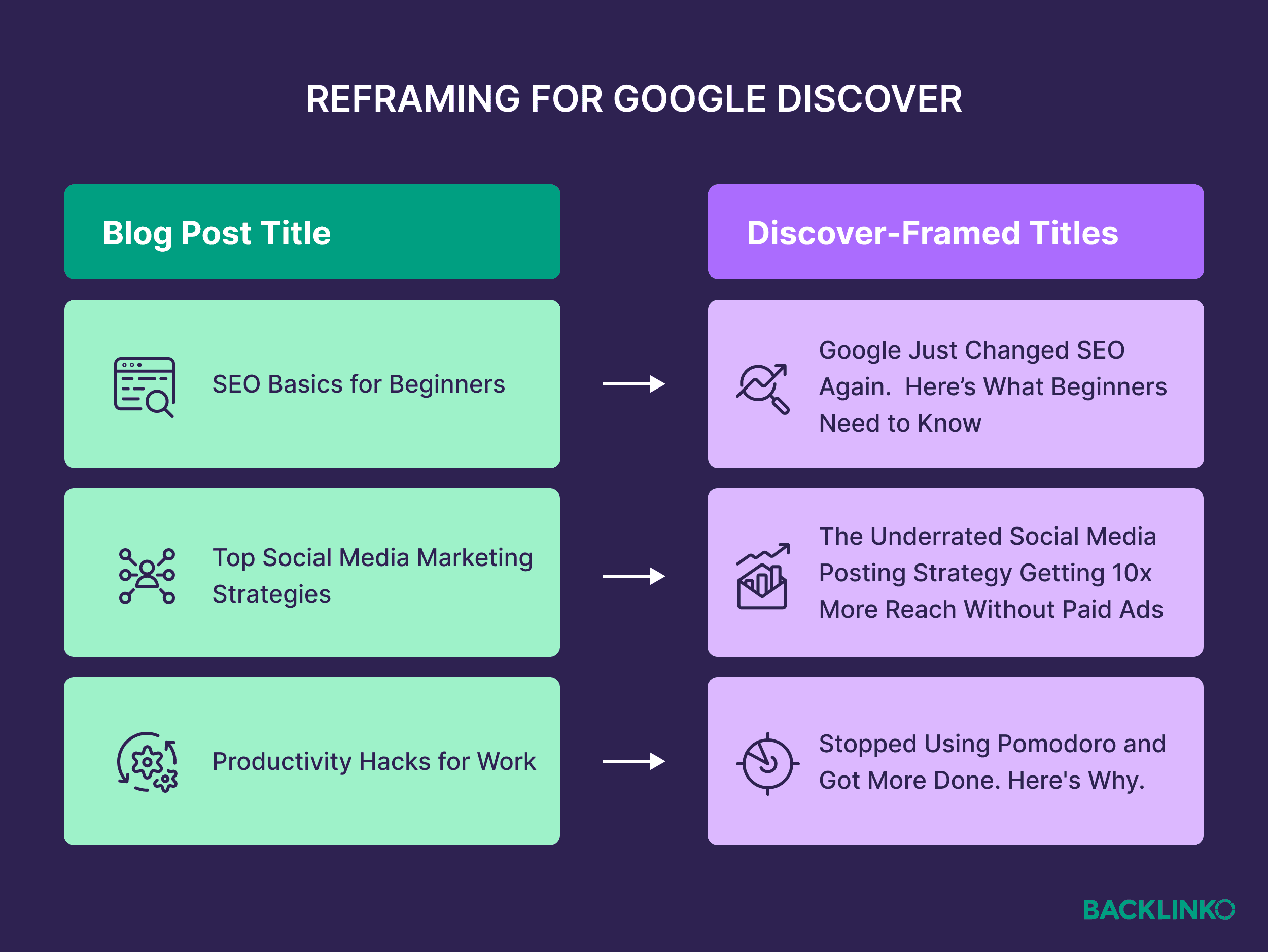
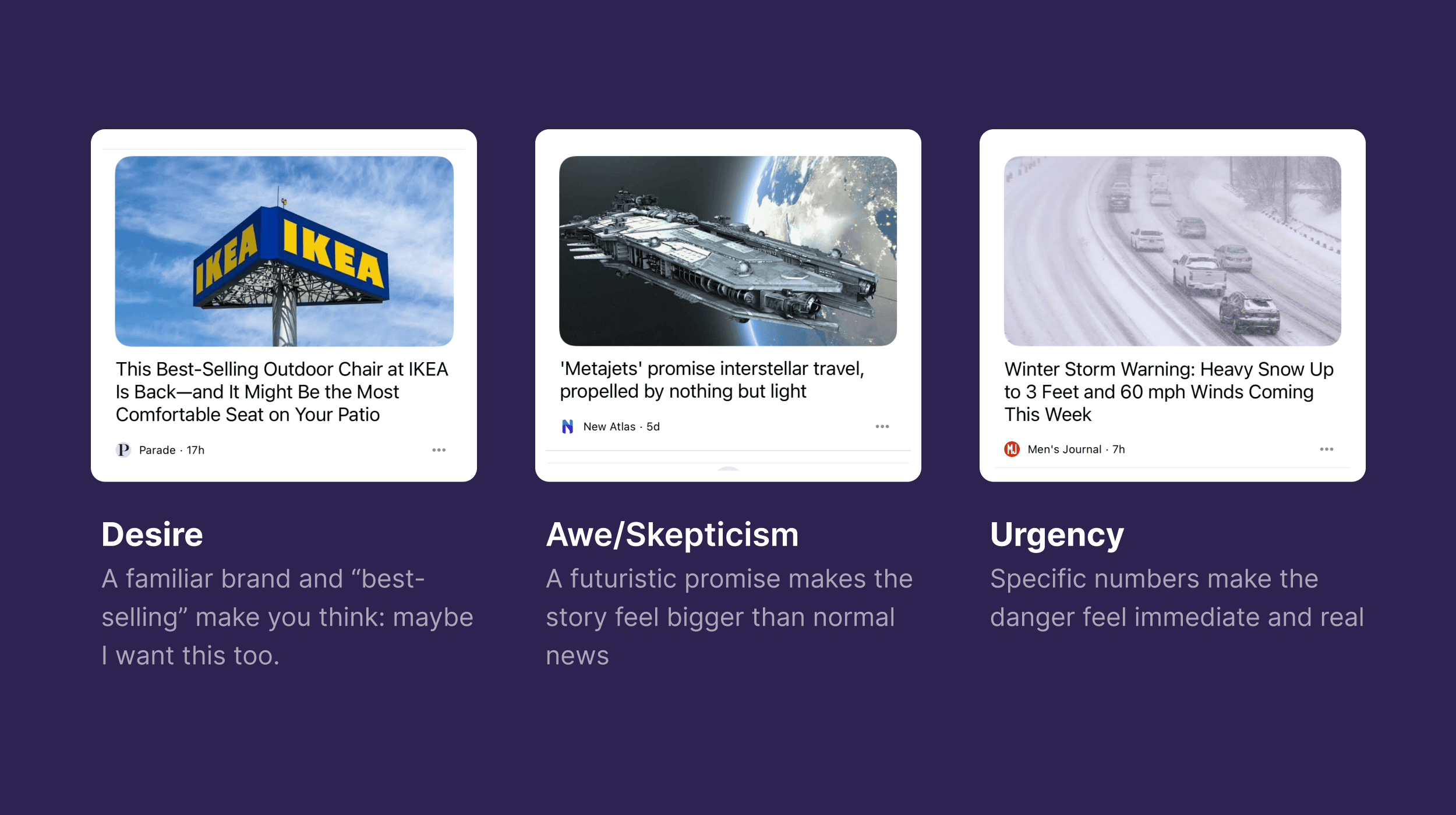
Securing visibility within these feeds requires a specialized approach focused on editorial packaging, compelling hooks, and timely angles. Content that performs well in Discover typically addresses broader industry shifts, regulatory changes, or emerging controversies, framed in a manner that highlights immediate stakes for the reader. High-resolution featured images, engaging headlines that establish tension, and mobile-optimized formatting are essential prerequisites for capturing user attention in fast-moving mobile feeds.
Optimizing Conversions in a Zero-Click Environment
As generative search engines and AI assistants increasingly provide direct answers without requiring a click through to a source website, overall traffic volumes for informational queries may experience downward pressure. However, the traffic that does successfully reach a corporate website tends to be exceptionally qualified and further along the buyer’s journey.
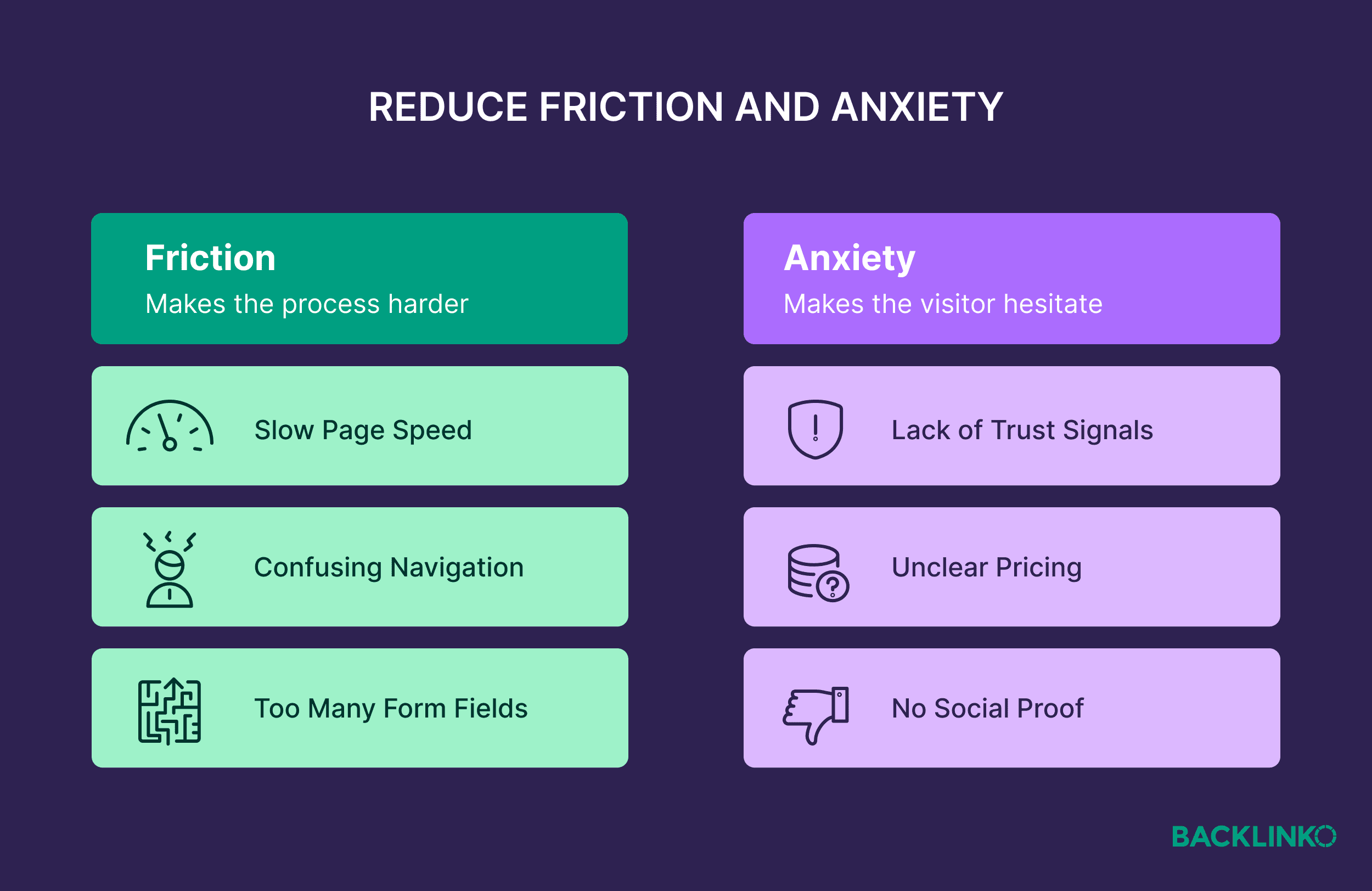
This reality elevates the importance of conversion rate optimization (CRO). Organizations must prioritize revenue per visitor by actively auditing their digital properties to eliminate friction and anxiety. Friction points, such as slow page load speeds or convoluted checkout processes, must be systematically eradicated. Similarly, anxiety-inducing elements—such as ambiguous pricing, a lack of security certifications, or absent social proof—must be countered with robust trust signals and compliance documentation.
Post-visit engagement is equally vital. Implementing behavioral email marketing workflows allows brands to maintain communication based on specific user actions, such as cart abandonment, pricing page visits, or completed purchases. By delivering timely, relevant follow-up content while user intent remains warm, companies can significantly improve conversion velocity.

Amplifying the Human Element Behind the Brand
In an era saturated with automated, AI-generated content, authentic human perspectives command a substantial premium. Positioning recognizable leaders, founders, or subject matter experts at the forefront of a brand humanizes the organization and reduces perceived consumer risk.
Thought leadership initiatives—featuring original research, contrarian viewpoints, and transparent industry commentary—help establish a distinct brand voice. When these insights are championed by identifiable individuals across professional networks and public speaking engagements, they scale the human dimension of the enterprise and foster deeper consumer loyalty.

Cultivating Visibility Across Third-Party Ecosystems

Because consumer trust is predominantly forged away from corporate websites, active participation in external communities is mandatory. Niche subreddits, specialized forums, and industry-specific discussion boards heavily influence public perception and AI training data.

Rather than engaging in direct promotional tactics, successful brands participate in these communities as helpful contributors. By observing community norms, answering questions authentically, and resolving customer grievances transparently, brands earn organic credibility that ultimately drives qualified traffic back to their primary domains.
Implications and Fact-Based Analysis

The transition toward a decentralized, AI-influenced marketing environment demands a complete operational realignment. Organizations that cling strictly to legacy, single-channel SEO strategies risk diminishing returns as discovery pathways diversify. Conversely, businesses that embrace an omnichannel approach—integrating structured data, human-led storytelling, off-site community engagement, and rigorous conversion optimization—are exceptionally well-positioned to capture market share.
Ultimately, website marketing in 2026 is no longer about driving traffic in isolation; it is about orchestrating an entire digital ecosystem where trust, authority, and visibility work in concert to convert informed buyers.