Mastering Rapid Page-Level SEO Diagnostics: A Comprehensive Framework Using SEOquake

In the fast-paced ecosystem of digital marketing, search engine optimization professionals frequently encounter scenarios where critical web pages underperform despite having solid foundational architecture. Whether dealing with a sudden drop in product page rankings, a competitor overtaking a core piece of content, or a conversion-starved client landing page, identifying the root cause quickly is paramount. Traditional approaches often rely on exhaustive, full-site crawls that consume valuable hours. However, targeted page-level diagnostics can narrow down technical, structural, and content-related anomalies within minutes.
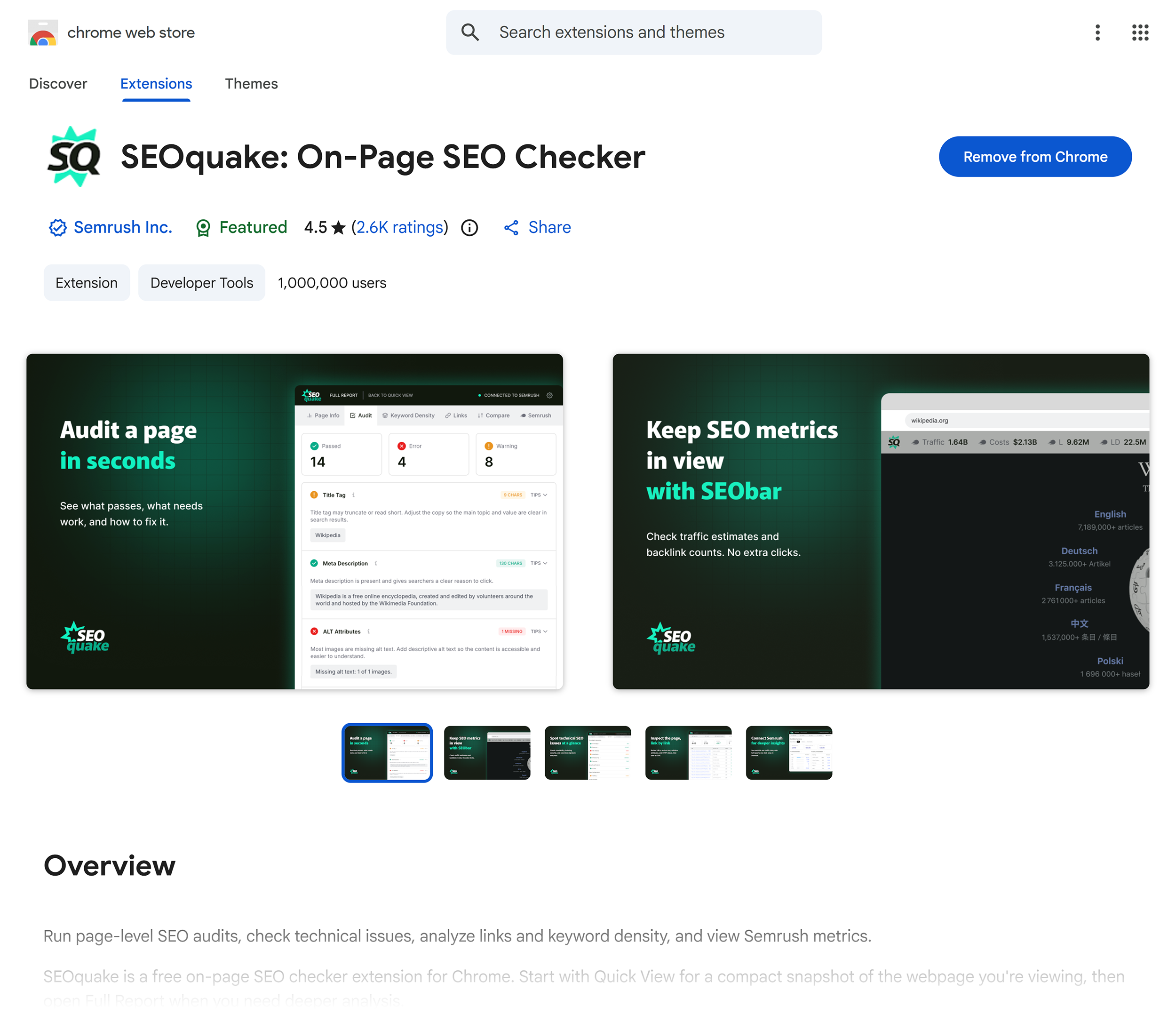
Through the strategic deployment of dedicated browser extensions—specifically Semrush’s free SEOquake Chrome extension—search engine optimization specialists can triage, audit, and diagnose web pages instantly. This operational framework outlines a structured, three-minute diagnostic routine designed to transition analysts from initial triage to deep technical diagnosis without ever leaving the active browser tab.
Understanding the Architecture of Rapid Page Audits
SEOquake functions as a comprehensive technical signals auditor, evaluating on-page performance, link equity distributions, structured data integrity, and core metrics derived from major digital marketing databases. Historically, website evaluation required downloading sprawling crawl reports, filtering massive comma-separated value (CSV) files, and cross-referencing multiple disparate platforms. By embedding these capabilities directly into the browser, technical audits are democratized, allowing real-time assessment of any HyperText Markup Language (HTML) document rendered in Google Chrome.
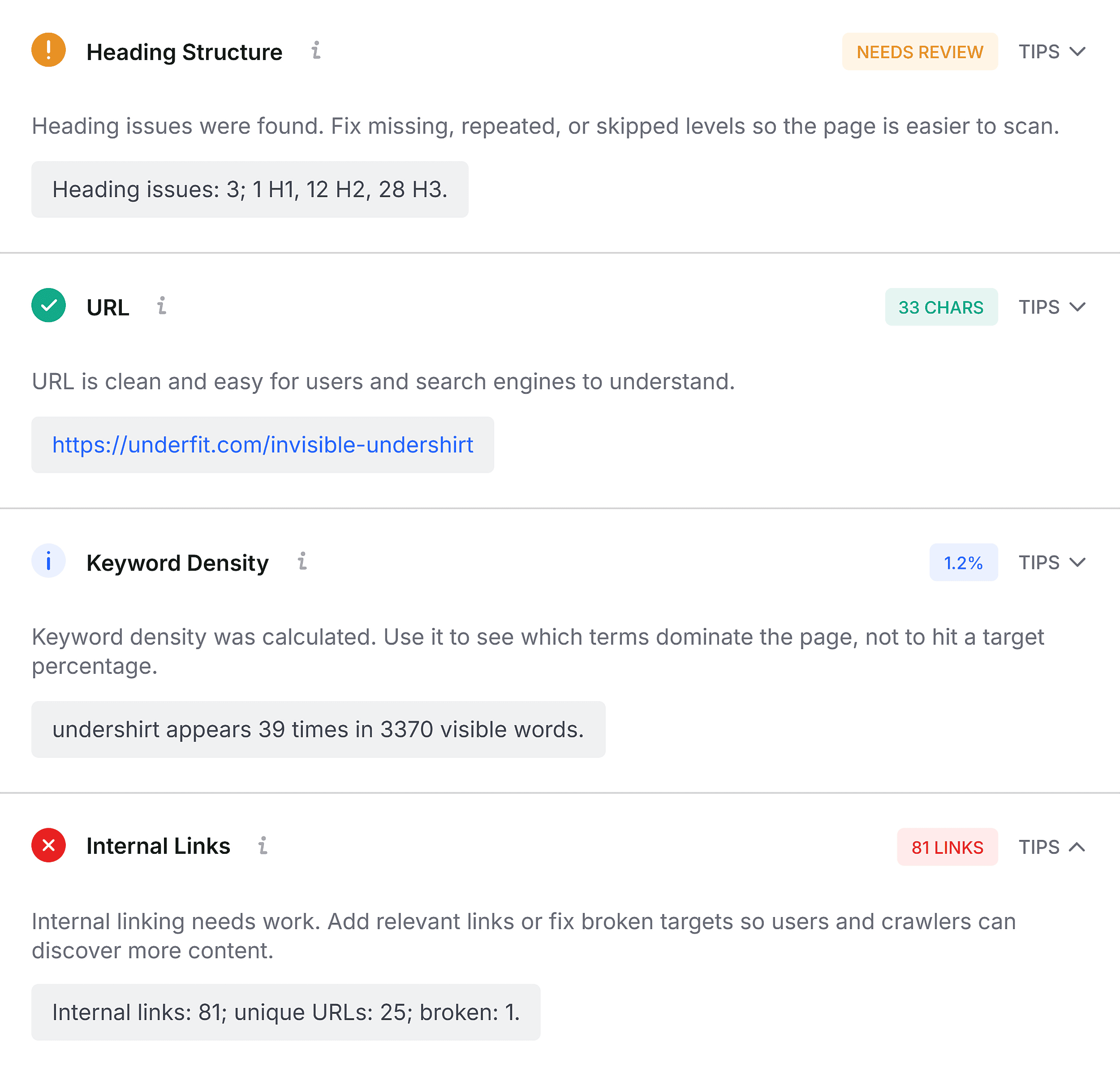
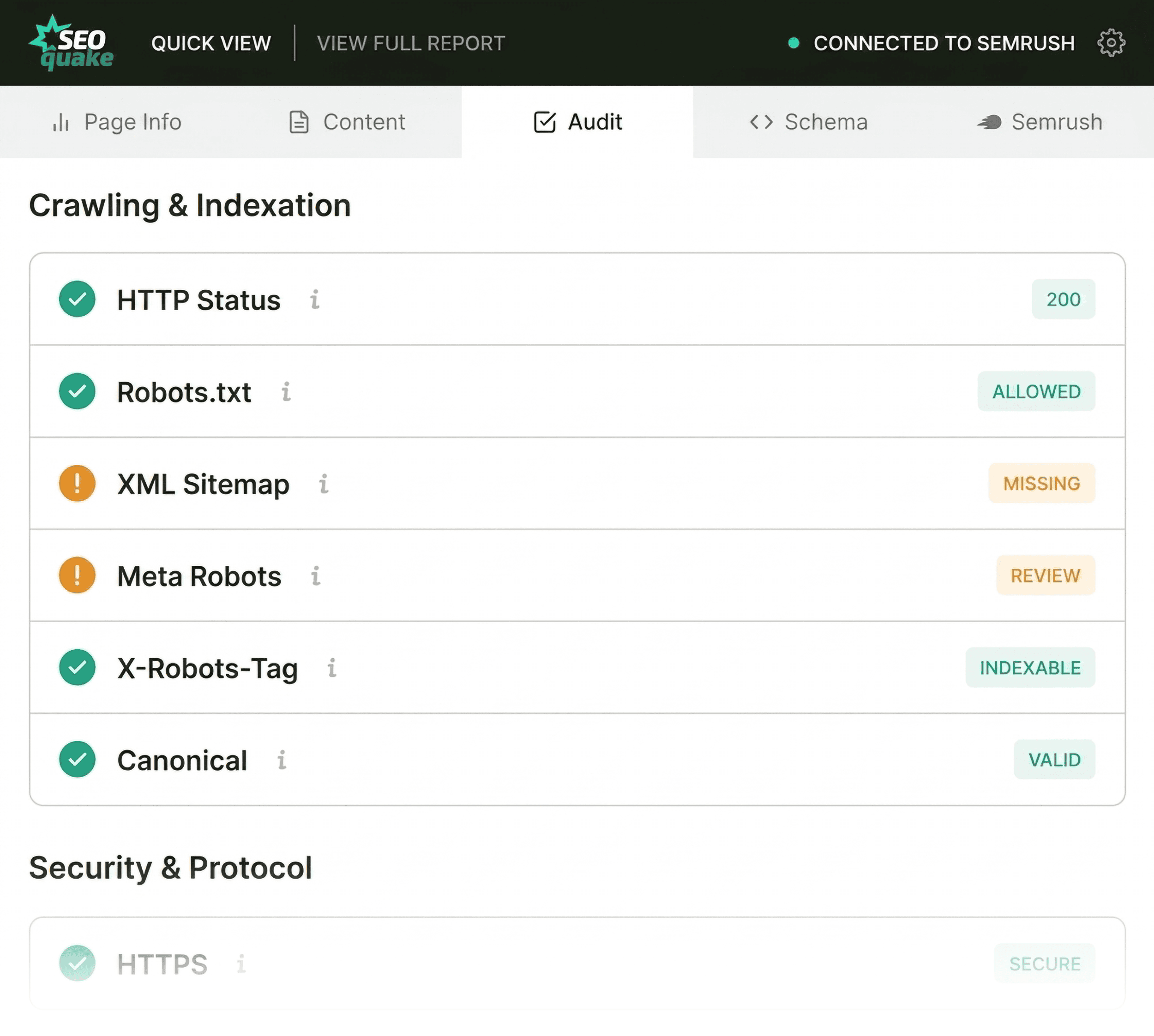
The diagnostic process relies heavily on a color-coded reporting mechanism. Throughout the extension’s interface, indicators are segregated into distinct visual categories: green signifies optimal performance or compliance with established optimization standards; orange highlights potential warnings or areas requiring expert judgment; and red indicates critical errors, broken elements, or invalid configurations that demand immediate remediation. This intuitive visual triage ensures that analysts can instantly isolate high-priority bottlenecks from minor stylistic deviations.
Minute One: Triage via the Quick View Pop-Up
The foundational minute of a rapid audit is dedicated entirely to triage. Within sixty seconds, the primary objective is to answer a single question: Are there glaring, catastrophic errors undermining the page’s ability to rank and convert?
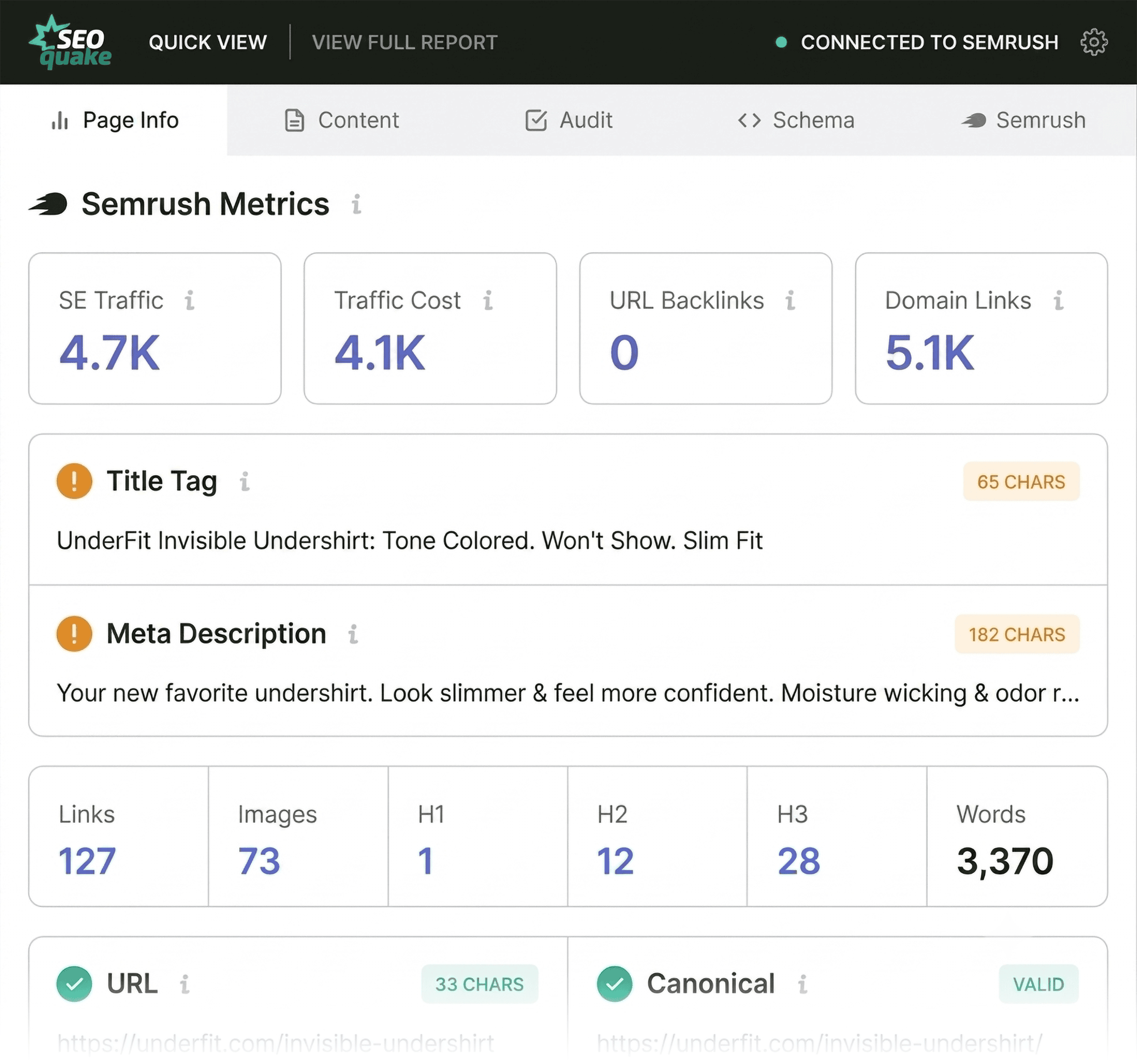
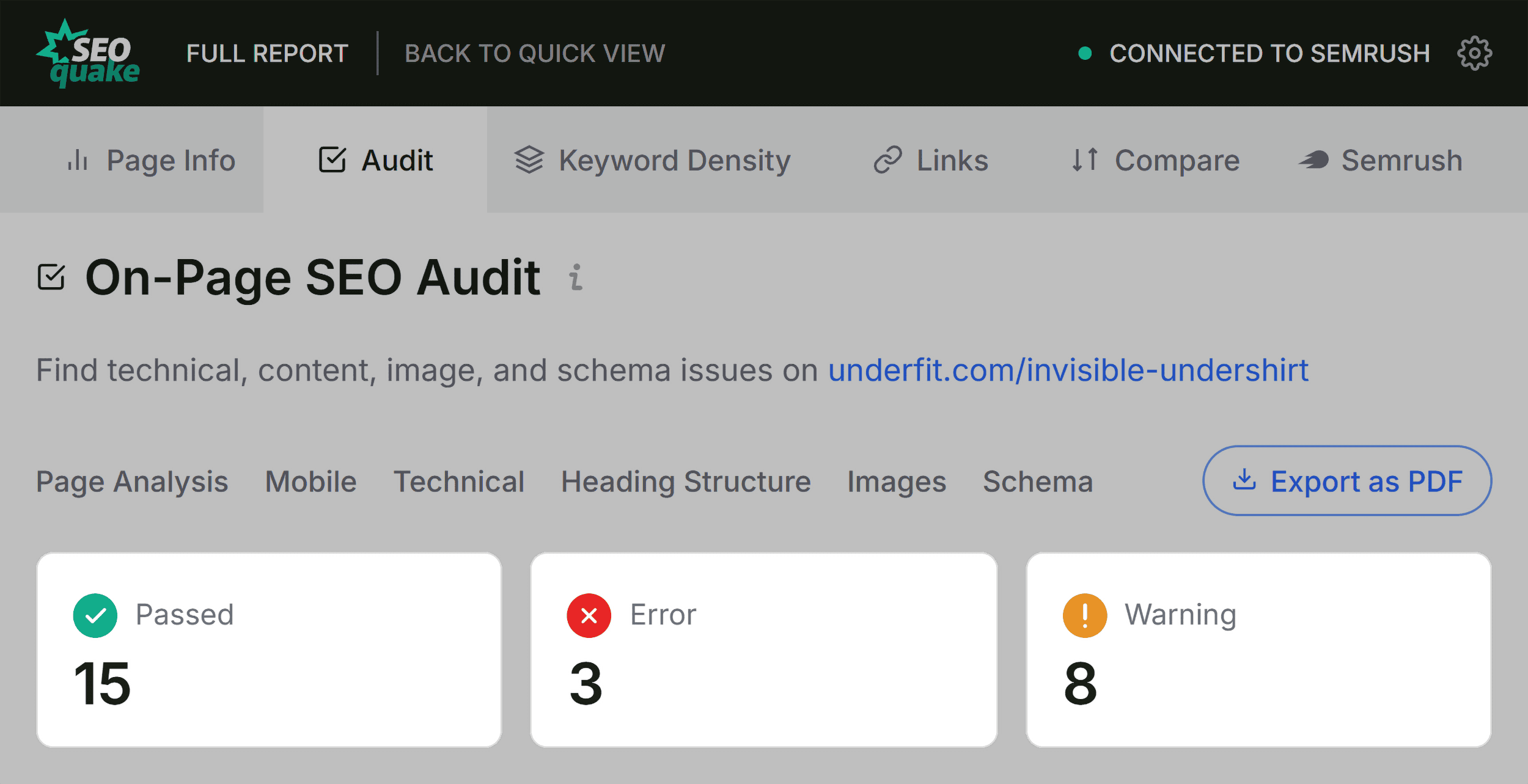
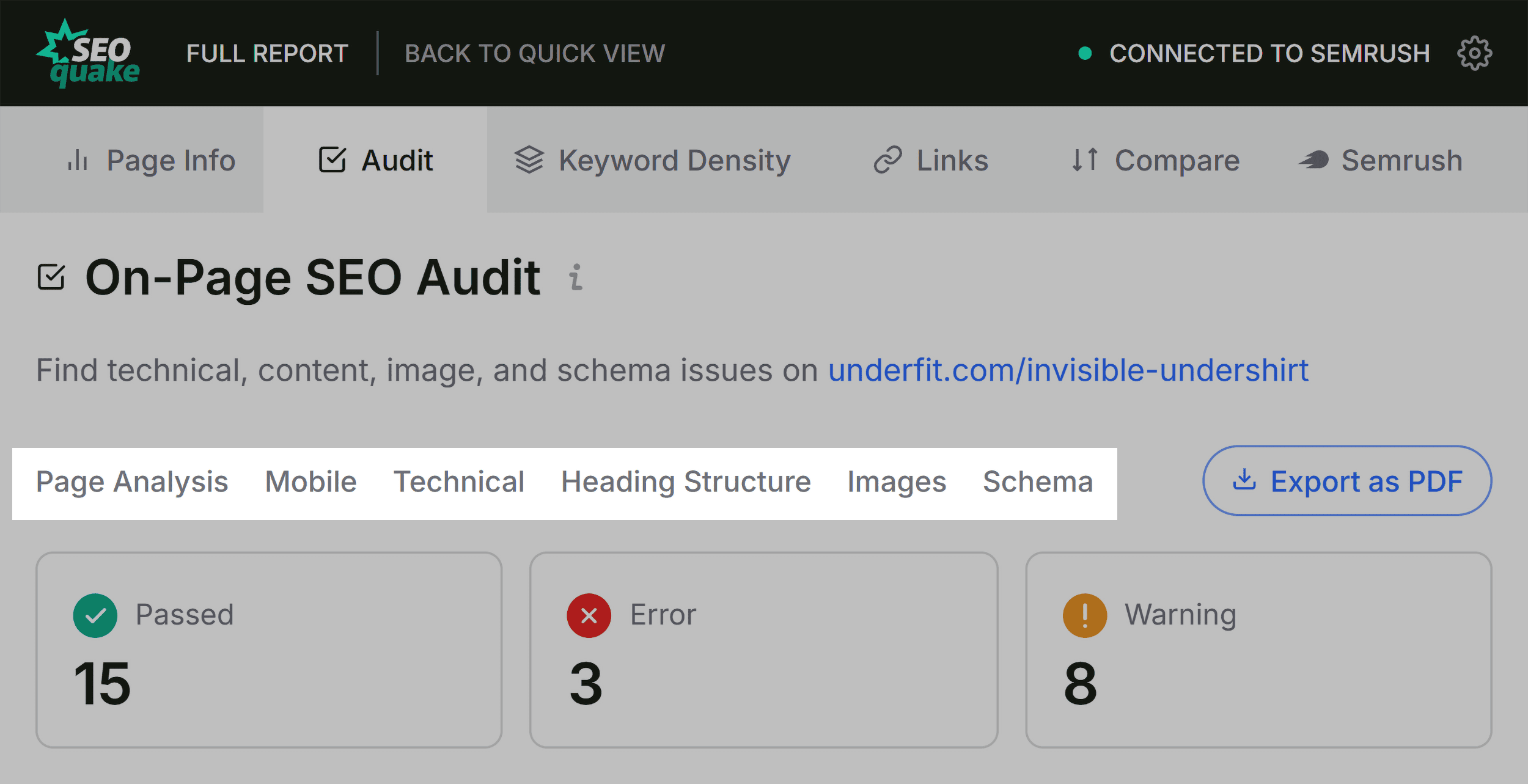
Activating the SEOquake icon opens the Quick View pop-up, which is segmented into specialized tabs including Page Info, Diagnosis, External Links, Internal Links, and Content. For an efficient triage session, analysts focus primarily on three critical tabs: Page Info, Audit, and Content, allocating approximately twenty seconds to each.
Evaluating Core Metadata and Schema Integrity
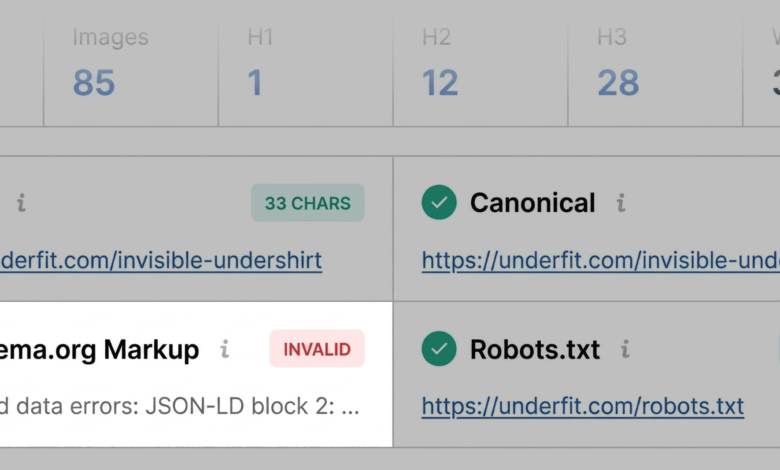
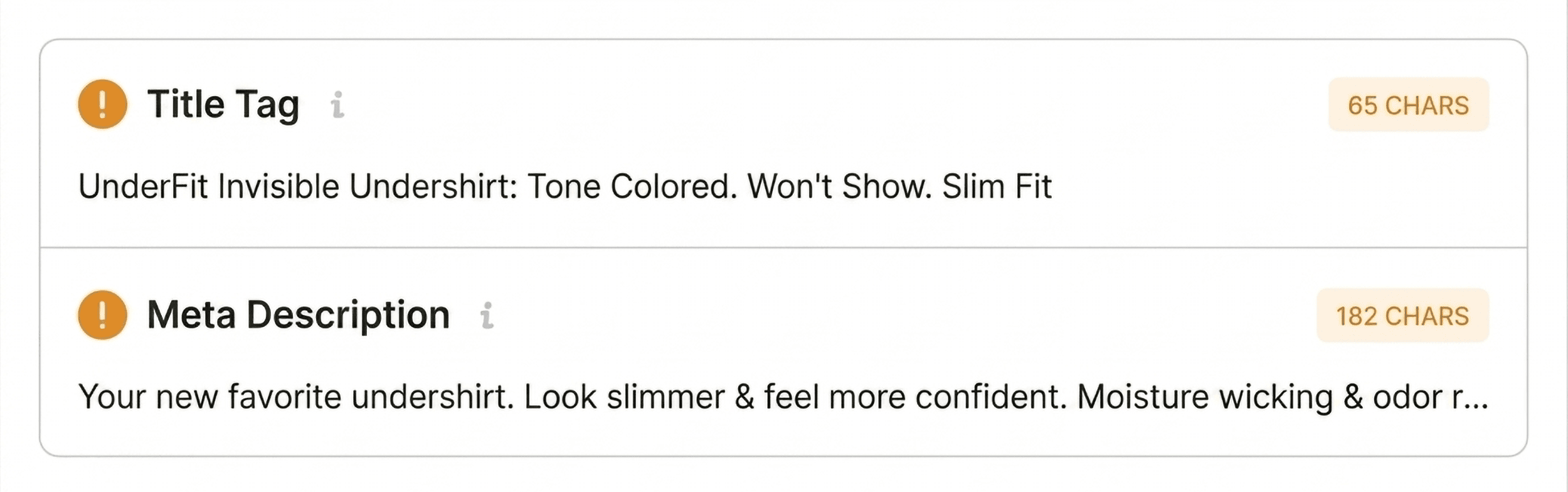
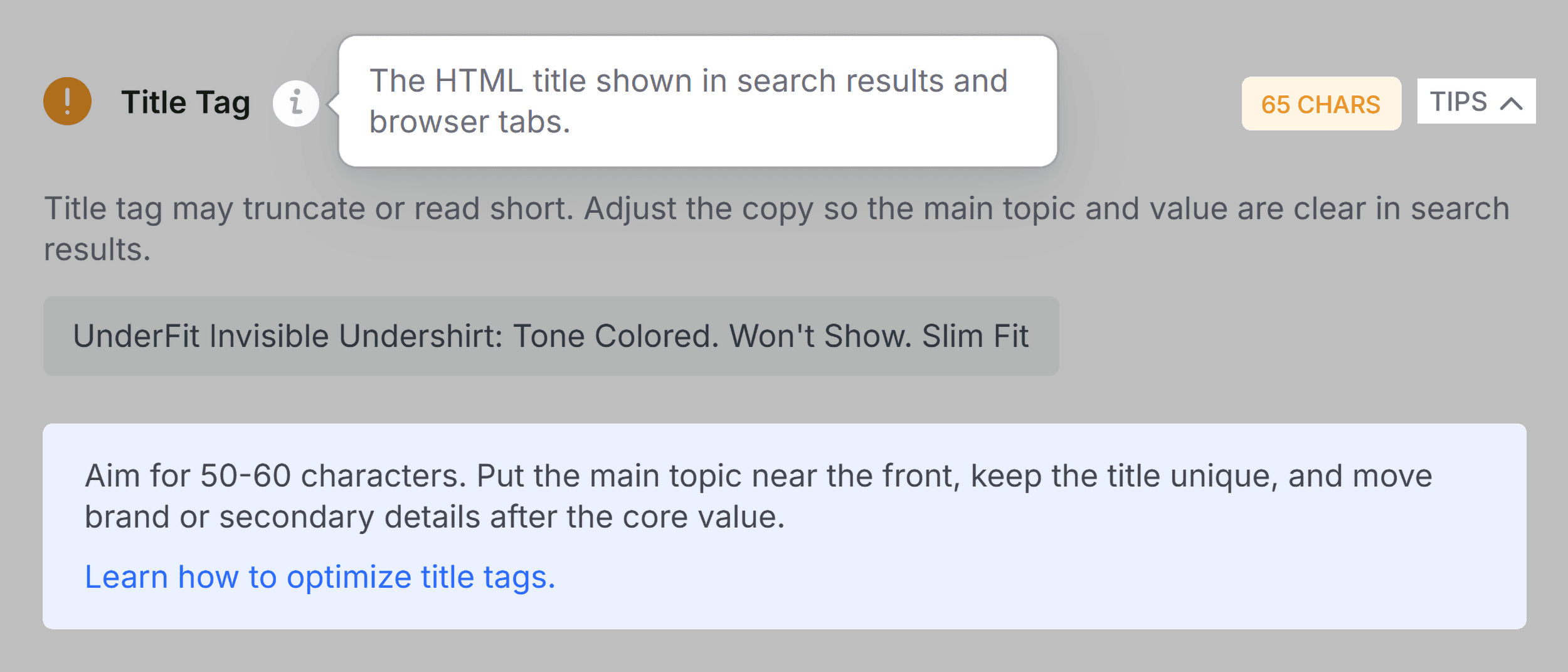
The Page Info tab delivers an immediate macroscopic view of the document’s foundational elements. During this phase, professionals prioritize five essential components: the Title Tag, Meta Description, canonical URL declarations, robots meta tags, and HTTP status codes.
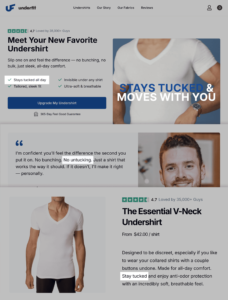
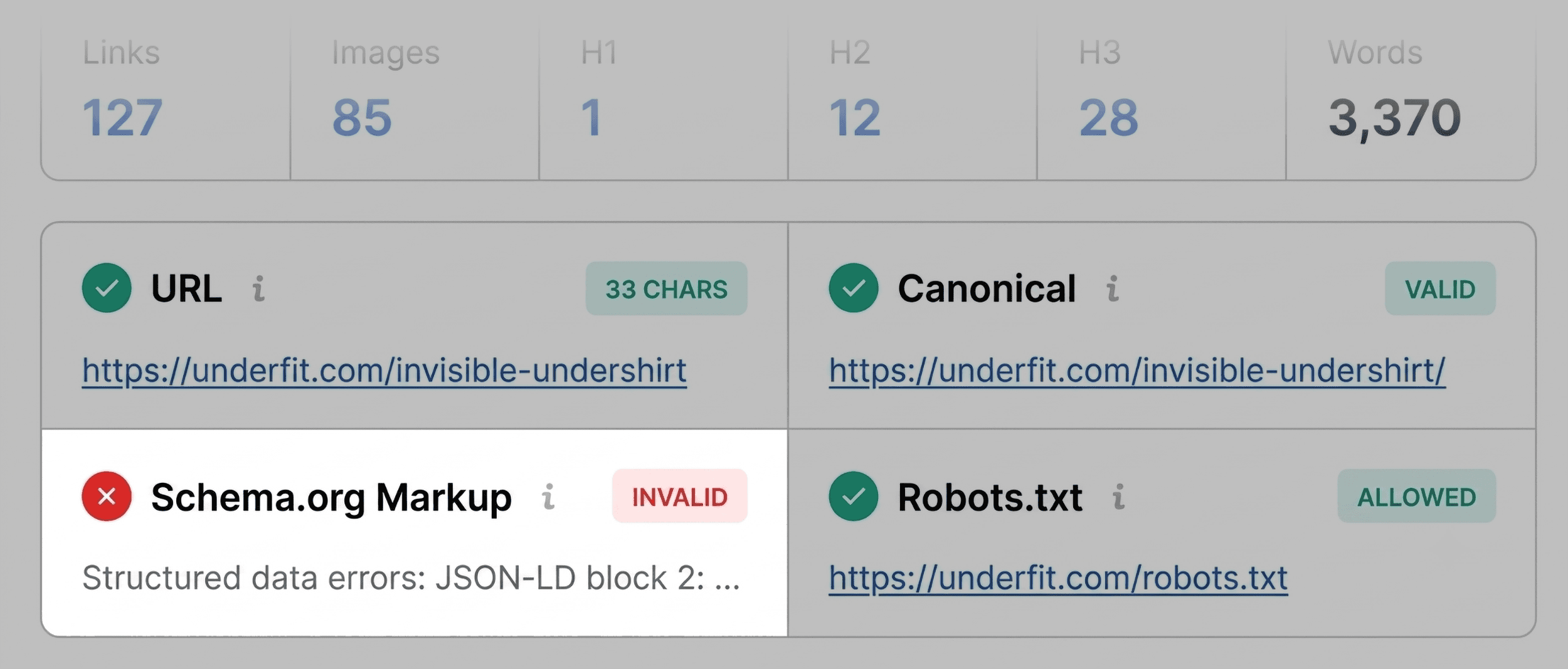
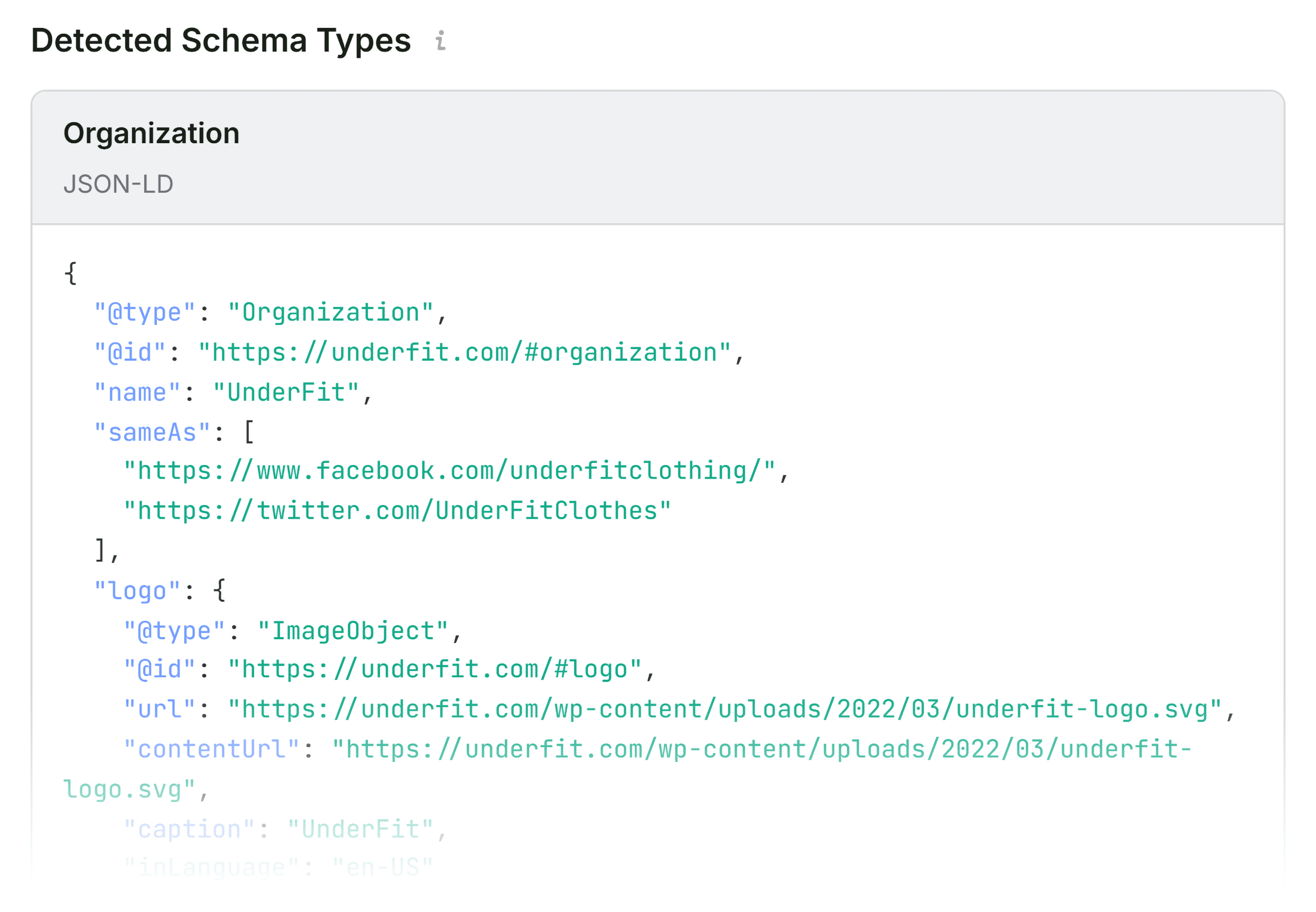
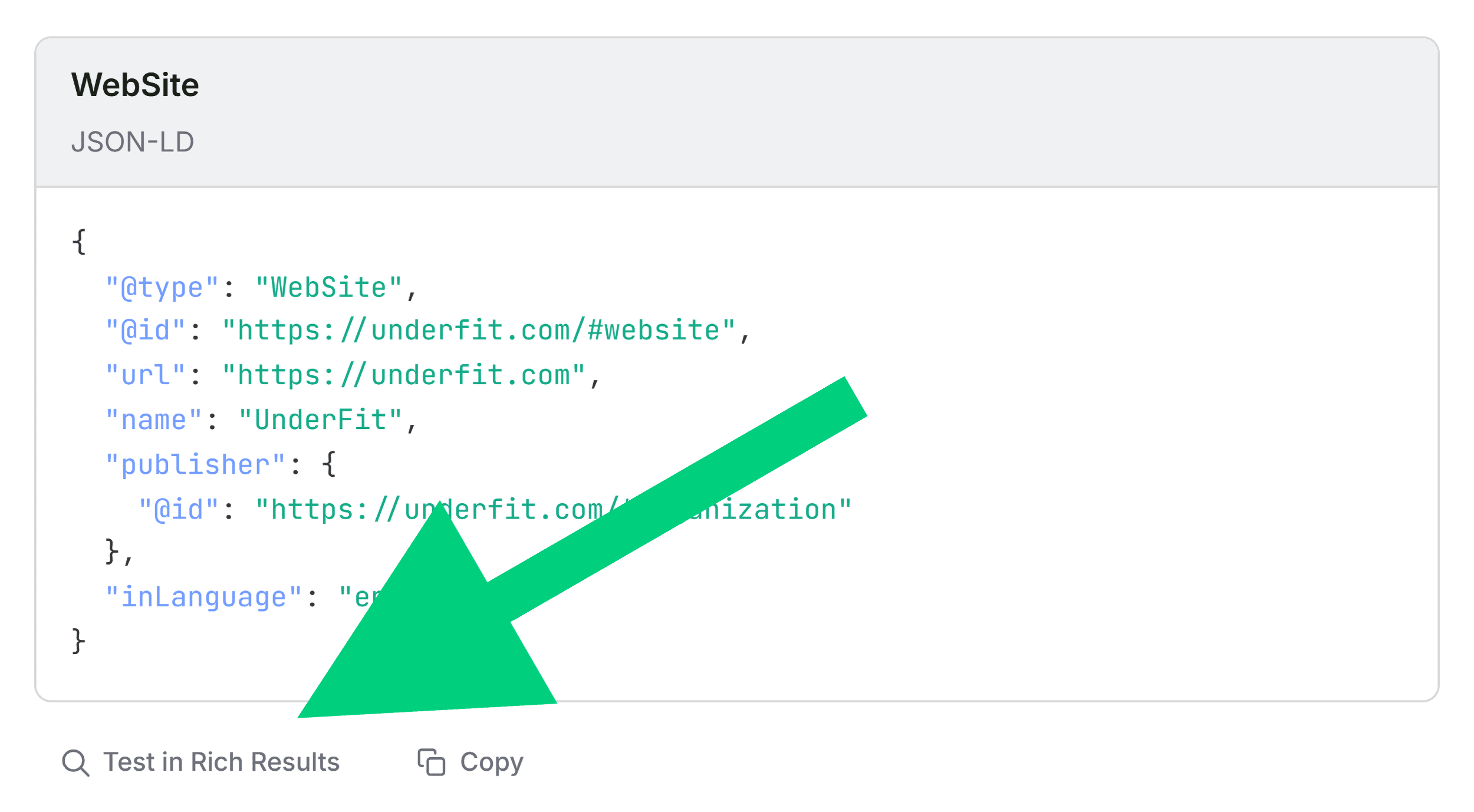
For instance, evaluating an e-commerce product page often reveals subtle misconfigurations. While basic metadata may appear functional, advanced verification frequently uncovers structural flaws, such as invalid JSON-LD Schema.org markup. When structured data contains syntax errors or missing required properties, search engines cannot reliably parse the information. Consequently, the page becomes instantly ineligible for lucrative rich results—such as prominent price displays, real-time inventory status, and aggregate customer review stars directly within the search engine results pages (SERPs). Identifying an invalid schema configuration during the initial sixty-second triage immediately elevates it to the top of the remediation queue.

Technical Compliance and Structural Audits
Moving past basic metadata, the Audit tab scans for foundational technical parameters, including mobile-friendliness, viewport configurations, SSL implementation, and language targeting annotations. While green indicators offer immediate reassurance, orange warnings require nuanced contextual interpretation. For example, a missing or misconfigured hreflang implementation may not constitute an emergency for a purely domestic single-market store, but it represents a critical flaw for multinational enterprise brands attempting to serve localized content across international jurisdictions.
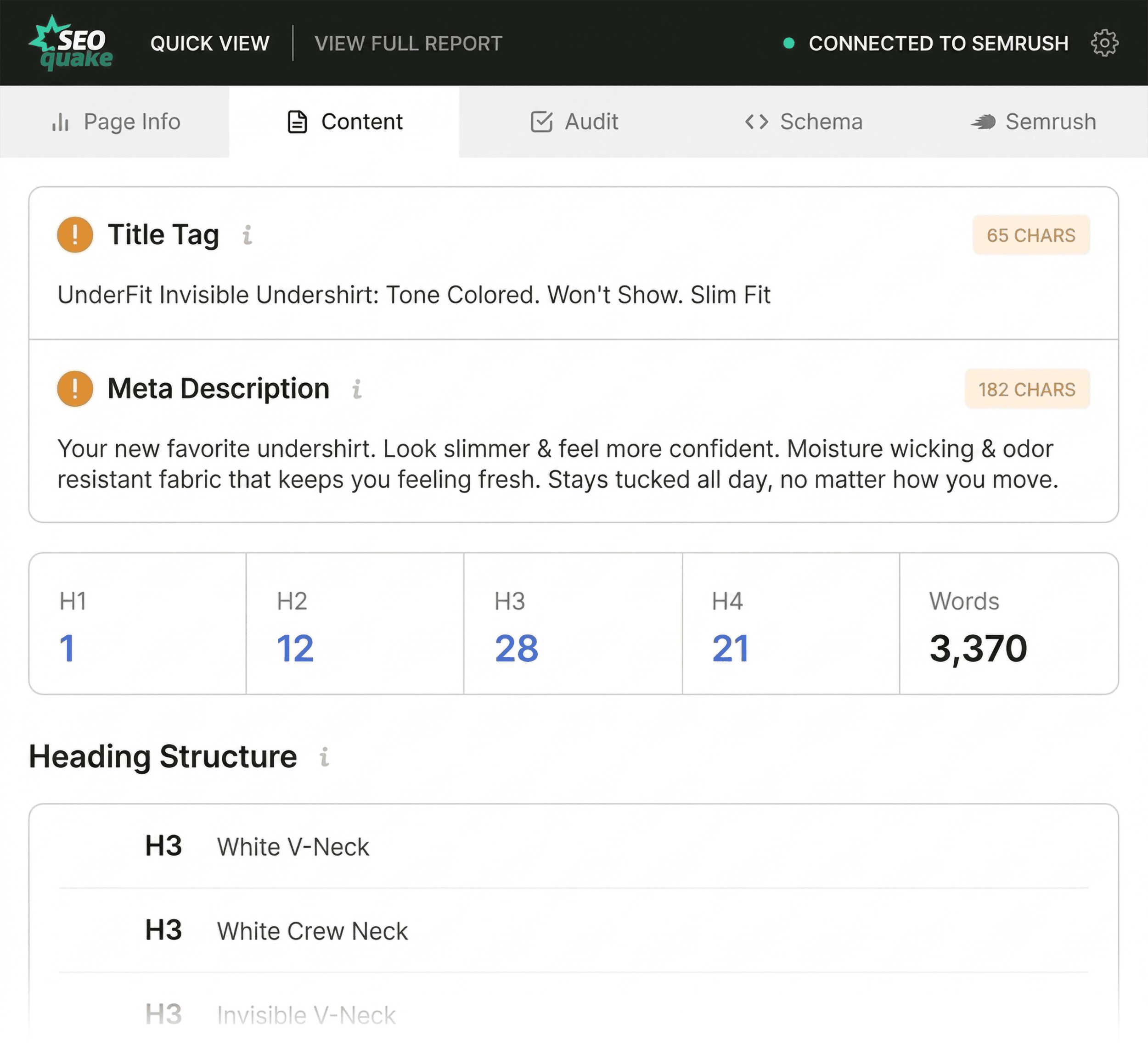
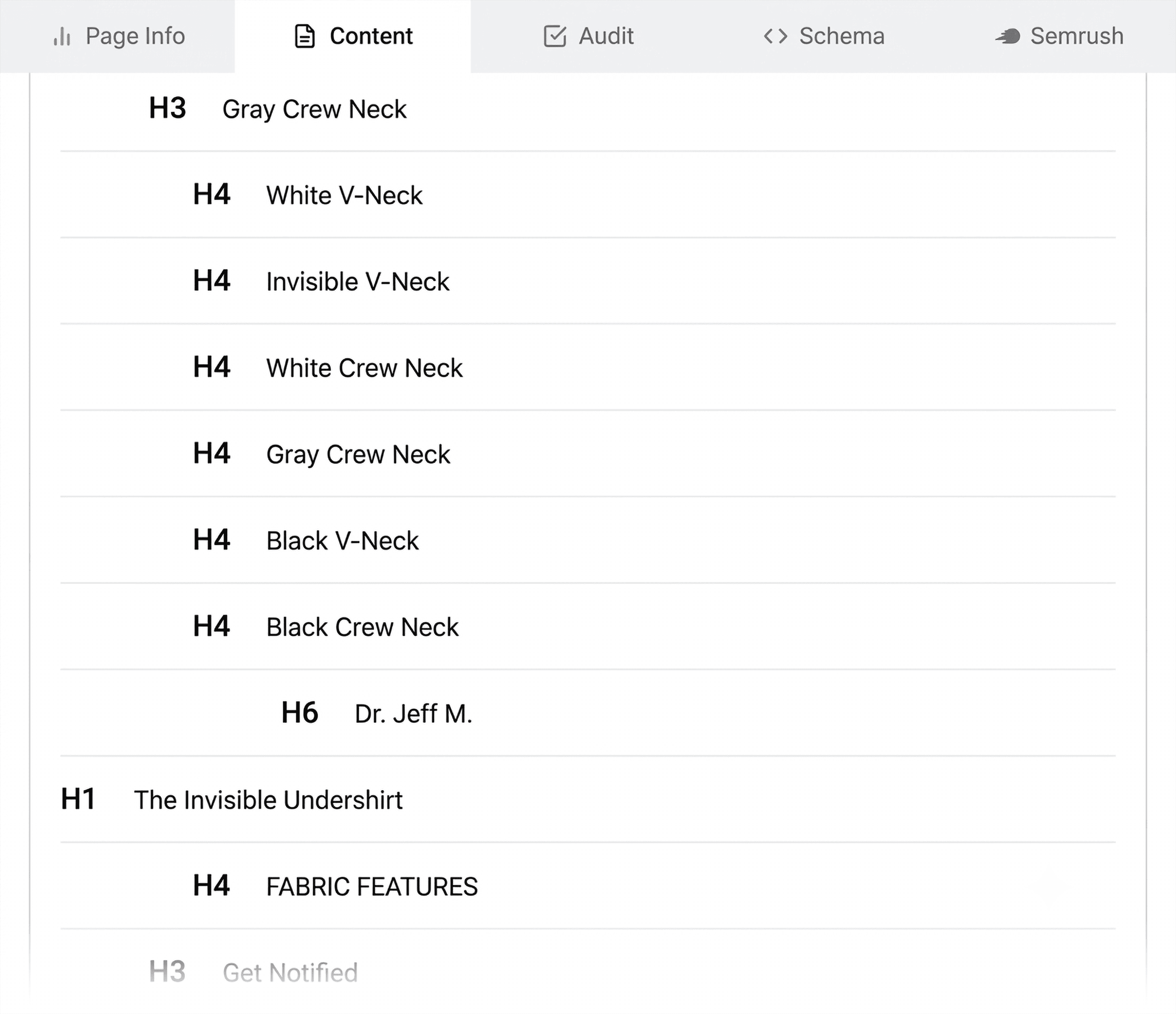
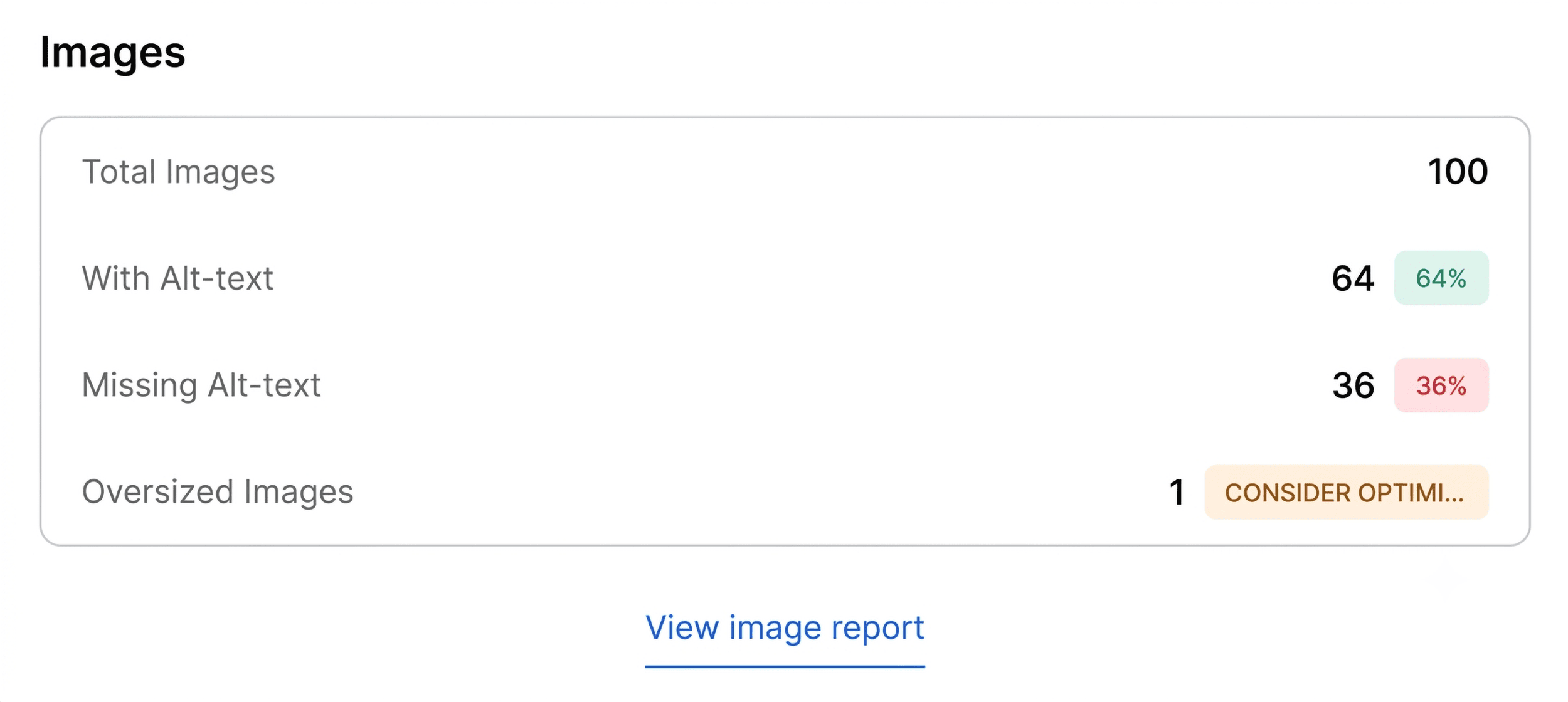
Concurrently, the Content tab examines textual organization, word counts, and heading hierarchies. Document outline structures dictate how both human readers and automated crawlers parse semantic importance. A severely fragmented hierarchy—such as jumping directly from a primary H1 heading down to an H4 sub-heading without intermediate nesting—creates confusion for semantic parsing algorithms and diminishes accessibility compliance for screen-reader users. Furthermore, image summaries frequently reveal hundreds of missing alternative text attributes. Because visual assets play a vital role in modern e-commerce conversion funnels and visual search discovery, unoptimized images represent significant missed opportunities for both user engagement and contextual relevance.
Minutes Two and Three: Deep Diagnosis via Full Reports
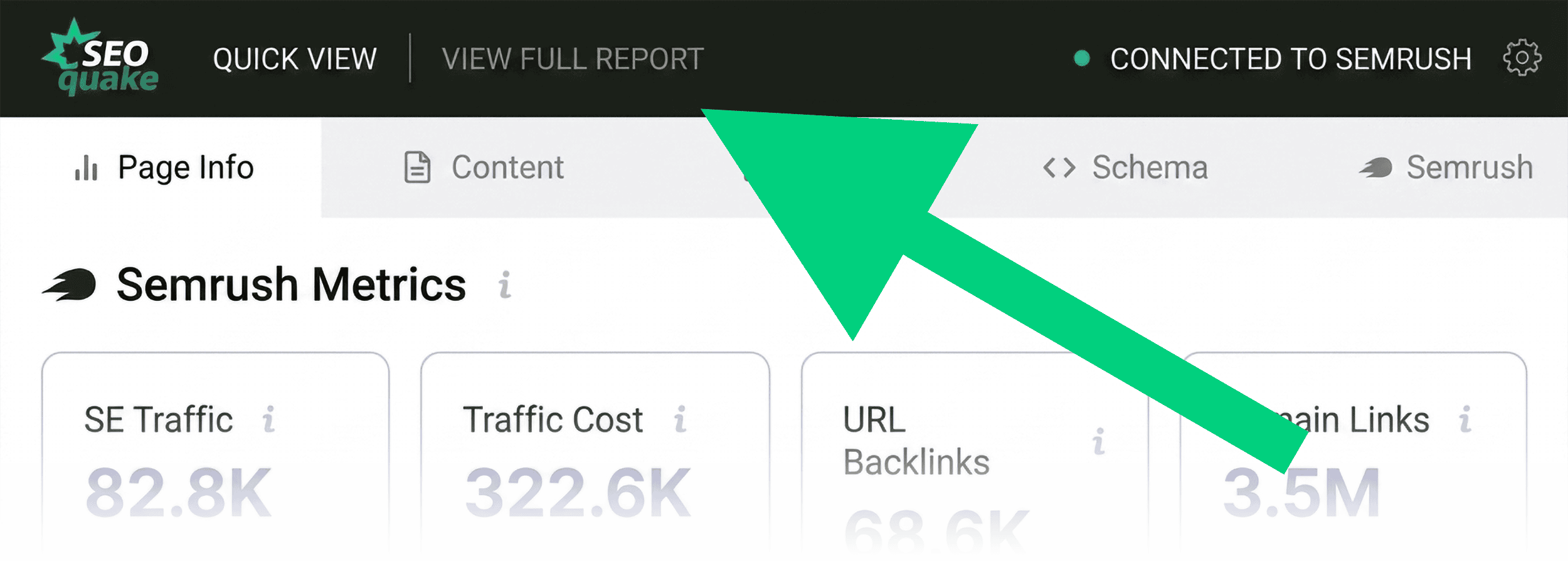
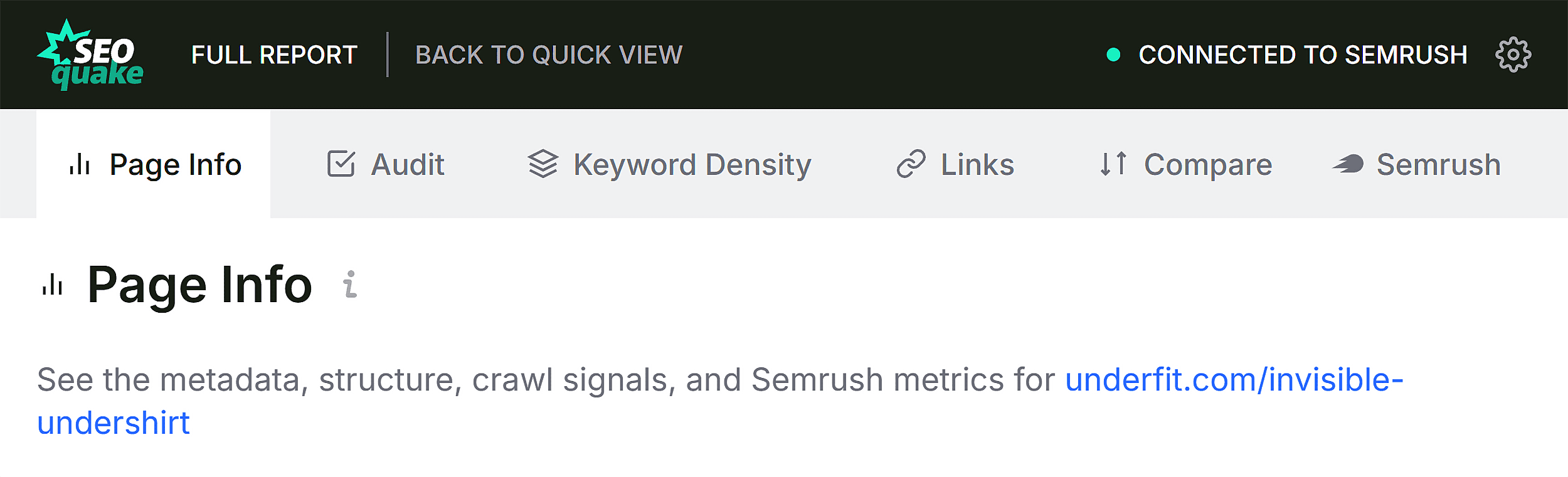
Once the initial sixty-second triage isolates surface-level anomalies, the remaining two minutes are dedicated to structural diagnosis. By clicking "View Full Report," analysts access a granular multi-panel interface comprising comprehensive audit parameters, keyword density metrics, internal and external link health logs, and domain-level authority indicators.
Investigating Technical Warnings and XML Sitemaps
Within the comprehensive Audit panel, analysts can isolate specific compliance failures without manually scrolling through exhaustive data logs. Each flagged issue provides detailed explanatory tooltips and remediation tips.
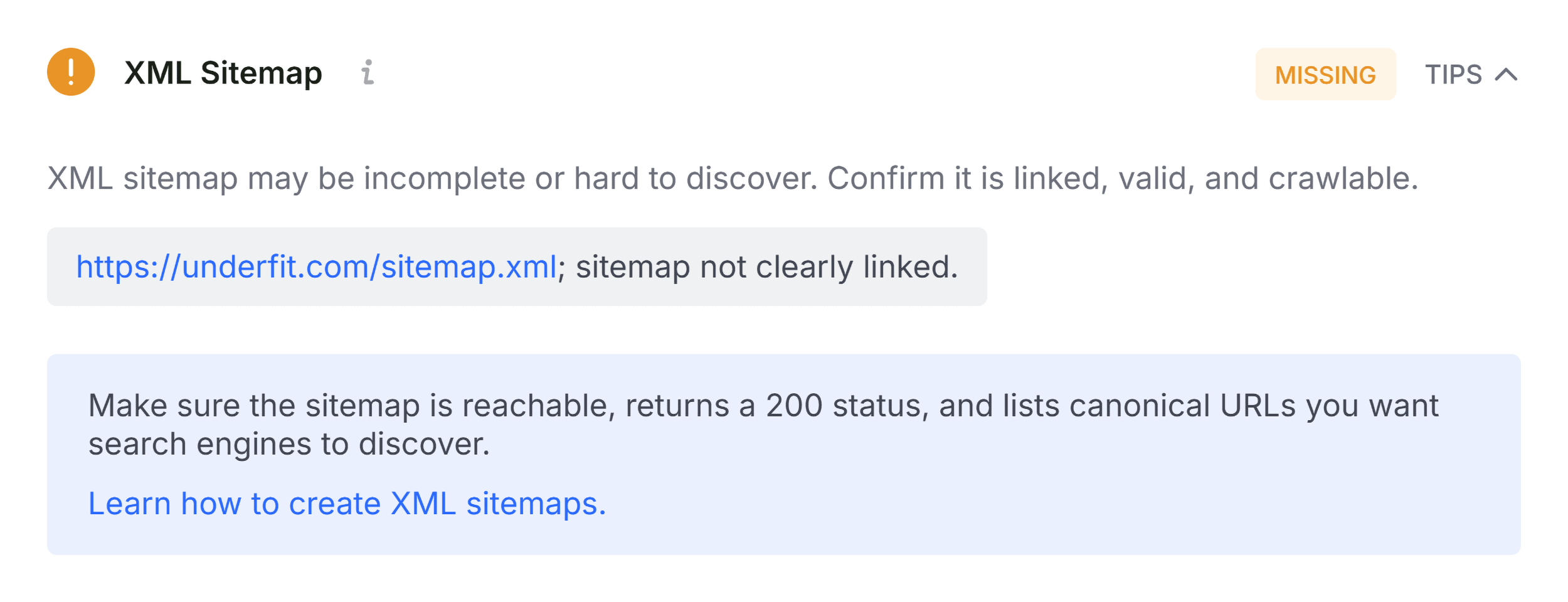
For example, a warning regarding an unlinked XML sitemap indicates that while a sitemap file exists on the server, it lacks proper internal referencing or discovery pathways. This technical oversight can impede efficient bot crawling and indexation discovery. Similarly, cross-referencing schema warnings with external validation tools—such as Google’s official Rich Results Test—provides definitive confirmation of syntax errors, allowing developers to deploy targeted patches rather than engaging in speculative guesswork.
Keyword Density and Topic Coverage Analysis
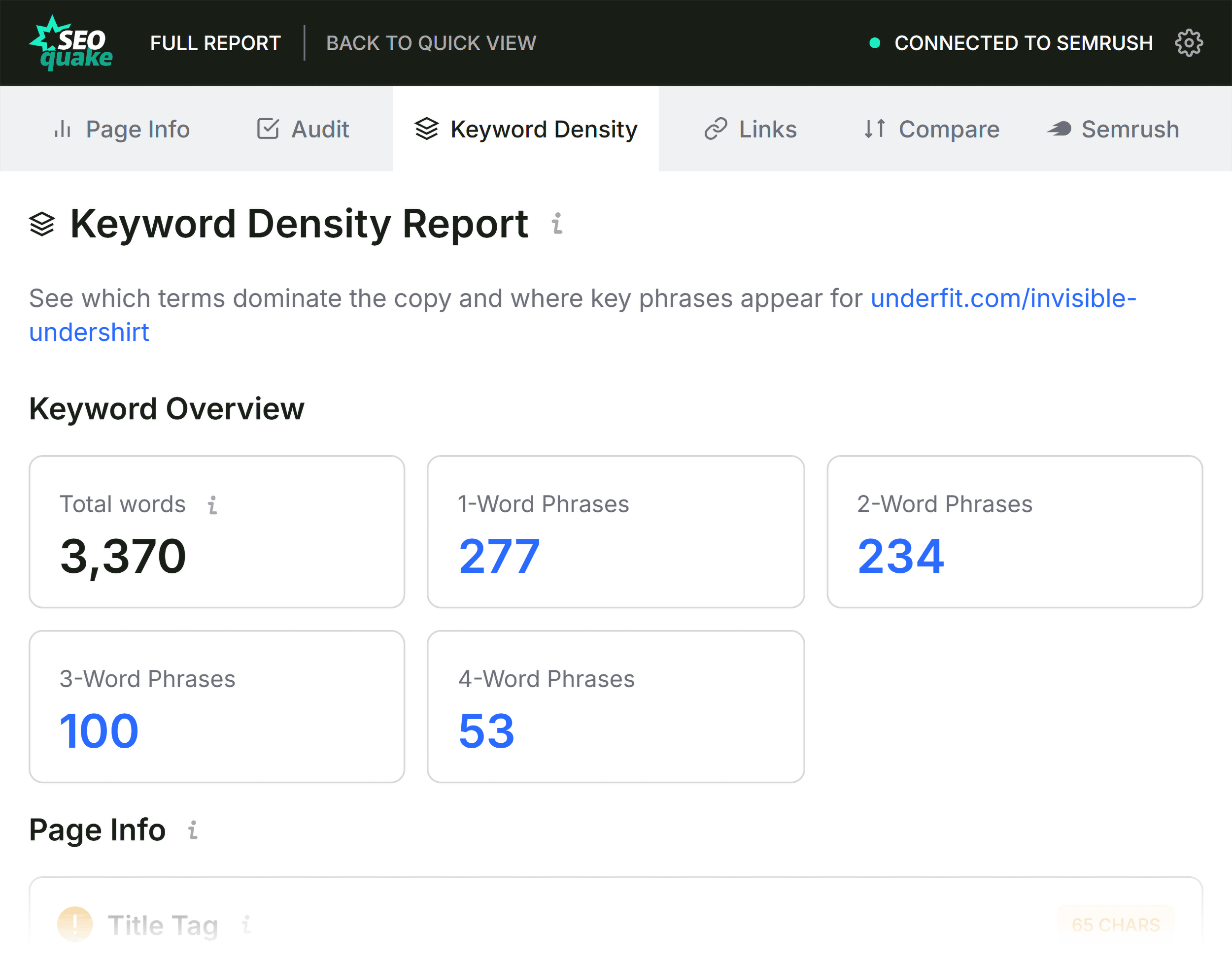
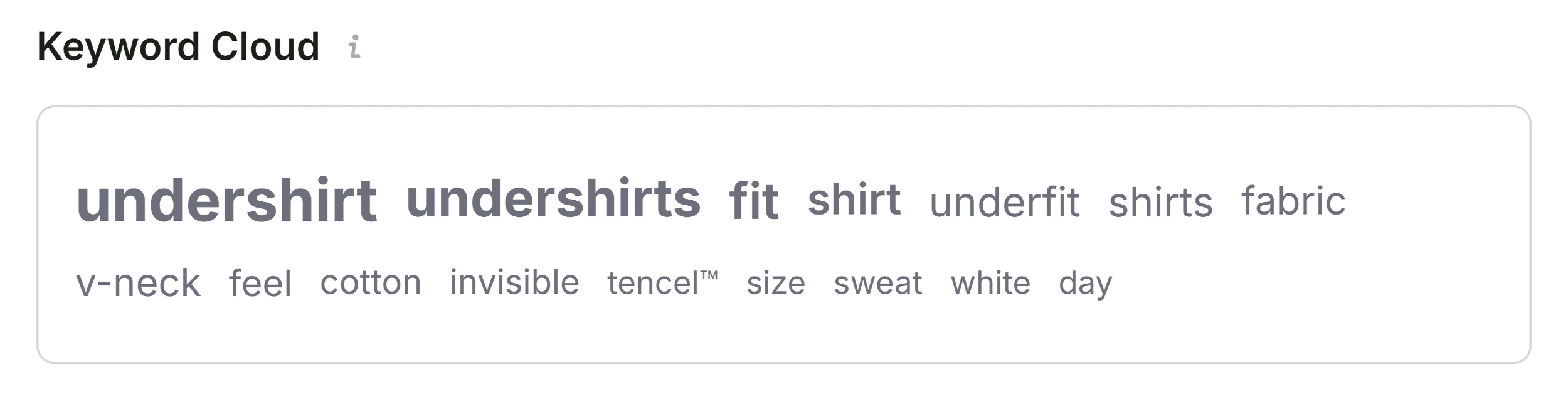
Content performance issues often stem from insufficient semantic depth or keyword cannibalization. The Keyword Density panel analyzes term frequencies and provides visibility through visual keyword clouds.
A healthy product page should display prominent single-word terms directly aligned with core commercial intent, such as specific product categories, material descriptors, and primary attributes. Multi-word phrase tracking further ensures that commercial modifier phrases appear naturally within high-value zones, including meta descriptions, title tags, and primary header elements. While modern search engines rely heavily on natural language processing rather than rigid keyword stuffing, verifying topic coverage guarantees that the page satisfies user intent and comprehensive subject matter expectations compared to top-ranking competitors.
Analyzing Link Health and Architectural Integrity
Broken inbound or outbound links degrade user experience and waste valuable crawl budget. The Links panel exports comprehensive logs detailing HTTP response codes, anchor text profiles, and link attributes (dofollow versus nofollow).
In many modern web applications built on complex JavaScript frameworks, asynchronous rendering can cause automated scanners to flag dynamic links incorrectly. Analysts must cross-reference these automated warnings to distinguish between genuinely broken resources—such as dead external references returning 404 or 500 status codes—and benign interactive script elements.
Contextualizing Page Performance Within Domain Authority
The final phase of a rapid diagnostic workflow requires establishing broader context. A page cannot be evaluated in a vacuum; its performance is intrinsically tied to the overall health and authority of the parent domain.
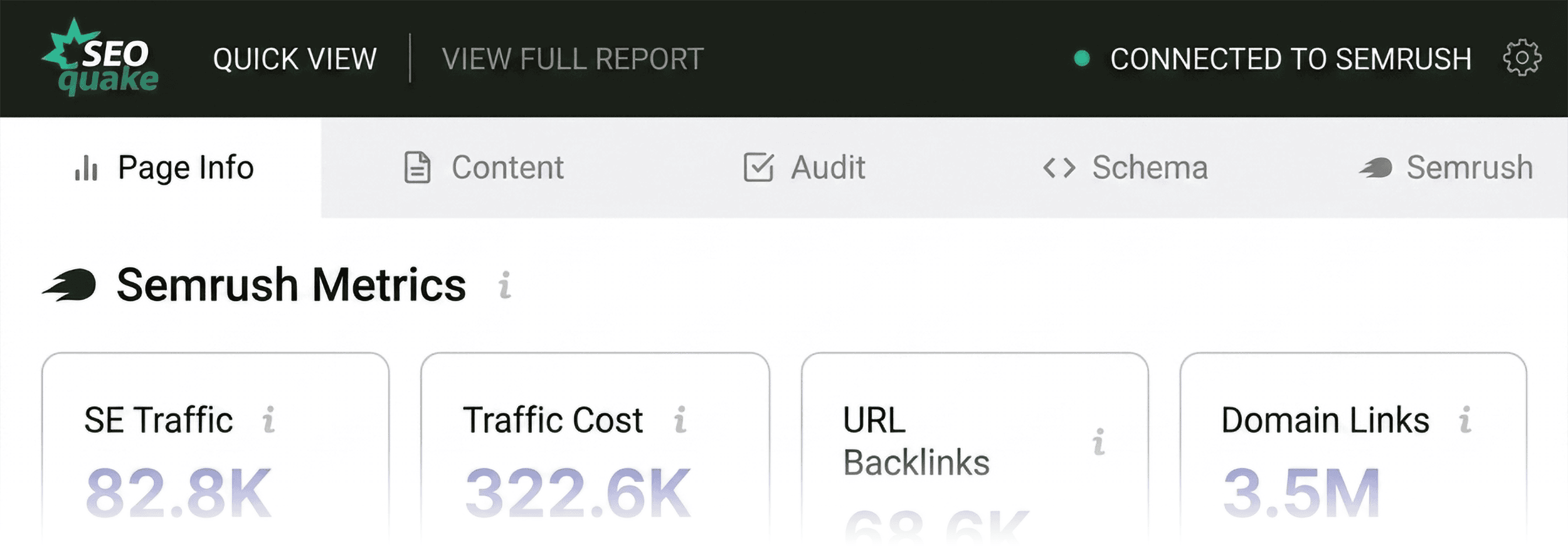
The Semrush integration panel aggregates vital domain-level metrics, including organic search traffic estimations, historical keyword rankings, referring domain counts, and overall domain authority scores. Connecting a verified marketing account unlocks granular traffic analytics, engagement metrics, bounce rates, average visit durations, and multi-channel acquisition paths.
This macro-level data informs strategic decision-making. If an underperforming page resides on a domain with exceptional overall authority, robust backlink profiles, and consistent traffic, the diagnosis almost certainly points to page-specific optimization gaps, such as outdated copywriting, weak conversion rate optimization elements, or technical schema failures. Conversely, if the parent domain suffers from systemic penalties, technical decay, or algorithmic suppression, isolated page-level adjustments will yield negligible improvements until the broader architectural and authority issues are resolved via comprehensive site-wide audits.
Implications for Modern SEO Strategy
The evolution of browser-based diagnostic tools reflects a broader industry shift toward efficiency and agility in technical optimization. Modern search engine algorithms incorporate complex ranking signals, ranging from core web vitals and mobile responsiveness to advanced artificial intelligence search integration and semantic intent matching. Consequently, digital marketers can no longer rely solely on intuition or sporadic, annual site audits.
Implementing a rigorous, three-minute triage-and-diagnose framework empowers marketing teams to proactively monitor high-value revenue pages, identify emerging technical regressions before they manifest as catastrophic ranking drops, and maintain continuous alignment with search engine best practices. By combining the rapid page-level insights of extensions like SEOquake with the enterprise-grade crawling power of comprehensive site audit suites, organizations can maintain resilient, high-performing digital assets in an increasingly competitive search landscape.