How Employee Advocacy Statistics Shape C-Suite Strategy and Drive Growth in 2026

Securing executive buy-in for modern marketing initiatives has long required more than abstract enthusiasm or creative vision; it demands rigorous empirical proof. As corporate budgets face increased scrutiny and traditional digital advertising yields diminishing returns, corporate leaders are shifting their focus toward organic, high-trust scalability. When marketing leaders propose scaling an employee advocacy program up the organizational ladder, hard data serves as the foundational backbone of the pitch. Decision-makers across the C-suite want to understand the mechanics of employee advocacy and the precise, measurable benefits their brand stands to gain. Recent enterprise data for 2026 frames employee advocacy not as an experimental nice-to-have, but as a core enterprise growth strategy capable of transforming a workforce into an organization’s most effective asset for brand amplification, talent acquisition, and revenue acceleration.
The Evolution and Standardisation of Corporate Advocacy Programs

The modern corporate landscape has witnessed a significant maturation in how organizations approach employee-driven social media engagement. Historically treated as informal, ad-hoc side projects managed by enthusiastic social media managers, advocacy initiatives have rapidly evolved into sophisticated operational programs backed by dedicated personnel, specialized software platforms, formal internal processes, and structured training regimens.
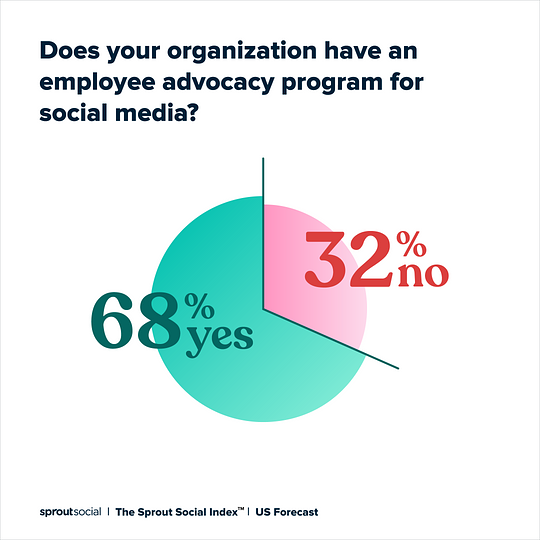
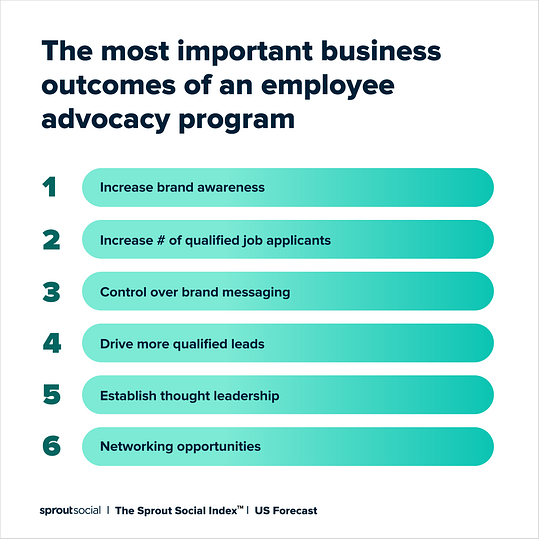
According to comprehensive research published by Sprout Social, more than two-thirds—specifically 68%—of marketing professionals report that their organization currently operates a formal employee advocacy program. This high adoption rate underscores a broader industry realization: advocacy is no longer an innovative experiment, but an established enterprise standard. When enterprise leaders surveyed 1,000-plus marketing executives regarding the primary objectives driving these initiatives, three core priorities consistently emerged at the top: increasing broad brand awareness, attracting a higher volume of qualified job applicants, and exercising greater control over corporate brand messaging. Additional objectives frequently cited by enterprise teams include driving qualified sales leads, establishing corporate thought leadership, and opening lucrative new networking opportunities in competitive markets.
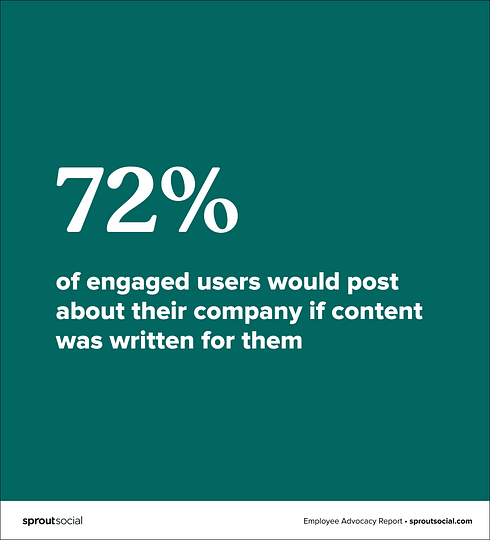
Despite this clear strategic alignment, program administrators have historically faced a primary operational hurdle: employee participation. However, empirical data indicates that this challenge is fundamentally a content-supply issue rather than an unwillingness among staff to participate. Sprout Social’s Employee Advocacy Report reveals that 72% of engaged users are willing to share company-related content on their personal social channels provided that their communications or marketing teams write the core content for them. When organizations provide curated, pre-approved messaging hubs, participation rates skyrocket, with data showing that 85% of onboarded employees actively share content on their personal channels when equipped with a centralized tool.
The C-Suite Pitch: Re-engineering Traditional Social Tactics
When presenting these findings to chief executive officers, chief financial officers, and other C-suite executives, marketing leaders must emphasize that traditional social media tactics are rapidly losing their edge. As advertising resources shrink, platform algorithms change, and consumer feeds become heavily congested with polished corporate advertisements, an employee advocacy program emerges as a resilient enterprise asset. It systematically amplifies organizational content, increases return on investment, and aids significantly in recruiting top-tier talent.
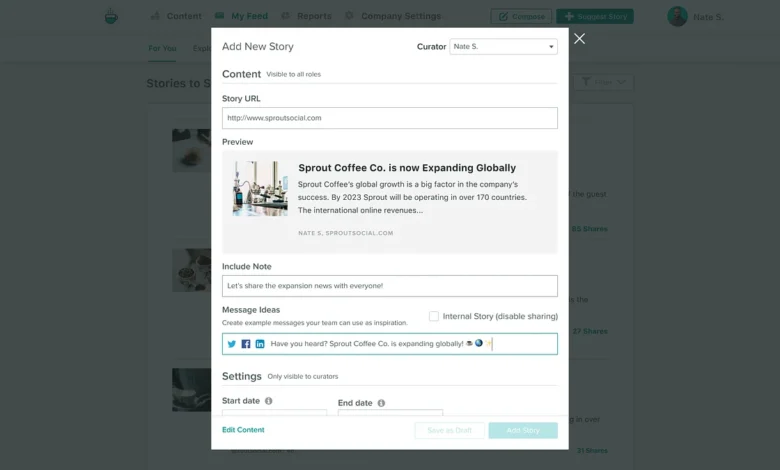
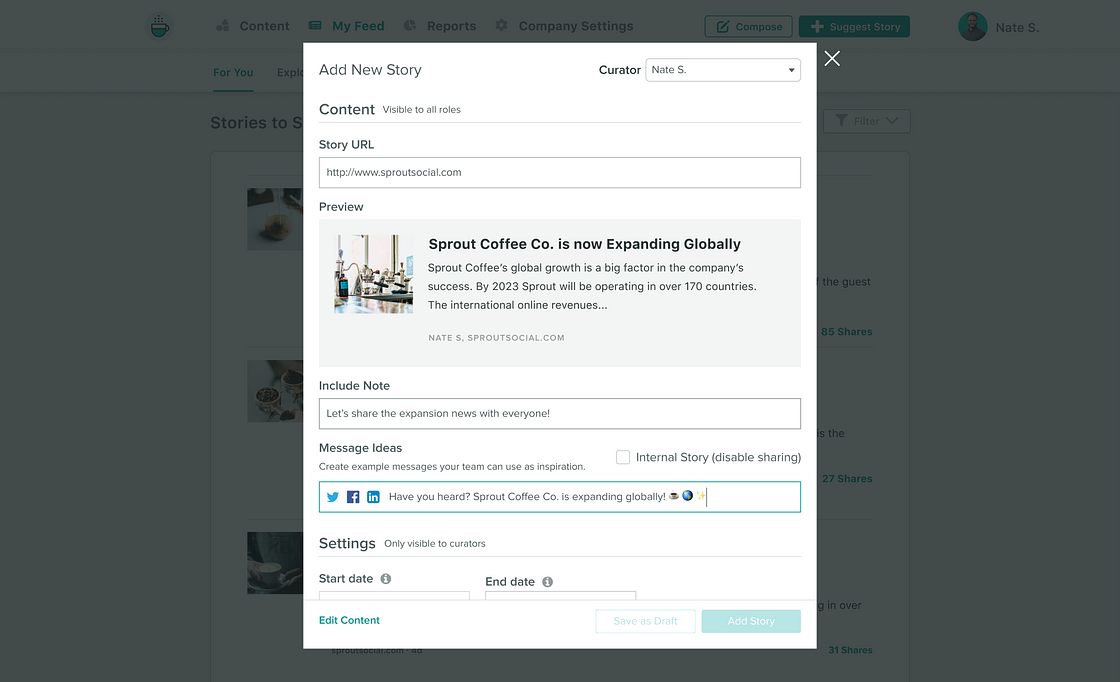
Adopting an integrated employee advocacy platform allows internal teams to share pre-approved messaging from a single centralized hub while curators easily manage relevant industry articles. This structure enables individual employees to post updates in their authentic personal voices while remaining strictly on-brand. For corporate leadership, the overarching takeaway is clear: employee advocacy is a proven industry standard, and the only decision left for executive teams is how rapidly they can formalize and scale their deployment.
Employees as the Most Trusted Corporate Voice
In an era defined by skepticism toward corporate advertising and institutional messaging, individual employees stand out as the most credible voice an organization possesses. Data from the 2026 Influencer Marketing Report indicates that 40% of consumers discover new products and services through employee-generated content at least once a month. This consumer behavior highlights a fundamental shift in how trust is established online.
Audiences consistently view frontline employees, mid-level managers, and technical staff as far more authentic and trustworthy than a brand’s polished, corporate main social media account. The same research highlights a stark contrast in consumer preferences: 46% of consumers express a desire to hear directly from frontline staff, compared to a mere 10% who prefer hearing communications originating from C-suite executives.
The C-suite pitch for this demographic reality is straightforward. Paid digital reach is increasingly expensive and frequently ignored by sophisticated consumers. Activating internal employees scales the single asset that audiences continue to reward—authentic, human credibility—at virtually no added media cost.
Amplifying Brand Reach Through Employee Networks
Employee advocacy programs dramatically amplify organizational reach far beyond the limitations of organic corporate page tactics alone. Enterprise case studies across multiple industries illustrate the sheer magnitude of this amplification effect.
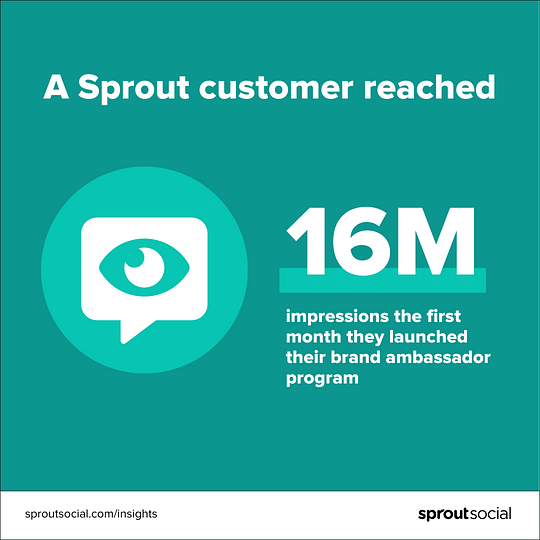
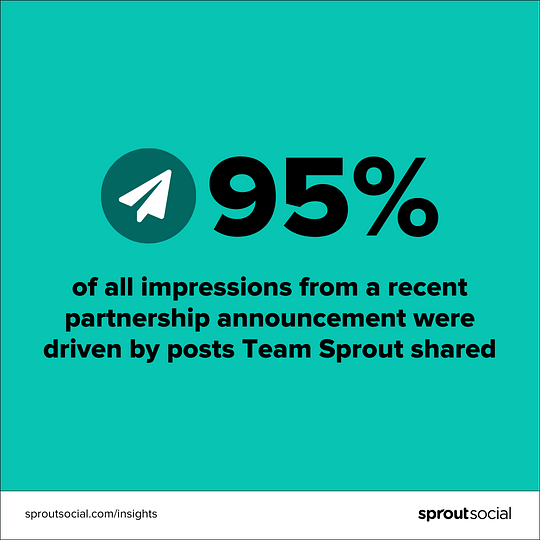
For instance, enterprise IT software company Ivanti successfully established a brand ambassador program utilizing Sprout Social’s Advocacy platform. Within the first month of deployment, Ivanti expanded its brand reach by an unprecedented 16 million impressions. Similar compounding effects have been documented across diverse enterprise environments. Sprout Social’s own internal teams generated more than 28 million impressions through content shared via its proprietary advocacy platform in a single year. Furthermore, when the company announced a major global partnership with Salesforce, 95% of the total 740,000 impressions generated by the announcement were driven organically by posts shared directly by internal employees.
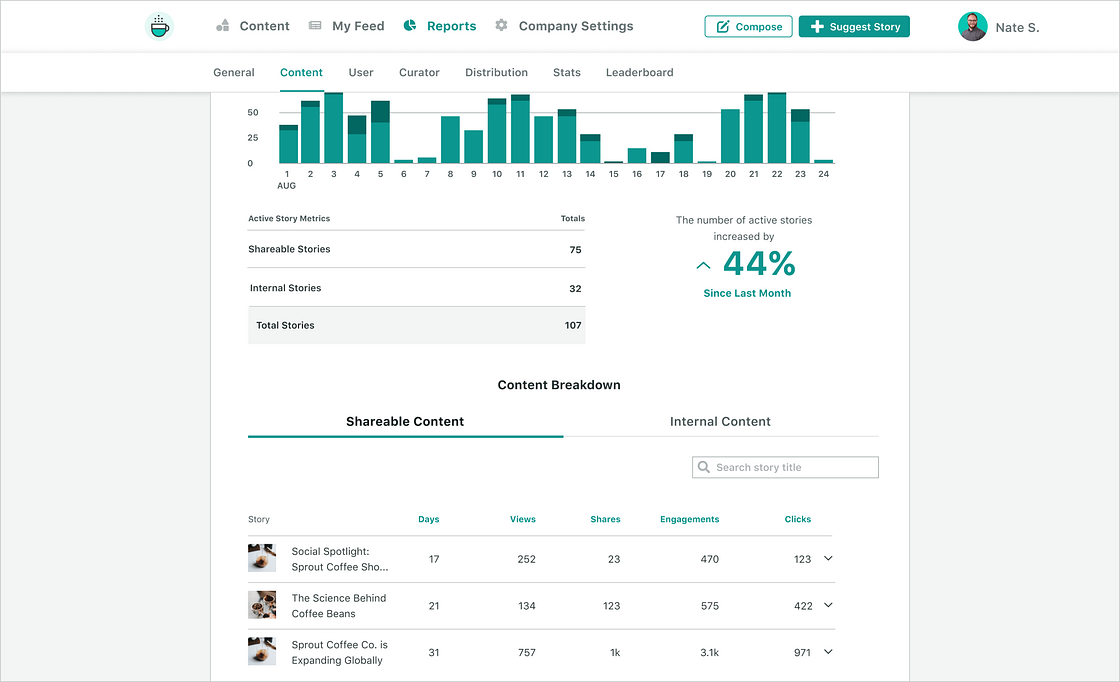
The executive pitch regarding brand amplification is compelling. Across nearly all major industries, organic corporate social media performance has experienced a notable decline due to algorithm shifts. Tapping into the existing personal networks of employees represents the most impactful, cost-effective method to amplify top-performing content and spike impressions without stretching internal creative bandwidth or increasing paid advertising budgets. Modern advocacy platforms allow communications teams to measure shares, engagements, and total reach in real-time, enabling leadership to quantify amplification impact and budget for employee networks as a core enterprise channel rather than an afterthought.
Accelerating Revenue and Driving Sales Performance
Beyond generating top-of-funnel awareness, enlisting employees as active brand advocates directly accelerates the corporate bottom line and supports enterprise sales targets. Advocacy scales top-performing content organically, generating qualified leads without draining advertising reserves. For example, enterprise software provider Infor leveraged employee advocacy to generate $100,000 in earned media value in a single month.
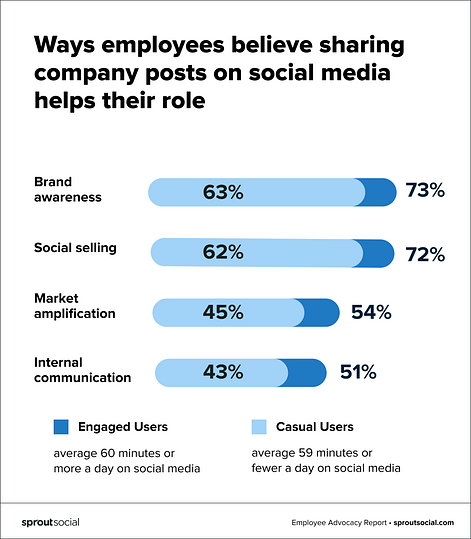
Furthermore, sharing company content directly supports employees in their day-to-day professional responsibilities, particularly in the realm of social selling. Sprout Social’s research indicates that 72% of engaged users report that sharing company posts supports their social selling efforts, while 62% of casual users share this perspective. By empowering employees to share industry insights and company updates, organizations position their personnel as credible thought leaders, opening doors to valuable new business opportunities. According to data compiled by LinkedIn’s Social Selling Index, sales professionals who actively share company content are 51% more likely to achieve and exceed their sales quotas.
The financial pitch to the C-suite is clear: advocacy unlocks tangible revenue by seamlessly complementing traditional demand-generation strategies. From quantifiable earned media value to enhanced individual sales performance, investing in an employee brand amplification strategy delivers measurable financial dividends. Revenue and sales operations teams can tie advocacy shares directly to the sales pipeline within their customer relationship management (CRM) systems, allowing organizations to double down on the specific content formats and sales representatives that yield the highest conversion rates.
Attracting and Retaining Top Talent Through Authentic Culture
In addition to driving marketing and sales metrics, employee advocacy plays a critical role in human resources strategies, specifically in recruitment and employee retention. Potential job candidates routinely research prospective employers across social media channels, closely observing what current employees publicly share and say about corporate culture. When staff members actively celebrate their workplace culture, they significantly strengthen the organization’s employer brand and drive applicant interest.
This organic authenticity allows employee recruitment posts to reach qualified candidate pools that traditional, polished corporate recruitment accounts frequently miss. Moreover, advocacy initiatives invite current employees to act as active stewards of the corporate brand, fostering a heightened sense of ownership, professional loyalty, and organizational belonging. When employees feel they have a direct stake in the narrative of the company, it results in improved long-term morale, higher engagement, and reduced employee turnover.
When pitching this to executive leadership, human resources executives can demonstrate how employee advocacy expands candidate pools and generates positive social sentiment that increases overall application volume. By leveraging platforms that allow internal communications teams to broadcast custom newsletters featuring open roles, company achievements, and employer brand stories, organizations enable staff to share career opportunities directly from their inboxes with a single click. Aligning recruitment teams with the corporate advocacy program ensures that hiring messaging reaches prospective candidates through the trusted colleagues they already respect.
Strategic Implications and the Business Case for Advocacy
The cumulative evidence supporting employee advocacy presents an undeniable business case for enterprise adoption. Organizations across healthcare, technology, and finance that have formalized their advocacy programs report profound operational results. For instance, a major healthcare provider utilizing Sprout Social’s platform increased its total audience engagements by 200% within six months of launch, while internal surveys revealed a 98% employee satisfaction rate with the platform itself.
Ultimately, employee advocacy transforms a passive workforce into a measurable engine for reach, revenue, and recruitment power that traditional paid channels cannot replicate. As organizations look toward future market conditions, turning internal teams into effective brand channels represents a high-yield, low-risk strategic imperative.
Frequently Asked Questions About Employee Advocacy
What is employee advocacy?
Employee advocacy empowers employees to share and promote their company’s content, culture, and values on their own personal social media profiles. It transforms an entire workforce into an authentic, trusted extension of a brand’s organic reach.
What is an example of employee advocacy?
Everyday examples include a sales representative resharing a company research report on LinkedIn or a frontline employee posting about a new product launch. Formal enterprise programs streamline this process by providing employees with pre-approved content that can be shared in just a few clicks.
What is the ROI of employee advocacy?
The return on investment appears as earned media value, reduced paid-reach acquisition costs, an increase in qualified sales leads, and stronger talent pipelines. For example, Infor generated $100,000 in earned media value in a single month through structured employee advocacy.
How do you measure employee advocacy?
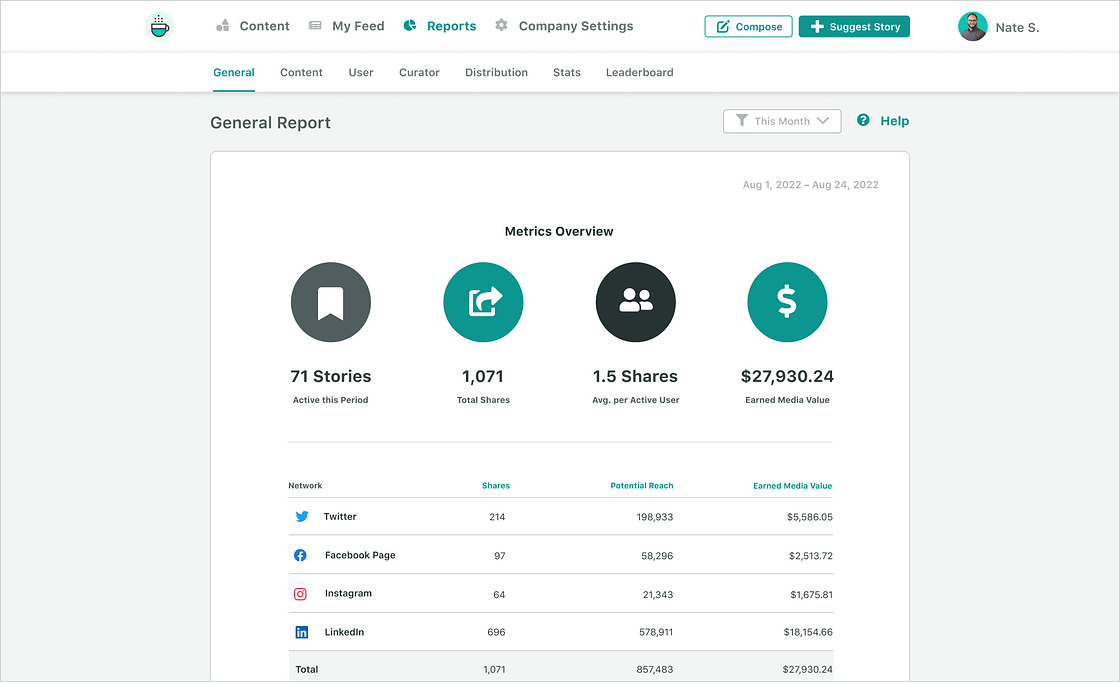
Organizations track participation rates, total content reach, audience engagement, and earned media value, while tying individual shares to downstream conversions. Modern advocacy reporting platforms consolidate shares, engagements, reach, and earned media metrics into a single executive dashboard.