Ads Decoded podcast premiere explores the integration of artificial intelligence and advanced analytics for modern marketing success

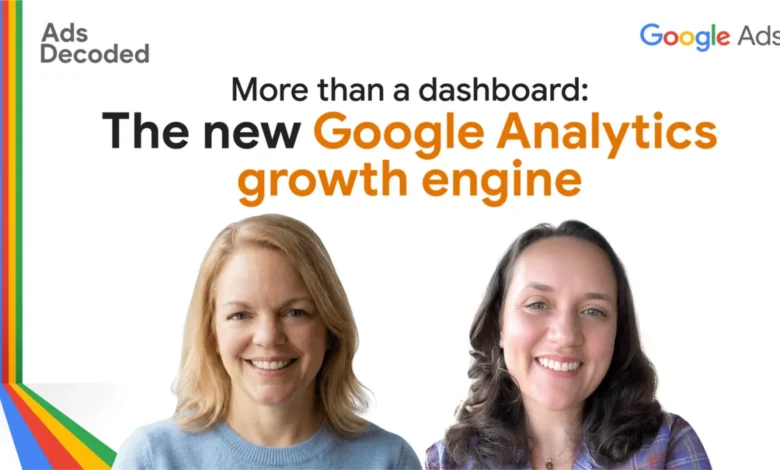
The inaugural episode of the Ads Decoded podcast series marks a significant shift in how Google intends to communicate its product evolution to the advertising community. Hosted by Ads Product Liaison Ginny Marvin, the series aims to bridge the communication gap between the developers behind Google’s advertising ecosystem and the professionals tasked with executing campaigns in an increasingly complex digital landscape. In the debut episode, Marvin is joined by Eleanor Stribling, Group Product Manager at Google Analytics, to dissect the practical applications of AI within measurement tools and the strategic imperative of robust data collection.
The Evolution of Marketing Measurement
The digital advertising industry has undergone a seismic shift over the past three years. The phase-out of third-party cookies, the implementation of more stringent privacy regulations such as the General Data Protection Regulation (GDPR), and the California Consumer Privacy Act (CCPA) have forced marketers to reconsider their reliance on legacy tracking methods.
Historically, Google Analytics functioned primarily as a reporting dashboard—a passive tool used to visualize historical traffic data. However, the current transition toward Google Analytics 4 (GA4) represents a fundamental shift in architecture. The transition from Universal Analytics to GA4 was not merely an aesthetic update; it was a mandatory migration to an event-based data model designed to operate in a cookieless environment. According to industry data from W3Techs, as of early 2024, Google Analytics remains the dominant tracking software globally, used by over 80% of all websites that utilize traffic analysis tools. The transition to GA4 has forced millions of businesses to rethink their measurement strategies, shifting from session-based metrics to user-centric, predictive modeling.
Chronology of the AI Integration
The integration of AI into Google’s advertising stack has been a multi-year project, accelerating significantly since late 2022.
- 2020-2021: Google introduces the initial framework for GA4, emphasizing machine learning-based insights to fill data gaps created by privacy-centric browser updates.
- July 1, 2023: Universal Analytics properties officially stop processing new hits, marking the industry-wide transition to GA4.
- Q4 2023 – Q1 2024: Google rolls out deeper integrations between GA4 and Google Ads, specifically focusing on AI-driven audience modeling and predictive conversion bidding.
- Q2 2024: The launch of the Ads Decoded podcast series serves as the primary educational vehicle to help advertisers move beyond basic configuration and into advanced utilization of these AI features.
The Foundation: Data Strength as a Competitive Advantage
A central theme of the conversation between Marvin and Stribling is the concept of "data strength." In the context of machine learning, data strength refers to the quality, accuracy, and comprehensiveness of the first-party data an organization collects. AI models—including Google’s Smart Bidding and Performance Max campaigns—are inherently dependent on the quality of the signals they receive. If the input data is fragmented or inaccurate, the output of the AI optimization will suffer accordingly.
Stribling emphasizes that "data strength" is no longer a technical checkbox but a critical prerequisite for business performance. As the industry moves away from probabilistic tracking—where algorithms estimate user behavior based on third-party data—brands must pivot toward deterministic data collection. This involves robust tagging configurations, such as the implementation of the Google Tag, enhanced conversions, and the integration of Consent Mode. These tools allow businesses to fill in the gaps created by user opt-outs, providing the AI with the necessary signals to optimize bidding strategies effectively.
Implications for Advertising ROI
The move toward an "activation engine" model has profound implications for how marketers report value to stakeholders. Traditionally, reporting was retrospective; marketers would review the past month’s performance and make manual adjustments. Under the current AI-driven paradigm, the goal is to provide the platform with enough high-quality data to enable real-time, autonomous optimization.
Analysis from various marketing intelligence firms indicates that brands utilizing enhanced conversion tracking in conjunction with AI bidding report a 5% to 15% increase in conversion volume compared to those relying on legacy tag configurations. The implication for the modern marketer is clear: the role is shifting from manual campaign management—such as setting keyword-level bids—to managing the data inputs and objectives that govern the platform’s machine learning models.
Official Perspectives and Strategic Guidance
While Google’s representatives often frame these updates as a natural evolution of technology, external industry analysts note that the complexity of these systems poses a barrier to entry for smaller businesses. The Ads Decoded podcast seeks to mitigate this by providing direct insight into the "why" behind product changes.
During the discussion, Stribling highlights that the primary mistake many advertisers make is viewing GA4 as a separate entity from their advertising platform. Instead, she argues, it should be treated as the foundational infrastructure for every campaign. By ensuring that conversion events are accurately defined and that audience lists are synchronized between GA4 and Google Ads, businesses can create a closed-loop system where AI learns from the most valuable user behaviors.
Broader Industry Impact
The broader impact of these developments is the professionalization of data infrastructure. Marketing teams can no longer exist in a silo separate from web development or data engineering. The technical requirements for modern measurement—such as server-side tagging and API-based data ingestion—require a high level of technical literacy.
Furthermore, the emphasis on privacy-preserving measurement reflects the broader corporate strategy at Google. By building tools that facilitate data modeling in the absence of traditional identifiers, Google is attempting to provide a solution that balances user privacy with advertiser ROI. This dual focus is likely to remain the defining trend of the next decade of digital marketing.
Conclusion: Moving Toward a Proactive Measurement Strategy
The inaugural episode of Ads Decoded serves as a reminder that the tools currently available in the Google ecosystem are designed for a future where manual intervention is minimized in favor of automated growth. For the modern advertiser, the path forward involves a rigorous focus on data hygiene and a deeper understanding of how AI interprets behavioral signals.
As the podcast series progresses, it is expected to cover additional topics such as audience segmentation, cross-platform attribution, and the ethical use of consumer data in AI models. By positioning itself as a source of direct education, the series aims to help advertisers navigate the transition from passive measurement to active, AI-supported business growth. The takeaway for the listener is actionable: audit your data collection methods, ensure your conversion tracking is optimized for privacy-compliant environments, and align your marketing objectives with the signals you feed into the platform. As the industry continues to evolve, the ability to leverage these tools will likely determine the competitive positioning of brands in the digital marketplace. Success in the current climate requires not just access to data, but the strategic insight to turn that data into a sustained business advantage.
Related posts: