Navigating the Invisible Economy: Why Prompt Tracking is the New Frontier for Brand Visibility

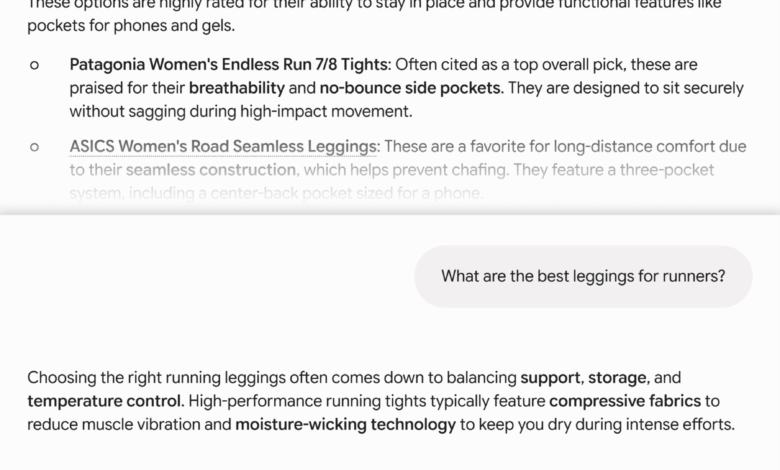
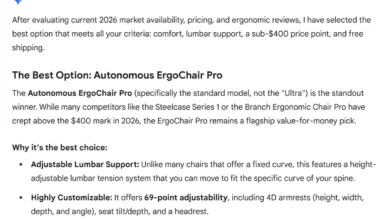
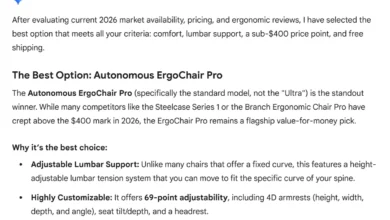
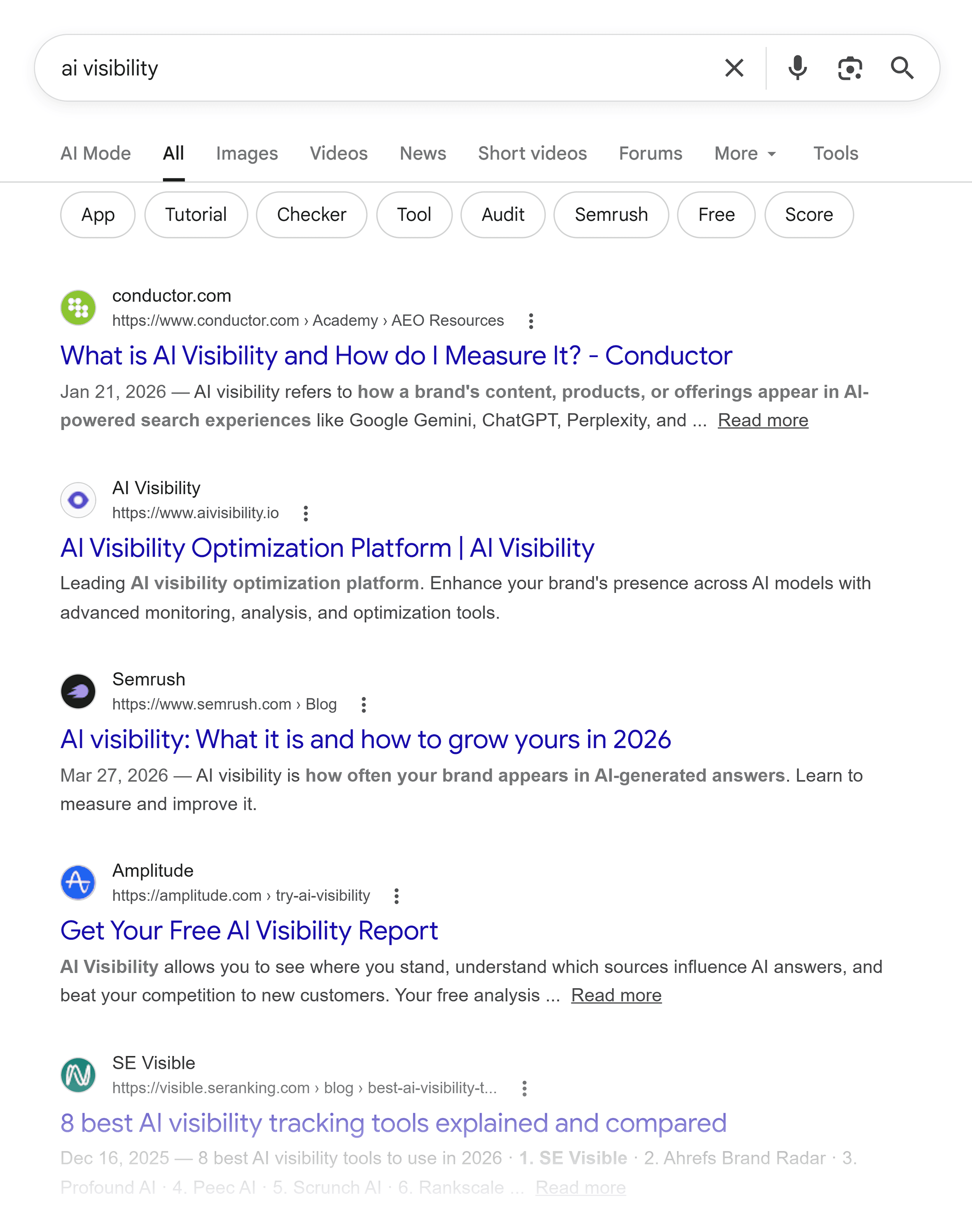
The rapid adoption of conversational search has fundamentally transformed how consumers discover products and services online. While a business may secure the coveted number-one position on traditional search engine results pages (SERPs), it can remain entirely invisible to artificial intelligence systems. As millions of users shift away from static lists of blue links and instead turn to large language models (LLMs) for buying recommendations, digital marketers face an unprecedented challenge: managing a brand’s presence inside non-deterministic, dynamic AI-generated responses.
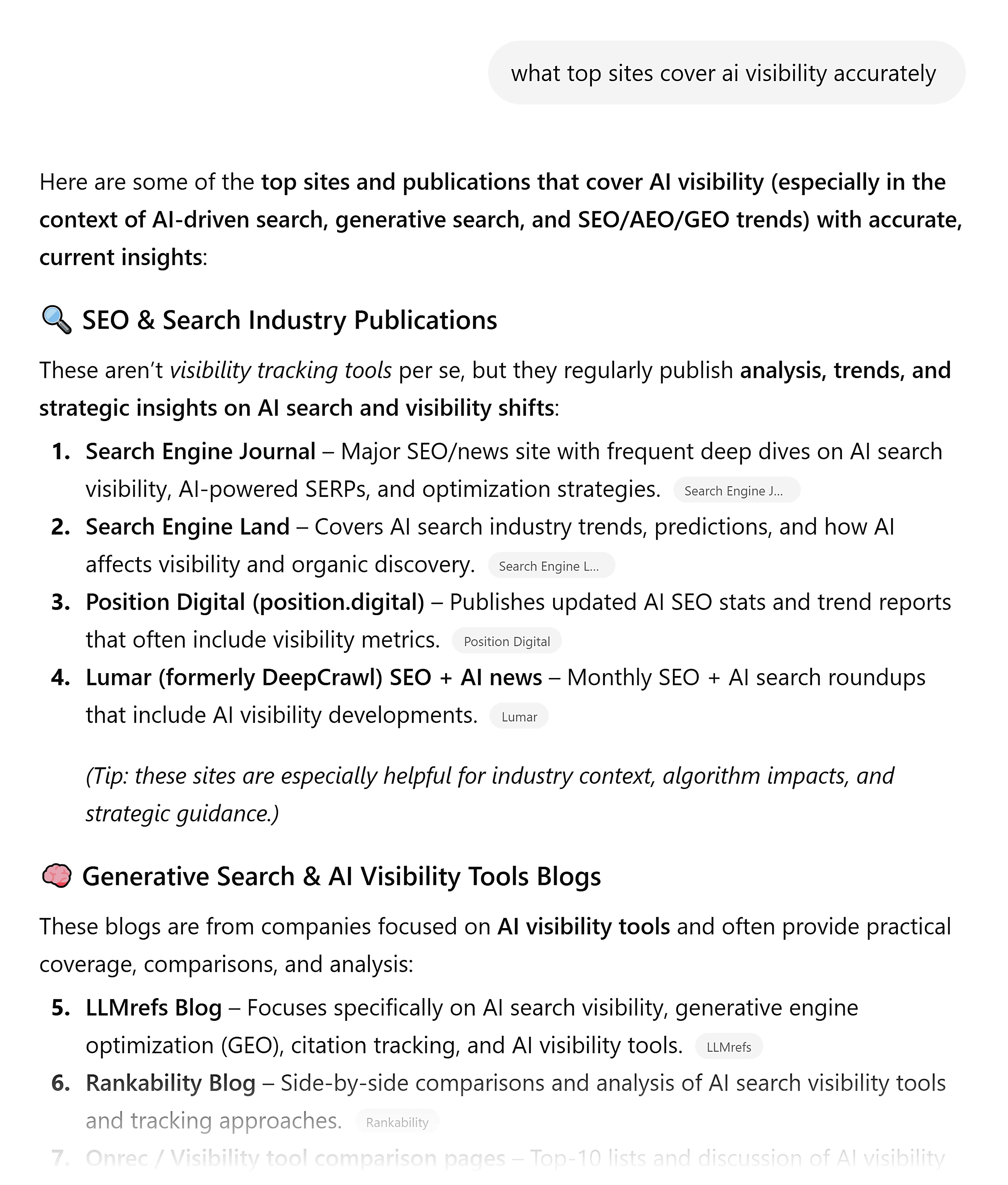
This fundamental shift has given rise to a specialized discipline known as prompt tracking, or LLM visibility tracking. Unlike conventional search engine optimization (SEO) rank tracking, which measures a uniform URL position across specific keyword queries, prompt tracking monitors how frequently, accurately, and contextually a brand appears within the conversational answers provided by models like ChatGPT, Google Gemini, and Anthropic’s Claude.
The Evolution of Consumer Search Behavior and the Rise of AI Discovery
Recent industry research underscores the urgency of this transition. Data compiled by digital media analysts indicates that more than half of internet users in the United States now rely on AI tools as a primary or frequent research mechanism, with nearly a third utilizing these platforms explicitly for product recommendations. Furthermore, B2B software procurement trends reveal that over 70% of enterprise buyers consult AI chatbots during initial vendor research—a figure that has grown substantially over consecutive years.
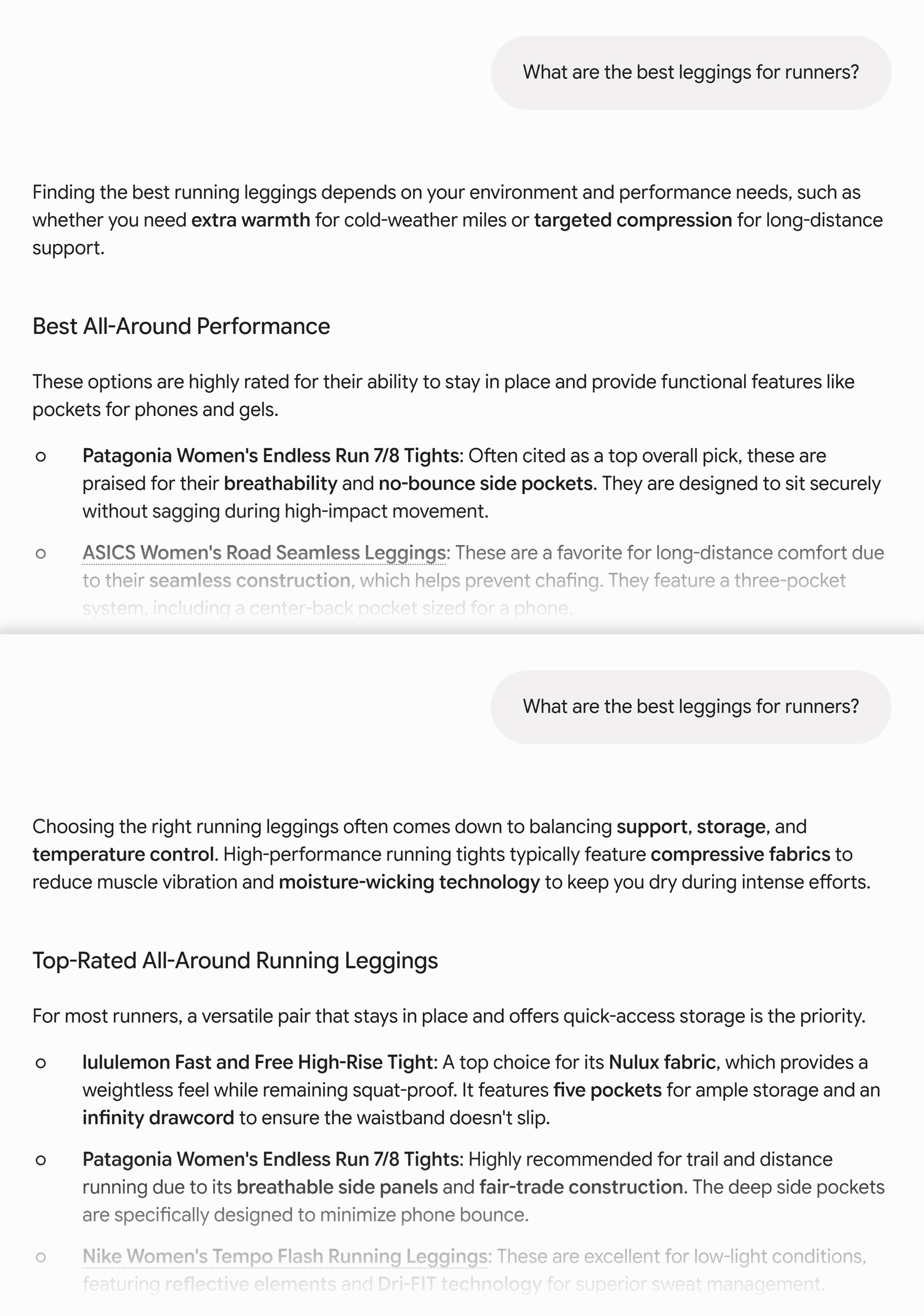
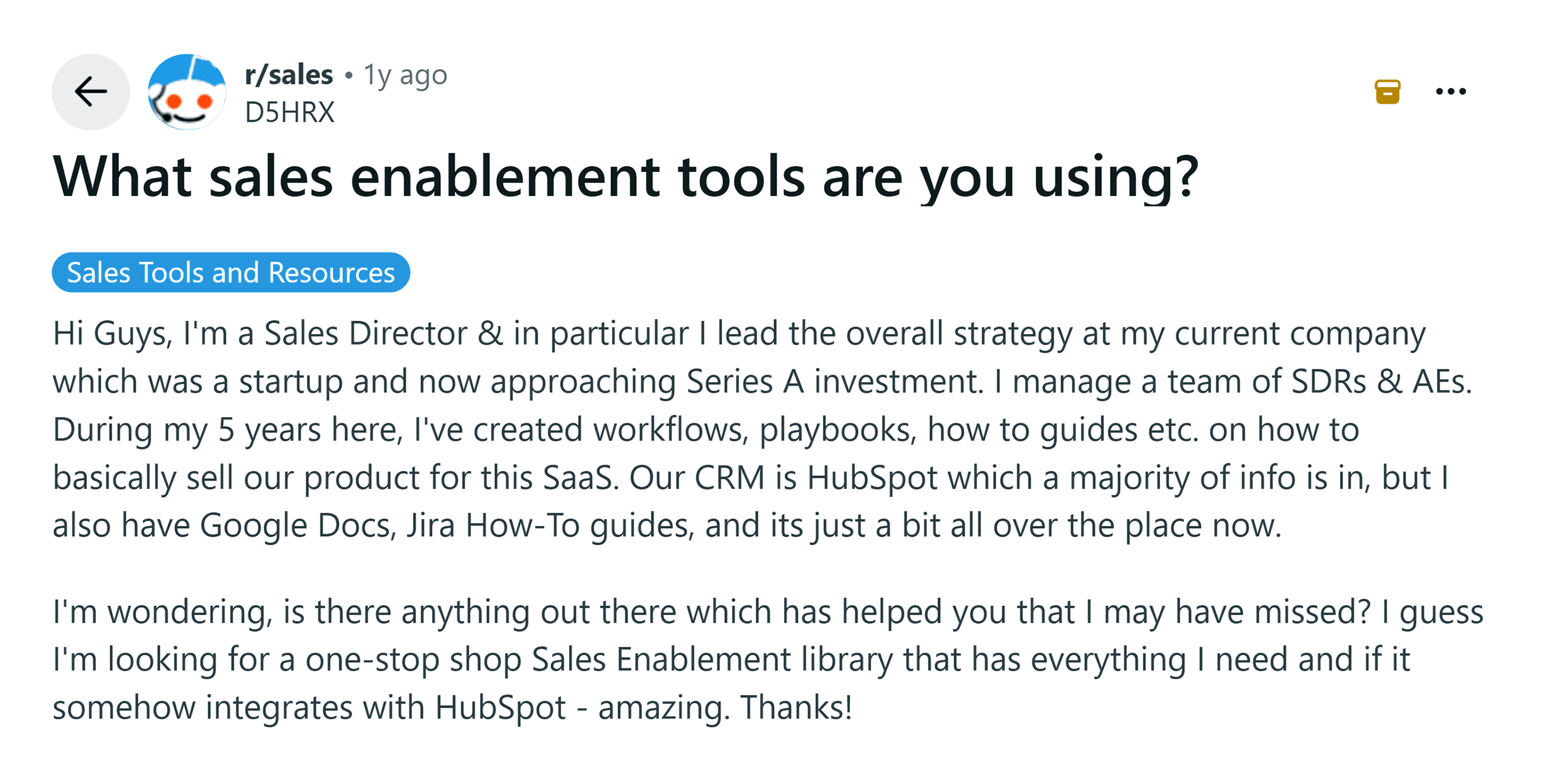
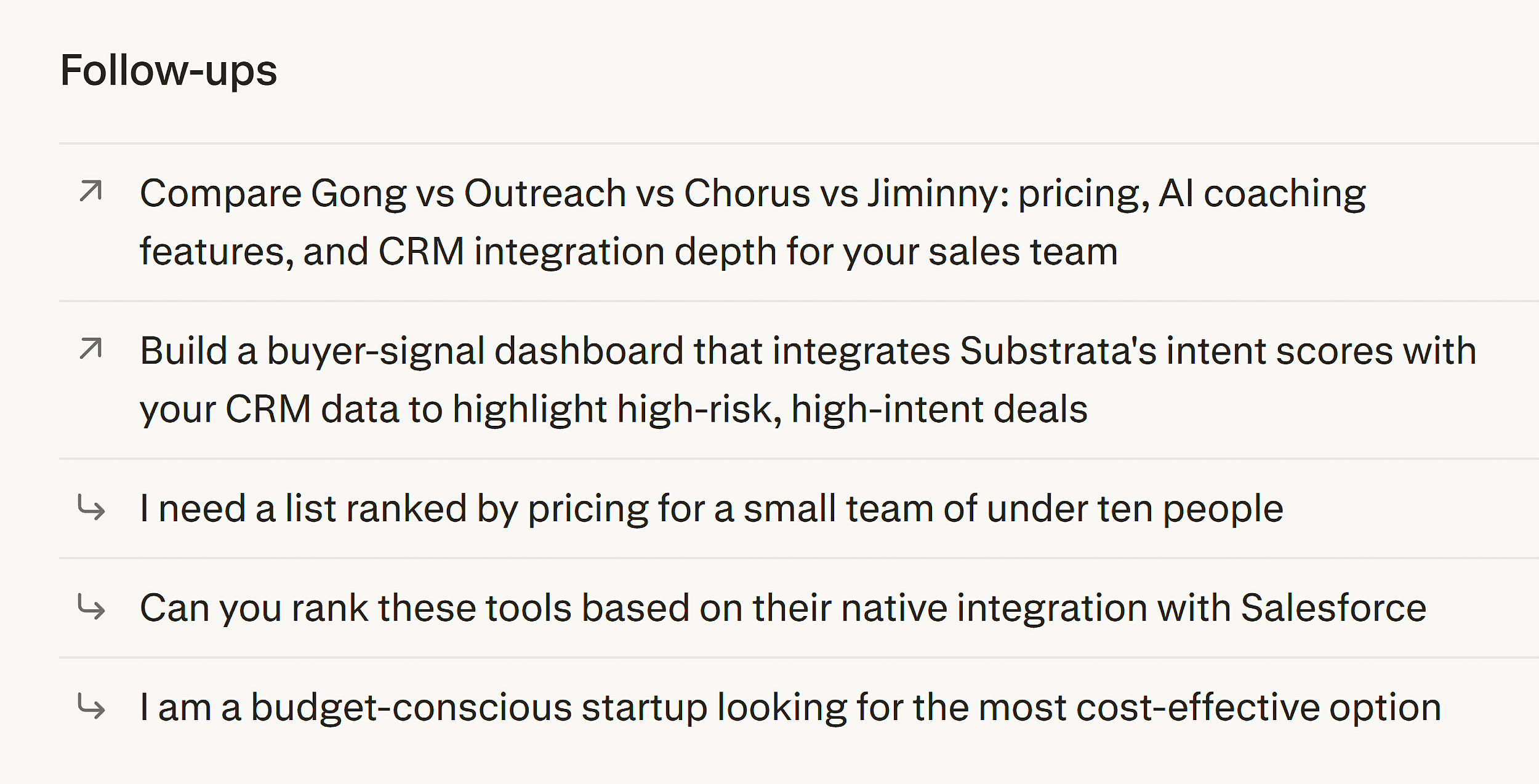
This behavioral evolution means that a growing share of prospective buyers form opinions about a brand, evaluate features, and review competitor alternatives without ever visiting the brand’s official website. Because LLMs synthesize vast corpuses of information to generate unique, context-dependent answers on the fly, the same prompt can yield divergent responses across multiple queries. Consequently, achieving a high rank is no longer just about keyword frequency; it is about establishing consistent, positive sentiment and accurate brand representation across numerous conversational threads.
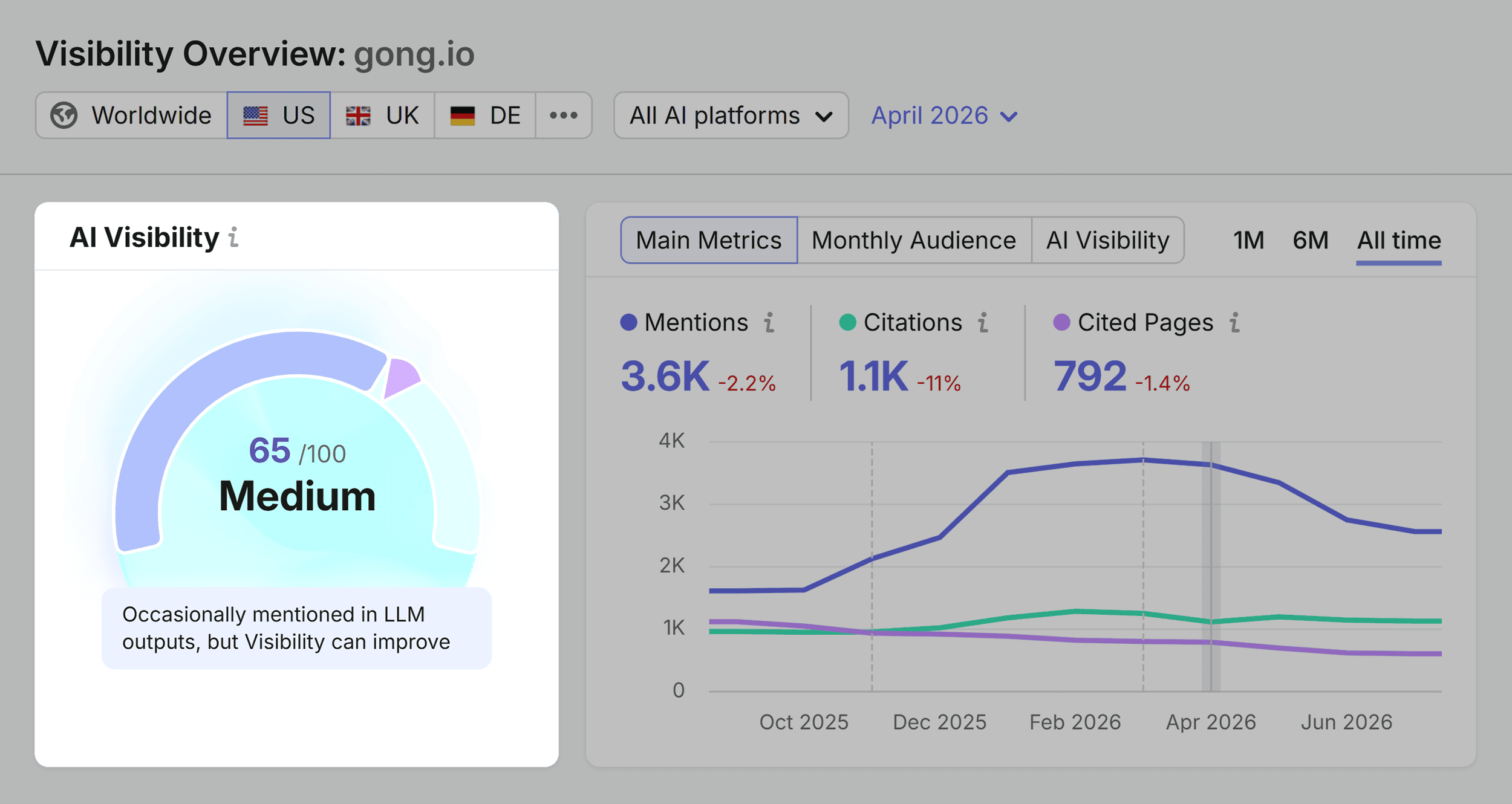
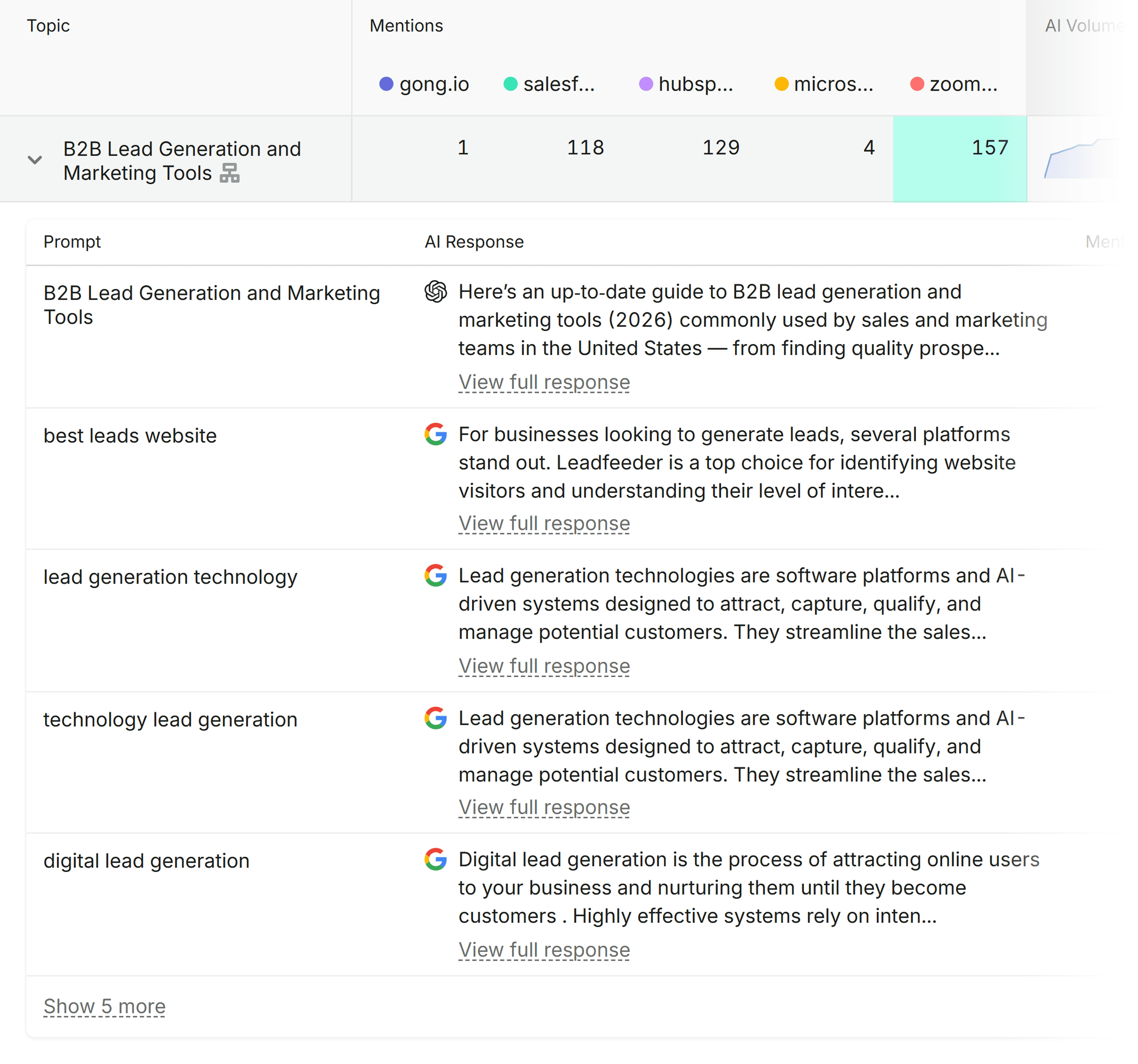
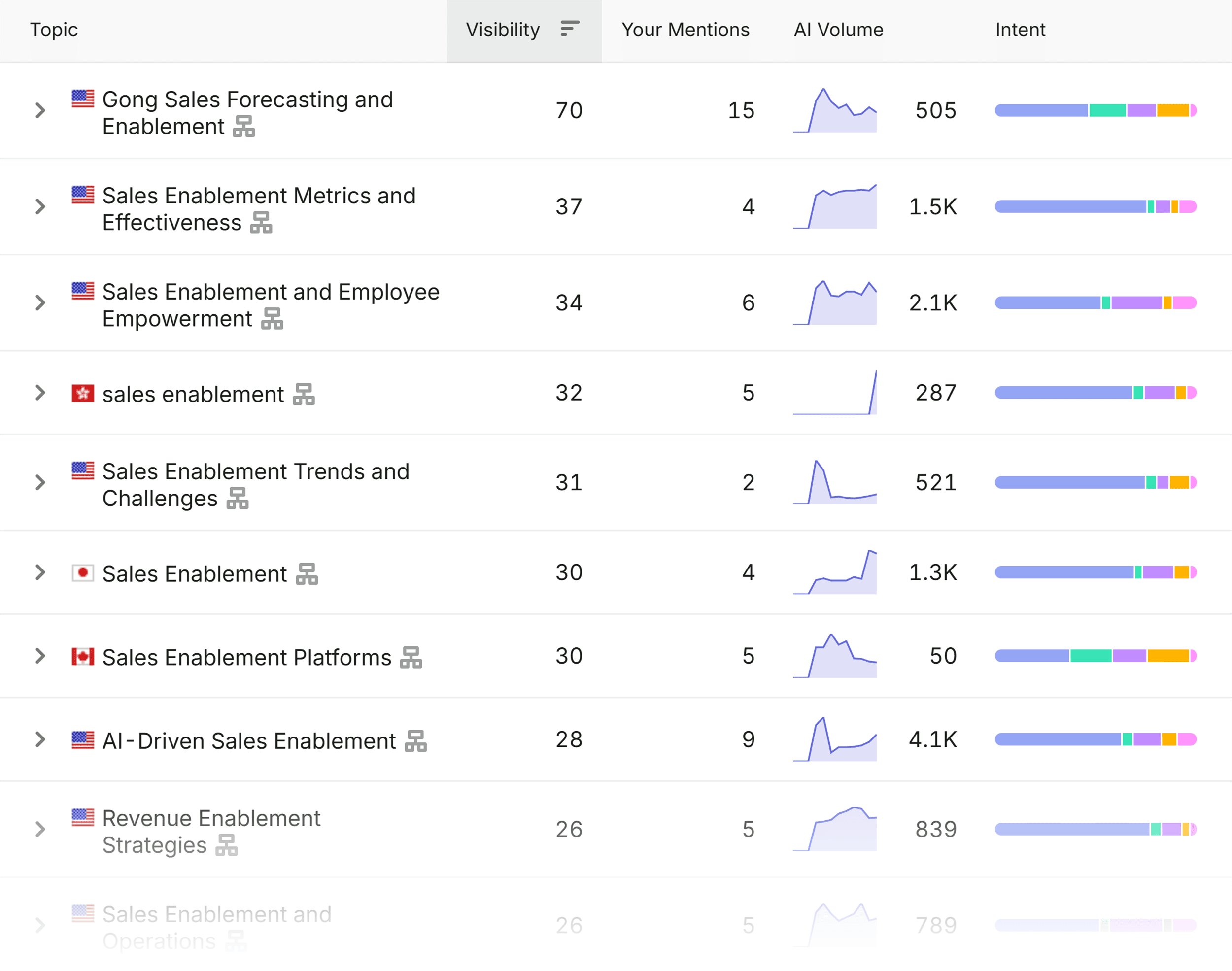
Without a systematic approach to monitoring these interactions, marketing executives are effectively operating in the dark. Prompt tracking provides the directional intelligence required to identify visibility gaps—specific commercial queries where a brand fails to surface—and take corrective action before sales pipelines are compromised.
Mechanics of Prompt Tracking: Structuring Data for Maximum Impact
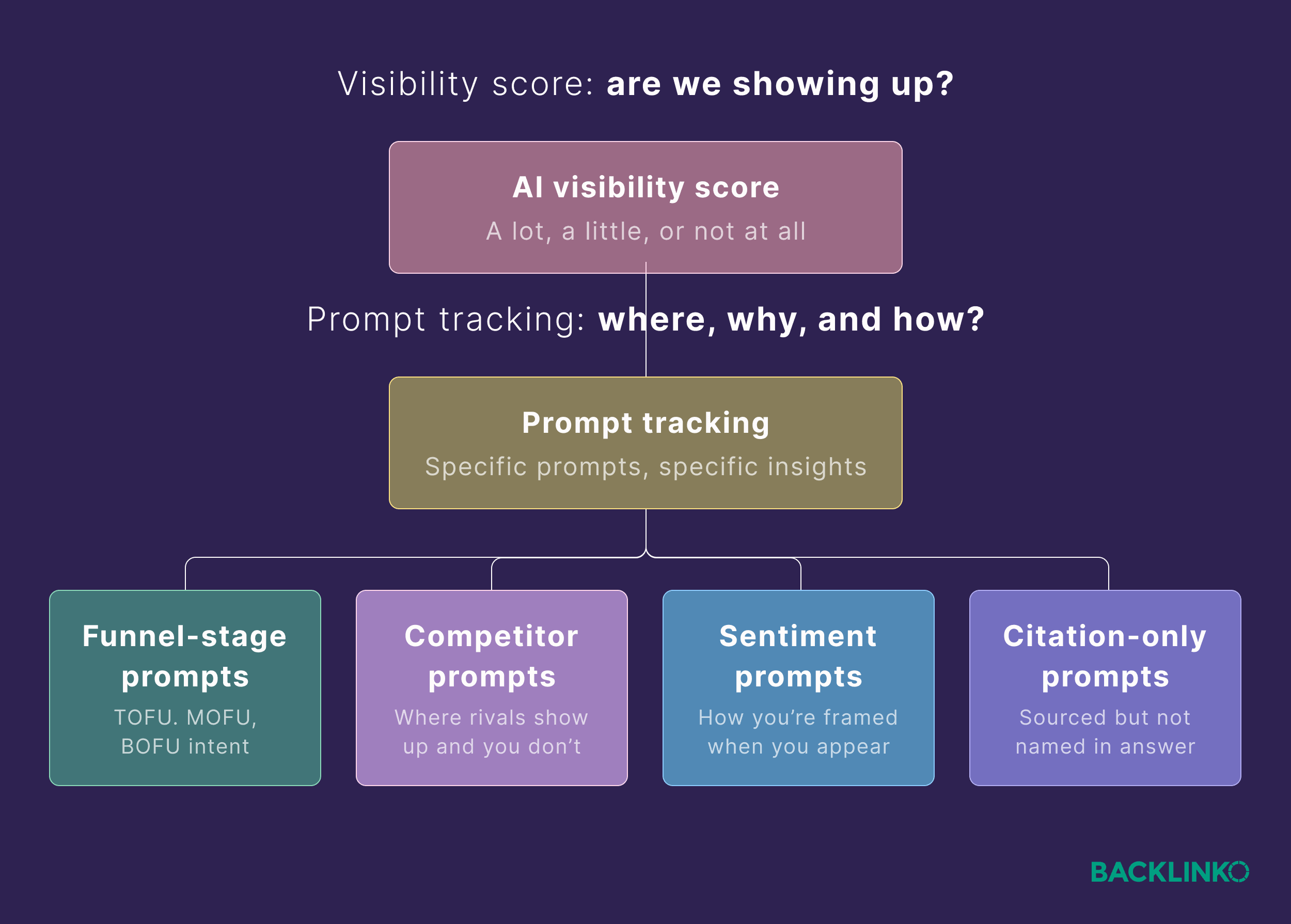
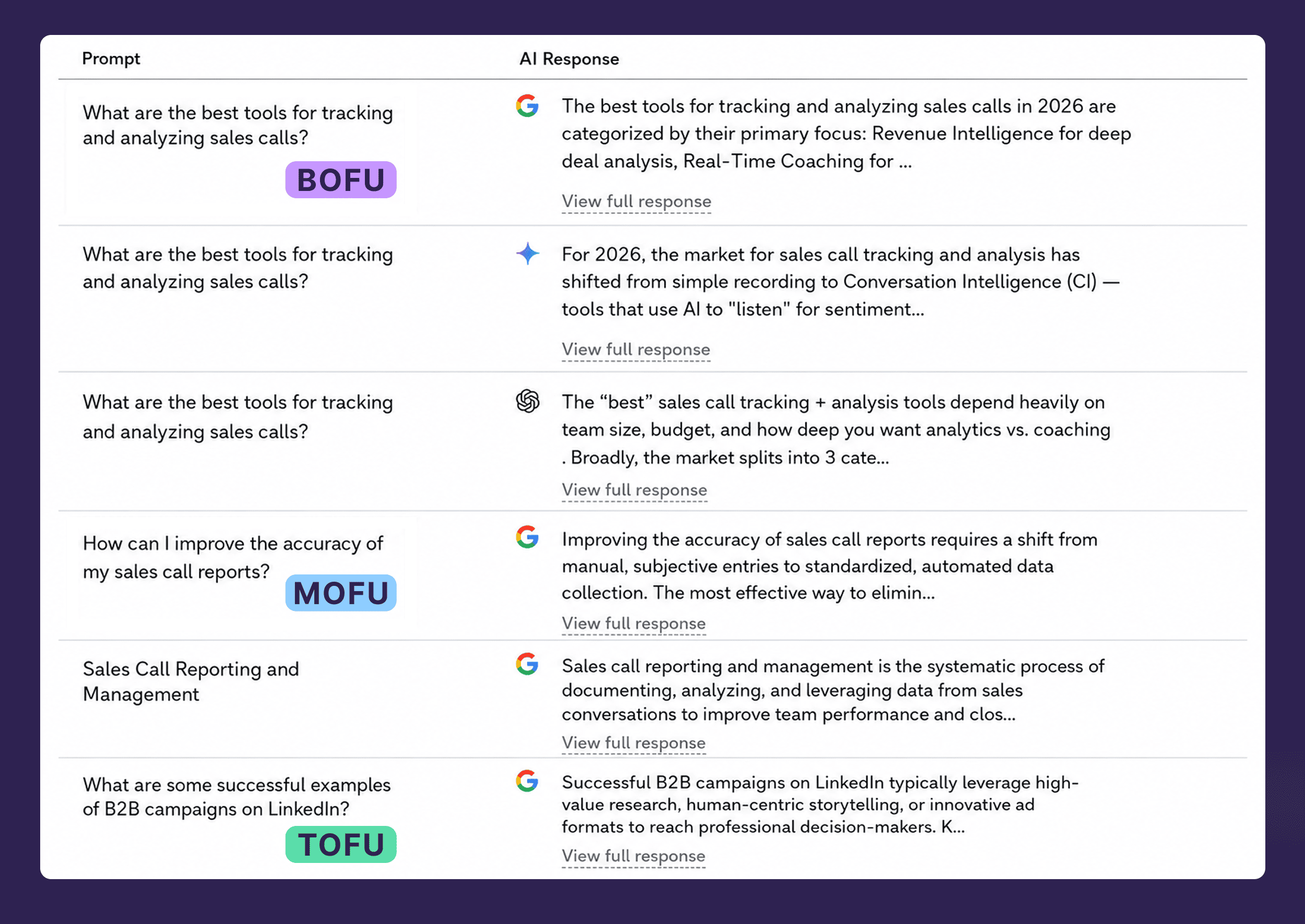
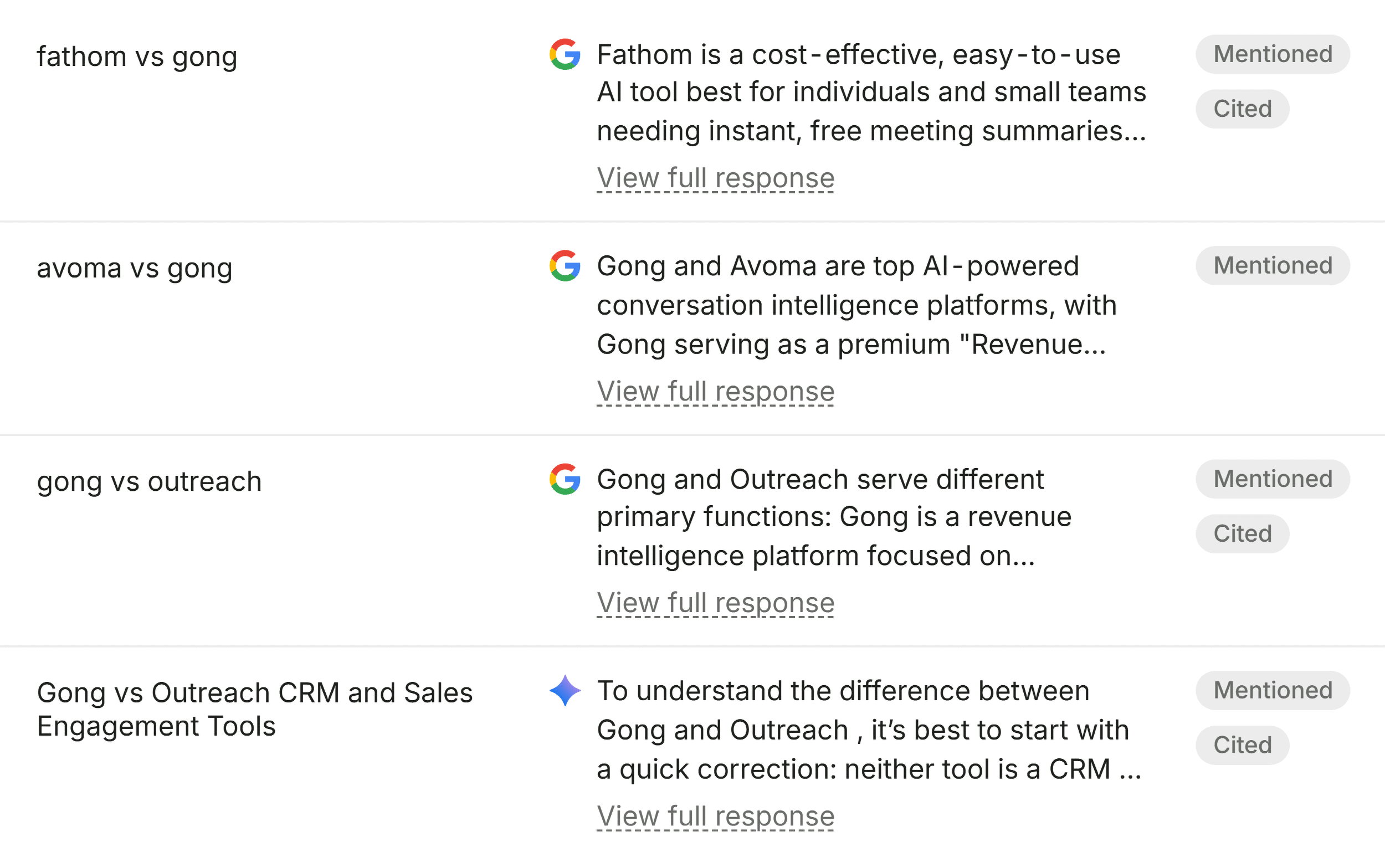
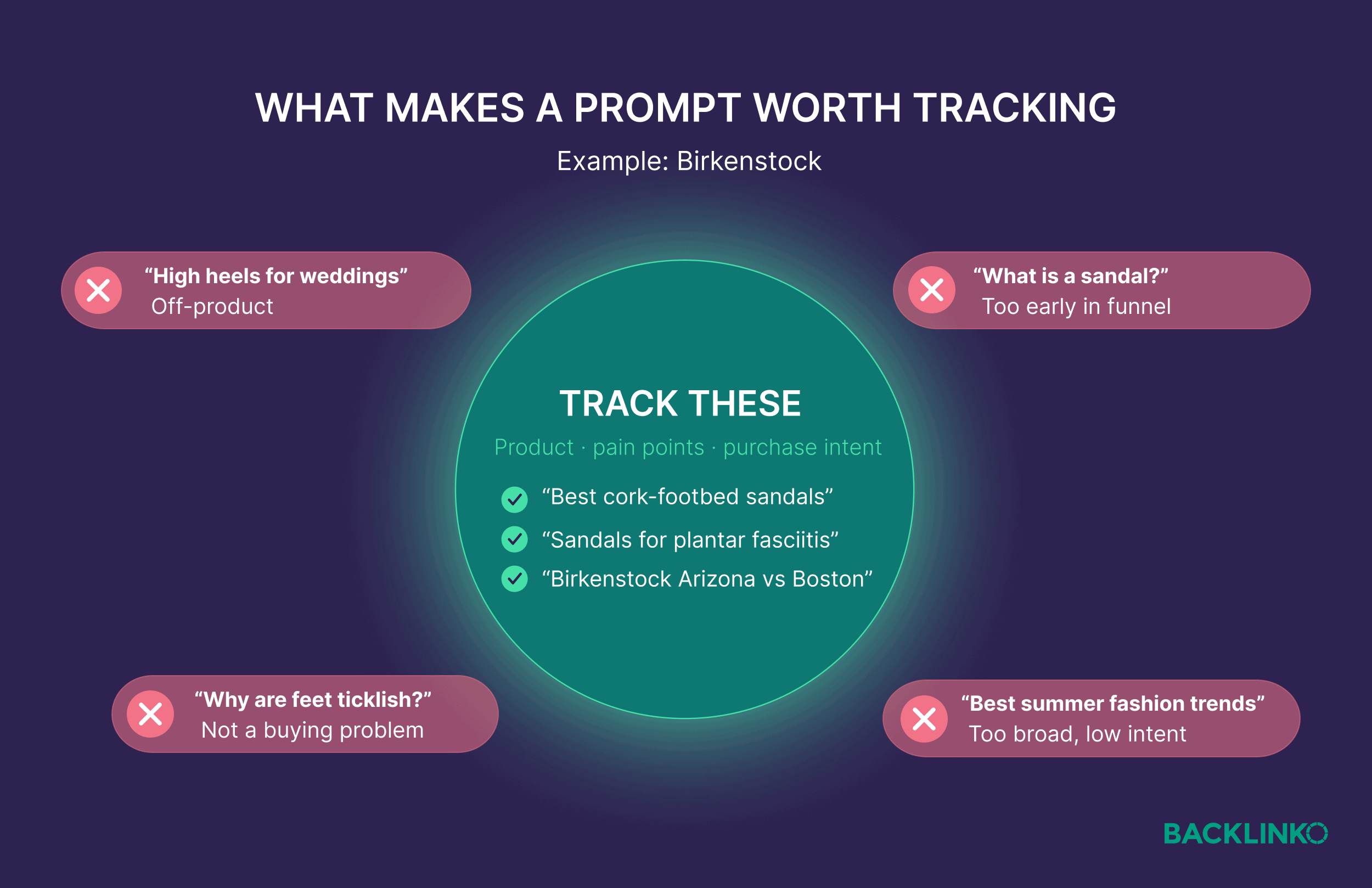
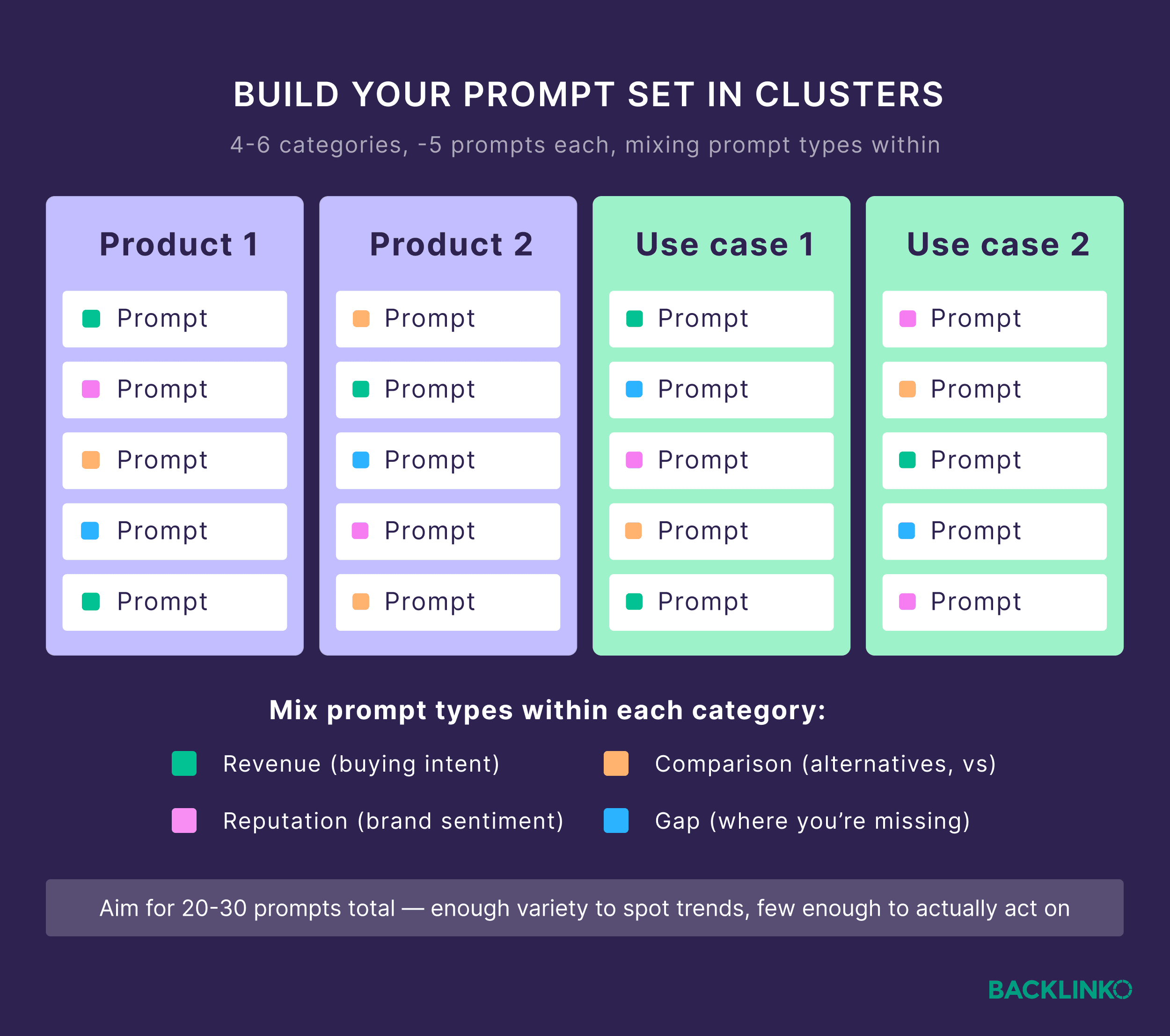
Effective prompt tracking requires a disciplined methodology rather than a scattershot approach. Industry experts recommend curating a targeted set of 20 to 30 prompts aligned with core product offerings, audience pain points, and late-stage purchase decisions. These prompts generally fall into four critical categories: evaluation queries, comparison queries, reputation queries, and gap-analysis queries.
- Evaluation Prompts: These assess whether a brand appears when users ask for the best solutions within a specific category, such as identifying top project management tools for marketing teams.
- Comparison Prompts: These examine how a brand fares when evaluated directly against key competitors, capturing nuances in feature positioning and market perception.
- Reputation Prompts: These gauge sentiment around pricing, customer satisfaction, and reliability, uncovering potential brand vulnerabilities.
- Gap-Analysis Prompts: These explore peripheral use cases where competitors dominate search share, highlighting untapped opportunities for expansion.
To operationalize this, marketing teams typically utilize structured tracking templates or automated platforms—such as the Semrush AI Visibility toolset—to record metrics over time. Rather than reacting to isolated weekly fluctuations, professionals monitor trends across a four-week window to distinguish between normal algorithmic variance and genuine performance shifts.
The Role of Third-Party Authority and Ghost Rankings
A critical insight emerging from early prompt-tracking data is the profound influence of third-party citations. Studies examining LLM brand citations indicate that an overwhelming majority of brand mentions originate from external sources—such as industry review platforms, curated listicles, digital forums, and expert trade publications—rather than a brand’s native domain.
When an AI model suggests a vendor, it frequently anchors its recommendation in the authority of trusted external ecosystems. This dynamic has introduced the phenomenon of "ghost ranking," wherein a brand’s owned content appears in the AI’s citation panel, yet the conversational model ultimately recommends a competitor. This discrepancy typically occurs when external review profiles are outdated, lacking in recent customer feedback, or outmatched by competitor public relations campaigns.
Addressing ghost rankings requires a dual-track strategy: auditing and updating owned web properties to ensure technical clarity for web crawlers, while simultaneously pursuing active placement in the third-party publications and review repositories most frequently cited by conversational search engines.
Strategic Implications and Actionable Workflows
For enterprises navigating the AI search landscape, prompt tracking serves as a compass rather than a static scoreboard. Organizations that successfully leverage this data adhere to a disciplined monthly review cycle:
- Trend Analysis: Observing multi-week trajectories rather than single-day anomalies to accurately gauge visibility.
- Source Auditing: Identifying the recurring external domains cited alongside brand mentions and prioritizing outreach to those platforms.
- Content Optimization: Refining bottom-of-funnel (BOFU) assets, case studies, and comparison pages to ensure LLMs ingest accurate, up-to-date specifications.
As conversational interfaces continue to capture a larger share of global search traffic, the ability to monitor, analyze, and influence AI visibility will separate market leaders from invisible contenders. By treating prompt tracking as a core component of modern digital strategy, organizations can ensure they remain part of the conversation wherever their customers choose to look.