The Best Time to Post on TikTok in 2026: A Data-Driven Analysis of 7.1 Million Posts

For digital creators and businesses operating in the competitive landscape of short-form video, timing remains a critical variable in the complex equation of platform visibility. While the TikTok algorithm relies on a multifaceted system of signals—ranging from user watch time to interaction depth—recent research into 7.1 million posts suggests that the hour of publication serves as a pivotal catalyst for initial engagement. By strategically aligning content release with periods of peak audience activity, creators can significantly improve the likelihood of their content being surfaced on the "For You Page" (FYP).
The importance of timing is rooted in the platform’s foundational mechanics. Upon the publication of a video, the algorithm conducts a brief trial, exposing the content to a small, initial cohort of users. The engagement metrics generated during this window—specifically likes, shares, comments, and, most importantly, video completion rates—determine whether the content is broadcast to a broader audience. Posting during a period of low user activity risks the content stagnating before it can secure these essential initial signals. Conversely, publishing during peak hours ensures that the content is immediately available to a high volume of active users, thereby maximizing the potential for rapid traction.
A Chronology of Engagement: Weekly Performance Trends
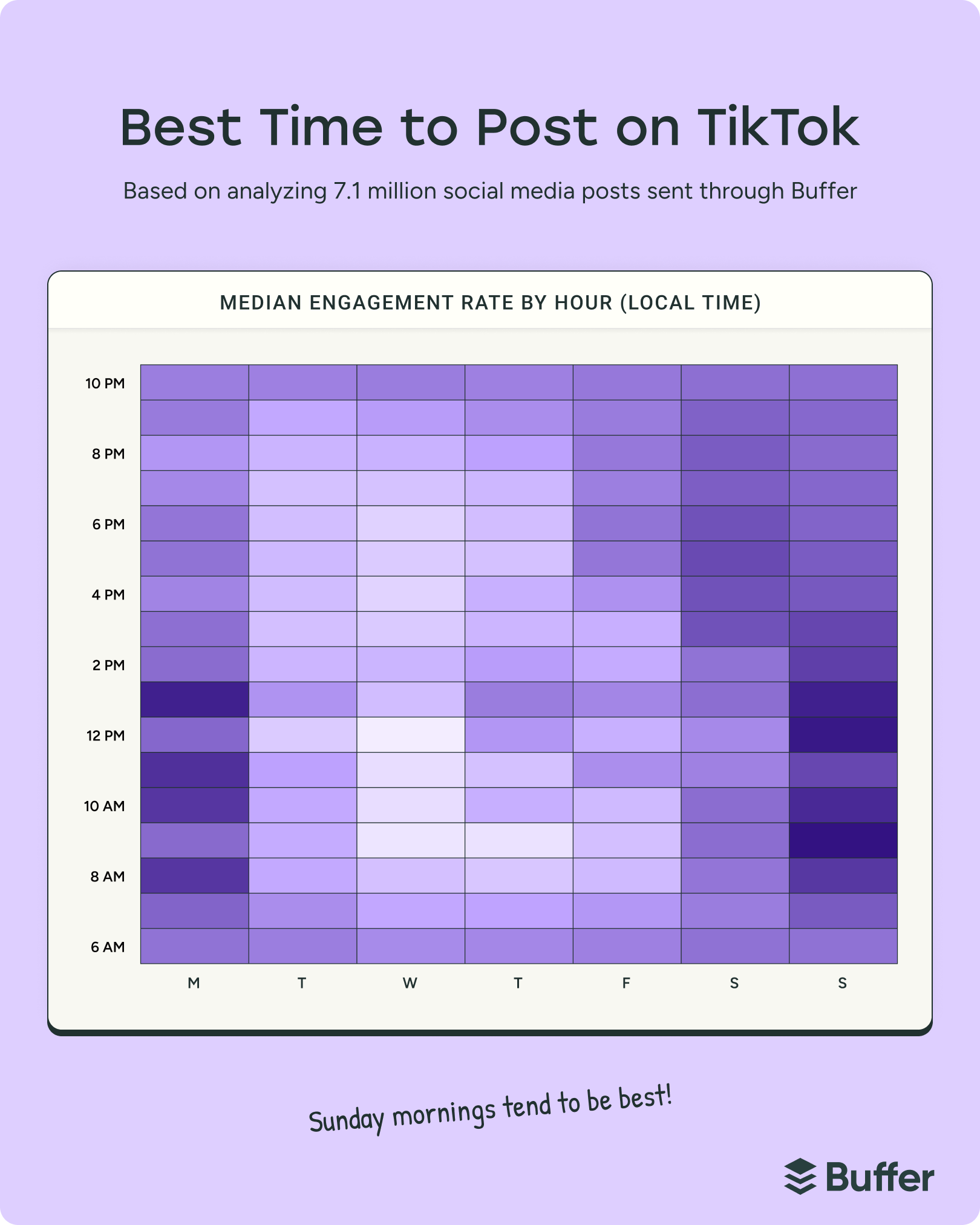
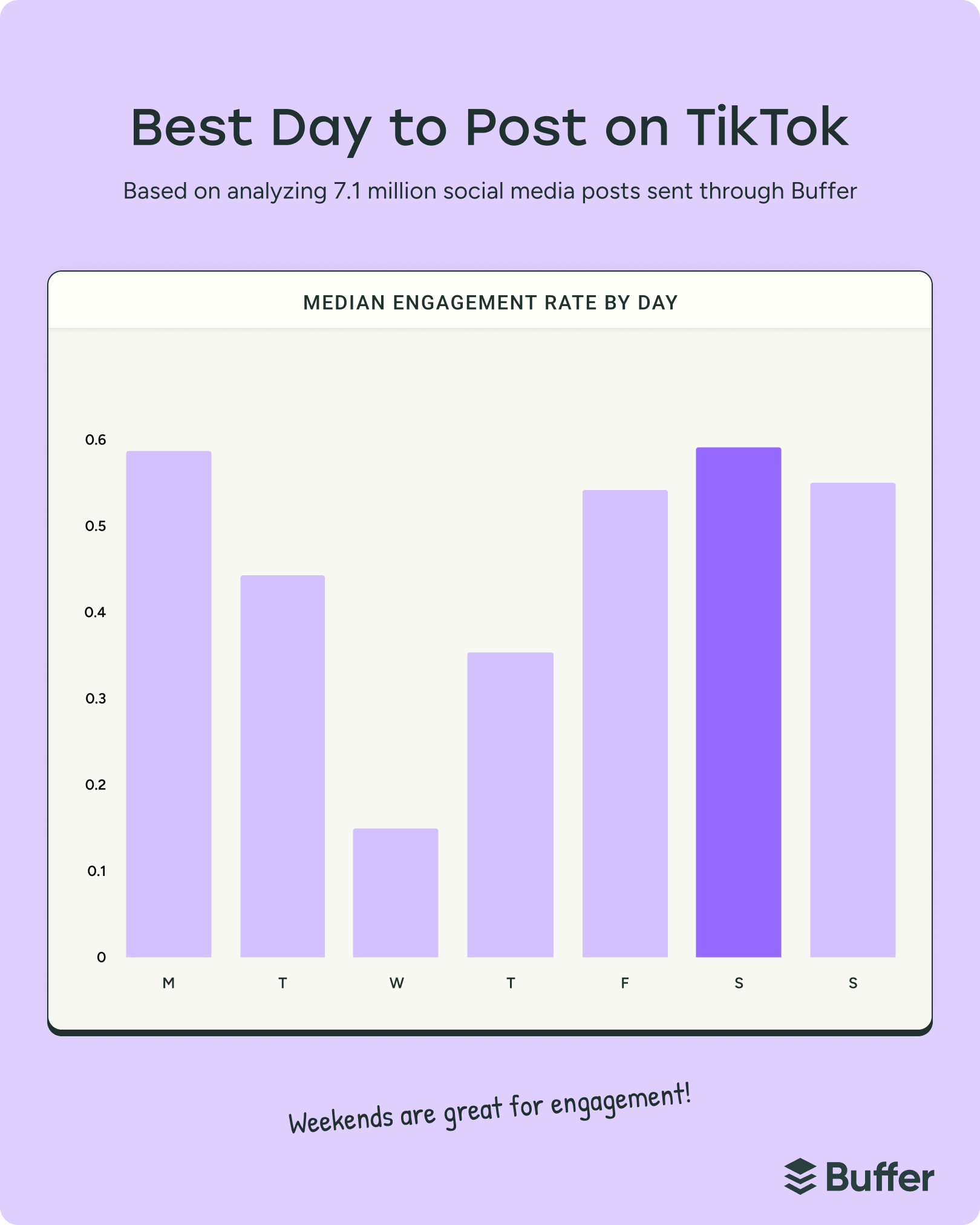
Data synthesized from millions of posts reveals that while engagement patterns fluctuate, there are definitive windows that consistently outperform others. Sunday mornings, specifically at 9 a.m., emerge as the single most effective time for publication. This trend is followed by Monday afternoons at 1 p.m. and Sunday afternoons at 1 p.m.
The following breakdown provides a daily snapshot of optimal posting windows based on median engagement rates:
- Monday: 1 p.m. (Secondary: 11 a.m., 8 a.m.)
- Tuesday: 6 a.m. (Secondary: 10 p.m., 7 a.m.)
- Wednesday: 10 p.m. (Secondary: 6 a.m., 9 p.m.)
- Thursday: 1 p.m. (Secondary: 10 p.m., 6 a.m.)
- Friday: 6 p.m. (Secondary: 10 p.m., 8 p.m.)
- Saturday: 5 p.m. (Secondary: 4 p.m., 3 p.m.)
- Sunday: 9 a.m. (Secondary: 1 p.m., 12 p.m.)
A broader analysis indicates that the weekend, particularly Saturday, stands out as the most productive period for overall content performance. This is likely attributed to the shift in consumer behavior during non-working hours, where users are more inclined to dedicate sustained, "sound-on" attention to short-form content. During the work week, engagement tends to dip during mid-afternoon hours, with a resurgence occurring in the late evening, typically between 6 p.m. and 11 p.m.
Fact-Based Analysis of Algorithmic Drivers
It is a common misconception that there is a universal "magic hour" that guarantees viral success. While the provided data offers a significant strategic advantage, the algorithm does not prioritize timestamps in isolation. Instead, timing functions as a force multiplier for high-quality content.
The fundamental metric that dictates a video’s trajectory is watch time. If a video fails to hook the viewer within the first three seconds, the likelihood of it gaining traction—regardless of the time it was posted—is marginal. The "three-second rule" remains the industry standard for measuring content efficacy; creators must prioritize strong visual or narrative hooks that compel the viewer to watch the entirety of the clip.
When a video possesses a high retention rate, the timing of its release becomes the bridge that connects the content to the algorithm’s recommendation engine. If a video is released when the majority of a creator’s audience is offline, it misses the opportunity to collect the critical "early-stage" signals required to justify a wider distribution. Therefore, professional content strategies should view timing as a foundational pillar, supporting—not replacing—the need for high-caliber production and audience-relevant subject matter.
Identifying Your Unique Audience Window
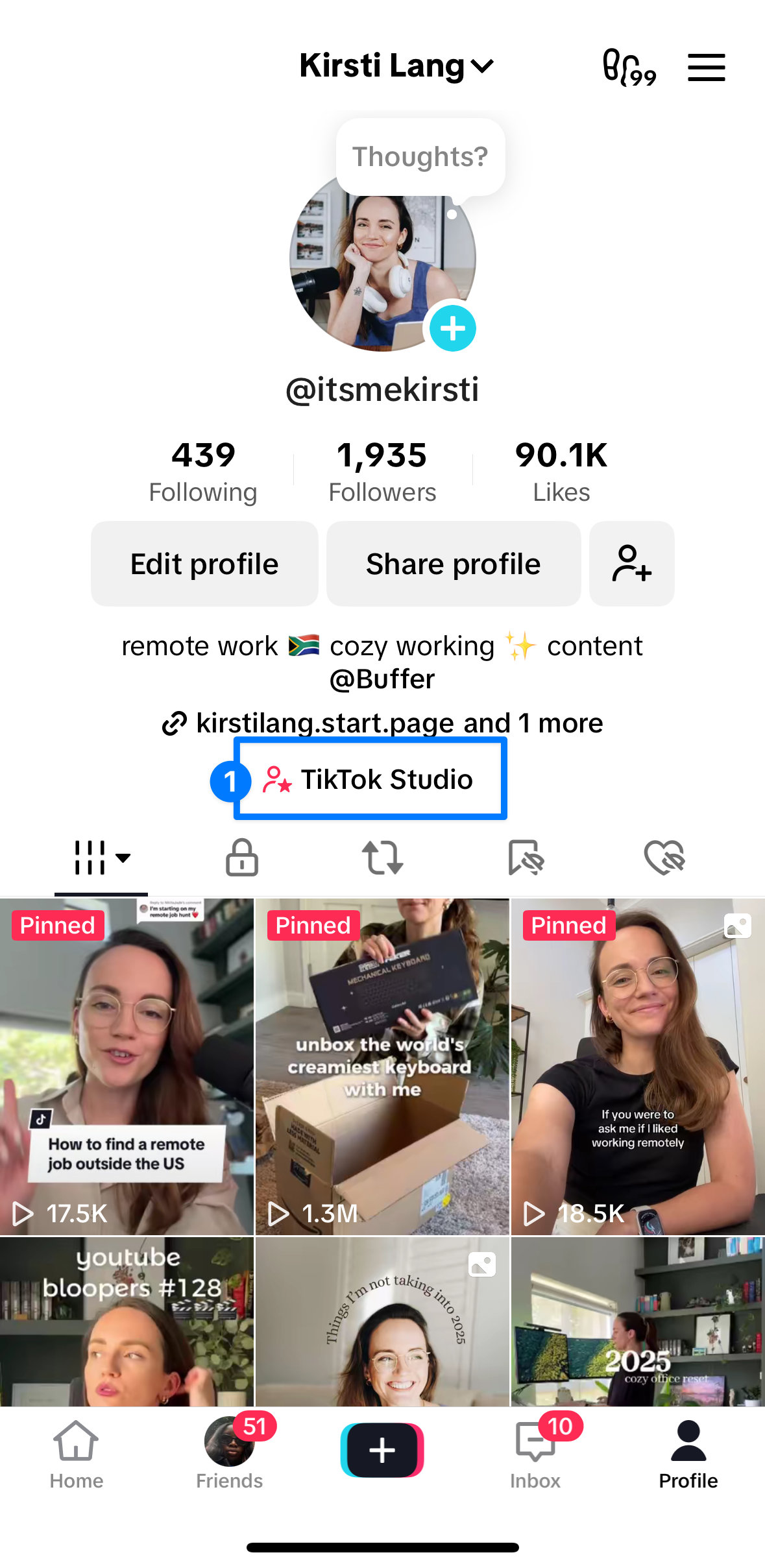
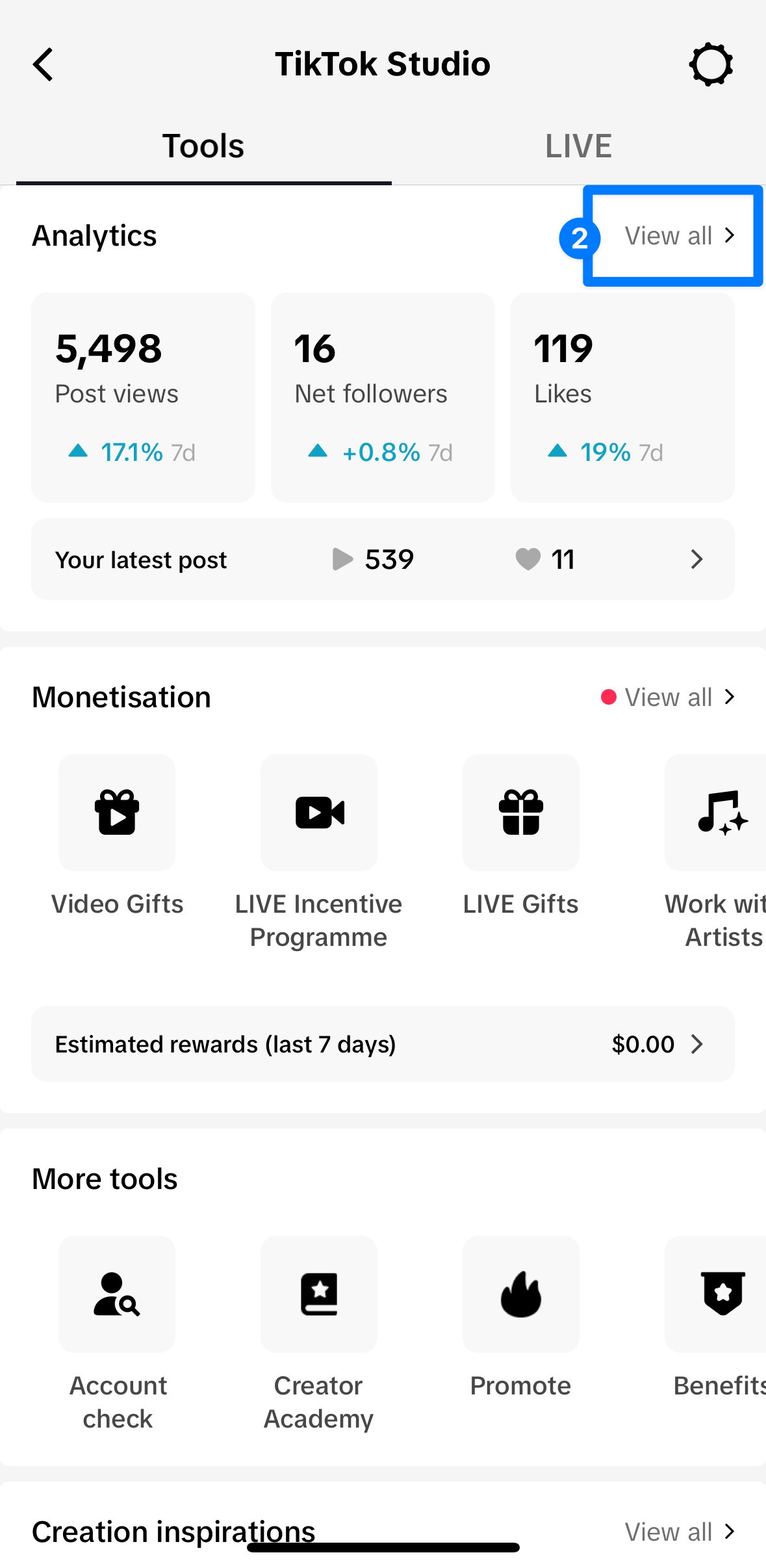
While global trends provide a reliable baseline, the most effective posting schedule is one tailored to the specific demographics of an individual account. Creators are encouraged to utilize TikTok’s native analytics suite to refine these broad findings.
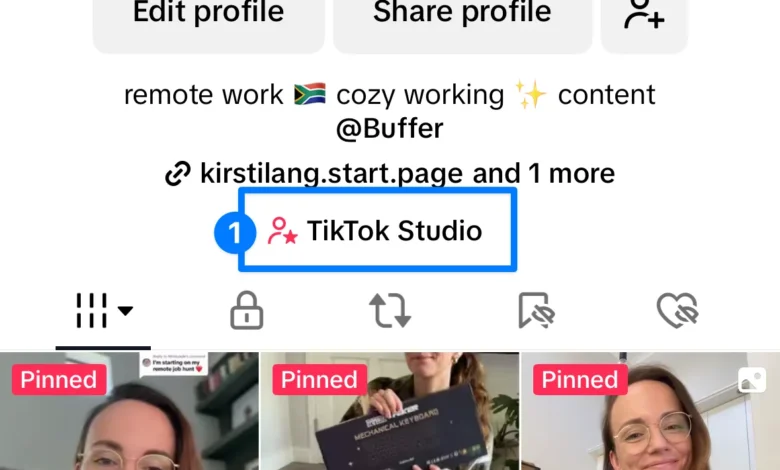
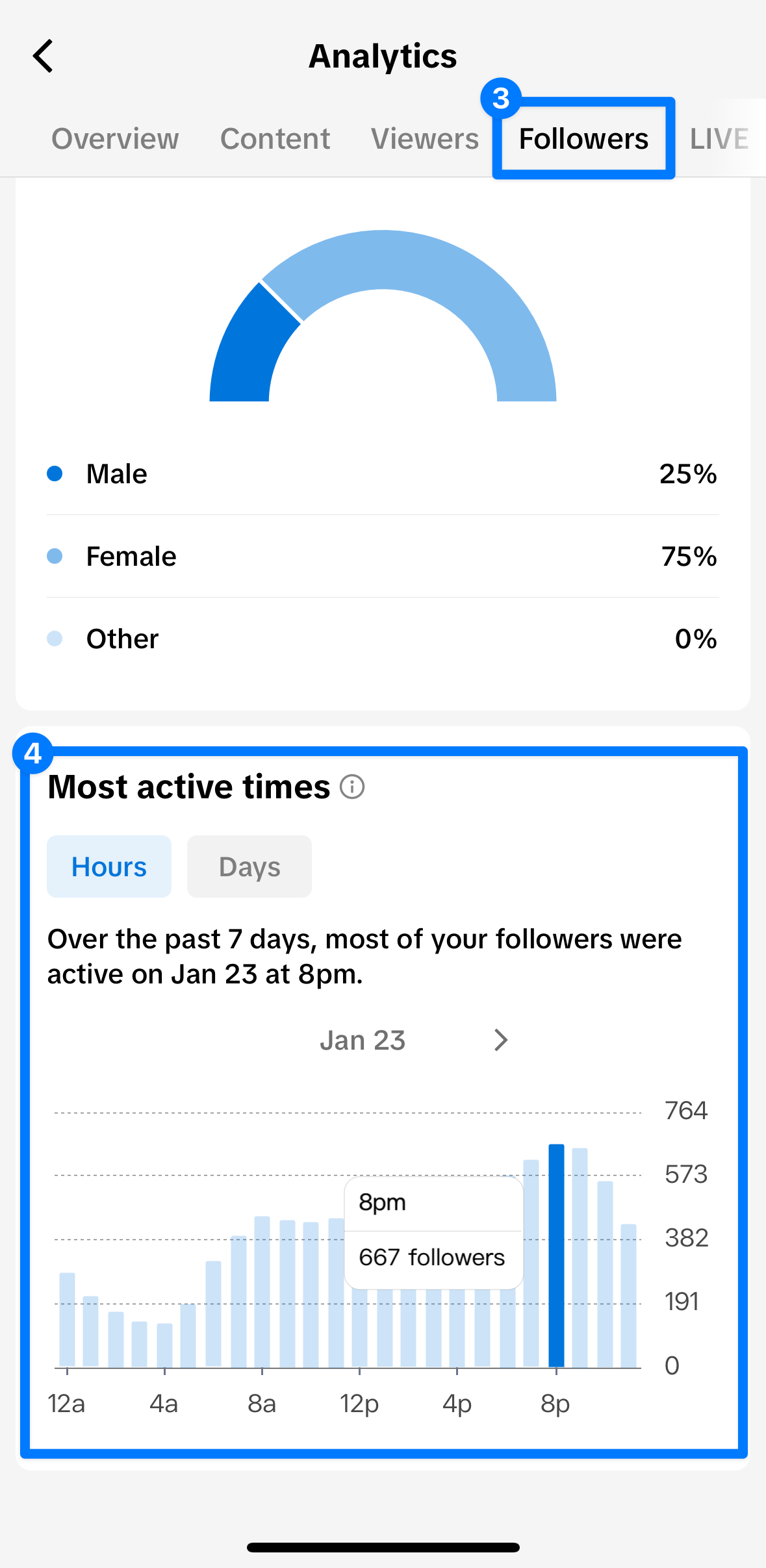
The "Followers" tab within the analytics dashboard provides a granular view of when a specific account’s audience is most active. By cross-referencing these internal metrics with the general high-performance windows, creators can identify a "sweet spot" that leverages both global behavioral trends and individual audience habits.
For creators with a geographically dispersed audience, this process is slightly more complex. In such instances, analyzing the primary time zones of the target demographic is essential. If an audience is split between two major, distinct time zones, researchers suggest targeting a "bridge" time that falls during the early evening for both groups. Alternatively, consistent posting schedules—where content is published at the same time each day—help in training an audience to expect and seek out new content, which can build long-term, loyal engagement.
Operational Strategies for Consistent Delivery
The logistical challenge of adhering to a strict, data-backed schedule can be significant for independent creators and small businesses. To mitigate the risk of burnout or inconsistent posting, the adoption of automated scheduling tools has become standard practice.
By utilizing scheduling software, creators can batch-produce content during periods of high productivity and queue it for distribution at the most optimal times identified in the data. This approach not only ensures that the account maintains a consistent presence but also removes the need for real-time management, allowing creators to focus on the qualitative aspects of their content, such as pacing, sound design, and narrative flow.
Broader Implications for the Creator Economy
The reliance on timing as a strategic lever reflects the maturation of the creator economy. As TikTok continues to evolve from a casual social app into a sophisticated discovery platform, the necessity for data-informed decision-making has grown. The shift toward favoring content that generates meaningful, long-form engagement—as evidenced by the algorithm’s focus on completion rates—has forced creators to move away from low-effort trends and toward more structured, deliberate content strategies.
Ultimately, the goal of optimizing posting times is to minimize "noise" and maximize the visibility of content. While the algorithm remains a "black box" in many respects, the patterns identified in 2026 data provide a clear path for creators to improve their odds. By combining a rigorous adherence to optimal time slots with a commitment to the three-second rule and high-retention storytelling, creators can build a sustainable, scalable presence on the platform.
Frequently Asked Questions
Does the algorithm favor specific days of the week?
While Saturday and Monday consistently show higher engagement levels in recent data, the day of the week is secondary to the quality of the content. High-performing content will generally find its audience regardless of the day, though posting on high-traffic days can provide a statistical advantage.
Is it necessary to post multiple times a day?
Consistency is more important than frequency. It is better to post one high-quality video during a verified peak engagement window than to post three or four times at sub-optimal hours.
How do I address the needs of an international audience?
If your analytics show a fragmented audience across time zones, test posting in the late afternoon or early evening of your largest demographic’s primary location. This often captures the "after-work" or "leisure" period for the majority of viewers.
What is the role of the "For You Page" in this context?
The FYP is the primary engine of discovery on TikTok. By posting at times of peak activity, you increase the initial sample size of viewers who see your video, which provides the data the algorithm needs to push your content to the wider FYP.
Should I change my strategy if a post underperforms?
Do not overreact to a single video’s performance. Trends, audio popularity, and audience interest shift rapidly. Evaluate your performance over a 30-day cycle to determine if your timing strategy is actually working, or if the issue lies in the content’s ability to retain viewer attention.
Related posts: