How Modern Brands Use Social Intelligence to Transform the Customer Experience Audit

In the contemporary digital economy, corporate leadership often relies on traditional metrics like quarterly net promoter scores (NPS), formal post-purchase surveys, and direct customer support tickets to evaluate brand health. However, a profound disconnect frequently exists between these rigid assessment channels and the reality of consumer sentiment. Modern consumers rarely articulate their everyday frictions, unmet needs, or evolving expectations through formal institutional portals. Instead, they broadcast these insights dynamically across the broader internet—in the comment sections of viral social media posts, on public review aggregators such as Yelp and Google Business Profile, within niche discussion forums like Reddit, and across influencer-driven communities.
For many customer experience (CX) teams, these fragmented digital footprints remain invisible, sequestered away from traditional customer relationship management (CRM) databases. Consequently, enterprises routinely miss early warning signs of systemic operational friction. To bridge this critical intelligence gap, progressive organizations are redefining the conventional customer experience audit by embedding social intelligence directly into the evaluation framework. This comprehensive approach ensures that brand evaluations remain rigorously grounded in real-time consumer discourse, empowering executives to triage operational deficiencies and capitalize on emerging market opportunities before competitors can react.
Anatomy of a Modern Customer Experience Audit
A customer experience audit serves as an enterprise-wide diagnostic health check, systematically reviewing every interaction point a consumer has with a brand across their entire lifecycle. Traditionally, these audits focused narrowly on owned assets—such as corporate websites, brick-and-mortar storefronts, and direct customer care queues. While these touchpoints remain vital, modern business analysts argue that a holistic audit must look outward, capturing the vast ecosystem of unowned digital interactions that shape brand perception long before a purchase is ever finalized.
The modern CX audit evaluates how seamlessly different organizational departments—ranging from marketing and public relations to product development and front-line customer care—collaborate to deliver a unified brand promise. By examining both direct feedback and indirect social conversations, leadership teams can identify operational silos, resolve friction points between divergent digital channels, and align internal key performance indicators (KPIs) with shifting consumer realities.

Establishing a Rigorous Five-Step Audit Framework
To extract actionable intelligence from unstructured data, organizations must execute customer experience audits through a structured, highly methodical framework. Industry best practices suggest a sequential five-phase progression that moves from initial strategic alignment to continuous operational iteration.
- Strategic Alignment and Parameter Setting
Before data extraction begins, cross-functional stakeholders must establish clear audit boundaries. Customer experience rarely falls under the purview of a single department; therefore, effective audits require assembling a multidisciplinary task force comprising representatives from customer care, data analytics, public relations, social media management, and product design. Each department brings a distinct perspective capable of spotting organizational blind spots that others might overlook.
During this foundational phase, leadership must explicitly define audit objectives and scope. Whether the primary goal is diagnosing why digital cart abandonment rates spike following social media ad clicks, reducing response times for digital inquiries, or standardizing cross-channel brand messaging, objectives must be tied directly to measurable business outcomes. Furthermore, defining a precise scope—such as focusing on a single high-priority demographic cohort or examining a notoriously frictionless stage of the sales funnel—prevents the audit from expanding uncontrollably.
- Comprehensive Touchpoint Mapping Across the Lifecycle
Consumer journeys rarely follow linear, predictable trajectories. Modern buyers fluidly transition between search engines, social media platforms, third-party review sites, and direct messaging applications when discovering products, evaluating competitors, and seeking post-purchase support. Mapping these complex pathways requires looking far beyond owned media properties.
Auditors must ingest data from direct-to-consumer touchpoints—including DMs, chatbots, and automated email sequences—alongside organic social media mentions, customer-generated video content, and web traffic originating from social platforms. Additionally, the audit scope should widen to encompass public review forums, independent media coverage, and specialized discussion communities where brand sentiment organically manifests. Utilizing advanced centralized software solutions allows organizations to aggregate these disparate data streams into a single analytical workflow, correlating real-time social conversations with enterprise CRM profiles and business intelligence tools.
- Diagnosing Pain Points Through Advanced Social Intelligence
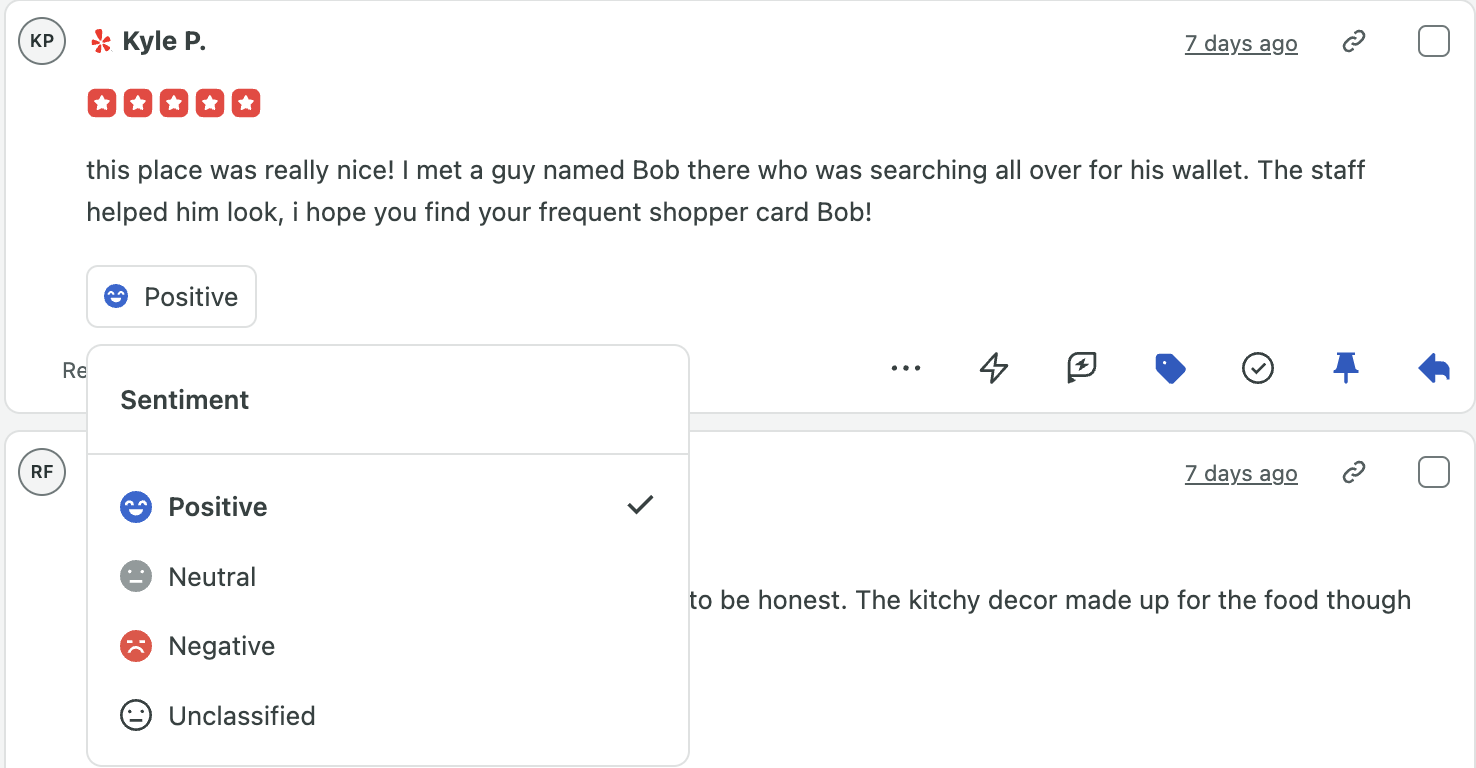
Once the customer journey is fully mapped, the diagnostic phase begins. Social intelligence tools allow analysts to evaluate audience sentiment at granular touchpoints throughout the lifecycle. A sudden localized drop in consumer sentiment surrounding a product release or a measurable surge in negative sentiment within customer care queues serves as an immediate flare indicating an underlying operational failure.
By deploying sophisticated sentiment classification models and predictive media intelligence engines, businesses can automatically categorize incoming reviews and social messages by emotional tone. This capability enables analytical teams to isolate systemic issues—such as ambiguous product launch instructions or inadequate delivery expectations—well before they manifest as widespread customer churn. Furthermore, competitive analysis templates allow organizations to benchmark their share of voice and sentiment metrics directly against key market rivals, revealing whitespace opportunities where the brand can differentiate itself.
- Formulating and Prioritizing an Actionable Strategic Plan
An exhaustive audit invariably uncovers more operational vulnerabilities than an enterprise can resolve simultaneously. Consequently, leadership must prioritize interventions based on potential impact and resource availability. Teams must zero in on high-friction conversation patterns that plague the largest segments of the consumer base, translating qualitative insights into concrete directives for the departments best positioned to execute fixes.
Leading global brands have increasingly leveraged social intelligence not just for defensive problem-solving, but for proactive product and campaign development. For example, multinational consumer goods corporations have successfully monitored organic, community-driven "beauty hacks" circulating on short-form video platforms, rapidly transforming verified consumer-generated use cases into commercially viable product lines that sell out within minutes of launch. This agile translation of social conversation into product innovation highlights the immense return on investment achievable when social intelligence directly informs corporate strategy.
- Establishing Baselines, Benchmarks, and Continuous Iteration
A customer experience audit is not a static one-time corporate exercise, but rather a snapshot of a perpetually evolving digital ecosystem. Consumer expectations shift rapidly, meaning new operational friction points can emerge shortly after previous issues are remediated. To maintain a competitive edge, organizations must establish quantitative baselines during the audit phase—such as average social care response times or overall brand sentiment scores—and rigorously track progress against those metrics over time.
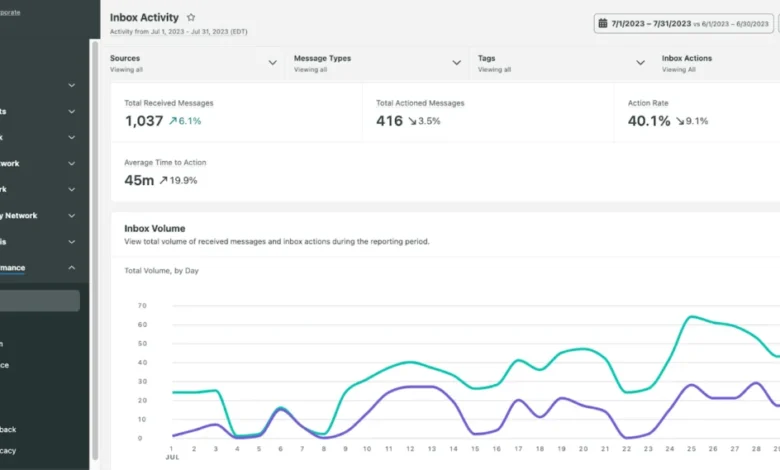
By operationalizing regular CX check-ins and embedding insights directly into daily departmental workflows, enterprises can ensure that cross-functional teams remain responsive to real-time consumer needs. When support desks utilize activity reports to identify temporal blind spots—such as delayed response windows during evening hours—and subsequently adjust staffing models to achieve significant decreases in resolution time, the tangible value of the audit process is fully realized.

Implications for Enterprise Leadership and Market Competitiveness
The integration of social intelligence into the modern customer experience audit represents a fundamental shift in how corporations listen to and serve their markets. As digital touchpoints multiply and consumer expectations accelerate, reliance on lagging indicators and internal data silos is no longer viable.
Organizations that successfully synthesize direct customer feedback with the vast, unstructured ocean of public social discourse position themselves to outmaneuver competitors. By transforming digital clues into structured operational improvements, enterprises can clarify confusing messaging, refine front-line support protocols, and identify high-growth market opportunities with unprecedented agility. Ultimately, mastering the modern customer experience audit ensures that brands remain permanently attuned to the voice of the consumer, turning continuous dialogue into sustained commercial success.