The release of WordPress 7.0 marks a significant pivot in the platform’s architectural philosophy, introducing a streamlined method for creating custom blocks using exclusively PHP. For nearly eight years, the Gutenberg project—the block-based editor introduced in 2018—has mandated a rigorous development workflow centered on React, Node.js, and complex build pipelines. This transition to a "PHP-first" registration model acknowledges the substantial barrier to entry that these requirements imposed on a vast ecosystem of theme developers and legacy site maintainers. By enabling the registration of blocks through a simple flag in the register_block_type function, WordPress has effectively bridged the gap between traditional theme development and the modern block-based era.
A Chronology of the Gutenberg Evolution
When WordPress 5.0 launched in December 2018, it fundamentally altered how content was created, moving from the TinyMCE classic editor to the block-based interface. This transition was, at the time, controversial and technically demanding. To build a custom block, developers were required to master React, configure Webpack or similar bundlers, and manage NPM packages. This created a bifurcated developer community: those who embraced the JavaScript-heavy "Modern WordPress" and those who remained tethered to "Classic" themes because their existing functionality was tied to PHP template files.
Between 2019 and 2025, the WordPress Core team faced mounting pressure to address the "developer experience" (DX) gap. While the block editor matured, the complexity of entry remained high. The introduction of block.json in later versions helped standardize metadata, but the underlying requirement for client-side JavaScript remained. With the arrival of WordPress 7.0, the core team has finally addressed the most persistent request from the developer community: the ability to build functional blocks without leaving the comfortable, familiar environment of PHP.
The Mechanism of Simplified Registration
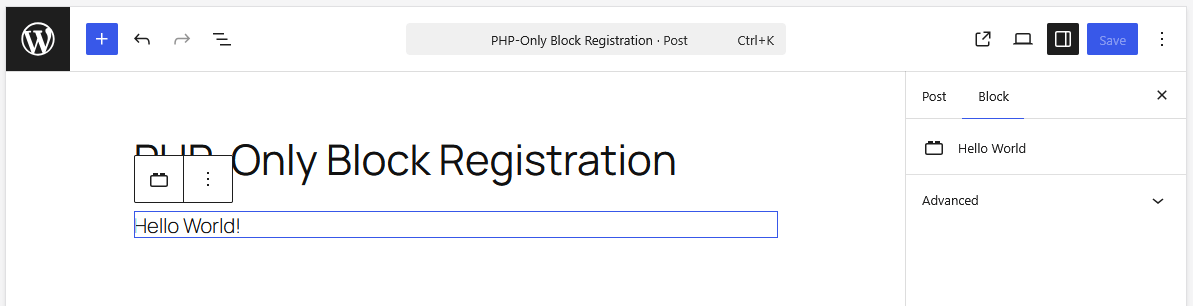
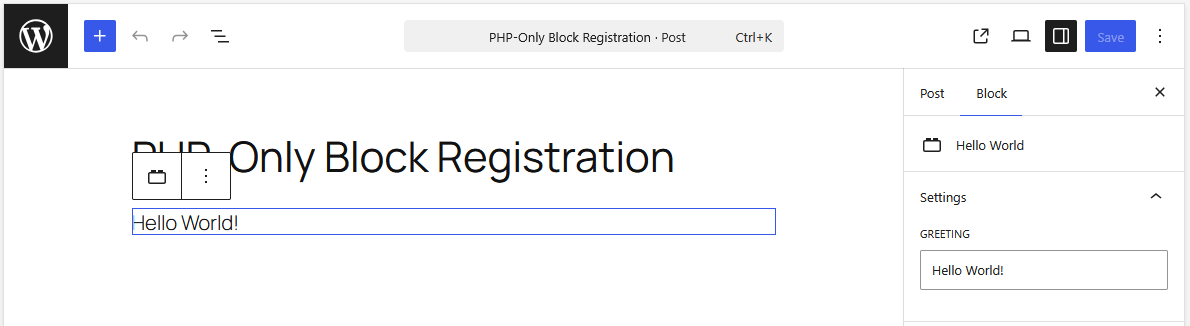
The core of this feature lies in the autoRegister flag within the supports array of the register_block_type function. By setting this value to true, developers instruct WordPress to automatically generate the necessary JavaScript hooks for the editor interface.
In a practical implementation, a developer can define a block as follows:
register_block_type(
    'my-plugin/custom-block',
    [
        'title' => 'Custom PHP Block',
        'render_callback' => function ($attributes)
            return '<div ' . get_block_wrapper_attributes() . '>Hello World!</div>';
        ,
        'supports' => [
            'autoRegister' => true,
        ],
    ]
);
This snippet renders a fully functional block in the editor without the need for a separate .js file or a compiled asset. For developers who have spent years writing custom widgets and shortcodes, this represents a return to the platform’s roots, where functionality is driven by the server rather than the browser.
Limitations and Technical Constraints
While the new feature lowers the barrier to entry, it is not a direct replacement for the full capabilities of React-based block development. The architecture of PHP-only blocks relies on server-side rendering (SSR) via the WordPress REST API. This creates specific, immutable limitations:
- Lack of In-Editor Interactivity: Because the block is rendered via the REST API, it does not exist within the editor’s primary JavaScript state. As a result, developers cannot implement "in-place" editing or complex real-time previews. If a block requires a dynamic, interactive interface—such as a live-updating map or a drag-and-drop builder—the PHP-only approach will be insufficient.
- State and Context Gaps: The REST API endpoint responsible for rendering the block preview is stateless. It does not automatically recognize the global
$postcontext, which means functions likethe_title()orget_post_meta()may fail unless the developer manually passes the post ID through custom attributes. - Data Staleness: Because the block fetches data from the database, it cannot "listen" to client-side changes in the editor. If a user modifies a post title, the PHP-rendered block will continue to display the old value until the post is saved and the editor is refreshed.
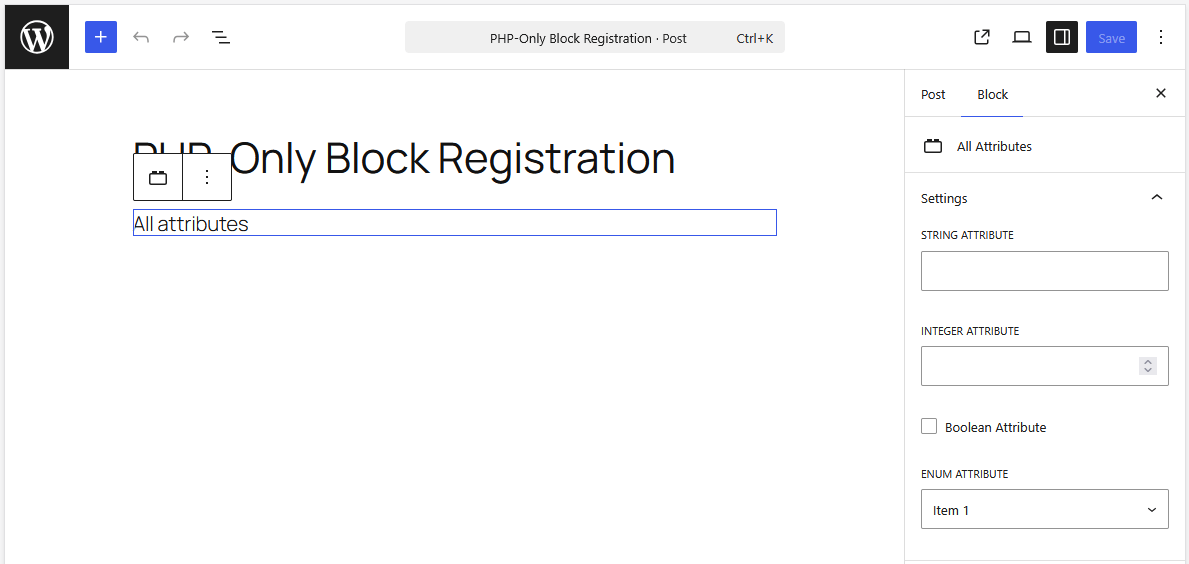
- Restricted Attribute Types: Currently, WordPress 7.0 supports only strings, numbers, and booleans. This limits the UI controls to simple inputs, checkboxes, and basic dropdowns. Advanced features like image pickers or rich text editors remain restricted to the JavaScript-based API.
Implications for Legacy Migration
Despite these constraints, the primary utility of this feature is not to replace React-based blocks, but to facilitate the migration of legacy code. Thousands of enterprise-grade sites currently rely on classic themes that cannot be easily converted to Block Themes because the cost of re-engineering legacy PHP features into JavaScript is prohibitively expensive.
By allowing these legacy components to be "wrapped" in a PHP-only block, developers can transition to a block-based architecture—gaining access to global styles, theme.json support, and site-editing capabilities—without abandoning years of backend logic. This serves as a "bridge" technology that accelerates the adoption of modern WordPress standards across the legacy web.

Analysis of the Strategic Shift
The introduction of this feature signals a strategic shift in the WordPress ecosystem. Historically, the project has focused on "future-proofing" by forcing developers to adopt modern web standards. However, the slow adoption rate of block-based themes among professional agencies suggests that the technical overhead was alienating a core segment of the user base.
Data suggests that while adoption of block-based themes has increased, the majority of the top-performing e-commerce and media sites continue to use hybrid or classic themes. By providing a "path of least resistance," the Core team is likely attempting to capture the remaining holdouts. If developers can port their legacy code to blocks in hours rather than weeks, the ecosystem-wide migration to Full Site Editing (FSE) will likely accelerate significantly over the next 18 months.

Best Practices for Implementation
For those looking to adopt this feature, several best practices have emerged to mitigate the architectural limitations:
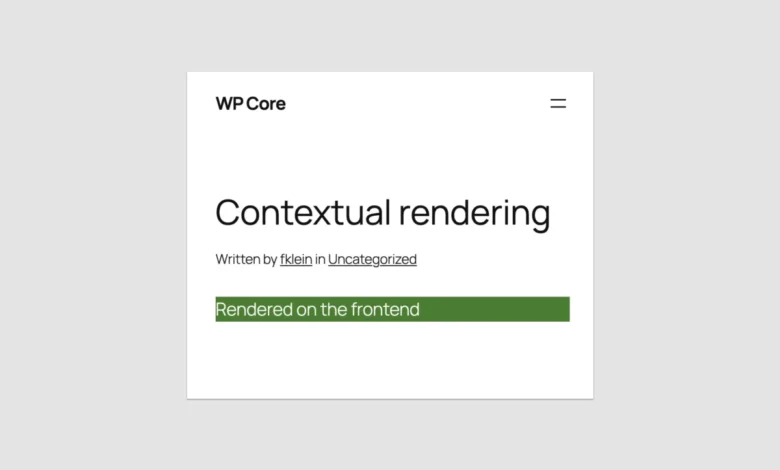
- Contextual Rendering: Use
wp_is_rest_endpoint()to detect if the block is being rendered in the editor or on the front end. This allows developers to display simplified, lightweight previews in the editor while keeping the heavy, complex rendering for the public-facing site. - The Post-ID Workaround: Since the editor does not natively provide the post ID to the REST API, developers can pass the
post_idas a local, non-editable attribute, initialized from the$_GETvariable during theinithook. While this is a stop-gap measure, it effectively enables access to post-specific metadata. - Iframed Editor Compatibility: To ensure visual consistency between the editor and the front end, developers should aim for Block API Version 3. This ensures that the editor uses an iframe, which isolates the block’s CSS and prevents conflicts with the WordPress admin interface styles.
The Future of WordPress Development
The long-term impact of this release remains to be seen. Some critics argue that it encourages "lazy" development and risks cluttering the ecosystem with non-interactive, static blocks. Others, however, see it as a democratic move that restores the power of WordPress to the generalist PHP developer.

The WordPress Core team has not indicated that this is the final word on the matter. There are ongoing discussions regarding the expansion of attribute types and improved handling of the global post context within the REST API. If these improvements are implemented in upcoming releases (7.1 or 7.2), the gap between PHP-only and React-based blocks could narrow further, potentially blurring the lines between the two approaches.
Ultimately, the wait for a PHP-centric block registration system was a calculated delay. By prioritizing the stability of the block editor first, the WordPress team ensured that the ecosystem matured around a high standard of JavaScript interaction. Now, by inviting PHP developers back into the fold, the platform is betting that the final phase of the block transition will be won not by enforcing technical orthodoxy, but by offering developers the tools that best fit their existing workflows. For thousands of legacy site owners, this transition represents a clear path forward, effectively silencing the argument that "Modern WordPress" is too difficult to implement. The tools are now in place; the migration to a fully block-based web is no longer a matter of technical capability, but one of architectural choice.