Building With, Not For: How MIT Researcher Ila Kumar is Redefining Trauma-Informed Technology Design

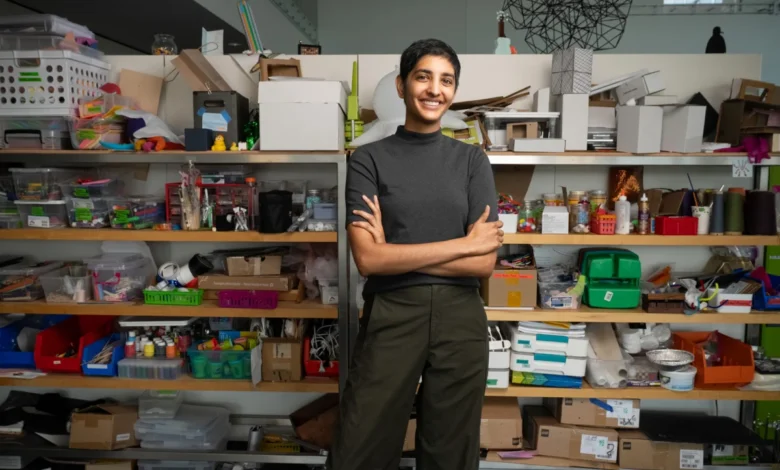
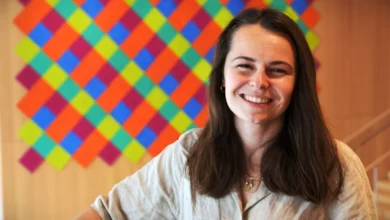
The landscape of modern technology is frequently defined by a false dichotomy: users are either encouraged to fully embrace digital platforms as vehicles for progress or warned to reject them entirely due to risks surrounding mental health, data privacy, and social isolation. For Ila Kumar, a doctoral researcher in the Lifelong Kindergarten group at the Massachusetts Institute of Technology (MIT), this binary view ignores the nuanced reality of how vulnerable populations interact with the digital world. Entering the final year of her PhD program, Kumar is spearheading a paradigm shift in how digital tools are conceptualized, developed, and integrated into social services. Her core thesis is straightforward yet revolutionary: meaningful, sustainable innovation cannot occur behind the closed doors of elite engineering labs. Instead, it requires deep, community-embedded collaboration alongside the individuals who stand to be most affected by the technology.
This philosophy of community-based design has transformed Kumar’s academic trajectory and positioned her at the forefront of a growing movement within human-computer interaction (HCI) and civic technology. By working directly with young people impacted by trauma, childhood adversity, and the foster care system, Kumar is demonstrating that technological solutions—ranging from visual communication applications to artificial intelligence frameworks—are most effective when co-created by the very communities they serve.
The Evolution of a Researcher: From Philadelphia to the MIT Media Lab
Kumar’s journey to the MIT Media Lab was shaped by a growing disillusionment with traditional approaches to technology development. A native of Philadelphia and an alumna of the University of Pennsylvania, Kumar spent her early career working at the intersection of psychology, mental health research, and emerging technology. During this period, she contributed to several initiatives marketed under the banner of "tech for good"—applications and digital platforms designed to improve mental well-being or provide educational resources.
However, these early professional experiences left Kumar questioning the long-term viability and genuine impact of her work. She observed a recurring pattern where well-funded, technologically sophisticated tools were deployed into communities without accounting for the complex systemic barriers, cultural nuances, or daily realities of the end users. Often, these tools experienced high initial adoption rates followed by steep drop-offs in engagement, failing to yield the sustained psychological or social benefits promised by their creators.
This realization prompted a critical pivot. Rather than abandoning the technology sector, Kumar sought to fundamentally alter the methodology of design. She reasoned that if developers incorporated holistic well-being and community leadership into the foundational stages of engineering, digital tools could transcend superficial interventions and provide genuine support.
Drawn by this vision, Kumar arrived at MIT in 2021 with the initial intention of completing a terminal master’s degree within the Program in Media Arts and Sciences. Yet, upon immersing herself in the collaborative culture of the Lifelong Kindergarten research group—renowned for its child-centered approach to learning and technology—her trajectory shifted. Inspired by the depth of the challenges and the potential for real-world application, Kumar chose to extend her studies, embarking on a doctoral path that has spanned nearly six years.
Chronology of Innovation: Co-Designing for the Child Welfare System
Over the course of her doctoral research, Kumar’s methodology has evolved from participatory observation to active, co-creative software development. Her projects directly address the systemic gaps within the United States child welfare system, a sector historically characterized by high staff turnover, bureaucratic rigidity, and limited digital infrastructure.
The timeline of Kumar’s doctoral interventions highlights a methodical approach to community-engaged design:
- 2021: Kumar enters MIT, initially focusing on master’s-level coursework while evaluating the limitations of traditional mental health software.
- 2022: Transitioning to her PhD, she initiates partnerships with regional care organizations to examine how digital platforms can better serve youth navigating foster care and systemic trauma.
- 2023: Collaborating with advocacy groups such as Stepping Forward LA, Kumar contributes to the development of alternative communication tools. Recognizing that traditional text-based messaging can be intimidating or inadequate for youth processing severe trauma, her team develops a visual collage system. This platform allows young people to express complex emotional states through imagery, fostering peer connection and mitigating feelings of isolation.
- 2024: Kumar co-facilitates a 10-month technology leadership circle in partnership with Foster America. The initiative brings together technology experts and individuals with lived experience in the foster care system. The project underscores a vital institutional insight: designing effective tools requires not only listening to youth but also integrating social service providers and case managers directly into the innovation pipeline.
- 2024–2025: Kumar launches an ongoing collaboration with the Justice Resource Institute to design a specialized mobile application. The tool empowers youth to actively participate in their own treatment planning, allowing them to establish and monitor personal therapeutic goals outside of clinical settings. Concurrently, as generative artificial intelligence gains rapid adoption, Kumar identifies a critical blind spot: youth in the child welfare system are increasingly turning to AI models for critical life advice without the knowledge of their caregivers. In response, she develops and leads training workshops to help social service providers navigate AI literacy with vulnerable youth.
Background Context and systemic Implications
The urgency of Kumar’s research is underscored by broader demographic and systemic challenges within the American child welfare landscape. According to data from the U.S. Department of Health and Human Services’ Administration for Children and Families, hundreds of thousands of children and adolescents experience foster care at any given time. These youth experience disproportionately high rates of complex trauma, educational disruption, and mental health challenges.
Historically, technological interventions introduced into social services have been top-down initiatives—software purchased by state agencies or designed by corporate contractors with minimal input from frontline social workers or the youth themselves. Industry analysts note that this disconnect frequently results in systems that prioritize administrative compliance and data tracking over human-centric care and youth empowerment.
Kumar’s work directly challenges this status quo by demonstrating that participatory design models can bridge the digital divide while respecting the autonomy of marginalized youth. By embedding design sessions within existing care structures, such as therapeutic practices and foster care advocacy networks, her projects avoid the pitfalls of isolated innovation.
Furthermore, Kumar’s engagement with artificial intelligence reflects a proactive stance on emerging technological risks. While policymakers debate broad regulatory frameworks for AI, vulnerable adolescents are utilizing conversational agents as surrogate counselors, mentors, and decision-making aids. By training care providers to address AI safely and openly, Kumar’s workshops provide a vital buffer against potential algorithmic bias, misinformation, and emotional dependency.
Beyond the Lab: Advocacy, Mentorship, and Institutional Reform
Kumar’s commitment to community-engaged research extends far beyond academic publishing and software prototyping. Recognizing that theoretical frameworks must be tested through lived experience, she serves as a volunteer Court-Appointed Special Advocate (CASA). In this role, she works on a one-on-one basis with a young person navigating the child welfare system, an experience that continually grounds her academic research in the realities of legal and social service bureaucracies.
Her mentorship efforts reflect a similar dedication to structural inclusion. During the summer of 2024, Kumar and a fellow lab researcher hosted two interns with direct foster care experience for a six-week immersive program blending technology, creative expression, and professional development. Reflecting on the mentorship, Kumar noted the profound reciprocal learning that occurred, emphasizing that institutional spaces at elite universities must actively open their doors to individuals with experiential expertise.
This philosophy has also driven institutional reform within the academic sphere. Observing that students interested in community-engaged research often experience professional isolation within traditional STEM environments, Kumar collaborated with MIT’s Priscilla King Gray Center for Social Impact to co-teach a course on community-driven innovation. Additionally, she established a bi-weekly community of practice linking researchers across MIT and Harvard University. This network provides a collaborative forum for scholars navigating the ethical, methodological, and institutional complexities of conducting research alongside communities rather than on them.
Broader Impact and Future Outlook
As Ila Kumar prepares to defend her dissertation and conclude her doctoral studies, the implications of her research extend well beyond the Lifelong Kindergarten group. Her work offers a scalable blueprint for how academic institutions, tech developers, and social service agencies can collaborate to address systemic inequities.
In an era defined by rapid technological acceleration—marked by the proliferation of artificial intelligence, ubiquitous digital surveillance, and algorithmic decision-making—Kumar’s methodology serves as both a critique of current industry practices and a roadmap for the future. Her insistence that technology must be evaluated through the lens of holistic human well-being challenges the pervasive tech-industry mantra of "move fast and break things."
Instead, Kumar advocates for a slower, more deliberate, and deeply empathetic approach to innovation—one measured not by venture capital funding or rapid user acquisition, but by long-term positive impact, sustainable community relationships, and the restoration of agency to those who need it most.
"The future of actually impactful technologies," Kumar observes, "is when researchers are making decisions with communities instead of for them."