The Strategic Imperative of Brand Mentions: How Google and ChatGPT Determine Market Authority in the Modern Digital Ecosystem


In the contemporary digital landscape, businesses often invest heavily in constructing visually stunning websites, generating comprehensive content, and optimizing user experiences, only to find themselves virtually invisible to search engines and artificial intelligence tools. This phenomenon occurs because modern discovery algorithms—spanning Google’s search index to generative AI platforms like ChatGPT—no longer evaluate a brand solely on its internal assets. Instead, these systems execute a holistic assessment of third-party validation, scanning the wider web to analyze what credible sources communicate about an organization to determine its market standing, authority, and relevance.
As digital discovery shifts from traditional keyword matching to entity-based recognition and large language model (LLM) synthesis, the nature of digital authority has fundamentally evolved. Every instance in which a trusted publication, an industry expert, or a peer community explicitly references a brand constructs a foundational layer of credibility. Understanding how these references operate, how they influence algorithmic rankings, and how organizations can systematically cultivate them has become a central priority for modern digital marketing and corporate communications teams.

Defining Brand Mentions: Linked Versus Unlinked Citations
A brand mention encompasses any third-party reference to an organization, product, executive, or service across the digital ecosystem. These references manifest across a diverse array of channels, including editorial journalism, community discussion threads, video platforms, podcasts, and social media networks. Within search engine optimization and digital PR, these mentions are broadly categorized into two distinct types: linked and unlinked.
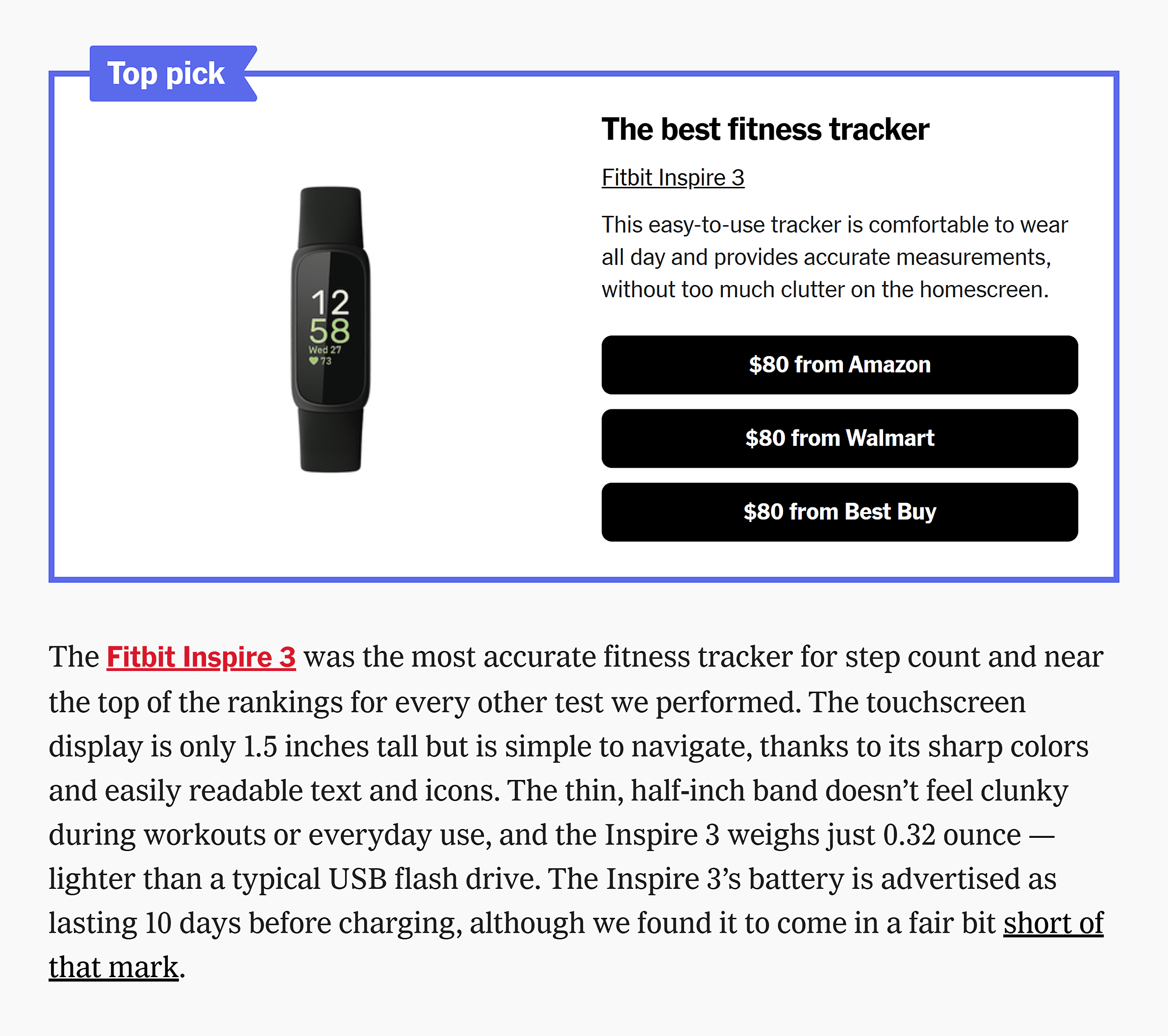
Linked mentions provide both textual reference and a direct, clickable hyperlink routing users to the brand’s domain. For example, a prominent consumer publication publishing an annual roundup of the best fitness trackers will typically include both the brand name of a device and a direct hypertext link to the manufacturer’s product page. This dual utility allows linked mentions to fulfill a twofold purpose: passing direct referral traffic to the destination domain while simultaneously signaling authority to search engine crawlers.

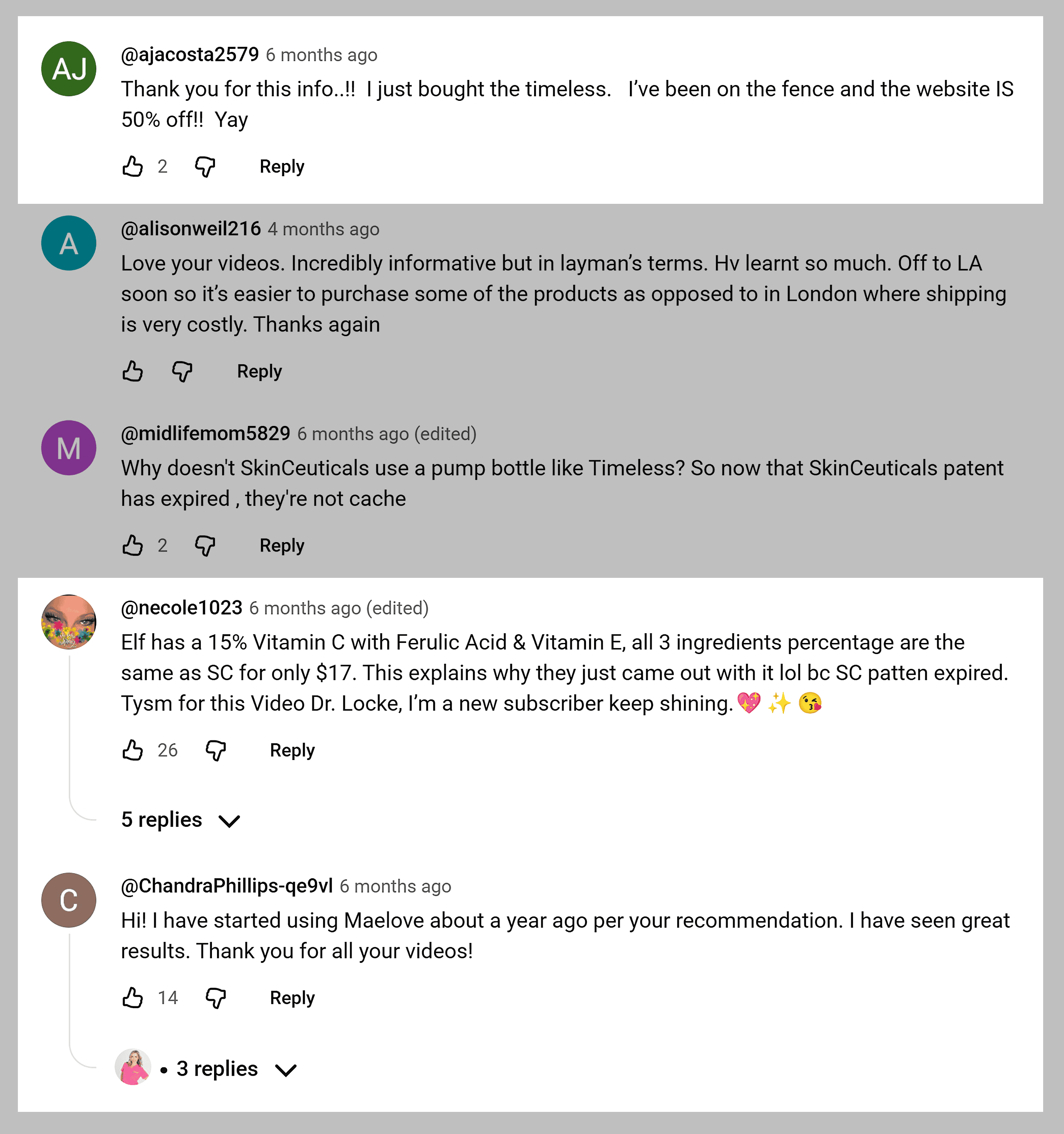
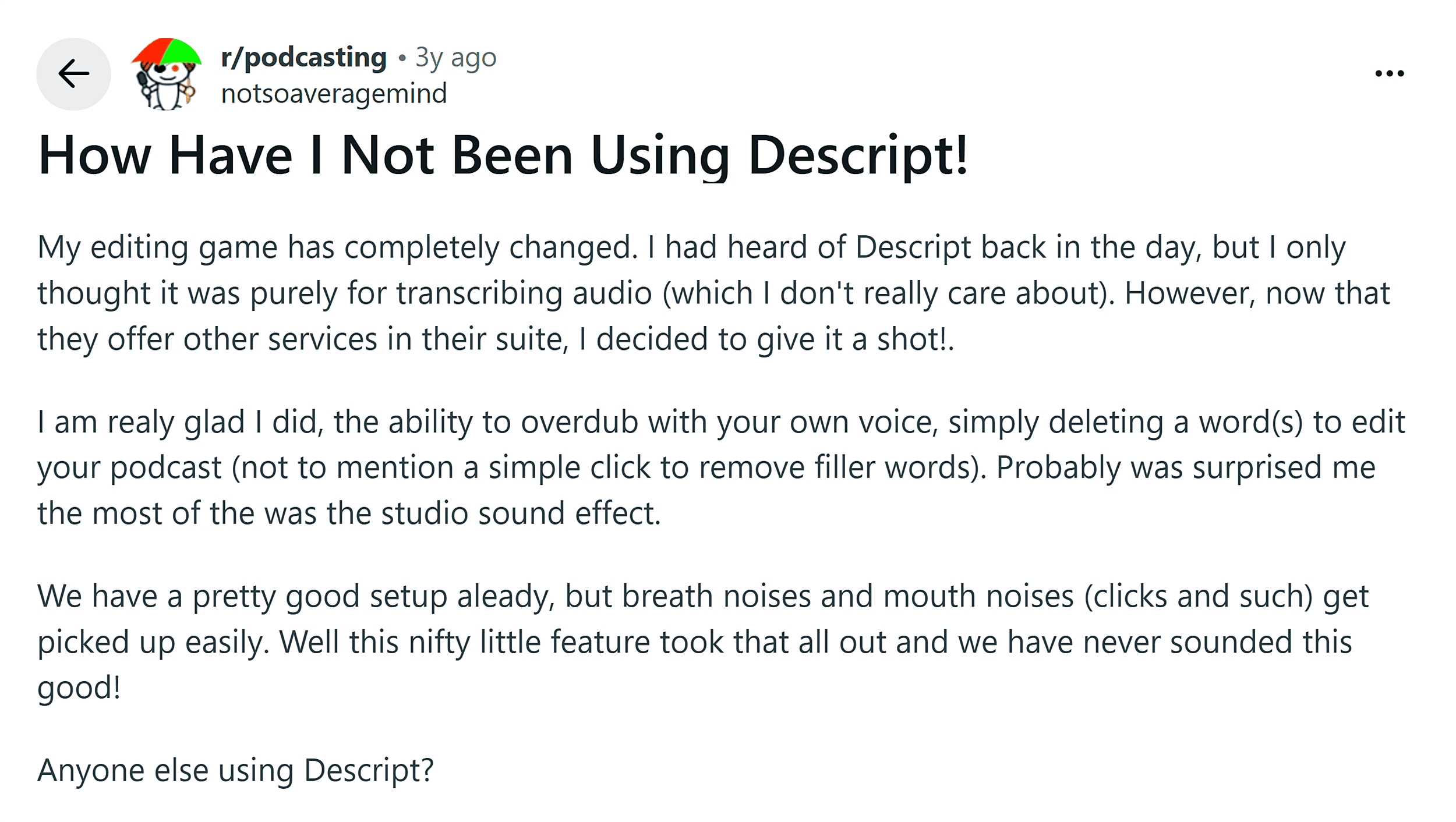
Conversely, unlinked mentions reference an organization by name without embedding a direct hyperlink. Such references frequently occur organically within community-driven platforms like Reddit, specialized forums, or social media discussions. While unlinked mentions do not channel direct referral traffic or pass traditional PageRank value, they play an equally vital role in establishing contextual identity for search engines and AI systems. Modern algorithms aggregate these unlinked references to map brand sentiment, contextual usage, and consumer perception, rendering both linked and unlinked mentions indispensable to a comprehensive visibility strategy.
The Divergence Between Web Mentions and LLM Outputs
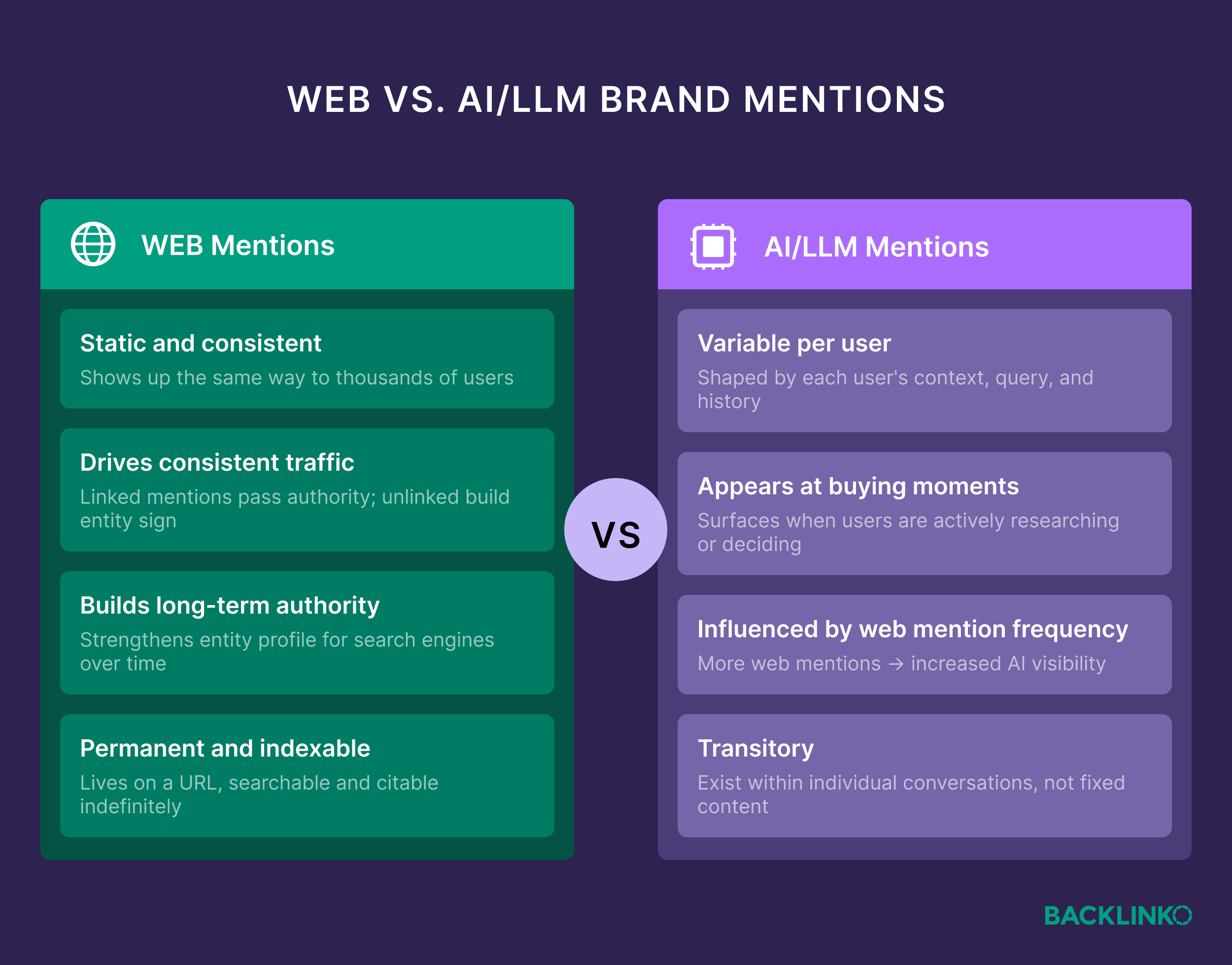
A critical distinction exists between standard web brand mentions and generative AI brand inclusions, such as those generated dynamically within a ChatGPT or Claude conversation. Web mentions are static; once published on a third-party website, they appear consistently across potential user queries, serving as fixed data points for crawlers.
In contrast, LLM brand mentions are highly dynamic. Generative models construct responses in real time based on user context, conversational history, and complex internal probability distributions. Furthermore, these AI-generated recommendations remain localized within the specific user session and are not universally visible to the broader public. Consequently, achieving visibility within AI search results is treated as the ultimate objective, while systematically securing brand mentions across the broader web serves as the primary tactical vehicle to reach that goal. The more consistently a brand appears within authoritative, contextually relevant web sources, the higher its probability of being synthesized and recommended by generative AI models.
Why Brand Mentions Matter in the Era of Entity-Based Search
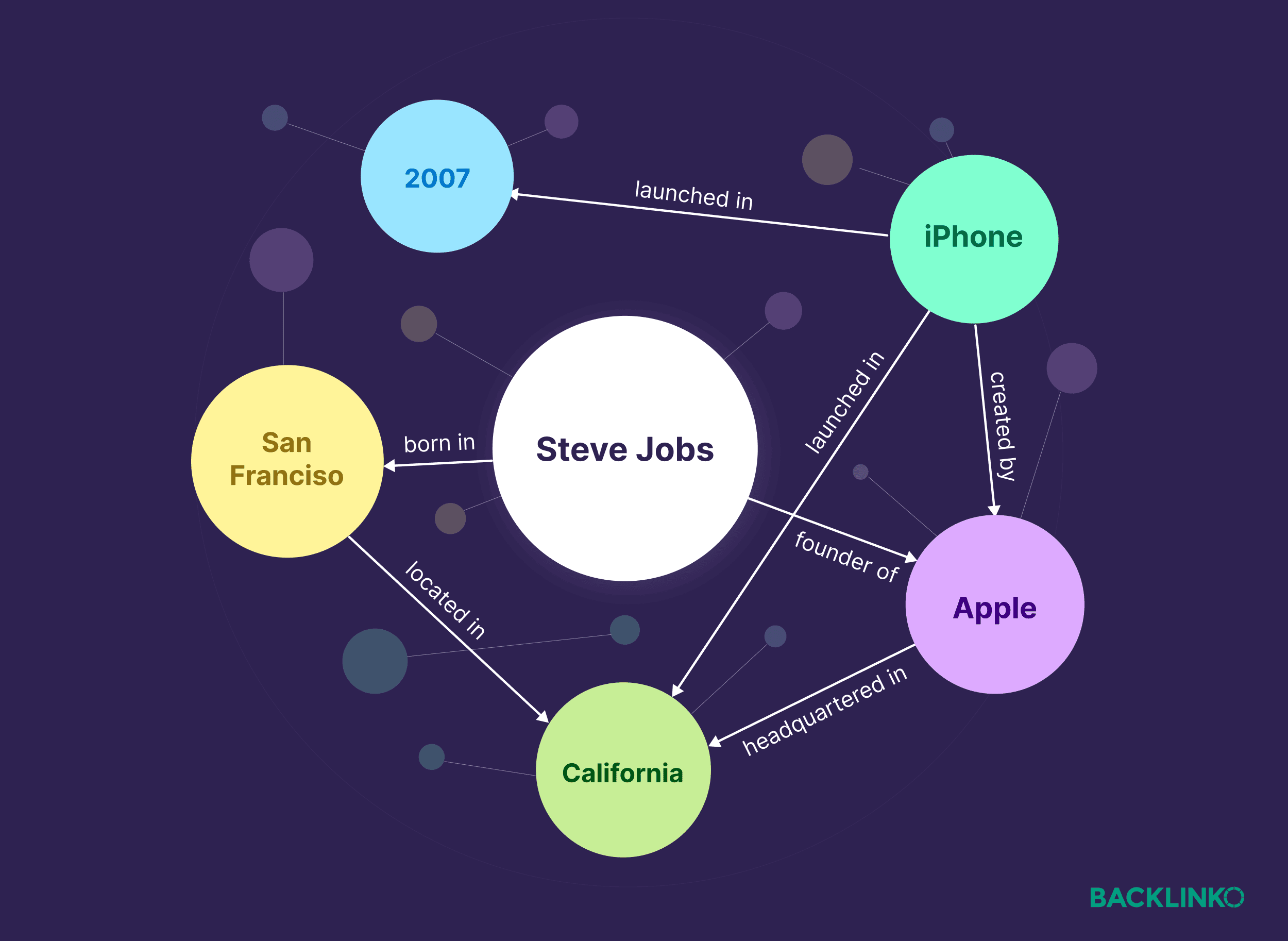
The surging importance of brand mentions is directly tied to changes in how search engines construct knowledge bases. Search engines increasingly evaluate corporate entities through structured databases like the Google Knowledge Graph, which maps complex relationships between people, organizations, concepts, and physical products.
When independent entities across the web consistently reference a brand alongside specific industry terminology, search engines utilize these co-occurrences to solidify the brand’s identity as a distinct entity. This entity-level validation determines whether an organization is deemed sufficiently authoritative to surface for high-intent queries.
Furthermore, brand mentions act as critical conduits for audience expansion. When a popular video creator, industry podcast, or niche publication references a brand as an optimal alternative to an incumbent market leader, the organization is instantly exposed to a pre-qualified audience segment that may not have been actively searching for the brand initially. This cross-pollination of audiences frequently converts passive viewers into active purchasers.
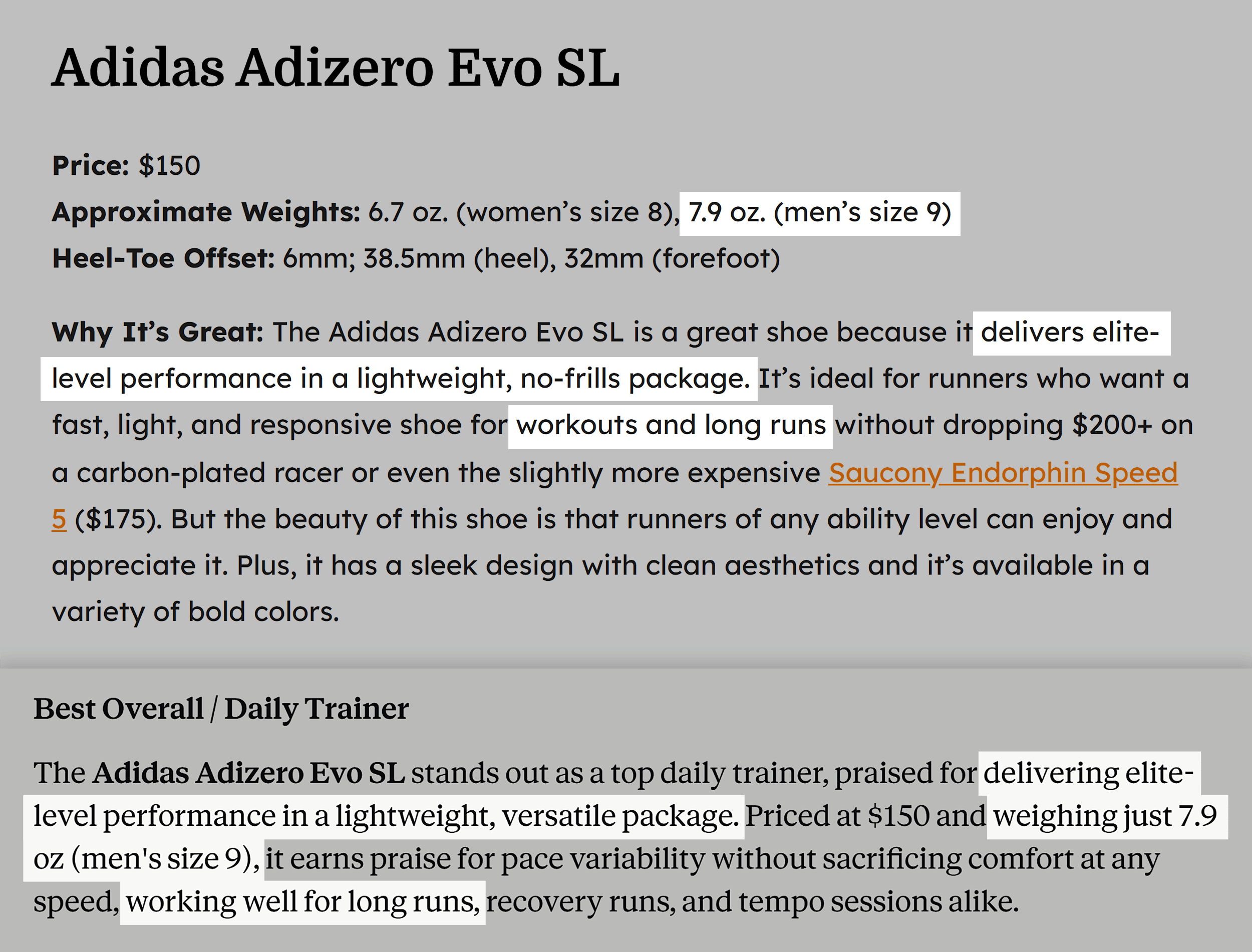
Finally, LLMs heavily rely on the phrasing found within trusted web sources when generating recommendations. Comparative analyses of LLM outputs and editorial product reviews reveal striking textual similarities. When a running publication describes a specific athletic shoe using precise descriptors such as "elite-level performance in a lightweight, no-frills package," generative AI models frequently echo these exact characterizations when queried by users. Thus, digital mentions serve as the literal training ground for artificial intelligence perception.
Anatomy of a High-Value Brand Mention: Authority, Relevance, and Specificity
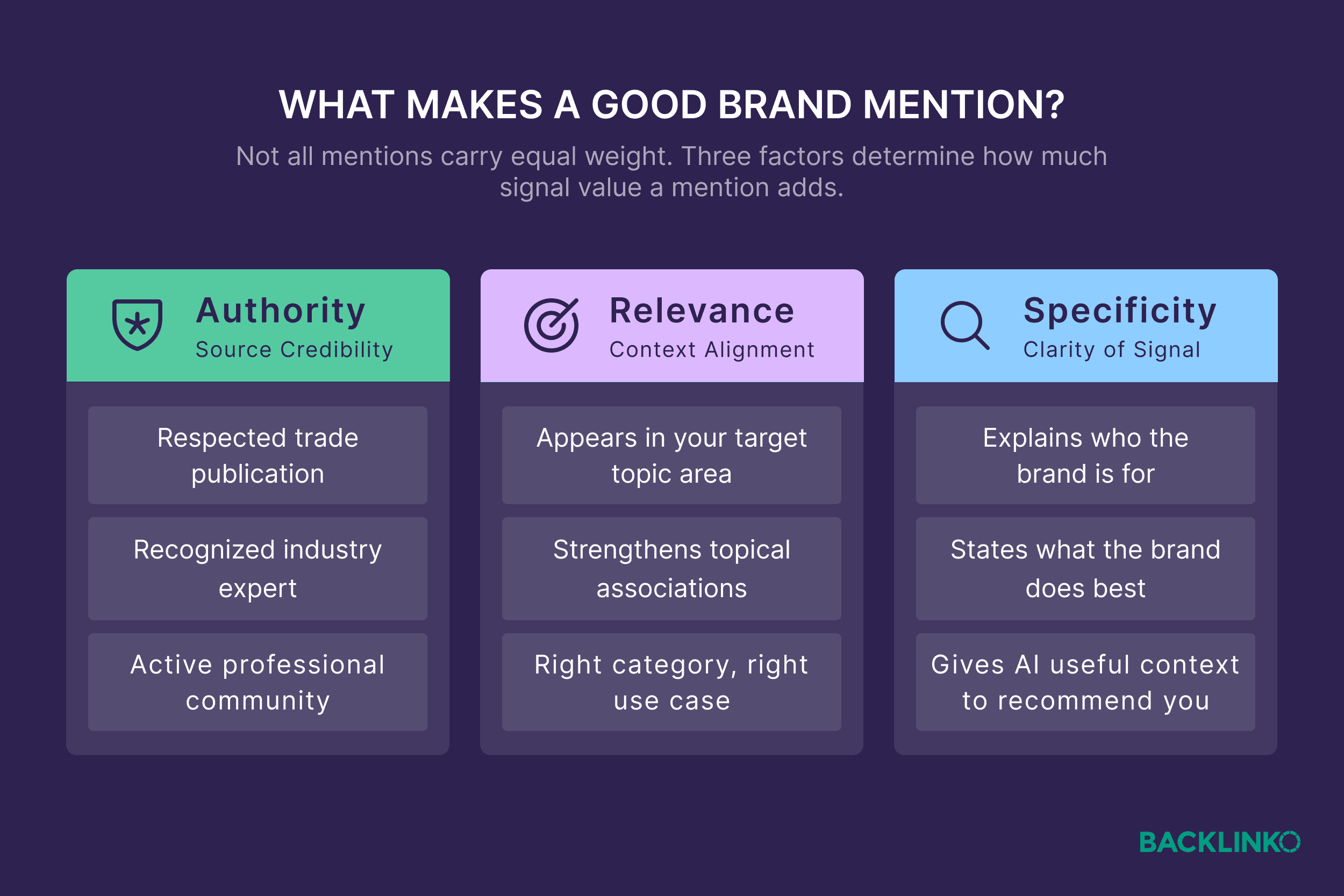
Not all brand mentions carry equal weight within algorithmic evaluation. The intrinsic value of a mention is dictated by three primary pillars: authority, relevance, and specificity.
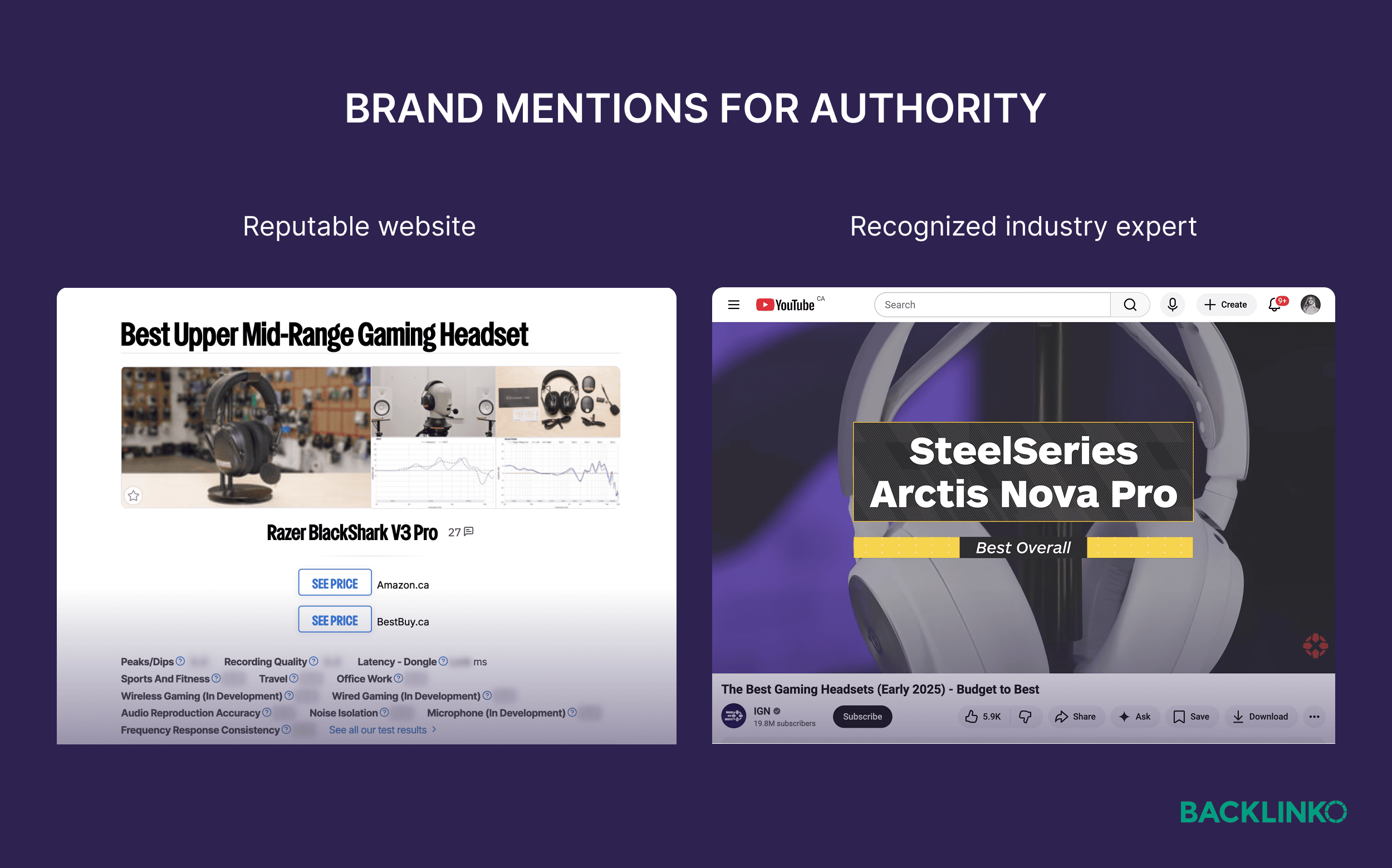
Authority relates to the domain credibility and editorial rigor of the source publishing the mention. A citation originating from a recognized industry publication, a peer-reviewed journal, or a high-traffic authoritative news outlet transmits exponentially stronger signals to algorithms than an ambiguous reference on an obscure, low-traffic blog devoid of topical focus.
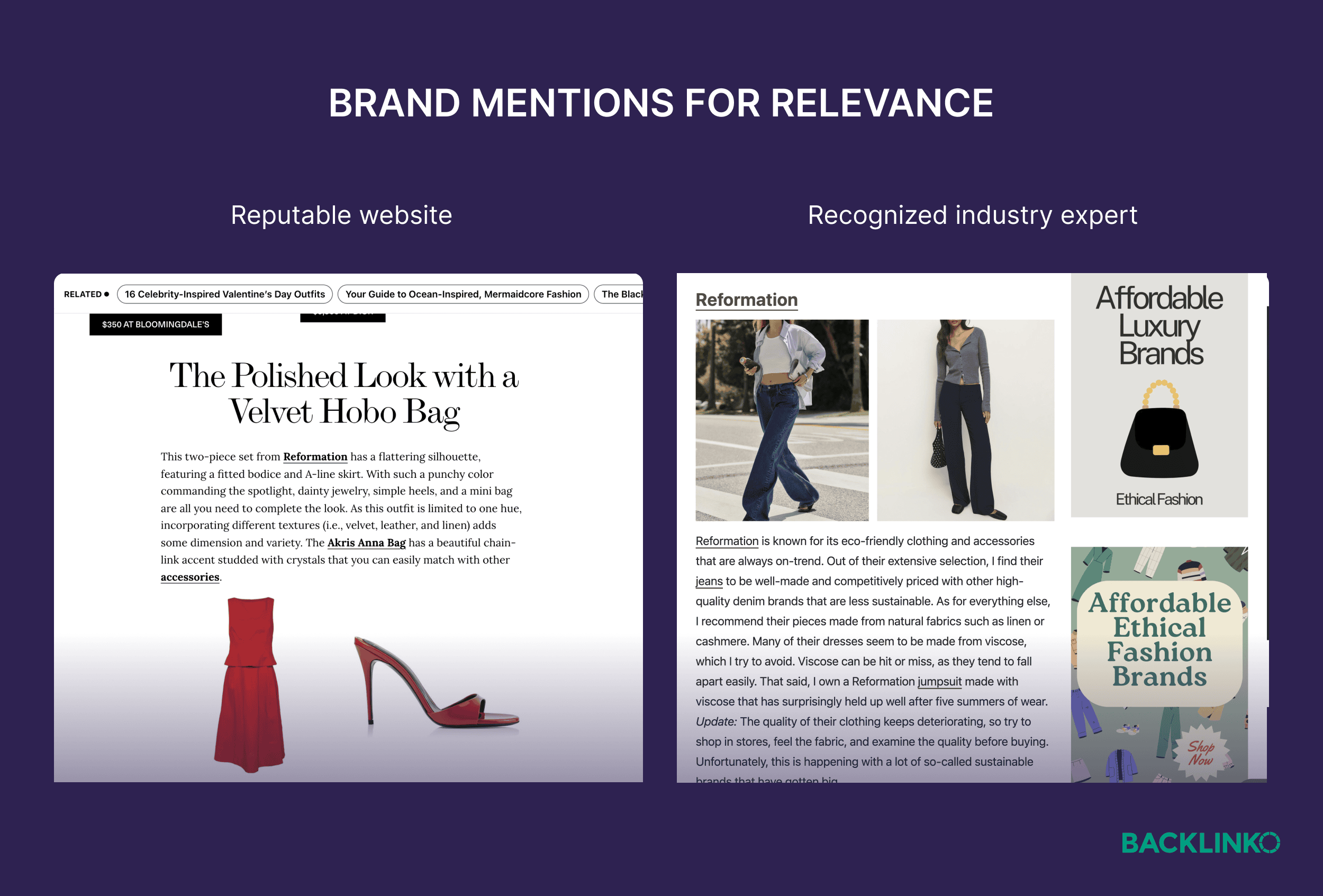
Relevance operates on dual dimensions: topical alignment and industrial context. If an organization is referenced within an article addressing the exact thematic cluster it seeks to dominate, its topical authority is reinforced. Moreover, the publishing source must belong to the same industrial sector or an adjacent, highly complementary vertical.
Specificity represents the final qualitative threshold. Generic, passing references provide minimal algorithmic utility. Genuine value is unlocked when a mention incorporates granular insights, such as specific feature performance, measurable use cases, quantitative performance outcomes, or contextualized pricing comparisons. When a community review or editorial piece details exact operational mechanics, search engines and AI systems receive unambiguous data regarding what the brand does and the precise scenarios in which it should be recommended.

Four Core Tactics to Earn High-Value Brand Mentions
Organizations seeking to systematically enhance their brand mention profile must adopt proactive strategies that transcend traditional public relations. Industry leaders frequently employ four proven methodologies to earn sustainable, high-value mentions.
-
Create Data-Driven, Citable Content
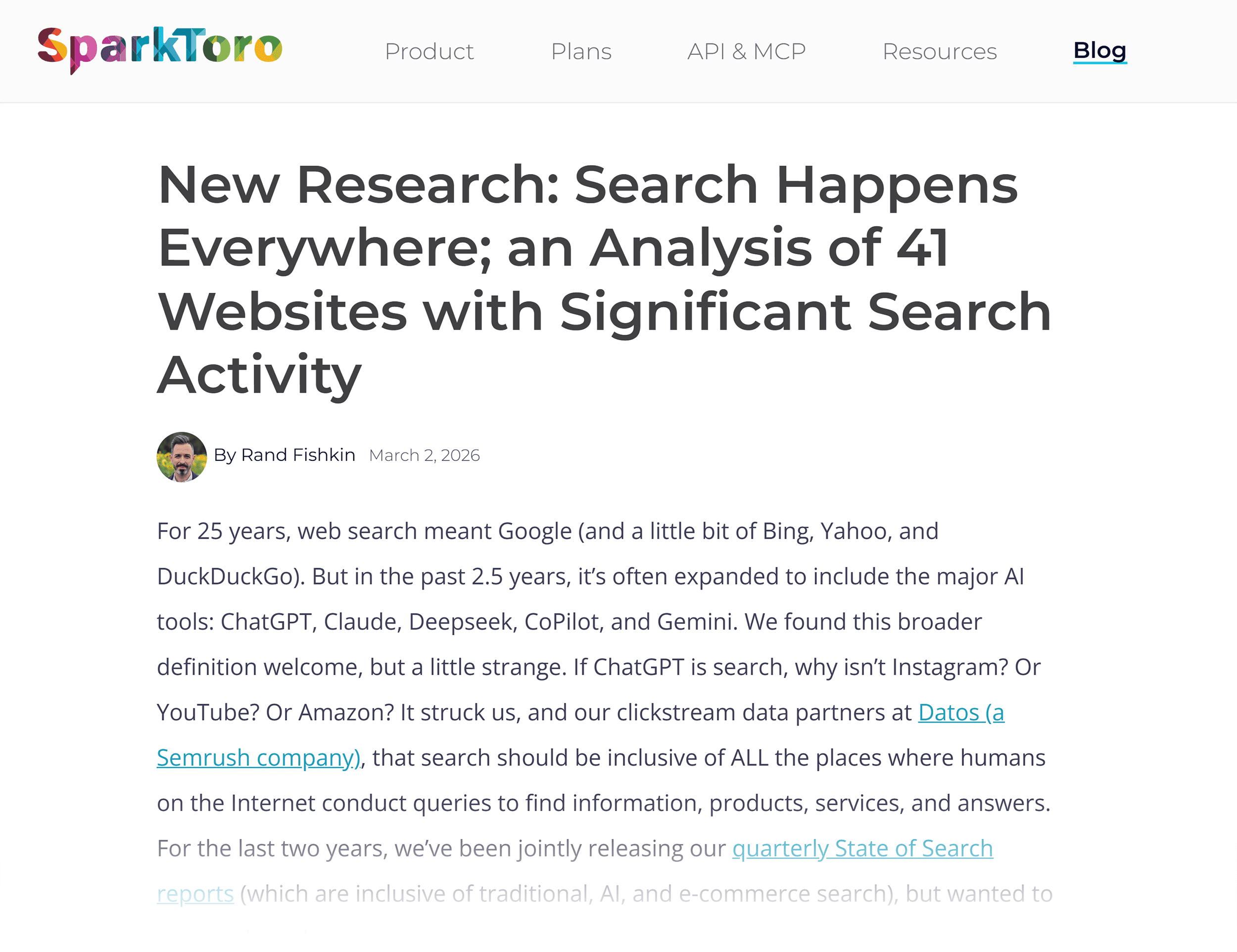
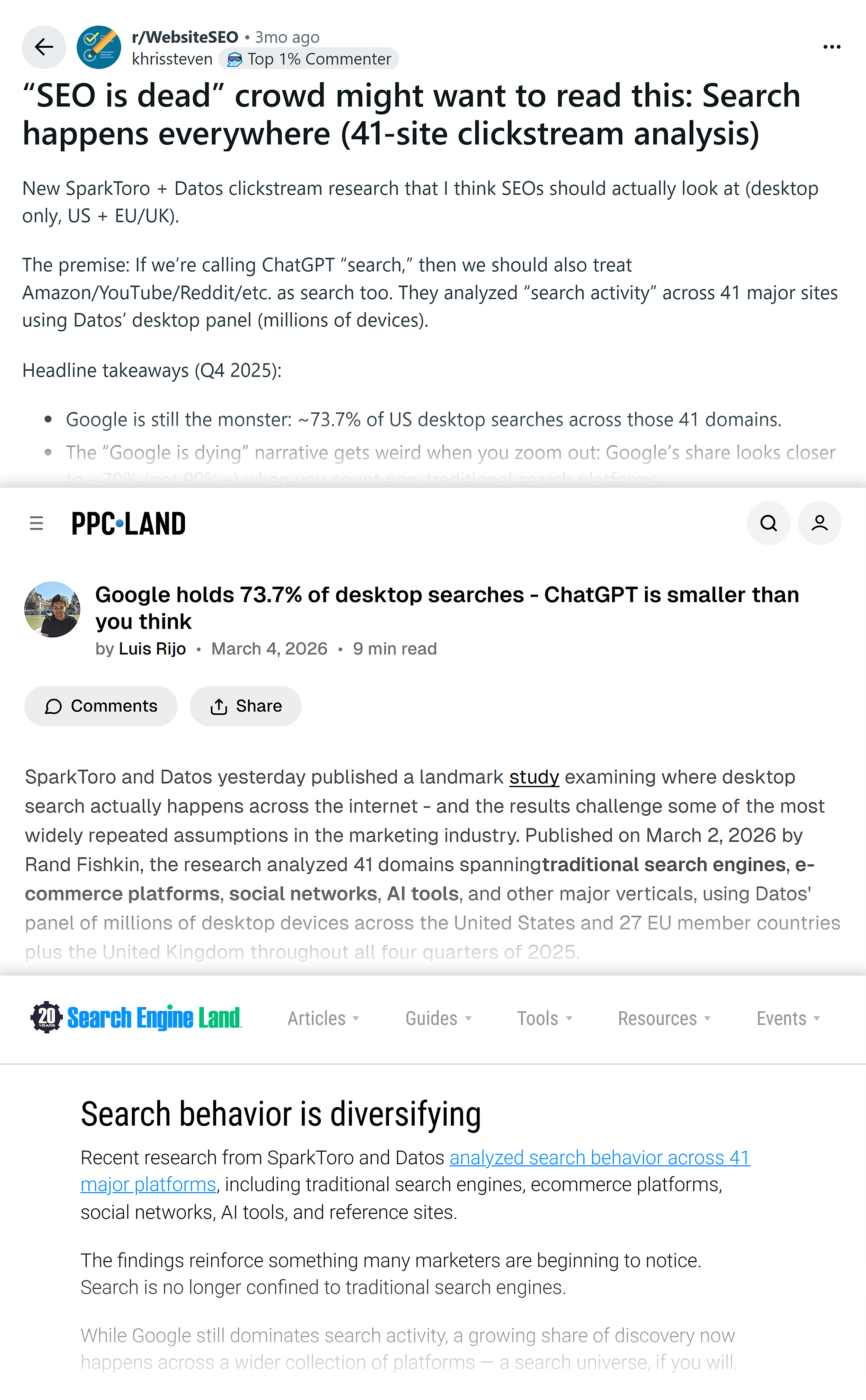
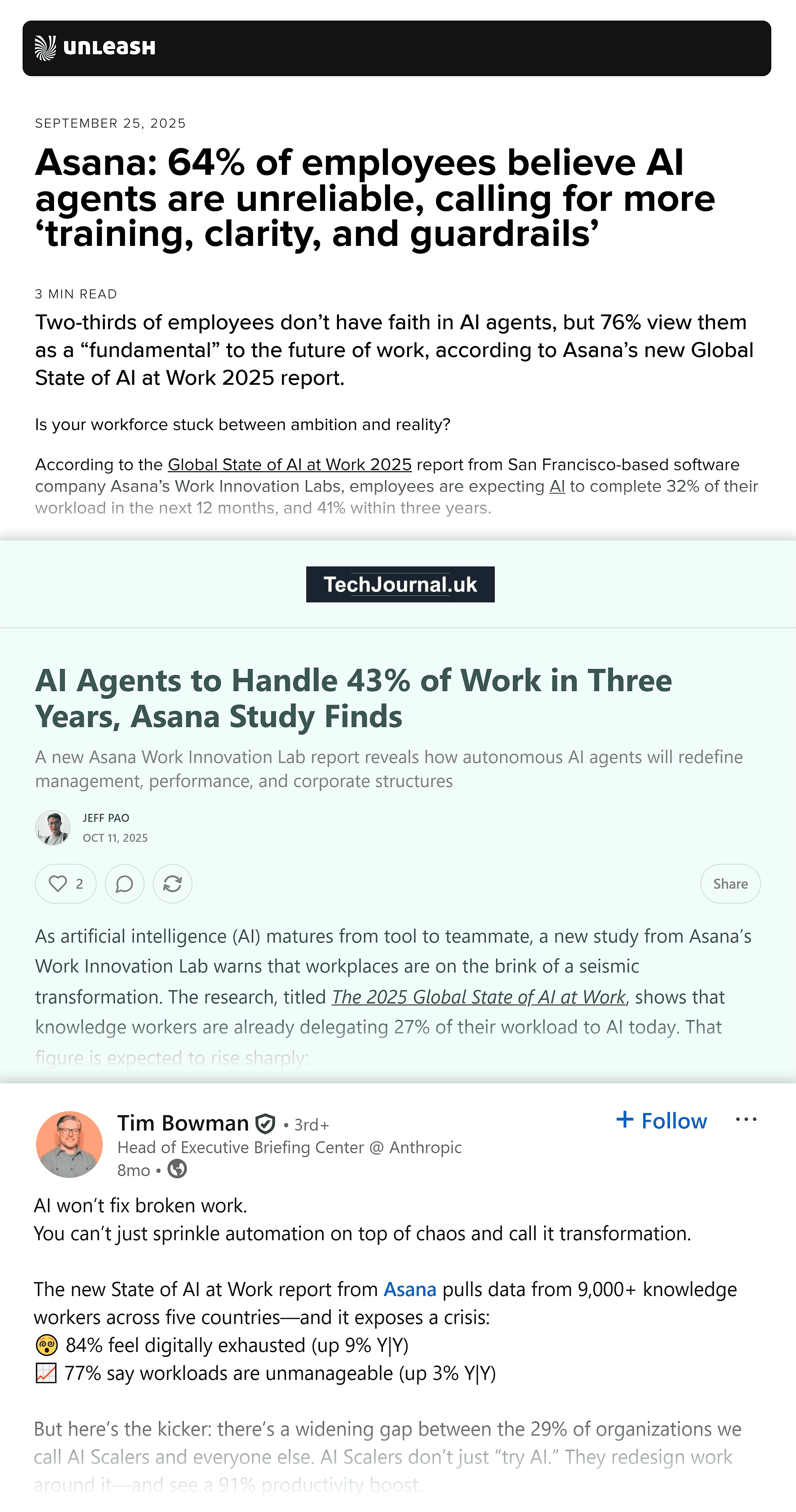
Original research remains one of the most reliable catalysts for generating organic brand mentions. By conducting proprietary studies that address hotly debated industry questions, organizations create essential reference points that peers, journalists, and researchers must cite. Packaging research with clear executive summaries, downloadable data sets, and transparent methodology empowers third parties to reference the findings effortlessly across news articles, academic papers, and social media platforms, frequently yielding both unlinked brand mentions and high-authority backlinks.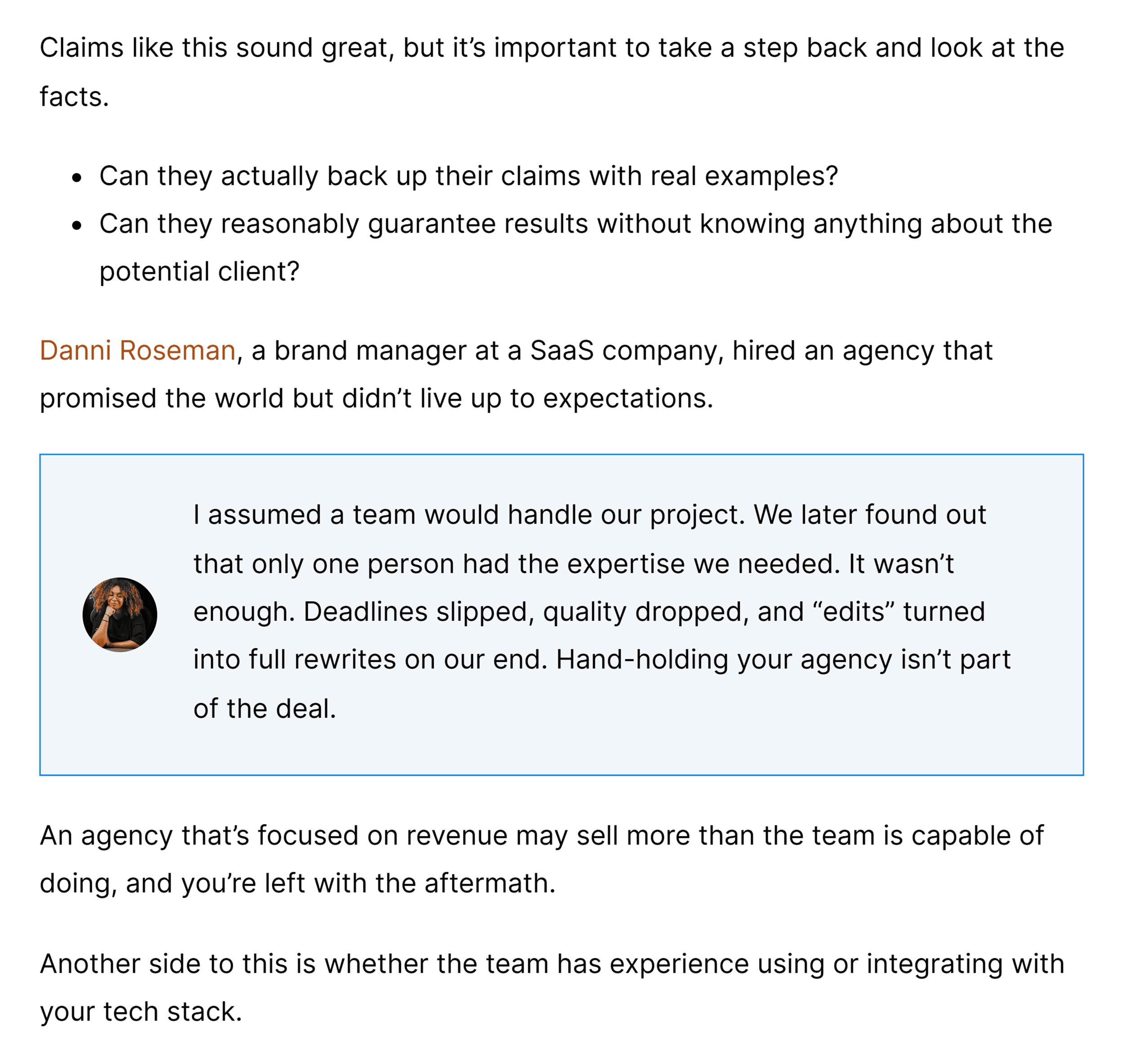
-
Partner With Complementary Brands on Co-Created Assets
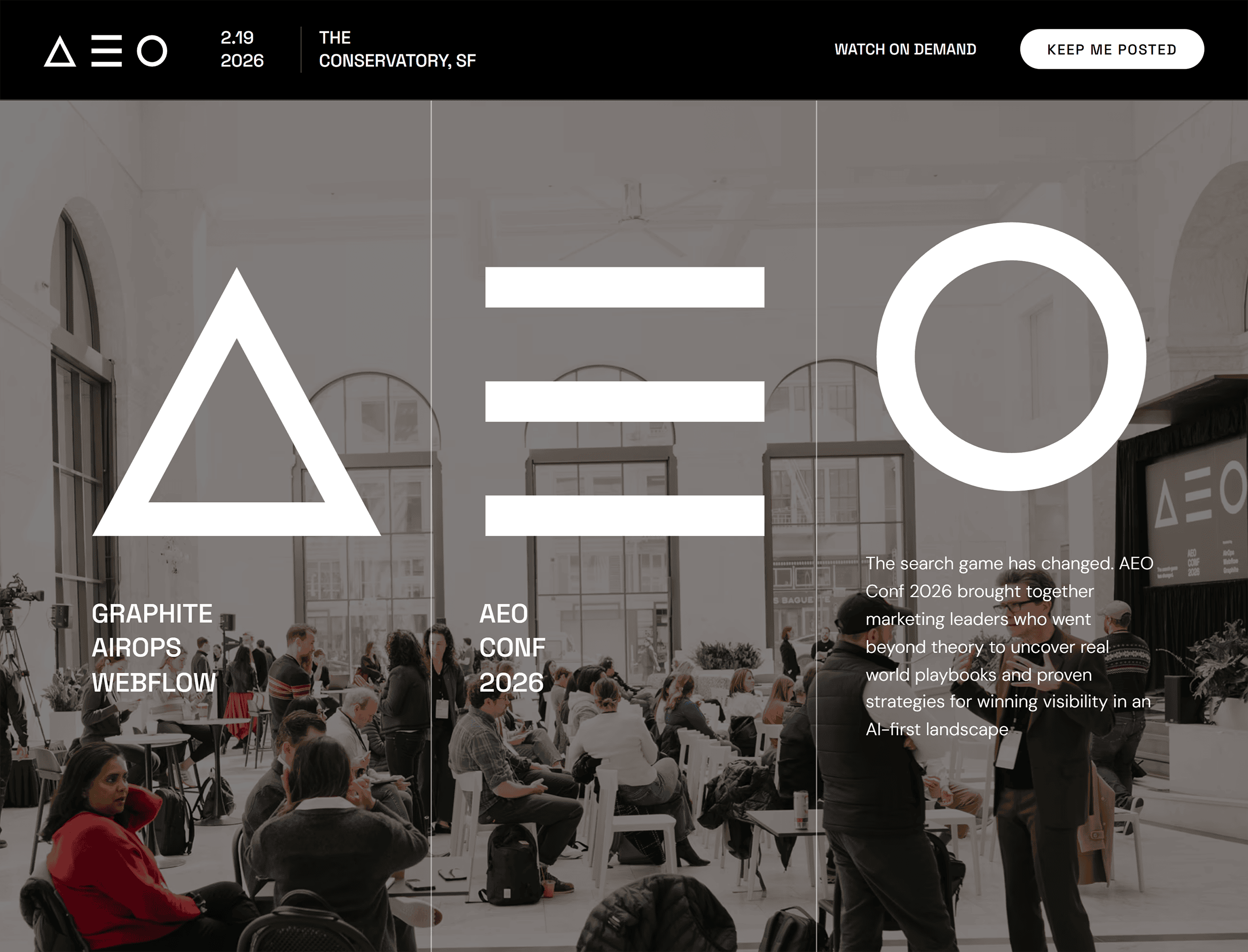
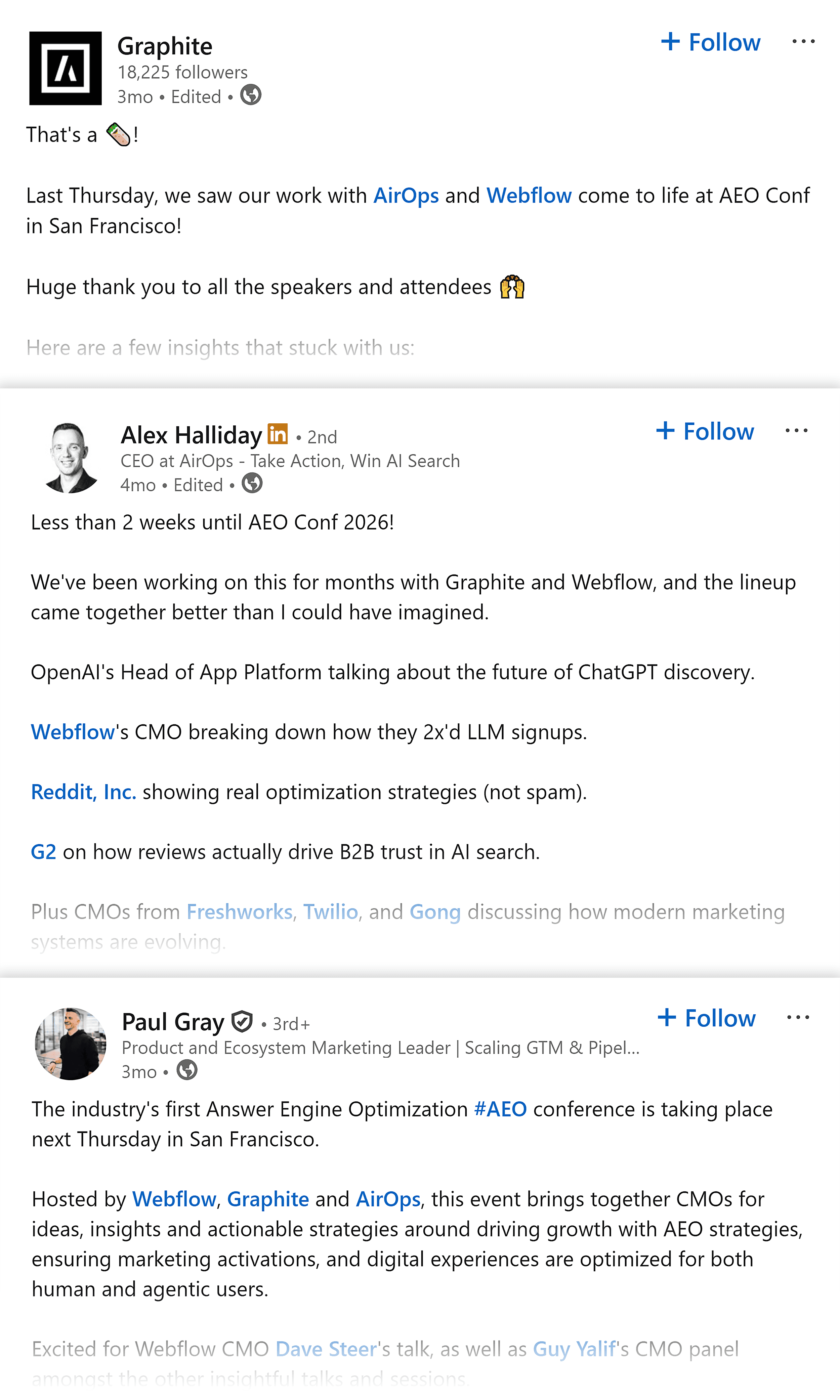
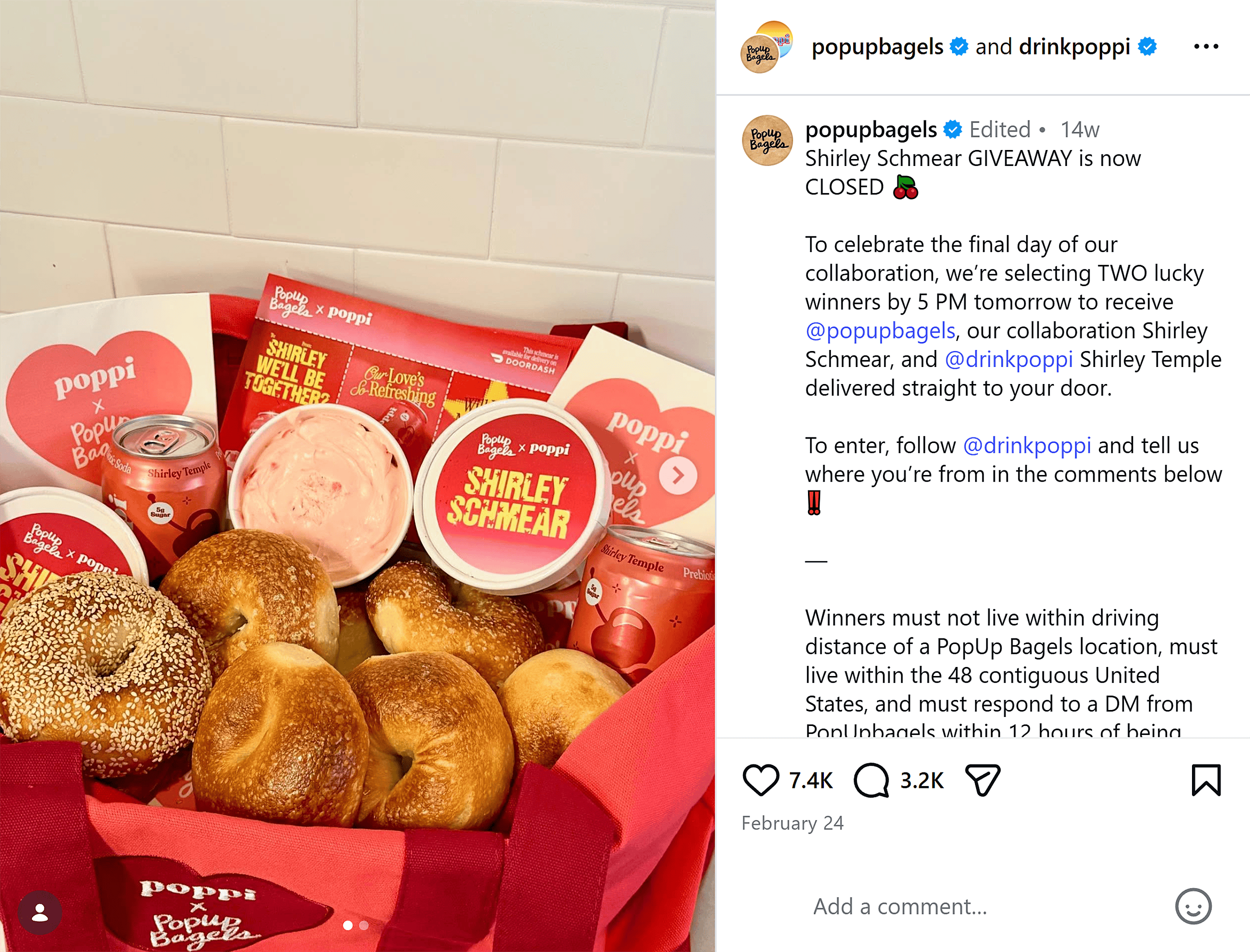
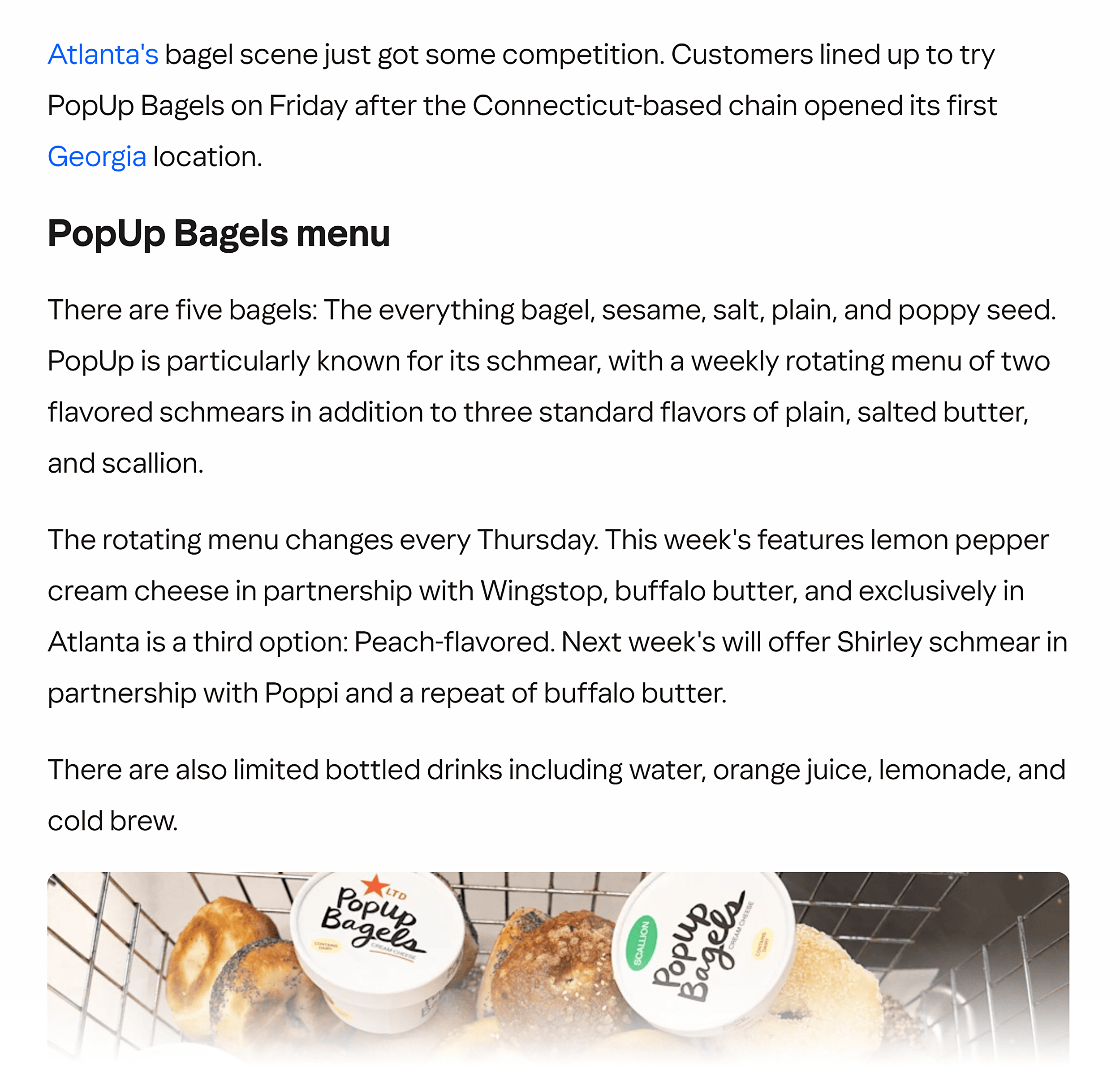
Collaborative marketing campaigns—such as joint research reports, co-hosted industry events, or strategic product collaborations—naturally align multiple organizations within the same communicative context. When two or more non-competing brands targeting overlapping audiences pool their resources, promotional efforts multiply across both customer bases. Independent event recaps, social media commentary, and trade press coverage subsequently mention the partnering brands in tandem. This frequent co-occurrence trains LLMs to associate the collaborating brands with shared thematic topics.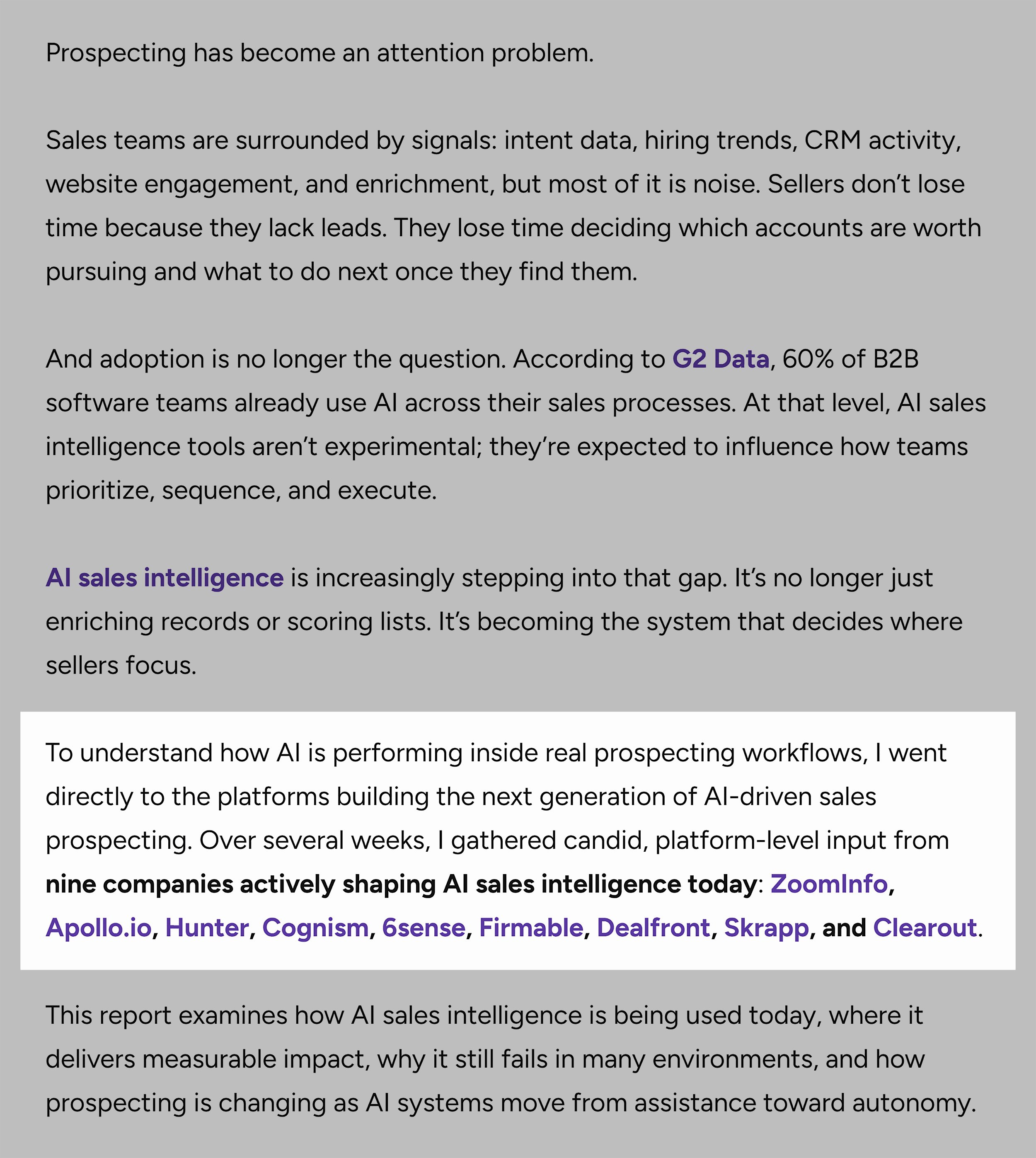
-
Feature Other Brands and Experts in Your Content
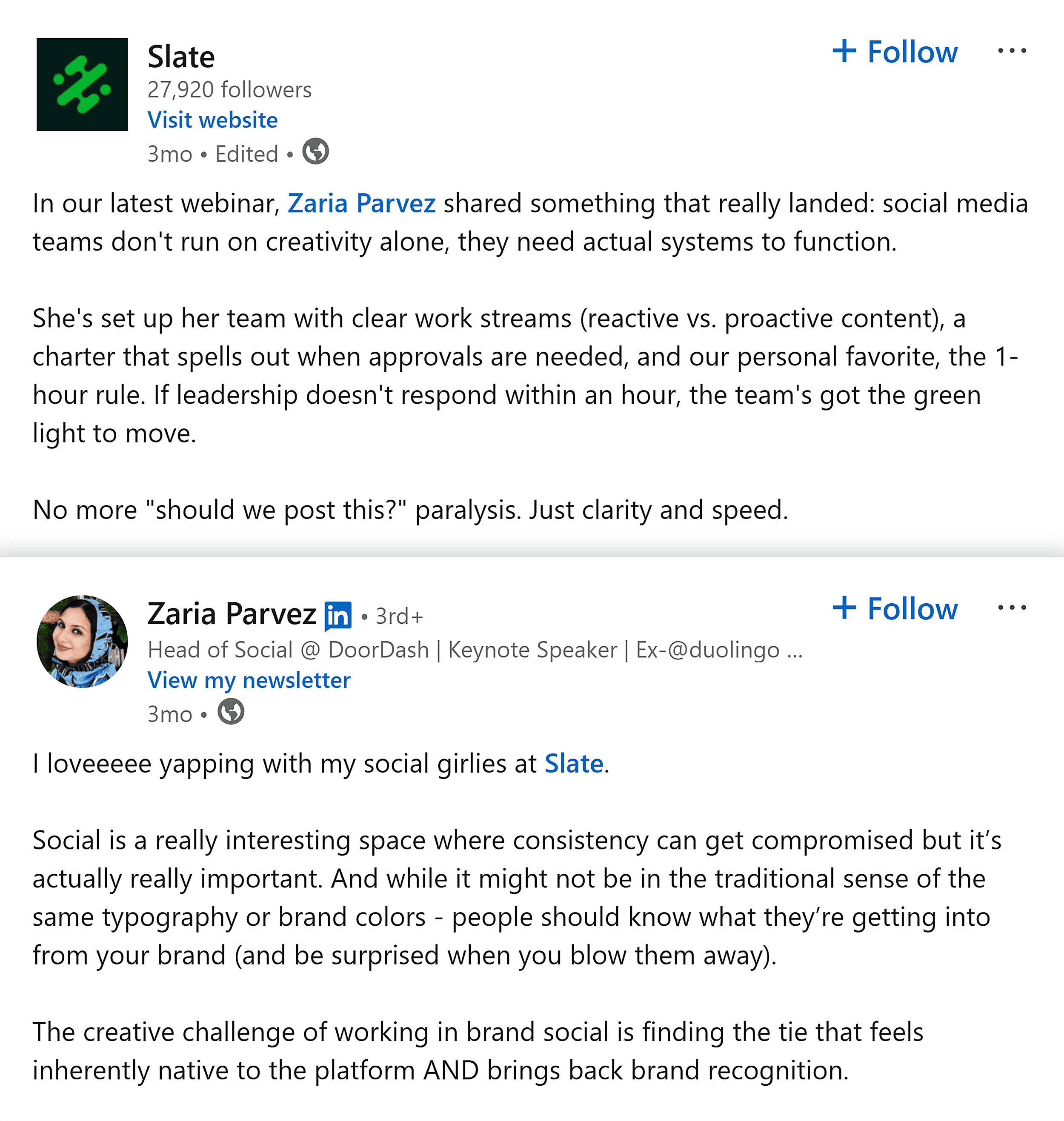
A reciprocal approach to content creation involves spotlighting industry peers, thought leaders, and complementary organizations within proprietary guides, expert roundups, benchmark reports, and podcast series. When content centers heavily on an expert’s proprietary insights—rather than a superficial, buried quote—contributors are naturally incentivized to share the published asset with their extensive professional networks. This amplification introduces the hosting brand to entirely new audience segments and secures organic mentions across high-profile social channels.
-
Contribute Subject Matter Expertise Through Digital PR
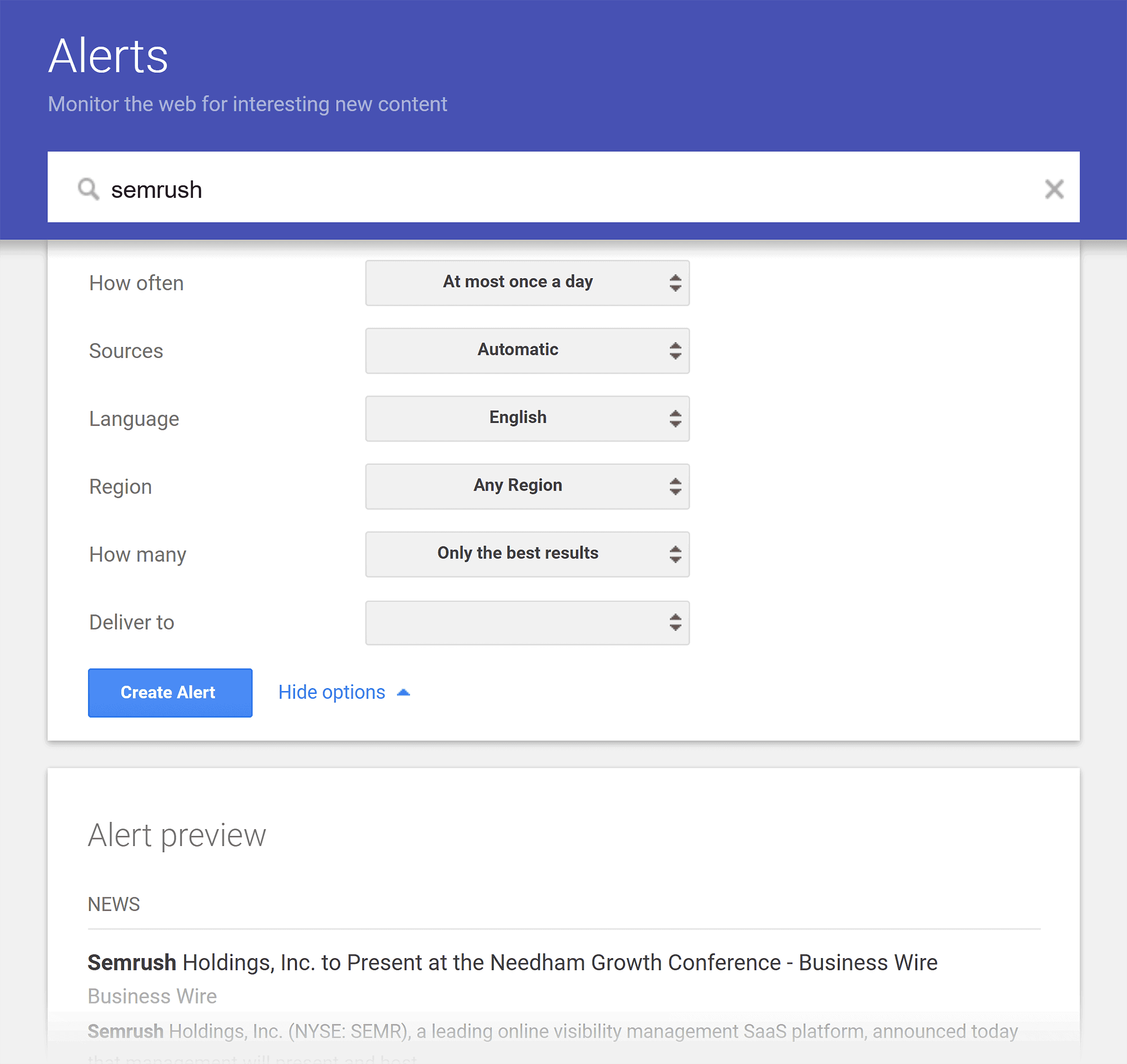
Securing executive positioning within established media outlets, industry podcasts, and professional webinars elevates an organization’s brand profile through borrowed authority. Rather than pitching promotional product narratives, communication teams must offer genuine educational value tailored to the host audience’s core challenges. Whether appearing on specialized industry podcasts or contributing expert commentary to financial and trade publications, consistent executive visibility populates the web with structured references across show notes, video descriptions, and editorial write-ups, providing optimal training data for search crawlers and AI models.
Tracking and Reporting Brand Mentions to Leadership

To substantiate the efficacy of a brand mention strategy to corporate leadership, organizations must implement robust tracking frameworks spanning multiple monitoring vectors.
Google Alerts and Manual Searches
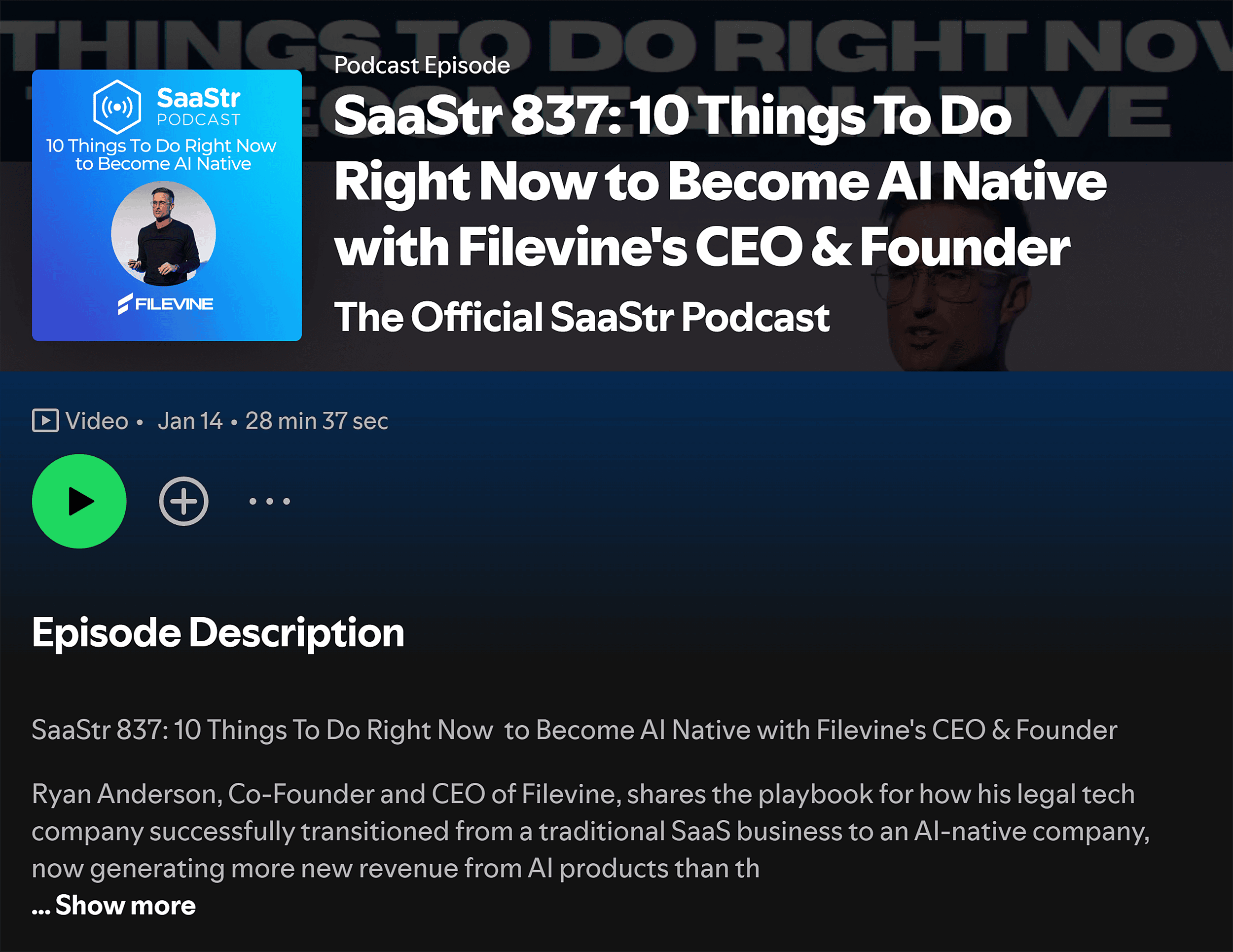
While Google Alerts offers a cost-free foundational mechanism for tracking basic brand reference notifications, its crawler limitations necessitate regular manual audits across Google News, YouTube, and niche community subreddits. When reporting this data to executives, communications teams should focus on trajectory and contextual narrative rather than raw volume alone, summarizing monthly totals alongside the estimated audience reach of top-tier placements.

Social Listening Tools
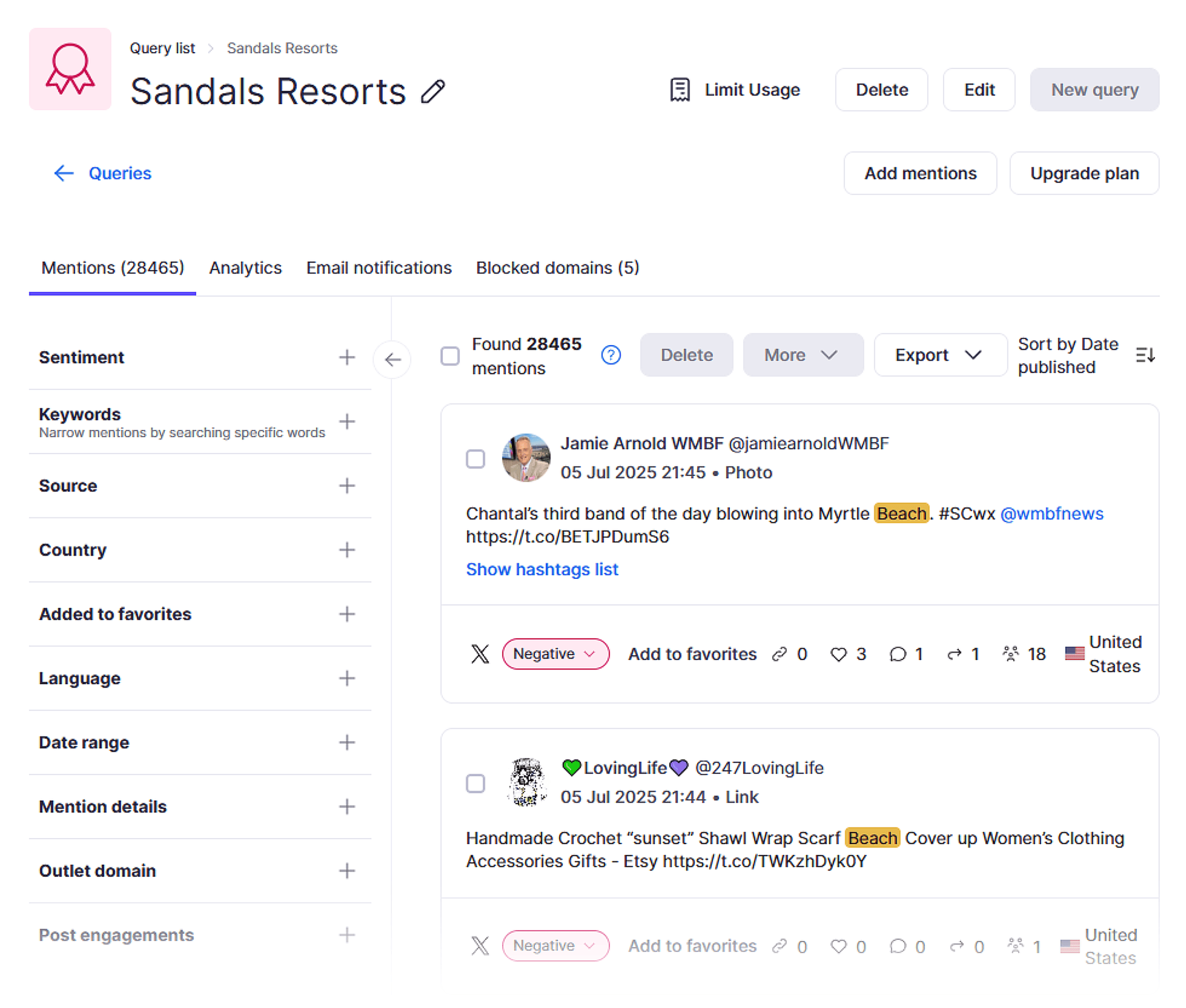
Advanced enterprise tools—such as dedicated brand monitoring applications and social listening platforms—capture real-time sentiment analysis, geographic distribution, and contextual breakdowns across forums, review sites, and social networks. Reporting metrics should highlight the percentage of positive sentiment and identify specific digital channels driving conversational volume.
Backlink and Mention Monitoring Analytics
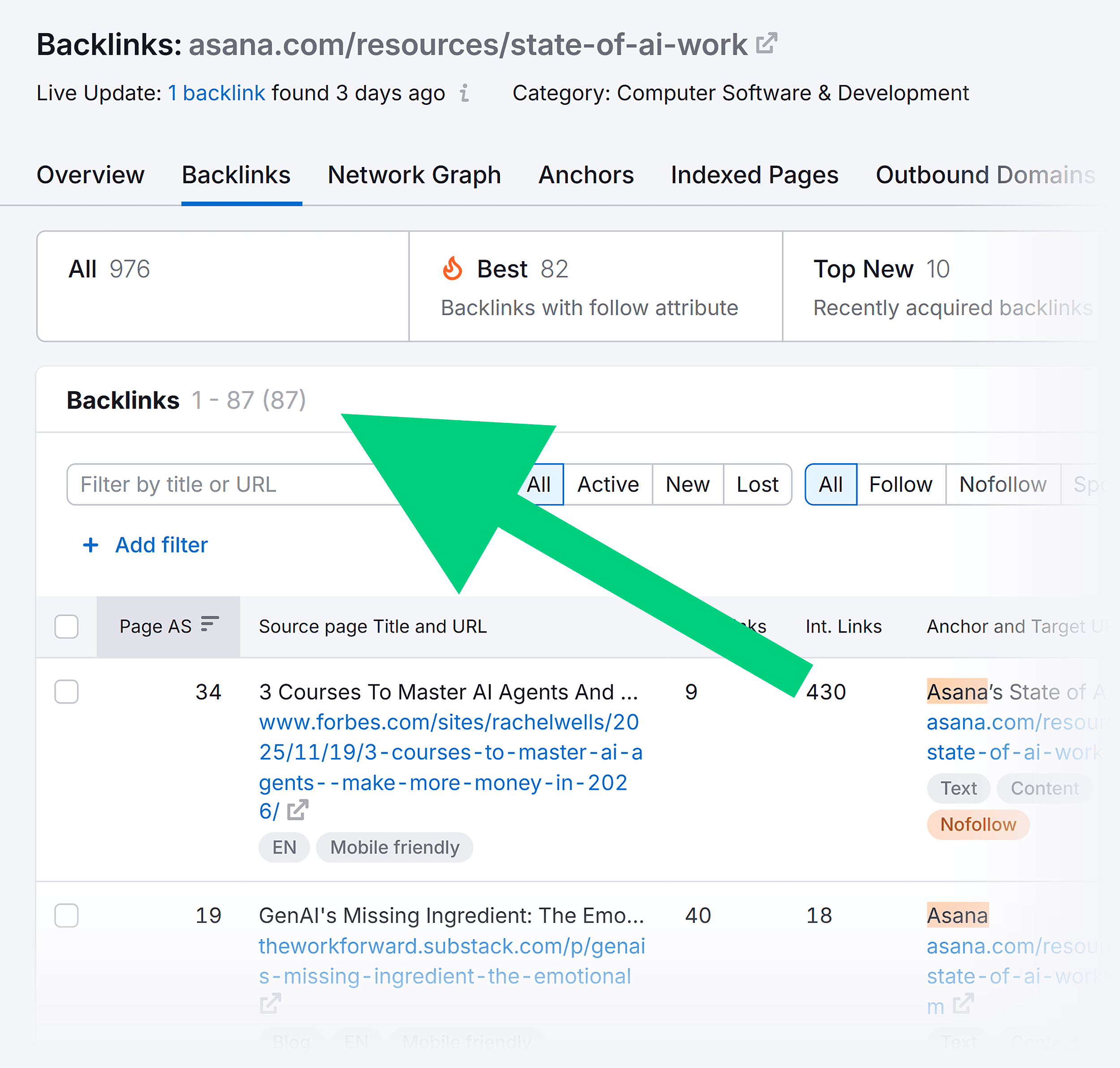
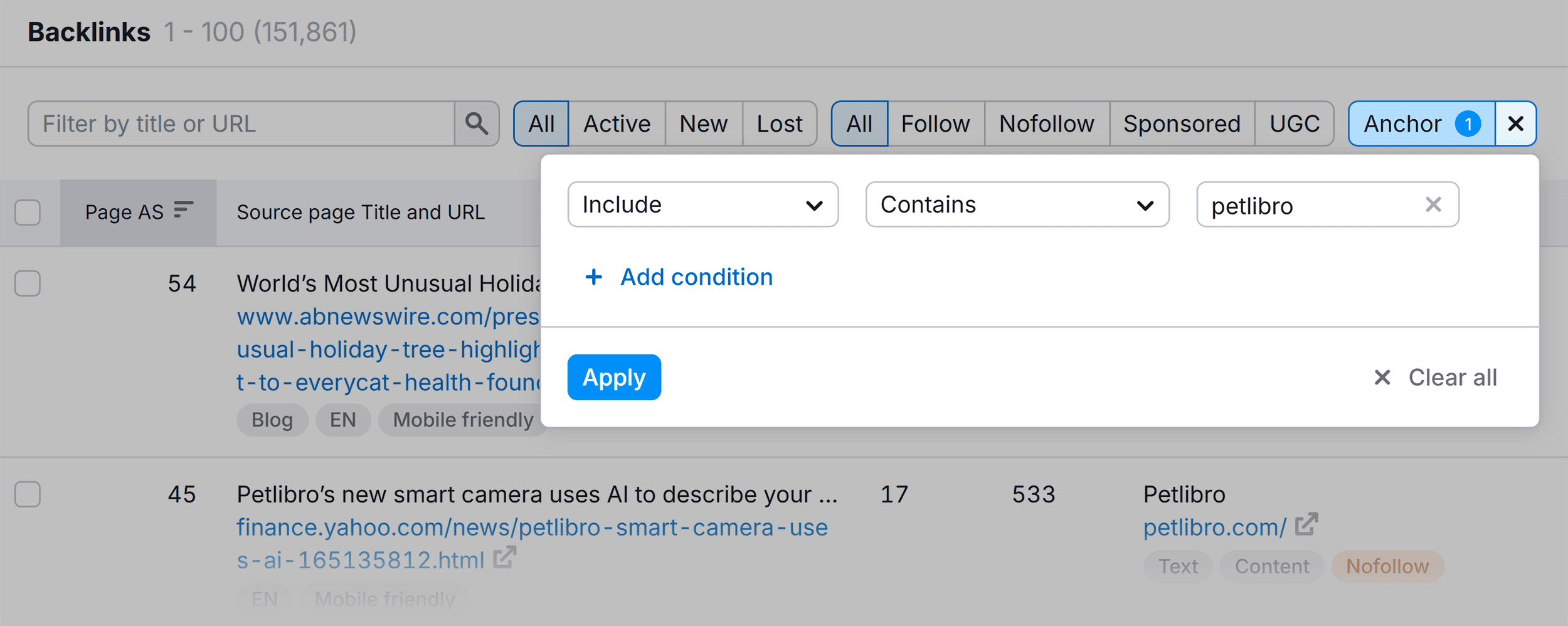
Integrating backlink analysis tools enables marketing teams to audit incoming links and filter specifically for branded anchor text. By evaluating the growth rate of unique referring domains utilizing brand-name anchors, organizations can demonstrate a measurable expansion of their digital footprint over quarterly and annual periods.
Conclusion
Brand mentions have transitioned from a vanity metric of traditional public relations into a foundational pillar of modern search engine optimization and artificial intelligence visibility. As algorithms increasingly rely on third-party consensus to evaluate market authority, organizations must proactively engineer digital strategies that prioritize authoritative, relevant, and specific brand citations. By producing citable research, fostering strategic partnerships, amplifying external experts, and executing targeted digital PR, businesses can establish an undeniable digital presence that ensures long-term discoverability across both traditional search engines and emerging generative AI platforms.