Website Marketing in 2026: Why the Traditional Customer Journey is Broken and How Brands Must Adapt


Website marketing has undergone a profound structural shift, permanently altering how businesses acquire customers and build digital authority. For decades, the foundational playbook of online marketing was relatively straightforward: drive targeted traffic directly to a centralized corporate website, capture user details, and nurture leads through a closed-loop funnel. Today, that linear pathway has fractured. Industry data indicates that more than 65% of modern consumers now conduct extensive preliminary research using artificial intelligence search engines, decentralized Reddit threads, and interactive social media communities long before they ever click on an official brand domain.
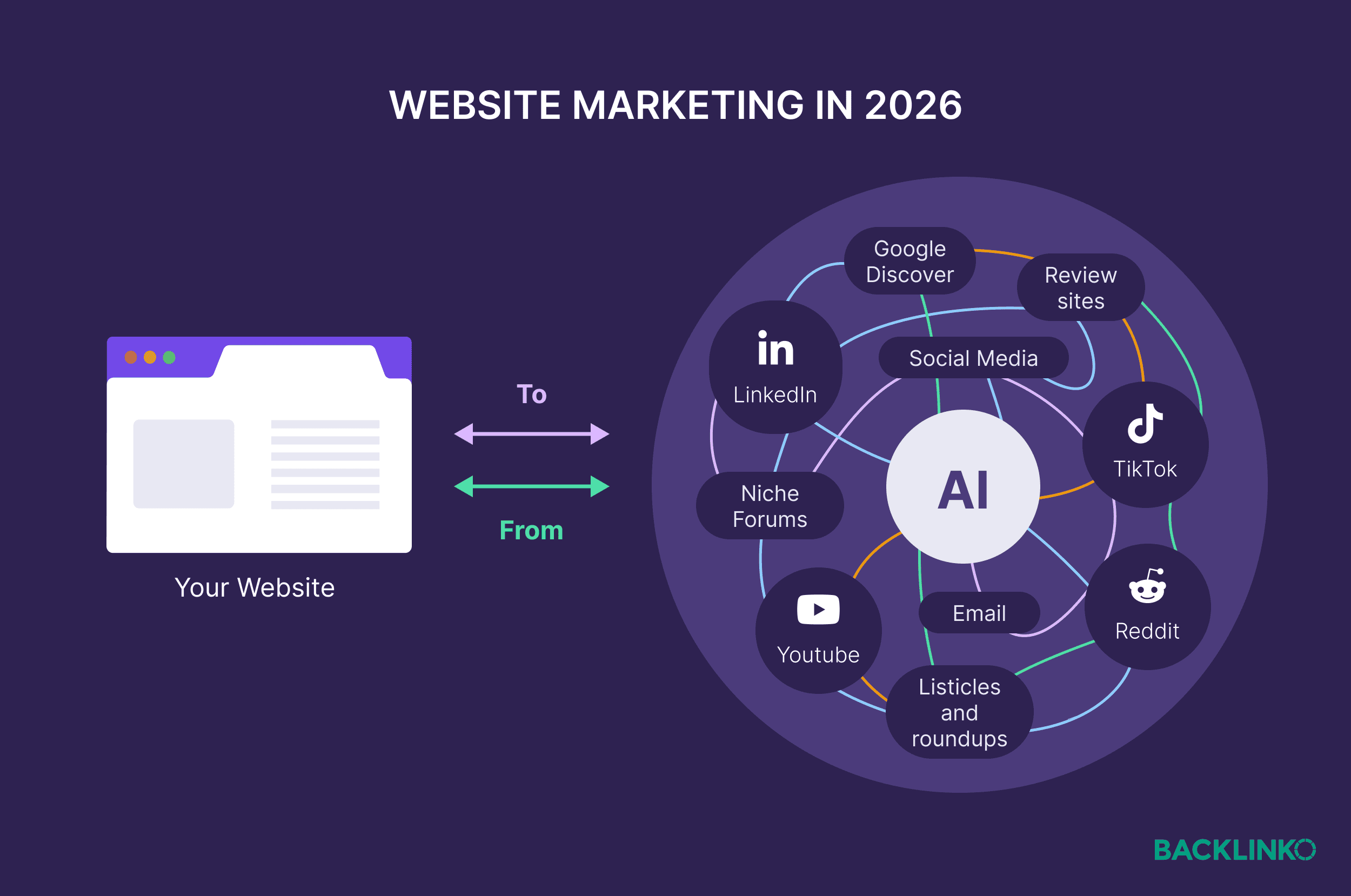
This behavioral evolution means that a company’s website is no longer the sole starting point of the customer journey; rather, it frequently serves as the final validation checkpoint. When a prospective buyer arrives at a corporate domain in 2026, they typically do so with pre-formed opinions, contextual understanding, and varying degrees of established trust derived entirely from third-party ecosystems. Consequently, organizations failing to cultivate active visibility and credibility across external digital landscapes find their core web traffic dwindling, regardless of their on-site search engine optimization (SEO) performance.
The Evolution of the Digital Discovery Ecosystem
The historical timeline of digital marketing was defined by direct search engine dominance and traditional keyword targeting. In the early 2010s, search engine results pages (SERPs) operated primarily as directories, routing users through blue links directly to publisher websites. By the early 2020s, the rise of zero-click searches—where search engines provided direct answers via featured snippets—began to disrupt traditional traffic acquisition models.

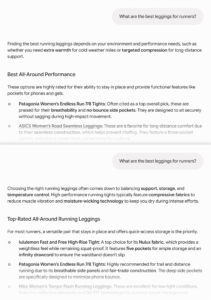
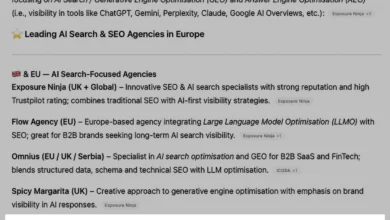
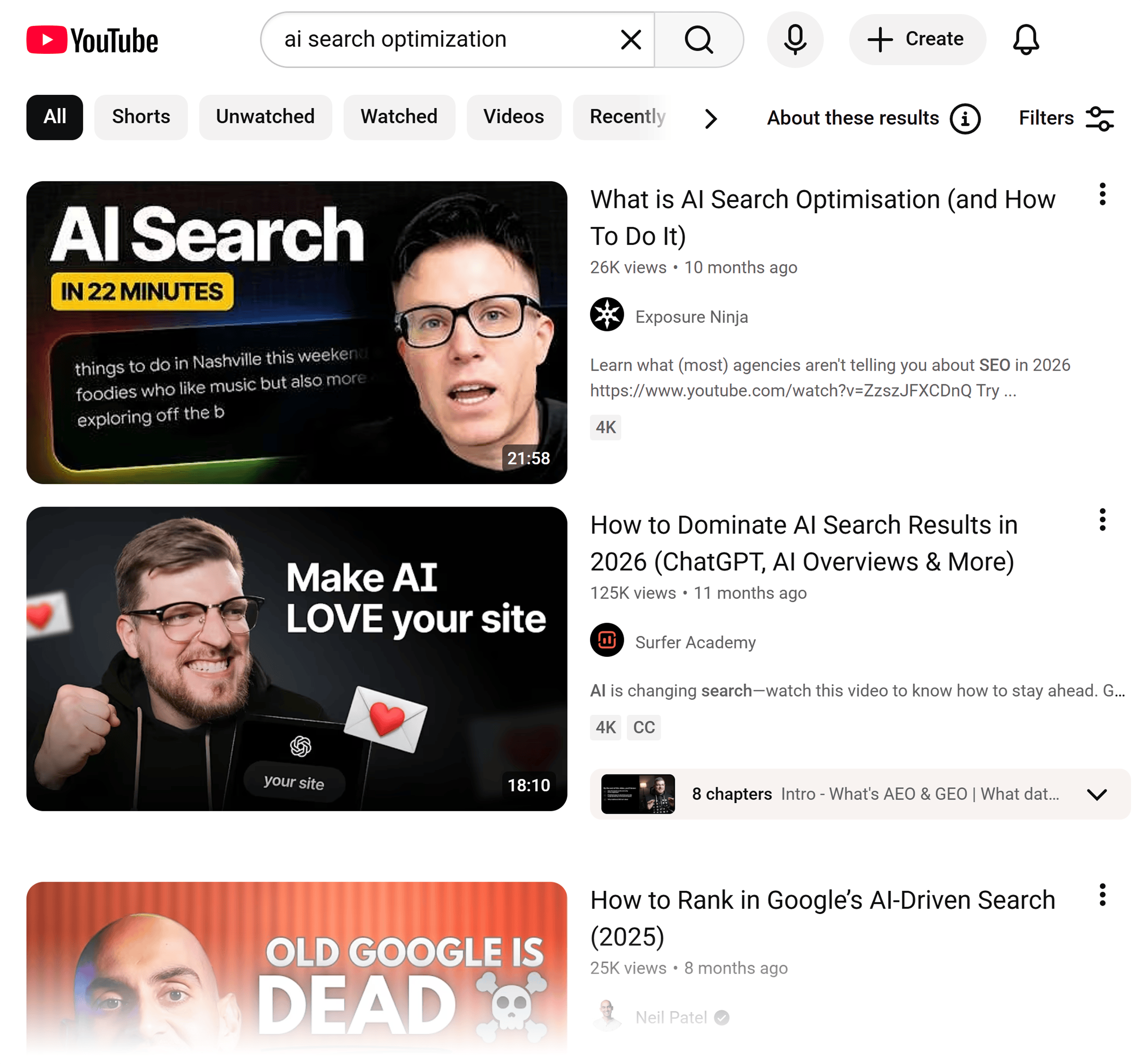
By 2026, this paradigm has accelerated significantly due to the mainstream integration of generative artificial intelligence and large language models (LLMs) into daily consumer habits. Platforms like OpenAI’s ChatGPT, Google AI Mode, and specialized vertical assistants synthesize vast amounts of internet data to deliver direct recommendations, effectively bypassing the traditional browsing experience.
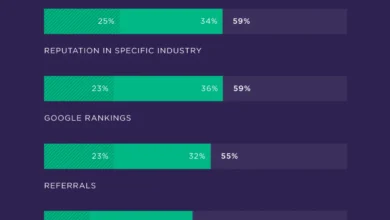
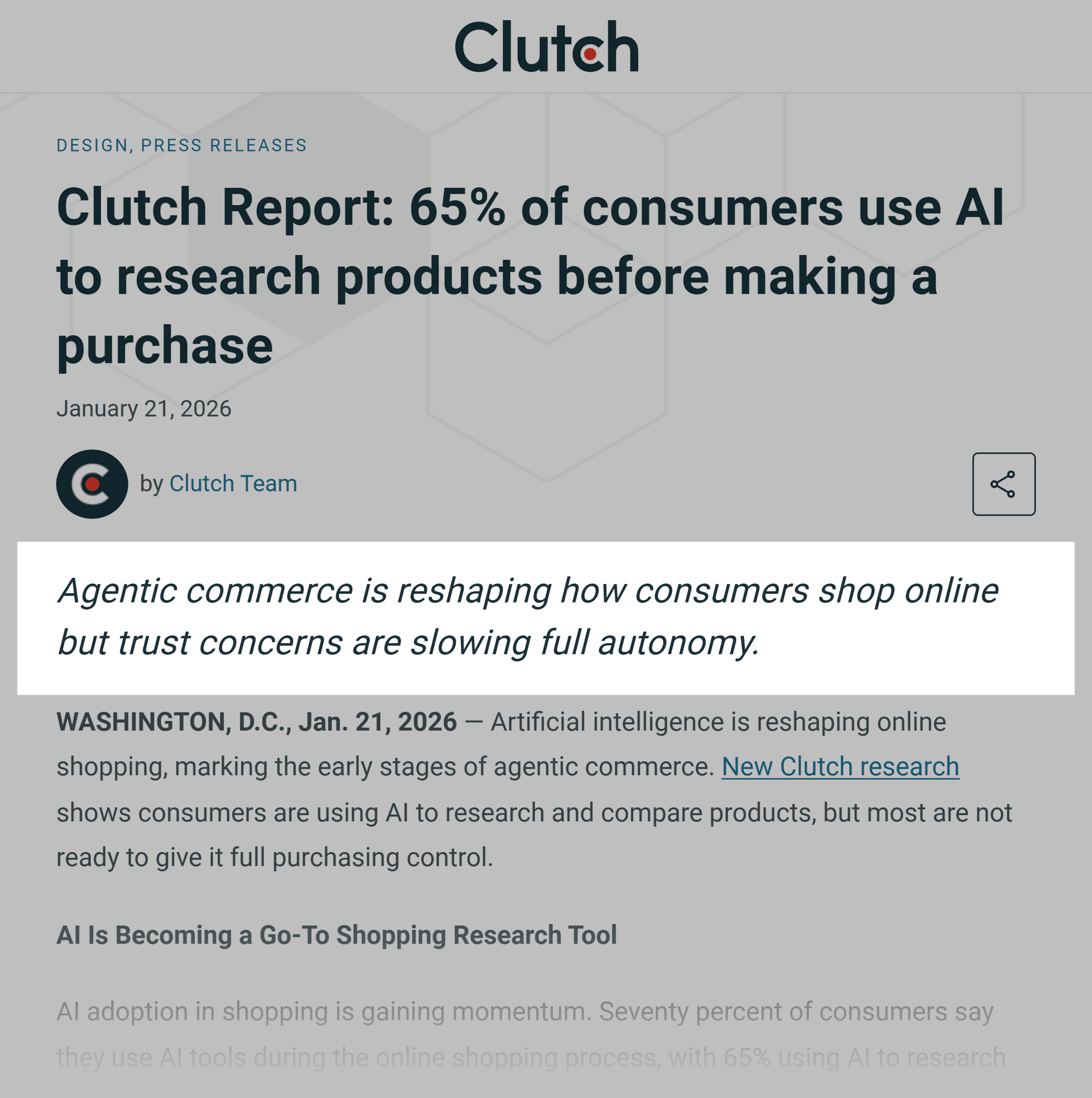
Market research firm Clutch highlighted this shift in its latest consumer behavior survey, revealing that nearly two-thirds of active buyers rely on AI interfaces to evaluate products, compare services, and formulate brand perceptions prior to visiting a commercial website. This transition has transformed the internet into an interconnected web of algorithmic sentiment and peer-to-peer validation. Brands can no longer rely solely on optimizing meta descriptions and technical XML sitemaps; they must actively engineer how the broader internet—and the AI systems that crawl it—describes and evaluates their products.
Strategic Frameworks for Modern Brand Positioning
To capture high-intent traffic in this fragmented landscape, modern digital strategists are deploying comprehensive brand messaging frameworks designed for dual-audience discovery: human buyers and artificial intelligence parsers.
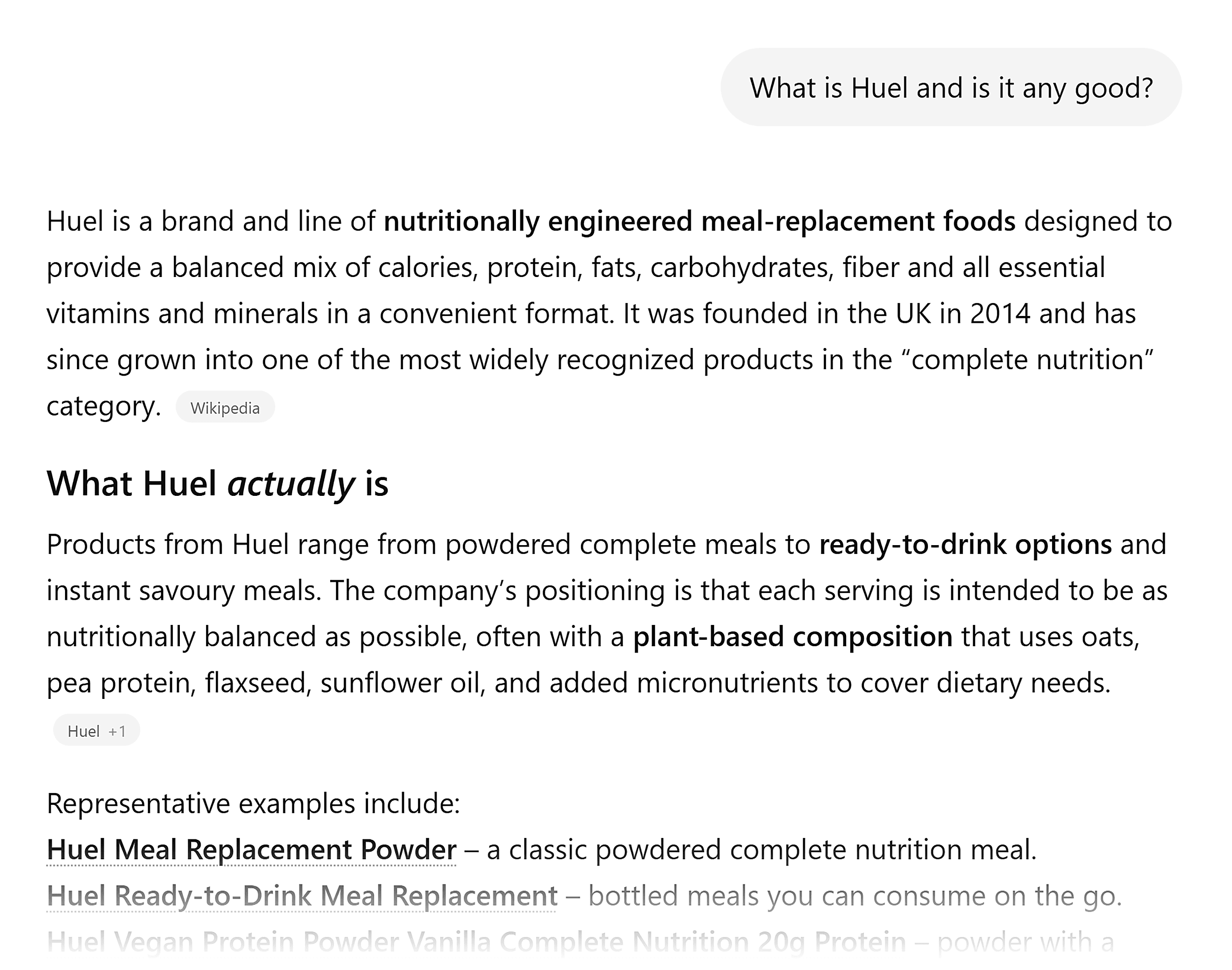
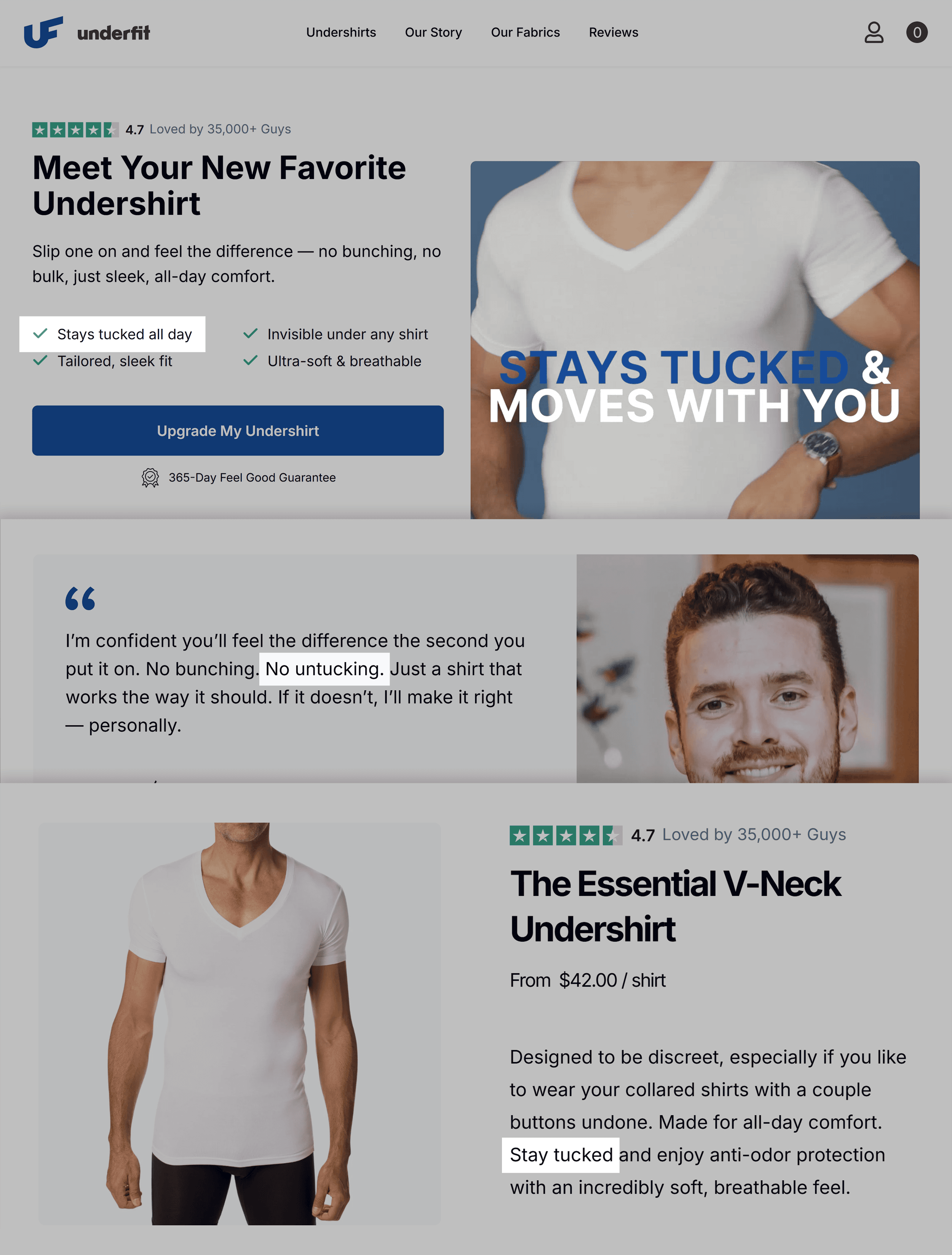
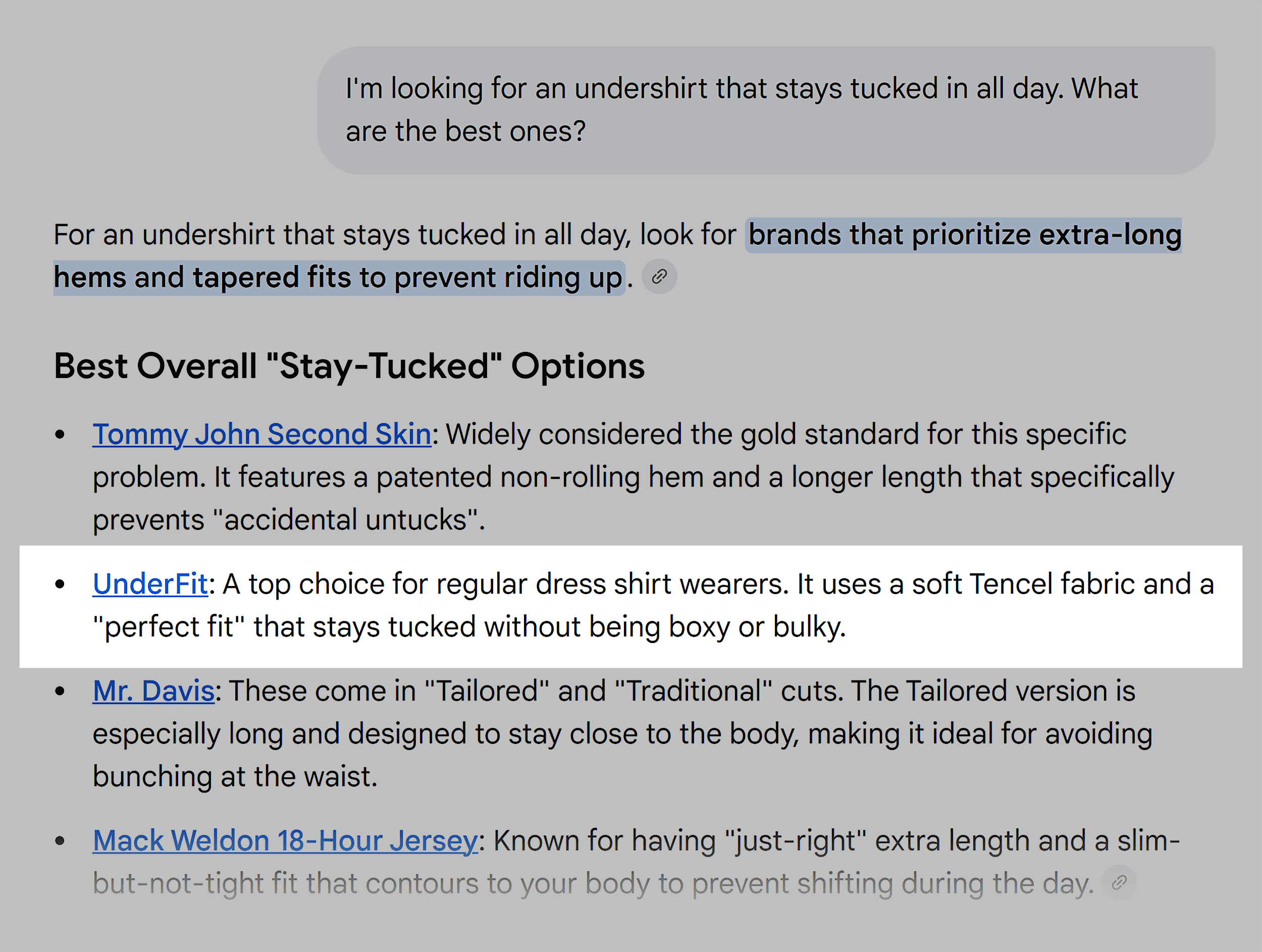
The primary objective is linguistic and categorical consistency. Organizations must establish documented brand guidelines that clearly articulate their core positioning, value propositions, and the specific problem their product or service solves. When every public-facing touchpoint—from executive LinkedIn posts and partner press releases to customer support forums and technical documentation—consistently repeats the same verified benefits, it creates a powerful semantic footprint. This consistent repetition ensures that when an LLM queries its training data or real-time web index for a specific solution, the brand is accurately categorized and recommended.
Industry analysis of successful ecommerce and software-as-a-service (SaaS) brands demonstrates the efficacy of this approach. Companies that intentionally seed verified product benefits across multiple third-party review sites, developer forums, and social channels frequently dominate AI-generated recommendation outputs. Conversely, brands that isolate their messaging strictly to their proprietary homepages often remain invisible to algorithmic discovery tools.
Optimizing Website Architecture for Humans and Algorithms
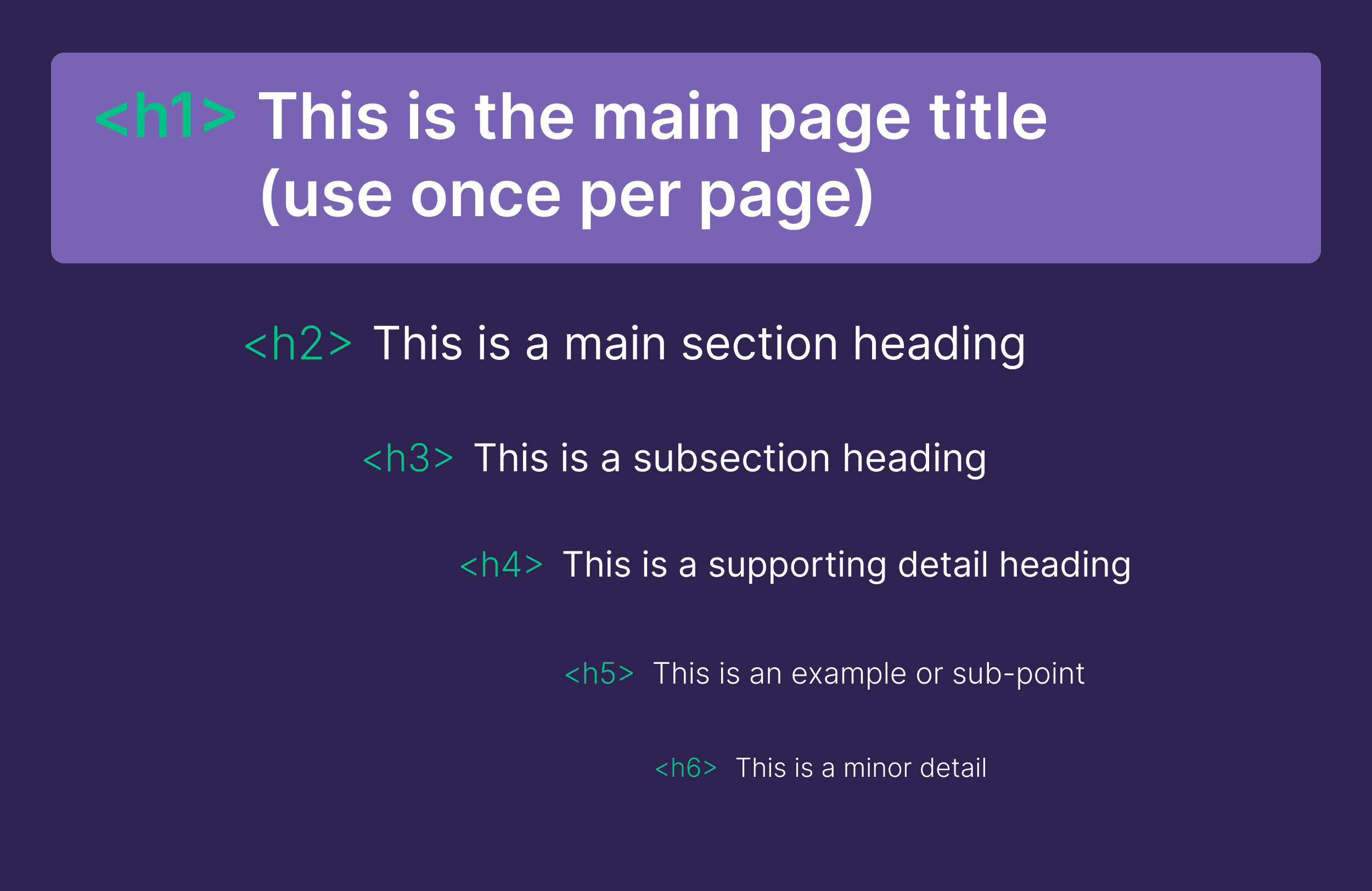
While external visibility drives initial brand awareness, the on-site user experience must be meticulously engineered to convert pre-educated visitors efficiently. Modern website marketing requires a dual-focus architecture: human-centric readability combined with machine-readable semantic HTML.
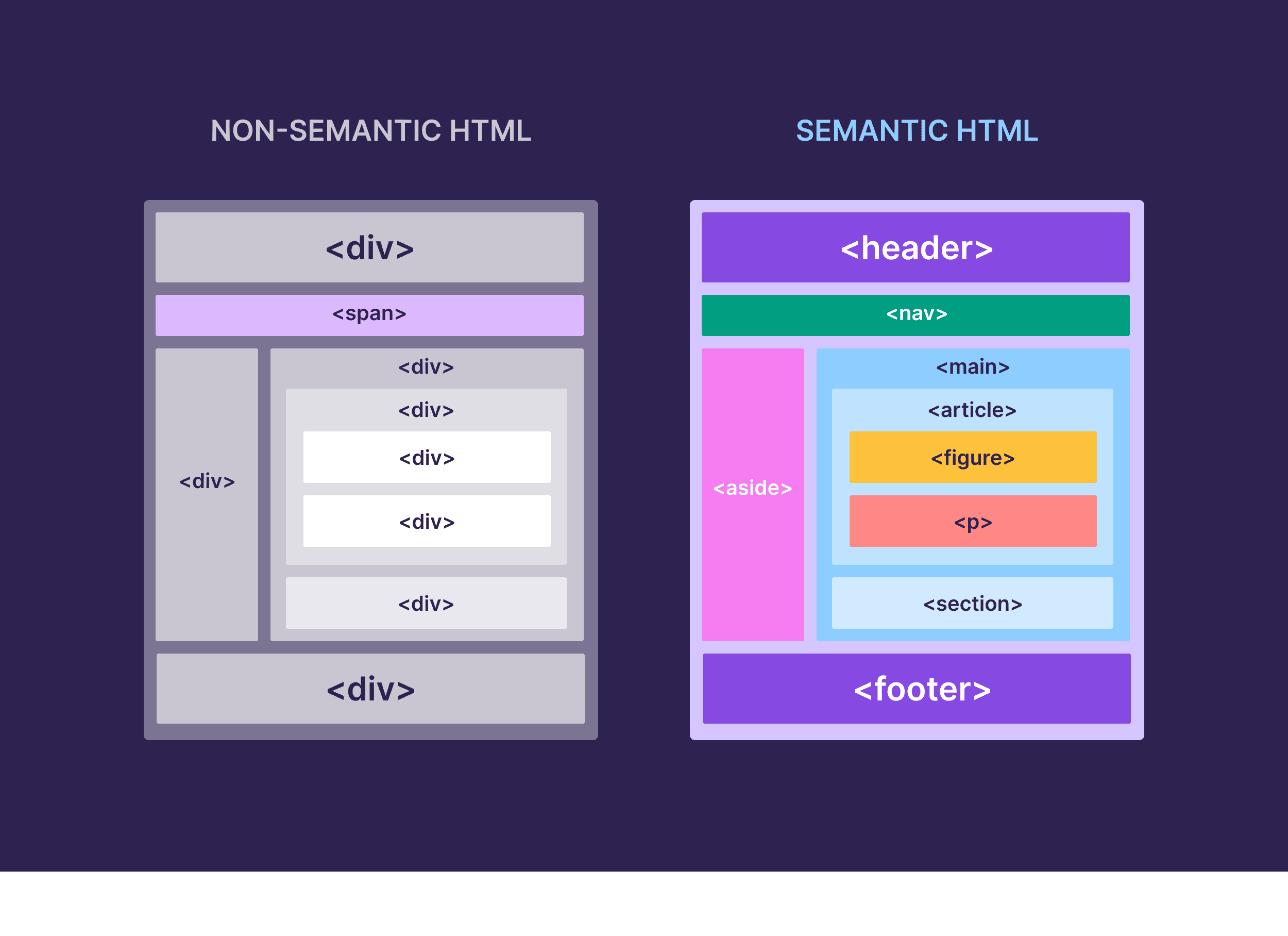
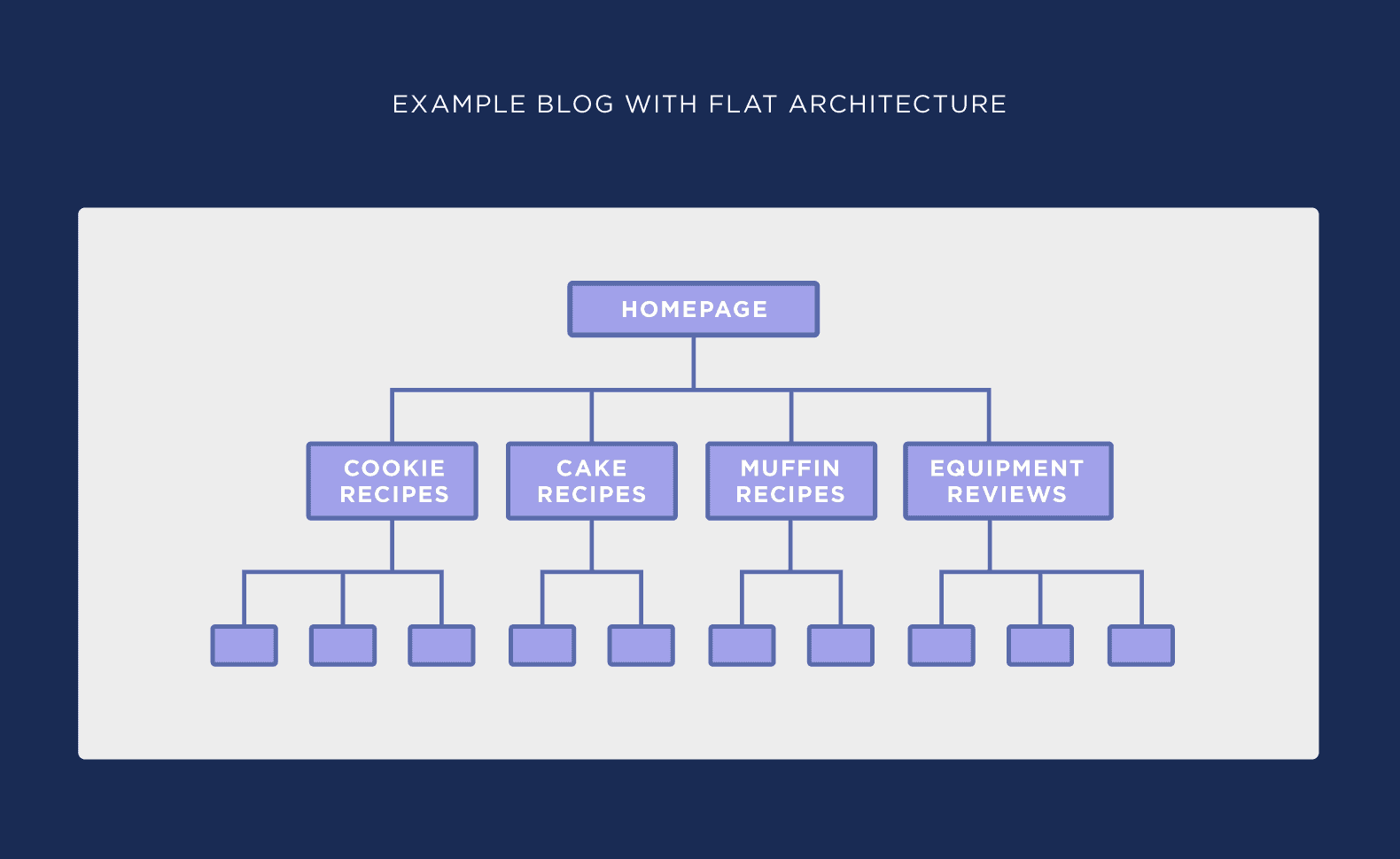
Web designers and developers are placing renewed emphasis on clean site architecture, ensuring logical URL hierarchies, flat linking structures, and robust internal linking models. At the code level, the strict implementation of semantic HTML elements—such as structured headers, descriptive lists, and explicit section containers—provides search engines and LLM crawlers with unambiguous context regarding content hierarchy.
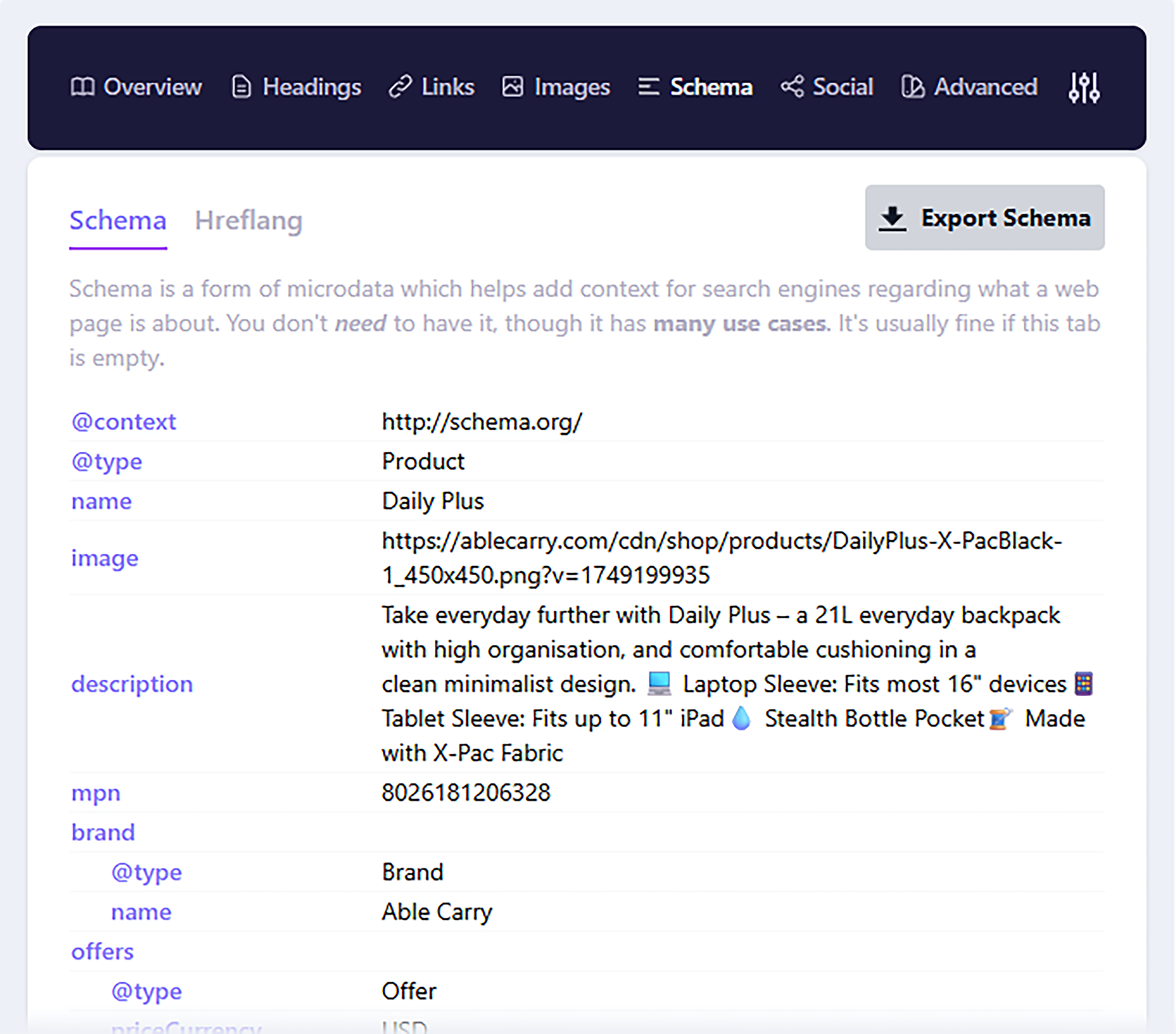
Furthermore, the integration of advanced structured data (Schema Markup) allows businesses to explicitly define their products, organizational details, reviews, and frequently asked questions in machine-readable formats. This technical rigor ensures that when an algorithmic crawler evaluates a domain, it encounters zero friction in interpreting the page’s core utility and authority.
The Rise of Proof Assets and Trust Signals
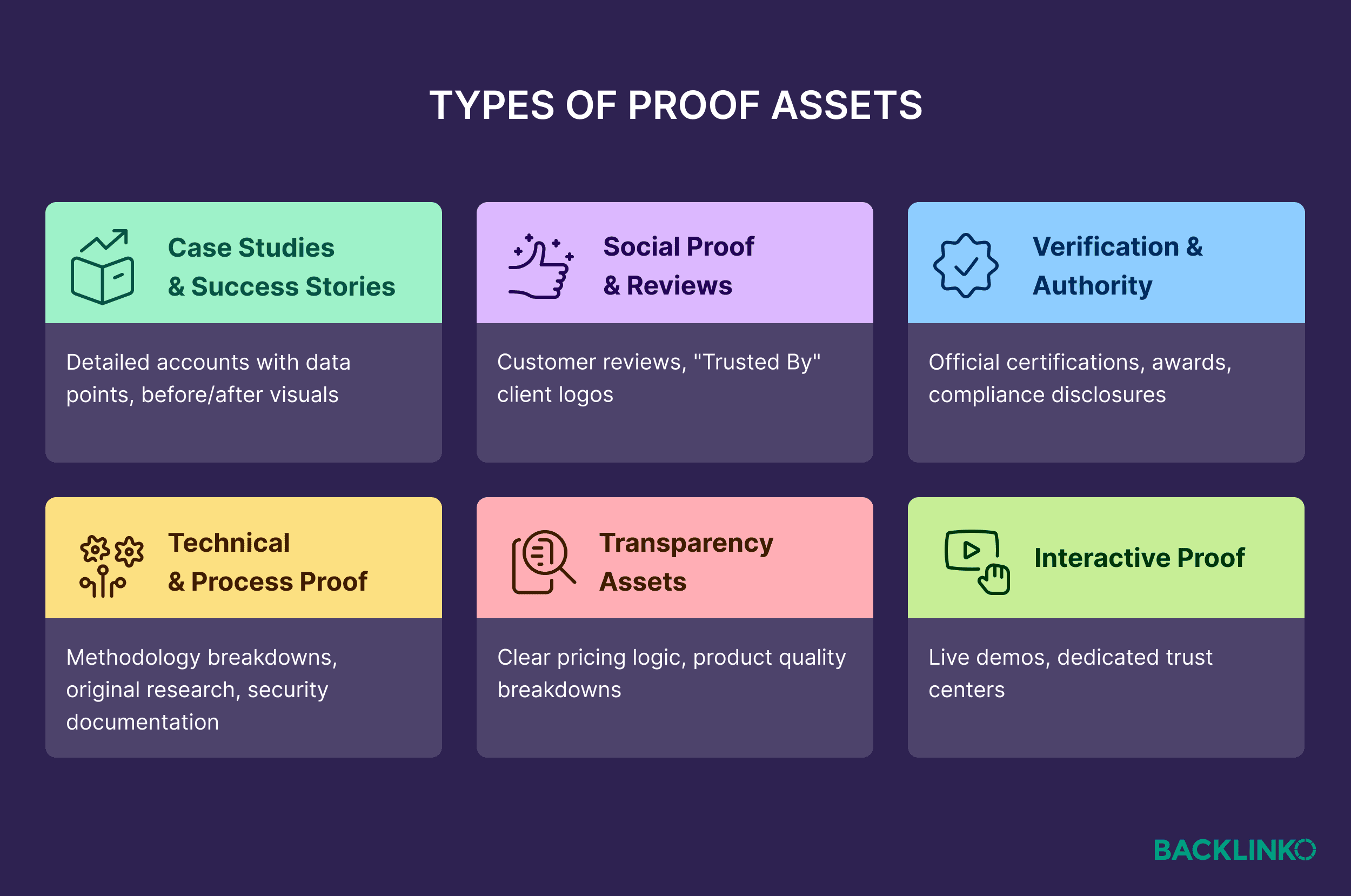
In an era characterized by synthetic media and automated content generation, consumer skepticism regarding brand claims is at an all-time high. To combat this skepticism, leading organizations are aggressively publishing and surfacing verifiable "proof assets."
Proof assets encompass a wide array of empirical evidence, including peer-reviewed case studies, independent laboratory test results, transparent uptime metrics, verified customer testimonials, and comprehensive return or security policies. The specific type of proof required varies significantly by industry. While B2B software buyers heavily scrutinize enterprise security documentation and quantifiable return-on-investment case studies, consumer product buyers focus on material quality details, warranty terms, and granular user reviews.
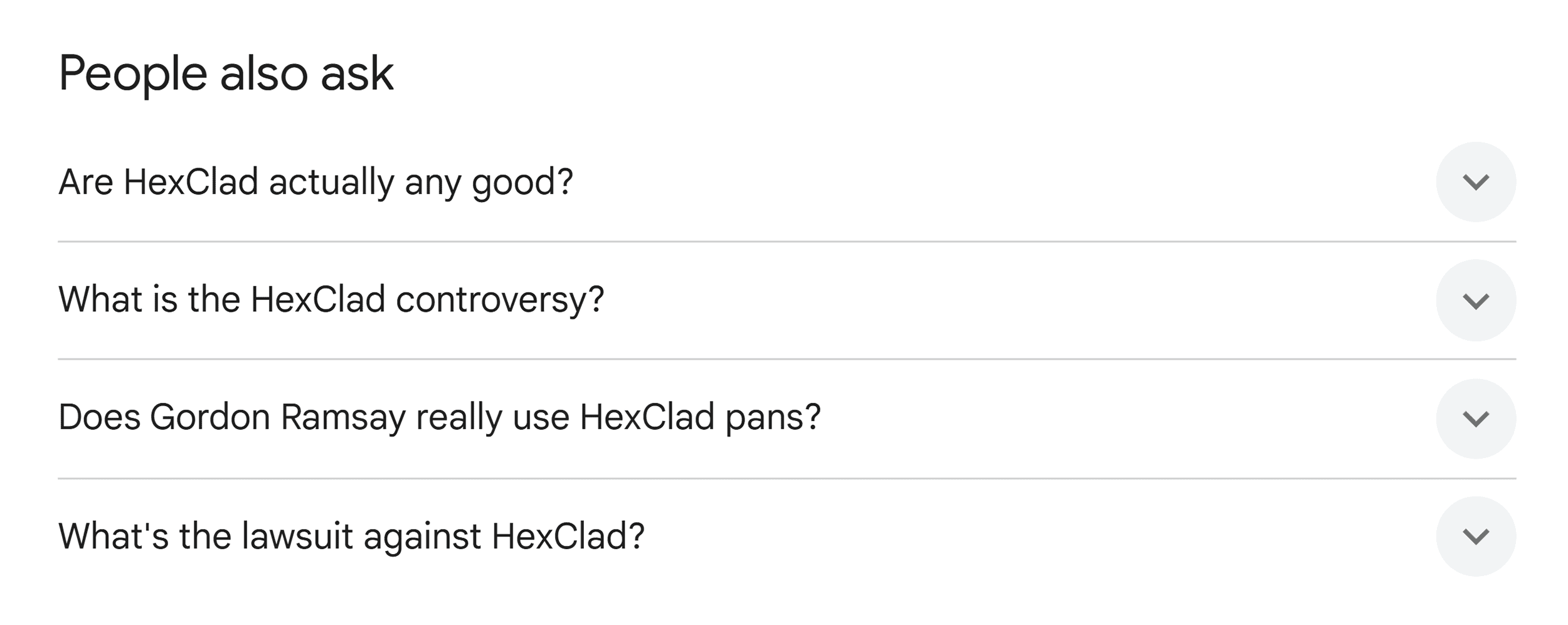
Industry analysts note that brands often discover precisely what proof assets are missing by evaluating search engine autocomplete data and "People Also Ask" queries associated with their brand name. By systematically addressing these recurring consumer doubts directly on high-value conversion pages, businesses can effectively dismantle pre-purchase anxiety.
Video-First Trust Building and Omnichannel Repurposing
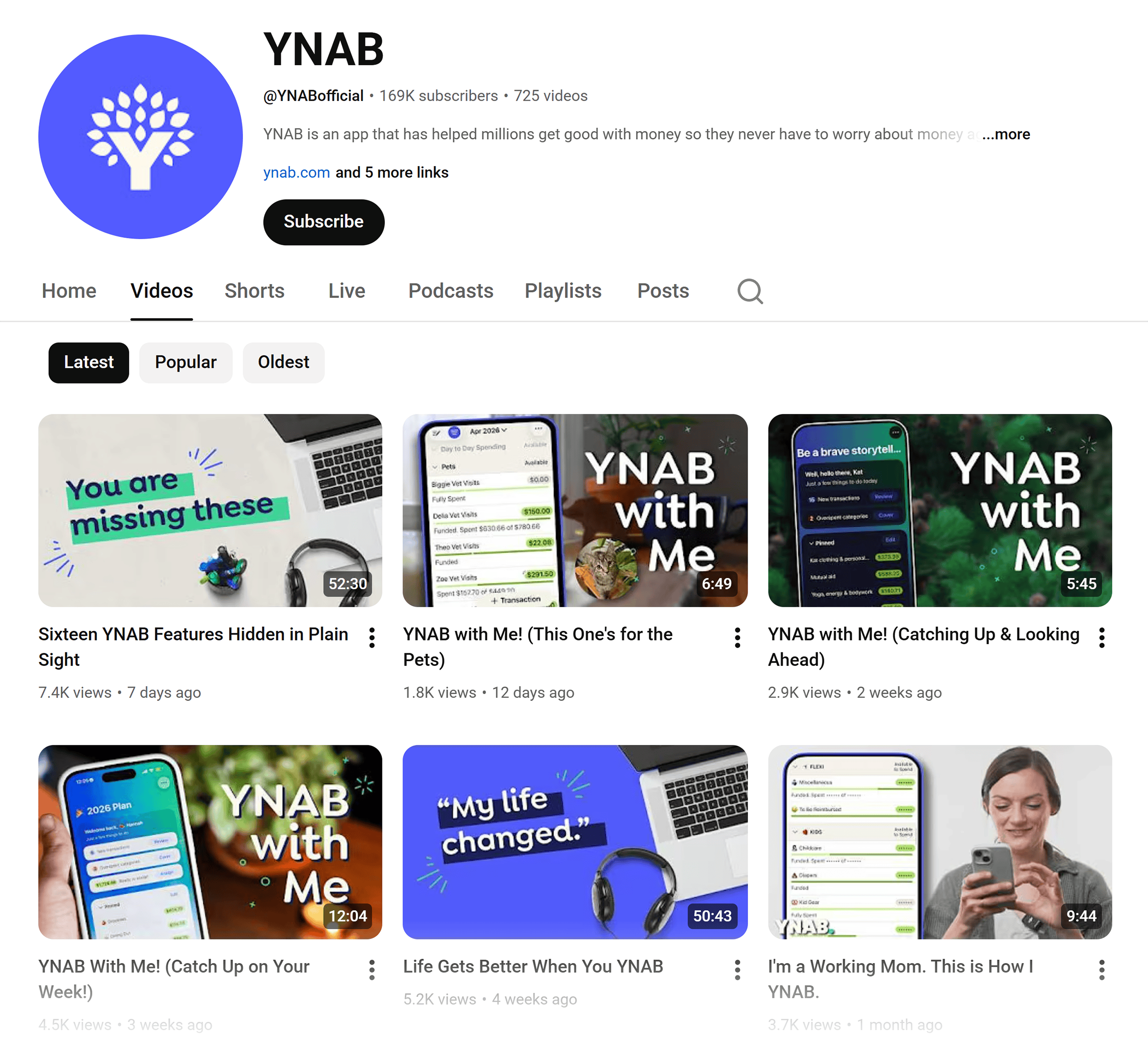
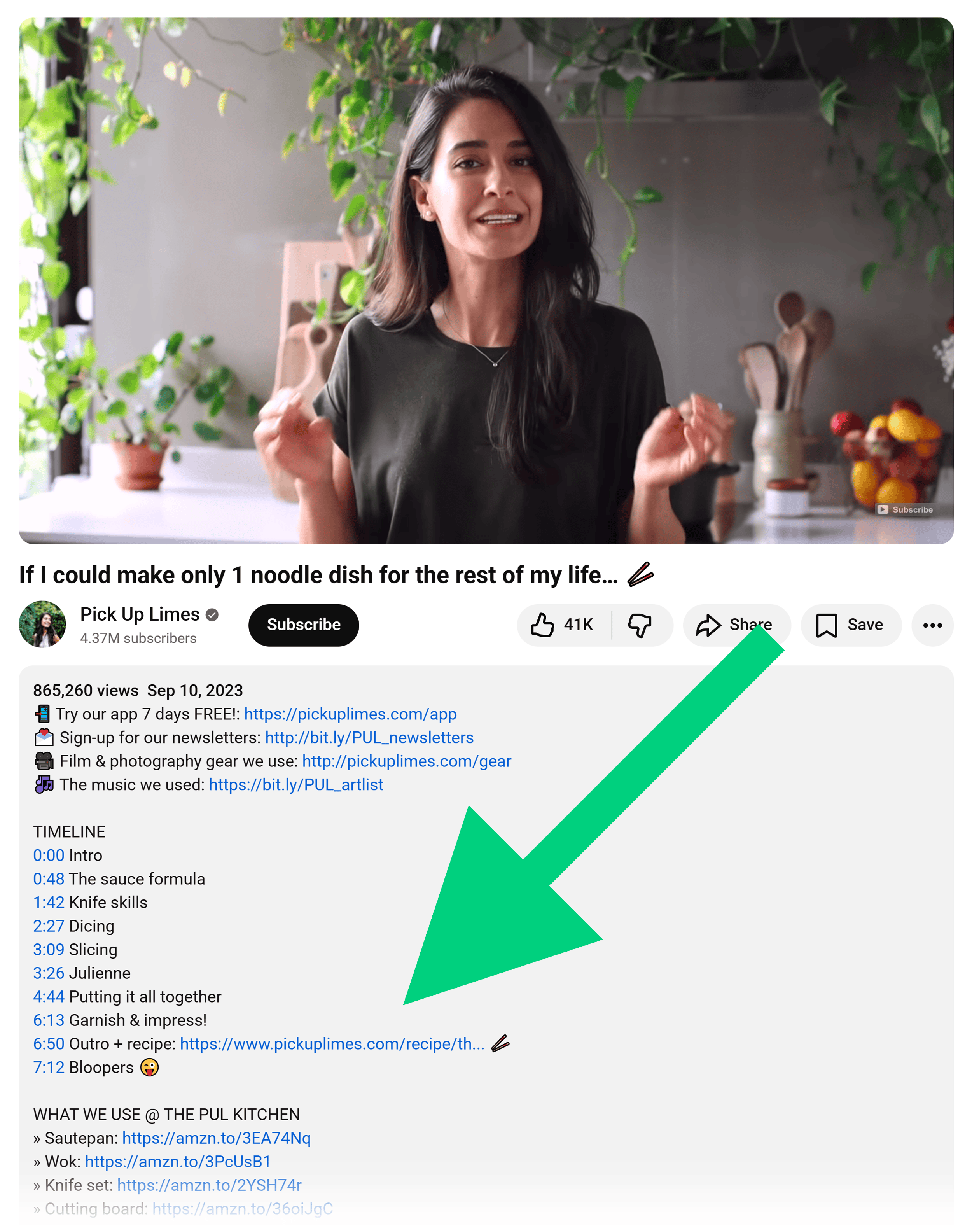
Video marketing has transcended its traditional role as a supplementary engagement tactic, becoming a cornerstone of brand familiarity and trust. Long-form video content—hosted on platforms like YouTube, specialized webinars, and educational training portals—allows prospective buyers to observe domain expertise and organizational transparency long before making a purchasing decision.
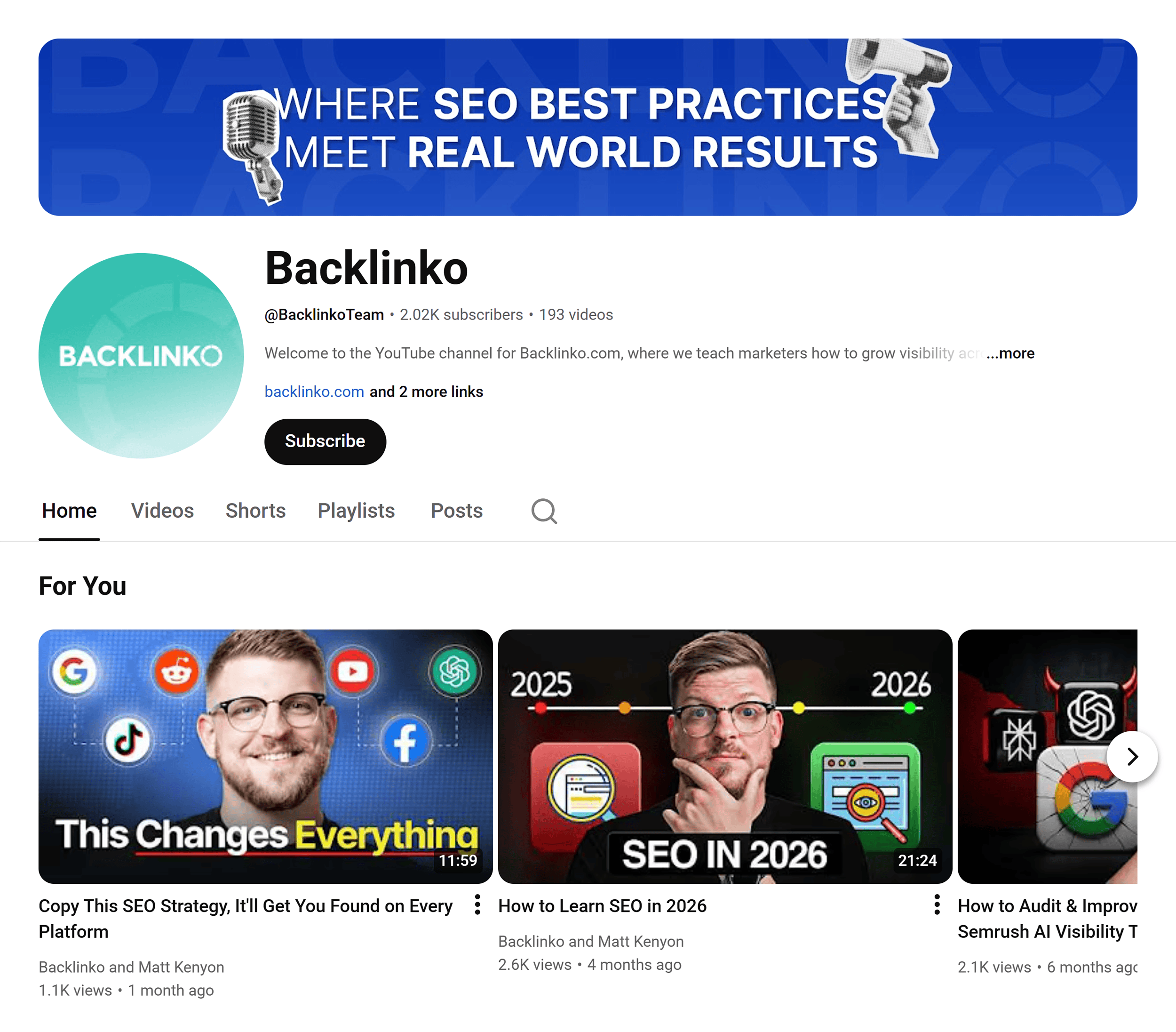
Concurrently, short-form video ecosystems on TikTok, Instagram Reels, and YouTube Shorts provide continuous touchpoints that reinforce brand presence through repetition. Rather than pursuing complex, high-budget production setups, successful digital marketers prioritize speed and authenticity, utilizing short-form video to answer real-time customer objections sourced directly from sales calls and support logs.
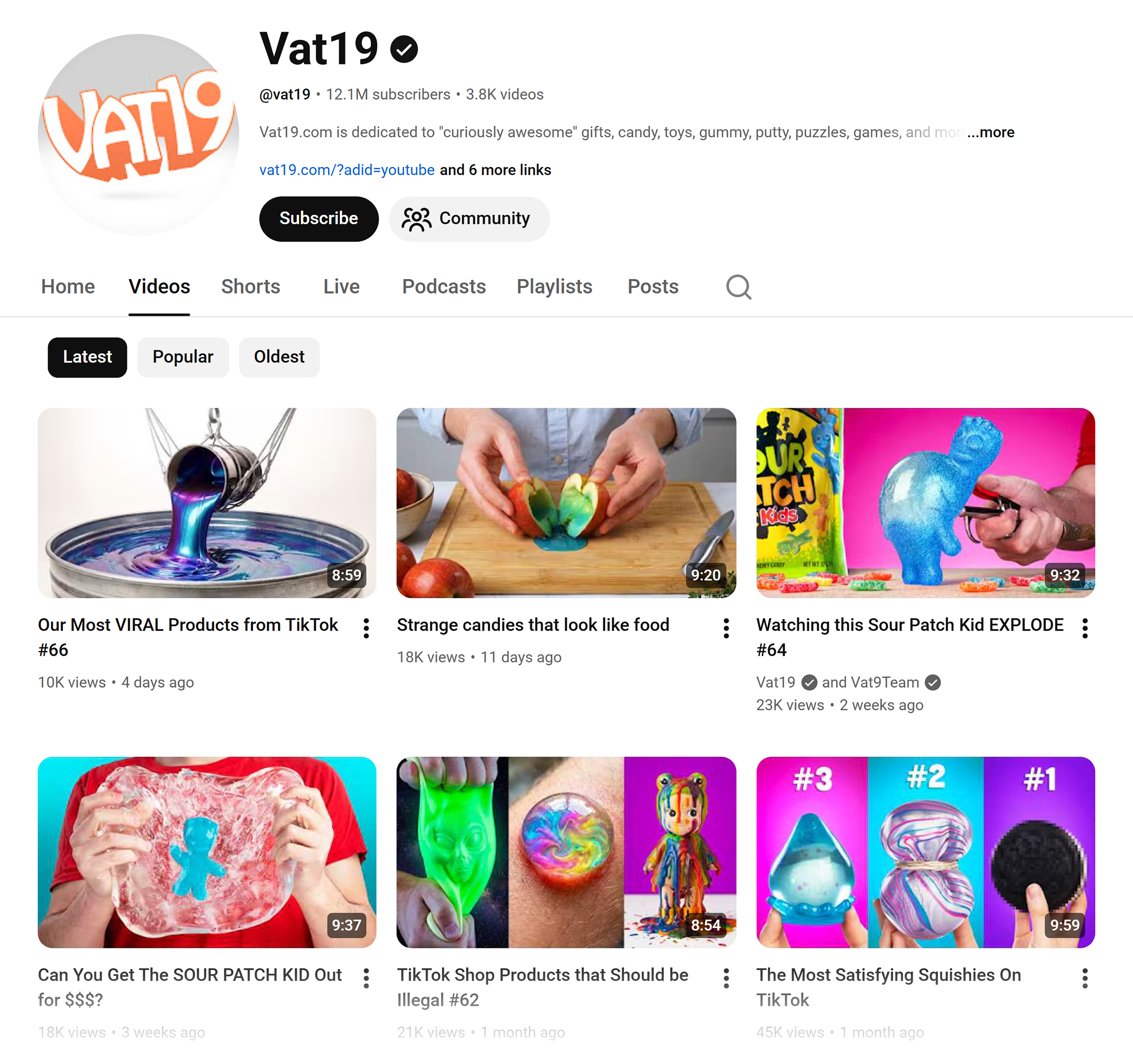
This multi-platform approach underscores the critical importance of disciplined content repurposing. Rather than generating endless volumes of uncoordinated content, leading marketing teams utilize a hub-and-spoke model. They begin with a deeply researched, high-performing core asset—such as an extensive industry report or comprehensive blog post—and systematically distill its core insights into distinct formats tailored for different platforms, including social media carousels, email newsletters, and video scripts.
Broader Implications and Future Outlook
The maturation of AI-driven discovery and zero-click search environments signals a permanent departure from the high-volume, low-intent traffic models of the past. As web traffic becomes increasingly pre-qualified and intentional, the ultimate metric of marketing success is shifting away from raw pageviews and toward revenue per visitor and conversion rate optimization (CRO).
Organizations that adapt to this landscape by decentralizing their marketing efforts—treating third-party communities, social platforms, and AI recommendation engines as extensions of their corporate ecosystem—will maintain a distinct competitive advantage. Success in modern website marketing no longer belongs to the loudest voice on a single domain, but to the most trusted, verifiable, and ubiquitous brand across the entire digital horizon.