Strategic Social Media Optimization: Navigating Halloween Hashtag Trends and Platform-Specific Discoverability for Brands


As autumn temperatures drop and seasonal consumer habits shift toward festive retail displays, digital marketing strategists are once again turning their attention to the lucrative Halloween season. In the United States alone, approximately 73% of the population participates in Halloween-related activities, ranging from costume creation and home decoration to themed culinary experiences. For commercial enterprises, this holiday represents a vital engagement window. However, modern social media analysis reveals that the success of seasonal digital campaigns relies heavily on advanced content discoverability rather than standard aesthetic captions alone.
The Mechanics of Algorithmic Categorization
The operational function of hashtags on major social networking platforms has evolved significantly over the past decade. No longer operating as crude shortcuts to broad content reach, hashtags now serve primarily as content signals. Social media algorithms utilize these tags to categorize digital assets and distribute them accurately to targeted consumer demographics. According to industry insights, approximately 93% of modern consumers expect commercial brands to actively align with prevailing online culture, making precise cultural and seasonal tagging a necessity for maintaining relevance.
To maximize traction during the autumn retail surge, marketing professionals recommend a diversified tagging architecture. This involves blending broad Halloween-centric terms with niche topic descriptors and proprietary branded hashtags. Broad categories such as #horror and #HorrorMovies establish foundational relevance, while specialized tags like #HorrorManga, #HorrorFiction, or #HorrorBooks allow brands to reach highly targeted consumer segments with surgical precision.
Chronology and Early Seasonal Engagement
The commercial timeline for autumn marketing campaigns has accelerated notably in recent years. Data compiled from consumer pulse surveys indicates that 44% of social media users are significantly more likely to purchase from brands that initiate their fall and winter marketing initiatives ahead of the traditional calendar curve. Often referred to in digital spaces as #CodeOrange, the early arrival of seasonal retail merchandise—such as autumn treats, pumpkin-flavored items, and decorative goods—reflects a consumer base eager to engage with festive content well before the official onset of October.
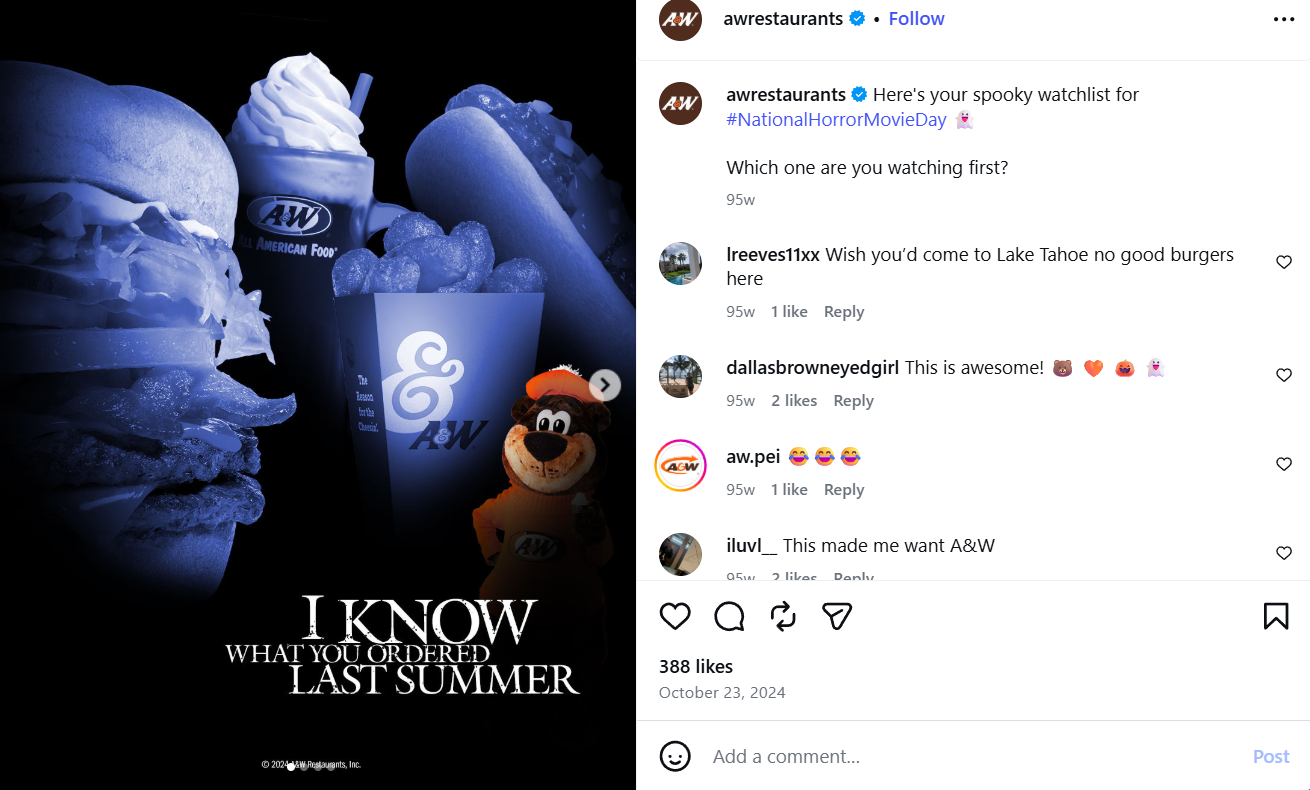
Brands that capitalize on this early window often utilize calendar-based milestones to structure their content timeline. Major touchpoints include dedicated hashtag holidays such as National Horror Movie Day on October 23rd, around which prominent corporate entities frequently build cross-promotional campaigns. By introducing spooky content incrementally throughout late summer and early autumn, organizations can capture early-bird shoppers and sustain audience engagement through Halloween night.
Platform-Specific Best Practices and Strategy
Effective digital distribution requires a tailored approach to hashtag implementation across different social networking ecosystems, as platform algorithms process metadata in distinct ways.
Meta Platforms (Instagram and Facebook)
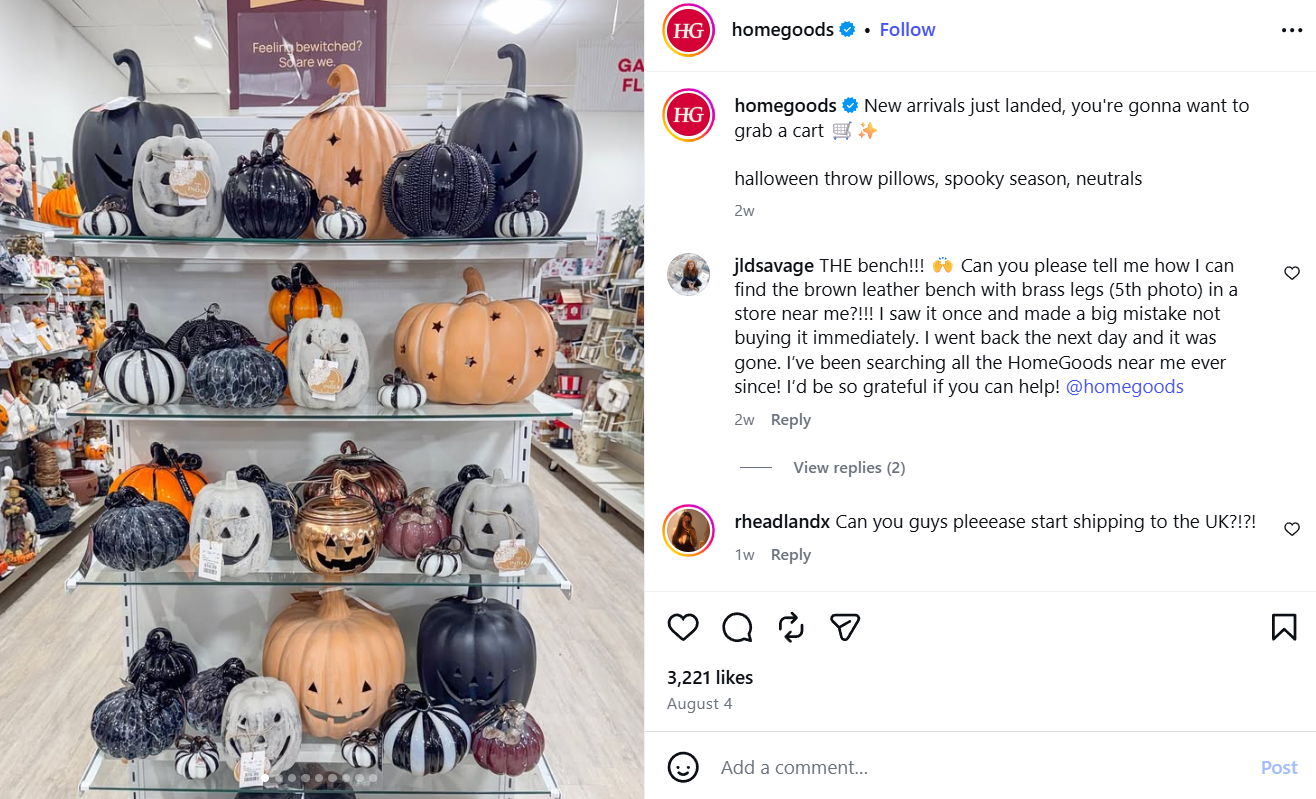
On Instagram and Facebook, hashtags remain critical drivers of organic reach. Official platform guidance indicates that Instagram creators achieve optimal results by incorporating three to five targeted hashtags directly within the post caption, particularly for video formats like Reels that rely on algorithmic distribution to high-intent viewers. Facebook strategies similarly emphasize restraint, recommending two to five hashtags integrated naturally into the post copy to avoid being flagged as spam by users or algorithms.
TikTok and Short-Form Video Networks
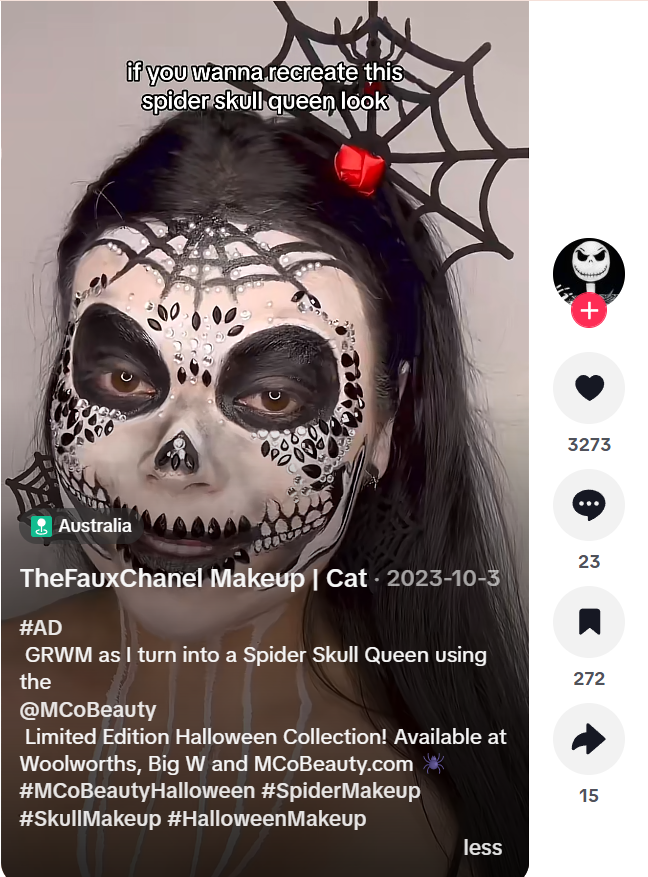
TikTok functions largely as a search and discovery engine that evaluates spoken audio alongside text metadata. Consequently, marketing strategists advise treating TikTok hashtags as specific keywords that mirror the verbal content of the video. Focusing on tight-knit community tags allows brands to interface authentically with established subcultures, ranging from specific makeup artistry communities to horror enthusiasts.
X (Formerly Twitter) and Real-Time Trends
On X, the application of metadata diverges sharply from visual platforms. Platform best practices advise against embedding hashtags directly within organic post copy, suggesting instead that brands utilize a maximum of one to two purposeful tags only when strictly relevant to breaking or trending conversations.
Pinterest and Visual Discovery
Pinterest prioritizes title and description keywords over traditional hashtags, though tags placed within the pin description can aid in secondary search categorization. Given the platform’s focus on inspirational planning, creators are encouraged to utilize three to five highly specific tags rather than broad, generic terminology.
Emerging Lexicon: The Rise of Maxxing Trends
As social media language continuously adapts, listening data from early 2026 highlights the growing prominence of niche-specific terminology and suffix-based trends across digital platforms. Keywords and hashtags utilizing the suffix "[word]maxxing"—such as #Fallmaxxing and early iterations of #Autumnmaxxing—have gained significant traction on networks like TikTok. Forward-thinking brands have an opportunity to get ahead of these linguistic curves by incorporating seasonal variants, potentially establishing enduring nomenclature like #Halloweenmaxxing to capture younger, highly engaged demographic cohorts.
Categorical Breakdown for Commercial Campaigns
To accommodate diverse commercial sectors, digital strategists categorize Halloween hashtags into specific verticals to ensure appropriate audience alignment:
- General and Aesthetics: Expanding upon foundational tags to capture atmospheric preferences, gothic subcultures, and nostalgic autumn sentiments.
- Costumes and Makeup: Leveraging transformation-focused tags to partner with beauty influencers and showcase specialized special effects artistry.
- Culinary and Baking: Capitalizing on the enduring popularity of pumpkin spice and seasonal comfort foods through targeted food-and-beverage tags.
- Home Decor and DIY: Interfacing with consumers seeking interior design transformations, tablescapes, and budget-friendly crafting solutions.
- Local and Small Business: Employing hyper-local geographic tags established by municipal chambers of commerce to drive physical foot traffic to brick-and-mortar storefronts.
- Family and Pets: Engaging multi-generational households and pet-care consumers through inclusive, family-oriented content verticals.
Implications and Analytical Oversight
The financial and brand-equity implications of a well-executed Halloween social media strategy are substantial. Because modern consumers demand cultural agility and timely engagement, failing to utilize precise metadata can result in content being buried beneath millions of untargeted posts. To mitigate this risk, sophisticated marketing operations increasingly employ social listening tools. These technologies allow analysts to monitor trending queries in real-time, sifting through hundreds of thousands of conversational data points to identify emerging terminology before competitors do.
Ultimately, navigating the digital landscape of late October requires a synthesis of cultural awareness, platform-specific technical compliance, and analytical rigor. By treating hashtags as dynamic content signals rather than superficial decorations, brands can ensure their seasonal marketing campaigns deliver measurable commercial returns without falling victim to algorithmic obscurity.