The Evolution of Digital Advertising: Navigating the Shift Toward AI-Native Google Ads Management

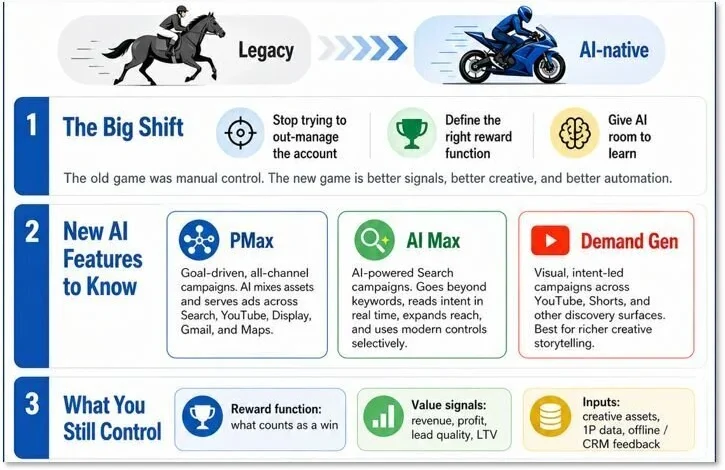
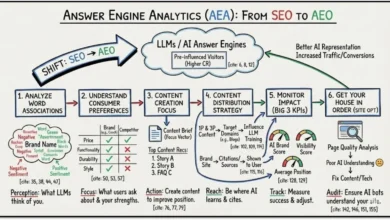
The global digital advertising landscape is currently undergoing its most significant structural transformation since the inception of search engine marketing over two decades ago. As Google continues to integrate advanced artificial intelligence across its advertising ecosystem, the traditional methods of manual campaign management are rapidly becoming obsolete. This transition, often characterized as the "AIfication" of Google Ads, represents a move away from human-centric granular control toward a model where machine learning algorithms dictate execution, bidding, and creative delivery. For marketing professionals and global enterprises, this shift necessitates a fundamental reassessment of organizational maturity, moving from legacy "AdWords-era" tactics to an AI-native strategic framework.
The Technological Pivot: From Manual Control to AI Max and PMax
For years, search engine marketing (SEM) was defined by "monkeying" with specific variables: adjusting match types, micro-managing geographic bids, and manually excluding negative keywords. However, Google’s current trajectory suggests that these manual interventions are increasingly counterproductive. The platform has introduced several high-automation campaign types designed to operate with minimal human interference at the execution level.
Performance Max (PMax) stands as the flagship of this new era. It is an all-in-one campaign type that utilizes AI to distribute ads across the entire Google ecosystem, including Search, YouTube, Display, Gmail, and Maps. Rather than requiring marketers to build separate campaigns for each channel, PMax asks for goals, budgets, and creative assets, then uses machine learning to determine the optimal mix for conversion.
Parallel to this is the concept of "AI Max," or the AI-powered search-only campaign. This model ignores traditional pillars like brand versus non-brand segmentation or specific keyword match types. Instead, it assesses user intent in real-time, looking beyond the literal text of a search query to identify broader patterns of consumer behavior. Similarly, Demand Gen campaigns have replaced the older Discovery ads, using visual-first AI to deliver video assets and Shorts to audiences based on predicted interest rather than static demographic lists.
Chronology of the Shift: The Path to Automation
The transition to an AI-first advertising environment has been a multi-year progression. Understanding this timeline is essential for contextualizing the current pressure on agencies and internal marketing teams to modernize.
- 2000–2010: The Era of Manual Control. Advertisers relied on manual Cost-Per-Click (CPC) bidding and "Exact Match" keywords. Success was determined by the sheer volume of manual adjustments made by specialists.
- 2010–2016: The Introduction of Enhanced Campaigns. Google began consolidating device targeting and introducing early versions of automated bidding, such as Target CPA (Cost Per Acquisition).
- 2017–2020: The Rise of Smart Bidding. Machine learning became the standard for bidding. The "Power of Three" (Broad Match, Smart Bidding, and Responsive Search Ads) was introduced as the recommended best practice, signaling the beginning of the end for manual keyword sculpting.
- 2021–Present: The PMax and Generative AI Era. The launch of Performance Max marked a definitive shift toward goal-based automation. In 2023 and 2024, the integration of Gemini (Google’s large language model) into the Ads interface allowed for the automated generation of headlines, descriptions, and even image assets.
A Framework for Maturity: The Six Dimensions of Modern Advertising
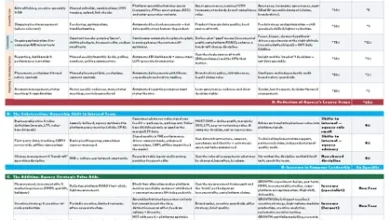
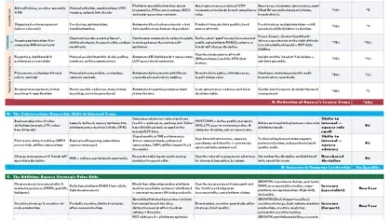
To help organizations navigate this transition, industry experts have developed maturity models that measure a company’s readiness for an AI-native future. This assessment is typically based on two factors: Capability (the sophistication of the strategy) and Depth (how widespread that sophistication is across the total ad spend).
1. Measurement and Value Architecture
This is considered the most critical dimension, often weighted as 30% of an organization’s total maturity score. In an AI-driven environment, the algorithm can only optimize for the "reward function" it is given. If a company optimizes for low-value signals like pageviews or sessions, the AI will efficiently generate low-value traffic.
Mature organizations (AI-native) utilize value-based bidding. This involves feeding the system high-quality data, such as profit margins, predicted lifetime value (LTV), or "closed-won" data from a CRM. According to internal Google data, advertisers who switch from volume-based bidding to value-based bidding see an average of 14% more conversion value at a similar return on ad spend (ROAS).
2. Search Operating Model
The second dimension focuses on the abandonment of legacy "Single Keyword Ad Groups" (SKAGs) and manual bid modifiers. An AI-native search model relies on Smart Bidding and Broad Match to capture intent that humans cannot predict. The goal is to move away from "sculpting" the account and toward giving the system enough room to learn. Organizations that persist with manual CPC or excessive segmentation are often found to be "profit pulverizing," as they prevent the AI from accessing the necessary data density to optimize effectively.
3. First-Party Data and Audience Intelligence
As third-party cookies are phased out, the ability to activate first-party (1P) data becomes a competitive moat. Mature advertisers use Google’s Data Manager to integrate their own customer lists, allowing the AI to find "lookalike" audiences that mirror their most profitable existing customers.
4. Surface Breadth and Campaign Mix
This dimension measures how well a brand shows up across different formats. Relying solely on text-based search is no longer sufficient. A modern campaign mix includes a balance of PMax, Demand Gen, and Search, ensuring the brand is present at every stage of the customer journey, from initial discovery on YouTube to the final search on Google.
5. Creative and Landing Page Adaptability
In the AI era, creative is the new "targeting." Since the algorithm handles the placement, the human marketer’s job is to provide high-quality assets. This includes multiple video formats (horizontal and vertical for Shorts), diverse imagery, and modular ad copy that the AI can assemble into thousands of variations.
6. Operating Cadence and Governance
Finally, maturity is measured by how an agency or team operates. Legacy teams prove their worth by the number of changes they make per day. Modern teams prove their worth by the quality of the data they feed the machine and the strategic frameworks they build.
Supporting Data: The Impact of Automation
Recent industry reports underscore the necessity of this shift. A 2023 study by Boston Consulting Group (BCG) found that companies using AI-driven tools for audience engagement and conversion saw a 20% increase in efficiency compared to those using traditional methods. Furthermore, Google’s own internal meta-analyses indicate that PMax campaigns deliver an average of 18% more conversions at a similar cost per action than standard search campaigns.
However, the transition is not without friction. A survey of 500 digital marketing managers revealed that 65% feel "loss of control" is the primary barrier to adopting AI-native tools. Despite this, the data suggests that those who embrace the "black box" of AI see significantly higher returns than those who attempt to maintain manual oversight of every auction.
Industry Reactions and Official Perspectives
The shift has drawn a mixed response from the advertising community. "The choice to stay in the past is no longer available," notes Avinash Kaushik, a former Google executive and prominent digital strategist. He argues that marketers who continue to focus on manual bid adjustments are putting their "careers in reverse gear."
Conversely, some privacy advocates and independent auditors have expressed concerns about the lack of transparency in AI-driven campaigns. "When you give the machine total control, you lose the ability to see exactly where every cent of your budget is going," says a lead analyst at a major media auditing firm. In response, Google has introduced "Brand Settings" and "Negative Keyword Lists" for PMax, providing a middle ground for brands that require strict governance while still wanting to benefit from AI-driven scale.
Broader Impact and Future Implications
The long-term implication of the AIfication of Google Ads is the redefinition of the "Search Marketer" role. The profession is evolving from a technical role focused on platform mechanics to a strategic role focused on business intelligence.
In the future, the competitive advantage will not come from who can manage an account better, but from who can provide the AI with better "truth." This includes:
- Better Creative Assets: High-production value videos and images that resonate emotionally.
- Better Customer Signals: Deep integration between sales data and the advertising platform.
- Better Strategic Guardrails: Defining what "winning" looks like in terms of actual business profit rather than just digital metrics.
The "horse-and-buggy" era of digital advertising is ending. For companies willing to trade the illusion of manual control for the reality of AI-driven performance, the potential for revenue and profit growth is substantial. For those who refuse to adapt, the increasing efficiency of AI-native competitors will likely result in a steady erosion of market share. The mandate for 2024 and beyond is clear: feed the machine, refine the reward function, and embrace the automated present.