The Evolving Landscape of SEO Services: Spending, Satisfaction, and the Impact of AI

The realm of Search Engine Optimization (SEO) services has undergone significant transformation in recent years, propelled by dynamic shifts in user search behavior, the pervasive influence of artificial intelligence in search algorithms, and the intensifying competitive pressures across diverse industries. A comprehensive analysis, drawing upon a variety of data sources including a recent survey of 1,200 business owners, sheds light on the current state of this vital digital marketing sector, revealing critical insights into spending patterns, client satisfaction, decision-making factors, and future trends.

A Market in Flux: Annual Spending and Growth Drivers
The SEO and digital marketing consulting industry in the United States alone represents a substantial economic force, with companies projected to spend an impressive $119.4 billion annually in 2025. This robust investment underscores the perceived necessity of a strong online presence and visibility in an increasingly digital-first economy. While the overall market demonstrates significant expenditure, a closer look at small business spending, based on 2019 research, revealed an average monthly outlay of $497.16 for SEO services. However, this average masks a wide distribution, with half of surveyed respondents investing less than $1,000 per year, and only a small fraction (14%) dedicating over $5,000 annually, with a mere 2% exceeding $25,000 per year.
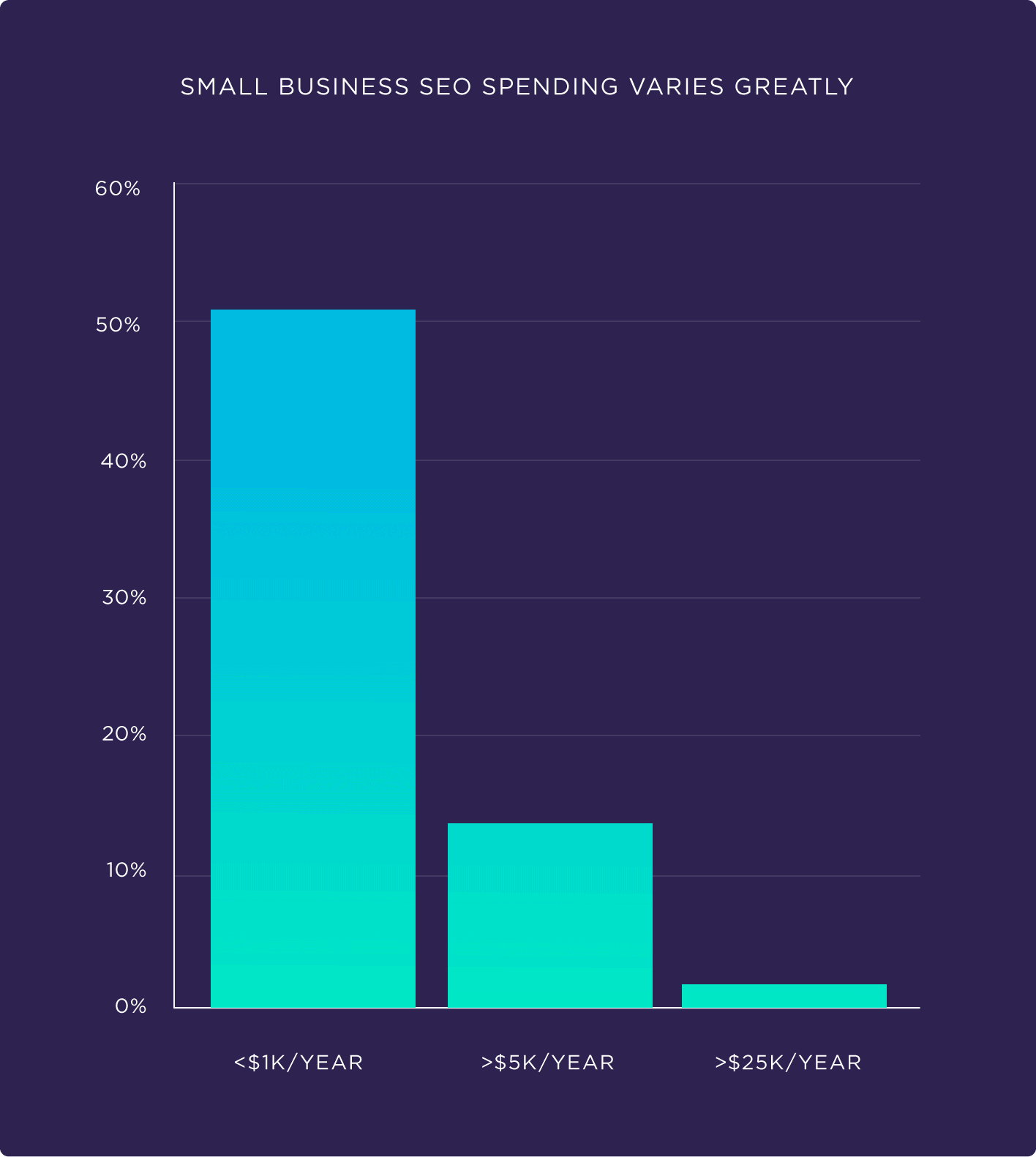
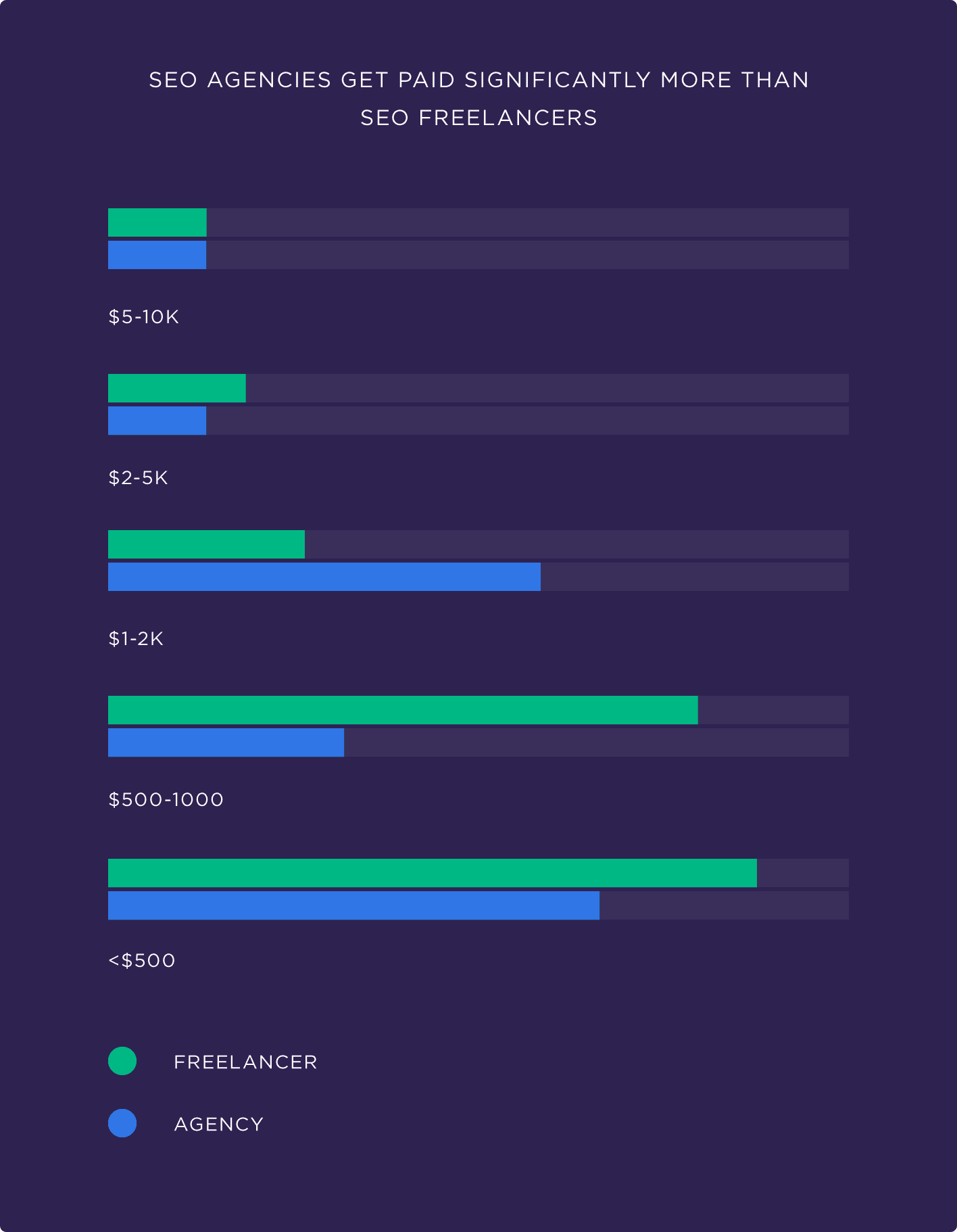
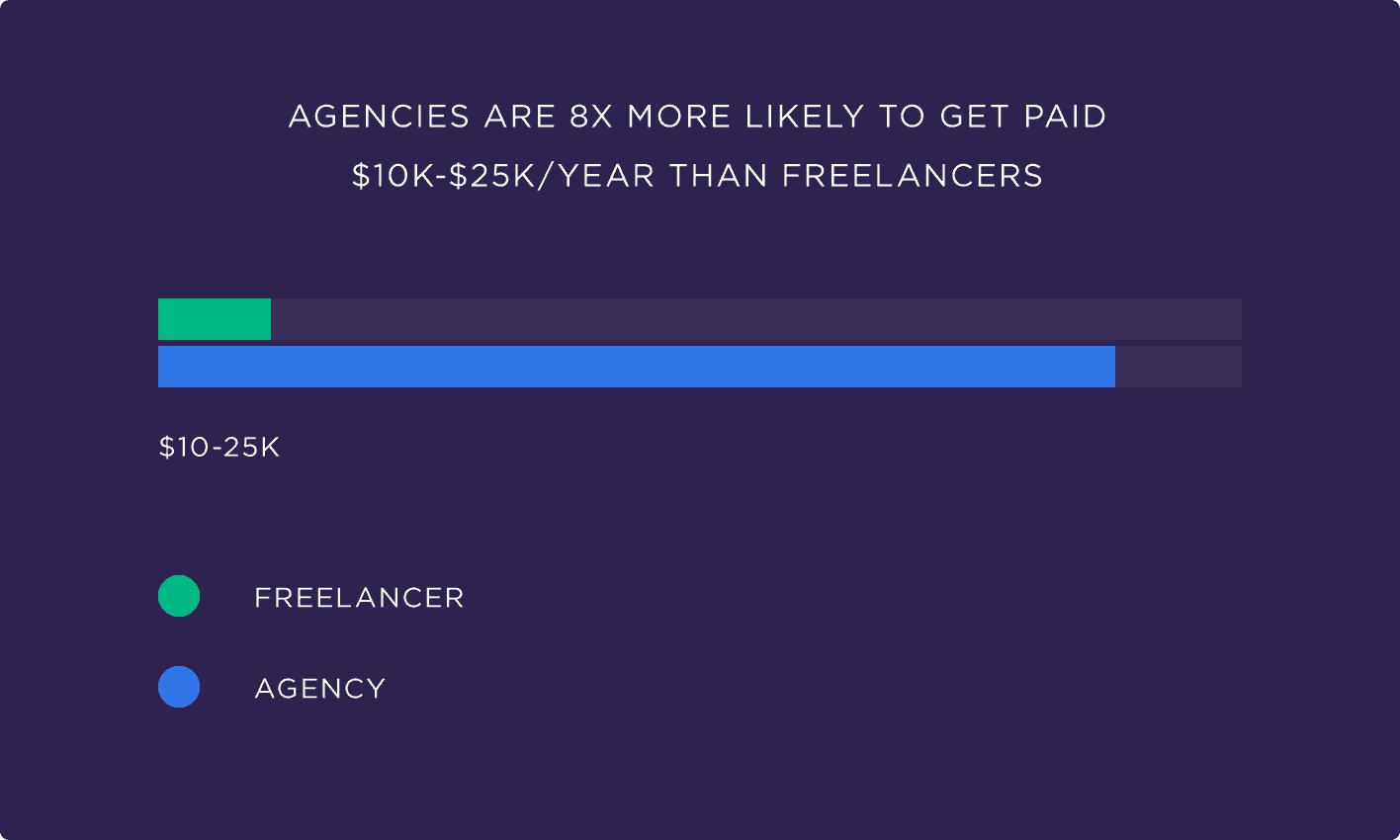
This variance highlights a segmented market where smaller businesses might be testing the waters with minimal investment, while more established or ambitious enterprises commit substantial resources. The increasing complexity of SEO, which now encompasses technical optimization, sophisticated content strategies, local SEO, and user experience (UX) considerations, necessitates higher levels of expertise and specialized tools. This complexity contributes to the observed trend where SEO agencies typically command higher fees than individual freelancers. Agencies were found to be twice as likely to secure monthly payments in the $1,000-$2,000 range compared to freelancers, who largely operate within the $500-$1,000 bracket. Furthermore, agencies dominate the higher-end of the market, with 24% of small businesses engaging agencies spending between $10,000 and $25,000 annually, a stark contrast to just 2% for freelance providers. This suggests that businesses seeking comprehensive, multi-faceted SEO solutions and greater scalability often gravitate towards agency models, which typically offer a broader range of services and a larger team of specialists.
The Correlation Between Investment and Client Satisfaction
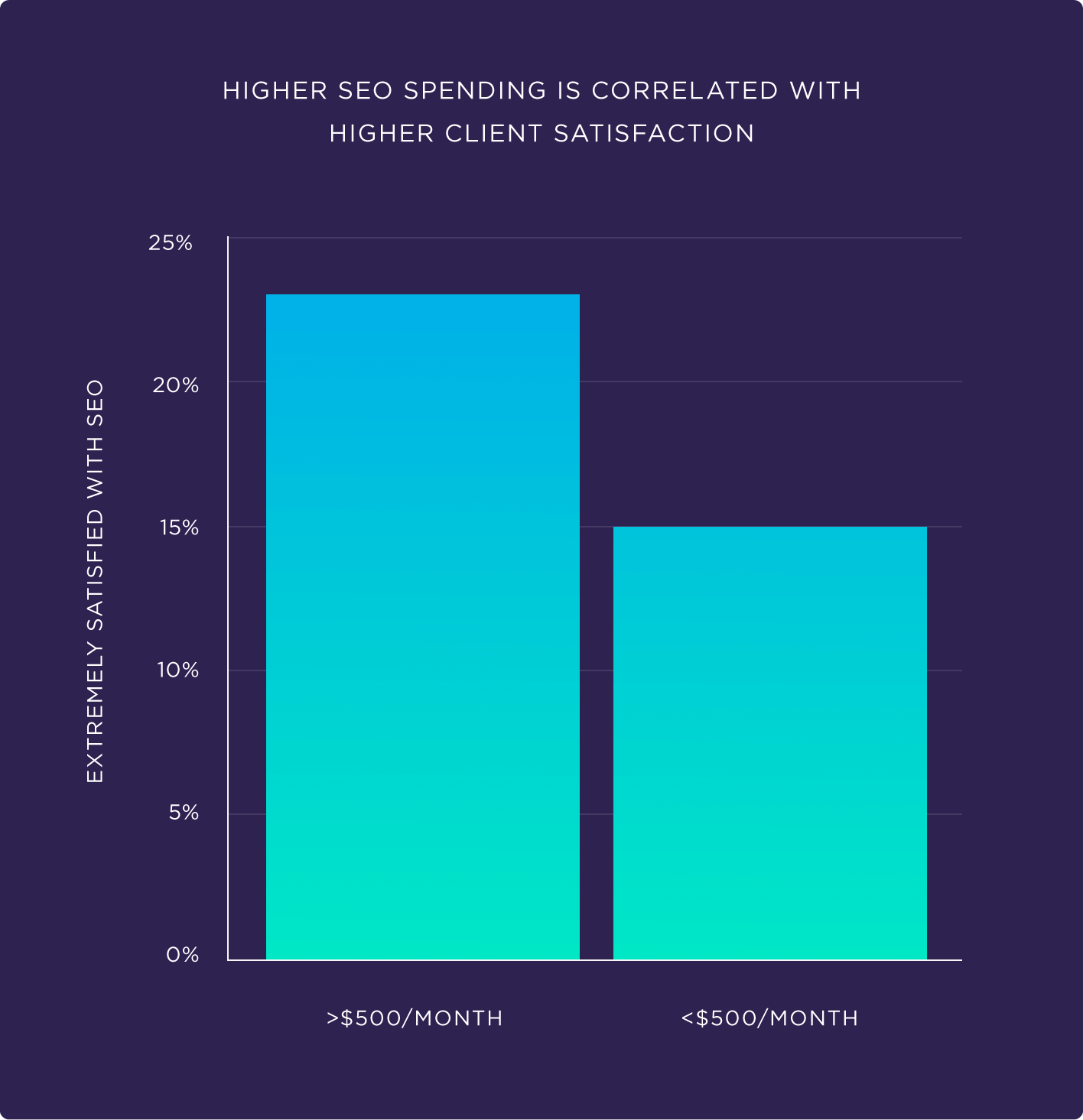
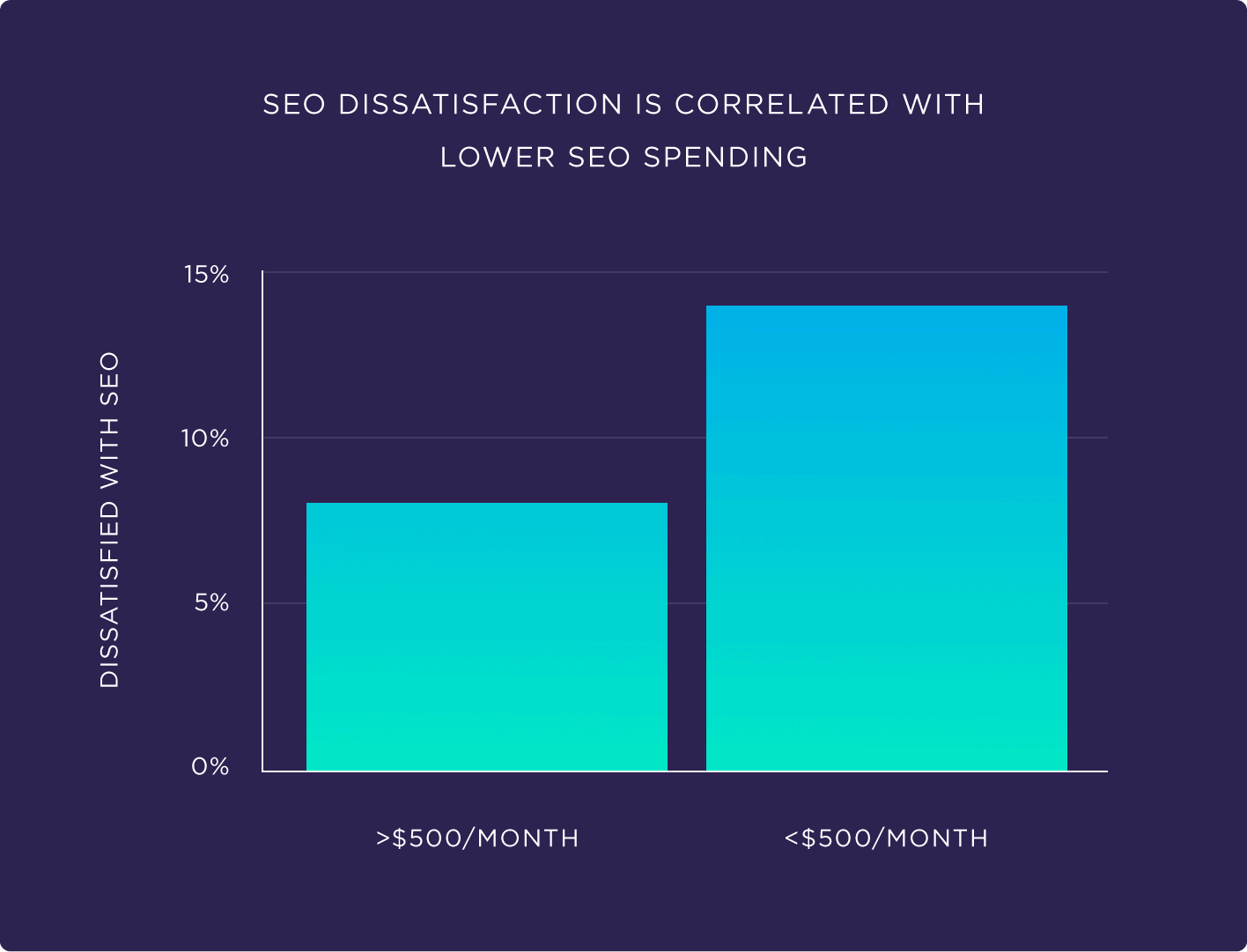
A key finding from the research indicates a strong correlation between the level of investment in SEO and client satisfaction. Businesses allocating over $500 per month to SEO services were found to be 53.3% more likely to report being "extremely satisfied" compared to those spending less. Conversely, dissatisfaction levels were 75% higher among businesses investing under $500 monthly. This trend held true irrespective of whether clients engaged freelancers, agencies, or a hybrid model.
This suggests that adequate funding is often a prerequisite for achieving tangible results and a positive client experience in SEO. Lower budgets might limit the scope of work, the quality of talent, or the duration of campaigns, leading to subpar outcomes and, consequently, lower satisfaction. Industry analysts often emphasize that SEO is a long-term strategy, and under-resourcing it can lead to frustration when quick returns are not realized. This data underscores the importance for businesses to allocate realistic budgets commensurate with their SEO goals and for providers to clearly communicate the scope and potential outcomes tied to different investment levels.
Pathways to Partnership: How Businesses Find SEO Providers
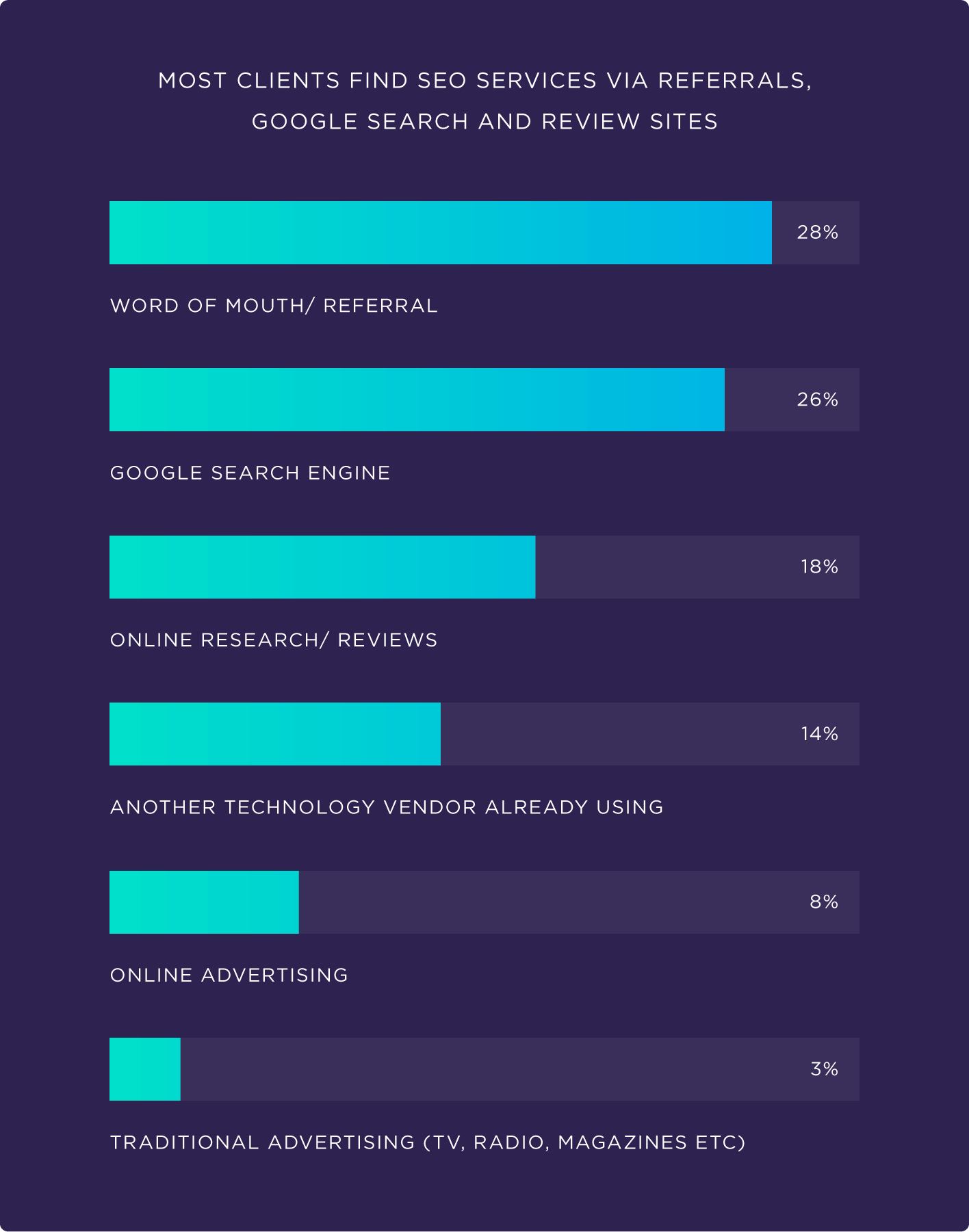
When businesses embark on the search for an SEO partner, their discovery methods predominantly rely on trusted, traditional channels. Referrals, direct Google searches, and online review platforms such as Yelp emerged as the leading avenues through which most small business owners identify potential SEO service providers. This reliance on word-of-mouth and organic search results highlights the critical importance of a strong reputation and effective self-SEO for providers themselves.
In contrast, online advertising played a significantly smaller role, with only 8% of SEO clients reporting that they found their current provider through this channel. Similarly, referrals from other vendors (e.g., web designers, content writers) were less common. For SEO agencies and freelancers, these findings present a clear strategic directive: prioritize building a robust online presence through SEO, cultivate strong client relationships that foster referrals, and actively manage online reviews. This approach ensures visibility where prospective clients are most actively looking, capitalizing on established trust factors rather than solely relying on paid outreach.
Decisive Factors in Provider Selection: Reputation, Cost, and Local Presence
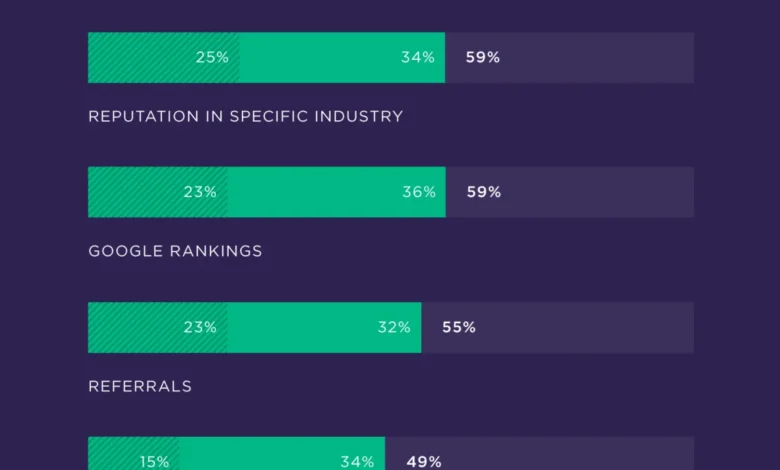
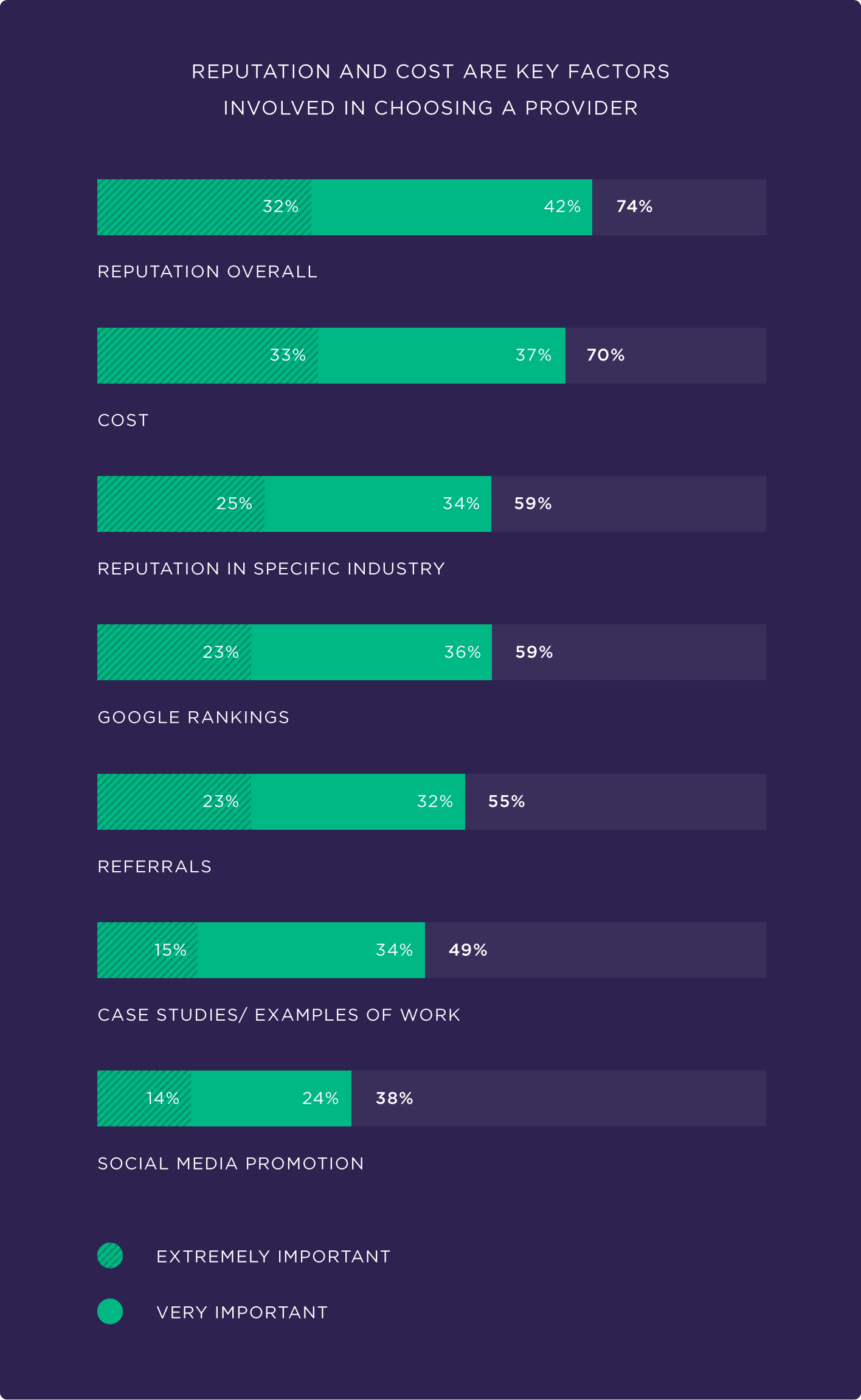
The decision-making process for selecting an SEO provider is multi-faceted, but certain elements consistently rise to the top. A staggering 74% of business owners deem an SEO provider’s reputation as "very" or "extremely" important. This metric often encompasses client testimonials, case studies, industry awards, and general market perception. Monthly cost is another pivotal consideration, reflecting businesses’ need to balance investment with anticipated returns. Intriguingly, the provider’s own Google rankings were also cited as an important factor, serving as a direct demonstration of their SEO capabilities.
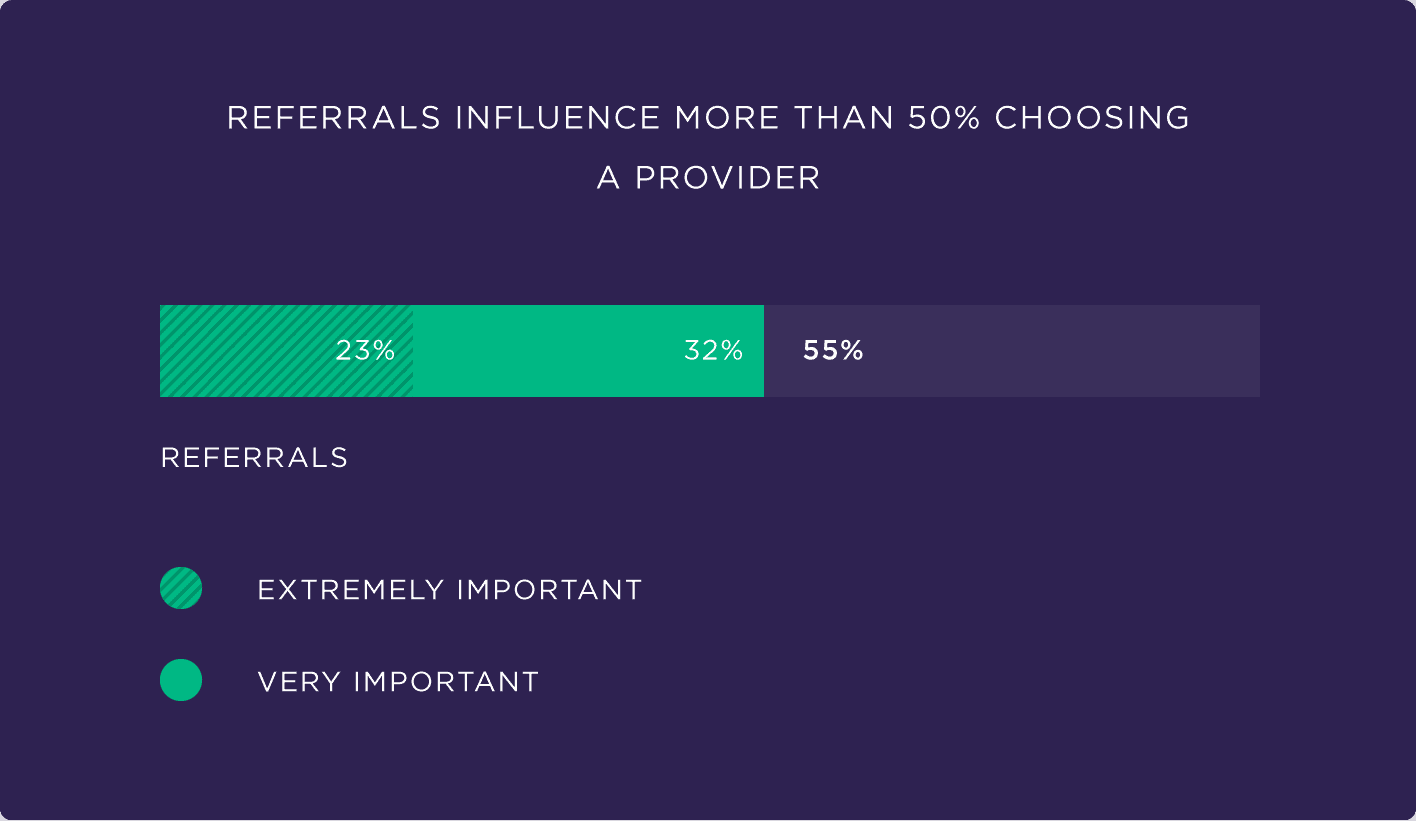
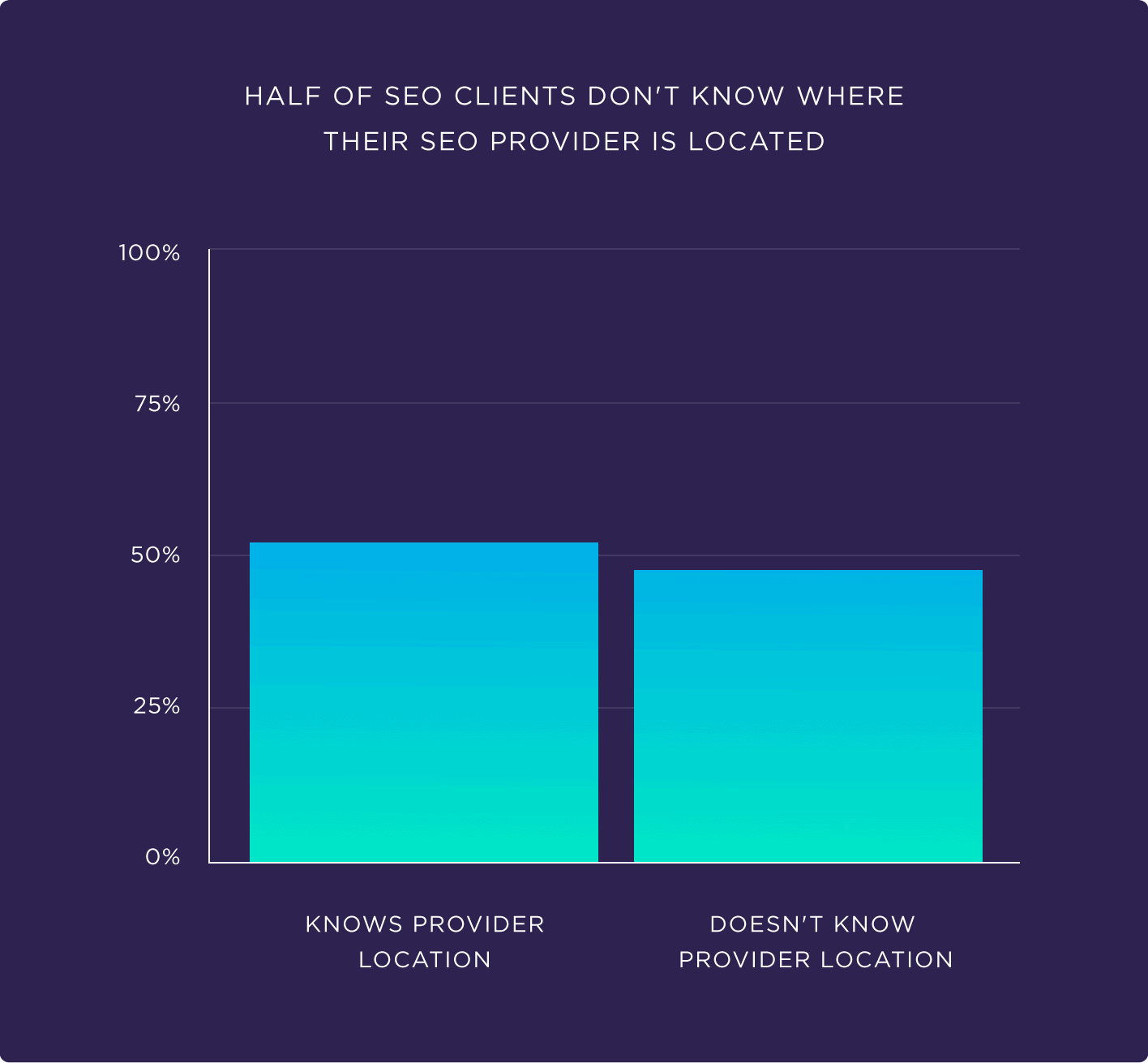
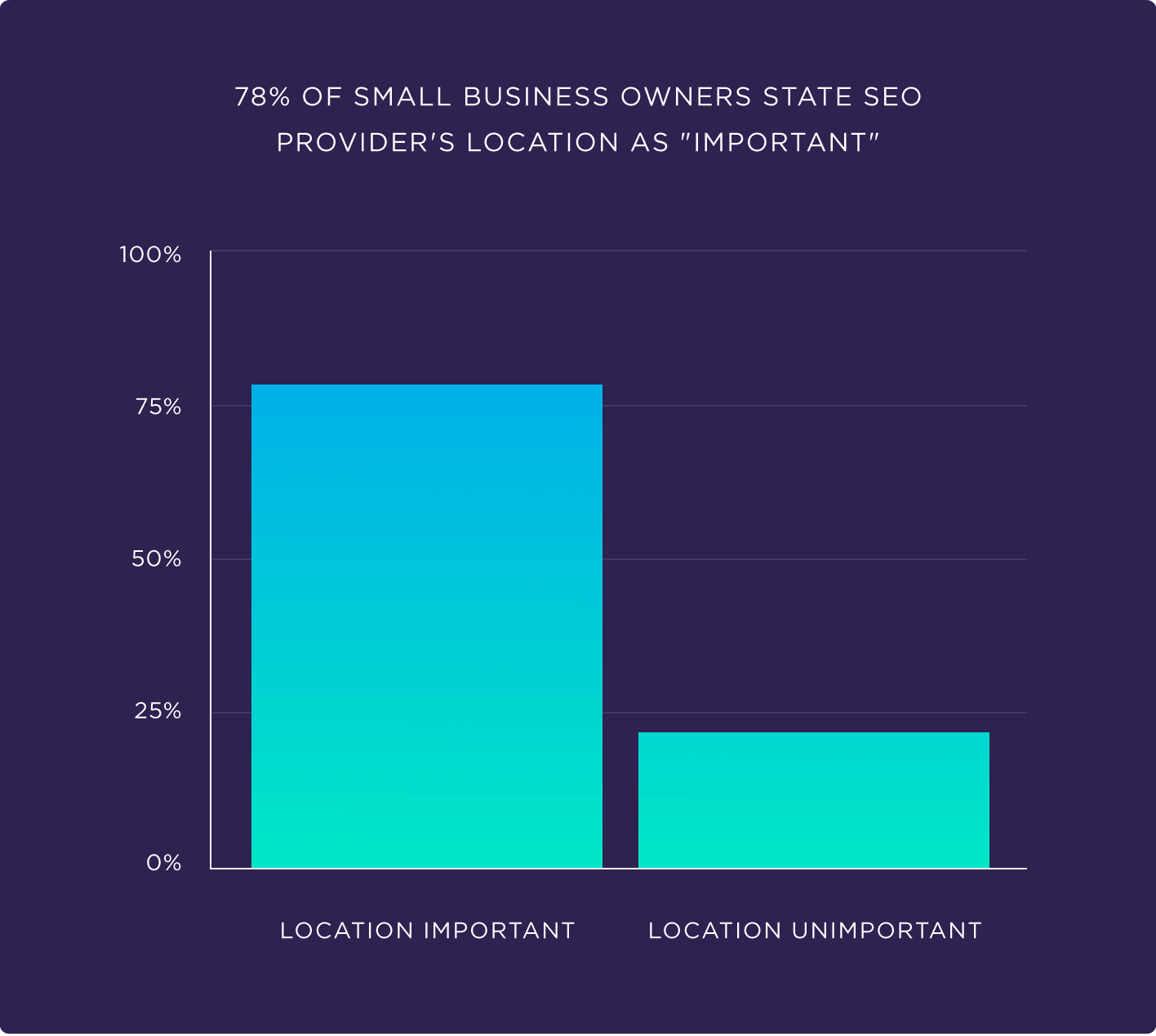
Less influential, though still playing a role, were client case studies and a provider’s social media presence. While 55% of the panel cited "referrals" as an important consideration, its impact, while significant, still paled in comparison to the overarching importance of reputation. An interesting geographical nuance also emerged: while only 51% of clients definitively knew their SEO provider’s location, a substantial 78% of US-based small businesses considered a known location "extremely" or "very" important, with 46% emphasizing it as "extremely important." This suggests that for many businesses, particularly within the US, a sense of proximity or established physical presence can instill greater trust and accountability, even if the actual work is performed remotely. SEO providers, especially those targeting specific geographic markets, could benefit from explicitly highlighting their location and even showcasing their physical office, as exemplified by firms like Siege Media.
Client Expectations: A Focus on Growth and Visibility
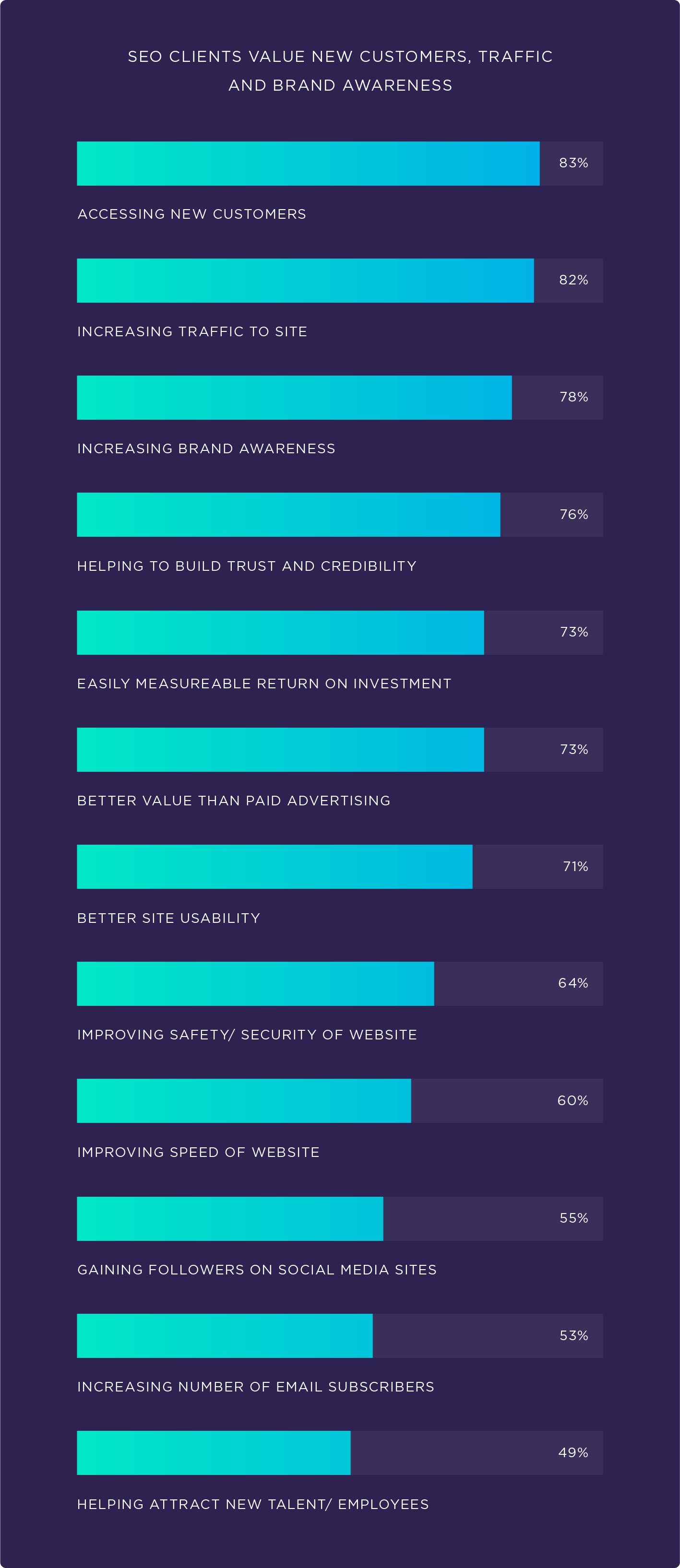
The primary motivation for businesses investing in SEO services is fundamentally tied to growth and market visibility. A recent 2025 survey underscored this, with 91% of SEO service users reporting a positive impact on their website performance and marketing objectives. Consequently, client expectations are high and remarkably consistent across the board. The survey highlighted "accessing new customers," "increasing traffic," "increasing brand awareness," and "building trust" as the most critical expectations. These directly translate into tangible business outcomes.
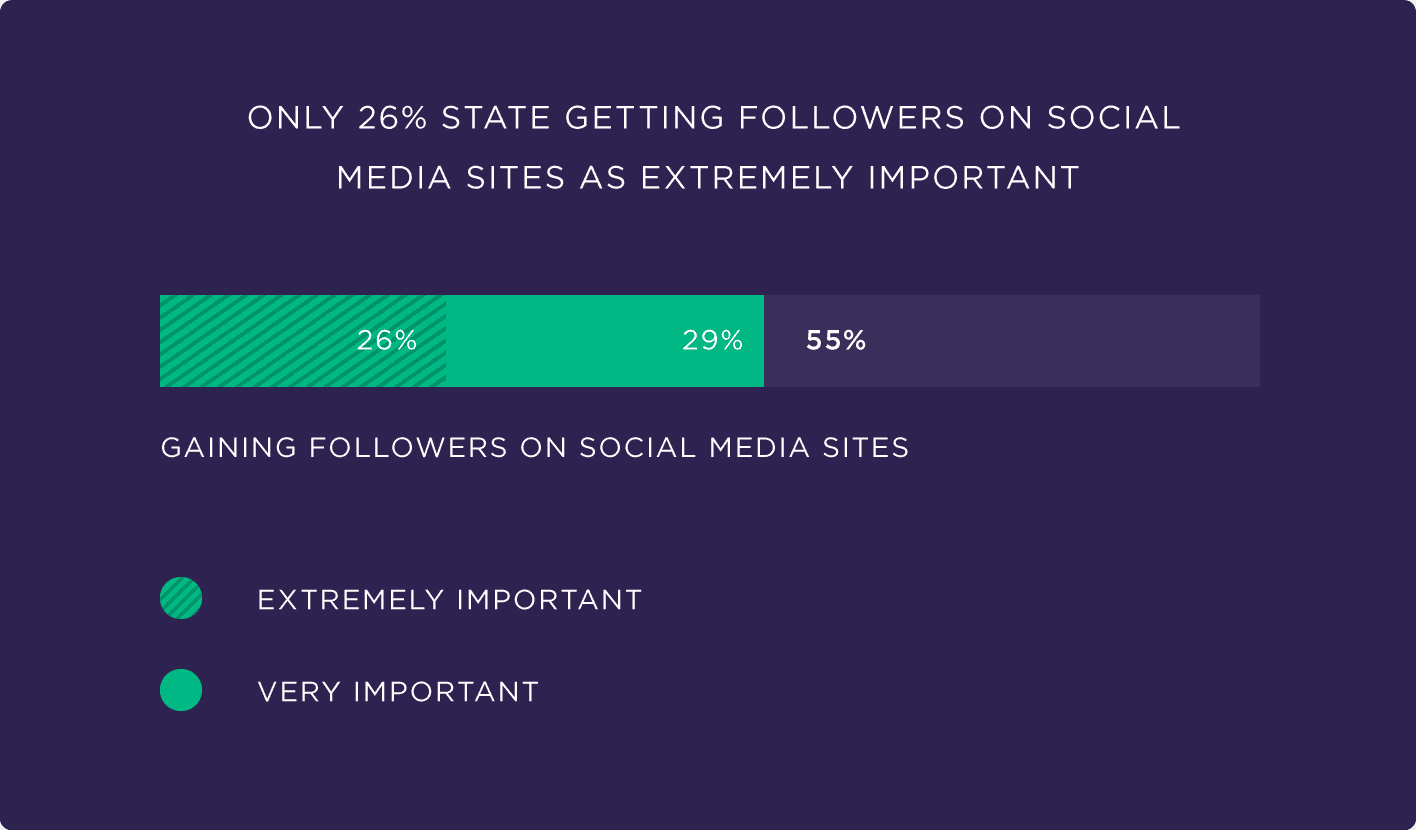
Conversely, objectives such as "gaining social media followers," "increasing email subscribers," and "attracting new talent" were considered relatively unimportant. This indicates a potential disconnect between some marketing agencies’ broader digital marketing offerings and clients’ core SEO expectations. For SEO providers, this is a crucial insight: communication should be consistently framed around the direct impact on customer acquisition, website traffic, and brand authority. Leading with promises of social media growth, for instance, might alienate clients whose primary focus is on search-driven business expansion. Delivering on these core expectations is paramount for long-term client relationships.
The Compelling ROI of SEO and AI’s Accelerating Influence
SEO is widely lauded as one of the most cost-effective marketing channels, boasting an impressive average Return on Investment (ROI) of approximately 22:1, meaning businesses can expect to earn about $22 for every dollar invested. This robust return is further evidenced by the fact that roughly one in three qualified leads (34%) originates directly from SEO efforts. However, this ROI is not uniform, varying significantly across industries. For instance, the Medical Device sector sees an extraordinary 1,183% ROI with a 13-month breakeven period, while Higher Education and College achieve 994% ROI. Other sectors like Oil & Gas (906%), Industrial IoT (866%), and Pharmaceutical (826%) also demonstrate substantial returns, typically breaking even within 7 to 13 months. Even E-commerce, with a 317% ROI and a 9-month breakeven, showcases strong performance.
The rapid advancement and integration of Artificial Intelligence (AI) are further amplifying SEO’s ROI. A significant 39% of businesses reported a "moderate increase" in SEO ROI due to AI, with an additional 29% claiming a "significant ROI increase." Only a marginal 1% perceived a reduction. AI’s role extends to enhancing various facets of SEO, from more sophisticated keyword research and content generation to predictive analytics for ranking factors and personalized user experiences. This technological integration is streamlining processes, improving targeting, and ultimately contributing to more efficient and impactful SEO campaigns, cementing its status as a high-return investment for businesses savvy enough to leverage its potential.
Addressing the Industry’s Satisfaction Deficit
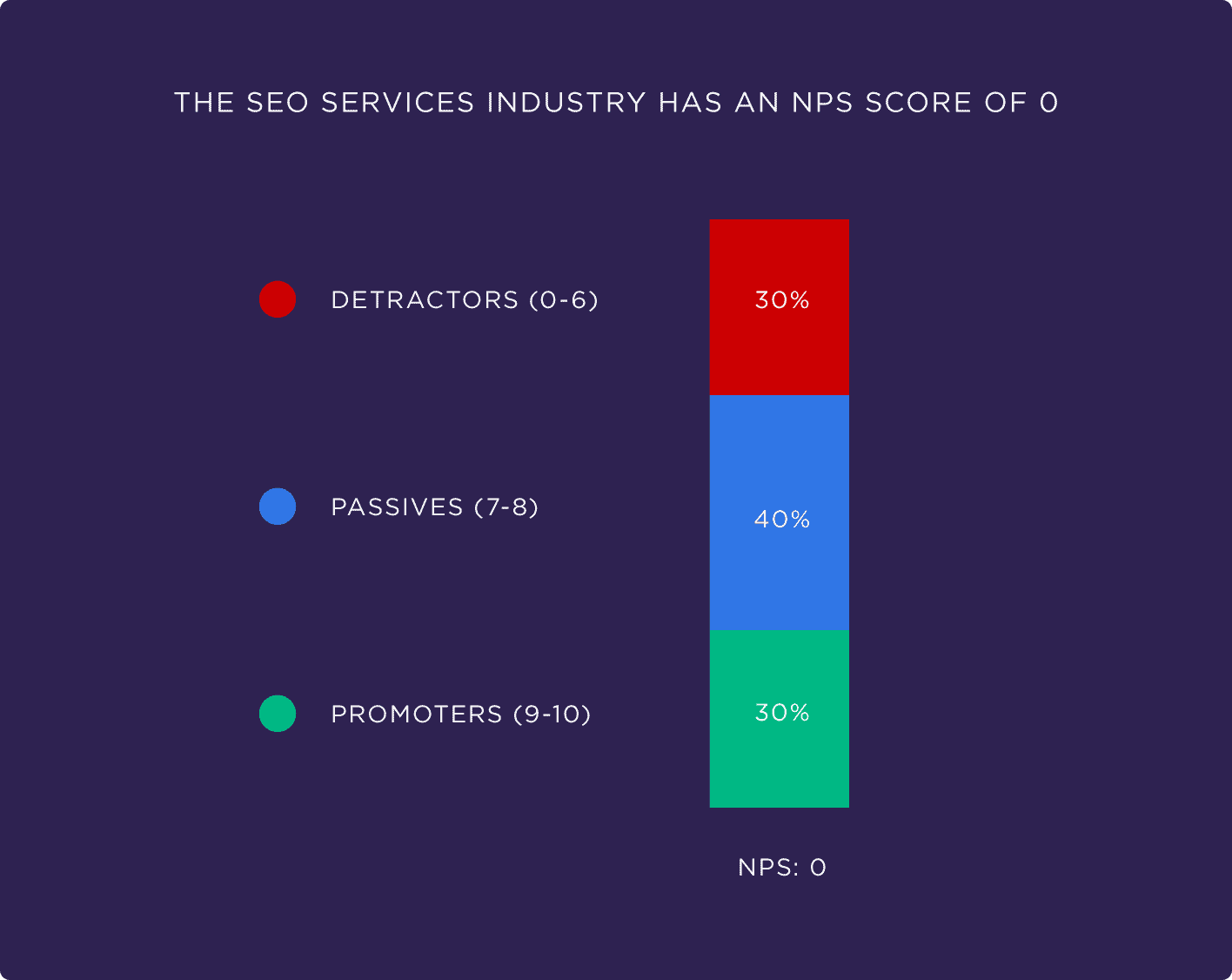
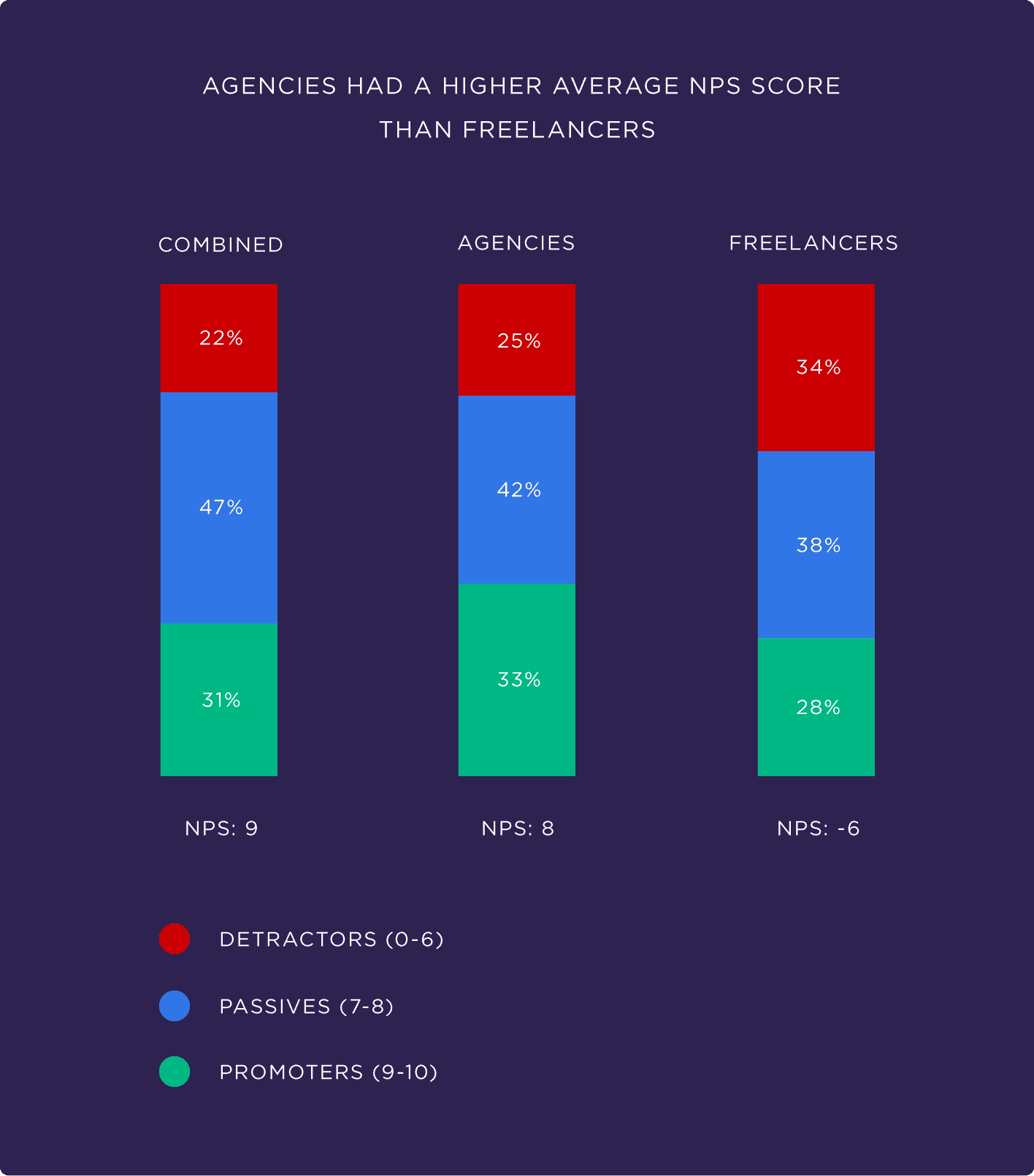
Despite SEO’s high ROI potential, client satisfaction within the industry remains remarkably low. SEO is inherently a long-term investment, with many campaigns requiring 6 to 12 months merely to reach a breakeven point. This extended timeline, coupled with insufficient or unclear reporting and misaligned expectations, often leads to client frustration. Using the Net Promoter Score (NPS), a standard measure of customer loyalty, the industry registered a score of 0, indicating a general "not likely to recommend" sentiment. Only 30% of small business owners expressed a willingness to recommend their current SEO provider, and an equal 30% identified as "detractors," signifying they would likely leave a negative review.
A deeper dive into satisfaction levels reveals that marketing agencies generally achieve a higher average NPS score than individual freelancers, suggesting that the structured support, broader expertise, and accountability often found in agencies might contribute to a better client experience. However, even agencies operate within an overall low satisfaction environment, indicating systemic challenges across the industry. This widespread dissatisfaction underscores the urgent need for providers to refine their communication strategies, manage expectations more effectively, and focus on demonstrating tangible value throughout the client journey.
Root Causes of Client Departure and Retention Drivers

To understand the low satisfaction, the research explored why clients choose to leave SEO providers. The overwhelming majority (82%) cited "dissatisfaction with business results" as a primary factor, closely followed by cost (81%). This dual emphasis highlights that clients evaluate results not in isolation, but in relation to the financial investment—the perceived ROI. Delivering strong performance is critical, but equally important is the ability to clearly articulate and demonstrate that return on investment.
Beyond results and cost, other factors contribute to client churn. A significant 80% of "lapsed clients" (those who have switched providers) reported finding a "better option" on their own, suggesting that clients are actively seeking alternatives. Poor customer service and unresponsiveness were cited by 34% of former clients, indicating that even with decent results, a lack of proactive communication and support can erode trust. Interestingly, being "pitched by a competitor" was a less significant reason for departure, implying that satisfied clients are generally loyal.
Conversely, existing clients who expressed happiness with their SEO services often highlighted factors such as clear communication, demonstrable results, and a strong, collaborative partnership. Testimonials from satisfied clients frequently praise providers who offer transparent reporting, educate them on SEO processes, and consistently deliver on promises related to traffic and customer acquisition. These insights provide a clear roadmap for SEO providers seeking to improve retention: prioritize demonstrable ROI, maintain open and consistent communication, and foster a strong client relationship built on trust and mutual understanding.
The Critical Role of Client Web Savviness and Communication
A fascinating revelation from the study pertains to the client’s own understanding of digital marketing. Approximately 37% of SEO clients self-reported their "web savviness" as "somewhat" or "not very" proficient. This critical insight implies that many clients lack a fundamental grasp of common SEO jargon and the technical intricacies of the field. For instance, terms like "title tags," "CSS," or "backlinks," while standard for SEO professionals, can be alienating and confusing to a less technical client.
The impact of this knowledge gap is significant: existing, satisfied clients were found to be twice as likely to consider themselves "extremely web savvy" compared to lapsed clients. This suggests that clients with a better understanding of SEO are better equipped to comprehend the value and progress of their provider’s efforts, leading to greater satisfaction and longer retention. For SEO companies, this finding underscores the necessity of clear, jargon-free communication. Reports and conversations should prioritize business-centric metrics such as "leads," "sales," and "first-page Google rankings," rather than technical terms. Educating clients, simplifying complex concepts, and aligning reporting with their business objectives can bridge this "web savviness" gap, fostering better understanding, managing expectations, and ultimately enhancing client satisfaction and longevity.

Conclusion and Future Outlook
The SEO services industry, while burgeoning with significant annual spending and promising high ROI, faces a fundamental challenge in client satisfaction and retention. The insights gleaned from this comprehensive report, powered by data from Backlinko and Northstar Research Partners, paint a detailed picture for both businesses seeking SEO services and the providers offering them.
For businesses, the key takeaways involve understanding that SEO is a substantial, long-term investment where higher spending often correlates with greater satisfaction. They should prioritize providers with strong reputations, demonstrable results (especially their own Google rankings), and a clear communication style that aligns with their core business objectives of customer acquisition and traffic growth.
For SEO providers, the path to sustained success lies in transparency, client education, and consistent delivery of measurable business results. They must actively manage client expectations, communicate value in business-centric language, and foster relationships built on trust and responsiveness. Recognizing that many clients are not "web savvy" means simplifying complex processes and focusing reports on tangible outcomes rather than technical jargon. The high turnover rate, while a challenge, also presents an opportunity for providers who can consistently deliver results and maintain high levels of client satisfaction through effective communication and a deep understanding of their clients’ business goals.
As AI continues to reshape the digital marketing landscape, its accelerating impact on SEO ROI presents a powerful lever for providers. Those who strategically integrate AI into their offerings, enhancing efficiency and effectiveness, will be better positioned to meet evolving client demands and contribute to a more positive overall industry perception. The future of SEO services will undoubtedly be defined by the ability to adapt to technological advancements, bridge communication gaps, and consistently demonstrate undeniable value to a diverse clientele.