Google, the global leader in search technology, has once again refined its complex algorithms, introducing a significant update to its widely recognized E-A-T guidelines. This evolution, now termed E-E-A-T, adds an additional "E" for "Experience," signaling a reinforced commitment to prioritizing content that demonstrates genuine, first-hand engagement with a subject. This move marks a pivotal moment for content creators and SEO professionals, as Google continues its relentless pursuit of delivering the most helpful and reliable information to its users, particularly in an era increasingly populated by generative AI.
The Evolution of Content Quality: From E-A-T to E-E-A-T

The journey towards E-E-A-T began nearly a decade ago. In 2014, Google first introduced the E-A-T framework within its Search Quality Rater Guidelines. These comprehensive documents instruct human quality raters on how to assess the quality of websites and content, effectively training the algorithm on what constitutes valuable search results. E-A-T, standing for Expertise, Authoritativeness, and Trustworthiness, aimed to elevate content produced by credible sources, thereby combatting the spread of misinformation and low-quality articles.
The importance of E-A-T escalated dramatically with a major algorithm update in 2018, often referred to as the "Medic Update" due to its pronounced impact on health and medical websites. This update underscored Google’s desire to ensure that content, especially in "Your Money or Your Life" (YMYL) categories—topics that could significantly impact a user’s health, financial stability, or safety—was authored by verifiable experts. Sites with strong E-A-T signals, such as clear author biographies, professional affiliations, and consistent high-quality output, saw preferential treatment in Search Engine Results Pages (SERPs). Conversely, sites lacking these signals often experienced significant drops in rankings.
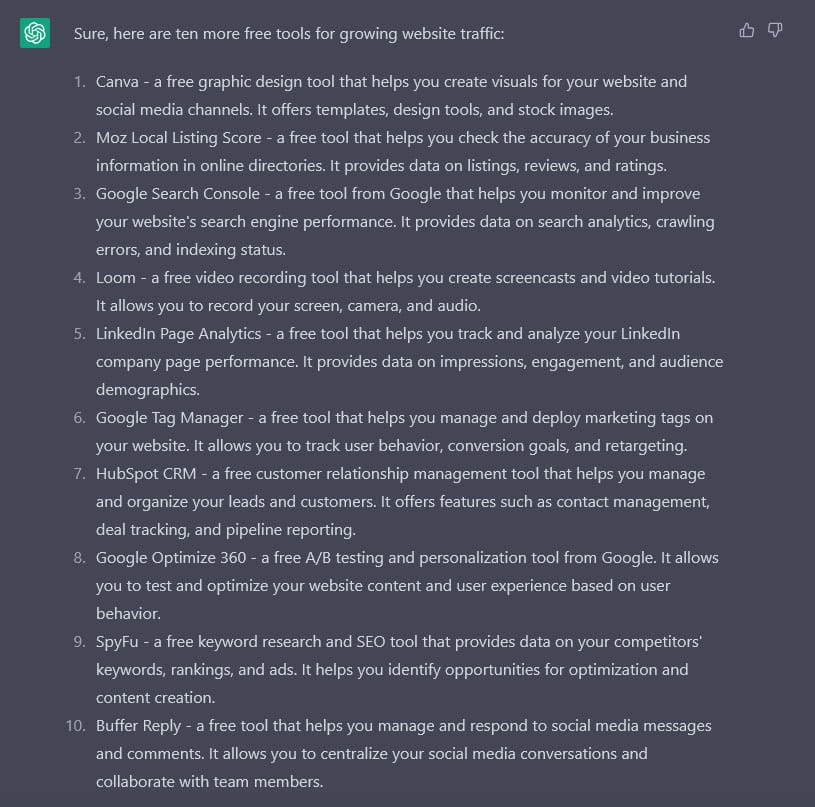
The digital landscape, however, underwent a seismic shift in mid-2022 with the widespread emergence and accessibility of advanced generative AI tools like ChatGPT. While these technologies offered unprecedented capabilities for content generation, they also ushered in a deluge of generic, unoriginal, and often inaccurate content. This prompted concerns within the SEO community and, more importantly, at Google, regarding the potential for search results to be inundated with low-value, AI-produced articles that lacked genuine human insight or verification.
In response, Google rolled out its "Helpful Content Update" in August 2022, explicitly stating its preference for "people-first content." This update was designed to reward content created for humans, by humans, and to penalize content primarily generated for search engines. This set the stage for the formal introduction of the additional "E."
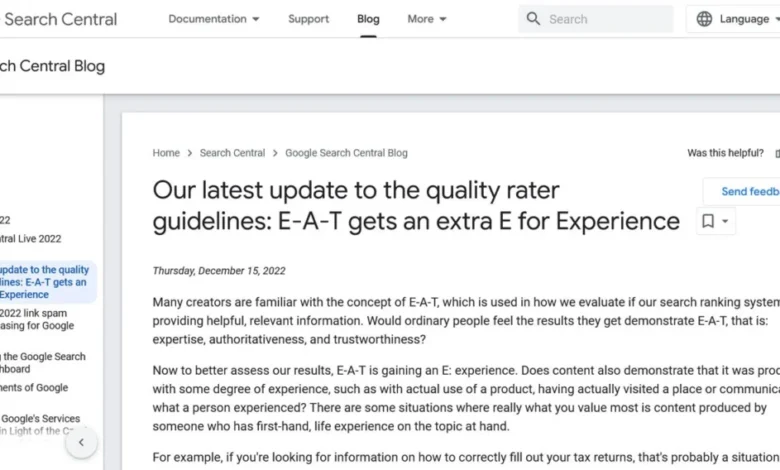
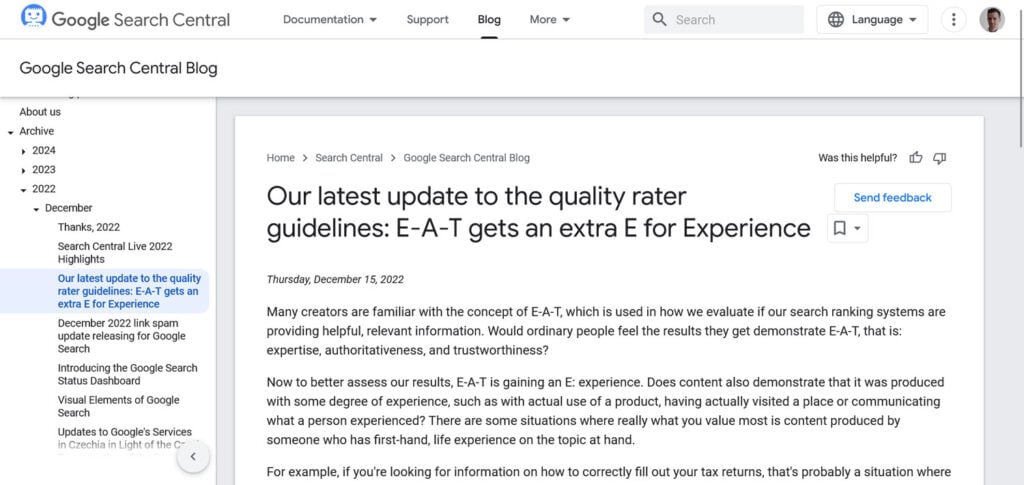
Finally, in December 2022, Google officially updated its Search Quality Rater Guidelines to include the new "Experience" factor, transforming E-A-T into E-E-A-T. This addition directly addresses the challenge posed by AI, which, despite its sophistication, cannot possess subjective, real-world experiences. Google’s intention is clear: to further distinguish between content that merely compiles information and content that offers genuine, lived perspective.
The Significance of "Experience" in E-E-A-T

The new "Experience" component emphasizes the value of first-hand, personal involvement with the topic at hand. It asks whether the content creator has direct, practical knowledge or interaction with what they are writing about. This goes beyond academic expertise or theoretical knowledge; it’s about practical application and lived reality.
For instance, a product review written by someone who has actually used the product, a travel guide from a person who has visited the destination, or a troubleshooting article by an individual who has personally solved the problem, will now be favored. Google’s rationale is that such content inherently offers unique insights, practical tips, and a level of authenticity that cannot be replicated by AI or by content creators merely summarizing existing information.
This update is not just a technical adjustment; it represents Google’s ongoing commitment to user satisfaction. Users searching for information, recommendations, or solutions ultimately seek reliable, trustworthy guidance. Content infused with genuine experience resonates more deeply and provides greater utility, fostering a more valuable search ecosystem.
Practical Strategies for Demonstrating "Experience"
For content creators and businesses aiming to maintain or improve their SEO standing under the E-E-A-T framework, actively demonstrating "Experience" is paramount. This involves a strategic shift in content creation, moving beyond purely informational aggregation to showcasing authentic engagement.
-
Authenticity Over Automation:
The most fundamental step is to avoid relying solely on AI for content generation. While AI tools can be valuable for brainstorming, outlining, or drafting, the final output must be heavily edited, fact-checked, and injected with human perspective. Content that feels generic, repetitive, or lacks a distinct voice is a strong indicator of AI generation and will likely be penalized. Google’s quality raters are trained to identify these patterns, and algorithms are continually evolving to detect them.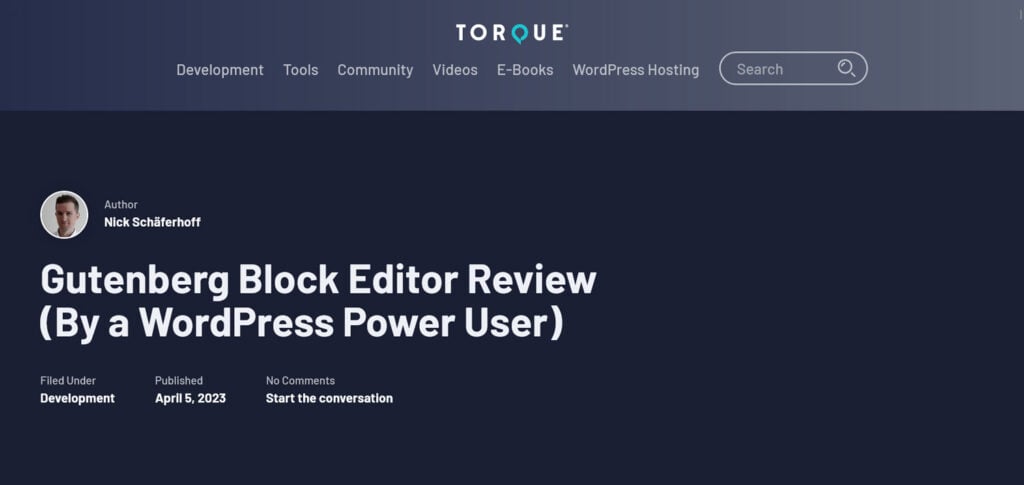
-
Direct Engagement with Products, Services, or Concepts:
This is perhaps the most direct way to showcase experience.- Product Reviews: Instead of summarizing manufacturer specifications or other reviews, actually acquire and use the product. Document the unboxing, setup, usage, pros, cons, and long-term impressions.
- Service Evaluations: Subscribe to and actively use the service being reviewed. Detail the onboarding process, customer support interactions, feature set, and overall user experience.
- Tutorials and How-Tos: Perform the steps yourself. If it’s a technical guide, execute the code; if it’s a DIY project, build it. This ensures the instructions are accurate, practical, and comprehensive.
- Location-Based Content: For travel or local guides, physically visit the places, interact with the businesses, and share personal observations.
-
Cultivating an Honest and Nuanced Voice:
Genuine experience often comes with nuanced opinions. No product or service is perfect, and a truly experienced reviewer will acknowledge both strengths and weaknesses. A critical, yet fair, assessment often builds more trust with readers than an overly glowing, generic endorsement. As observed with consumer reviews on platforms like Amazon, a thoughtful four-star review can often be more credible and helpful than a barrage of uncritical five-star ratings, which might be perceived as manufactured or bot-generated. Embrace honest critique and provide balanced perspectives. -
Visual and Tangible Evidence:
"Pics or it didn’t happen" is a mantra that applies directly to E-E-A-T’s "Experience" factor.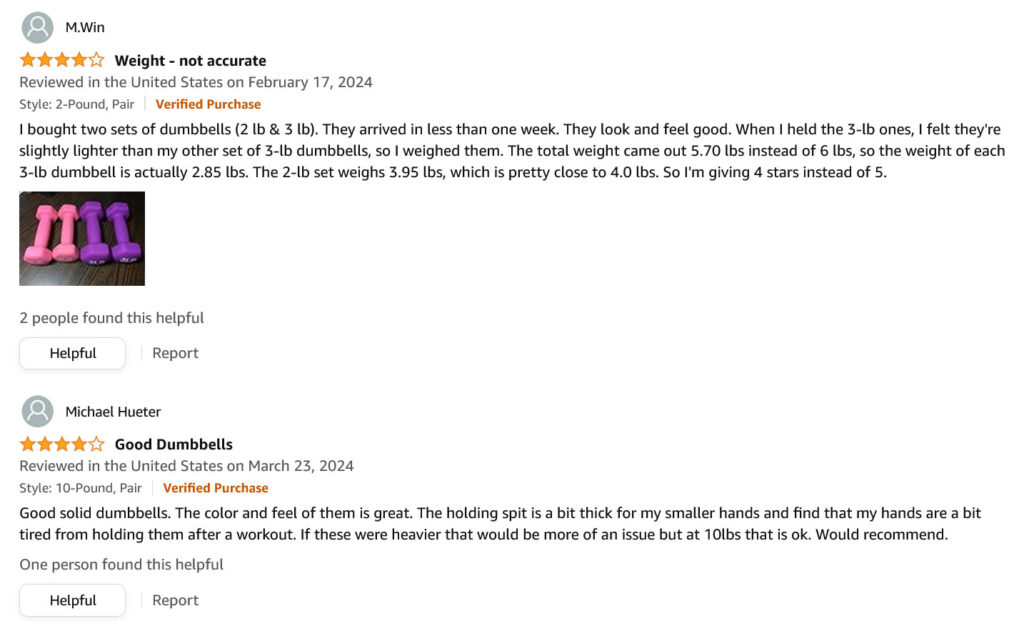
- Original Photography/Videography: Include high-quality, original images or videos of you using the product, performing the steps in a tutorial, or visiting a location. These visual cues serve as irrefutable proof of first-hand experience.
- Screenshots: For software, apps, or online services, provide clear, annotated screenshots demonstrating usage, features, and workflows.
- Data and Results: If reviewing a performance-based product or service, share actual data, benchmarks, or results achieved through your usage.
-
Transparent Sourcing and Citation:
While "Experience" focuses on first-hand knowledge, it doesn’t negate the need for thorough research and credible sourcing. If you reference external data, studies, or expert opinions, ensure they are properly cited. AI models are notoriously poor at accurate citation and can even hallucinate sources. Human-created content, backed by verifiable sources, further reinforces trustworthiness and indirectly demonstrates the creator’s diligence and experience in research. -
Establishing a Human Presence and Identity:
This aligns closely with the original E-A-T principles but gains renewed importance with the "Experience" addition.- Detailed Author Bios: Ensure every piece of content is attributed to a real person with a comprehensive author bio. This bio should highlight their qualifications, relevant experience, and passion for the topic. Link to professional profiles (LinkedIn, personal websites) to establish credibility.
- "About Us" Page: Create a robust "About Us" page for your website that clearly articulates the mission, values, and the people behind the content. Transparency about who is creating the content builds significant trust.
- Personal Anecdotes: Weave in personal stories, challenges faced, and lessons learned related to the topic. These anecdotes make content more relatable and provide tangible evidence of experience.
The Broader E-E-A-T Framework: Expertise, Authoritativeness, and Trustworthiness
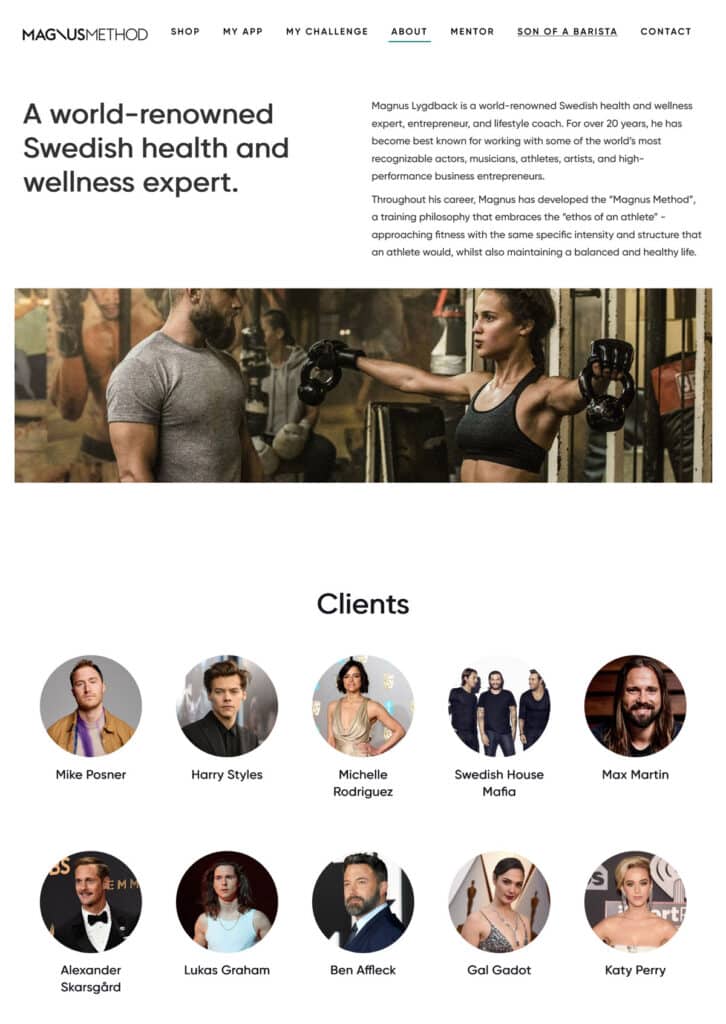
While "Experience" is the latest addition, the original components remain critical. Content creators must continue to cultivate and demonstrate:
- Expertise: Possessing a high level of knowledge or skill in a particular field. This can be academic qualifications, professional certifications, or extensive practical knowledge.
- Authoritativeness: Being recognized as a leading or definitive source on a topic. This is often built through consistent high-quality content, external mentions, backlinks from reputable sites, and recognition from peers.
- Trustworthiness: Being perceived as credible, honest, and reliable. This involves accurate information, transparent business practices, clear privacy policies, secure website infrastructure, and positive user reviews.
All four elements of E-E-A-T work synergistically. An experienced individual who is also an expert, an authority, and trustworthy will produce content that Google’s algorithms are designed to favor.
Navigating Google’s Content Quality Tiers
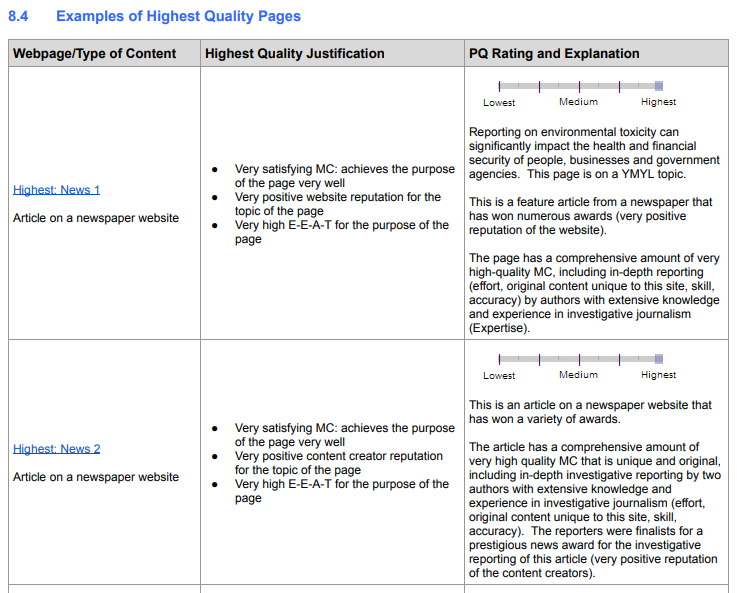
Google’s Search Quality Guidelines delineate different levels of E-E-A-T, which directly correlate with perceived page quality:
- Lowest E-E-A-T: Reserved for malicious, illegal, deceptive, or entirely unhelpful content, such as scams, phishing sites, or dangerous misinformation. These pages provide no legitimate value and are actively suppressed.
- Lacking E-E-A-T: Pages that fail to meet adequate E-E-A-T standards. This can include content that is inaccurate, poorly researched, unoriginal, or created with minimal effort. Even well-intentioned bloggers can fall into this category if they don’t consciously demonstrate the E-E-A-T factors. Such pages will suffer significant SEO penalties.
- High Level of E-E-A-T: Content that generally meets Google’s requirements by demonstrating genuine experience, expertise, authoritativeness, and trustworthiness. This is the baseline for competitive SEO performance.
- Very High Level of E-E-A-T: Content that goes above and beyond, offering exceptional value, groundbreaking insights, or demonstrably superior quality compared to competitors. These pages often come from highly reputable sources, feature deeply experienced and recognized authors, and are meticulously maintained.
Special Considerations: YMYL Content
Content falling under the "Your Money or Your Life" (YMYL) umbrella demands the highest standards of E-E-A-T. These categories include:
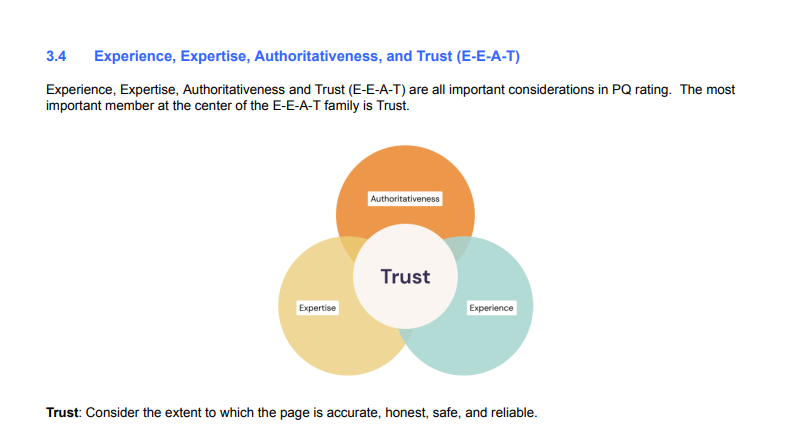
- Health and Medical Information: Advice on treatments, diagnoses, symptoms, drug information.
- Financial Information: Investment advice, tax guidance, loan applications, banking.
- Legal Information: Legal counsel, rights, regulations.
- Public Safety: Information impacting personal safety, disaster preparedness.
- Civic Information: Voting, government services, public policy.
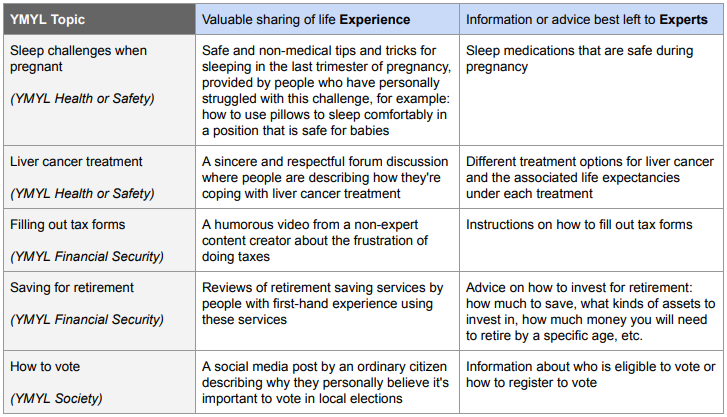
For YMYL content, Google places immense emphasis on Expertise and Trustworthiness. Medical content, for example, is expected to be written or thoroughly vetted by licensed medical professionals. Financial advice should come from certified financial advisors. However, the "Experience" factor still plays a role, albeit with careful differentiation. A person sharing their personal journey of coping with a chronic illness (experience) might be valuable, but their advice should not replace that of a medical doctor (expertise). Similarly, an individual’s tips on budgeting on a low income (experience) can be helpful, but formal investment advice must come from a qualified expert (expertise). Google’s guidelines explicitly highlight this distinction, illustrating scenarios where personal experience is appropriate versus where professional expertise is non-negotiable.
The "Needs Met" Rating and Overall Page Quality
Beyond E-E-A-T, Google’s quality raters also evaluate content based on the "Needs Met" rating. This assesses how well a search result satisfies the user’s intent behind their query. A page with high E-E-A-T might still receive a lower "Needs Met" rating if it fails to directly answer the user’s question or provide the specific information they were looking for. Maximizing SEO, therefore, requires not only strong E-E-A-T but also a deep understanding of user search intent and the ability to deliver relevant, comprehensive, and helpful answers.
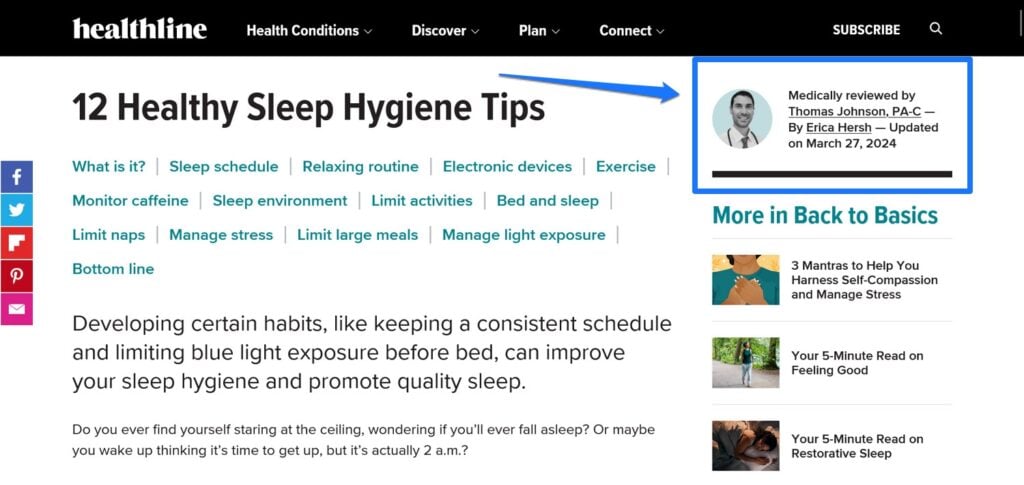
Overall page quality is another distinct, yet interconnected, ranking factor. It encompasses elements like website reputation, user experience (e.g., page loading speed, mobile-friendliness), design, and the presence of disruptive ads. A page with excellent E-E-A-T can still be downgraded if its overall quality is compromised by poor technical execution or an unpleasant user experience. Conversely, pages exhibiting characteristics such as misleading titles, excessive pop-ups, broken functionality, or a lack of clear purpose are likely to be classified as "low quality" regardless of their E-E-A-T signals.
Implications for Content Creators and Businesses
The E-E-A-T update, particularly the emphasis on "Experience," represents both a challenge and an opportunity.
Challenges:
- Increased Resource Investment: Producing truly experienced-based content often requires more time, effort, and sometimes financial investment (e.g., purchasing products to review).
- Authenticity Demands: Content strategies must shift from mere content production to genuine engagement and unique perspective sharing.
- Combating AI Spam: The continuous battle against AI-generated content will likely evolve, requiring content creators to consistently demonstrate their human edge.
Opportunities:
- Reward for Quality: Creators who genuinely invest in producing high-quality, experienced-driven content will likely see improved rankings and increased visibility.
- Enhanced Trust and Authority: Building a reputation for authentic, experienced-based content fosters deeper trust with an audience, leading to stronger brand loyalty and higher conversion rates.
- Differentiation: In a crowded digital space, genuine experience becomes a powerful differentiator, allowing creators to stand out from generic, AI-assisted competition.
In conclusion, Google’s E-E-A-T guidelines, with the pivotal addition of "Experience," mark a significant step in the evolution of search quality. It’s a clear signal that the future of successful online content lies in authenticity, human insight, and demonstrable first-hand knowledge. For content creators and businesses, adapting to these guidelines is not merely an SEO tactic but a fundamental commitment to providing genuine value and fostering trust in an increasingly digital and AI-influenced world.
Related posts: