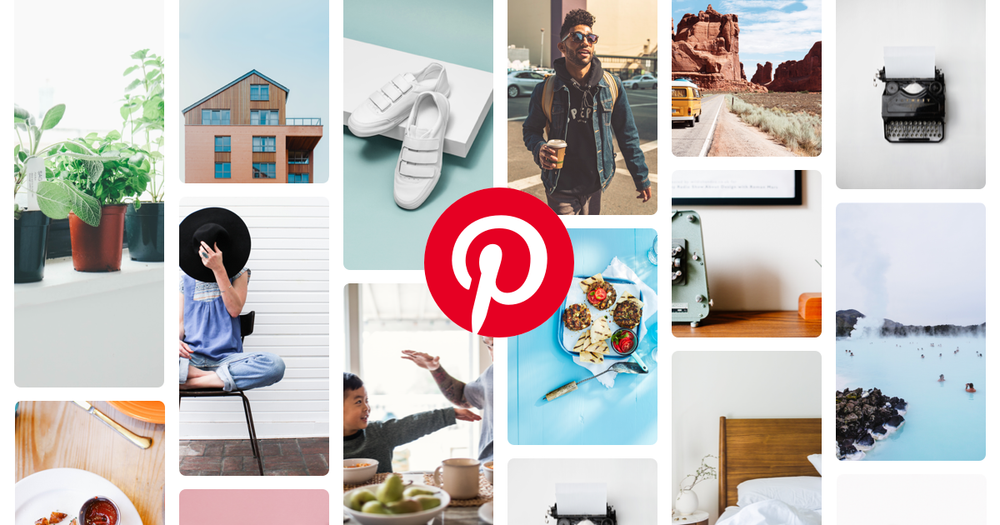
Pinterest, the ubiquitous visual discovery engine, continues to solidify its position as a vital platform for inspiration, planning, and increasingly, commerce. While other social media giants like TikTok and Instagram captivate users with ephemeral content and real-time engagement, Pinterest offers a distinct, evergreen experience that appeals to a more intentional user base. This platform, often described as a hybrid of a visual search engine and a digital pinboard, is not merely a space for collecting pretty pictures; it’s a powerful tool for consumers looking to discover products, plan life events, and for businesses and creators seeking to connect with a highly motivated audience.

With 619 million global active users as of early 2024, Pinterest has evolved far beyond its initial concept. Data from a 2024 report by DataReportal reveals that a significant 36.6% of active users engage with the platform primarily to follow or research brands and products. This statistic underscores Pinterest’s transition from a purely inspirational tool to a significant driver of purchasing decisions. Indeed, data from Pinterest itself indicates that over 85% of users have made a purchase based on pins they’ve encountered. This high intent to purchase, coupled with the platform’s unique algorithm that promotes long-term content visibility, makes Pinterest an increasingly attractive marketing channel for businesses and creators.
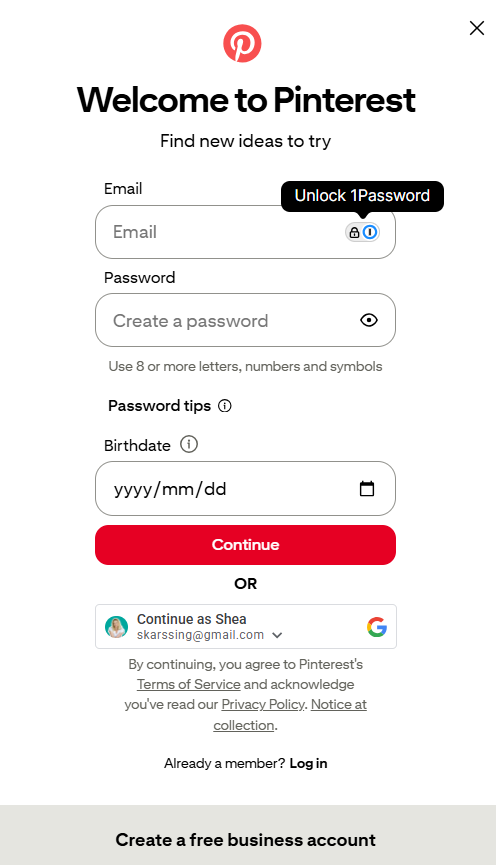
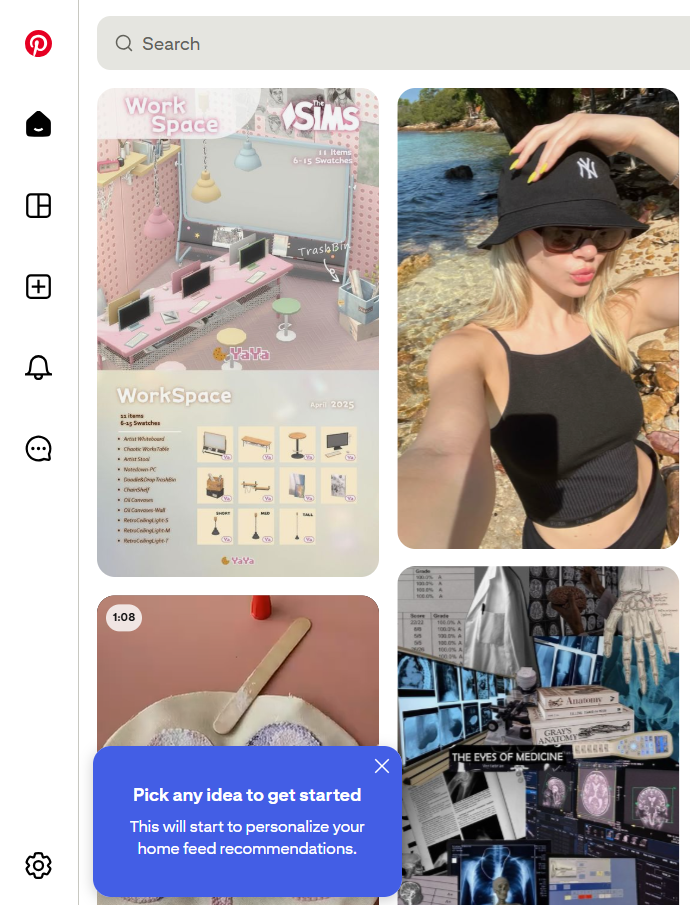
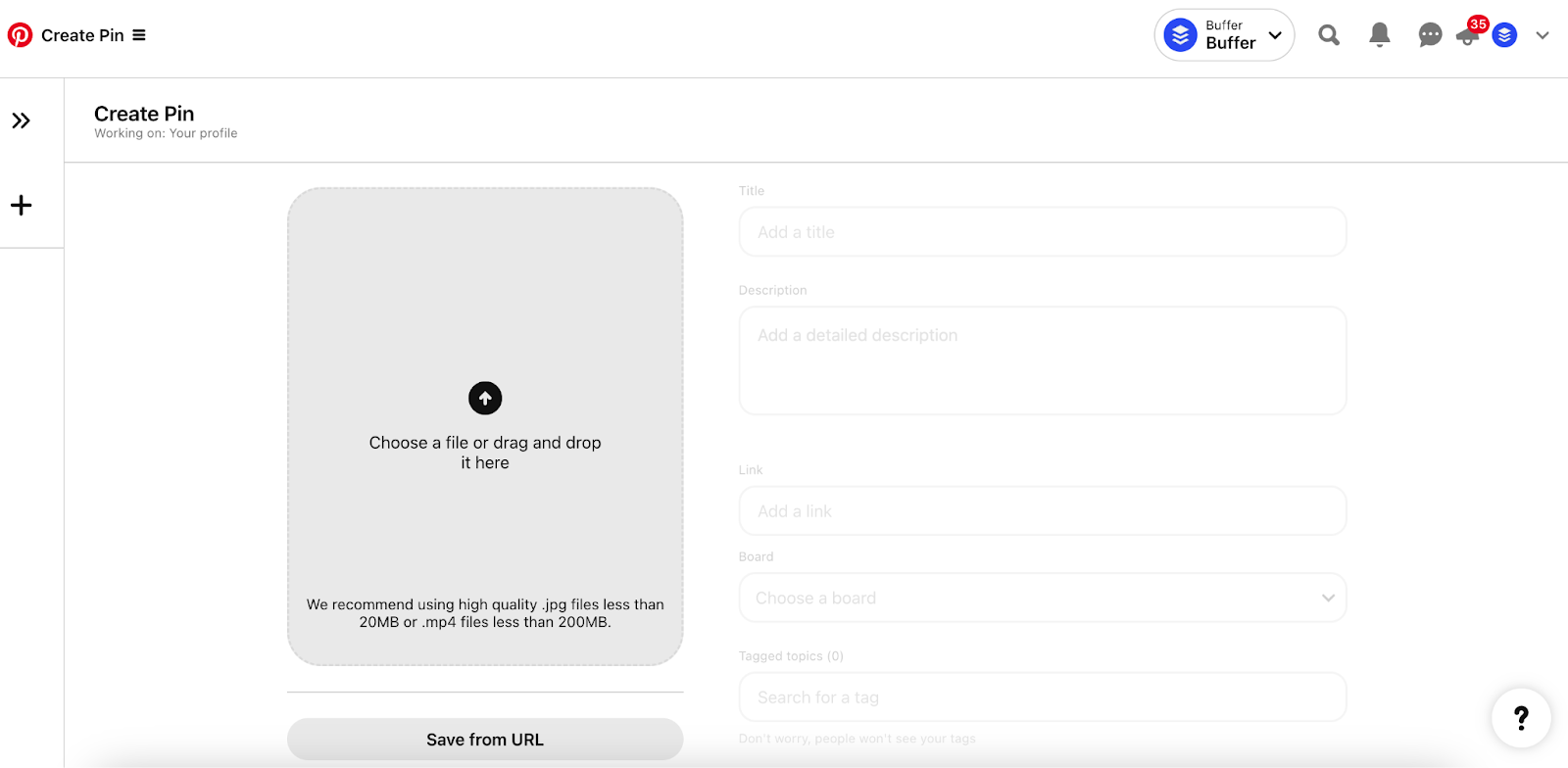
Understanding the core functionality of Pinterest is key to leveraging its potential. At its heart, Pinterest is a visual discovery engine where users create and organize ideas into collections called "boards." These ideas are represented by "pins," which are essentially visual cards that can be images or videos, accompanied by titles, descriptions, and crucially, links to external websites. Users can upload their own content or save pins found elsewhere on the web using browser extensions. The platform is accessible through both personal and business accounts, each offering distinct advantages depending on the user’s objectives.
The Benefits for Businesses and Creators
The appeal of Pinterest for businesses and creators lies in its unique user behavior and algorithmic structure. Unlike platforms where content has a short lifespan, Pinterest content, when optimized, can continue to drive traffic and engagement for months, or even years, after its initial publication. This "long game" approach is a significant differentiator. Heather Farris, a Pinterest marketing expert and agency owner, likens Pinterest to a search engine where users actively seek solutions and inspiration. "It has allowed them to thrive," Farris states, highlighting that "Pinterest users are different from others because they have a higher intent to purchase and often spend more money per purchase."
Furthermore, the Pinterest algorithm does not necessitate a large following for content to be discovered. Users can find relevant pins through search queries, independent of whether they follow a particular account. This democratizes visibility, offering opportunities for new and established entities alike to reach their target audience at the precise moment they are looking for something specific. This enduring visibility means that a well-crafted pin can continue to be a valuable traffic source long after its initial promotion.
Demographics and Niche Performance
Pinterest generally performs best for businesses and creators operating within visual, aspirational, or "how-to" niches. Categories such as home decor, fashion, food and recipes, travel, DIY projects, beauty, and wellness consistently see strong engagement. Farris notes that brands across these sectors have experienced significant success on the platform. The aspirational nature of many Pinterest searches means users are often in a planning or discovery phase, making them receptive to product suggestions and creative solutions.
Personal vs. Business Accounts
For individuals looking to save ideas for personal use, a personal Pinterest account suffices. However, for those aiming to leverage the platform for marketing, brand building, or monetization, a business account is essential. Business accounts unlock crucial features such as Pinterest Analytics, advertising capabilities (including idea ads, video ads, carousels, and collection ads), product catalog integration, and access to the Pinterest Business Hub or Creator Hub. These tools provide invaluable insights into audience behavior, content performance, and opportunities for targeted promotion. For existing personal account holders, the option to convert to a business account or link a business account to a personal profile offers flexibility.
Creating and Optimizing Content
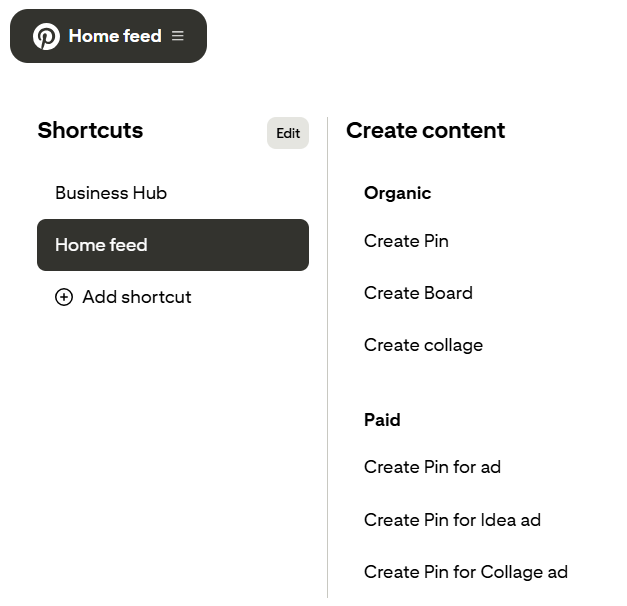
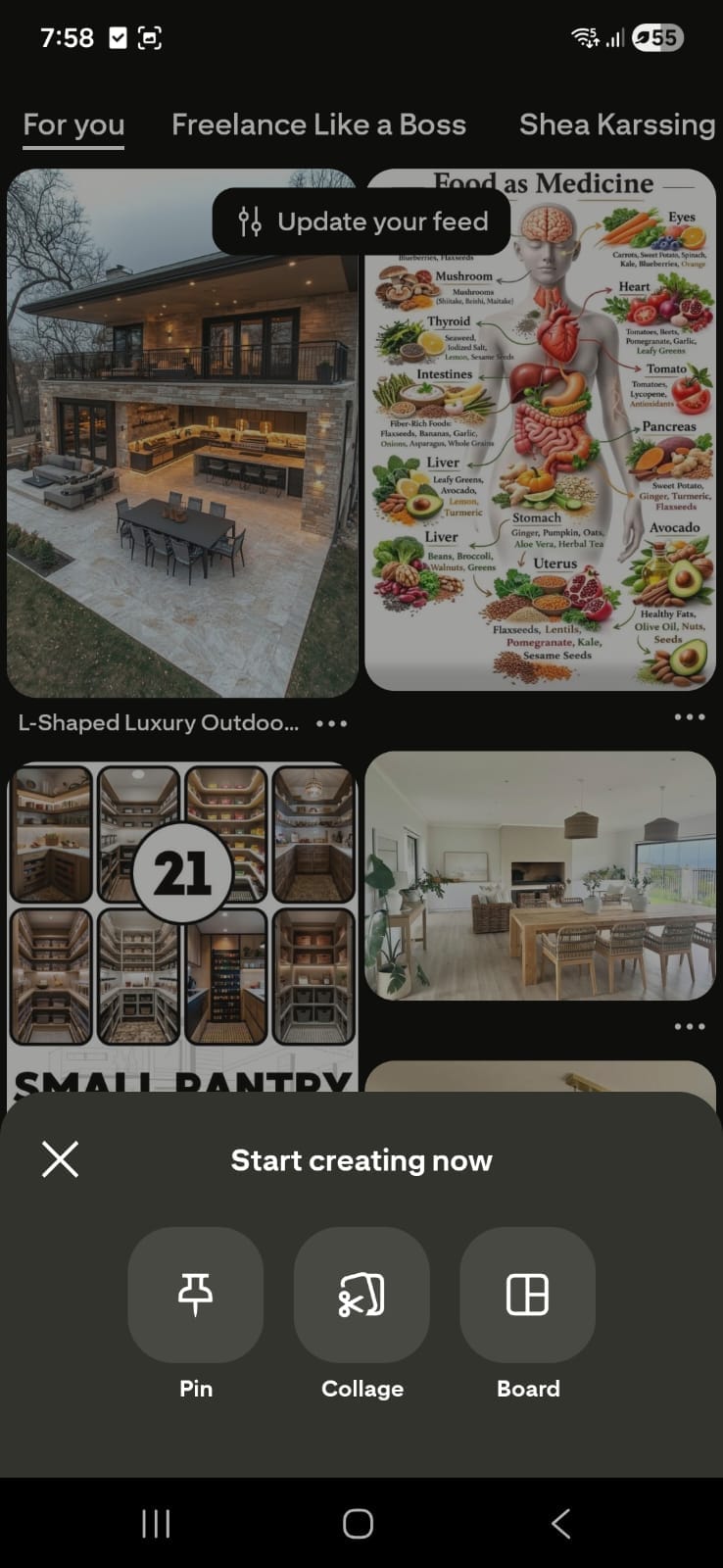
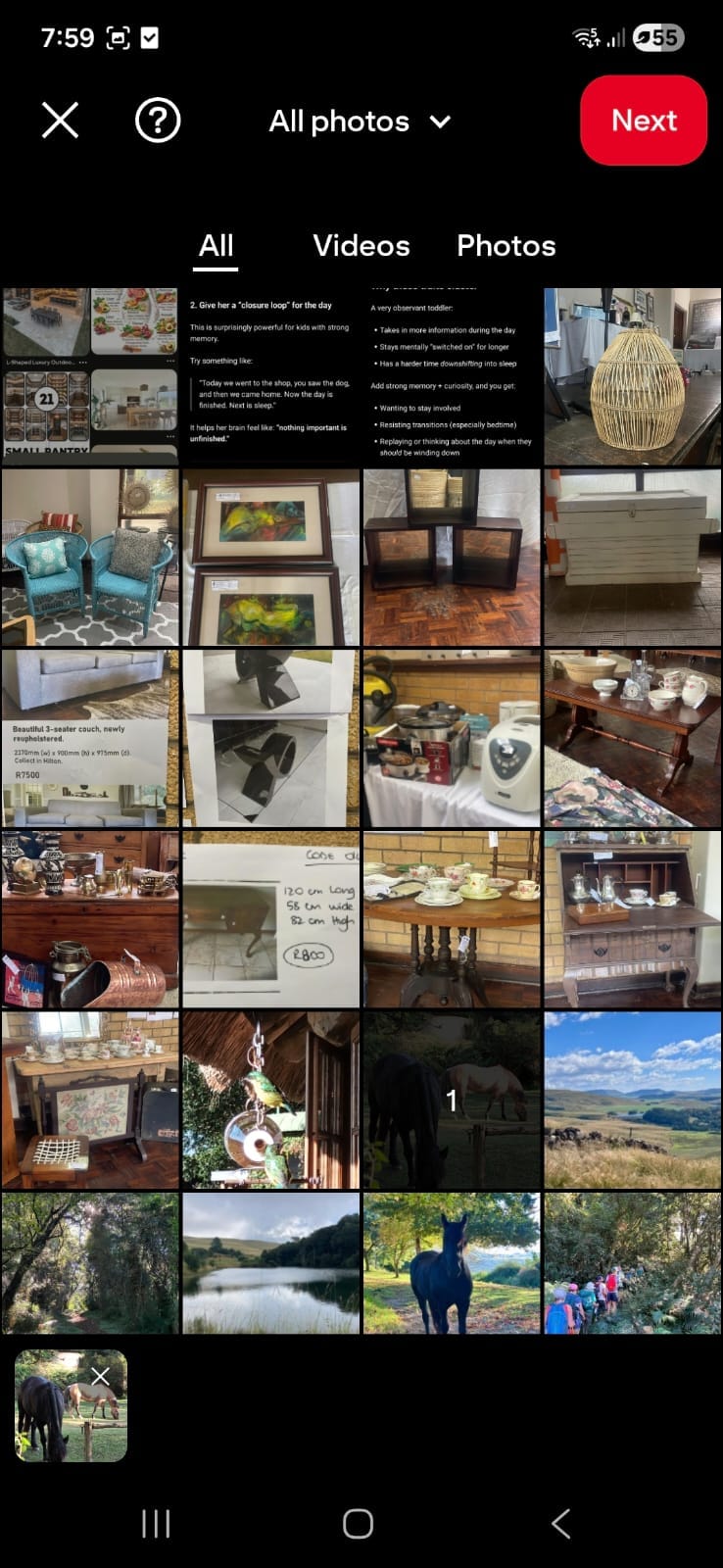
The process of creating content on Pinterest revolves around pins and boards. A pin can be an uploaded image or video, complete with a title, description, and a clickable link. Boards serve as curated collections, organizing pins around specific themes or topics. Users can create pins directly on the platform, via the mobile app, or by utilizing the Pinterest Save extension, which allows for easy pinning from any website.
For businesses and creators, optimizing pins and boards is paramount for discoverability. This involves strategic use of keywords in pin titles, descriptions, and board titles, mirroring how users search for information. While hashtags are present on Pinterest, their impact is less significant than that of well-researched keywords, which function as the primary SEO drivers on the platform.
Key Tactics for Business Success
To maximize the impact of their Pinterest presence, businesses and creators can implement several strategic tactics:
- Profile Optimization: Ensure brand consistency by matching business names, profile pictures, usernames, and descriptions with other social media profiles.
- Niche Focus: Target a specific audience within a well-defined niche to foster stronger engagement and align with the algorithm’s preference for focused content.
- High-Quality Visuals: Utilize eye-catching, uncluttered, and on-brand images and videos. Vertical aspect ratios (2:3 is ideal) are recommended to maximize visibility in the feed.
- Video Content: Incorporate video pins, which tend to generate higher engagement rates. Design videos for mobile viewing, with short clips for discovery and longer formats for tutorials.
- Strategic Copy: When necessary, add concise text overlays to images to enhance clarity and communicate key messages effectively.
- Detailed Descriptions: Craft informative pin descriptions that hint at further content on the linked website, incorporating a clear call to action (CTA) such as "shop," "make," or "find."
- Keyword Integration (SEO): Conduct thorough keyword research to inform pin and board titles and descriptions, helping users discover content through search. Avoid keyword stuffing, which can appear spammy.
- Strategic Hashtags: Use hashtags sparingly and strategically, focusing on relevant, keyword-rich terms as supplementary elements to keyword-optimized descriptions.
- Consistent Linking: Ensure every pin includes a relevant link to the source, directing users to learn more or make a purchase.
- Trend Anticipation: Pin seasonal and trending content well in advance of relevant dates to capture early planning searches.
- Purposeful Repurposing: When repurposing content from other platforms, remove watermarks and ensure compliance with copyright to avoid negatively impacting performance.
- Patience and Persistence: Recognize that Pinterest growth is a long-term endeavor. Content continues to gain traction over extended periods, rewarding consistent effort.
Leveraging Pinterest Analytics
For businesses with a Pinterest business account, the platform’s built-in analytics offer crucial insights into performance. Key metrics to monitor include impressions, pin clicks, saves, and outbound clicks. Impressions indicate reach, while pin clicks show user interest. Saves signify content value, and outbound clicks are a direct measure of traffic driven to external sites. Farris emphasizes prioritizing these metrics in order: impressions first, followed by pin clicks, saves, and outbound clicks, to systematically optimize the user journey towards conversion. Understanding these analytics allows for data-driven adjustments to content strategy, ensuring efforts are focused on what resonates most with the audience.
The Enduring Power of Pinterest
In an era of rapidly changing social media trends, Pinterest remains a steadfast platform for visual inspiration and commerce. Its unique focus on discovery, planning, and long-term content visibility provides a distinct advantage for businesses and creators willing to invest the time and strategic effort. By understanding the platform’s nuances, optimizing content for search, and consistently engaging with its audience, users can harness the enduring power of Pinterest to achieve their goals. The visual discovery engine continues to evolve, offering a compelling pathway for those seeking to connect with consumers in a meaningful and impactful way, making it a cornerstone of modern digital marketing strategies.